
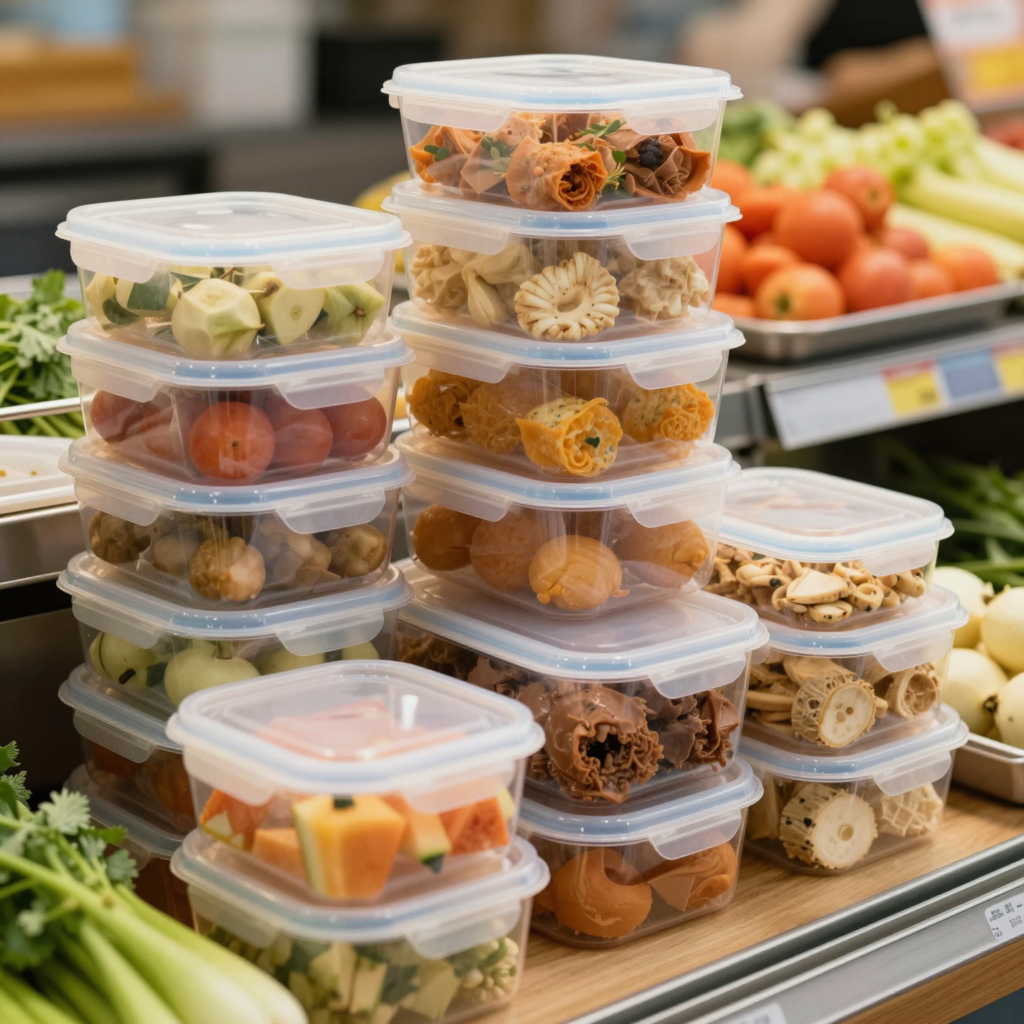
Welcome to our blog, where we explore the vital role of the plastic hinged food container in the food service industry. Whether you’re managing a bustling bubble tea shop or planning an elaborate catering service, these containers offer unparalleled convenience, safety, and versatility. Their design allows for easy access and secure transportation, making them ideal for both dine-in and takeaway options. Additionally, as part of the growing trend towards disposable tableware, they promote a hygienic solution for food packaging that meets the fast-paced demands of modern eateries. Join us as we delve deeper into the world of plastic hinged food containers, their benefits, and how they can enhance your food service operations. Learn more about plastic containers in the food industry and discover the best options for your business today!
Benefits of Plastic Hinged Food Containers
Plastic hinged food containers have quickly become a staple for food businesses, and it’s no wonder why! These versatile containers not only provide convenience but also contribute positively to operational efficiency and sustainability. Let’s explore some of the key benefits:
1. Convenience for Customers
The first advantage is the unbeatable convenience they offer. Customers love the ease of grabbing a plastic hinged container filled with their favorite food or snack. With their secure lids, food stays fresh and intact during transport, ensuring a delightful dining experience right from the first bite. Whether it’s for takeout or meal prep, these containers make it easy for customers to enjoy their food on the go.
2. Cost-Effectiveness
Businesses appreciate the cost-effectiveness of plastic hinged containers. They are generally affordable, meaning restaurants, food trucks, and catering services can save money while still delivering quality packaging. Additionally, these containers are lightweight, reducing shipping costs and allowing for more efficient use of storage and transport space. As the food industry thrives on efficiency, having a reliable and budget-friendly packaging option is crucial.
3. Eco-Friendly Options
In today’s world, sustainability matters! Many plastic hinged containers are made from recyclable materials like PET and PP, helping businesses move towards more eco-friendly practices. By opting for these options, food businesses can reduce their environmental footprint while appealing to eco-conscious consumers. Containers that support recycling programs contribute to a circular economy, supporting the industry’s long-term health.
For more insights about how plastic containers can enhance your business, check out our blog on the food industry. Also, explore the eco-friendly options for plastic food containers to align with modern sustainability goals.
Safety Standards for Plastic Hinged Food Containers
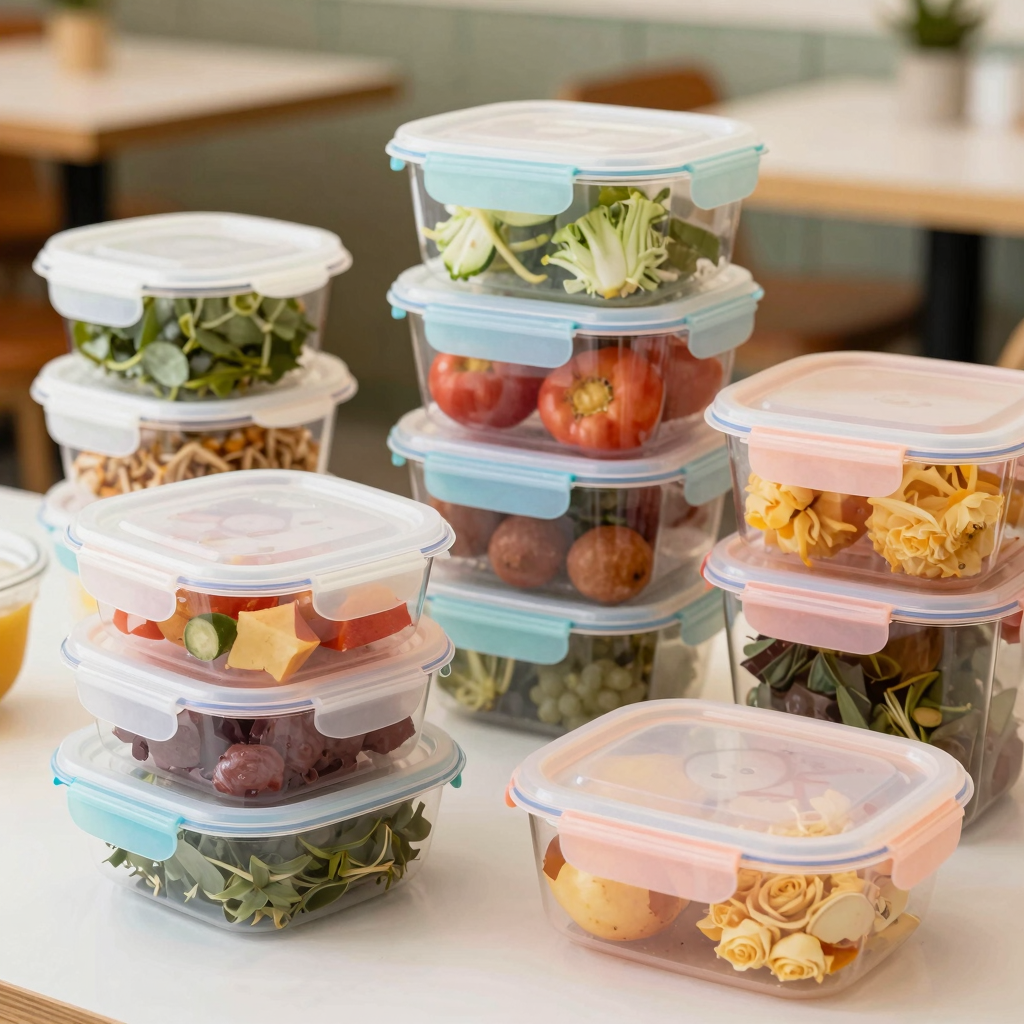
Plastic hinged food containers are crucial in the food industry, particularly for businesses such as bubble tea shops, restaurants, and catering services. Adhering to safety standards is not just a regulatory obligation but also a vital step in ensuring the protection of food quality and consumer health.
Key Safety Standards
-
FDA Regulations: The U.S. Food and Drug Administration (FDA) establishes stringent guidelines for food contact materials, ensuring that plastics used in food containers do not leach harmful chemicals into food. As of 2025, the FDA has issued over 12,000 inspections, revealing a 6.3% rate of non-compliance among food contact materials. Major concerns include the presence of bisphenol A (BPA) in products and inadequate labeling regarding food safety.
-
GB 4806.7-2023: This Chinese national standard outlines safety requirements for plastic containers coming into contact with food. Implemented in 2023, it emphasizes material safety, chemical composition, and manufacturing practices, thus ensuring that products meet specific safety thresholds to safeguard public health.
-
EU Regulations: In the European Union, regulations such as REACH and EU 1935/2004 require that all packaging materials used for food contact are safe and compliant. As of 2025, compliance rates for food contact materials within European markets reached an impressive 91.2%.
Importance of Compliance
For businesses, adhering to these safety standards not only protects public health but also shields them from legal liabilities and potential reputational damage. Consumers gain confidence in the safety of their food, which can translate into increased sales and brand loyalty.
Investing in safety compliance can establish a strong foundation for sustainable practices in food service, providing peace of mind for both providers and consumers. For more insights on the significance of safety in food packaging, click here.
Common Uses of Plastic Hinged Food Containers
Plastic hinged food containers have become a staple across various food service industries, providing convenience and reliability. Here are some common uses:
- Bubble Tea Shops: Perfect for packaging drink components like tapioca pearls and fruit toppings, ensuring secure transport without spills.
- Catering Services: Ideal for portion control, these containers aid in serving meals at events while keeping food fresh and appetizing. They also offer temperature control for hot and cold items.
- Food Trucks: The stackable design of these containers maximizes space, making them perfect for serving a variety of dishes on the go. They are lightweight and don’t compromise on sealing quality.
- Restaurants: For takeout, plastic hinged containers provide a hygienic, eco-friendly solution (many are made from recyclable materials) for packaging meals that are ready-to-eat. Their clear design enhances product visibility, appealing to customers.
These containers not only serve practical purposes but also contribute to sustainable practices in the food service industry. To explore further, learn more about plastic containers in the food industry and food-grade disposable takeaway boxes.
Comparison of Plastic Hinged Food Containers
In the world of food service, choosing the right type of plastic hinged food container is crucial for maintaining quality, ensuring durability, and minimizing environmental impact. Below is a detailed comparison of different plastic hinged food containers based on features like size, durability, eco-friendliness, and price.
| Type of Container | Size (Dimensions) | Durability | Eco-Friendliness | Price Range |
|---|---|---|---|---|
| Clamshell Containers | 7.3″ x 4.7″ x 2.7″ | Rigid plastic, impact-resistant | Not eco-friendly (single-use) | $0.05 – $0.10/unit |
| Disposable Plastic Boxes | 9″ x 6″ x 3″ | Heat resistant up to 200°F | Mostly single-use, recyclable labels | $10 – $25 (pack of 60) |
| Multicolor Options | 500ml, 650ml, 750ml | Durable, microwave-safe | Not environmentally friendly | $0.053/piece (bulk) |
| Eco-Friendly Alternatives | Various sizes | Less durable, compostable options | More sustainable, 2-3x higher cost | $0.20 – $0.60/unit |
Key Features:
- Durability: Most containers made from polypropylene (PP) are designed to withstand various conditions, including heating and freezing.
- Eco-Friendliness: While traditional options contribute to plastic waste, new alternatives are entering the market, focusing on sustainability. However, these often come at a higher cost.
- Price: Pricing can vary widely based on quantity and specific features. Bulk purchases typically offer better savings.
For further reading on plastic food containers in the food industry, check out this blog on plastic containers.
Additionally, learn about eco-friendly packaging options here.
Overall, choosing the right container requires careful consideration of the balance between durability, environmental impact, and budget.
Eco-Friendly Options for Plastic Hinged Food Containers
As businesses increasingly prioritize sustainability, choosing eco-friendly packaging solutions, such as plastic hinged food containers, has become essential. These options not only meet consumer demand for environmentally responsible products but also align with corporate social responsibility goals. Here’s a closer look at materials used in eco-friendly containers and the environmental benefits they bring.
Materials Used in Eco-Friendly Food Containers
- Bioplastics: Derived from renewable plant materials, such as corn starch or sugarcane, bioplastics significantly reduce dependency on fossil fuels. Common types include PLA (Polylactic Acid), which is both biodegradable and compostable under the right conditions (Sustainable Packaging Coalition).
- Recycled Materials: Containers made from post-consumer recycled (PCR) plastics help divert waste from landfills. Using recycled materials lessens the demand for virgin materials, thereby reducing energy consumption and greenhouse gas emissions during production (EcoEnclose).
- Fibers from Sustainable Sources: Many food containers are now made from sustainably sourced materials like bamboo or recycled paper pulp, which are biodegradable and have a lower environmental impact compared to traditional plastics (EcoEnclose).
Environmental Benefits
- Reduced Carbon Footprint: Eco-friendly containers generally result in lower carbon emissions during production and lifecycle compared to conventional plastic containers. For instance, bioplastics typically produce fewer greenhouse gases, contributing to a more sustainable environment.
- Encouraging Recycling and Composting: By utilizing materials that are biodegradable or composed of recycled content, businesses can facilitate a circular economy, fostering recycling and composting practices (Sustainable Packaging Coalition).
- Enhanced Brand Image: Businesses adopting sustainable packaging solutions can improve their brand reputation. Data show that 81% of consumers prefer to purchase products with environmentally friendly packaging (FedEx).
Choosing Sustainable Options for Your Business
When selecting eco-friendly food containers, brands must balance quality with sustainability. Here are some strategies:
- Prioritize Functionality: Ensure that the materials selected can safely hold different food types and withstand temperature changes (DHL).
- Certifications and Standards: Look for products that comply with recognized sustainability certifications, ensuring they meet environmental standards for biodegradability, compostability, and safety (EcoEnclose).
- Consumer Engagement: Educate customers on the benefits of eco-friendly packaging, which can enhance loyalty and support for your brand.
In summary, adopting eco-friendly plastic hinged food containers enables businesses to ensure sustainability without compromising quality. By taking proactive steps toward responsible packaging choices, restaurants, food trucks, and catering services can cater to growing consumer demand while significantly reducing their environmental impact.
Overall, investing in sustainable food packaging is not just an environmental obligation but a holistic business strategy that can lead to enhanced consumer relationships and operational efficiencies.
In the dynamic world of food service, exceptional quality and reliability are non-negotiable. At EcoCupBowl, we specialize in providing premium plastic hinged food containers that are perfect for bubble tea shops, restaurants, food trucks, and catering services. Our unwavering commitment to customer service means you can trust us to support your business every step of the way. With our products, you ensure that your food stays fresh, secure, and visually appealing, making your offerings even more enticing for customers. Plus, our containers are designed for effortless convenience, allowing you to focus on what truly matters: creating delicious food and unforgettable experiences.
Don’t miss out on the opportunity to elevate your food service offerings-explore our collection of versatile disposable food packaging today and discover why leading businesses choose us for their packaging needs. Contact us now and act fast to enjoy our special offers before they’re gone!
Disposable Packaging Market Trends (2020-2023)
The food service industry is witnessing a significant shift towards sustainable packaging solutions. A recent market study highlighted that the disposable packaging market is projected to grow from $250 billion in 2020 to $290 billion in 2023. This rising trend is driven by various factors including the convenience of use, increasing consumption of takeaway foods, and growing consumer awareness regarding sustainability.
As illustrated in the chart below, the market share of plastic hinged food containers is on the rise, increasing from 15% to 25% during the same period. Additionally, biodegradable packaging share is expected to grow significantly from 20% to 35%, indicating a clear preference among consumers for eco-friendly options.
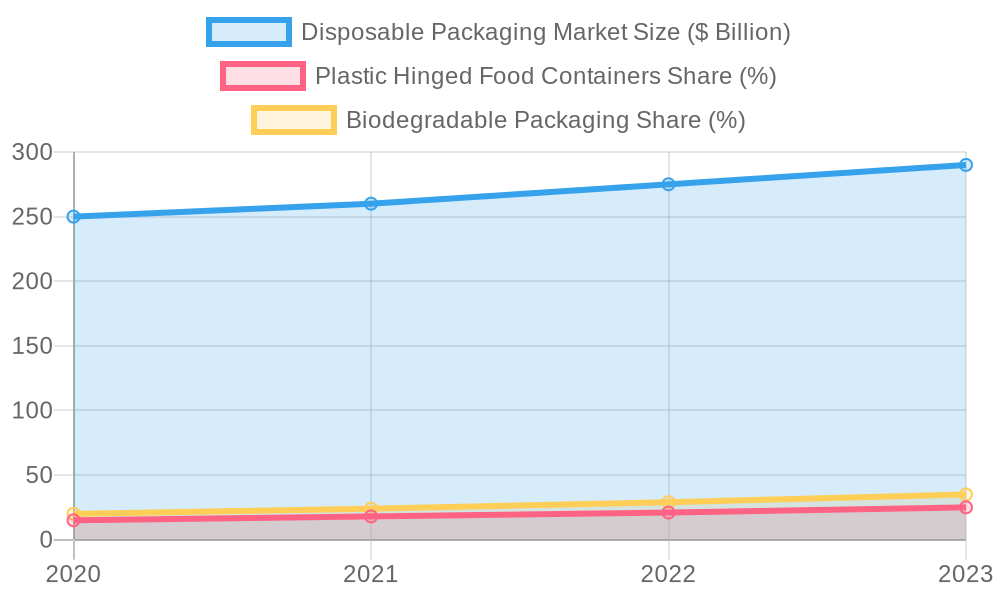
Disposable Packaging Market Trends (2020-2023)
| Year | Disposable Packaging Market Size ($ Billion) | Plastic Hinged Food Containers Share (%) | Biodegradable Packaging Share (%) |
|---|---|---|---|
| 2020 | 250 | 15 | 20 |
| 2021 | 260 | 18 | 24 |
| 2022 | 275 | 21 | 29 |
| 2023 | 290 | 25 | 35 |
Key Statistics:
- The disposable packaging market grew from $250 billion in 2020 to $290 billion in 2023, reflecting strong demand in the food service sector.
- Plastic hinged food containers increased their market share from 15% to 25% over the period, driven by convenience and cost-effectiveness.
- Biodegradable packaging solutions saw a significant rise, growing from 20% to 35% market share, highlighting a clear consumer shift toward sustainable options.
Source: Industry reports from 2024-2025, including “Disposable Packaging Market Report” and “Food Packaging Market” analysis (2026 update)
Disposable Food Packaging Market Trends
Food Packaging Innovations
In conclusion, plastic hinged food containers are not just a practical choice; they are a strategic asset that can significantly enhance the efficiency and appeal of businesses in the food service industry. These containers offer remarkable durability, ensuring that food items remain secure and fresh during transport. Their resistance to moisture and grease preserves food quality, while customizable options provide businesses with the opportunity to enhance their brand image. The stackable design of these containers also optimizes storage and shipping, ultimately lowering operational costs.
Moreover, as our industry continues to prioritize sustainability, these containers are often made from recyclable materials, further reducing their environmental impact. With the ability to cater to various heating methods and their functionality in fast-paced environments, these plastic containers are becoming the preferred choice for food trucks, catering services, and restaurants alike.
As you consider elevating your food packaging solutions, don’t hesitate to reach out for customized offerings that suit your specific needs. Learn more about the advantages of plastic food containers and discover how they can transform your business today!