
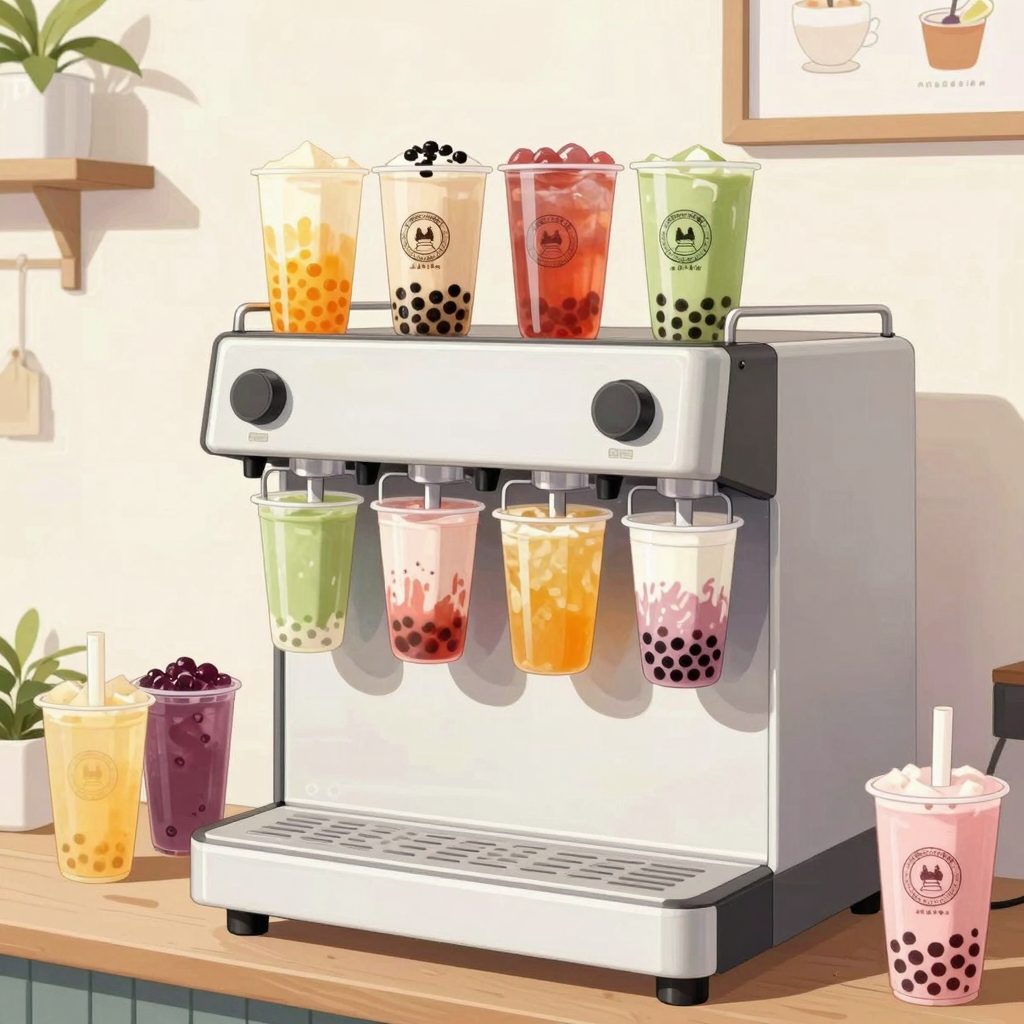
In the bustling world of bubble tea shops and beverage businesses, the demand for effective, efficient packaging solutions has never been greater. Enter the OEM plastic 6oz cup machine, a revolutionary tool that not only enhances the presentation of beverages but also boosts operational efficiency. These machines cater specifically to the needs of beverage shops, ensuring quick service and high-quality output, which can significantly improve customer satisfaction. With the ability to create custom plastic cups, businesses can offer a variety of drink options, from refreshing bubble tea to delicious smoothies, all while maintaining a professional image.
One of the standout benefits of using OEM plastic cup machines is their contribution to waste reduction-offering disposable solutions that are not only practical but also eco-friendly. By streamlining the sealing process, these machines minimize spills, keep beverages secure, and ensure that drinks stay fresh during transport, an essential aspect for any beverage outlet. With various types of plastic cups available, businesses can select designs that enhance their brand while appealing to their target market. For more insights on how plastic containers can impact the food industry, learn more here.
As a bubble tea shop or beverage chain, investing in an OEM plastic 6oz cup machine not only simplifies operations but also elevates the overall customer experience, setting the standard for quality and service in the increasingly competitive market of beverage service.
OEM Plastic 6oz Cup Machines
OEM plastic 6oz cup machines are specialized equipment designed to manufacture disposable plastic cups and lids, catering specifically to the food service industry, including beverage chains and event planners. These machines operate through processes like thermoforming and injection molding to efficiently produce high-quality cups and lids that meet increasing market demands.
Key Features of OEM Plastic 6oz Cup Machines
- High Efficiency: These machines can produce thousands of cups per hour, making them ideal for high-demand environments such as bubble tea shops and catering services.
- Customizable Designs: Many OEM machines offer customizable options, allowing businesses to create unique cup shapes and sizes that align with their branding and marketing strategies. This is crucial for businesses that rely on standout packaging, such as event planners and food trucks.
- Integration Capabilities: They can be integrated with lid applicator machines, enhancing the production line for lids and cups simultaneously, streamlining operations and reducing labor costs.
How They Work
The process begins with raw plastic materials, typically fed into the machine where they are heated and then formed into the desired shape. The cups can be produced with various features, including stackability and compatibility with different types of disposable lids. After the cups are molded, they can be coated, printed on, or adorned with logos to enhance branding.
As the demand for disposable products increases, with the global market for disposables projected to reach $22.1 billion by 2033 (source: Yahoo Finance), these machines play a crucial role in meeting market needs. Moreover, manufacturers are focusing on producing eco-friendly materials, responding to trends in sustainability within the food service industry.
In conclusion, OEM plastic 6oz cup machines offer beverage chains, restaurants, food trucks, and catering services a competitive advantage by ensuring they meet consumer demands for convenience, safety, and brand identity in their packaging. Learn more about how plastic cups meet industry standards and the newer models available.
Comparison of Top OEM Plastic Cup Machines
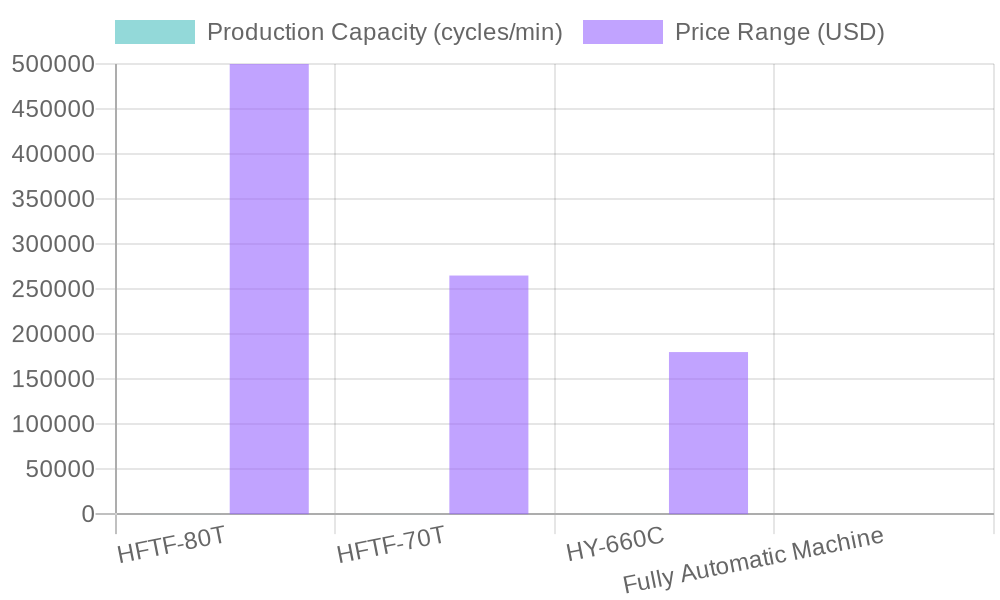
Looking for the right OEM plastic cup machine for your bubble tea shop or catering service? Here’s a detailed comparison to help you decide. The table below compares various plastic cup machines by their specifications, prices, and production capacity.
| Feature | HFTF-80T (Zhejiang Zhuorui Machinery) | HFTF-70T (Zhejiang Zhuorui Machinery) | HY-660C (Unspecified Manufacturer) | Fully Automatic Machine (General) |
|---|---|---|---|---|
| Model Number | HFTF-80T | HFTF-70T | HY-660C | N/A |
| Automation Level | Fully Automatic | Fully Automatic | Automatic | Fully Automatic |
| Max Forming Area | 762 × 470 mm (30″ × 18.5″) | 680 × 320 mm | N/A | N/A |
| Max Forming Height | ≤ 130 mm | ≤ 130 mm | N/A | N/A |
| Max. Sheet Width | 820 mm | 730 mm | N/A | N/A |
| Sheet Thickness Range | 0.4 – 2.0 mm | 0.3 – 2.0 mm | N/A | N/A |
| Max. Clamping Force | 500 kN | 250 kN | N/A | N/A |
| Heating Power (Upper/Lower) | 70/80 kW | 70/60 kW | N/A | N/A |
| Air Pressure | 7 – 8.5 bar | 0.7 – 0.85 MPa | N/A | 0.6 – 0.8 MPa |
| Max. Speed (Cycles/Min) | 35 | 42 | N/A | 30 |
| Water Consumption | 50 L/min | N/A | N/A | 0.7 m³/h |
| Air Consumption | N/A | 3000 L/min | N/A | 3.0 m³/min |
| Power (W) | N/A | N/A | 60 kW | N/A |
| Weight (kg) | N/A | N/A | 4500 kg | N/A |
| Material Compatibility | PP, HIPS, PVC, PET | PP, PS, PET, PVC, PLA | PP, PE, PET, etc. | Various thermoplastics |
| Molding Method | Thermoforming | Pressing | Air Pressure Molding | Thermoforming |
| Key Features | In-mould cutting, servo motor, PLC touch screen control | In-mould cutting, servo motor, two-station unwinder | Strong mold locking, low noise | High yield, automatic operation |
| Price Range (USD) | $400,000 – $600,000 | $180,000 – $350,000 | N/A | $18,000 – $216,000 |
| Production Capacity | 35 cycles/min | 42 cycles/min | N/A | 30 cycles/min |
Source:
- HFTF-80T Product Page – Alibaba.com
- HFTF-70T Product Page – Alibaba.com
- HY-660C Product Page – Alibaba.com
- Plastic Cup Making Machine Price In China – Alibaba.com
For more information on plastic containers in the food industry, explore further here.
Benefits of Using OEM Plastic 6oz Cup Machines
-
Cost-Efficiency:
-
Low Production Costs: OEM machines are designed for high-volume production, significantly reducing per-unit costs. This efficiency is vital for businesses looking to maximize profits while meeting customer demand.
-
Reduced Waste: With optimized manufacturing processes, these machines minimize material waste during production. This translates to savings in raw materials and disposal costs.
-
Affordable Maintenance: OEM machines typically offer lower ongoing maintenance expenses due to their robust design and availability of parts, which can decrease operational costs over time.
-
Efficiency:
-
High-Speed Production: These machines can produce thousands of cups per hour, catering to businesses that require quick turnaround times, especially during peak service periods.
-
Automation Features: Many OEM plastic cup machines come equipped with advanced automation, reducing the need for manual labor and enhancing production speed and reliability.
-
Consistent Quality: The precision engineering of OEM machines ensures consistent cup quality, which is crucial for brand trust and customer satisfaction.
-
Sustainability:
-
Recyclable Materials: The cups produced by OEM machines can often be made from recyclable plastics, allowing businesses to align with ecological practices and provide sustainable options to their customers.
-
Lower Carbon Footprint: By utilizing localized production, businesses can reduce their transportation emissions, contributing to a lower overall carbon footprint.
-
Support for Sustainability Goals: Adopting OEM plastic cups allows businesses to demonstrate their commitment to reducing environmental impact while continuing to cater to consumer preferences for disposable items.
Incorporating the use of OEM plastic cup machines not only enhances operational aspects but also aligns with sustainability efforts that modern consumers value. Be sure to check resources such as cost efficiency in plastic cups for further insights into optimizing your operations.
By leveraging these machines, businesses can not only meet their immediate customer needs but also prepare for a more sustainable future in food service.
Safety Standards for Disposable Cups
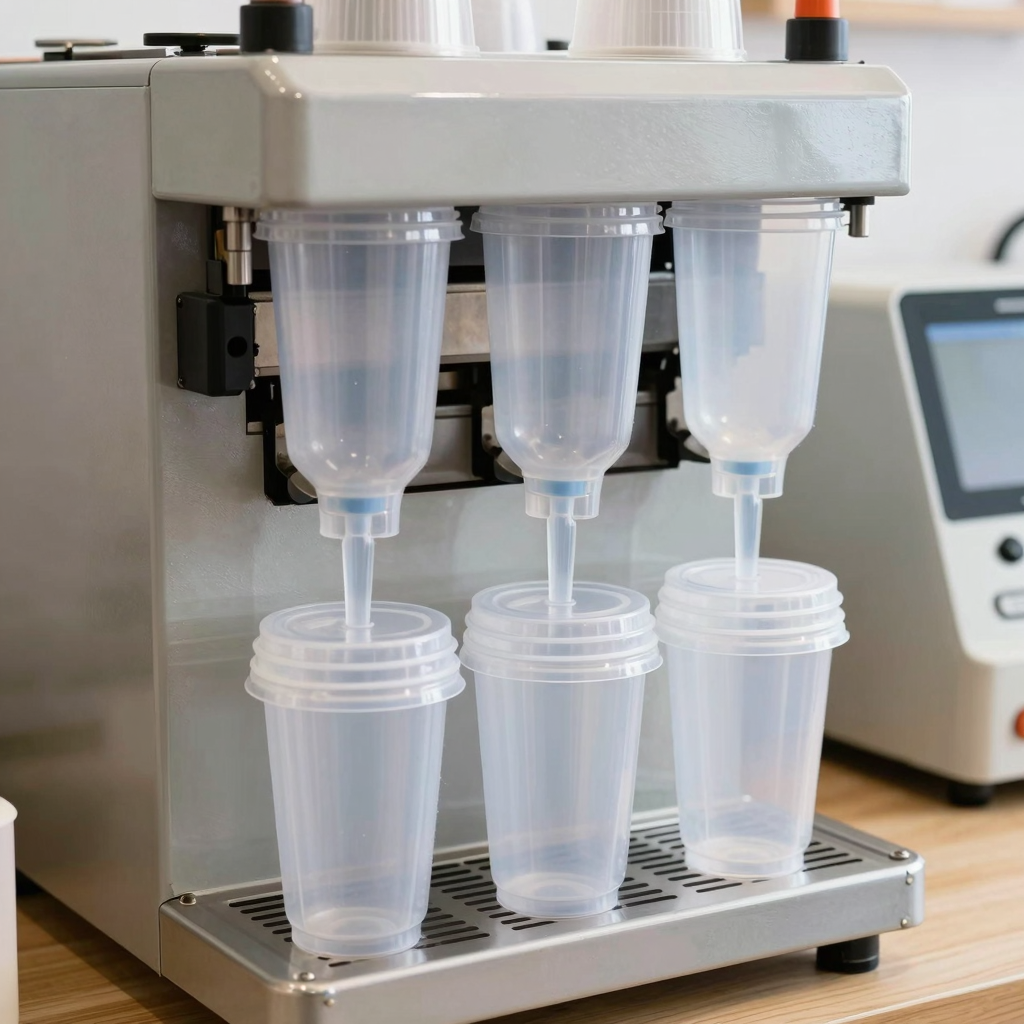
In the food service industry, safety standards for disposable cups and lids are critical to ensure the well-being of consumers. These standards focus on the materials used, production processes, and compliance with regulations laid out by entities such as the FDA (Food and Drug Administration).
Materials Used
Disposable cups are typically made from materials such as plastic (including polystyrene and polyethylene), paper, and biodegradable alternatives. Each material must meet specific safety requirements:
- Food-Safe Certification: Materials in contact with food must be certified safe for human consumption, meaning they should not leach harmful substances into beverages.
- BPA-Free Options: Many manufacturers now offer BPA-free products, especially given public concern over health risks associated with Bisphenol A (BPA).
Production Processes
The production of disposable cups is regulated to ensure quality and safety. Facilities must adhere to hygienic practices, ensuring that:
- All production equipment is regularly sanitized.
- Proper training and hygiene protocols for employees are enforced.
Compliance with Regulations
According to the FDA, all food contact materials, including disposable cups, must comply with existing safety guidelines. These include:
- Prohibitions on certain hazardous materials.
- Documentation proving safety and compliance during production. Recent legislative efforts have targeted specific materials to enhance food safety, as outlined in this overview of Food Contact Materials Regulations.
Conclusion
Understanding safety standards is crucial for bubble tea shops, restaurants, food trucks, and caterers. By ensuring their disposable cups meet these regulations, food service providers can offer safe and reliable products to their customers, enhancing both safety and brand reputation. For more insights on food safety practices, check out this informative article on food packaging.
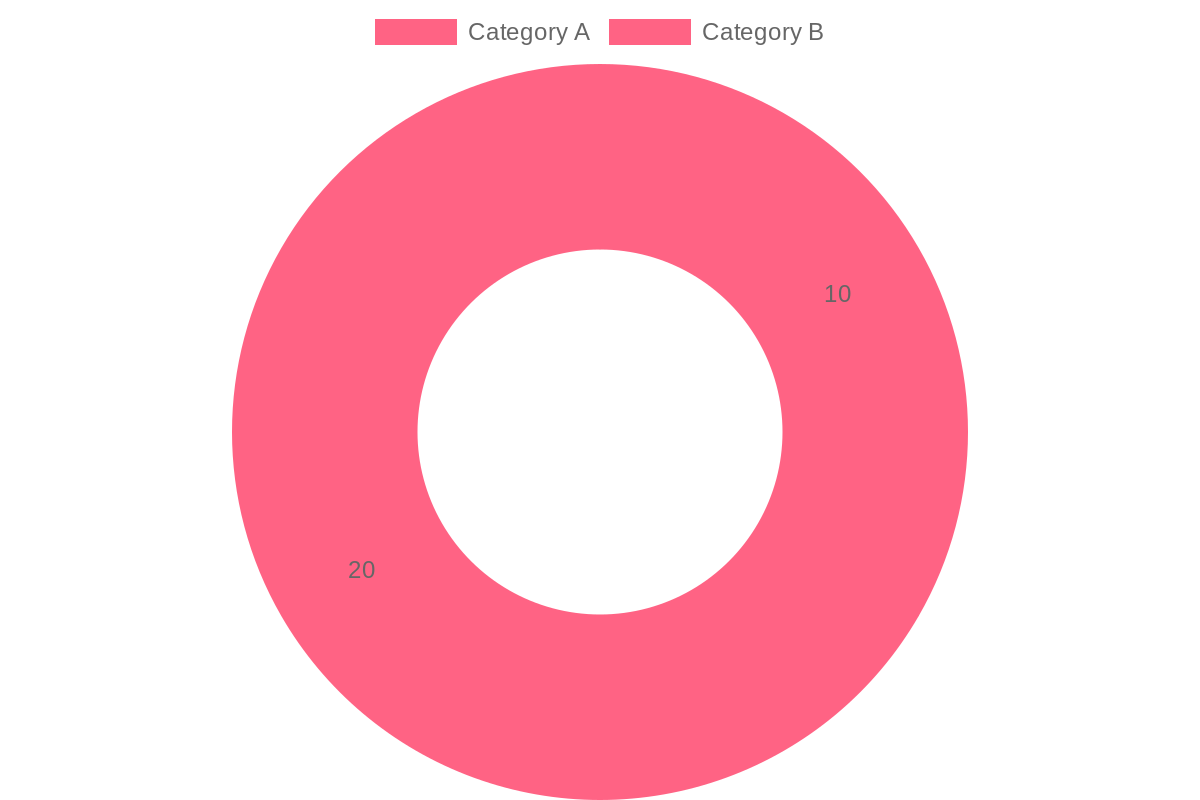

| Year | Market Demand (USD Billion) |
|---|---|
| 2022 | 12.15 |
| 2023 | 13.00 |
| 2024 | 14.00 |
| 2025 | 15.00 |
| 2028 | 18.00 |
| 2033 | 22.10 |
Sources:
- Disposable Cups Market Size & Share, Industry Report – 2033
- Global Disposable Cups Market Trends, Opportunities …… – LinkedIn
- Disposable Cups Market Size, Share, Industry Analysis 2033
“Investing in the OEM plastic 6oz cup machine was a game changer for my bubble tea shop. With its efficiency and the quality of cups produced, we’ve seen a notable increase in customer satisfaction. The lids fit perfectly, which has minimized spills and complaints! I highly recommend it to anyone in the beverage industry.” – Lisa Tran, Owner of Boba Bliss Cafe
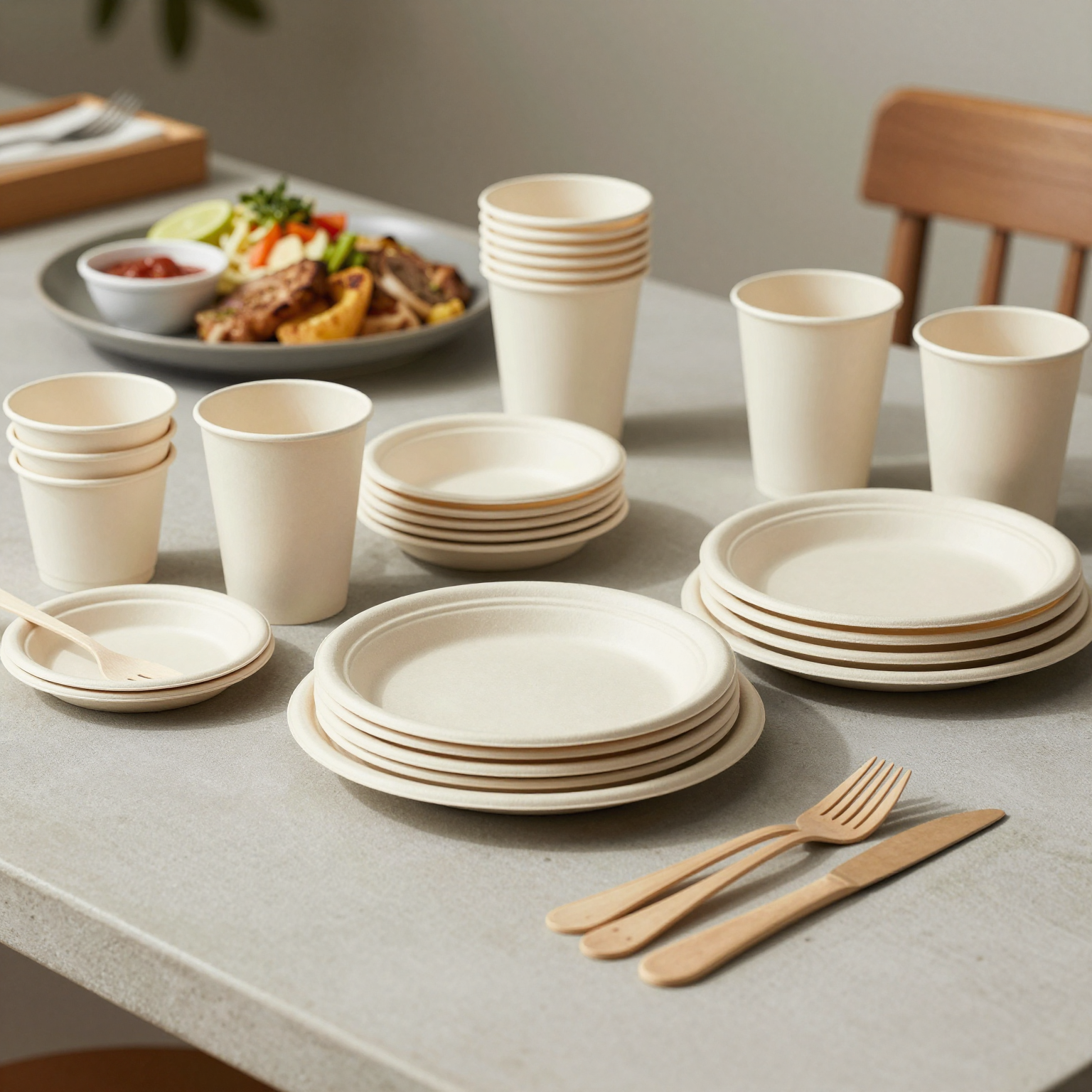
In conclusion, the choice of disposable tableware can significantly impact the success of your business, particularly in the hospitality industry. As we’ve explored, opting for reliable solutions in disposable tableware not only enhances customer experience but also contributes to sustainability. Eco-friendly options, such as those made from biodegradable materials, have become increasingly important for businesses aiming to reduce their environmental footprint. With the rising demand for effective waste management, integrating such products into your operations can help align your brand with eco-conscious values that resonate with consumers today.
As you consider your options for disposable tableware, it’s vital to partner with trustworthy suppliers who can offer customized and high-quality solutions. At EcoCupBowl, we specialize in providing tailored quotes to meet your specific needs, ensuring that your establishment is well-equipped with the right products.
Take the first step towards a sustainable and functional approach to your food service demands. Partner with us for tailored quotes on reliable disposable tableware solutions that elevate your service and meet your customers’ expectations!
Eco-Friendly Practices in Manufacturing
In the modern age, the importance of eco-friendly practices in manufacturing cannot be overstated, particularly for businesses involved in producing items like OEM plastic 6oz cup machines for disposable lids. Sustainable manufacturing practices are crucial not only for reducing environmental impacts but also for enhancing a company’s competitive edge and profitability.
Sustainable Raw Materials
Using sustainable raw materials is a vital first step. Manufacturers can source bio-based plastics or recycled materials, promoting a circular economy. Transitioning to biodegradable plastics also makes significant strides towards reducing the pollution associated with traditional petroleum-based plastics. For more on sustainable practices, check out The Essential Guide to Sustainable Plastic Manufacturing to understand how to integrate these materials into your production processes.
Energy-Efficient Processes
Implementing energy-efficient manufacturing processes is another key component. Utilizing renewable energy sources like solar or wind can drastically reduce the carbon footprint of production lines. Moreover, optimizing machinery to minimize energy consumption not only benefits the environment but also reduces operational costs in the long run. The US Environmental Protection Agency discusses various frameworks to implement these energy-efficient strategies effectively.
Recycling and Waste Reduction
Recycling and waste reduction strategies are essential for sustainable manufacturing. This involves reusing production waste in the manufacturing process or finding ways to recycle end-of-life products. Enhancing your recycling protocols not only minimizes waste but can also turn waste into profit, as less material is sent to landfills. Interested in learning more about these practices? The Sustainable Management of Plastics by the EPA provides in-depth insights into lifecycle approaches and effective recycling initiatives.
Benefits of Sustainability
The transition towards these eco-friendly practices can lead to substantial benefits, including increased brand loyalty, reduced costs, and improved regulatory compliance. Embracing sustainability is not merely a trend; it’s a strategic necessity in today’s market environment, where consumers increasingly prefer brands that are environmentally responsible.
Ultimately, the shift to eco-friendly manufacturing practices stands to benefit everyone involved-from manufacturers to consumers-creating a more responsible and sustainable future.