
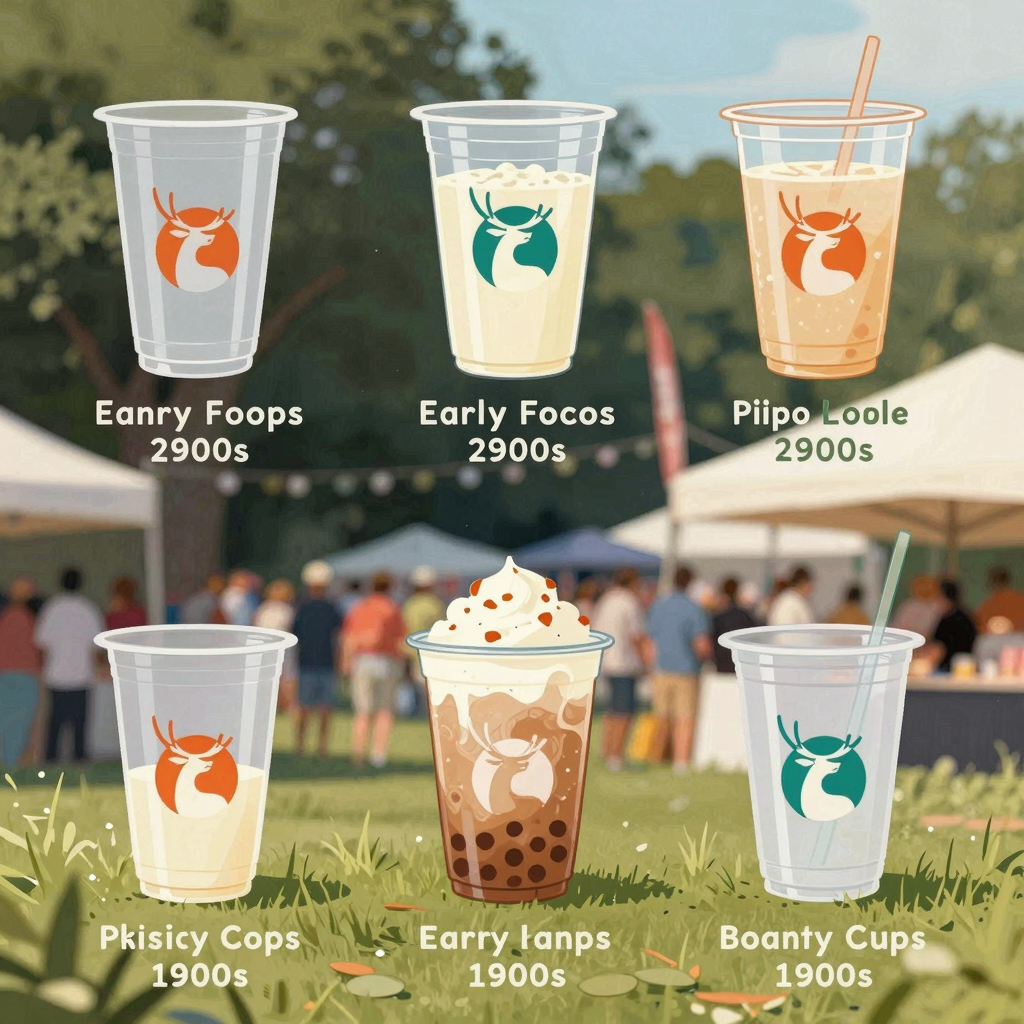
In the fast-paced world of the beverage industry, the evolution of plastic disposable cups represents a crucial chapter in our consumption habits. From cozy bubble tea shops bustling with patrons to grand events where hundreds gather, these cups have dramatically transformed service dynamics. Understanding the plastic disposable cups history allows us to appreciate not only their convenience but also their significant impact on sustainability and customer experience. Gone are the days of flimsy materials; today, businesses can choose between a variety of high-quality cups designed to meet both aesthetic and functional needs. As we delve into this intriguing history, we invite bubble tea shops, event planners, and beverage chains to explore how these unassuming vessels have redefined the way we enjoy our drinks, making events memorable and service seamless. Learn more about plastic containers in the food industry and how they can elevate your offerings!
A Brief History Timeline of Plastic Disposable Cups
Early 1900s: The Birth of Plastic Cups
- 1907: The first commercial plastic cup was introduced, made from Bakelite, showcasing the potential of synthetic materials in disposable products. This marked the beginning of a new era in the beverage industry.
1960s: Growth and Popularity
- 1960: With the advent of materials like polystyrene and polypropylene, plastic cups became a popular choice for parties and events. Their lightweight and shatter-proof nature made them preferable over glass.
1980s: Expansion in the Beverage Industry
- 1980s: Many restaurants and fast-food chains began to adopt plastic disposable cups. Their ability to hold both hot and cold beverages contributed to their increasing prevalence in various sectors of the food and beverage industry.
1997: Introduction of the First Dome Lid
- 1997: The innovation of the dome lid for disposable cups allowed for easy transportation of beverages, paving the way for the popularization of iced drinks and specialty coffees.
2000s: Environmental Awareness and Regulations
- 2000s: Growing concerns about plastic waste led to the introduction of regulations in many regions. This era marked efforts to promote recyclable and biodegradable options in the disposable cup market.
2020s: Innovations and Sustainability
- 2023: New innovations in biodegradable plastics and recycled materials emerged, leading to advancements in more sustainable cup options catering to environmentally conscious consumers. This trend continues to shape the industry towards more eco-friendly practices.
For more insights on how disposable cups impact the food service sector, check out our article on plastic containers in the food industry. Explore sustainable alternatives with our guide on non-plastic disposable food containers.
Environmental Impact of Plastic Disposable Cups
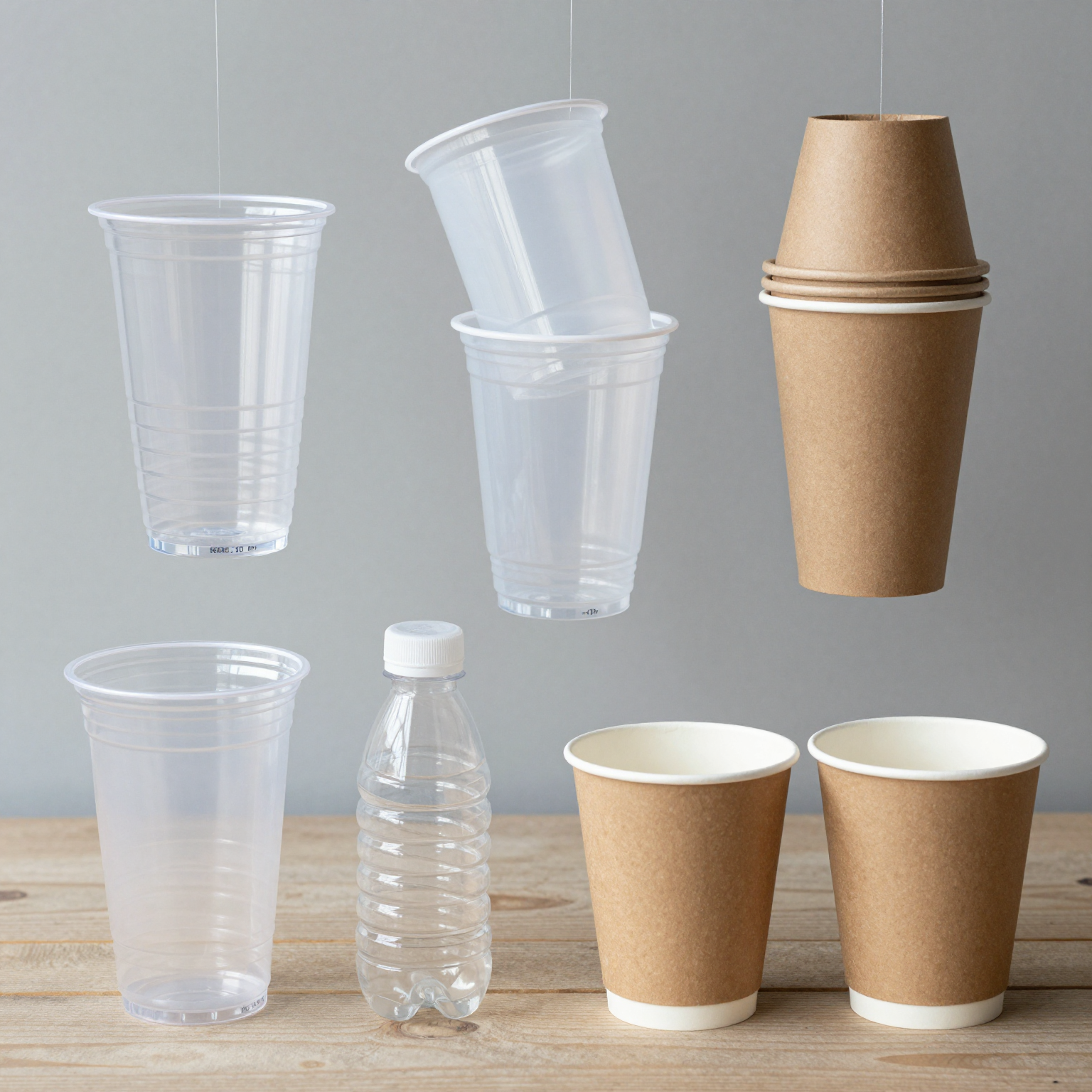
Plastic disposable cups, though convenient, pose significant environmental challenges that bubble tea shops, restaurants, and other food service industries must consider. Each year, an estimated 250 to 300 billion single-use disposable cups are used globally, contributing notably to plastic pollution. These cups, primarily made from polyethylene (PE)-coated paper or plastic, often end up in landfills or as litter, where they break down into microplastics, causing harm to ecosystems, including our oceans and soil.
The environmental implications extend beyond mere waste. A single-use cup can release between 14 to 20 grams of CO₂ equivalent in greenhouse gases throughout its lifecycle-from raw material extraction to manufacturing, transportation, and final disposal. This continuous cycle exacerbates climate change, highlighting the urgent need for eco-friendly alternatives.
Bubble tea shops, which frequently utilize these cups, play a significant role in this crisis. Research indicates that the high moisture content in their plastic waste contributes to pollution, necessitating better waste management practices. For instance, efforts to shift towards sustainable practices not only help curb plastic use but also meet increasing customer demand for environmental responsibility.
The Shift Towards Eco-Friendly Alternatives
Recognizing the negative impact of single-use plastic cups, many establishments are adopting eco-friendly alternatives. Options like biodegradable and compostable cups made from paper or plant-based materials are becoming popular choices. More operators are also embracing reusable cup systems that offer economic incentives, such as discounts for customers who bring their own cups. According to research, a reusable cup must only be used 20 to 40 times to become more environmentally favorable than its single-use counterpart.
In response to growing consumer awareness of microplastics and environmental issues, companies such as Starbucks and local bubble tea brands are increasingly implementing returnable cup programs. These systems not only lessen waste but can reduce operational costs in high-volume settings. Such innovative approaches are critical as industries strive for sustainability amid evolving consumer expectations.
Conclusion
The need to transition from plastic disposable cups to more sustainable options is imperative for the environment. By implementing eco-friendly solutions, bubble tea shops and food service providers can significantly reduce their ecological footprints. For further insights into alternative solutions, check out our article on non-plastic disposable food containers and explore how these choices can help shape a better future for our planet.
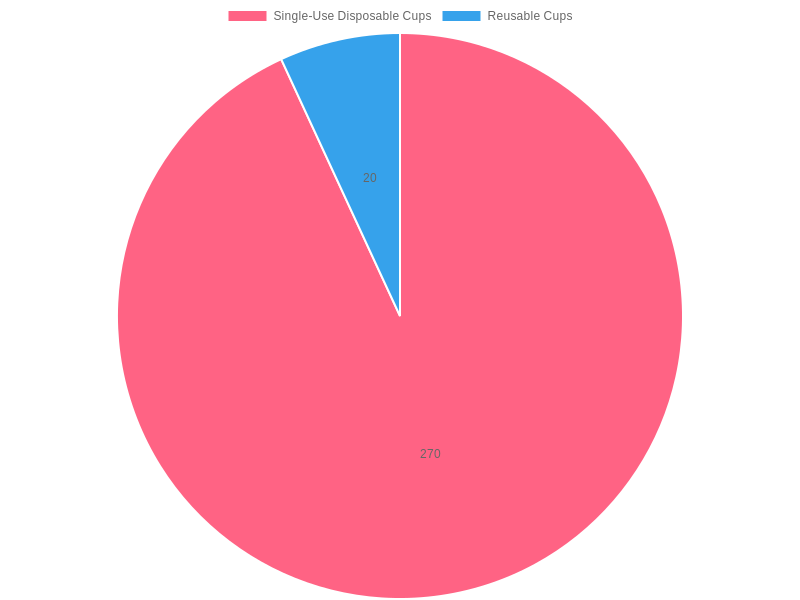
Source: Research data from various environmental studies.
Advantages of Using Plastic Disposable Cups for Businesses
Plastic disposable cups offer several key advantages for businesses in the beverage industry, including:
- Cost-Effectiveness: Plastic cups are generally more affordable than glass and ceramic options, reducing overhead costs for businesses. This is particularly beneficial for large-scale operations where bulk purchasing can lead to significant savings.
- Convenience: They are lightweight and easy to transport, making them ideal for food trucks, events, and catering services. Businesses can serve drinks quickly without the hassle of cleaning up afterward.
- Hygiene: Disposable cups remove the need for multiple uses, significantly minimizing the risk of cross-contamination and ensuring sanitary serving conditions for customers.
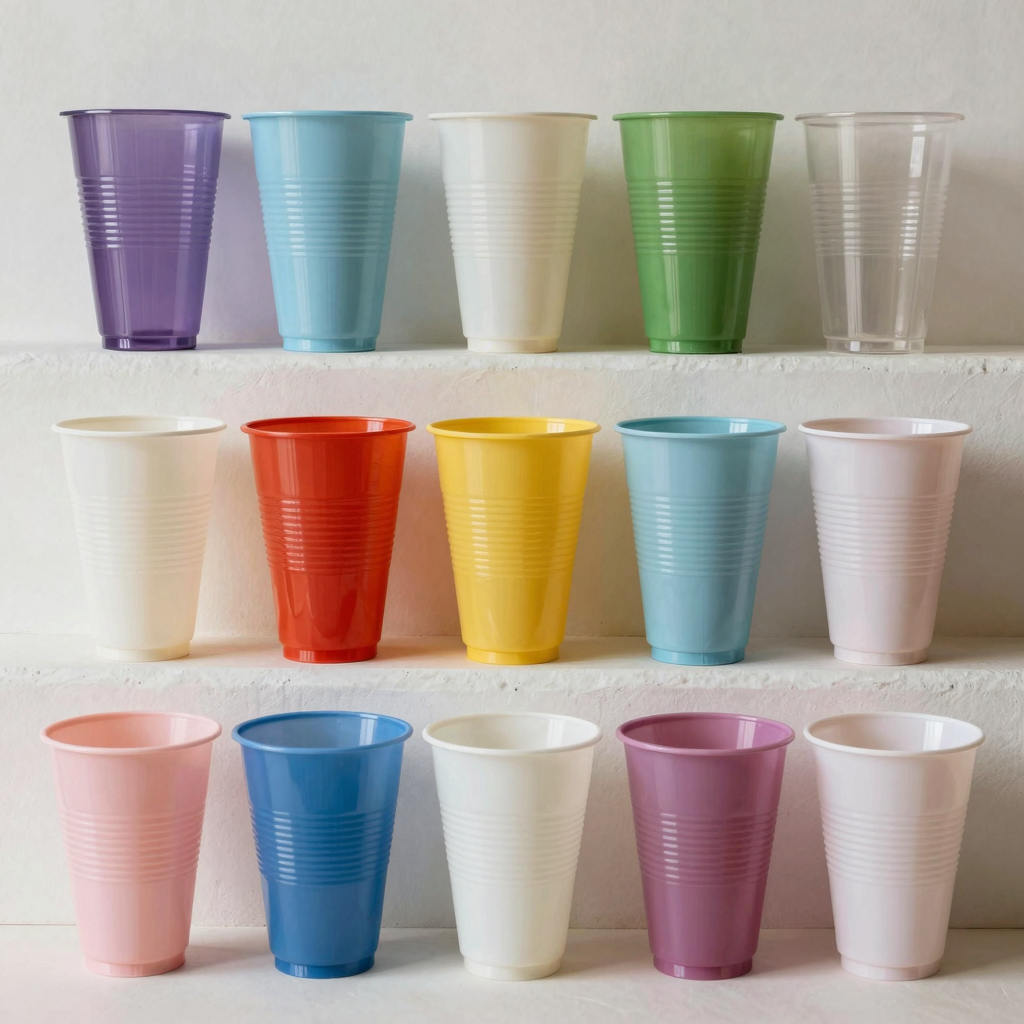
- Variety of Options: Available in various sizes, colors, and designs, plastic cups can cater to various beverage types and customer preferences, enhancing brand visibility.
- Durability: Unlike paper cups, plastic disposable cups are resistant to moisture and can handle hot and cold beverages without leaking or collapsing.
- Eco-Friendly Choices: Many plastic cups are recyclable and come from sustainable resources, allowing businesses to promote environmental responsibility while maintaining practicality (learn more about sustainable options ePackage Supply).
Offering these advantages makes plastic disposable cups an excellent choice for bubble tea shops, beverage chains, restaurants, food trucks, catering services, event planners, and corporate procurement teams as they navigate modern food service demands.
For more information about the benefits of disposable cups, check out this article from GMZ.
Future Trends in Disposable Cup Usage
As the global focus shifts towards sustainability, the disposable cup industry is witnessing significant transformations. With growing consumer preference for eco-friendly products, bubble tea shops, restaurants, and event planners are increasingly seeking sustainable options that meet both aesthetic and environmental standards.
Innovations in disposable cup design are being shaped by advancements in materials and production methods. A notable trend is the incorporation of bio-coatings, such as aqueous solutions, that improve the recyclability and compostability of cups, minimizing their environmental footprint. These innovations not only satisfy regulatory requirements but also attract environmentally conscious customers.
One industry expert notes:
“Sustainable practices in cup design are crucial. The shift toward plant-based and biodegradable materials represents the future of packaging solutions. As technology evolves, we can expect to see even more environmentally friendly options hit the market.” – Nan Wang Paper Bag
The U.S. market for disposable cups is projected to hold a dominant 79.9% share in North America, primarily driven by sustainability trends and innovations in materials. According to a recent report, the global disposable cups market is expected to reach $22.1 billion by 2033, as consumers increasingly favor compostable and biodegradable options over traditional plastic choices.
For further reading, check out our insights on the evolution of paper cups or explore how customized clear plastic cups can enhance your brand’s image.
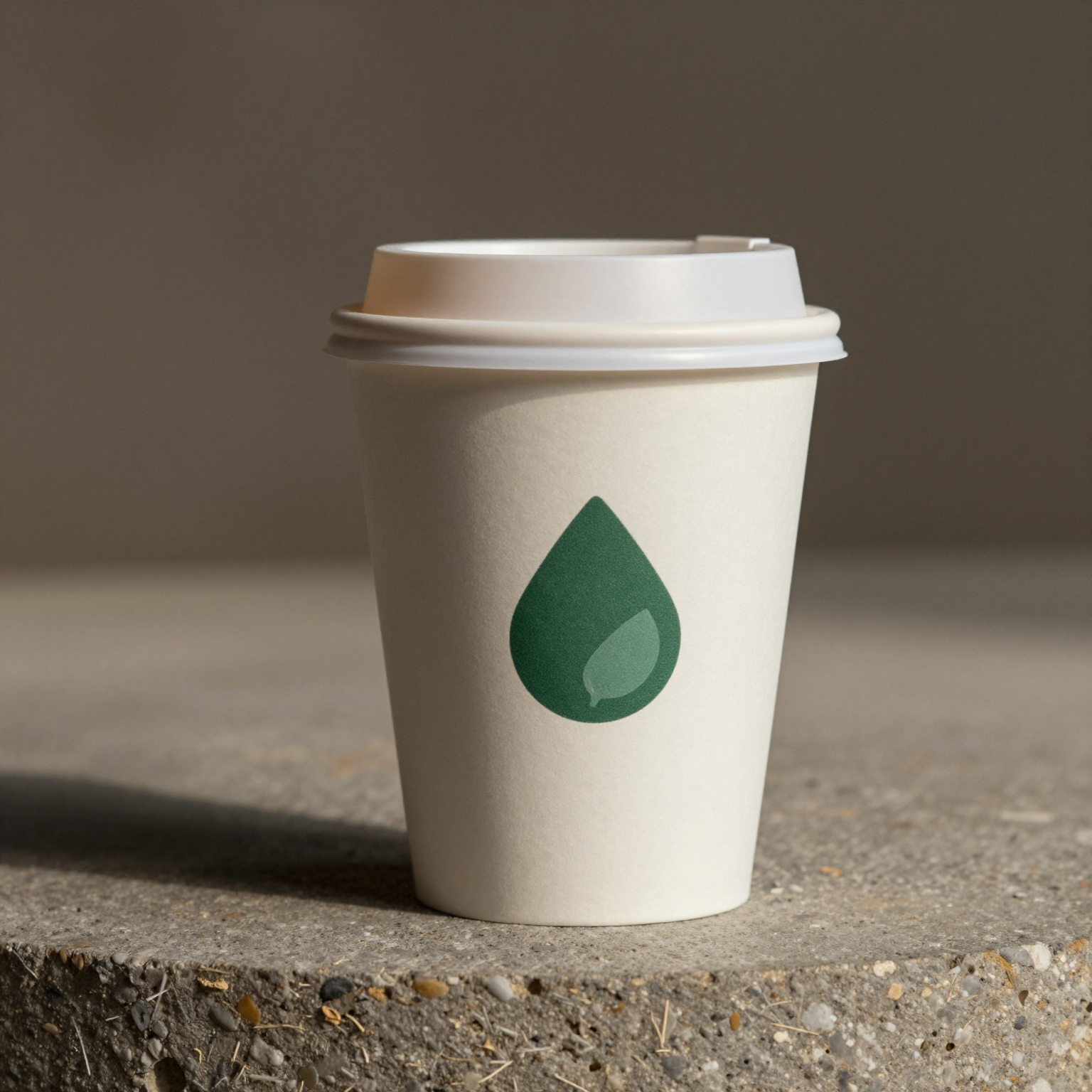
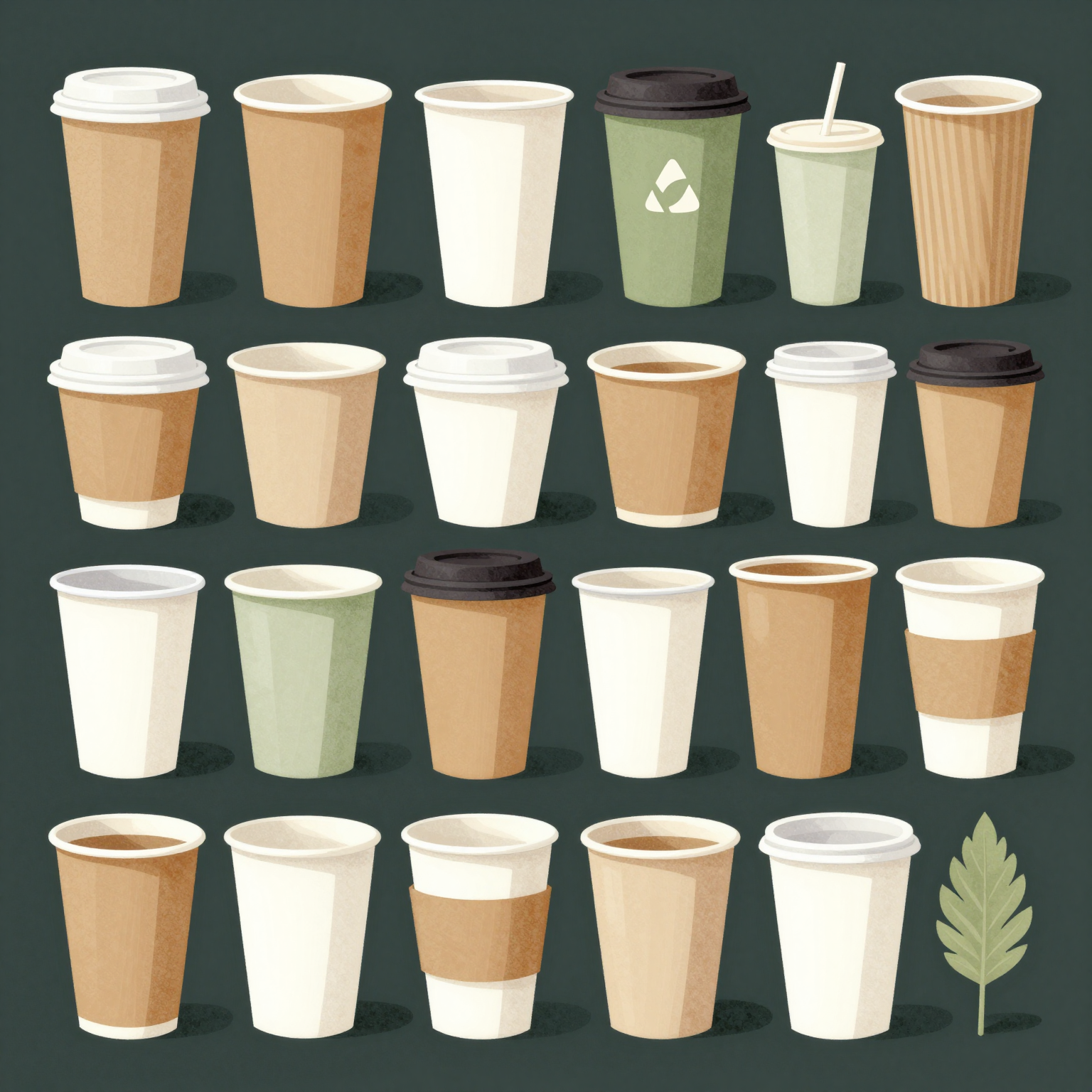
These shifts in disposable cup technology and material choice mean that every player in the food service industry must stay ahead of trends to meet customer expectations and regulatory demands.
Case Study: The Sweet Success of Bubble Boba
Introduction
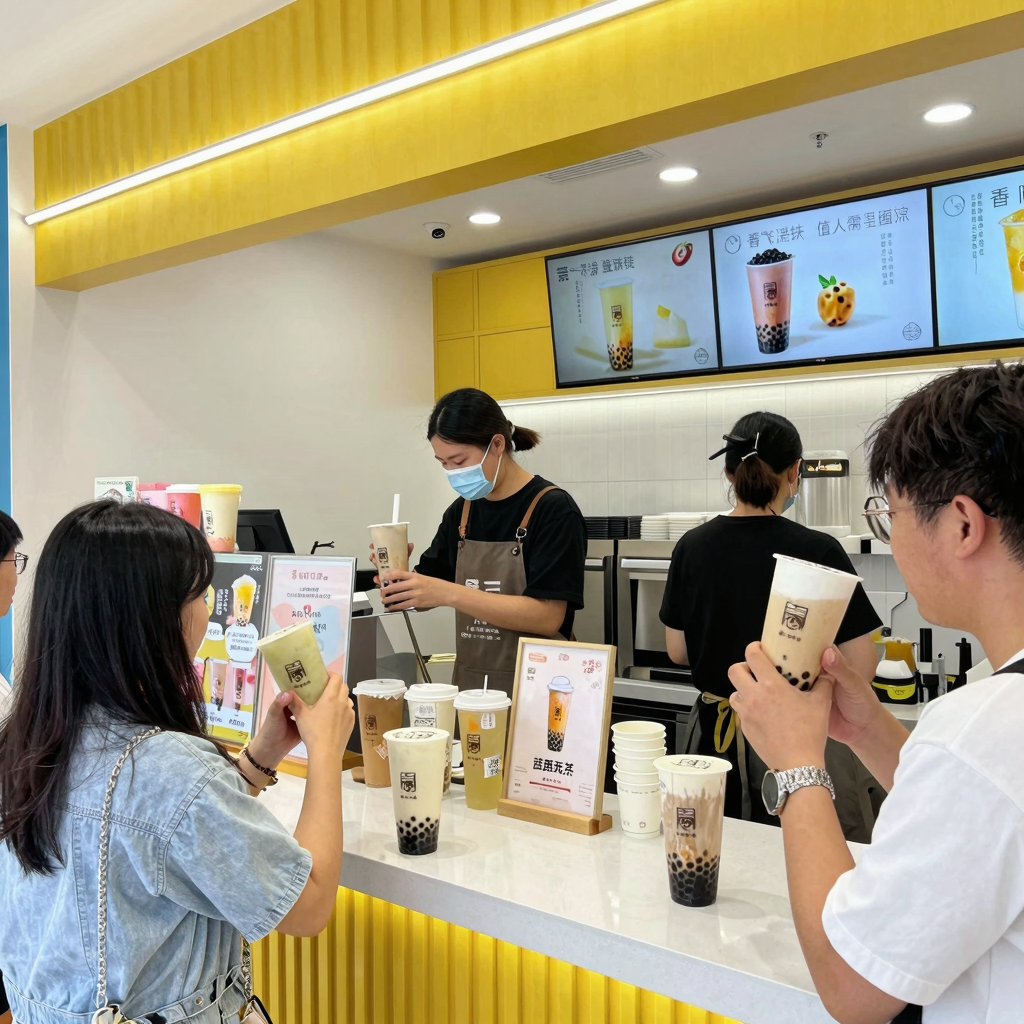
Bubble tea, an innovative and flavorful beverage option, has taken the world by storm, with shops sprouting up in urban areas and beyond. A notable example is Bubble Boba, a successful bubble tea shop that transformed its operations by switching to high-quality plastic disposable cups.
Challenges Faced
Initially, Bubble Boba faced several challenges:
- Customer Dissatisfaction: The shop was receiving complaints about the cups leaking and not maintaining drink temperatures, impacting customer satisfaction and repeat business.
- Operational Inefficiency: Waste management became an issue due to frequent breakage of glass or low-quality cups, leading to increased operational costs.
- Environmental Impact: The use of traditional single-use plastics began to draw negative attention from environmentally conscious consumers, leading the shop to rethink its packaging and sustainability practices.
A Positive Change
In search of a solution, Bubble Boba made the switch to high-quality plastic disposable cups. Here’s how this change addressed their challenges:
- Enhanced Customer Experience: The new plastic cups are not only durable but also feature a clear design that showcases the colorful drinks. Customers love the visibility of their choices, leading to a significant increase in sales.
- Operational Cost Reduction: The durability of these cups reduced breakages, and the lightweight material lowered shipping costs, providing substantial savings. Bubble Boba noted a 20% reduction in waste management costs within the first six months of implementing these new cups.
- Sustainability Efforts: By selecting recyclable cups, Bubble Boba could position itself as an environmentally responsible brand. Many customers now appreciate their efforts, resulting in positive word-of-mouth and increased foot traffic.
Results
The switch to high-quality plastic disposable cups has proven to be a game-changer for Bubble Boba:
- Sales Increase: Since the introduction of these cups, there has been a 30% increase in monthly sales.
- Customer Feedback: Positive reviews surged on platforms like Yelp and Instagram, where customers often share their pictures enjoying the aesthetic drinks.
- Future Potential: Energetic about their success, Bubble Boba plans to expand their menu and open additional locations, attributing much of this growth to their improved product presentation and customer satisfaction.
Conclusion
The case of Bubble Boba underscores how investing in high-quality disposable cups can significantly improve customer satisfaction and operational efficiency. For beverage businesses looking to thrive, the right packaging is just as critical as the product itself. Learn more about the importance of plastic containers in the food industry here.
| Type of Cup | Features | Uses | Typical Customers | Cost Range (per unit) | Best for Bubble Tea Shops & Events |
|---|---|---|---|---|---|
| Clear Plastic Cups | Durable, clear, lightweight | Cold beverages, including bubble tea | Bubble tea shops, cafes | $0.18 – $0.30 | Yes |
| Polypropylene (PP) Cups | Sturdy, heat-resistant, recyclable | Hot drinks; suitable for events | Restaurants, catering services | $0.20 – $0.35 | Depending on event type |
| Polystyrene (PS) Cups | Inexpensive, translucent | Budget-friendly events | Food trucks, corporate events | $0.15 – $0.25 | Limited use |
| Compostable Cups | Eco-friendly, biodegradable | Environmental events, food service | Eco-conscious consumers, event planners | $0.30 – $0.60 | Yes |
| Double-Walled Cups | Insulated, prevents heat transfer | Hot beverages for events | High-end cafes, fine dining | $0.35 – $0.50 | Yes |
| Dome Lids | Fits multiple cup types, adds aesthetics | Bubble tea with toppings | Bubble tea shops, events | $0.10 – $0.15 | Essential |
Notes:
- Clear Plastic Cups are a popular choice for bubble tea due to their presentation and durability, making them ideal for shops and events.
- Compostable Cups are emerging as a sustainable option, attracting eco-conscious customers but may have a higher cost.
- Double-Walled Cups and Dome Lids can enhance the experience for high-end events and parties.
Cost Insights:
- Costs vary based on material, supply chain, and purchasing volume. For bulk orders, prices can be more economical, making plastic cups a cost-effective choice for businesses. Learn more about comparing cup costs and how to optimize your supply choices.
Conclusion
In summary, selecting high-quality disposable tableware is pivotal for the success of your business, especially in the food and beverage industry. The history of plastic disposable cups showcases their evolution into a reliable and hygienic option for businesses like yours. High-quality disposable products not only enhance the customer experience with convenience and appeal but also promote cleaner operations, ultimately saving time and money. By investing in eco-friendly and durable disposable tableware, businesses can distinguish themselves in a competitive market, meet customer expectations, and contribute to environmental sustainability.
As you continue to serve your customers-be it in a bubble tea shop, restaurant, or catering service-remember that the quality of your tableware reflects your brand. Don’t compromise on this essential aspect of your operation.
Ready to elevate your food service with the best disposable tableware? Contact us today for tailored solutions that meet your business needs and help you stand out in the market!
Explore our wide range of biodegradable options to ensure you make a lasting impression on your clients while promoting sustainability!
The landscape of disposable cup recycling is evolving rapidly, driven by increasing consumer awareness and the need for sustainable practices. As we delve into the current trends, several noteworthy changes are shaping the industry.
Growing Focus on Sustainability
Recent reports indicate that the market for recyclable cups was valued at approximately USD 29.5 billion in 2023, with projections showing a compound annual growth rate (CAGR) of over 5.7% from 2024 to 2032. This growth is largely fueled by the rising demand for sustainable products and eco-friendly practices in the beverage and food service industries. Specifically, businesses, including bubble tea shops and catering services, are increasingly opting for alternative materials such as biodegradable plastics that align with environmentally-conscious consumer preferences. Learn more about eco-friendly food containers here.
The Plastic Dilemma
Despite the growth in recyclable cup options, challenges remain. A report reveals that less than 1% of used paper coffee cups are currently recycled. The main barrier is the plastic lining that many disposable cups have, which complicates the recycling process significantly. Moreover, an astounding 500 billion single-use cups are disposed of globally each year, with only a fraction making it into recycling streams. This reinforces the urgency for better recycling programs and materials innovation that facilitate recycling efforts.
Innovations Driving Change
Several organizations and groups are working towards improving recycling efforts and mitigating the environmental impacts of single-use cups. For instance, the Paper Cup Recovery & Recycling Group (PCRRG) is championing initiatives to enhance recycling rates, focusing on developing solutions that address the plastic lining issue. Meanwhile, a growing emphasis is placed on educating consumers and businesses about responsible disposal practices and encouraging a shift towards more recyclable materials.
Future Expectations
With the convergence of consumer demand and industry adaptation, the future of disposable cup usage appears to be centered around sustainability. Beverage chains and food vendors are likely to witness increased regulations and incentives to adopt greener practices. As companies prioritize sustainable option offerings, we can expect more innovation around materials that are not only recyclable but also compostable. Keeping informed on these trends is essential for businesses looking to stay relevant in a rapidly changing market.
To explore more about the importance of recycling practices in the food service industry, check out this insightful article on recycling plastic food containers.
In conclusion, the recycling of disposable cups is at a pivotal moment, as trends indicate a significant movement towards more sustainable practices and materials. Businesses in the food and beverage sector should prepare for and embrace these changes to meet consumer demands and comply with broader environmental goals.