
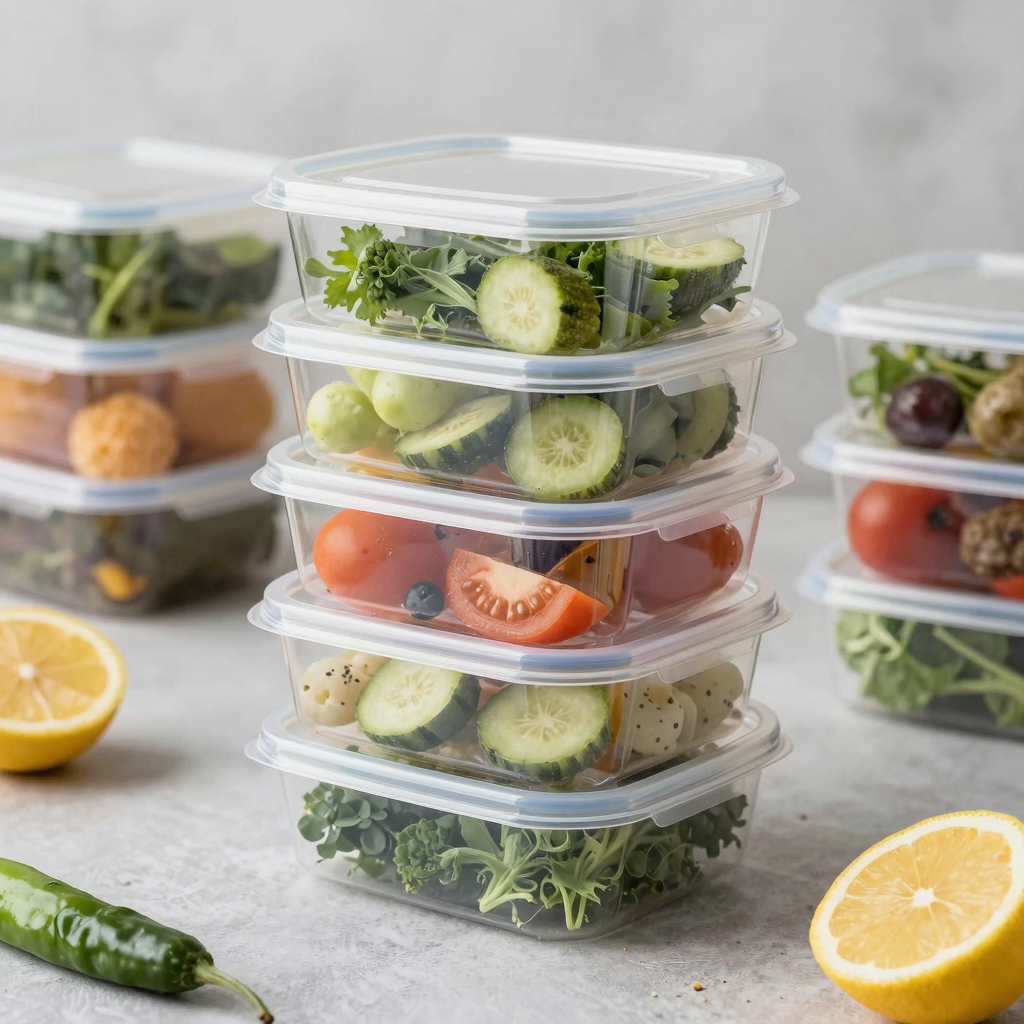
In the fast-paced world of food services, such as bubble tea shops and catering businesses, selecting the right plastic food containers is paramount. These containers must not only provide safety and durability but also align with eco-friendly practices that appeal to today’s environmentally conscious consumers. The significance of using high-quality, food-grade plastic containers cannot be overstated, as they play a crucial role in maintaining the integrity and freshness of beverages and snacks while ensuring compliance with health guidelines. Furthermore, with the growing demand for sustainable packaging options, businesses have the opportunity to reduce their environmental footprint by choosing containers that are recyclable or made from biodegradable materials. By investing in reliable and safe packaging solutions, food service operators can enhance customer satisfaction, promote a positive brand image, and contribute to a healthier planet. Whether you are looking for customizable disposable containers or eco-friendly options, there is a wide range to choose from, designed to meet the specific needs of your business. Learn more about the importance of plastic containers in the food industry and discover how embracing these choices can elevate your service offering.
Top 5 Benefits of Using High-Quality Plastic Food Containers
In the food and beverage industry, particularly for bubble tea shops, restaurants, and catering services, high-quality plastic food containers offer numerous advantages. Here are the top five benefits that highlight why opting for these durable solutions is a smart choice:
-
Durability and Longevity
High-quality plastic food containers are built to last, making them a cost-effective solution for everyday use. Their resistance to cracking and breaking ensures they can withstand the rigors of a busy food service environment, allowing restaurants and catering services to maintain a steady inventory without frequent replacements. -
Food Safety Compliance
It’s crucial for food-related businesses to adhere to safety regulations. High-quality plastic containers are made from food-safe materials that comply with health standards. They are designed to prevent contamination and preserve the quality and freshness of food, which is essential for maintaining customer satisfaction and loyalty. Learn more about food safety compliance. -
Lightweight and Portable
Unlike glass or metal containers, plastic containers are lightweight, making them easier to handle, transport, and store. This characteristic is particularly beneficial for catering services and food trucks, where mobility and efficient use of space are paramount. -
Versatility in Use
High-quality plastic food containers come in various shapes and sizes, accommodating different types of food and beverages. Whether it’s bubble tea, salads, or hot meals, these containers can safely hold a range of items, thus enhancing menu offerings without compromising on storage simplicity. Explore versatile storage options. -
Cost-Effective Bulk Options
Purchasing high-quality plastic containers in bulk can significantly reduce costs for businesses. This economical aspect allows food service operators to stock up on necessary supplies without straining their budget, enabling better financial management and planning.
In conclusion, for bubble tea shops, restaurants, and catering services, investing in high-quality plastic food containers not only promotes efficiency but also enhances food safety and overall customer satisfaction.
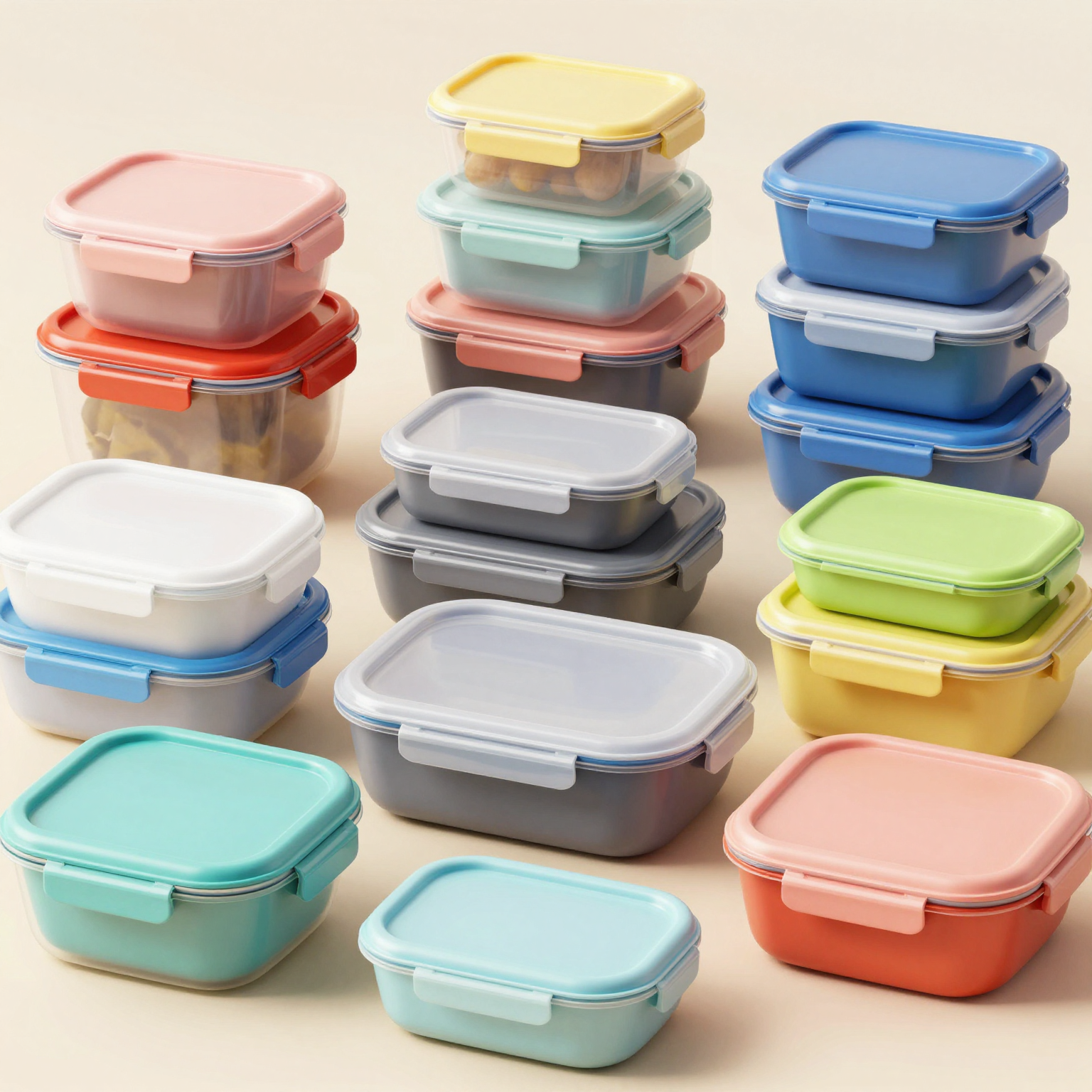
The Eco-Friendliness of Modern Plastic Food Containers
In today’s environmentally conscious world, the eco-friendliness of plastic food containers has come under significant scrutiny. With advancements in sustainable manufacturing processes and the introduction of biodegradable options, the industry is evolving to meet consumer demands for greener alternatives.
Sustainable Manufacturing Processes
Many manufacturers are incorporating sustainable practices into the production of plastic food containers. This involves using recycled materials as raw inputs and adopting manufacturing methods that minimize waste and energy consumption. A key statistic highlights that nearly 40% of all plastics produced are used for food and beverage packaging, making the shift towards sustainability not just desirable but necessary (YUTOECO).
In addition to using recycled materials, innovations in the development of biodegradable plastics are also gaining traction. Biodegradable containers can break down naturally within a specific time frame, thus reducing their impact on landfills. Products made from biodegradable polymers, such as PLA (polylactic acid) derived from corn starch, are increasingly popular. They decompose into harmless substances, providing a sustainable alternative to traditional plastics (ScienceDirect).
Consumer Preferences
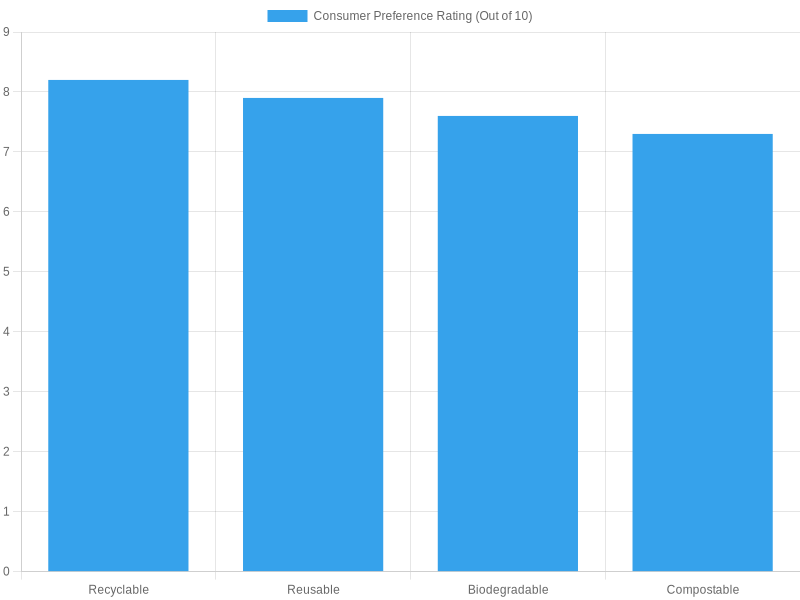
A recent survey indicates that 73% of U.S. consumers view compostable products as highly sustainable, reflecting a significant shift in consumer preference (Parcel Industry). As shown in the chart below, recyclable materials top the list of consumer preference ratings for food packaging materials, with the following ratings:
| Packaging Material | Consumer Preference Rating (Out of 10) |
|---|---|
| Recyclable | 8.2 |
| Reusable | 7.9 |
| Biodegradable | 7.6 |
| Compostable | 7.3 |
Conclusion
As eco-conscious practices become more pivotal in packaging solutions, the modern plastic food container industry is adapting. With options for biodegradable materials and manufacturing processes that prioritize sustainability, consumers can enjoy convenience while contributing to a healthier planet. For those in the food service industry, choosing eco-friendly food packaging is not only a responsible choice but also a customer-preferred option that can enhance brand loyalty and reputation.
Learn more about sustainable food packaging options here and discover innovative solutions for your business needs.
Safety Standards for Plastic Food Containers
When it comes to plastic food containers, safety standards are not just a regulatory formality; they are fundamental to public health and business integrity. For plastic containers used in food storage and service, various regulations and certifications ensure they are safe for human consumption.
Key Safety Standards and Regulations
The most recognized regulatory authority for food packaging in the United States is the Food and Drug Administration (FDA). The FDA mandates that all materials intended for food contact, including plastic containers, must be evaluated to ensure they do not leach harmful chemicals into food. Key regulations include:
- FDA Compliance: Ensures that food contact substances (FCS) are safe for consumers. Containers must undergo rigorous testing to meet FDA standards, including migration testing to determine how much material leaches into food.
- BRC Global Standard: This certification is particularly important for food manufacturers, as it demonstrates that the company’s products adhere to safety, quality, and operational criteria. BRC-certified containers are essential for maintaining safe food handling practices.
- ASTM Standards: The American Society for Testing and Materials sets specific standards related to food containers, often focusing on material safety and performance characteristics.
Importance for Businesses
For businesses, sourcing compliant plastic food containers isn’t merely a legal requirement; it’s a market necessity. Meeting these safety standards protects consumers and upholds brand integrity, which can lead to a loyal customer base. Additionally:
- Risk Management: Adhering to safety standards minimizes the risk of food safety issues that could lead to lawsuits or health crises.
- Consumer Trust: Customers are more likely to choose brands that prioritize food safety, which can enhance business reputation.
- Market Access: Many retailers and markets require proof of safety certifications before stocking products.
Conclusion
Ultimately, focusing on safety standards for plastic food containers is crucial for any business in the food industry. To gain deeper insights into food container safety and regulations, you can learn more about safety standards and explore essential food packaging regulations. Staying informed and compliant not only protects customers but also assures them of the quality and safety of your food offerings.
Comparing Disposable Container Materials
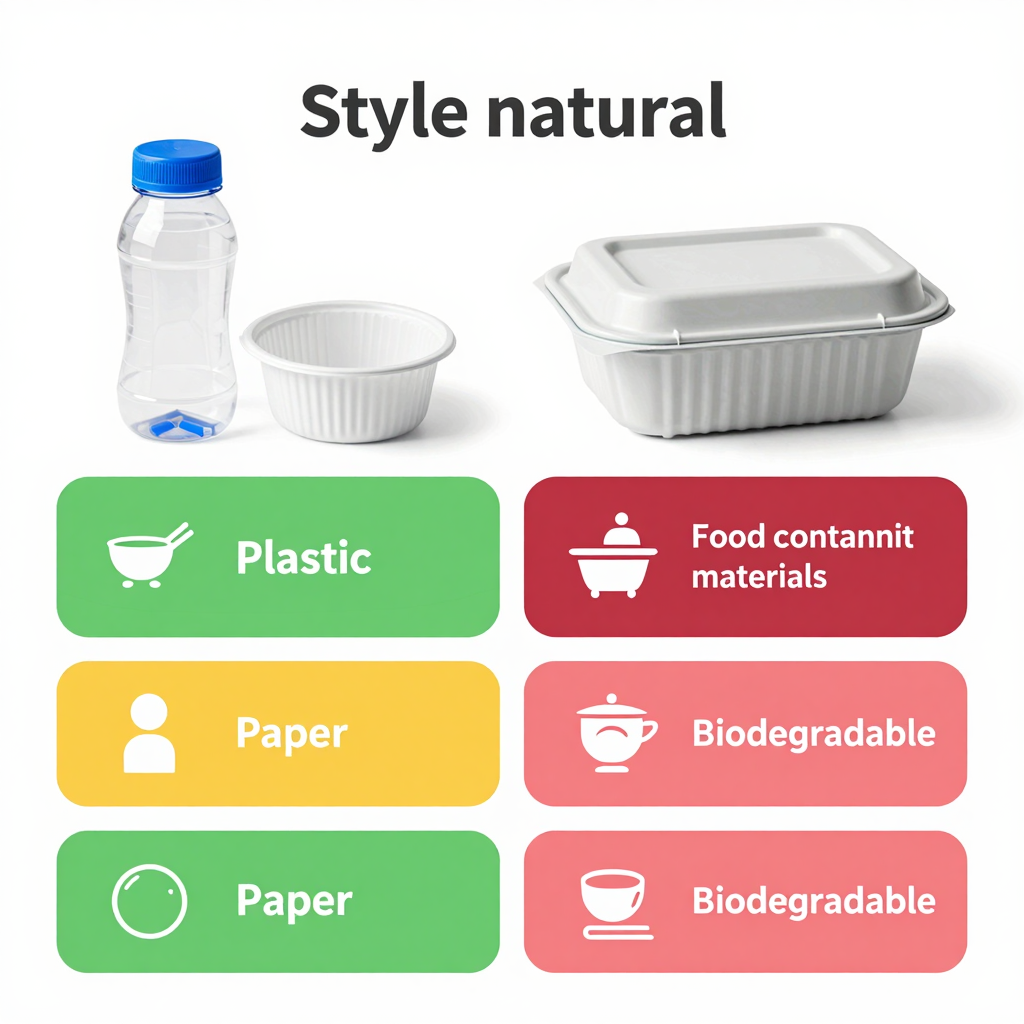
When choosing disposable food containers, it’s essential to consider the various materials available, including plastic, paper, and biodegradable options. Each material comes with its own set of advantages and disadvantages. Below is a comprehensive table that outlines the pros and cons of these common materials:
| Material | Pros | Cons |
|---|---|---|
| Plastic | – Durable and lightweight | – Non-biodegradable, contributing to landfill waste |
| – Cost-effective and economically viable | – Can leach harmful chemicals into food | |
| – Excellent barrier to moisture and gases | – Environmental pollution from plastic waste | |
| Paper | – Biodegradable and recyclable | – Less durable than plastic |
| – Generally made from renewable resources | – Limited resistance to moisture | |
| – Good for hot and dry food items | – May require additional coatings to enhance durability | |
| Biodegradable | – Environmentally friendly and compostable | – Higher cost compared to plastic |
| – Safe for food and minimizes contaminants | – May not be as readily available | |
| – Decomposes naturally over time | – Performance can vary based on conditions |
This table offers a snapshot of the key factors to consider when selecting disposable food containers. Depending on your business’s specific needs and sustainability goals, you may prefer one material over another.
For more detailed insights on the implications of plastic containers in the food industry, check out this article which discusses their environmental and health aspects. Alternatively, if you seek eco-friendly options, you can learn about biodegradable containers here.
Customer Testimonials
1. Sarah, Owner of Bubble Bliss Tea Shop
“As a small business owner, I constantly look for ways to streamline my operations, and I found that using disposable food containers from EcoCup Bowl has been a game changer. Not only do they keep my bubble tea and snacks fresh, but they also look professional, making a great impression on my customers. Plus, the convenience of no dishwashing saves me valuable time during busy hours! Highly recommend these containers for any beverage chain!”2. Derek, Catering Service Manager
“We cater a variety of events and the demand for eco-friendly yet effective packaging solutions is always high. EcoCup Bowl’s disposable food containers have met our needs perfectly. They are sturdy, versatile, and environmentally friendly, which aligns well with our brand. Our clients have commented that the food remains hot and fresh in these containers, and the ease of disposal means one less worry for us during events. The service is excellent, and I plan to continue using them for all our catering needs!”3. Linda, Food Truck Owner
“Operating a food truck means quick service and reliable packaging. EcoCup Bowl’s disposable containers have been a fantastic solution for us. They’re lightweight which is essential for food trucks, and their sealing is reliable, preventing any spills during transportation. I’ve tried several brands, and EcoCup outshines them all. Thanks for providing such a quality product!”
For more insights on how disposable containers can enhance your food service, read more about the benefits here.
The Importance of Sustainability in Food Packaging
As the food packaging industry evolves, it’s vital to align with sustainable practices. Plastic containers, especially those used for takeout and delivery, must embody eco-friendly solutions.
“Sustainability isn’t a trend, it’s a commitment that we must uphold for future generations.” – Unknown
This quote encapsulates the duty we have toward environmental stewardship in our food packaging choices. Companies must prioritize compostable, recyclable, and reusable materials to minimize their ecological footprints while still delivering quality to their customers.
For more insights on plastic containers in the food industry, explore the vital role they play in enhancing sustainability. Whether you run a bubble tea shop or oversee corporate catering, integrating sustainable practices in food packaging is crucial to your brand’s integrity and community impact.
Conclusion and Call to Action
In summary, high-quality disposable food containers are essential for any food service business, from restaurants to food trucks. These containers not only enhance the presentation of your dishes but also ensure food safety and freshness, which are critical factors for satisfying your customers. Key benefits include:
- Convenience: They allow for quick service and easy clean-up, making them perfect for busy environments.
- Customer Satisfaction: Features like secure closures and easy-to-open designs help improve the overall dining experience, encouraging repeat business. For instance, learn more about the essential role of takeout containers.
- Sustainability: With the rising trend of eco-friendly packaging solutions, investing in quality disposable containers aligns with consumer preferences for environmentally responsible options. Discover the latest packaging trends that can elevate your brand.
At EcoCupBowl, we are committed to providing you with durable and aesthetically pleasing disposable food packaging solutions that meet your needs. Don’t miss out on enhancing your service-partner with us for your packaging requirements today! Our team is eager to help you select the perfect containers that align with your brand and operational goals.