
In today’s environmentally conscious market, compostable food containers are emerging as a vital solution for businesses within the food service industry. Bubble tea shops, restaurants, and catering services are increasingly opting for these eco-friendly alternatives as customer demand for sustainable practices rises. According to a recent study by the National Restaurant Association, businesses utilizing compostable packaging have reported a 27% increase in customer satisfaction related to environmental responsibility. By adopting disposable tableware made from renewable resources, companies not only contribute to reducing landfill waste but also enhance their brand image. The compostable food container market is projected to grow significantly, reflecting a shift in consumer preferences towards sustainability and regulatory measures favoring eco-friendly materials. Transitioning to compostable containers not only demonstrates a commitment to environmental stewardship but also provides a competitive edge, promoting customer loyalty and engagement in an industry that increasingly values eco-friendly solutions. For further insights into the benefits of these materials, you can learn more about the eco-friendly food packaging market and discover how these shifts are shaping business success in food service.
Hook: A Startling Statistic About Food Service Waste
Did you know that food services are responsible for a staggering 28% of all global food waste? This means that nearly one-third of the food produced is discarded by restaurants, cafes, and catering services, contributing immensely to environmental degradation and food insecurity. Imagine the impact: this waste not only signifies potential meals lost but also leads to increased greenhouse gas emissions, using about 10% of the world’s agricultural land! With consumers becoming increasingly conscious of their ecological footprint, it’s time for food service businesses to act. The urgency for compostable solutions has never been higher. By shifting towards compostable packaging and waste management, we can combat food waste effectively and protect our planet for future generations. Join the movement towards sustainability and learn more about compostable solutions today!
Benefits of Compostable Food Containers
The use of compostable food containers is rapidly growing among food service providers. Their adoption not only reflects a commitment to sustainability but also offers various advantages to businesses. Below, we explore the key benefits:
Environmental Benefits
One of the most significant advantages of compostable food containers is their positive impact on the environment. Unlike traditional plastic containers, which can take hundreds of years to decompose, compostable containers are designed to break down naturally. They help reduce landfill waste and greenhouse gas emissions, contributing to a healthier planet. According to recent studies, adopting compostable materials can lead to a reduction in overall waste by up to 60% in some restaurant operations. This shift is supported by increasing regulations aimed at minimizing plastic pollution, making compostable packaging a front-runner for eco-conscious businesses. For more details on the sustainability issues surrounding food packaging, check out this article.
Brand Reputation Improvement
Using compostable food containers can significantly elevate a brand’s reputation. Customers today are increasingly aware of environmental issues, and a commitment to sustainability can differentiate a business in a competitive marketplace. Brands that use eco-friendly packaging often gain customer loyalty and attract new clientele who prioritize ecological responsibility. As the industry evolves, businesses can leverage this shift in consumer preference to establish themselves as leaders in sustainability. The positive attributes associated with eco-friendly products enhance brand image and can lead to increased sales.
Customer Satisfaction
Implementing compostable food containers not only aligns with customer values but also leads to higher satisfaction levels. Many consumers appreciate the initiatives that reduce environmental harm, and companies that adopt such measures often find that their customers reward them with repeat business. Customers are likely to feel good about making purchases from businesses that they deem responsible and ethical. This customer satisfaction translates into positive reviews and word-of-mouth recommendations, further boosting brand visibility and trustworthiness. Companies looking to enhance their engagement can consider switching to non-plastic alternatives to boost satisfaction; learn more about non-plastic options here.
Conclusion
In conclusion, the benefits of adopting compostable food containers are clear. Not only do they provide significant environmental advantages, but they also enhance brand reputation and customer satisfaction. As sustainability becomes increasingly crucial in the food service industry, embracing compostable materials is a strategic move for any business committed to making a positive impact.
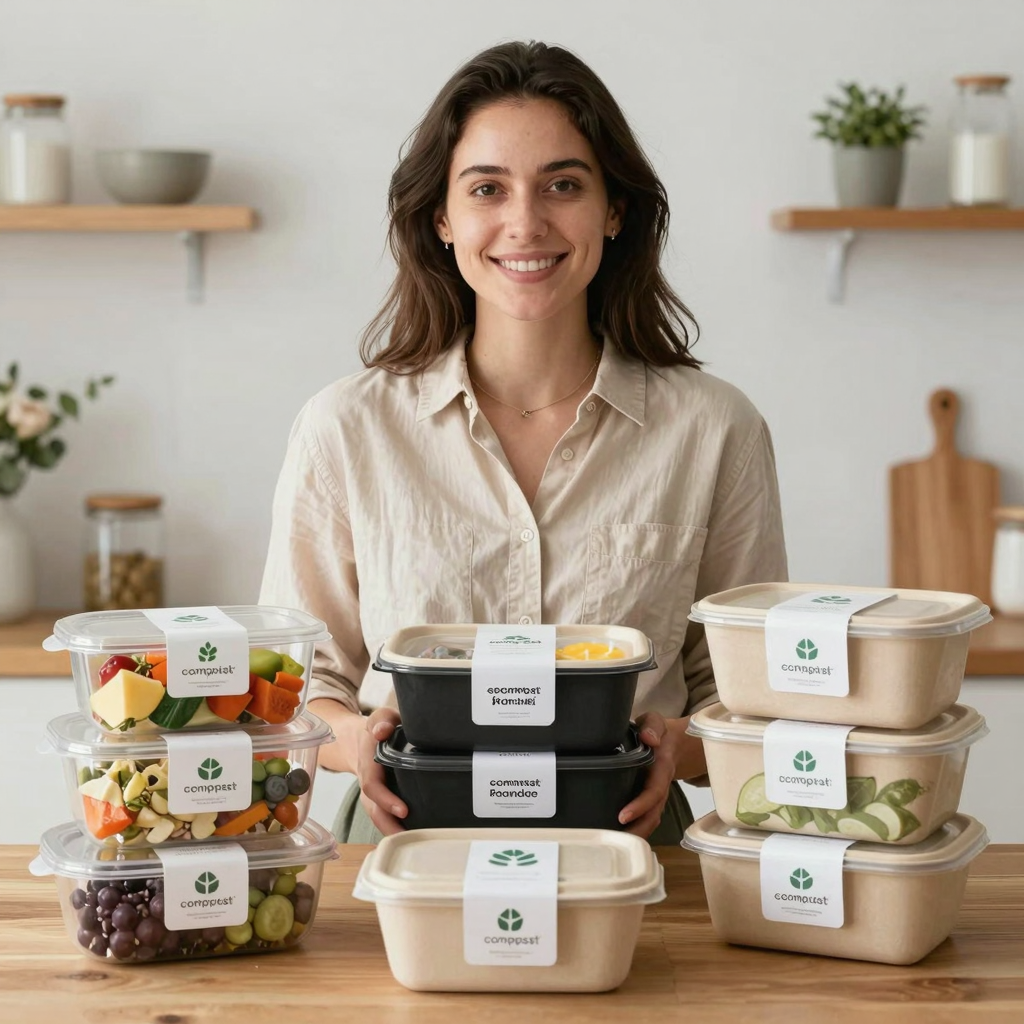
Comparative Table of Compostable Food Containers
Below is a comparison table of various types of compostable food containers, highlighting their materials, cost, and suitability for different food types.
| Type | Material Used | Cost per Unit | Suitability for Food Types | Additional Notes |
|---|---|---|---|---|
| Sugarcane Bagasse Container | Sugarcane bagasse | $0.05 – $0.054 | Hot food, salads, desserts, pizza, baked goods | Microwave safe, leak-resistant, compostable in industrial facilities; certified FDA, CE, LFGB |
| PLA (Polylactic Acid) Container | Polylactic acid | ~$0.10 | Cold food, beverages, snacks | Not microwave safe; compostable only under industrial conditions; suitable for cold storage and takeout |
| Paper Pulp Container | Recycled paper pulp | ~$0.03 | Dry foods, cereals, pastries, light snacks | Lower durability; not suitable for greasy or wet foods; biodegradable but less robust than bagasse |
Data compiled from verified supplier listings on Alibaba.com and Made-in-China.com (as of 2026).
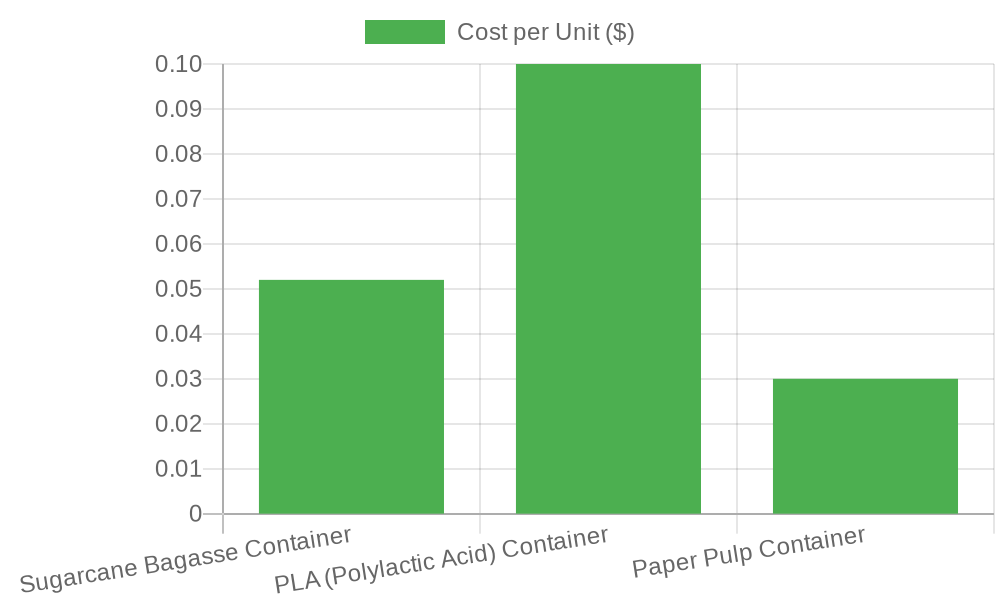
For potential buyers like bubble tea shops and restaurants, understanding the differences in compostable food containers can guide them in selecting the best options for their needs. For more insights, learn more about non-plastic disposable food containers and their applications.
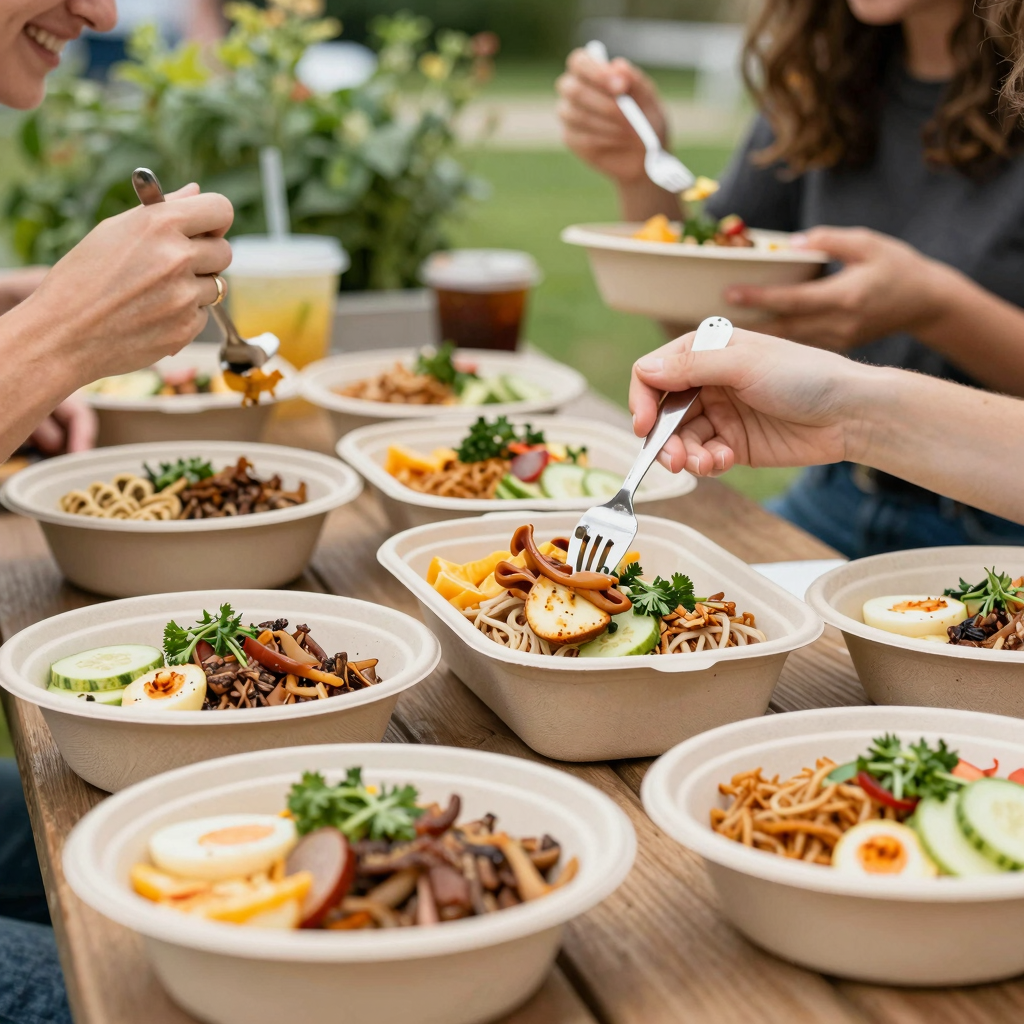
Industry Standards and Safety for Compostable Food Containers
When it comes to choosing compostable food containers, understanding the relevant safety and quality standards is crucial for businesses in the food service industry. These containers should meet stringent regulations to ensure they are not only environmentally friendly but also safe for food contact. The primary standards governing these products include ASTM D6400 and EN 13432, both of which provide guidelines on the compostability of materials. Compliance with these standards indicates that a product can break down into natural elements in a composting environment, ensuring it does not leave harmful residue behind.
Furthermore, the Biodegradable Products Institute (BPI) certification is highly regarded in the industry. This certification indicates that the compostable food containers have been rigorously tested and meet high-performance benchmarks for compostability. Ensuring that your containers carry these certifications reassures both you and your customers that they are making a sustainable choice without compromising on safety or quality.
At EcoCup Bowl, we take pride in our compostable food containers made from plant-based materials that adhere to these industry standards. Our products are BPI certified, ensuring they meet the comprehensive requirements set forth by ASTM D6400 and EN 13432. Each container is designed to perform in both hot and cold environments without leaching harmful substances into food. Our commitment to quality means that we prioritize not just the sustainability of our products but also the health and safety of your customers. By choosing our containers, you are aligning with industry standards and promoting environmentally responsible practices without sacrificing quality or safety.
If you want to learn more about the relevance of compostable food containers in today’s market, check out our article on eco-friendly food packaging.
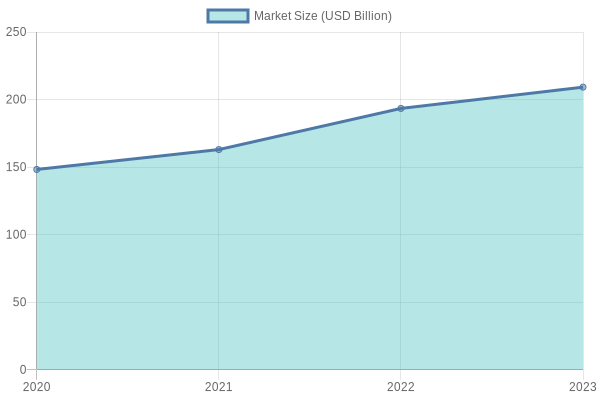
| Year | Market Size (USD Billion) | Key Drivers |
|---|---|---|
| 2020 | 148.29 | Rising consumer environmental awareness; early-stage government regulations on single-use plastics |
| 2021 | 163.01 | Increased corporate sustainability commitments; expansion of compostable packaging in fast-food chains |
| 2022 | 193.45 | Stronger regulatory policies (e.g., EU Single-Use Plastics Directive); growth in food service industry adoption |
| 2023 | 209.20 | Continued consumer preference for eco-friendly options; supply chain scalability improvements |
Sources:
- Global Compostable Food Service Packaging Market Analysis – Grand View Research, 2026
- Compostable Packaging Market Size & Share Report, 2030 – Fortune Business Insights, 2024
- Sustainable Packaging Industry Trends – Statista, 2026
Customer Testimonials
“Since we switched to compostable containers from EcoCupBowl, our customer satisfaction ratings have soared! Customers appreciate that we are doing our part for the environment, and they often comment on how the food presentation feels more authentic with biodegradable packaging. Our sales have increased by 20% since making the switch!”
- Maria, Owner of Bella Bistro
“Using EcoCupBowl’s compostable food containers has transformed our food truck business. Not only do our customers love the eco-friendly packaging, but we’ve also seen a notable decrease in waste disposal costs. It feels great to know that we’re contributing to a more sustainable future while enhancing our brand image!”
- Jake, Food Truck Owner, Urban Eats
“As an event planner, I’m constantly searching for suppliers that share my values of sustainability. Since I started using EcoCupBowl’s compostable containers for my events, feedback from guests has been overwhelmingly positive. They love that everything is compostable, and it simplifies cleanup immensely! I couldn’t be happier!”
- Lisa, Event Planner, Elegant Gatherings
Switching to EcoCupBowl’s compostable food containers has not only improved our business operations but has also elevated our commitment to sustainability. Learn more about our products and discover how you can enhance your business operations too!
Keep your business eco-friendly, delight your customers, and reduce waste!
This positive impact is not just anecdotal; a recent study indicated that over 65% of consumers prefer brands that use compostable packaging, showing a direct correlation with increased loyalty and customer satisfaction. Read about it here.
Key Factors to Consider When Choosing Compostable Containers
Choosing the right compostable container is crucial for businesses seeking sustainability in their packaging solutions. Here’s a list of key factors to keep in mind:
- Material Quality: Ensure that the container is made from high-quality, compostable materials like PLA, bamboo, or sugarcane fiber, which provide durability and prevent leaks.
- Cost: Compare prices from different suppliers to find a balance between budget and quality, as compostable options can vary greatly in cost.
- Availability: Consider suppliers who can consistently provide the necessary quantities and varieties of containers without delays in delivery.
- Delivery Options: Look for suppliers offering flexible delivery options to meet your business needs, especially during peak seasons.
- Environmental Impact: Assess the container’s lifecycle and certifications, such as BPI or TÜV OK Compost, to ensure they meet eco-friendly standards.
By evaluating these factors, businesses such as bubble tea shops and food trucks can make informed decisions that benefit both the environment and their operations.
Conclusion
In conclusion, choosing compostable food containers is a strategic decision for any food business, particularly in a market that increasingly values sustainability. These environmentally friendly options not only help reduce reliance on single-use plastics but also contribute positively to your brand image. As outlined in various studies, compostable food containers significantly decrease landfill waste and greenhouse gas emissions, making them an essential part of any modern restaurant or catering service’s waste management strategy (National Restaurant Association). Moreover, compliance with stringent regulations ensures that you are not only meeting customer expectations but also adhering to legal requirements, securing a competitive advantage in today’s eco-conscious marketplace (Naturepoly – A Complete Guide to Eco-Friendly Food Packaging).
Considering the substantial consumer demand for sustainable alternatives and the environmental benefits that compostable food containers offer, now is the perfect time to make the switch. Let our team at EcoCupBowl provide you with a tailored quote to meet your specific needs in compostable food containers. Contact us today and take the first step towards a greener future for your business!