Introduction
In the vibrant tapestry of Perth’s hospitality and catering industries, reliable plastic food containers play a pivotal role in ensuring food safety, freshness, and presentation. Whether you’re running a bustling bubble tea shop, a gourmet restaurant, a trendy food truck, or managing event catering services, the right packaging can significantly streamline operations and elevate the dining experience for your customers. With a diverse range of options available, choosing quality plastic food containers in Perth, WA, is essential for businesses aiming to enhance their service while maintaining sustainability. In this article, we will explore the various benefits and types of plastic food containers tailored specifically for small to large-scale food services, helping you make informed choices for your establishment. Learn more about the importance of plastic containers in the food industry.
Benefits of Using Plastic Food Containers for Businesses
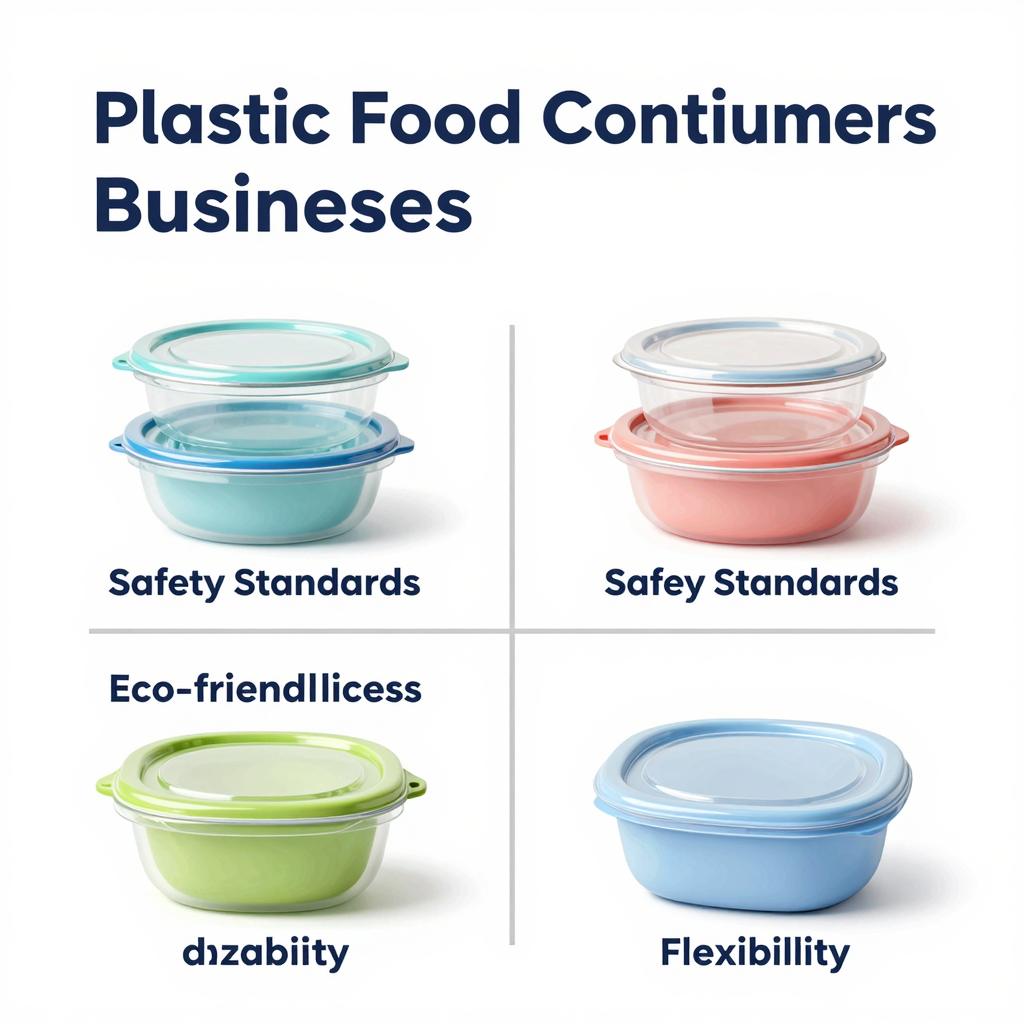
Plastic food containers offer numerous advantages that cater specifically to the needs of businesses in the food industry, including bubble tea shops, restaurants, food trucks, catering services, and event planners. Here are some key benefits:
Durability
Plastic food containers are known for their impressive durability. They can withstand various temperatures and are resistant to breaking, which is crucial for businesses that require reliable packaging solutions for transporting food. As highlighted in a recent analysis, these containers can maintain their integrity whether used to serve hot, cold, or frozen food items.
Safety Standards
Safety is paramount in the food industry, and plastic containers meet stringent safety standards, including food-grade compliance. According to industry sources, many plastic options, such as HDPE and PP, adhere to safety norms that ensure they are free from harmful chemicals. This allows businesses to confidently serve food without compromising customer health.
Eco-Friendliness
With growing concerns around sustainability, many plastic food containers are now designed to be eco-friendly. Numerous brands are developing recyclable and biodegradable options that appeal to environmentally-conscious consumers. Businesses can promote their commitment to sustainability by choosing plastic containers that reduce environmental impact, thereby enhancing their brand image.
Flexibility in Options
Plastic food containers come in a variety of sizes, shapes, and designs, making them ideal for diverse culinary needs. From sleek containers for gourmet meals to fun, vibrant designs for children’s snacks, businesses can select packaging that aligns with their brand style and customer preferences. This flexibility ensures that products are presented well and that operational efficiency is maintained.
Catering to Specific Needs
These benefits specifically cater to the unique requirements of the food and beverage industry, where reliability, safety, and presentation matter. Whether you operate a food truck or cater for a corporate event, the durability and variety of plastic containers provide effective solutions for packaging and serving.
By choosing plastic food containers, businesses not only improve operational efficiency but also enhance customer satisfaction. For insights into the latest innovations in packaging solutions, check out our blog on disposable food packaging boxes.
Comparing Different Types of Plastic Food Containers
Plastic food containers are essential for various industries including bubble tea shops, restaurants, food trucks, and catering services. Here’s a concise comparison of different types of plastic food containers available in Perth, WA, highlighting their features, sizes, materials, use cases, and price points.
| Type of Container | Material | Size Range | Use Cases | Price Range |
|---|---|---|---|---|
| Microwavable | Polypropylene (PP) | 200ml – 5L | Meal prep, leftovers, takeout | $12 – $30 |
| Freezer-safe | High-Density Polyethylene (HDPE) | 250ml – 4L | Long-term storage, bulk goods | $5 – $15 |
| Disposable | Polyethylene Terephthalate (PET) | 100ml – 1L | Single-use beverages, cold foods | $0.50 – $1.50 |
| Flexible Wraps | Low-Density Polyethylene (LDPE) | Varies | Sandwiches, cold storage | $0.25 – $1.00 |
| Stackable Systems | Polycarbonate (PC)* | 1L – 5L | Modular storage for organized packing | $15 – $50 |
Note: *Polycarbonate has been phased out due to safety concerns regarding BPA.
For more details about suitable packaging solutions, you can learn more about plastic containers in the food industry.
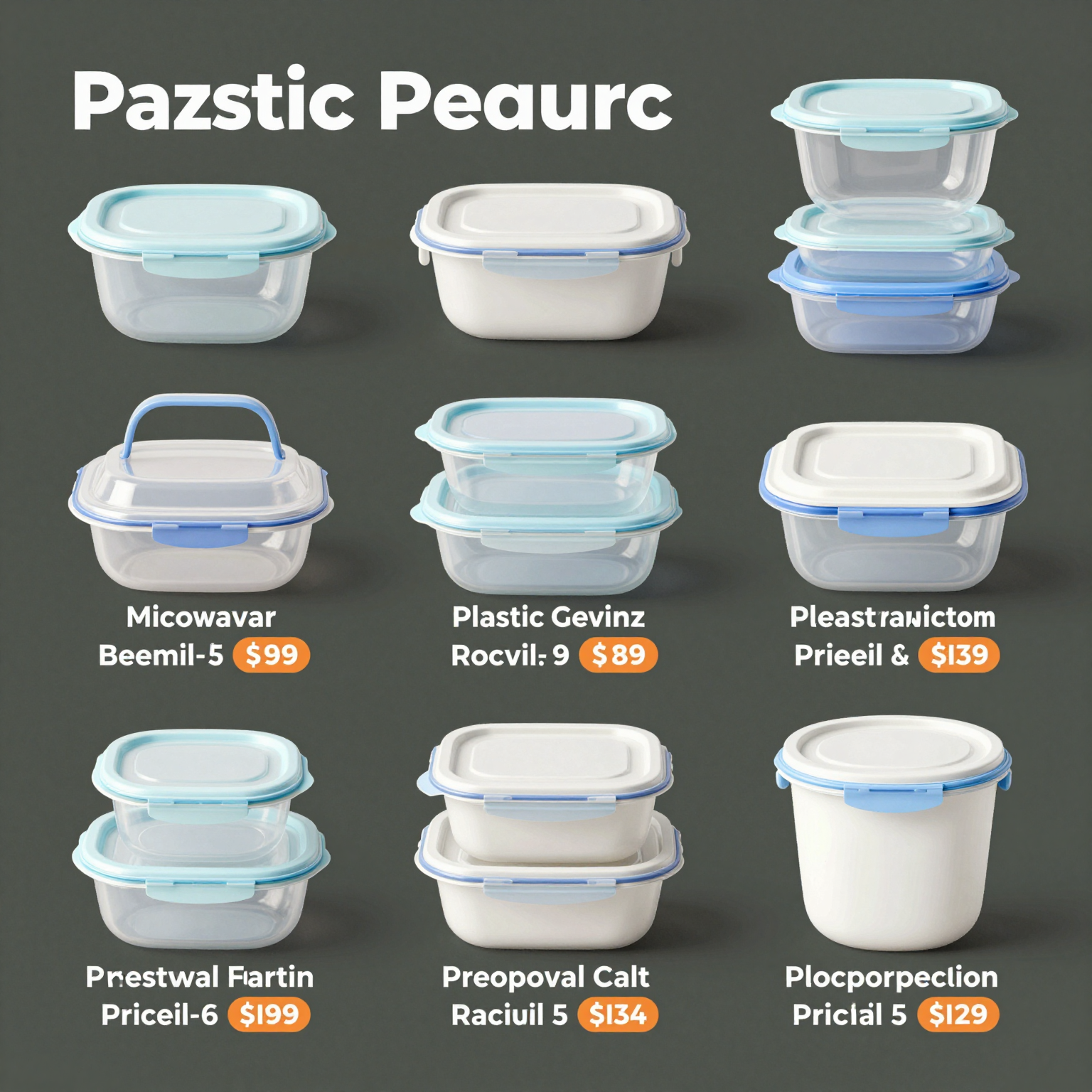
Image Alt Text: Infographic showing various types of plastic food containers with features like size, material, use cases, and price points.
This table should help you make informed decisions when selecting plastic food containers for your business needs!
Reliable Products and Exceptional Service
At EcoCupBowl, we pride ourselves on providing high-quality plastic food containers that cater specifically to the needs of local businesses in Perth. Here are some testimonials and case studies from satisfied customers who have experienced the benefits firsthand.
Emma R., Owner of Tapioca Delight Bubble Tea
“Switching to EcoCupBowl’s plastic food containers has been a game changer for us. Our customers love how fresh their bubble teas stay, and we’re impressed with the durability of the containers. The fast delivery and excellent customer support made the transition seamless! I also appreciate their eco-friendly stance, which aligns perfectly with our brand values.”Lucas K., Manager of Perky Pies Food Truck
“We relied on EcoCupBowl’s containers during a recent outdoor event, and they didn’t disappoint. The reliability of the products is phenomenal; none of the containers leaked, even in the hot sun. Plus, the customer service team was extremely responsive when we had a last-minute order!”
Case Study: From Struggle to Success
Our collaboration with several local businesses has showcased significant improvements in operational efficiency and customer satisfaction.
Case Study: Cuisines on Wheels – A Food Truck Initiative
Cuisines on Wheels experienced an uptick in customer retention after switching to EcoCupBowl’s lineup of plastic food containers. Before the switch, they received frequent complaints about food leaks during delivery. After adopting our products:
- Reliability: They reported a 90% drop in complaints related to leaks and breakages.
- Fast Delivery: With our same-day delivery options, they could restock quickly without affecting service.
- Customer Support: They expressed satisfaction with responsive service, stating, “Knowing we can count on EcoCupBowl for support allows us to focus on our food!”
Community Feedback
Our commitment to quality extends beyond just products; it builds community trust. Recently, a local Perth resident mentioned after a community event, “Using EcoCupBowl containers made our catering stand out-the presentation was lovely, and the food stayed intact!”
For more insights into how our plastic containers benefit various industry sectors in Perth, learn more about their applications in the food industry.
This section captures various customer experiences and showcases how EcoCupBowl’s products not only meet but exceed expectations, reinforcing our reputation as a trusted partner in the food service industry in Perth.
In today’s eco-conscious marketplace, businesses must prioritize sustainability to meet consumer demand and regulatory standards. One significant advancement in this area is the production of eco-friendly plastic containers, which are gaining traction among restaurants, food trucks, and beverage chains across Perth, WA. These containers are not only designed to minimize environmental impact but also to provide effective alternatives to traditional packaging solutions.
Sustainable Material Choices
Eco-friendly plastic containers are typically made from recycled materials or bioplastics derived from renewable sources like sugarcane, cornstarch, or bamboo. For instance, containers crafted from plant-based materials are compostable, breaking down naturally without releasing harmful toxins into the environment. This is essential as traditional plastics can take centuries to decompose, contributing significantly to global pollution. According to a Sustainability Report by the World Economic Forum, only 14% of plastic packaging is recycled globally, emphasizing the need for sustainable alternatives.
Why It Matters for Businesses and Customers
Implementing eco-friendly plastic containers is increasingly vital for modern businesses. Research shows that 72% of e-commerce shoppers are willing to pay extra for sustainable packaging. Businesses that adopt eco-friendly practices not only bolster their brand reputation but also align with evolving consumer values, making them more competitive in the marketplace. With tightening environmental regulations, such as the EU’s requirement for all packaging to be recyclable by 2030, adopting sustainable practices is no longer just an option-it’s a necessity.
Moreover, eco-friendly packaging results in substantial long-term savings by reducing material costs and improving logistics efficiency. Companies that invest in sustainable packaging solutions witness greater customer loyalty and improve their market positioning, proving that eco-conscious choices are profitable for all stakeholders involved.
Conclusion
As the demand for eco-friendly plastic containers rises, businesses can seize this opportunity to differentiate themselves in a crowded market while contributing to a healthier planet. For more insights on the role of plastic containers in the food industry and how they can benefit your business, check out our blog on plastic containers in the food industry.
Local Regulations Regarding Plastic Use in Perth, WA
As of February 27, 2023, Perth has enacted significant regulations under Western Australia’s Plan for Plastics, focusing on reducing plastic pollution in the food service sector. This plan specifically targets single-use plastics that are commonly used in food service businesses such as bubble tea shops, restaurants, and food trucks. The regulations identify polystyrene (Styrofoam) food containers, plastic cutlery, straws, and stirrers as banned items, urging businesses to switch to approved alternatives like compostable or recyclable materials.
Implications for Food Service Businesses
These regulations pose a considerable shift for food service businesses in Perth, particularly those relying heavily on plastic food containers and utensils. The implications include:
- Mandatory Compliance: Businesses must remove banned items from their operations and find suitable alternatives, which may already be part of their service offerings or require sourcing new products.
- Increased Costs: Transitioning to eco-friendly options may lead to increased costs. However, these costs can be mitigated through effective planning and supplier partnerships.
- Consumer Expectations: As awareness of environmental issues grows, consumers are increasingly favoring businesses that demonstrate compliance and commitment to sustainability.
How Compliance is Facilitated by EcoCupBowl Products
At EcoCupBowl, we offer a range of compliant, environmentally friendly food containers that meet the new regulations. Here’s how our products can help your business:
- Wide Variety: From compostable containers to recyclable bowls, we have the food packaging solutions that align with the regulatory framework and cater to your specific needs.
- Support and Guidance: Our team provides insights and products tailored to help food service operators navigate these changes seamlessly. To learn more, check out our blog on plastic containers in the food industry and explore our eco-friendly offerings.
- Customer Appeal: By choosing sustainable options, your brand can stand out in a competitive market, attracting eco-conscious customers eager to support responsible businesses.
These changes, while challenging, present an opportunity for businesses to innovate and adopt sustainable practices that benefit both the environment and their bottom line.
For further information on how to transition away from single-use plastics effectively, visit the Government of Western Australia’s resources available on Plan for Plastics.
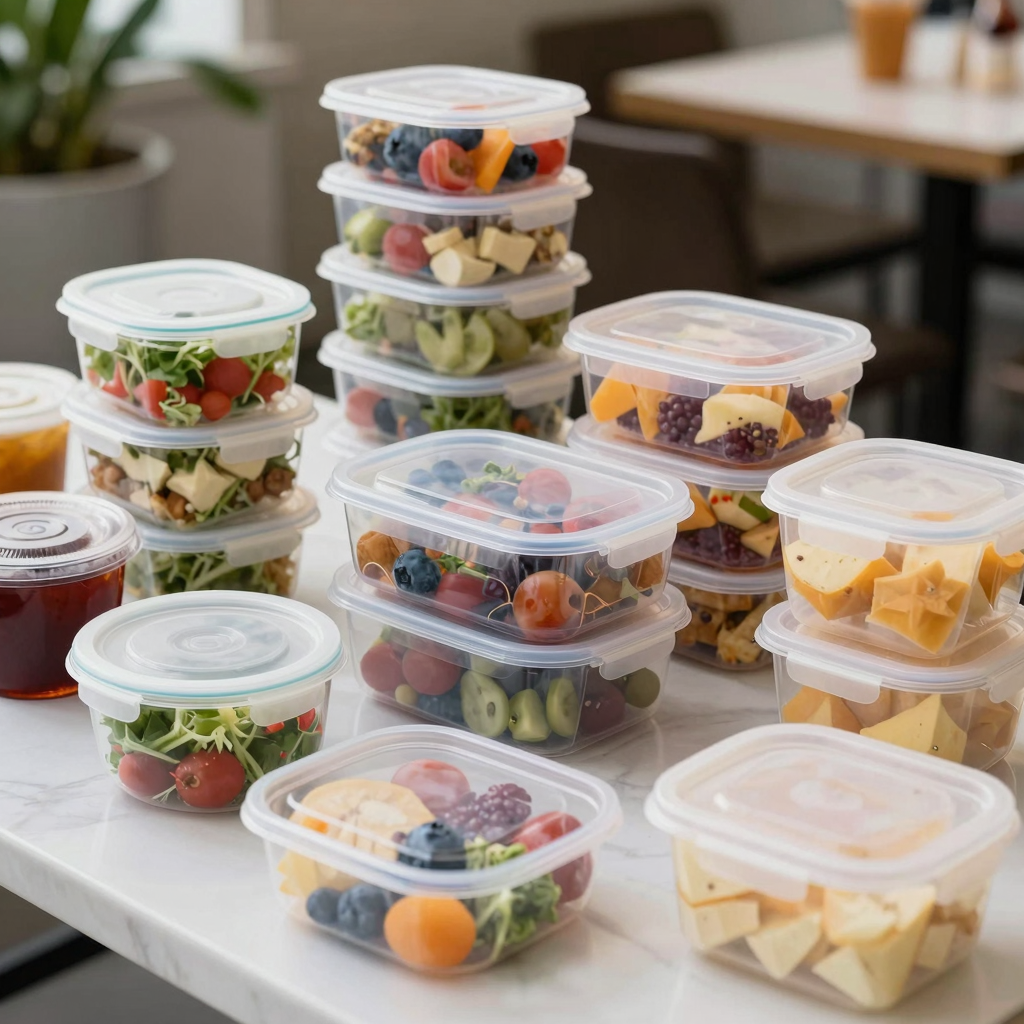
Frequently Asked Questions about Plastic Food Containers
-
Are plastic food containers safe for storing food?
Yes, most plastic food containers, particularly those made from polypropylene (PP), are safe for food storage when used correctly. They can withstand temperatures of 100-120°C, making them suitable for hot foods. However, it’s advised to allow food to cool to room temperature before placing it in plastic containers to avoid any chemical leaching. Learn more about plastic container safety. -
How should I clean plastic food containers?
Washing plastic food containers with warm, soapy water is effective. Ensure they are thoroughly dried to prevent any residual moisture that might harbor bacteria. It’s best to avoid using harsh chemicals as they may damage the plastic. -
Can these containers go in the microwave?
Yes, but only if the container is labeled as microwave-safe. Always check the bottom of the container for labeling like “suitable for microwave use” to avoid melting or chemical release. -
What types of foods should not be stored in plastic containers?
High-acid foods (like tomato sauces), hot foods, and fatty foods can cause plastics to leach harmful chemicals. It’s recommended to store these in glass or ceramic containers instead. For more details, see this helpful guide. -
How do I order plastic food containers?
Ordering is straightforward via our website. You can select the specific containers you need, choose your quantities, and checkout securely. For convenience, we also provide bulk ordering options for larger businesses and food services. -
What should I do if my plastic container is damaged?
If your plastic container has cracked, warped, or shows any signs of wear, it’s best to discard it and replace it. Damaged containers can lead to contamination of the food stored in them. -
Are there eco-friendly alternatives to plastic containers?
Yes, there are several biodegradable and compostable food storage options available. For those interested in reducing plastic use, we offer a range of environmentally friendly containers that maintain food safety and quality. Explore your options with us to find the best solution for your needs! Read about alternatives here.
Market Trends in Plastic Food Containers for Catering & Restaurant Industries in WA
Understanding the market trends in plastic food containers is crucial for professionals in the catering and restaurant industries, particularly in Western Australia. As these industries evolve, increases in eco-conscious practices and consumer knowledge continue to influence choices.
Key Trends and Market Growth
The Australian market for plastic food containers is experiencing significant growth driven by the increased demand for takeaway and meal prep services. Below is a visual representation of the market size from 2023 to 2026:
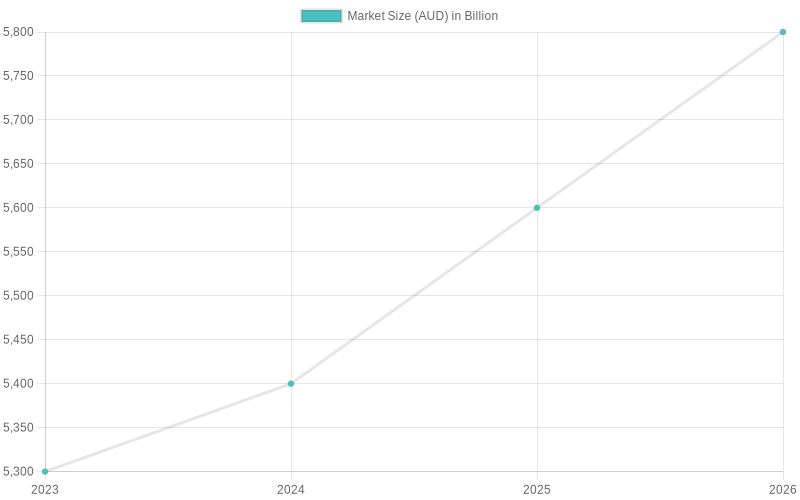
Market Size (AUD) and Growth Trends
| Year | Market Size (AUD) | Growth Rate (CAGR) | Key Trends in Usage | Shifts Towards Sustainable Options | Impact of Environmental Regulations |
|---|---|---|---|---|---|
| 2023 | $5.3 billion | – | Dominance of conventional plastic containers; widespread use in takeout and meal prep services | Limited adoption; early pilot programs for compostable alternatives | Introduction of state-level bans on single-use plastics in major cities (e.g., Sydney, Melbourne) |
| 2024 | $5.4 billion | ~1.7% | Increased demand for leak-proof and stackable designs; rise in cloud kitchen operations | Surge in trials of biodegradable materials (e.g., PLA, sugarcane fiber); partnerships with eco-packaging suppliers | Expansion of extended producer responsibility (EPR) schemes; mandatory recyclability labeling introduced |
| 2025 | $5.6 billion | ~3.7% | Rise of reusable container programs (e.g., “Bring Your Own Container” incentives); growth in modular compartmentalized packaging | 30% increase in orders for compostable and recycled-content containers; strong consumer preference for green branding | National plastic packaging levy enacted (effective July 2025); stricter compliance requirements for food service suppliers |
| 2026 | $5.8 billion | ~3.6% (projected) | Integration of smart packaging with QR codes for traceability; increased use of lightweight, durable PET and PP containers | Over 45% of new takeaway container purchases are from sustainable or recycled sources; BPA-free and low-chemical-leach claims as standard | Full implementation of national EPR framework; enforcement of minimum recycled content (25%) in all food-grade plastic packaging |
For more in-depth analysis of sustainable practices in the industry, you can learn more here.
By tracking these trends, businesses in the food and catering sectors can adapt their practices and product offerings to meet both consumer demand and regulatory requirements effectively.
Conclusion
In summary, the advantages of using plastic food containers are evident across various sectors, from restaurants to catering services. They not only reduce costs and facilitate easier logistics but also align with current trends focused on efficiency and sustainability in food service. As discussed, the disposable tableware market is booming, making it imperative for businesses to choose reliable, high-quality products that resonate with their brand. With growing consumer awareness about health and safety standards, opting for certified disposable packaging has never been more crucial.
At EcoCupBowl, we understand the unique needs of bubble tea shops, restaurants, food trucks, and event planners. Our comprehensive range of disposable tableware and packaging solutions is designed to cater to your specific requirements, ensuring quality, safety, and elegance. Don’t hesitate to contact our team today for a tailored quote-your satisfaction is our priority! Together, we can enhance your service quality with products that your customers will love.