
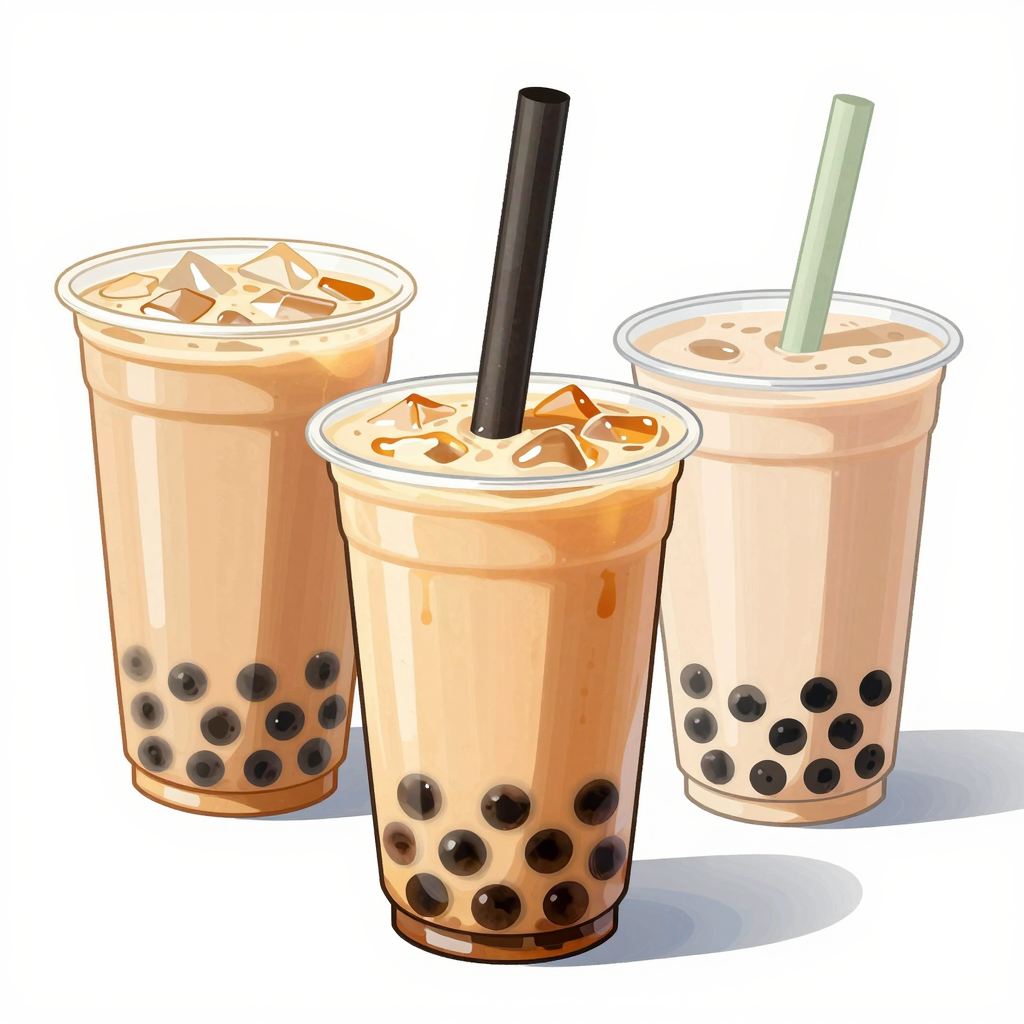
Introduction to Disposable Plastic Cups
In today’s fast-paced beverage industry, disposable plastic cups have become a staple, particularly within the thriving bubble tea market and catering services. The allure of bubble tea, with its vibrant colors and delicious textures, is only enhanced by the perfect cup to showcase it. But these cups do more than just hold our favorite drinks; they represent convenience, safety, and sustainability for businesses and consumers alike. As bubble tea shops and event planners seek to provide efficient service while fulfilling modern eco-conscious demands, the choice of disposable plastic cups becomes crucial.
From vibrant branded cups that can enhance a beverage’s appeal, to those designed for optimal temperature retention, selecting the right type can significantly influence the consumer experience. As the demand for disposable solutions continues to grow, savvy beverage chains and catering services are evolving alongside these trends, ensuring they stay at the forefront of customer preferences. For more insights into how plastic containers impact the food industry, be sure to check out our detailed blog post. Join us as we explore the world of disposable plastic cups, their importance in the beverage landscape, and how they can elevate your customer offerings.
The Environmental Impact of Disposable Plastic Cups
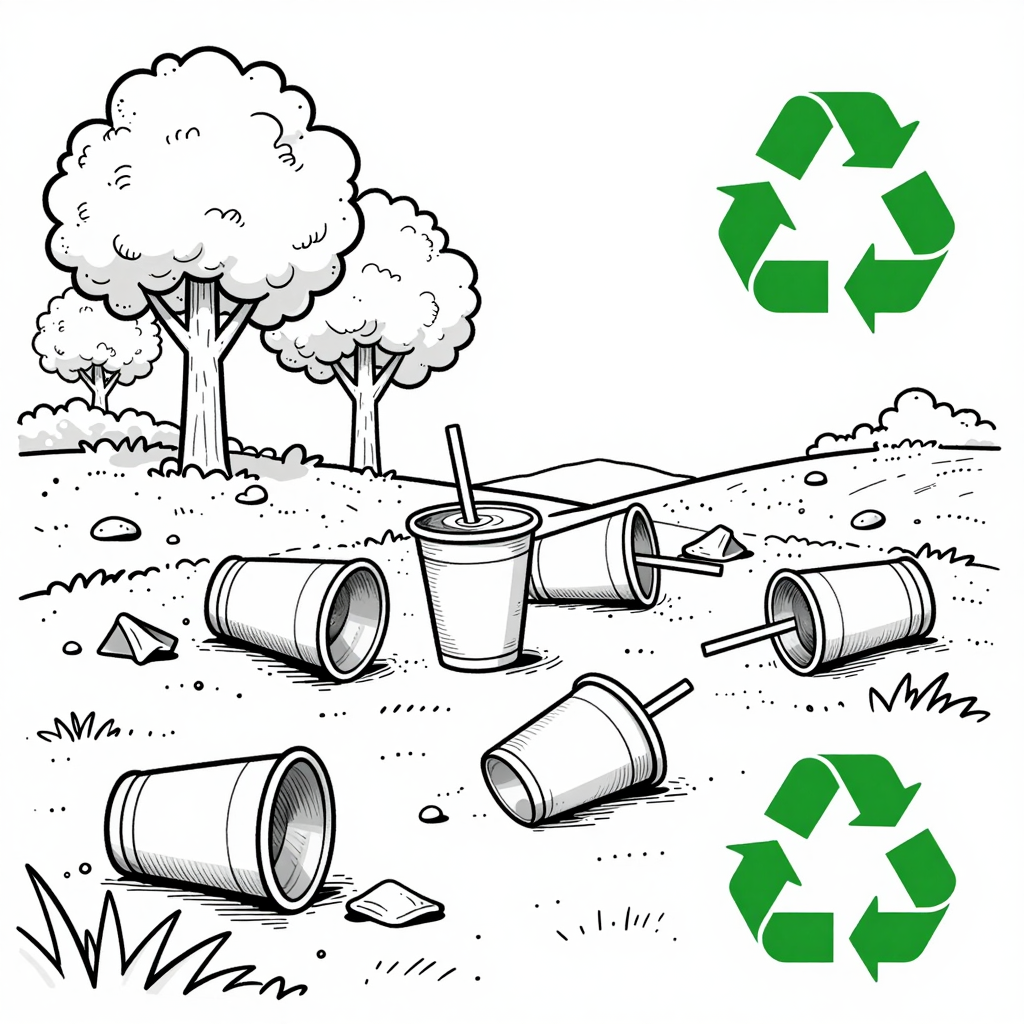
Disposable plastic cups are a common sight in restaurants, events, and food trucks, but their environmental toll is profound. Millions of these cups end up in landfills each year, contributing to pollution and harming wildlife. A significant concern lies in their non-biodegradable nature; studies reveal that traditional plastic cups can take hundreds of years to decompose, leading to persistent litter in our ecosystems. For instance, a research article highlighted the littering impacts of commonly used disposable cups, noting that polypropylene cups are particularly problematic due to their durability against natural degradation. This waste not only clutters our landscapes but also poses dangers to marine and terrestrial wildlife.
Addressing Plastic Waste: Options for Businesses
Fortunately, businesses in the beverage industry can play a pivotal role in mitigating these environmental concerns. Here are some effective strategies:
- Education and Awareness: Inform your customers about the impacts of single-use plastics and the importance of proper recycling practices.
- Transition to Eco-Friendly Alternatives: Consider using cups made from plant-based materials like polylactic acid (PLA) or bamboo fiber. While PLA requires specific industrial composting systems, such products offer a more sustainable option when disposed of correctly.
- Promote Reusability: Encourage the use of reusable cups. Options made from durable materials like stainless steel or Tritan are excellent for reducing waste over time and can be integrated into your business model by offering incentives for customers who bring their own cups.
By implementing these practices, businesses can not only adhere to sustainable principles but also appeal to an increasingly eco-conscious customer base.
Additionally, suppliers are responding to this demand. For instance, eco-friendly plastic cups that are biodegradable and customizable are entering the market, providing businesses with viable alternatives that facilitate both brand promotion and environmental responsibility. Explore biodegradable cup options here.
Conclusion
The choice between convenience and sustainability is crucial for businesses today. By addressing the issues associated with disposable plastic cups and exploring eco-friendly solutions, food service providers can significantly reduce their environmental footprint while fostering a greener future. For more insights on sustainable practices, check out our blog.
Comparison of Disposable Plastic Cups
When it comes to disposable plastic cups, choosing the right type can significantly impact your business, especially in the beverage industry. Below is a comparison table that outlines different types of disposable plastic cups, focusing on their size, material, typical uses, and eco-friendliness. This information will aid businesses like bubble tea shops, beverage chains, restaurants, food trucks, catering services, and event planners in making informed decisions.
| Type | Material | Size (Capacity) | Typical Uses | Eco-Friendliness | Source |
|---|---|---|---|---|---|
| Disposable PP Cup | PP (Polypropylene) | 12 oz (360ml), 16 oz (500ml), 21 oz (600ml), 24 oz (700ml), 35 oz (1000ml) | Cold drinks, boba tea, juice, coffee, food packaging | Recyclable (PP widely recycled), not biodegradable. Safer for hot and cold beverages. | Alibaba.com |
| PET Plastic Cup | PET (Polyethylene Terephthalate) | 10 oz, 12 oz, 16 oz, 20 oz, 24 oz, 32 oz | Cold drinks, soda, juice, iced coffee, boba tea, takeaway | Widely recyclable (#1 plastic), commonly used for single-use items. Not biodegradable. | Made-in-China.com |
| PS Plastic Cup | PS (Polystyrene) | 10 oz | Hot and cold drinks, fast food packaging, party use | Not widely recyclable; often considered non-recyclable. Can leach chemicals when heated. | Made-in-China.com |
| PLA Biodegradable Cup | PLA (Polylactic Acid) | 12 oz-24 oz (varies) | Cold drinks, smoothies, boba tea, coffee | Fully compostable under industrial conditions; certified biodegradable. Eco-friendly option. | Alibaba.com |
| Custom Printed PET Cup | PET (Polyethylene Terephthalate) | 12 oz, 16 oz, 20 oz, 24 oz | Coffee, juice, milk tea, soda, event catering | Recyclable (#1 plastic), not biodegradable. Custom printing available for branding. | Alibaba.com |
Notes:
- Eco-friendliness is assessed based on recyclability, biodegradability, and potential for chemical leaching.
- PP and PET are the most common materials for disposable cups due to their clarity and heat resistance.
- PLA is the most eco-friendly option but requires industrial composting facilities to break down effectively.
- PS is generally discouraged due to its environmental impact and health concerns when heated.
Additionally, for visual learners, we have included a pie chart that illustrates the eco-friendliness of different disposable cup materials based on their environmental ratings.
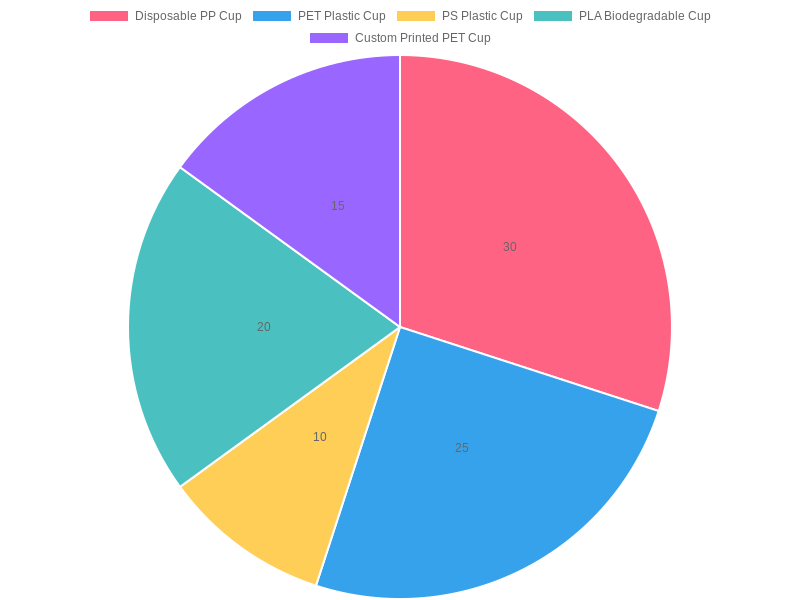
This table and the accompanying chart will help you assess the best disposable plastic cups to suit your business needs while considering eco-friendliness as a crucial factor in your decision making.
Advantages of Using Disposable Plastic Cups in Food Service Businesses
Disposable plastic cups have become a popular choice in food service for good reasons. As businesses like restaurants, food trucks, and catering services look to streamline operations while providing excellent customer experience, these cups offer numerous advantages.
Convenience
One of the primary benefits of disposable plastic cups is convenience. These single-use products are ready to serve, eliminating the need for cleaning and storage associated with traditional glass or ceramic alternatives. For busy food service environments, especially during peak hours, having a reliable supply of disposable cups helps maintain service speed and efficiency. They are lightweight and stackable, making them easy to store and transport.
Hygiene
In today’s health-conscious environment, hygiene has never been more crucial. Disposable plastic cups reduce the risk of cross-contamination, as they are used once and discarded. This feature is particularly important for businesses serving beverages that could be impacted by lingering microbes from previously used cups. For further insight on hygiene in food service, you can learn more about plastic containers in the food industry.
Safety Standards
Disposable plastic cups adhere to industry safety standards, ensuring that they are made of food-grade materials. They are designed to handle both hot and cold beverages without compromising integrity, thus providing safety to customers and minimizing spill risks. Compliance with these standards helps businesses maintain a professional image while aligning with health regulations.
Cost-Effectiveness
When analyzing costs, disposable plastic cups often come out ahead. They typically have lower upfront costs, especially when purchased in bulk. Although the long-term use of reusable cups could demonstrate savings, the initial investment for reusable systems can be significant. Moreover, disposable options mitigate costs associated with cleaning and maintaining a dishwashing infrastructure, which includes labor, water, and electricity costs. Businesses can allocate resources to other areas without the burden of additional overhead.
Additionally, marketing customizable disposable cups can uplift brand visibility during events and gatherings, serving as an advertising medium without extra costs. For businesses looking for specific sizes or types of disposable cups, exploring options like custom disposable plastic cups with dome lids can further enhance engagement with their customers.
In summary, disposable plastic cups provide essential benefits for food service businesses, combining convenience, hygiene, safety, and cost-effectiveness to satisfy both operational needs and consumer expectations.
Best Practices for Using Disposable Cups in Beverage Shops
Using disposable cups effectively in bubble tea shops involves several best practices that enhance customer experience, ensure sustainability, and minimize waste. Here’s a summary of best practices:
Proper Handling of Disposable Cups
- Quality Matters: Utilize high-quality, BPA-free, and heat-resistant cups designed specifically for cold and hot beverages. Consider using double-wall or insulated cups for cold drinks to maintain temperature and reduce condensation.
- Sipping and Sealing: Ensure cups have robust lids with sip-and-seal features to prevent spills during customer transport. This is essential for maintaining hygiene and customer satisfaction.
- Size Selection: Match cup sizes (small, medium, large) accurately with drink orders to prevent waste and ensure a positive customer experience. Adequate labeling on cups (like drink name and sugar level) also enhances accuracy and service efficiency.
- Staff Training: Train staff on proper filling techniques (avoiding overfilling), lid application, and straw placement to ensure a smooth operation.
Disposal Methods
- Recycling and Composting: Implement a clear recycling program in your shop. Most plastic cups should go into recycling bins, while paper cups (if uncoated or with plant-based lining) can be composted. Learn more about recycling practices.
- Consumer Education: Educate customers about proper disposal methods. This can include clear signage in the shop regarding which bins to use. Consider using biodegradable materials as a sustainable alternative to traditional plastics-this supports eco-friendly practices while minimizing waste.
- Zero-Waste Initiatives: Consider the introduction of edible or compostable cups to enhance sustainability. These items can appeal to environmentally conscious consumers and further promote your shop’s commitment to sustainability. Check out alternatives to plastic containers.
Engaging Customers
- Incentives for Reusables: Encourage customers to bring their reusable cups by offering discounts on their purchase when they do, promoting an eco-friendly initiative that helps reduce single-use cups.
- Brand Appeal: Create visually appealing cup designs or even limited-edition cups that reflect seasonal themes or local events. Engaging customers on social media by encouraging them to post pictures with your unique cups can foster community and brand loyalty.
- Feedback and Interaction: Regularly solicit customer feedback regarding the cup and drink experience, making customers feel involved and valued regarding product and service improvements.
Conclusion
By integrating these best practices into your bubble tea shop, you can enhance overall customer satisfaction, promote sustainable practices, and build a positive brand reputation. Incorporating high-quality products and engaging customers will not only improve day-to-day operations but also fortify your shop’s standing in a competitive market.
Testimonials from Satisfied Businesses
Businesses in the bubble tea and catering industries have greatly benefited from using quality disposable cups. Here’s what some of them have to say:
“Since we switched to quality disposable cups, our customer feedback has improved significantly. The cups not only showcase our drinks beautifully but also keep them at the perfect temperature longer. Our patrons appreciate the eco-friendly options we offer through your brand!”
- Joy, Owner of Bubble Bliss Tea
“At our catering events, we strive to provide a seamless experience for our clients. Using premium disposable cups has allowed us to maintain a stylish presentation and eliminate the hassle of cleanup. Our guests love the convenience, and so do we!”
- Mark, Catering Manager at Delish Events
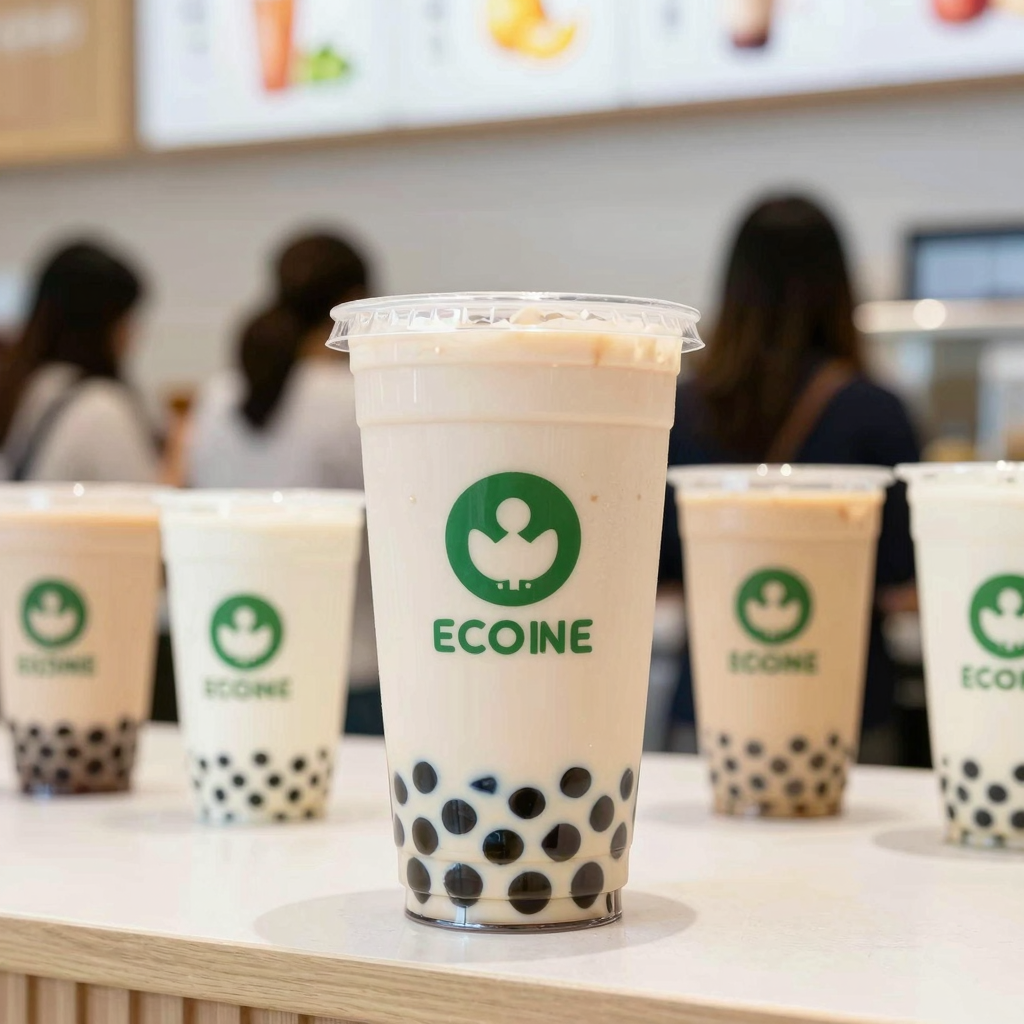
“We noticed that since we started using EcoCup’s disposable cups, our sales have increased. Customers love that our bubble tea is served in sturdy, attractive cups. They’ve become a part of our brand image!”
- Sarah, Manager at Tapioca Heaven
These testimonials reflect the positive impacts that using high-quality disposable cups can have on customer experience and brand perception. For more insights on how to have effective disposable solutions, learn more about our range of products.
Conclusion
In conclusion, the advantages of using reliable disposable tableware are more compelling than ever for businesses, particularly those in the food and beverage industry such as bubble tea shops, restaurants, and catering services. Embracing disposable options like eco-friendly cups and bowls not only enhances operational efficiency by minimizing labor costs associated with dishwashing but also boosts customer satisfaction through quicker service and improved hygiene.
Notably, the growing trend towards sustainable materials is allowing businesses to meet consumer demands for environmentally responsible practices. Switching to compostable and recyclable disposable tableware can enhance your brand image while ensuring compliance with increasingly strict regulations on single-use plastics. These eco-friendly options can help set your establishment apart in a competitive market, attracting more environmentally conscious customers.
Ultimately, choosing reliable disposable tableware solutions is not just about convenience or cost savings; it is a strategic decision that can greatly influence your business’s success. If you’re ready to take action toward enhancing your operations and meeting customer expectations, I encourage you to reach out for a tailored quote today. Ensure your business stands out while making responsible choices-because better options are just a call away. Learn more about eco-friendly options and how they can benefit your establishment!
By making the switch today, you can enjoy the benefits of improved efficiency, sustainability, and customer satisfaction-all while helping to create a cleaner environment for future generations.
Growth in Demand for Disposable Packaging in the Beverage Industry
The beverage industry has experienced significant growth in disposable packaging over recent years, fueled by increasing demand for convenience and on-the-go consumption. With the rising trend of single-use items, disposable packaging continues to play a crucial role.
Chart: Growth Trend of Disposable Packaging

The chart above illustrates the growth trend from 2020 to 2035:
- 2020: $138.9 billion (disposable beverage packaging consumption)
- 2025: $167.3 billion (total beverage packaging market size)
- 2030: Estimated at $210.4 billion (projected growth)
- 2035: Expected to reach $275.1 billion in total beverage packaging market size, including disposable trends.
For more information about specific packaging products, visit our blog on plastic containers in the food industry to learn more about disposable options that cater to the expanding market needs.
Key Considerations for Selecting Disposable Cups for Events and Business Needs
Selecting the right disposable cups is essential for ensuring a smooth experience in various events and catering settings, whether you’re running a food truck, a restaurant, or organizing corporate events. Here are key considerations to keep in mind:
- Material Type:
- Plastic Cups (e.g., PP, PS, PET): Durable and versatile for serving hot and cold beverages. They offer clarity, heat resistance, and are ideal for quick-service settings. Learn more about plastic containers in the food industry.
- Paper Cups: Environmentally friendly options available, suitable for hot and cold drinks. They often come with protective coatings to prevent leakage but can be less durable than plastic ones.
-
Capacity:
Different events require different serving sizes. Common capacities include 8 oz, 12 oz, and 16 oz. It’s important to select the capacity that best meets your needs based on the type of beverages you will be serving. -
Functionality and Features:
- Lid Availability: Some events demand cups with lids (e.g., for transport). Ensuring the availability of lids can avoid spills and customer complaints.
- Design Options: Depending on the brand or event theme, customize the cups for better branding and customer experience. Explore custom disposable plastic cups here.
- Eco-Friendliness:
- Increasingly, consumers prefer products that minimize environmental impact. Cups made from recycled materials or fully biodegradable options may enhance customer perception.
- Cost-Effectiveness:
- While quality is crucial, the budget for disposable cups should not be overlooked. Work out the balance between cost and quality to find the most appropriate solution for your needs.
- Event Type:
- Consider the specific occasion, since informal gatherings may favor plastic cups while formal events might benefit from paper or upscale finishes. Tailor your choice to the audience and type of event to enhance overall presentation.
By carefully considering these factors, you can select the right disposable cups that will meet your event needs while also being cost-effective and environmentally friendly. This will ultimately ensure customer satisfaction and a successful event.