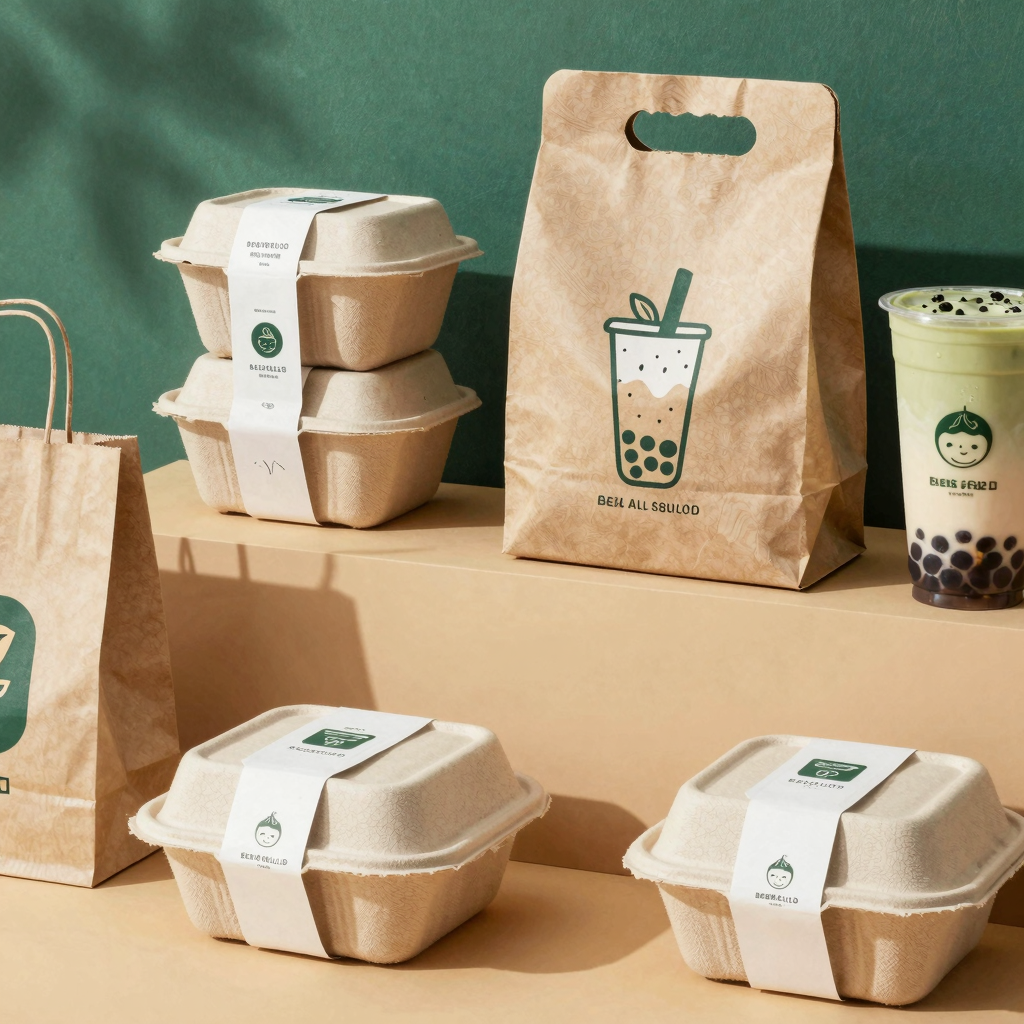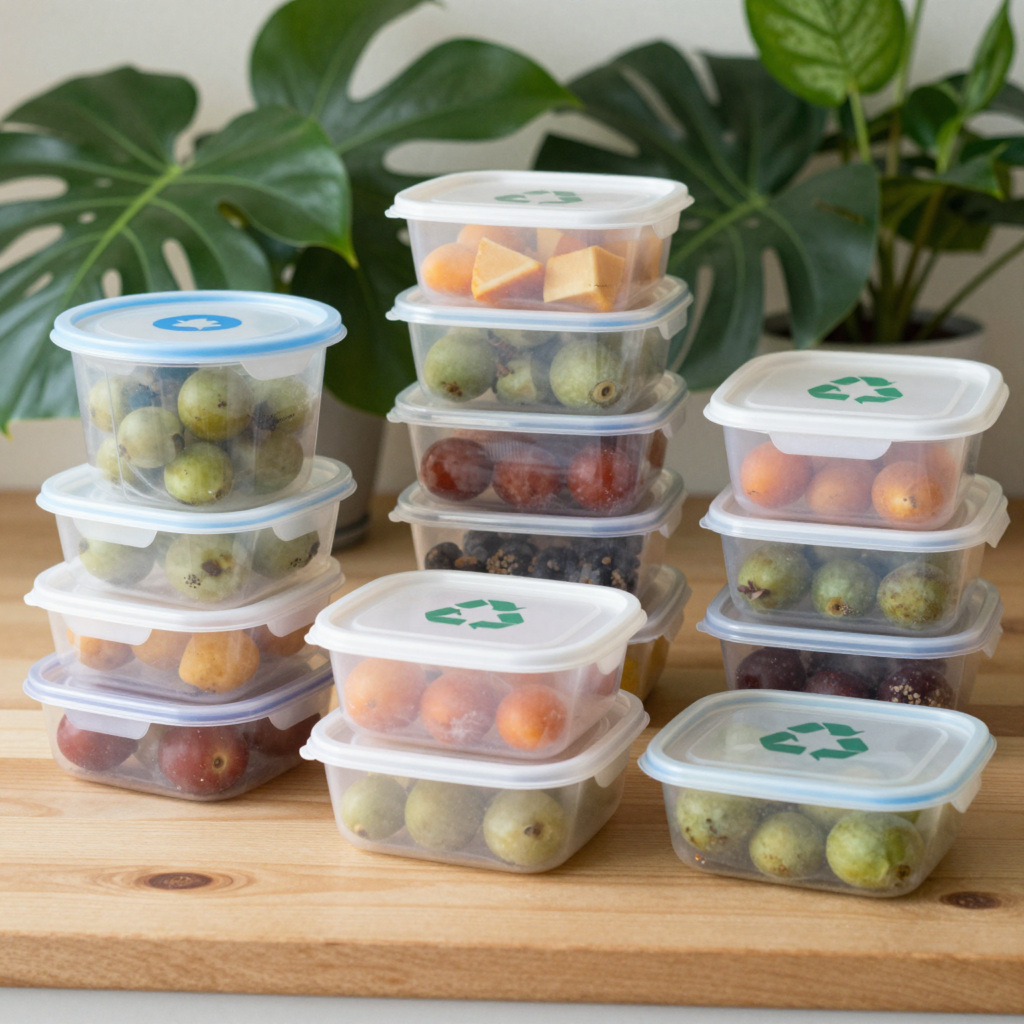
Have you ever wondered about the fate of those frozen food plastic containers once you’ve polished off the last morsel? As our awareness of environmental issues grows, so too does our curiosity about recycling practices in the food industry. Plastic containers, particularly those used for frozen foods, play a peculiar role in our eco-system, bridging convenience and sustainability. With a striking statistic that only about 9% of the global plastic ever produced is truly recycled, it becomes pertinent for businesses in the food sector to reevaluate their practices. For bubble tea shops, food trucks, and restaurants, understanding the intricacies of recycling can not only align with ethical responsibilities but can also enhance brand reputation. In this article, we’ll delve into the specifics of recycling frozen food containers while exploring broader eco-friendly strategies in the food industry. Learn more about the plastic containers’ impact in the food industry and discover how your establishment can contribute to a more sustainable future!
Discover Your Recycling Options for Frozen Food Plastic Containers
Navigating the world of recycling can be overwhelming, especially when it comes to frozen food plastic containers. However, there are several eco-friendly options available that can help your business contribute to a sustainable future. Whether you’re in the food industry or managing events, understanding these options is crucial. Learn more about sustainable practices in the food industry and boost your recycling efforts today!
Common Types of Frozen Food Plastic Containers
Businesses like bubble tea shops and food trucks often encounter various types of plastic containers designed for frozen foods. Understanding these containers not only helps in selecting appropriate packaging but also in assessing their recycling potential. Here’s a breakdown of common types:
- Polypropylene (PP)
- Uses: Trays, lids, and containers for frozen meals.
- Recycling Potential: Approximately 30% recyclable. Common in curbside recycling programs but varies by region.
- Polystyrene (PS) (Expanded, EPS)
- Uses: Foam trays for frozen meat and seafood.
- Recycling Potential: Less than 10%. Difficult to recycle and often not accepted in curbside programs.
- Polyethylene Terephthalate (PET)
- Uses: Rigid trays and containers for frozen products.
- Recycling Potential: About 29%. Widely recycled into new bottles or fibers.
- Polyethylene (PE)
- Uses: Flexible films and bags used for secondary packaging.
- Recycling Potential: Roughly 14%. Recycling can be challenging due to contamination.
These types of containers are crucial to the food industry, and businesses are encouraged to participate in recycling efforts. Learn more about the implications of plastic containers in the food industry and their recycling processes.
Benefits of Recycling Plastic Containers
Recycling plastic containers significantly contributes to environmental sustainability and demonstrates corporate responsibility for businesses, particularly in the food industry. Here’s why you should consider incorporating recycling into your operational practices:
Environmental Protection
Recycling helps prevent pollution by reducing the amount of waste sent to landfills and minimizing harmful emissions from production. Every ton of plastic recycled saves about 7.7 barrels of oil and 1.5 tons of CO₂ emissions compared to virgin plastic production. This substantial reduction plays a crucial role in mitigating climate change.
Conservation of Resources
By recycling plastic containers, businesses can conserve raw materials needed for production. The process not only reuses existing materials but also significantly cuts down on the extraction and processing of new resources. As noted by the National Geographic, recycling plastic minimizes the environmental costs associated with producing new plastics, encouraging a more circular economy.
Reduction of Greenhouse Gas Emissions
Recycling plastic food containers can reduce carbon emissions by 40-60% per unit of material reused. A report by the World Economic Forum highlights that in regions with strong recycling programs, these emission reductions are increasingly significant. In Germany, for instance, recycling initiatives have achieved over 70% reduction in CO₂ emissions for recycled plastic products compared to their virgin counterparts.
Economic Benefits
Investing in recycling can yield economic advantages as well. Companies that employ recycling strategies often find a decrease in production costs by utilizing recycled materials. For example, corporations like Nestlé aim to incorporate 50% recycled content in their packaging by 2027, demonstrating the economic viability of sustainability.
Improving Corporate Image
Supporting recycling initiatives enhances a company’s reputation among environmentally conscious consumers. By actively engaging in recycling, businesses can promote their commitment to sustainability, which in turn can attract new customers and retain existing ones who value corporate responsibility.
In conclusion, embracing recycling practices not only fulfills environmental objectives but also aligns with economic interests, ensuring a sustainable future for industries reliant on plastic containers. For further insights on integrating eco-friendly practices, check out our blog on plastic containers in the food industry and learn more about non-plastic disposable options.
Recycling Rates for Frozen Food Plastic Containers
The current recycling rates for frozen food plastic containers reveal significant challenges but some positive trends as well. In 2023, the overall recycling rate for plastic waste in China stood at approximately 30%, with around 1,900,000 tons successfully recycled out of 6,200,000 tons generated. However, frozen food packaging, often composed of complex multi-layer materials, faces a much lower effective recycling rate due to its contamination and low economic value.
According to a recent report, polypropylene (PP) food containers, which are commonly used for frozen food, had a recycling rate of 29.6%, a notable improvement compared to previous years. The report highlighted that most of the recycling efforts were sourced from commercial sectors (60%) versus community sources (40%). While the trend indicates a gradual improvement in recycling practices, factors such as product complexity and contamination hinder the efficiency of recycling frozen food containers.
A specific mention is that types of plastic often used for frozen food containers face even lower recycling rates than common recyclables like PET. Although there are ongoing efforts to enhance recycling technologies, particularly for hard-to-recycle plastics, the industry is still grappling with significant barriers to effective recycling in this category.
For more insights into the recycling landscape for food industry plastics, you can learn more about recycling rates in the food industry.
In summary, while improvements in recycling rates are evident, frozen food packaging still requires special consideration and innovation to meet sustainability goals.
| State | Recycling Guidelines | Description |
|---|---|---|
| California | Not accepted in most curbside programs | Frozen food plastic containers (often made from rigid plastics like #5 PP or #1 PET) are typically not accepted in California’s curbside recycling due to contamination risks and lack of processing infrastructure. They should be placed in the trash unless a specific local program accepts them. |
| New York | Not accepted in most curbside programs | Similar to California, frozen food plastic containers are generally not recyclable through standard NYC or statewide curbside systems. The material type and potential for contamination make them difficult to process. Check with local waste haulers for possible drop-off locations. |
| Oregon | Not accepted in curbside recycling | Oregon’s recycling guidelines do not include frozen food plastic containers in curbside programs. These items often have mixed materials or are contaminated with food residue, making them non-recyclable under current state standards. |
| Illinois | Not accepted in most curbside programs | In Illinois, especially in Cook County (Chicago area), frozen food plastic containers are typically not accepted in curbside recycling. They may contain residual food or be made from non-recyclable resins. Check local municipal websites for updates. |
| Massachusetts | Not accepted in curbside recycling | Massachusetts does not accept frozen food plastic containers in its curbside recycling streams. The containers are often made from multi-material or hard-to-process plastics that can contaminate other recyclables. |
Note: While some specialized or private recycling facilities may accept these containers, they are not processed through standard municipal curbside programs across these states.
“Recycling our food packaging has made a huge difference for our business. Not only are we reducing waste, but our customers have also noticed. Since we started highlighting our sustainable practices, our positive reviews have increased significantly! It’s amazing to see how much customers value eco-friendly efforts in every meal we serve!”
- Emily Chen, Owner of Green Eatery, a popular catering service.
Recycling frozen food containers can enhance your brand’s image and attract eco-conscious customers looking to support sustainable practices. Learn more here.
Additionally, the increased emphasis on sustainability can also lead to positive environmental effects by reducing landfill waste.
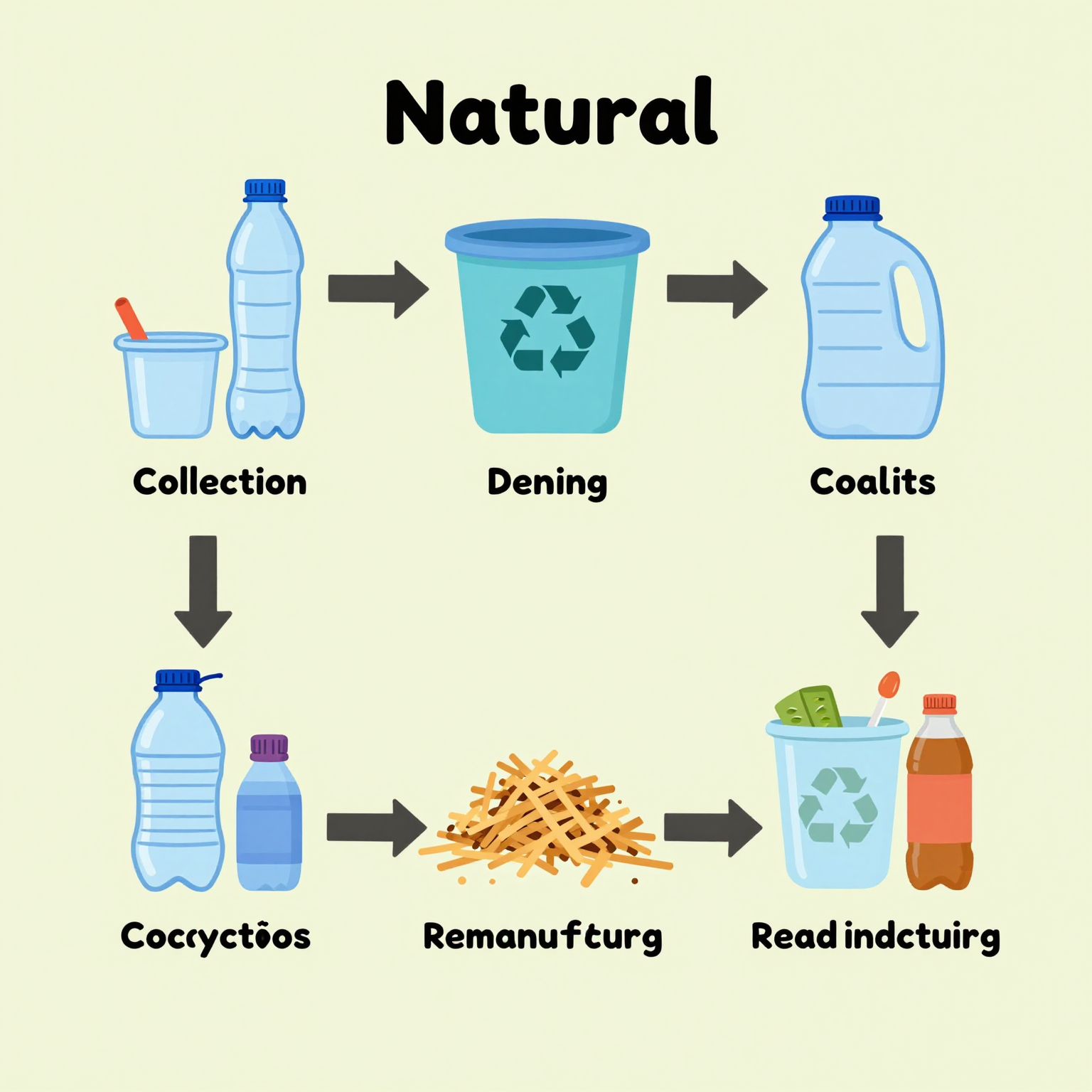
Eco-Friendly Alternative Packaging for Frozen Foods
As the conversation around sustainability continues to grow, many businesses-including bubble tea shops, restaurants, and catering services-are recognizing the importance of using eco-friendly packaging alternatives. The conventional plastic containers used for frozen food pose a significant threat to the environment due to their non-biodegradable nature and the challenges associated with recycling them. Fortunately, several alternatives are gaining popularity and resonating with eco-conscious consumers.
Biodegradable Options
One of the most promising alternatives to plastic containers is biodegradable packaging. These materials break down naturally in the environment, reducing waste and pollution. Popular biodegradable options include:
- Paper-based Containers: Made from recycled or sustainable sources, these containers are perfect for frozen foods and can easily dissolve back into nature when composted.
- Plant-based Plastics: Materials such as polylactic acid (PLA) offer a similar usability to traditional plastics but without the environmental harm. These containers can maintain the freshness of food while being compostable.
- Molded Fiber Containers: This innovative packaging solution is made from recycled paper products and can be produced in various shapes to accommodate different types of food items. They are particularly effective in frozen food applications due to their durability and insulating properties.
Benefits of Sustainable Packaging
Choosing eco-friendly packaging is not just about compliance with regulations; it’s also about brand image and customer loyalty. Shoppers are increasingly drawn to businesses that adopt sustainable practices. Utilizing biodegradable packaging can position your establishment as one that cares about the environment, which can lead to increased customer satisfaction and repeat business.
As you consider transitioning to eco-friendly alternatives, remember that these materials not only benefit the planet but also enhance your brand’s reputation in the eyes of eco-conscious consumers. For more insights on the types of packaging available for your needs, check out our guide on non-plastic disposable food containers and explore how you can integrate them into your operations.
In conclusion, addressing the challenge of recycling frozen food plastic containers is not only pivotal for reducing environmental impact but also essential for businesses in the food industry to adopt more sustainable practices. As the pressure mounts on food and beverage companies to minimize plastic waste, making the shift to eco-friendly packaging solutions becomes more crucial than ever. By investing in biodegradable and recyclable packaging options, your business can contribute to a cleaner environment while also meeting consumer demand for sustainable practices.
At EcoCupBowl, we are committed to providing innovative and eco-friendly packaging solutions tailored for bubble tea shops, restaurants, food trucks, and more. Choose our sustainable packaging products to not only enhance your brand’s reputation but also make a positive impact on the planet. Explore our range of eco-friendly options today and take a significant step toward a greener future!