
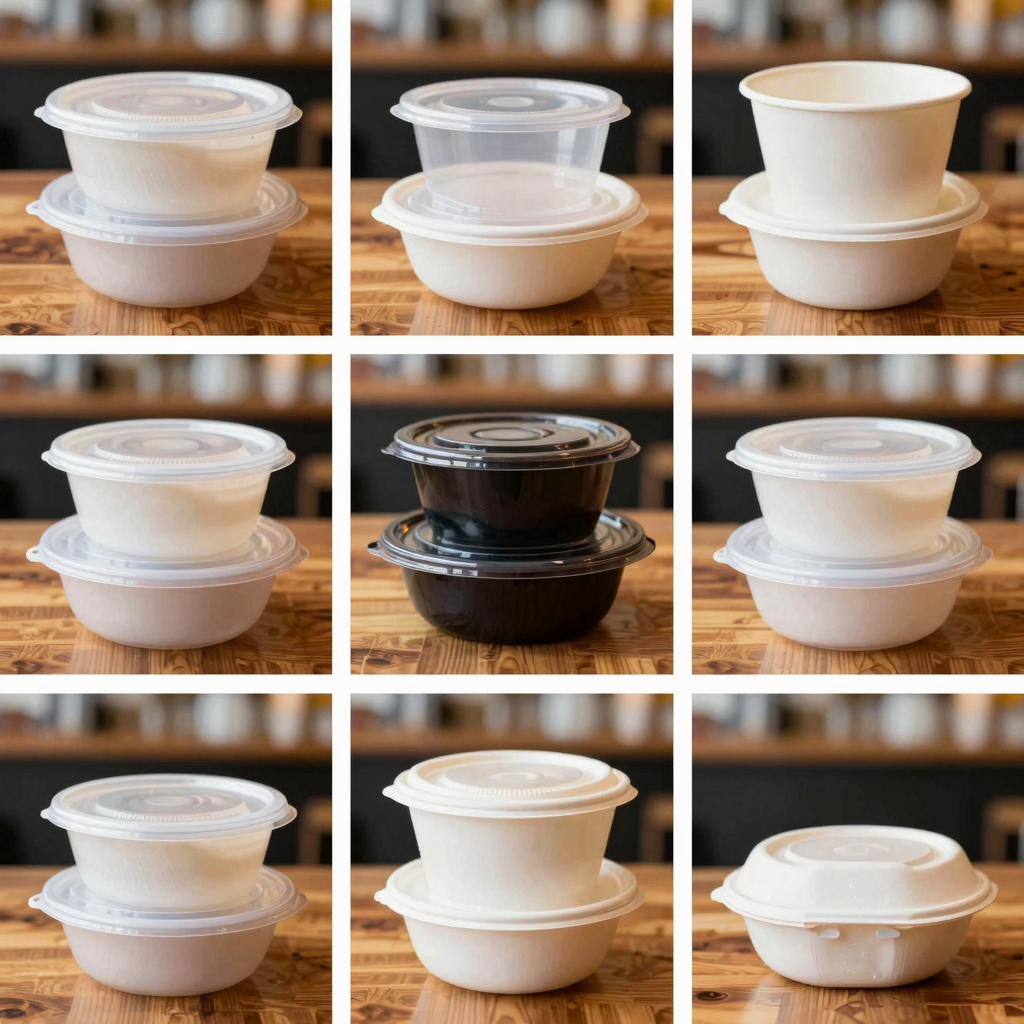
In the fast-paced world of food service, the importance of reliable and versatile packaging cannot be overstated. Commercial food containers made of plastic play a critical role in serving businesses such as bubble tea shops, restaurants, food trucks, and catering services. These containers are not only lightweight and durable but are also designed to meet the diverse needs of various culinary creations. From holding delicious bubble tea to ensuring warm meals reach customers intact, the usability of plastic containers is invaluable. Furthermore, eco-conscious options are emerging, allowing businesses to align sustainability with convenience. The right packaging enhances the aesthetic appeal of food items while ensuring safety and ease of transport. By choosing the right plastic food containers, businesses can streamline their operations and elevate customer experience, providing quality service in every bite. Explore our collection of food trays and takeaway boxes tailored for any food service need.
Plastic containers are indispensable tools in the food service industry, particularly for businesses such as bubble tea shops, restaurants, food trucks, and catering services. Here’s a breakdown of the various types of commercial plastic containers available along with their unique features and benefits:
1. Cups
Plastic cups are lightweight and shatterproof, making them perfect for drinks like coffee, smoothies, and bubble tea. They come in various sizes and styles, including clear cups that showcase colorful beverages. Many are designed with secure lids to reduce spillage, which is essential for mobile food service. For customizable options, check out our selection of Cups and Sleeves.
2. Lids
Lids play a critical role in ensuring the quality and safety of food and drinks. Available in various designs, they can prevent contamination and keep contents fresh. Some lids feature spill-proof designs or built-in straws, which can enhance the customer experience at beverages stands and takeaway shops. Explore our range of Cup Lids for more options.
3. Trays
Plastic trays are utilized in the serving of food and beverages. They are designed for easy stacking and storage, which is beneficial for food trucks and catering events where space is limited. These trays can be used for everything from appetizers to main courses, offering durability and ease of clean-up. Check out our Trays and Plates for a variety of choices.
4. Boxes
Plastic boxes, particularly in takeaway applications, provide an excellent solution for meal packaging. These containers are usually made from materials like polypropylene (PP) or polyethylene terephthalate (PET), which are known for durability and impact resistance. They can be equipped with secure lids to seal in freshness while being resistant to grease and moisture. For options tailored for bakery or sushi items, visit our Bakery & Sushi Boxes.
Conclusion
Each type of plastic container offers unique benefits that can enhance the efficiency and presentation of food service operations. They are lightweight, versatile, and contribute to food safety by acting as barriers against contamination. Providing customers with high-quality plastic packaging not only improves their experience but also enhances your brand’s image as a reliable food provider.
Employing a range of these plastic containers can help your food service business thrive in a competitive market.
Understanding Safety Standards for Plastic Food Containers
When it comes to food safety, especially in the fast-paced environment of bubble tea shops, restaurants, and catering services, it’s crucial to understand the standards and regulations governing plastic food containers. Let’s break down the essential safety considerations that ensure your food stays safe and your business compliant.
FDA Regulations
The U.S. Food and Drug Administration (FDA) has stringent regulations for plastic materials that come into contact with food. These regulations ensure that substances used in food containers do not migrate into the food itself. Specifically, the FDA requires compliance with the Federal Food, Drug, and Cosmetic Act and 21 CFR Part 170-199. For instance, common plastics such as Polypropylene (PP) and Polyethylene (PE) must meet specific standards to avoid harmful substance migration. To achieve a BPA-free designation, manufacturers must avoid BPA and pass strict migration tests, confirming that harmful substances are below safety thresholds (FDA source).
BPA-Free Assurance
BPA, or Bisphenol A, has been a concern in the food industry for years due to its potential health risks. Many food container manufacturers now proudly advertise BPA-free products. This label indicates that the product does not contain BPA, ensuring that any potential risk associated with this chemical is mitigated. A recent report by CIRS highlighted that safety assurance for BPA-free claims is a rigorous process where companies must demonstrate the absence of BPA through detailed evaluations and migration testing (CIRS Guidance).
Eco-friendly and Safe Choices
Beyond just avoiding BPA, consider eco-friendly options. Containers made from recycled plastics can be compliant with safety standards, provided that the recycling processes meet FDA’s guidelines. Choosing containers made from materials recognized for their safety, such as polypropylene, not only supports safety but also promotes sustainability.
In conclusion, when selecting plastic food containers, ensure they meet FDA standards and are labeled as BPA-free. Your customers will appreciate your commitment to their health and safety, while you maintain compliance in the marketplace. For a range of compliant food containers, check out our collection of takeaway box options.
Comparing Different Types of Plastic Containers
When it comes to selecting plastic containers for commercial use, it’s essential to consider their features, uses, and safety ratings. Below is a comparison of three common types of plastic containers-PET, HDPE, and PP-often used in food and beverage applications. This will help you make informed choices tailored to your business needs, be it a bubble tea shop or a catering service.
| Type | Features | Common Uses | Safety Rating |
|---|---|---|---|
| PET (Polyethylene Terephthalate) | Lightweight, shatter-resistant, recyclable. | Beverage bottles, food containers. | Generally safe, but not suitable for high temperatures. |
| HDPE (High-Density Polyethylene) | Strong, chemical-resistant, lightweight. | Milk jugs, detergent bottles, grocery bags. | Safe for food contact and can withstand mild heat. |
| PP (Polypropylene) | Durable, heat-resistant, suitable for microwaving. | Takeaway containers, microwaveable dishes. | Safe for food use, can handle temperatures up to 130°C. |
Choosing the right type of container is crucial for ensuring the quality and safety of your food products. To explore options, you can check out a variety of containers available at EcoCupBowl.
Additionally, if you are looking for specific types, like takeaway and sushi boxes, there are plenty of solutions to meet your packaging needs!
Eco-Friendly Options for Food Packaging
In today’s world, where environmental consciousness is on the rise, businesses must consider eco-friendly alternatives to traditional plastic food containers. These alternatives, including biodegradable and recyclable materials, not only align with sustainability goals but also cater to increasingly eco-aware consumers.
Why Eco-Friendly Containers Matter
According to the Environmental Protection Agency, only 9% of plastic ever produced has been recycled, emphasizing the urgent need for sustainable alternatives. Biodegradable options like polylactic acid (PLA), derived from cornstarch, and compostable packaging made from sugarcane bagasse, are emerging as viable solutions. By using these materials, businesses contribute to reducing landfill waste and minimizing environmental impact. In 2023 alone, the use of compostable packaging rose by 32%, reflecting a growing consumer preference for responsible packaging choices.
In addition, recyclable materials are seeing improved collection rates; for instance, PET #1 and HDPE #2 plastics have recycling rates of 30% and 32%, an improvement attributed to better infrastructure and public awareness.
Consumer Demand and Regulatory Pressure
The global market for sustainable packaging reached $428 billion in 2023, growing at a CAGR of 14.7% since 2020. Notably, 68% of consumers prefer products in recyclable or compostable materials, showcasing a shift in purchasing preferences. Brands are increasingly adopting innovative materials, like seaweed-based packaging, which decomposes quickly and has a lower carbon footprint.
By transitioning to eco-friendly packaging solutions, businesses not only enhance their brand image but also play a vital role in combating plastic pollution. Interest in sustainable products is high, particularly among consumers willing to pay a premium for environmentally-friendly options. To explore various eco-friendly packaging choices, check out our range of sustainable packaging options and biodegradable containers.
User Testimonials
We take immense pride in our commercial food containers, and the satisfaction of our customers speaks volumes about the quality and service we provide. Here are some heartfelt testimonials from users who have experienced the benefits of our plastic containers:
-
Alex Chen, Owner of Bubble Tea Bliss
“We’ve been utilizing EcoCup Bowl’s containers for over a year now, and I can’t express how satisfied we are! The containers are sturdy, and the seal is tight-no more spills during delivery. Our customers appreciate the quality, which enhances their experience at our café. Plus, the eco-friendly options align perfectly with our brand’s sustainability mission!” -
Marissa Kane, Event Planner at Kane Events
“As an event planner, I require reliable and stylish packaging for our food display. EcoCup Bowl’s plastic containers are exactly what we need. They are visually attractive, functional, and easy to stack. Our clients always receive compliments on the presentation of our buffets, and it’s thanks to these containers! The service from EcoCup Bowl is also outstanding, with prompt responses and timely deliveries.” -
Tom Sullivan, Catering Manager at Flavorful Bites
“Switching to EcoCup Bowl’s containers simplified our operations. They are perfect for both hot and cold items, keeping everything fresh and appealing. The quality is incredible-no leaks and items stay secure during transport. Our customers are happier than ever, and our team appreciates how easy they are to use. Plus, having them in stock online makes ordering a breeze!”
These testimonials reflect our commitment to providing high-quality food containers that enhance not just the food experience but the overall service delivery.
If you’re looking to upgrade your service standards, explore our range of options for effective and eco-friendly packaging solutions!
Cost-Effectiveness of Using Disposable Packaging
When it comes to packaging solutions in the food service industry, especially for bubble tea shops, restaurants, and catering services, the choice between disposable plastic containers and traditional alternatives can significantly impact operational costs. Here’s why going disposable offers financial advantages:
Reduced Material Costs
Disposable plastic containers often come at a lower upfront cost compared to reusable alternatives. While some may argue that reusable containers are more sustainable, their initial investment can be considerably higher. According to Market Statistics published for 2026, the worldwide market for plastic food containers is expected to reach nearly $395 billion, highlighting robust demand and thus competitive pricing for disposable options.
Lower Operational Expenses
Managing a kitchen can be resource-intensive. Using disposable containers minimizes time spent on cleaning, storage, and handling. Without the need to wash and sanitize reusable containers, businesses enjoy increased operational efficiency, allowing staff to focus more on customer service rather than maintaining inventory of reusable items. This leads to reduced labor costs and faster turnaround times.
Waste Management Savings
Disposing of packaging, rather than maintaining a reusable system, can also lead to savings. The responsibility to clean and maintain reusable options often translates into additional costs in waste management and quality checks. Disposable packaging eliminates these hidden costs, making it a straightforward choice for busy establishments like food trucks and event planners.
Hence, for those looking for cost-effective solutions, disposable packaging presents a compelling case, marrying convenience with financial sense. To explore various options for your business, check out our range of disposable food containers and related products.
Current Trends in the Food Packaging Industry
The food packaging industry, particularly in the realm of plastic containers, is undergoing significant transformation driven by consumer preferences and technological innovations. Here’s a snapshot of the latest trends:
Shift Towards Sustainability
Consumers are becoming increasingly environmentally conscious, prompting a shift from traditional plastic packaging towards sustainable alternatives. Many are now opting for biodegradable options made from materials such as seaweed, corn starch, and sugar cane. The use of compostable films and recycled materials is gaining traction, in line with government policies encouraging the reduction of non-degradable plastics by 2025.
Innovations in Smart Packaging
Smart packaging technologies, such as QR codes and NFC chips, have gained popularity. These innovations not only enhance consumer interaction but also improve product preservation by incorporating sensors that monitor freshness and temperature.
Growth of Customization
As competition intensifies, businesses are adopting digital printing and 3D printing technologies to offer customized packaging solutions. This demand for personalization is complemented by the growing trend of minimalist designs that reduce material usage while delivering aesthetic appeal.
Market Dynamics
The market for plastic packaging in China reached approximately ¥1.15 trillion in 2023, showcasing steady growth despite challenges. This growth is bolstered by the rising demand for sustainable options and compliance with evolving regulations. Companies must not only innovate in materials but also empower smart manufacturing practices to remain competitive.
For more information on innovative food packaging options, check out our various food containers and takeaway solutions.
In conclusion, plastic containers present a myriad of advantages for businesses in the food industry, particularly for bubble tea shops, restaurants, food trucks, and catering services. Their durability ensures that food remains secure during transport, while their lightweight nature reduces shipping costs. Additionally, many of our plastic containers are designed to be tamper-proof and leak-resistant, providing your customers with peace of mind. Furthermore, as we navigate a landscape that increasingly emphasizes sustainability, our products offer environmentally friendly options without compromising quality.
We invite you to explore our diverse range of food packaging solutions at EcoCupBowl. Make the smart choice for your business today-choose packaging that protects your food and the planet!
A Variety of Food Containers to Enhance Your Offerings
When it comes to serving food-from delicious bubble tea to savory sushi-having the right containers is essential for both presentation and functionality. In the world of food service, especially for businesses like bubble tea shops, restaurants, food trucks, and catering services, selecting the ideal container can set you apart from the competition.
Food containers come in many shapes and sizes, allowing businesses to cater to diverse needs. Here are some popular types of food containers:
- Plastic Containers: Versatile and lightweight, perfect for take-out orders.
- Bento Boxes: Great for portion control and visually appealing meals.
- Takeout Boxes: Classic design, convenient for packaging various cuisines.
- Bowls: Essential for salads, soups, and other dishes.
These containers not only help in maintaining the freshness of food but also enhance the overall dining experience. Explore our selection of food containers to find the right fit for your business needs!
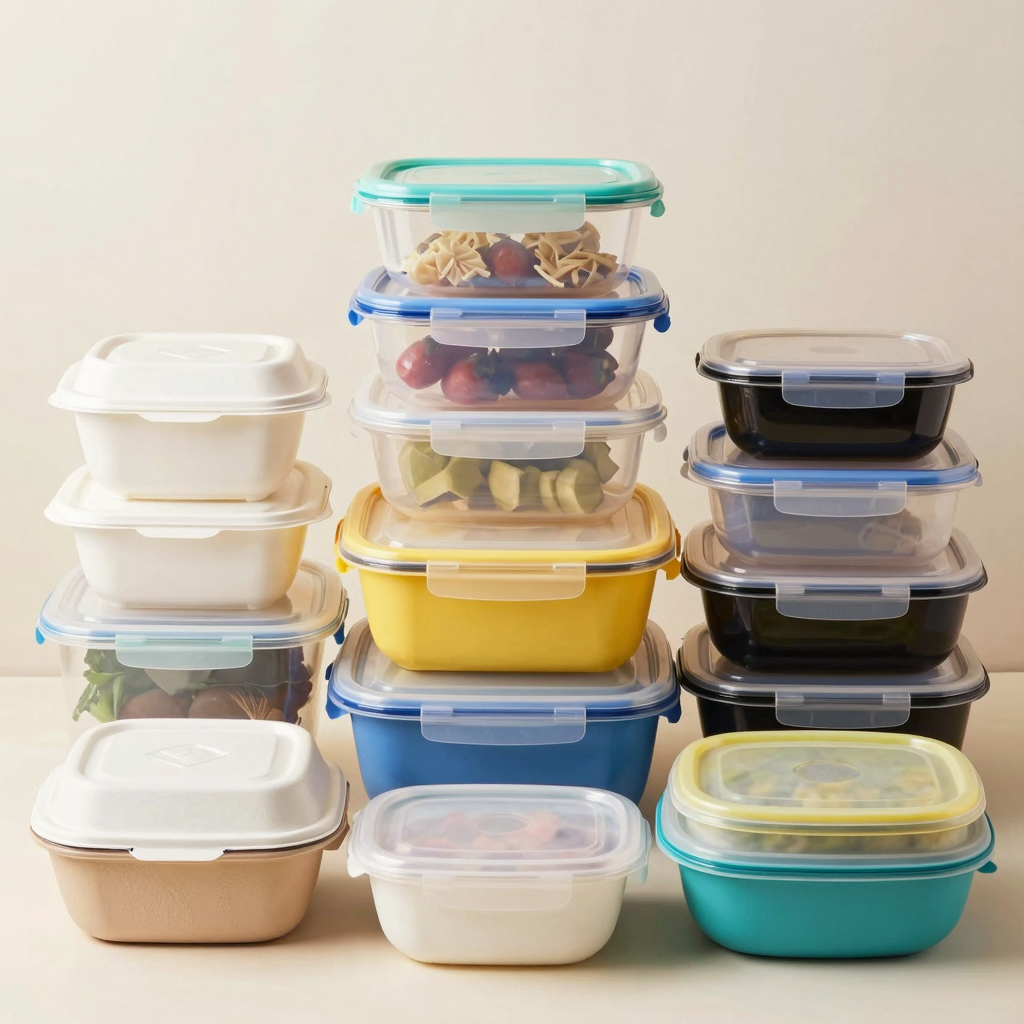
Choosing the right container is crucial for branding and customer satisfaction. You can save time and resources by opting for reliable, reusable, or disposable options that meet your operational needs while also appealing to eco-conscious consumers.