
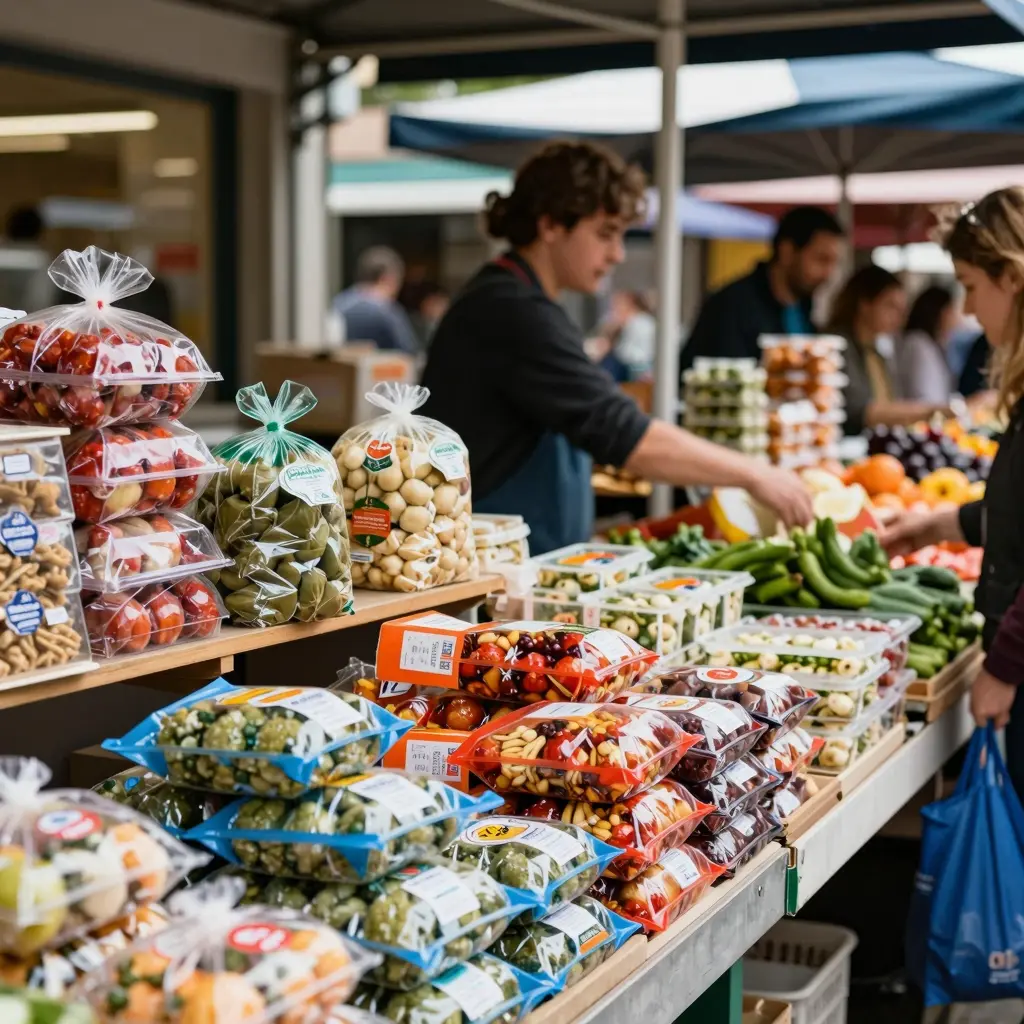
In the vibrant market of Levallois-Perret, France, plastic packaging has become indispensable for food businesses ranging from quaint bubble tea shops to expansive catering services. Food containers crafted from durable plastic not only preserve freshness and flavor but also enhance presentation, making them a vital choice for establishments focused on customer satisfaction and brand image. As consumers increasingly seek convenience and quality, the demand for reliable packaging solutions has surged. This trend highlights the importance of finding quality suppliers who understand the nuances of local business needs. At Ecocupbowl, we provide a diverse selection of plastic packaging options specifically designed to meet the requirements of various food service sectors. Whether you’re in the restaurant business or planning events, choosing the right food containers can significantly impact your operations, helping you serve meals that delight and satisfy your clientele. Explore our range of food containers and discover how we can support your business.
Benefits of Using Plastic Food Containers for Bubble Tea Shops, Restaurants, and Catering Services
Using plastic food containers offers numerous advantages, especially in the food service industry. Here are some key benefits:
- Safety: Plastic containers are generally safe for food storage as they are designed to comply with food safety regulations. Many are labeled as BPA-free, reducing health risks associated with chemical leaching during food contact.
- Durability: Plastic containers are lightweight and resilient, resistant to breakage during transportation. They maintain structural integrity, vital for businesses that depend on delivering products without damage.
- Cost-Effectiveness: Compared to glass or metal alternatives, plastic containers are often more affordable, allowing businesses to manage expenses effectively, especially in high-volume operations like catering and bubble tea shops.
- Versatility: They can store a variety of foods and beverages, accommodating both hot and cold items. Many designs come with leak-proof seals, enhancing usability.
- Eco-Friendly Options: Recent innovations in plastics have birthed biodegradable and recyclable containers, appealing to environmentally-conscious consumers and helping businesses meet sustainability goals. For more on eco-friendly packaging, check out this article.
By utilizing plastic food containers, food service businesses can enhance operational efficiency, while also addressing customer safety and sustainability concerns.
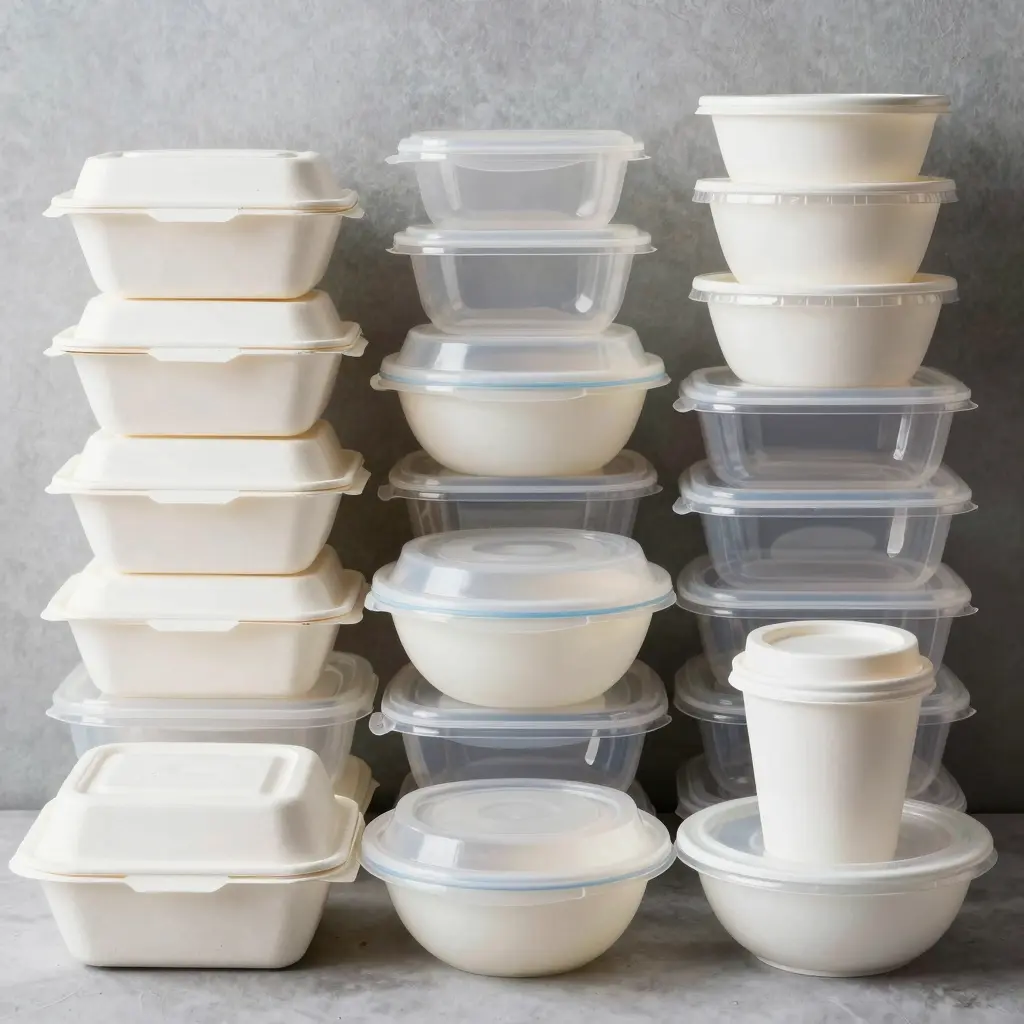
This image showcases a diverse selection of plastic food containers, perfect for restaurants, food trucks, and other food service businesses.
The Importance of Safety Standards in Plastic Packaging
When it comes to food-related businesses, choosing the right plastic packaging is not just about aesthetics or convenience; it is crucial to prioritize safety standards. Compliance with regulations set forth by health authorities ensures that the materials used in packaging meet necessary safety measures to protect consumers. In regions like Levallois-Perret, France, where food safety is paramount, businesses must adhere to strict quality assurance practices. This includes selecting food-grade plastics that are free from harmful chemicals and are designed specifically for food contact. By doing so, food establishments such as bubble tea shops, restaurants, and catering services can safeguard their customers’ health while maintaining their brand reputation. Moreover, ethical sourcing and sustainability are becoming essential components of a successful business. Utilizing certified plastic packaging not only enhances safety but also reflects a commitment to quality and environmental stewardship, aspects highly valued by modern consumers. Ultimately, investing in compliant and safe plastic packaging solutions assures not just business success but also the well-being of patrons. If you’re looking for high-quality options, consider checking out our selection of food packaging boxes to ensure you meet industry standards.
| Type of Plastic | Price (Approx) | Durability | Eco-Friendliness | Suitable Applications |
|---|---|---|---|---|
| Polyethylene (PE) | Low ($0.2-$0.3) | Moderate to High | Recyclable but contributes to pollution | Beverages, sauces, takeout container lids |
| Polypropylene (PP) | Moderate ($0.3-$1) | High | Recyclable but not biodegradable | Food containers, bakery items, sushi boxes |
| Biodegradable Plastics | High ($0.5-$1.5) | Varies | Eco-friendly, decomposes naturally | Specialty high-end packaging, eco-conscious events |
| Rigid Food Containers | Moderate to High ($0.5-$2) | Very High | Recyclable option available | Canned goods, frozen foods, ready-to-eat meals |
| Flexible Plastic Films | Low to Moderate ($0.1-$0.5) | Low to Moderate | Limited recyclability | Snacks, fresh produce, bulk food packaging |
Innovations in Eco-Friendly Plastic Packaging for Food
As the demand for sustainable packaging solutions continues to rise, innovation in the food industry is rapidly adapting to meet consumer expectations while reducing environmental impact. Here are some key eco-friendly practices and emerging trends in plastic packaging identified in 2023:
1. Bioplastics
Bioplastics, particularly Polylactic Acid (PLA), have gained popularity due to their biodegradability and the lower carbon footprint associated with their production. Derived from renewable resources like corn starch and sugarcane, PLA is widely used in single-use items such as cups, cutlery, and wraps. These materials not only provide functional benefits but also help consumers feel better about their environmental choices.
2. Edible Packaging
Innovative packaging methods such as algae-based and plant-based films are making waves in the market. These edible films can be consumed alongside the food, effectively eliminating waste. Research highlights their potential to extend shelf life through antimicrobial properties while offering an engaging experience for consumers.
3. Smart Labels
The integration of smart technology in packaging is becoming more relevant. RFID and NFC-enabled labels can monitor freshness and product history, providing consumers real-time information about their food. This tech not only enhances food safety but also reduces waste through clever management of stock.
4. Recycled PET (rPET)
Recycled PET is being increasingly adopted in the food service sector for takeaway containers. This material offers superior clarity and strength while maintaining a commitment to sustainability. Brands are incorporating post-consumer recycled content to achieve their environmental goals, making this option attractive for eco-conscious businesses.
5. Plant-Based Alternatives to Styrofoam
With a collective push towards compostable materials, food packaging is transitioning from traditional materials like Styrofoam to more sustainable options. Alternatives made from mushroom mycelium, cellulose, and sugarcane pulp not only provide insulation but are also entirely biodegradable.
These innovations are at the forefront of a broader transformation in the packaging industry, embodying a shift towards sustainable practices that resonate with both businesses and consumers. As brands seek to align their offerings with eco-conscious principles, the use of these advanced materials and technologies will be crucial. For further information on sustainable food containers, check out our available products.
Chart: Innovations in Sustainable Packaging
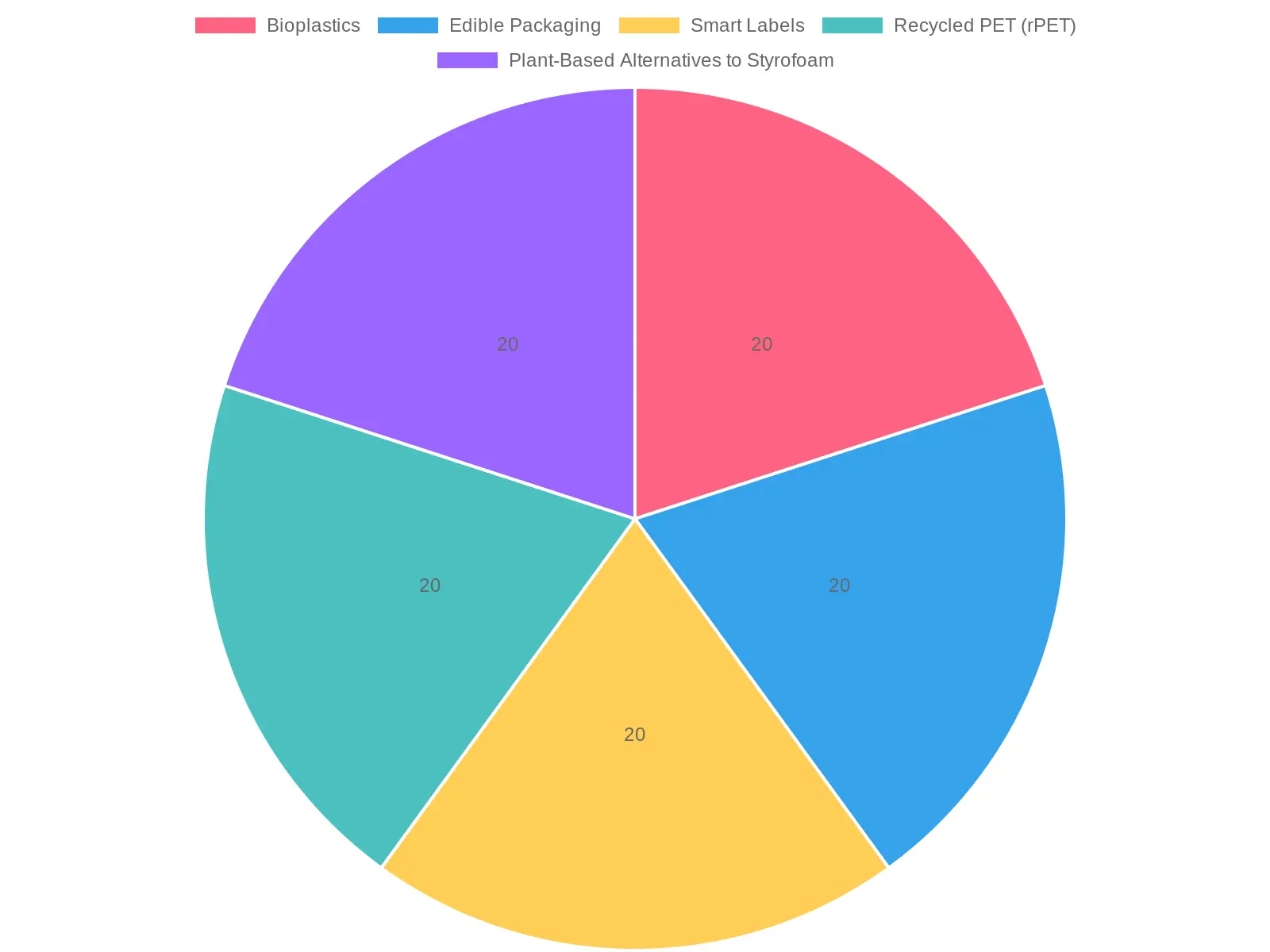
Explore these eco-friendly practices and how they can elevate your food packaging options today!
Market Trends in Plastic Packaging
The plastic packaging market, especially in the food sector, has been evolving due to various factors such as growth in consumer demand, sustainability concerns, and technological advancements. Here’s a breakdown of current market trends based on recent data:
-
Market Size & Growth:
-
The global food plastic packaging market is projected to reach approximately $500 billion by 2024, with a 4.5% compound annual growth rate (CAGR) anticipated between 2025 and 2034.
-
The Chinese food packaging market is expected to expand significantly, propelled by changing consumer habits and industry maturity, despite challenges such as microplastic contamination.
-
Sustainability Demand:
-
There is a growing consumer demand for sustainable packaging solutions, including the use of biodegradable materials and increased content of recycled plastics.
-
Brands are responding by enhancing transparency regarding their sustainability efforts to earn consumer trust.
-
Packaging Preferences:
-
The trend is shifting towards biodegradable materials like plant-based polylactic acid (PLA) and starch-based options, particularly for takeaway and meal containers.
-
Functional design innovations are becoming more prevalent, including features like airtight seals and modular stacking designs.
-
Regional Trends:
-
Strict regulations such as Extended Producer Responsibility (EPR) policies are influencing market dynamics across regions, particularly in urban areas.
-
Seasonal events also drive demand for specific packaging types, especially during holidays.
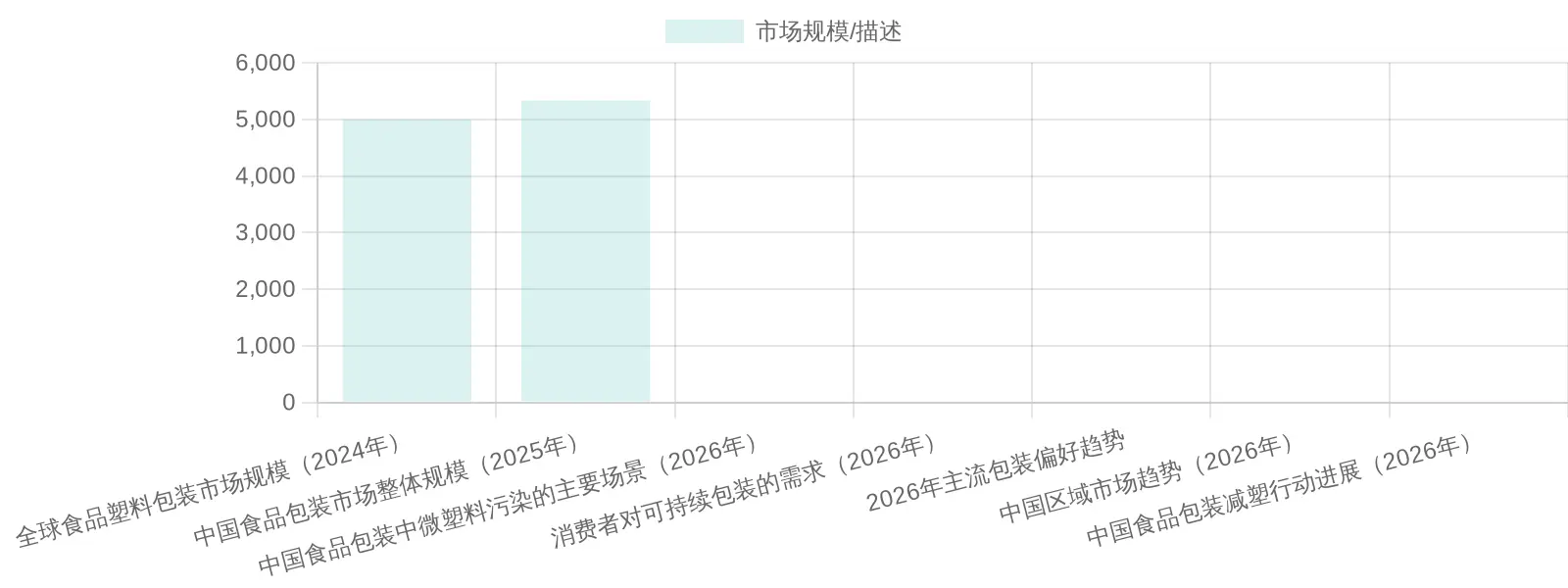
The chart above illustrates the significant trends in food packaging market size and consumer preferences.
For comprehensive offerings in sustainable packaging solutions, check out our takeaway boxes and our Instock product range at Ecocupbowl.
In the competitive landscape of food service, choosing reliable disposable tableware and packaging solutions is not just a matter of convenience but a commitment to quality and sustainability. Your customers deserve the best, and using high-quality, eco-friendly products supports a positive dining experience while safeguarding the environment. By partnering with us at Ecocupbowl, you can ensure that your food and beverages are presented beautifully and responsibly. From takeaway boxes to biodegradable cutlery, we offer a range of products tailored to meet your business needs. Make the smart choice today-contact our team for a tailored quote and elevate your packaging solutions to the next level!
“Every order from EcoCup Bowl feels like it’s going to our own family-responsive, attentive, and accurate. The quality of the tableware is consistently high, with products that hold up under real-world conditions. Their fast shipping and reliable service have made EcoCup Bowl our go-to supplier for all our event needs!”
This type of feedback demonstrates the strong relationships and satisfaction that clients have with EcoCup Bowl’s products and service, which is essential for attracting potential B2B clients like bubble tea shops, restaurants, and event planners.
FAQ Section: Plastic Packaging Food Containers in Levallois-Perret, France
1. What types of plastic packaging food containers are available for restaurants and bubble tea shops?
Plastic packaging options include takeaway boxes, cups, trays, and bowls, which cater to various food types such as bakery items, sushi, and hot meals. You can explore our range of boxes here to find suitable containers for different offerings.
2. Are plastic food containers safe for hot or acidic foods?
It’s essential to use containers made from materials like polypropylene (PP) for high-temperature foods, as polystyrene (PS) can melt and leach chemicals. Always check the product specifications for food safety; for hot meals, ensure the container is labeled as heat-resistant.
3. How can I determine if my plastic containers are food-grade?
Look for certifications or markings indicating food-safe materials. Containers should be free from strong odors, have a smooth texture, and come from reputable suppliers. It’s important to avoid products without clear labeling, as they may not meet safety standards.
4. What are the environmental concerns with using plastic packaging?
While plastic packaging is convenient, it contributes to waste and pollution. Studies show that plastic packaging can harm ecosystems more than alternatives like paper, due to microplastic contamination. When choosing packaging, consider sustainable options or recyclable materials to minimize environmental impact. Read more about eco-friendly choices we offer.
5. How should I dispose of plastic food containers?
Plastic containers should be disposed of according to local recycling guidelines. Rinse and clean containers before recycling where possible. Check for recycling symbols and follow area-specific regulations to reduce landfill waste and support recycling efforts.