
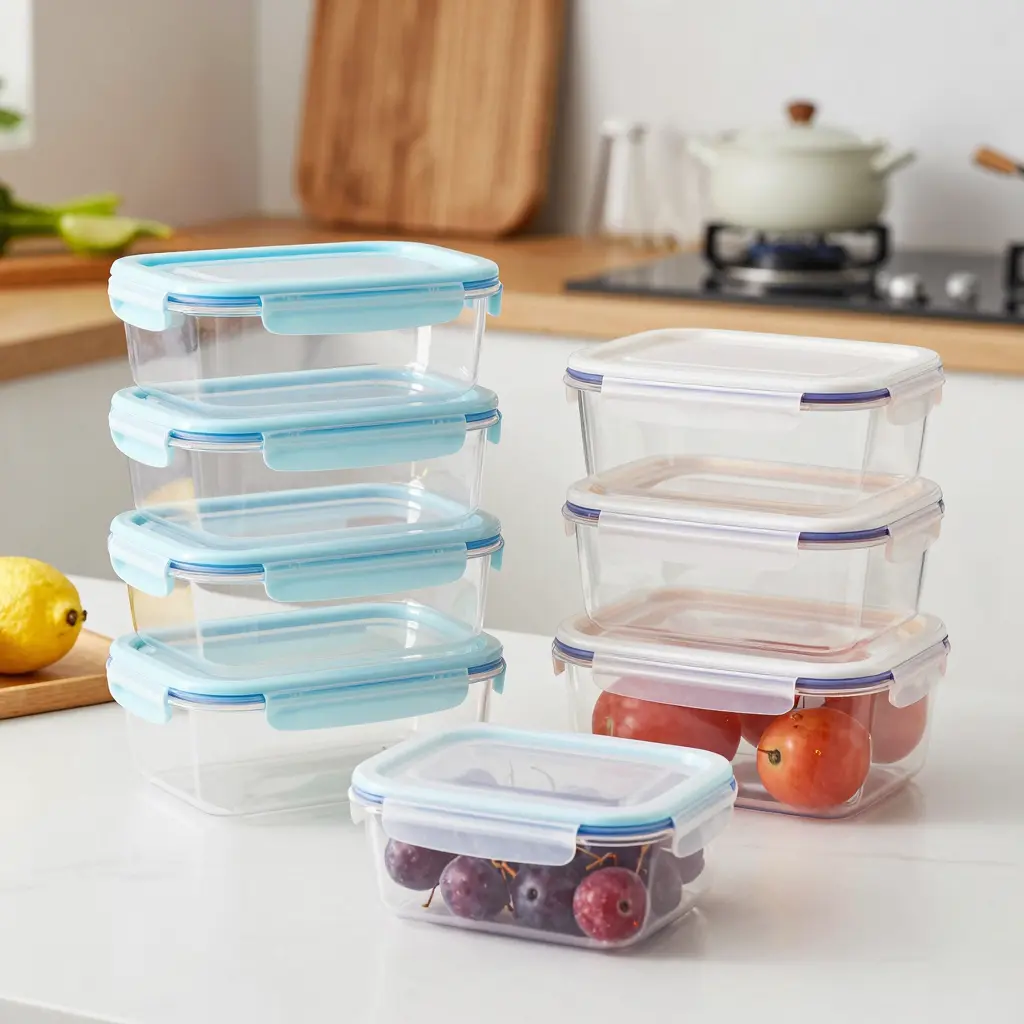
In the bustling food industry, especially for bubble tea shops, restaurants, and catering services, the importance of using high-quality plastic food storage containers cannot be overstated. These containers not only ensure the safety of food items but also enhance durability, making them perfect for both high-volume use and long-term storage. Safety is paramount in food service; high-quality plastics are often BPA-free, ensuring that they won’t leach harmful chemicals into food. Additionally, these containers are designed for convenience, enabling easy stacking, transportation, and quick access to ingredients or prepped meals. Investing in reliable food storage options, such as takeaway boxes and sturdy trays, ultimately leads to improved operational efficiency and customer satisfaction in your establishment.
Top 5 Features to Look for in Plastic Food Storage Containers
When shopping for plastic food storage containers, prioritize these top five features to ensure safety, convenience, and value for your business:
-
BPA-free Material
Choosing BPA-free containers is essential as BPA (Bisphenol A) is a harmful chemical that can leach into food and cause health issues. BPA-free materials, such as polypropylene, prevent harmful chemicals from contaminating your food, making them a safer option for both storage and preparation. This can enhance customer confidence in food safety, especially in commercial environments. Learn more about food safety. -
Airtight Seals
Airtight seals help keep foods fresh by preventing air and moisture from entering, which can lead to spoilage or freezer burn. These seals also help prevent leaks and spills during transportation, maintaining the quality of your meals, especially for takeout services. Airtight containers can extend the shelf life of food products significantly. -
Stackability
Stackable containers maximize space efficiency in refrigerators and pantries, especially important in commercial settings. By reducing clutter and allowing for organized vertical storage, stackable designs facilitate easier access to items, which enhances operational efficiency. -
Microwave-safe
Using containers that are labeled as microwave-safe allows you to heat food easily without worrying about releasing harmful chemicals. This feature is practical for meal prep and convenience in busy kitchens. -
Dishwasher-safe
Dishwasher-safe containers ensure easy cleanup, promoting hygiene and reducing manual labor. They are designed to withstand repeated washing cycles, making them durable and efficient for regular use in busy food service operations.
Comparison of Popular Plastic Food Storage Containers
When selecting the best plastic food storage containers for your establishment, it’s essential to consider various factors such as capacity, price, features, and user ratings. Below is a comparison of three major brands: Rubbermaid, Ziploc, and Sterilite. This table can help bubble tea shops, restaurants, food trucks, and catering services make informed decisions based on their specific needs.
| Brand | Capacity | Price Range | Features | User Ratings |
|---|---|---|---|---|
| Rubbermaid | 1.5 cups (360ml) to 10 cups (2.4L) | $8 – $18 per container | BPA-free, airtight and leak-proof with Click-Lock lids, microwave-safe (lid removed), dishwasher-safe (top rack), freezer-safe, stackable | 4.7 / 5 stars (Amazon) based on over 30,000 reviews |
| Ziploc | 16 oz (0.47 L) to 64 oz (1.89 L) | $10 – $30 for sets | Airtight snap-lock lids, BPA-free, microwave-safe, dishwasher-safe, freezer-safe; versatile shapes (square, round, rectangular) | 4.5 – 4.8 / 5 stars (various sources) |
| Sterilite | 4.5 cups (1.1L) to 8.1 quarts (7.7L) | $20 – $35 for sets | BPA-free, airtight lids with latching closures, microwave-safe, dishwasher-safe, leak-proof, dust-proof, and freshness preservation | 4.6 / 5 stars on Amazon |
Summary
Each brand offers unique features and capacities that cater to different food storage needs. For a detailed review of Rubbermaid containers and other related products, visit our product selection.
The Benefits of Using Eco-Friendly Plastic Containers
In recent years, eco-friendly plastic food storage containers have gained popularity among businesses, particularly in the bustling food and beverage industry. These containers not only provide a sustainable alternative to traditional plastic but also offer numerous environmental advantages that are crucial for fostering a sustainable future.
Environmental Advantages
Choosing eco-friendly plastic containers made from materials such as recycled plastics, bioplastics, or sustainably sourced materials helps significantly reduce environmental impact. Here are some key benefits:
- Reduced Waste: Unlike conventional plastic, which can take hundreds of years to decompose, many eco-friendly plastics are designed to be biodegradable or made from recycled materials. This means less waste in landfills and a lower overall environmental footprint.
- Lower Carbon Footprint: Eco-friendly containers often utilize renewable resources, leading to a reduced carbon output during production. For example, bioplastics produced from plant materials absorb CO2 as they grow, contributing to a lower carbon footprint overall.
Contribution to Sustainability
By integrating eco-friendly plastic containers into their operations, businesses, especially those in the food sector like bubble tea shops and restaurants, can support sustainability goals. This move aligns with the growing consumer preference for environmentally responsible practices and helps businesses position themselves as leaders in sustainability.
- Consumer Trust: Offering eco-friendly options enhances brand image and builds loyalty among customers who prioritize sustainability. This is particularly vital for food trucks, catering services, and event planners targeting eco-conscious clientele.
- Regulatory Compliance: With increasing regulations around single-use plastics, adopting eco-friendly containers can help businesses comply with local and national laws more easily, avoiding potential fines or costly retrofits.
In conclusion, utilizing eco-friendly plastic containers is a win-win for businesses and the environment. From lowering carbon emissions to reducing waste, these sustainable alternatives provide practical benefits while aligning operations with green practices. For more information on eco-friendly food storage solutions, visit our in-stock boxes collection at EcoCup Bowl.
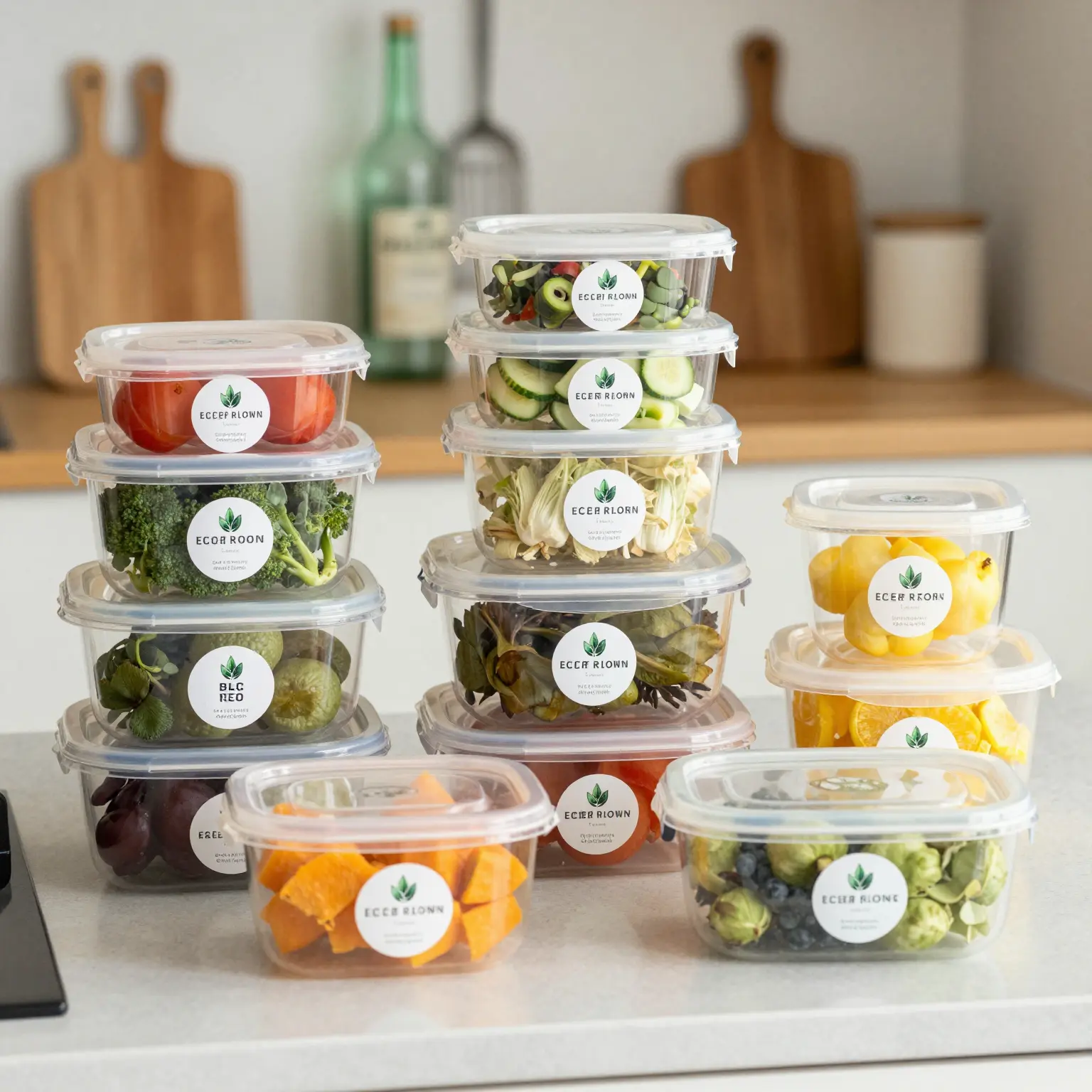
Environmental Impact Chart
Here’s a visual comparison of the environmental impact of traditional versus eco-friendly plastic containers, highlighting the benefits of making sustainable choices:

| Comparison Factors | Traditional Plastic Containers | Eco-Friendly Plastic Containers | Data Source |
|---|---|---|---|
| Recyclability | Partially recyclable | Biodegradable or high-recycled material | PMC – Plastic Comparison |
| Carbon Footprint | High emissions | Significantly reduced emissions | PMC – Plastic Comparison |
| Landfill Impact | Long-lasting pollution | Rapid decomposition under specific conditions | PMC – Plastic Comparison |
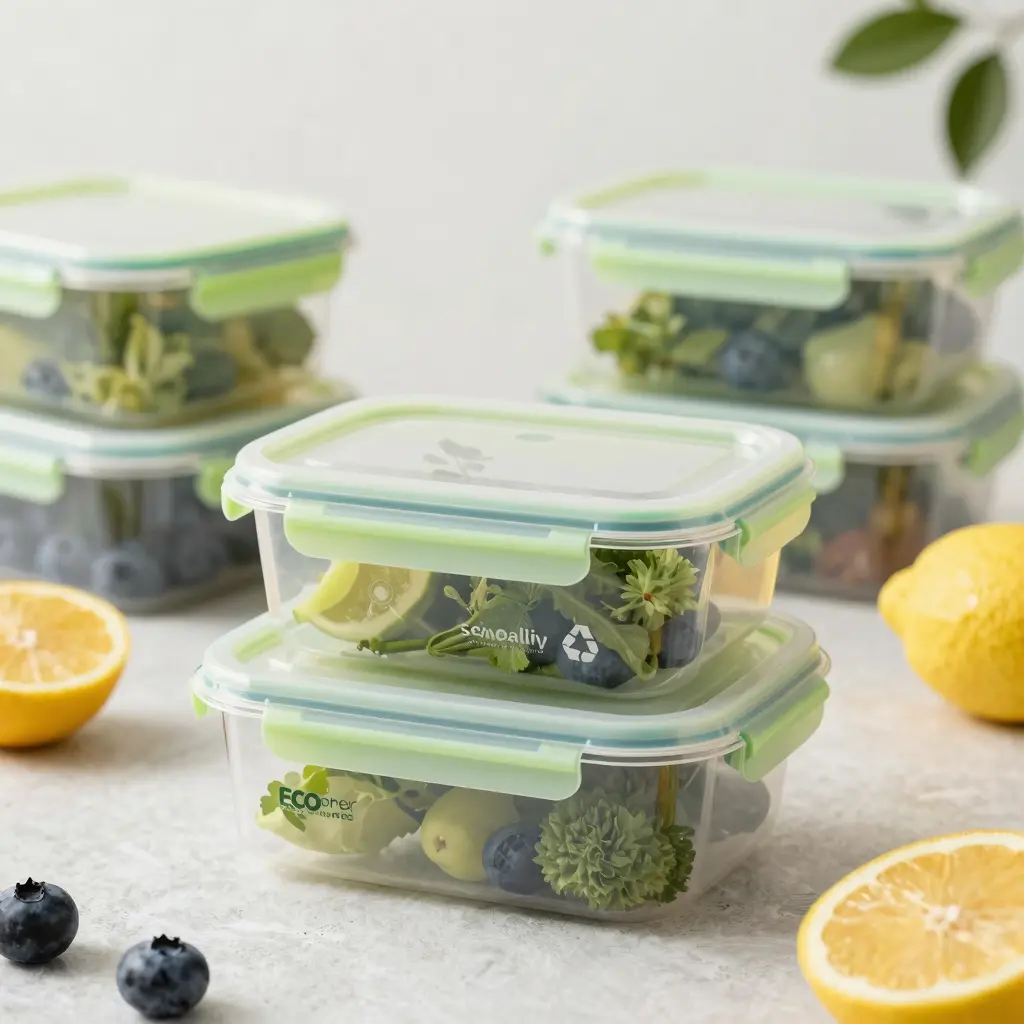
Tips for Maintaining Plastic Food Storage Containers
Plastic food storage containers are vital for restaurants, food trucks, and catering services to preserve food quality and ensure safety. Here are some practical tips to maintain these containers for longevity and hygiene:
1. Cleaning Techniques
- Immediate Rinse: After use, promptly wash containers with cold water to prevent oil and food residues from hardening.
- Deep Cleaning: At least once a week, conduct a deep clean using a mixture of white vinegar and water (1:3 ratio) to disinfect and deodorize. Soak containers for 15-30 minutes.
- Avoid Harsh Chemicals: Use food-safe cleaners that do not contain bleach or phosphates. Always rinse thoroughly to eliminate any chemical residues. Avoid scrubbing with abrasive materials that could scratch the surface, leading to unsafe harboring of bacteria.
2. Proper Storage Techniques
- Temperature Sensitivity: Avoid exposing containers to high temperatures or direct sunlight, as this can cause wear and tear. High-acidity or high-fat foods can also degrade plastics, so consider using glass containers for these.
- Dry and Ventilated Areas: Store containers in a dry, well-ventilated area to prevent moisture accumulation, which can foster mold growth. Regularly check for any signs of wear, such as cloudiness or warping; replace damaged containers immediately to avoid contamination.
3. Maintenance Frequency
- Regular Inspections: Inspect containers every month for signs of staining, cloudiness, or any chemical odors. If noticed, deep clean immediately with a mixture of baking soda and water. Apply the paste to the container, leave for 10-15 minutes, scrub gently, and rinse well.
By following these guidelines, you can ensure that your plastic food storage containers remain safe for food use and maintain their longevity. For more options, check out our selection of food storage containers at EcoCupBowl.
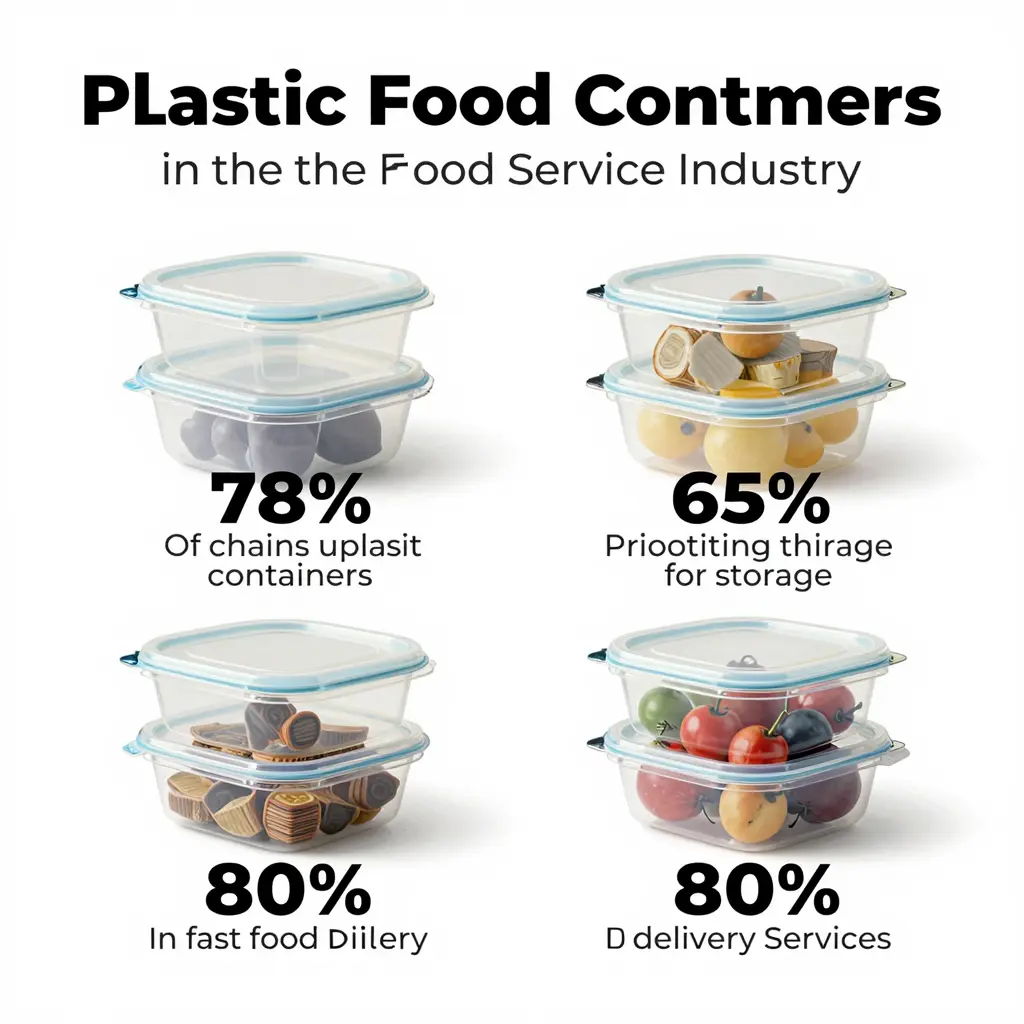
Recent statistics indicate a significant adoption of plastic food storage containers in the food service industry. According to a report by Grand View Research, the global professional food storage container market, which includes commercial applications, reached approximately $4.2 billion in 2023. Notably, plastic containers represent about 72% of this market share, emphasizing their importance in the sector. Furthermore, research shows that over 65% of food service companies prioritize plastic containers for storage and transport, which has become critical for operations in quick-service and delivery sectors, where the adoption rate exceeds 80%. Additionally, a study highlighted that about 78% of chain restaurants rely on plastic packaging as their primary choice for food transportation. This solidifies the perception that, despite rising environmental concerns, the cost-effectiveness and durability of plastic food storage containers continue to drive their popularity in the food service landscape. For more information on high-quality options, check out our range of plastic storage containers.
“Quality storage solutions are not just about keeping food cold-they are about creating a controlled, traceable, and contaminant-free environment.”
- National Food Safety Alliance (NFSA)
For more insights into improving food safety and efficiency, visit the National Food Safety Alliance and explore their guidelines.
Cost-Benefit Analysis of Investing in Quality Food Storage Solutions
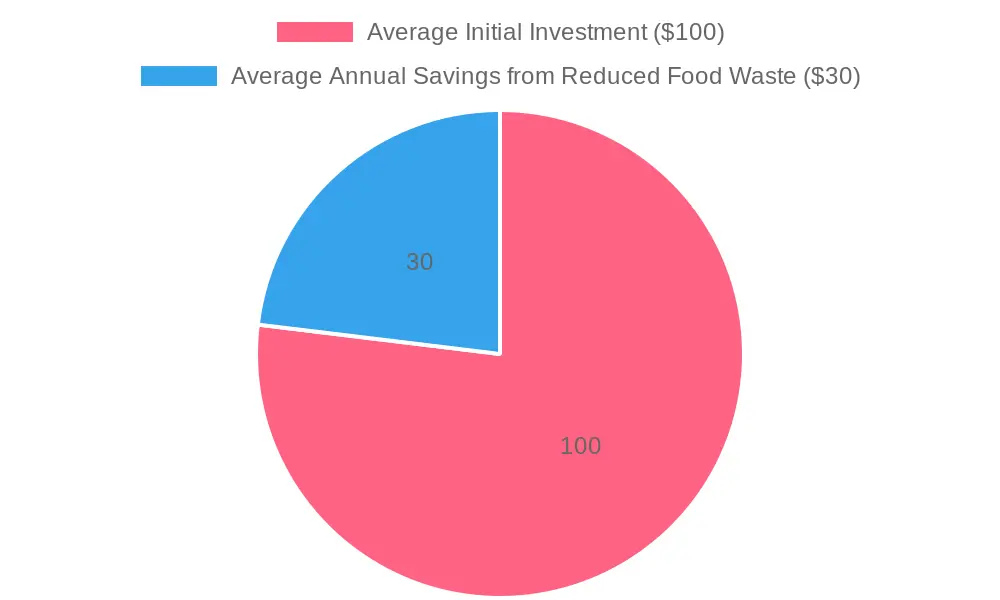
When considering an investment in quality plastic food storage containers, it’s essential to weigh initial costs against potential long-term savings and efficiency gains. Here’s a breakdown of the cost-benefit analysis based on industry research:
| Category | Average Initial Investment ($) | Average Annual Savings from Reduced Food Waste ($) | Average Efficiency Gains (%) |
|---|---|---|---|
| Quality Plastic Food Storage Containers | $100 | $30 (30% reduction in food waste) | 15-20% (e.g., improved meal planning, reduced spoilage, better kitchen organization) |
Notes:
- Based on a hypothetical model assuming an initial investment of $100.
- Annual savings estimate derived from a 30% reduction in food waste, consistent with findings from studies on reusable container adoption.
- Efficiency gains include time saved in meal prep, fewer grocery trips, and improved kitchen organization.
Conclusion
Investing in quality plastic food storage solutions not only facilitates better food management but also offers significant cost savings and efficiency improvements. With a 30% reduction in food waste and substantial efficiency gains, the initial investment is likely to pay off in a relatively short time. For more details on effective food storage solutions, you can check our selection of quality food storage containers.
In conclusion, investing in high-quality plastic food storage containers is essential for businesses in the food service industry. These containers offer numerous advantages, including durability, ease of cleaning, and the ability to maintain food freshness. As highlighted, using reliable storage solutions can lead to improved operational efficiency, reduced food waste, and enhanced customer satisfaction. Whether you’re serving up bubble tea, catering to corporate events, or running a bustling restaurant, the right containers can streamline your kitchen processes and support your service needs.
At EcoCup Bowl, we provide a wide range of plastic food storage options tailored to meet your business requirements. Explore our selection of in-stock containers today and discover how our products can enhance your efficiency and food service quality. Don’t wait-invest in the best for your business now!