
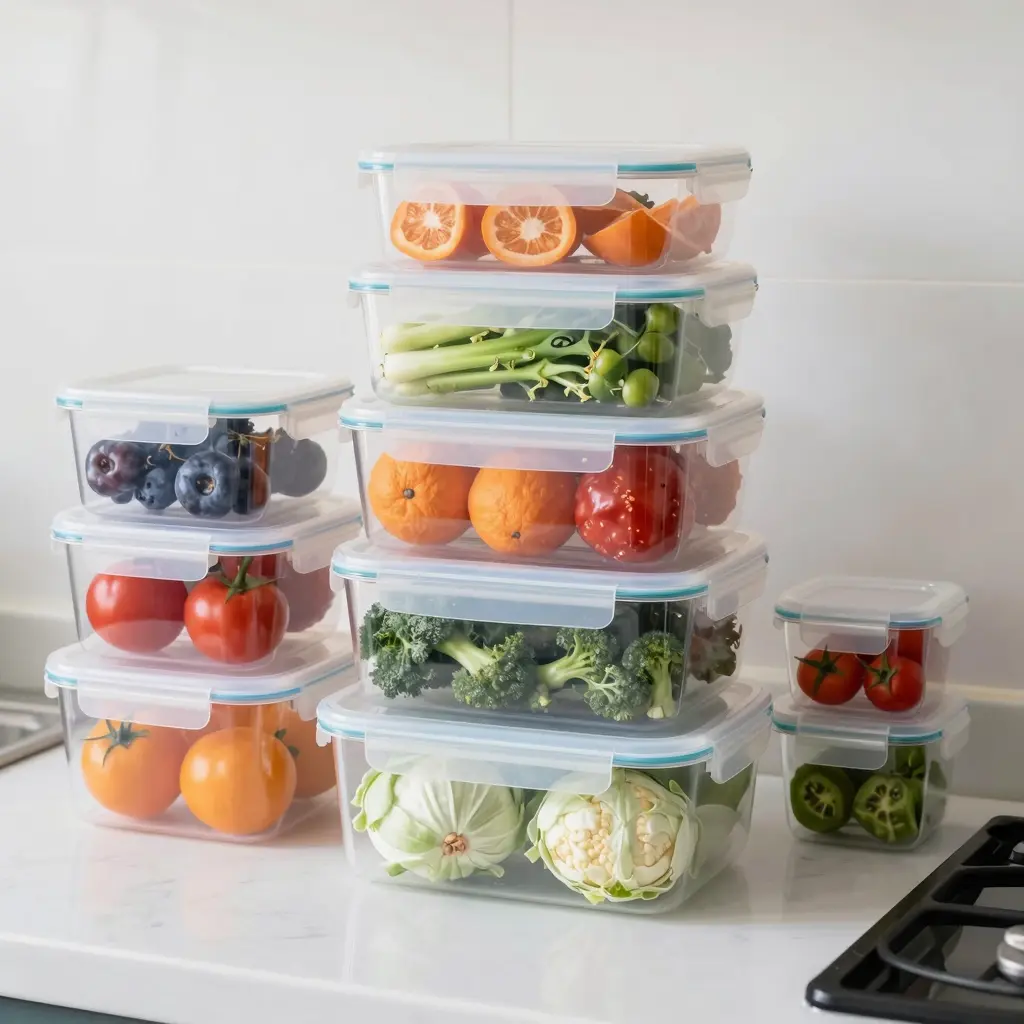
Introduction to Storing Food in Plastic Containers
Storing food in plastic containers has become a standard practice in many kitchens, especially for food businesses like bubble tea shops, restaurants, and food trucks. The convenience it offers is undeniable-these containers are lightweight, stackable, and often designed for various food types. However, safety is paramount, especially given the growing concerns about food safety standards. It’s essential to choose quality containers that won’t leach harmful chemicals into food, ensuring that your delicious offerings stay fresh and safe for consumption. In today’s fast-paced environment, where food businesses strive to meet customer demands without compromising quality, the right storage solutions play a crucial role. Discover how proper storage can enhance not just the safety and freshness of your meals but also streamline operations in your establishment. Learn more about our food storage solutions here and see how you can elevate your food storage practices!
Benefits of Plastic Containers for Food Storage in Restaurants
Using plastic containers for food storage in restaurant and food service settings offers numerous advantages. Here’s why they are favored by so many establishments:
-
Cost-Effectiveness: Plastic containers are typically less expensive than glass or metal alternatives, making them a budget-friendly choice for restaurants. For instance, a reusable plastic food container suitable for restaurants can cost as little as $11.80 for a batch, allowing for significant savings, especially in bulk orders.
-
Durability: These containers are designed to withstand the rigors of a busy kitchen. They are resistant to moisture, grease, and shattering, ensuring they can endure frequent use without breaking or leaking.
-
Lightweight Nature: Plastic containers are easier to handle than their glass counterparts, reducing transport and storage costs. Their lightweight design also makes them ideal for takeout services and outdoor catering events.
-
Versatility: Suitable for freezing, microwaving, and reheating, many plastic containers are made from food-grade materials that meet health and safety standards. This flexibility allows for better meal prep and storage options.
-
Transparency: Clear plastic containers help staff easily identify contents, improving efficiency in fast-paced environments.
-
Space Efficiency: Many plastic containers are stackable, saving precious storage space in kitchens and enabling better organization.
These benefits make plastic food storage containers an essential asset for restaurants, food trucks, and catering services. For more information on suitable plastic containers for food storage and options tailored to different cuisines, check out our collections!
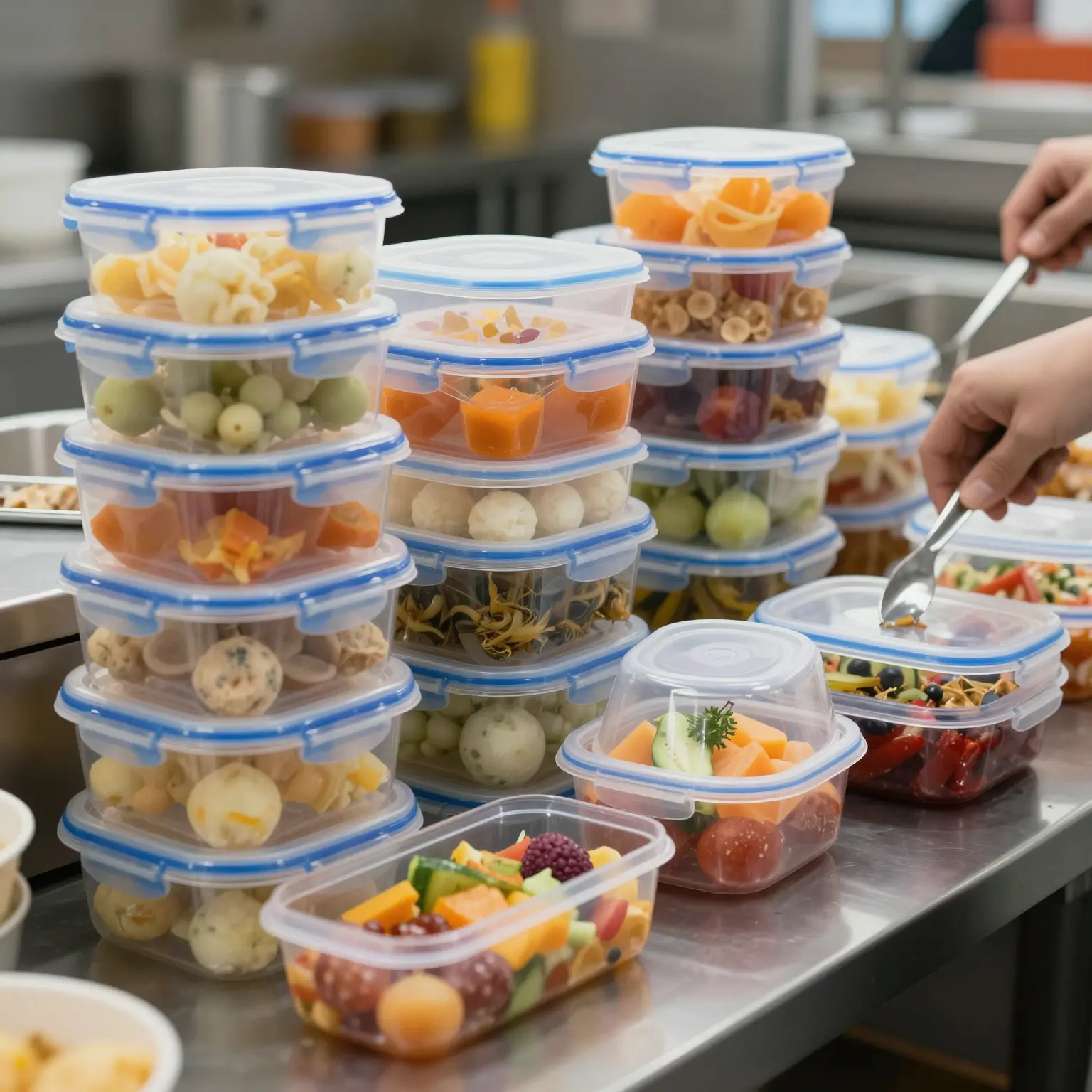
Understanding Safety Standards for Plastic Containers in Food Storage
In the food industry, particularly for businesses like bubble tea shops, restaurants, and catering services, safety standards for plastic containers are crucial to ensure food safety and consumer trust. Plastic containers used for food storage must adhere to specific regulations to prevent reactions between the container and the food, which could lead to chemical leaching.
Key Safety Regulations
-
FDA Compliance: In the United States, the Food and Drug Administration (FDA) mandates that materials used in food contact must not transfer harmful substances to food. This is outlined in FDA 21 CFR 177.2600, which pertains to the safety of polymers used in food storage.
-
EU Regulations: In Europe, compliance with EC No 1935/2004 ensures that materials are safe for food contact. This regulation includes assessments of migration, chemical safety, and overall suitability for food use.
-
LFGB Certification: The Lebensmittel- und Bedarfsgegenstände-Gesetz (LFGB) is the German food and feed code, which also sets high standards for safety in food packaging. Containers must pass stringent testing for chemical safety and heavy metals before approval.
BPA-Free Options
BPA (Bisphenol A) is often used in polycarbonate plastics and epoxy resins but has raised health concerns due to its endocrine-disrupting properties. The FDA and EU have placed restrictions on BPA in certain products, leading to an increased demand for BPA-free alternatives. However, it is essential to scrutinize these alternatives, as some known substitutes like BPS and BPF may have similar concerns. Consumers and businesses are encouraged to look for containers made from materials like Polypropylene (PP), Tritan, or PPSU, which have a lower risk of leaching harmful chemicals, especially during heating or freezing conditions.
Importance of Certification
For food businesses, choosing containers with recognized safety certifications from NSF International or ISO standards is vital. These certifications verify that the products meet relevant safety and performance standards, further ensuring the health of consumers who enjoy your food products. You can explore carefully selected options for your food storage needs in our variety of takeaway boxes and food trays.
In conclusion, adhering to safety standards when using plastic containers for food storage is essential in maintaining a safe and reliable food supply. Opting for BPA-free materials and confirming certifications can help safeguard your business and the wellbeing of your customers.
Comparing Plastic Containers for Food Storage
When it comes to food storage, choosing the right type of plastic container is crucial for maintaining food quality and safety. Below is a comparison table of various types of plastic containers commonly used for food storage, along with their applications, benefits, and limitations.
| Type of Container | Applications | Benefits | Limitations |
|---|---|---|---|
| Polypropylene (PP) | Microwaveable containers, food prep | – High heat resistance (up to 100°C) – Safe for microwave use – Chemical resistant |
– Can deform under prolonged heat exposure – May leach under high temperatures if not BPA-free |
| High-Density Polyethylene (HDPE) | Bottles, jugs, and containers | – Durable and long-lasting – Good chemical resistance – Lightweight and recyclable |
– Not suitable for high temperatures – Limited clarity compared to other plastics |
| Polyethylene Terephthalate (PET) | Beverage bottles, containers | – Good clarity and visibility – Lightweight – Recyclable |
– Not microwave safe – Limited heat resistance (up to 70°C) – Often intended for single use |
| Low-Density Polyethylene (LDPE) | Food wrap, squeeze bottles | – Flexible and easy to handle – Good resistance to moisture |
– Not suitable for high temperature > 110°C – Less sustainable (not widely recycled) |
| Polystyrene (PS) | Disposable containers, cutlery | – Cost-effective and lightweight – Good insulation properties |
– Breaks easily – Can leach harmful chemicals when heated – Not recyclable in many areas |
For more details on various takeaway solutions, you might find useful information on takeaway boxes for bakery or insulated containers.
For a visual reference, see the infographic below:
Eco-Friendly Alternatives to Traditional Plastic Containers
In the ongoing battle against plastic waste, eco-friendly alternatives are making their debut in food storage solutions, providing sustainable options for businesses in the food industry, such as bubble tea shops, restaurants, food trucks, and catering services. These alternatives not only help reduce environmental impact but also align with modern eco-conscious consumer preferences.
What Are Eco-Friendly Alternatives?
Eco-friendly containers come in two primary categories: biodegradable and compostable. Both types offer suitable storage solutions while ensuring minimal harm to the environment.
-
Biodegradable Containers: Made from materials that break down naturally over time, these containers can include substances like sugarcane bagasse, bamboo, or PLA (polylactic acid derived from cornstarch). Unlike traditional plastic, which can linger for centuries in landfills, biodegradable options can decompose in both industrial and, in some cases, home composting settings.
-
Compostable Containers: These are a subset of biodegradable products that meet specific standards for composting. They require industrial composting facilities to break down effectively and can include materials such as recycled paper and plant materials. Certifications like BPI (Biodegradable Products Institute) or OK Compost ensure that products will decompose as intended without leaving harmful residues.
Benefits of Choosing Eco-Friendly Options
- Environmental Responsibility: Reducing the use of plastic containers can significantly limit plastic pollution. In 2023 alone, over 400 million tons of plastic are produced globally, with about 70% leading to landfill or incineration (UNEP Global Plastics Outlook). Switching to eco-friendly products sends a positive message to consumers about your commitment to sustainability.
- Market Appeal: With increasing consumer awareness regarding environmental issues, offering food in eco-friendly containers can attract a more environmentally conscious clientele, enhancing your brand image and meeting modern market demands.
For further options, check out our biodegradable food storage containers to enhance your eco-friendly practices while improving your product offerings!
Expert Opinion on Safe Food Storage Practices
As food service professionals, understanding the efficacy of safe food storage practices is fundamental. Dr. Lena Torres, a materials scientist at the Institute for Sustainable Packaging, emphasizes the importance of using safe and effective containers:
“While high-quality plastic containers can serve well for various storage needs, glass containers are preferred for their non-porous nature which prevents the absorption of strong food pigments and chemicals. For families frequently storing dark-colored foods, I always recommend opting for glass over plastic to maintain safety and food integrity.”
Learn more about different types of food storage options and their benefits.
This highlights that, while plastic containers can be safe when used appropriately, glass options often provide a better long-term storage solution for certain foods.
Rising Adoption of Reusable Containers
The trend towards reusable food containers has gained significant momentum in recent years, driven by sustainability efforts and consumer demand for eco-friendly packaging alternatives. Here’s a visual representation of the increasing adoption rates and market growth:
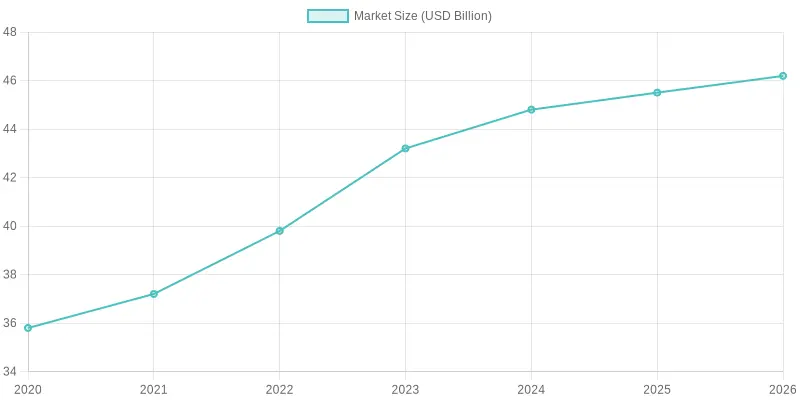
Chart: Market Size Growth Over Years
| Year | Adoption Rate (%) | Market Size (USD Billion) | CAGR (%) | Notes |
|---|---|---|---|---|
| 2020 | 14 | 35.80 | – | Baseline year; early adoption phase |
| 2021 | 16 | 37.20 | 4.0 | Growing awareness of sustainability |
| 2022 | 20 | 39.80 | 5.0 | Increased consumer demand and policy support |
| 2023 | 25 | 43.20 | 5.85 | Reusable container opt-in rate reaches 25% |
| 2024 | 28 | 44.80 | 5.85 | Projected growth driven by innovation and regulations |
| 2025 | 31 | 45.50 | 5.85 | Expansion in food service and retail sectors |
| 2026 | 34 | 46.19 | 5.85 | Projected market size reached |
The data shows that in 2023, the adoption rate of reusable food containers reached 25%. This statistic reflects a growing commitment from businesses in food services to reduce single-use packaging and improve sustainability practices.
For food businesses, including bubble tea shops, restaurants, and catering services, the adoption of reusable containers not only aligns with consumer preferences but can also lead to cost savings and improved brand reputation. Learn more about different types of packaging options available that aid in sustainability efforts!
In conclusion, plastic containers offer a multitude of advantages that make them an optimal choice for food storage across various settings, including bubble tea shops, restaurants, food trucks, and event planning. Their lightweight nature, durability, and space efficiency allow for easy transportation and stacking, which is essential for busy environments.
Moreover, plastic containers are designed to maintain the freshness and quality of the food, ensuring that your customers enjoy every bite. They are also available in a range of sizes and styles, catering to diverse food offerings, from delicious bubble teas to scrumptious bakery items.
By choosing our high-quality packaging solutions, you can enhance your food service operations while providing convenience to your customers. Make the smart choice today by incorporating plastic containers into your food storage solutions and elevate your brand’s appeal and efficiency!
Elevate Your Business with Our Reliable Disposable Tableware and Packaging Solutions!
In the fast-paced world of food service, reliability is key. With the hygiene concerns surrounding food storage and distribution, your choice of packaging can make or break your customers’ experience. At EcoCupBowl, we pride ourselves on offering top-quality disposable tableware and packaging solutions designed specifically for your needs.
Why Choose Us?
- Quality You Can Trust: Our products are made from the finest materials that ensure safety and reliability. Whether you’re serving delectable bubble tea or gourmet meals at an event, our disposable options maintain the integrity and temperature of your food and beverages.
- Safety First: We understand that safety is paramount in food service. Our packaging solutions are tested and certified, making sure that they conform to the highest safety standards. With our products, you can be confident in keeping your customers satisfied and safe.
- Responsive Customer Support: Our dedicated customer support team is here to assist you every step of the way. From selecting the right product to timely deliveries, we ensure that your needs are met, allowing you to focus on what you do best-serving great food!
Don’t settle for less! Discover our extensive range of products designed for every food service need, from takeaway boxes to eco-friendly disposable cutlery.
Make the smart choice today and elevate your service with EcoCupBowl! Your customers deserve the best, and so do you!