
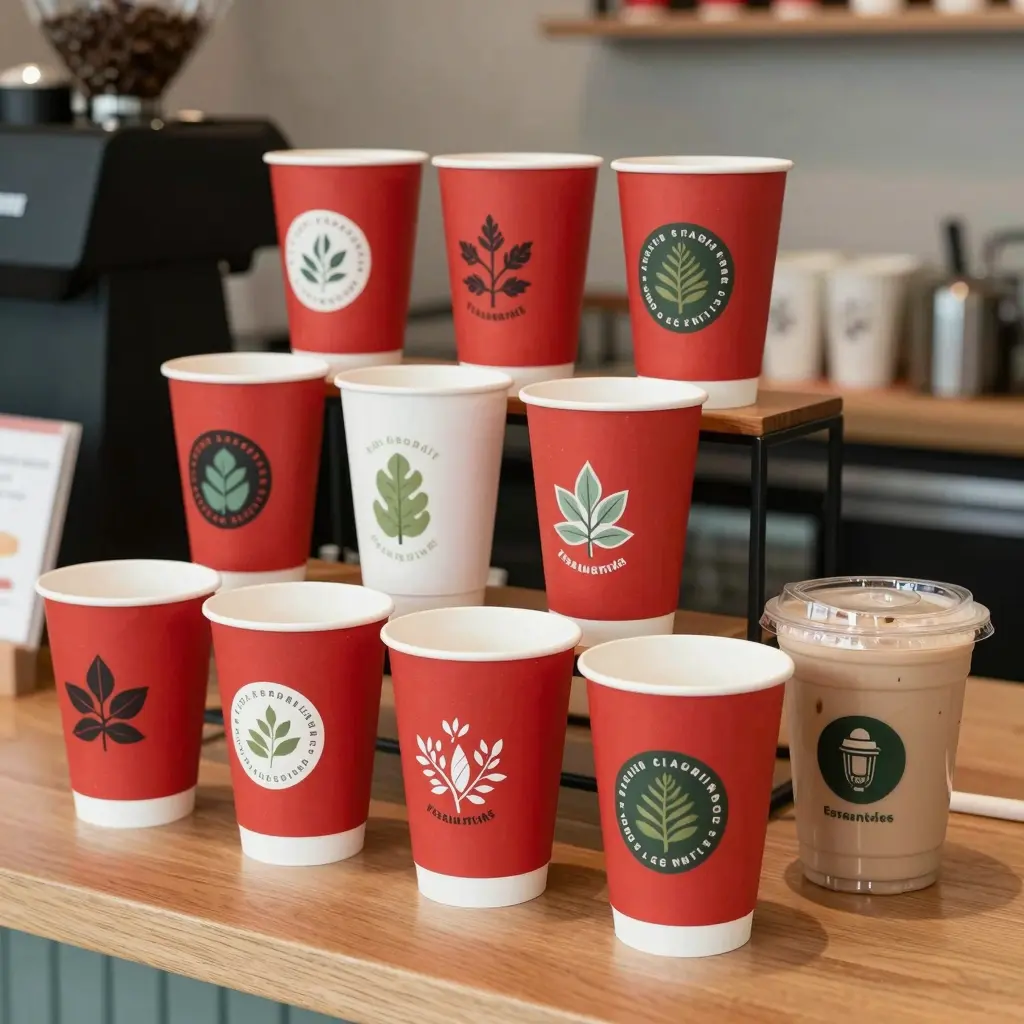
The Importance of Eco-Friendly Red Paper Cups in the Beverage Industry
In the bustling and ever-evolving beverage industry, eco-friendly practices are no longer a trend; they are a necessity. As bubble tea shops, restaurants, food trucks, and catering services seek to minimize their environmental impact, eco-friendly red paper cups have emerged as a reliable solution. These cups not only cater to the aesthetic preferences of customers but also align with the growing demand for sustainable products. Made from renewable materials and often designed to be fully recyclable or compostable, these vibrant red paper cups reduce the dependency on plastic and contribute to a more sustainable environment.
Bubble tea, known for its colorful appearance and refreshing flavors, naturally pairs with striking red cups that enhance the visual experience. In a market where branding plays a pivotal role, utilizing eco-friendly options allows restaurants and beverage chains to not only satisfy consumer preferences but also demonstrate a commitment to environmental stewardship. Moreover, with growing regulations and consumer concerns about waste, offering eco-friendly packaging is becoming increasingly important.
By opting for these sustainable alternatives, businesses can attract eco-conscious customers while supporting a greener planet. Choosing the right packaging can significantly shape a customer’s perception and purchase decisions, making eco-friendly red paper cups an essential consideration for forward-thinking operators in the food and beverage sector. For an extensive range of options, including various styles and sizes of disposable red cups, explore our collection, and make a choice that speaks volumes about your commitment to sustainability.
The Environmental Impact of Traditional Paper Cups
Traditional paper cups, ubiquitous in coffee shops and eateries, come with environmental concerns that resonate with eco-conscious consumers. Understanding these impacts is crucial for businesses aiming to promote sustainability and reduce waste.
Contribution to Waste and Pollution
Each year, approximately 6 billion paper cups are disposed of globally. This staggering number has raised alarms about the sustainability of paper cups, many of which end up in landfills. As they decompose, they can take up to 30 years to break down, producing methane, a potent greenhouse gas. Furthermore, the manufacturing process of these cups involves cutting down around 6.5 million trees, contributing significantly to deforestation and habitat loss. The entire lifecycle of a paper cup-from tree harvesting to processing and disposal-also consumes 4 billion gallons of water, exacerbating existing water scarcity issues in many regions.
In terms of emissions, each cup releases about 110 grams of CO2 throughout its lifecycle. This statistic underscores the hidden carbon footprint associated with what seems to be a simple product. Learn more about the statistics behind paper cup usage.
The Lifecycle Impact
The life of a paper cup begins with resource extraction, as trees are felled to produce the pulp needed for paper. This process not only leads to the loss of biodiversity but also requires significant energy and water resources. Once the cups are produced, their frequent use results in massive waste, as many users opt for convenience over sustainability. Traditional paper cups typically have a polyethylene lining to prevent leaks, which complicates recycling efforts, often rendering the cups non-recyclable after use. Consequently, only about 1 in 400 cups are recycled, perpetuating the waste problem.
Alternatives Exist
With the pressing issues associated with traditional paper cups, many businesses are exploring eco-friendly alternatives. Compostable cups, reusable options, and innovative materials are paving the way for a more sustainable approach. For those interested in making the switch, consider exploring various eco-friendly cup options that prioritize both quality and environmental responsibility.
Conclusion
In conclusion, the environmental impact of traditional paper cups is multifaceted, contributing to waste, pollution, and the depletion of natural resources. By becoming aware of these issues and considering more sustainable practices, businesses in the food and beverage industry can play a vital role in reducing their ecological footprint and aligning with the values of eco-conscious consumers.
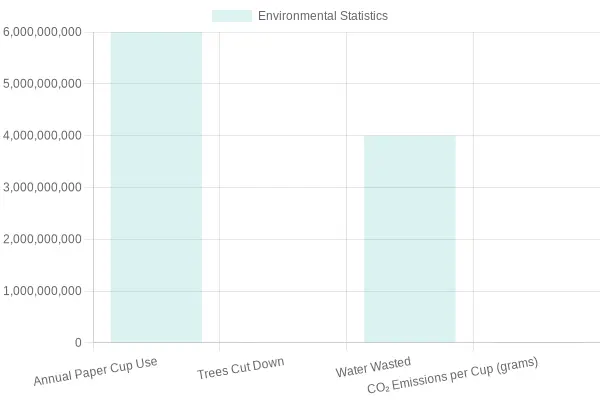
View the infographics on the environmental statistics of paper cups here.
| Category | Statistic | Source |
|---|---|---|
| Annual paper cup use | 6 billion cups | Source: EPA, 2024 |
| Trees cut down | 6.5 million trees | Source: WRI, 2023 |
| Water wasted | 4 billion gallons | Source: Alliance for Water Efficiency, 2024 |
| CO₂ emissions per cup | 110 grams | Source: Carbon Trust, 2023 |
Benefits of Using Eco-Friendly Red Paper Cups
For bubble tea shops and other businesses, using eco-friendly red paper cups can significantly enhance brand image and customer loyalty. Here are five key benefits:
-
Enhanced Brand Image
Utilizing eco-friendly cups reflects a commitment to sustainability, appealing to a growing demographic of eco-conscious consumers. This positions your brand favorably in a competitive market, particularly among younger demographics who prioritize responsible consumption.
Learn more about eco-friendly packaging. -
Improved Customer Loyalty
Customers are increasingly discerning about the products they support. Offering eco-friendly options can lead to stronger emotional connections with your brand, enhancing customer loyalty. Businesses that align their values with those of their customers often see repeat business as a result.
Explore loyalty trends. -
Convenience and Practicality
Eco-friendly paper cups are often designed for single use, which can significantly reduce the time and resources required for washing and reusing traditional cups. This practicality is especially beneficial during busy service hours in shops and events. -
Positive Environmental Impact
By choosing eco-friendly cups, businesses contribute to reducing plastic waste, which is crucial for environmental conservation. This action often resonates with environmentally conscious consumers, further driving customer preference. -
Adaptability and Customization
Red paper cups can be customized for branding, allowing businesses to promote their unique image while remaining environmentally friendly. This versatility means they are suitable for various occasions, from casual to formal, enhancing their usability across different contexts.
In conclusion, switching to eco-friendly red paper cups not only provides practical benefits for operations but also fosters a strong brand reputation and cultivates customer loyalty, making it a worthwhile investment for beverage businesses.
The Sustainable Production Process of Eco-Friendly Red Paper Cups
Eco-friendly red paper cups are more than just an attractive choice for beverage serving; they represent a commitment to sustainability and responsible consumption. The production process of these cups prioritizes environmentally friendly materials and practices, ensuring minimal impact on the environment.
Sourcing Materials
The journey of creating eco-friendly red paper cups begins with sourcing renewable materials. One of the primary materials is recycled paper, which reduces the need for new paper and promotes a circular economy. Additionally, many manufacturers opt for biodegradable coatings instead of traditional plastic linings. For instance, water-based coatings allow these cups to hold liquids without sacrificing biodegradability, ensuring that they are not just disposed of but can safely decompose in natural environments. To learn more about sourcing sustainable materials, check out this article on biodegradable products.
The Manufacturing Process
Once the materials are sourced, the next step involves manufacturing. This is typically done in a controlled environment to minimize waste and energy usage. The steps include:
- Pulping: Recycled paper is pulped to create a slurry that forms the base material for the cups.
- Molding & Forming: The pulp is formed into cup shapes using molds and heat, ensuring durability while remaining eco-friendly.
- Coating: A water-based barrier is applied to the cups to provide leak resistance without the use of harmful plastics.
- Printing: Environmentally friendly inks are utilized to print designs and branding on the cups, further aligning with sustainable practices.
- Drying & Packing: The final cups are dried and packed, ready to be shipped to businesses like bubble tea shops and catering services.
Advantages of Using Eco-Friendly Red Paper Cups
- Biodegradability: These cups break down naturally in composting conditions, unlike traditional plastic-lined cups which contribute to landfill waste. For further insights on the importance of biodegradable materials, visit BBC’s discussion on biodegradable products.
- Consumer Appeal: More consumers are seeking sustainable options, and offering eco-friendly cups can enhance your brand’s image.
- Compliance with Regulations: With increasing regulations on single-use plastics, eco-friendly cups help businesses to remain compliant while also doing their part for the environment.
In conclusion, the production of eco-friendly red paper cups encapsulates sustainable practices from sourcing materials to manufacturing. By choosing these cups, businesses can contribute to reducing plastic waste and promoting a healthier planet while providing quality service to their customers.
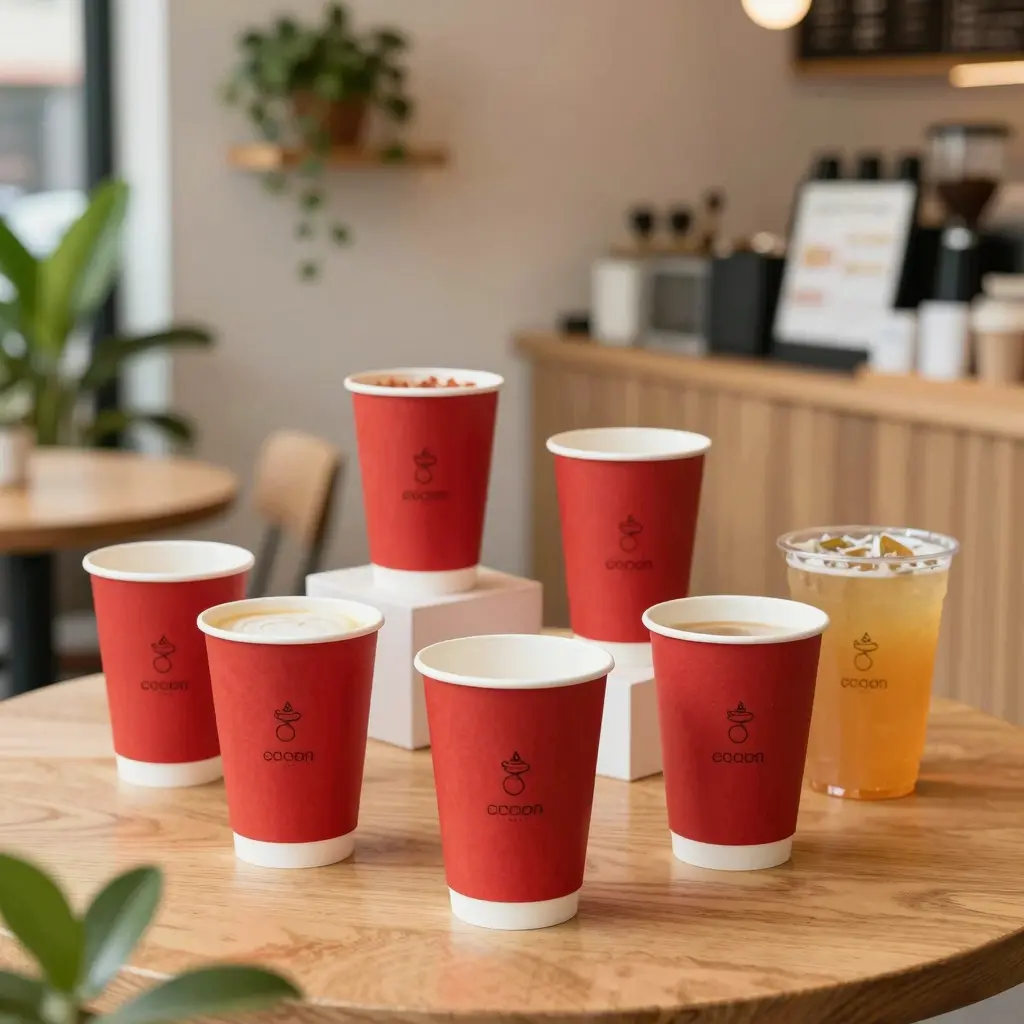
Explore our range of eco-friendly paper cups designed for your beverage shop or restaurant. By choosing sustainable options like our red paper cups, you not only enhance the aesthetic of your offerings but also contribute to environmental preservation. Make a switch to eco-friendly packaging solutions today! Browse our cups and sleeves to find the perfect fit for your needs.
Eco-Friendly vs. Traditional Paper Cups Comparison
When choosing between eco-friendly red paper cups and traditional paper cups, it’s essential to understand their differences in materials, biodegradability, cost, and user experience. The following table highlights these differences, providing helpful insights for your business decisions.
| Feature | Eco-Friendly Red Paper Cups | Traditional Paper Cups |
|---|---|---|
| Material | Made from sustainable resources, often with a PLA lining. | Made with paper lined with plastic, which is not biodegradable. |
| Biodegradability | Fully biodegradable and compostable within a few months. | Not biodegradable due to plastic lining; takes years to decompose. |
| Cost | Generally higher upfront cost due to sustainable materials. | Lower initial cost but can have higher landfill fees over time. |
| User Experience | Lighter, suitable for hot and cold beverages, enhances brand image. | Functional and sturdy but can be perceived as less eco-friendly. |
Note: The benefits of choosing eco-friendly options include not only reducing environmental impact but also positively influencing consumer perception and brand loyalty.
For more information on our range of paper cups and sleeves, visit our website!
Case Study: Eco-Friendly Success at Bubble Bliss
Introduction
Bubble Bliss, a popular bubble tea shop located in the heart of Downtown, made headlines recently with their successful implementation of eco-friendly red paper cups. This case study explores how their transition to biodegradable cups not only aligned with consumer preferences but also resulted in remarkable positive outcomes for the business.
Background
Founded in 2015, Bubble Bliss is known for its vibrant atmosphere and innovative bubble tea flavors. As awareness of environmental issues has risen, the management team recognized the importance of adopting sustainable practices. They shifted to eco-friendly containers, committing to reducing their plastic footprint. This commitment culminated in their decision to use eye-catching red paper cups made from recycled materials.
Implementation
In summer 2022, Bubble Bliss introduced their new red paper cups designed to hold hot and cold beverages. The cups are made from sustainable, biodegradable materials, allowing customers to enjoy their drinks guilt-free. The switch involved training staff on the importance of sustainability and ensuring that all operations aligned with this new initiative.
Positive Outcomes
- Customer Engagement: The introduction of eco-friendly cups was well-received by customers who were increasingly looking for businesses that support sustainability. Feedback indicated a 40% increase in customer satisfaction ratings compared to the prior quarter.
- Sales Growth: The new cups contributed to a notable increase in sales, with a reported 25% rise in overall sales in the first six months following the switch. Customers expressed a preference for the cup’s design and feel, enhancing their overall bubble tea experience.
- Brand Reputation: Bubble Bliss has received recognition in local media for its commitment to sustainability, enhancing its brand reputation. Articles in publications such as Good BioPak highlighted their innovative approach.
- Environmental Impact: By adopting biodegradable cups, the bubble tea shop significantly reduced its waste contribution. Estimates suggest that the switch prevented 10,000 plastic cups from entering landfills over six months.
Conclusion
The transition to eco-friendly red paper cups at Bubble Bliss showcases a successful model for other bubble tea shops looking to innovate responsibly. The positive outcomes following the switch underline the importance of sustainable practices in enhancing customer satisfaction, boosting sales, and fostering a favorable brand image. For businesses exploring eco-friendly solutions, these insights exemplify the long-term benefits of prioritizing sustainability in their operations.
If you’re interested in exploring a variety of eco-friendly packaging solutions, check out our range of biodegradable cups and accessories.
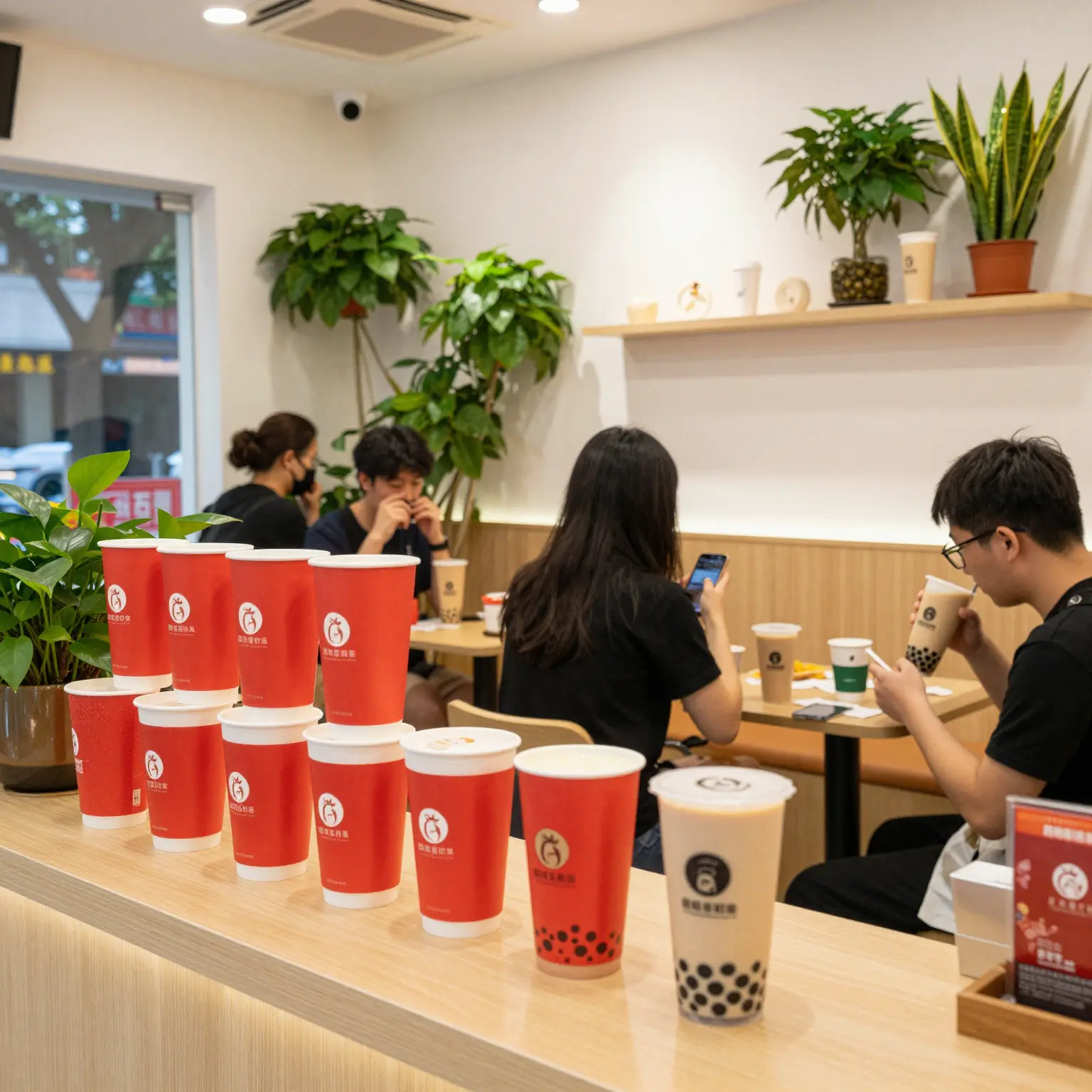
Image showing vibrant bubble tea shop showcasing eco-friendly red paper cups.
Rising Trends in Consumer Preferences for Eco-Friendly Packaging
The trend towards eco-friendly products continues to gain momentum, especially among consumers who are increasingly aware of their environmental impact. More consumers are opting for sustainable packaging solutions, with a clear upward trajectory observed from 2020 to 2023.
Consumer Preference Over the Years
Here’s a chart illustrating the rising trends in consumer preferences for eco-friendly packaging solutions:
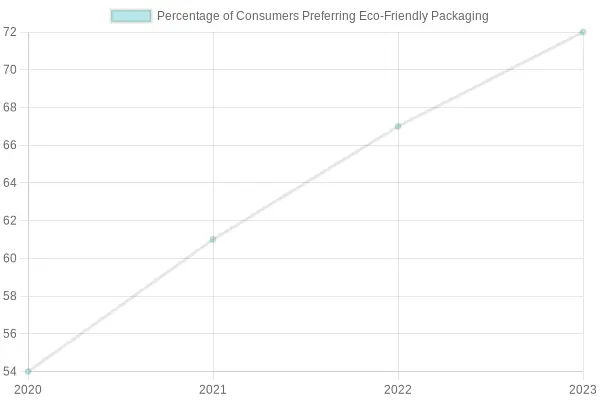
| Year | Percentage of Consumers Preferring Eco-Friendly Packaging |
|---|---|
| 2020 | 54% |
| 2021 | 61% |
| 2022 | 67% |
| 2023 | 72% |
Source: Statista – “Consumers See the Need for Eco-Friendly Packaging”
This data shows a significant increase in consumer preference from 54% in 2020 to 72% in 2023, underscoring the importance of adopting eco-friendly solutions in businesses to meet customer demands.
For more insights on sustainable packaging options suitable for your business, check out our eco-friendly products that cater to various needs, from takeaway boxes to paper cups.
Embracing eco-friendly packaging is not just a trend, but a vital step in maintaining relevance in today’s environmentally conscious market.
Conclusion: Elevate Your Business with Sustainable Choices
As the landscape of food and beverage services continues to evolve, choosing reliable disposable tableware and packaging goes beyond mere functionality; it’s a pivotal marketing strategy. When you opt for eco-friendly products, such as red paper cups, you align your brand with sustainability, attracting a conscientious clientele keen on supporting businesses that prioritize the environment.
Incorporating eco-friendly disposable tableware can elevate customer experiences and enhance your brand’s reputation. Not only does it reflect your commitment to sustainability, but it also differentiates your offerings in a competitive market. Customers are increasingly choosing brands that practice social responsibility, and using biodegradable or compostable packaging solutions becomes an essential element of your business strategy.
Imagine the impact of serving your bubble tea or gourmet dishes in beautifully designed, environmentally friendly red paper cups. Not only does it add a vibrant appeal to your presentation, but it also sparks conversations around your commitment to sustainable choices. This fosters loyalty among your customers and can lead to increased sales.
Now is the time to take action. Explore our wide range of eco-friendly cups and accessories and see how these small changes can drive business growth. Whether you are catering an event or running a bustling food truck, incorporating sustainable practices into your operations is not just essential; it’s a smart investment in your future. Make the switch today to elevate your business offerings and contribute positively to our planet. Together, we can create a cleaner, greener future while providing exceptional service to our customers!
The Importance of Eco-Friendly Practices in the Food and Beverage Industry
Sustainability is becoming paramount in the food and beverage sector, particularly as consumers increasingly demand eco-friendly options. As Richard Cope, a renowned sustainability expert, stated:
“The food and beverage industry is definitely not doing enough to combat climate change, emphasizing the urgency for increased sustainability efforts.”
This highlights the critical nature of adopting sustainable practices, from utilizing eco-friendly red paper cups to implementing waste reduction strategies throughout operations.
It is imperative for businesses in this sector to lead by example, adopting sustainable materials and practices that not only benefit the environment but also resonate with their clientele. Incorporating green practices into everyday operations helps to not only reduce carbon footprints but also boosts brand loyalty among eco-conscious consumers.