
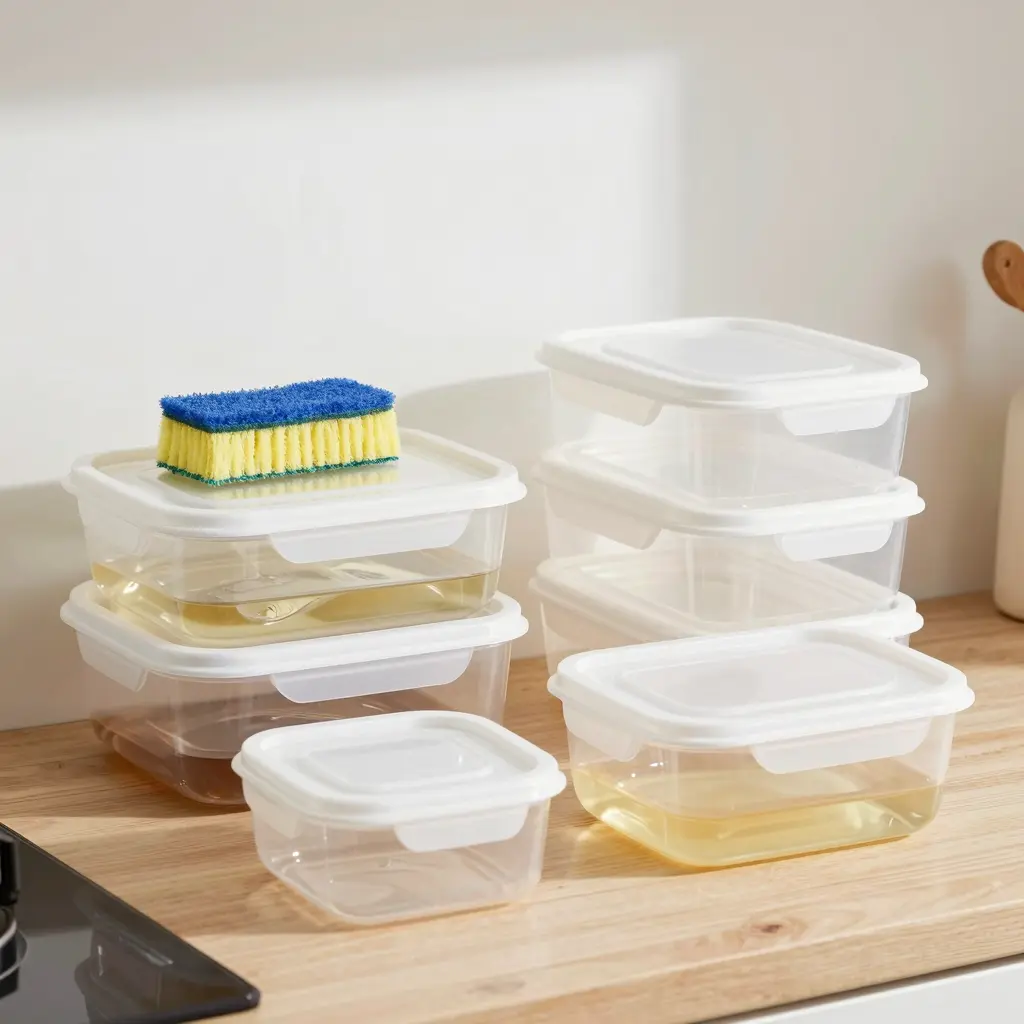
Importance of White Plastic Food Containers in the Food Service Industry
In the bustling world of food service, the visual appeal and hygiene of food containers play a crucial role in customer satisfaction. White plastic food containers are a popular choice among bubble tea shops, restaurants, food trucks, and catering services not only for their clean look but also for their practicality. These containers help maintain hygiene, allowing customers to enjoy their meals without concerns over cleanliness. However, keeping these containers looking pristine can be quite a challenge, as they can easily become stained or discolored over time.
In this article, we will discuss various solutions to effectively whiten and maintain plastic food containers, ensuring they provide a professional presentation. From simple cleaning hacks to best practices, you’ll find valuable insights to keep your food service environment visually appealing and hygienic. Through proper care, white plastic containers can elevate the presentation of your dishes and enhance the overall dining experience for your customers. Whether you’re an event planner or part of a corporate procurement team, understanding how to properly care for your food containers is essential. To start making informed choices, explore our range of premium food containers and takeaway boxes perfect for your needs.
Common Causes of Staining in Plastic Food Containers: What to Avoid and How to Fix It
Plastic containers serve many purposes in the food service industry, especially in dynamic environments like Bubble Tea shops and food trucks, where they hold colorful drinks and dishes. However, certain substances frequently cause unsightly stains that can affect the appearance of these containers. Here are some chief culprits:
-
Beverage Dyes: Drinks like bubble tea often contain colorful dyes from flavored syrups, artificial colorings, or fruit extracts. These vibrant colors can easily penetrate plastic materials, leading to discoloration.
-
Tomato-based Sauces: Plastic containers may also hold sauces rich in tomato ingredients, such as marinara or salsa. The acidity and pigments in tomatoes can cause staining over time, especially if the containers are stored for prolonged periods.
-
Beetroot Juice: Beverages or food items made with beetroot are known for their deep coloring. This natural dye can seep into the plastic, making it challenging to clean afterward.
-
Oils and Fatty Foods: Foods high in oils or fats, such as greasy fried products or dressings, can leave behind residues that lead to staining. Such substances can cling to the container’s surface, resulting in a yellowish tint.
-
Spices and Seasonings: Certain spices, like turmeric, are notorious for staining due to their potent pigments. Containers used for storing or serving foods that contain such spices may require additional cleaning efforts.
-
Non-food Contact with Environmental Factors: Exposure to harsh environments or prolonged sunlight can cause plastic to ‘yellow’ over time. This isn’t a stain per se but can diminish container aesthetics.
Cleaning these containers effectively is crucial for maintaining hygiene and appeal in food-serving environments. Using techniques like soaking with baking soda or vinegar may help combat these stains. For a selection of high-quality plastic food containers that are less prone to staining, visit Eco Cup Bowl’s product range.
While stains are a common concern, understanding the sources can help Bubble Tea shops, restaurants, and food trucks mitigate these issues, ensuring that food stays not only safe but appealing for customers. As event planners or corporate procurement teams seek the best solutions, choosing materials with excellent stain resistance is key. For more options, check out our takeaway boxes section for sustainable and effective choices.
Now you’re equipped with knowledge on common staining causes in plastic food containers! If you have more questions about maintaining the longevity of your kitchenware, feel free to reach out.
Tips for Preventing Stains on Plastic Food Containers
-
Immediate Cleaning: As soon as you finish using your plastic food containers, rinse them with lukewarm water. This helps remove food residues that can lead to staining.
-
Use Glass or Stainless Steel: When possible, opt for glass or stainless steel containers instead of plastic. These materials are less likely to absorb stains and odors.
-
Vinegar Solution: Clean your containers with a mixture of vinegar and water. The acidity of vinegar can help break down stains effectively.
-
Avoid Strong Pigments: Be cautious with foods that are heavily pigmented, such as tomato sauce, curry, or beetroot. If these foods are stored for long periods, they can leave persistent stains.
-
Sunlight Treatment: Try placing stained containers in direct sunlight for a few hours. The UV rays can help lighten the stains naturally, although this is not a guaranteed method.
-
Storing Temperature: Avoid exposing plastic containers to extreme temperatures. Heat can cause plastic to become more prone to staining and warping.
-
Baking Soda Scrub: For stubborn stains, make a paste of baking soda and water, apply it to the stain, and scrub gently. Baking soda is a mild abrasive that can help lift stains without scratching the surface of the plastic.
-
Microfiber Cloths: When cleaning, use microfiber cloths which are gentle on surfaces and effective in lifting stains without damage.
Following these tips can help maintain the clarity and cleanliness of your plastic food containers, ensuring they remain in good condition for longer. For quality options in food storage, check out our selection of takeaway boxes and food trays.
Best Cleaning Solutions for Plastic Containers
When it comes to cleaning plastic food containers, especially in food service environments like bubble tea shops or catering services, choosing effective and safe cleaning solutions is essential. The best cleaning solutions for plastic containers are those that not only restore their appearance but also align with eco-friendly practices, minimizing harm to both customers and the environment.
Natural cleaning agents such as white vinegar, baking soda, and lemon juice are fantastic options for maintaining plastic containers. White vinegar, with its mild acidity, breaks down stains and deodorizes the surface without harsh chemicals. Baking soda acts as a gentle abrasive to lift stains and residues, while lemon juice adds a fresh scent and natural bleaching power. These ingredients can be combined into cleaning pastes or solutions, offering a safe and biodegradable option that won’t damage the plastic or leave toxic residues.
For daily cleaning, mild dish soap mixed with warm water is highly recommended. Staying away from harsh chemical detergents not only protects the integrity of the plastic containers but also supports the sustainability goals of many modern food businesses. Avoid bleach or abrasive cleaners, as they can cause discoloration or micro-damage that promotes stain retention over time.
Adopting these eco-conscious cleaning methods not only helps extend the life of your plastic containers but also contributes to a greener business practice. By using natural, safe ingredients, you reduce chemical runoff and protect health for both employees and customers.
For businesses looking to complement their cleaning routine with sustainable product options, exploring eco-friendly takeaway boxes and cups can add value to your brand’s commitment to environmental responsibility. Check out our range of bakery and sushi boxes and plastic cups for cold drinks to find sustainable packaging that pairs well with your cleaned and refreshed containers.
With these cleaning tips and eco-friendly product choices, food service businesses can maintain freshness, appearance, and sustainability simultaneously.

A Step-by-Step Guide to Whitening Stained Plastic Food Containers
For food service professionals working in bustling environments like bubble tea shops, restaurants, and catering services, maintaining clean and hygienic food containers is essential. Stains on plastic containers can detract from their appearance and may even affect food quality. Here’s a comprehensive guide to effectively whiten stained plastic containers, utilizing common household items and some recommended products.
Step 1: Gather Your Supplies
Before diving into the cleaning process, collect the necessary materials:
- Baking Soda
- White Vinegar
- Dish Soap
- Lemon Juice (for tough stains)
- Hydrogen Peroxide (optional)
- Oxygen Bleach (if needed)
These items are not only effective for cleaning but are also generally safe for food containers. For additional container options, consider checking out our variety of food containers.
Step 2: Create a Cleaning Paste
Mix a tablespoon of baking soda with a few drops of water to create a thick paste. This paste is gentle but effective in scrubbing away stains without scratching the surface of the plastic.
Step 3: Apply the Paste
- Application: Spread the baking soda paste liberally over stained areas on the container.
- Resting Time: Allow the paste to sit for 30 minutes. This will provide sufficient time for the baking soda to lift the stains.
Step 4: Scrub the Stains
Using a soft scrub brush or sponge, gently scrub the stained areas. Avoid using abrasive materials that could damage the container’s surface. This step is crucial for thorough cleaning.
Step 5: Rinse Thoroughly
- Rinse the containers under warm running water until all the cleaning paste is removed.
- Make sure no residues are left, as they may affect the next use of the containers.
Step 6: Treat Tough Stains
If stains persist after the previous steps:
- Mix 1 part hydrogen peroxide with 3 parts water and soak the containers in this solution for 1-2 hours. Hydrogen peroxide is a gentle bleach that can further whiten the plastic.
Step 7: Dry Your Containers
To finish off the cleaning process:
- Wipe the containers with a clean towel or let them air dry completely before storing. This prevents any moisture from accumulating, which could lead to mold growth.
Recommended Products
- Baking Soda – A versatile cleaning agent.
- White Vinegar – Great for natural disinfecting.
- Dish Soap – Essential for washing away residues.
- Oxygen Bleach – Safe and effective for tougher stains.
For all your container needs, explore our selection of eco-friendly food containers and accessories. Maintaining cleanliness in food service is not just about aesthetics; it’s vital for food safety and quality. With these steps, your plastic containers can stay looking brand new, ready for use in any busy food service environment!
| Product Name | Pricing (Approx.) | Key Ingredients | Effectiveness Rating (1-10) |
|---|---|---|---|
| Simple Green | $5 – $10 | Plant-based surfactants | 8 |
| Mr. Clean Magic Eraser | $4 – $6 | Melamine foam | 9 |
| Clorox Disinfecting Wipes | $6 – $10 | Quaternary ammonium compounds | 8 |
| Method All-Purpose Cleaner | $4 – $8 | Plant-based cleaning agents | 7 |
| Seventh Generation Cleaner | $6 – $12 | Biodegradable surfactants | 7 |
| Zep Heavy-Duty Cleaner | $5 – $15 | Sodium hydroxide, surfactants | 9 |
Maintaining high hygiene standards in food service is critical for protecting public health. As stated by experts, “Hygiene is non-negotiable in food preparation and service.” This highlights the importance of ongoing training and vigilance among food service staff to ensure food safety. Cleanliness and proper practices not only reduce the risk of foodborne illnesses but also enhance consumer trust, which is vital in maintaining a successful business. Here are some insights that exemplify this concept:
“Without proper hygiene, all other food safety measures are ineffective.”
- Health Department Guidelines, learn more about food safety practices
Incorporating these practices in your operations can significantly impact your establishment’s success.
Conclusion
Maintaining white plastic food containers is essential for any business in the food industry, from bubble tea shops to catering services. Over time, these containers can become stained or discolored, which not only affects their aesthetic appeal but can also impact the perception of your brand. A clean, bright container signals quality and care in food presentation, which is crucial in attracting and retaining customers.
As discussed, effective methods for whitening your plastic containers include using common household ingredients like baking soda and vinegar, as well as hydrogen peroxide and even commercial whitening products. Regular maintenance ensures that your containers remain in top condition, which is important for hygiene and presentation in any food-related business.
With EcoCup Bowl’s wide range of products, including takeaway boxes and food trays, you can find high-quality options that are designed to effectively meet your needs. We encourage you to explore our product catalog to discover containers that not only perform well but also help maintain your business’s professional image.
Make the switch to EcoCup Bowl today and ensure that your food presentation is always at its best!