
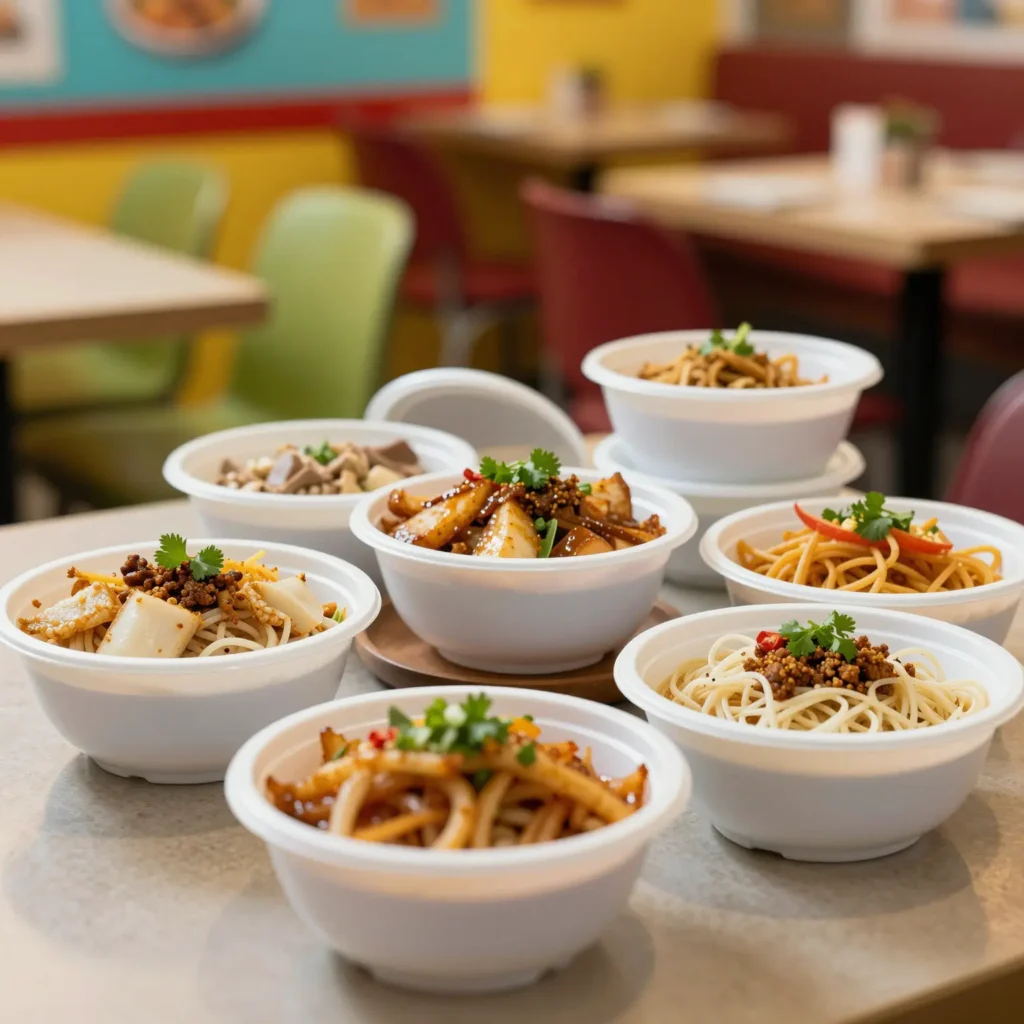
Introducing Plastic Disposable Soup Bowls: Your Ultimate Food Service Ally
In the bustling world of the food service industry, convenience and versatility reign supreme. Enter plastic disposable soup bowls-these lightweight yet sturdy vessels have become essential for restaurants, food trucks, and catering services alike. Offering a practical solution for serving everything from rich, steaming soups to colorful salads, these bowls not only streamline kitchen operations but also enhance customer experience. Safety and eco-friendliness are at the forefront of their design, ensuring that businesses can provide quality dining experiences while minimizing their environmental footprint. As a resourceful tool for event planners and corporate procurement teams, plastic disposable soup bowls can cater to various needs, from intimate gatherings to large-scale events. Discover the many ways these innovative bowls can elevate your service offerings without compromising on safety or sustainability. If you’re looking for the best options for takeaway service, check out our takeaway boxes for more versatile solutions!
Benefits of Using Plastic Disposable Soup Bowls
Plastic disposable soup bowls are increasingly popular among various food service industries, including bubble tea shops, restaurants, food trucks, and catering services. Here are some of the core advantages of using these bowls:
Convenience
- Easy Disposal: After the meal, these bowls can be quickly disposed of, making cleanup a breeze, especially for busy food service environments.
- Lightweight and Stackable: Their lightweight nature allows for easy transport and storage. Many bowls are designed to be stackable, saving valuable space.
- Microwave Safe: Many plastic soup bowls are capable of withstanding microwave use, making them ideal for both pre-packaged and fresh offerings.
Cost-Effectiveness
- Bulk Purchasing: Buying plastic disposable soup bowls in bulk can significantly reduce costs for businesses. They’re typically less expensive than traditional dishware, which requires more costly upfront investments in terms of both purchases and cleaning.
- No Cleaning Costs: With disposable bowls, there is no need for extensive cleaning processes that come with reusable options, leading to lower labor costs.
Safety
- Durability and Break-Resistance: Many plastic soup bowls are made from heavyweight, BPA-free materials, ensuring they are resistant to breaking or bending, making them safe for hot and delicate foods (Naptec Paper).
- Hygienic Options: Single-use bowls reduce the risk of cross-contamination that might occur with reusable dishware, enhancing food safety standards.
Eco-Friendly Options
- Sustainable Alternatives: Some manufacturers now offer eco-friendly plastic disposable bowls made from renewable resources or compostable materials. These options help businesses reduce their ecological footprint while providing the same level of convenience (EcoSoulHome).
- Less Waste: By choosing products that are designed to break down naturally, food service operators can participate in a more sustainable approach to waste management (ECO-Lipak).
In conclusion, plastic disposable soup bowls offer a combination of benefits that cater to many needs across the food service industry. Their convenience, cost-effectiveness, safety features, and advancing eco-friendly options make them an ideal choice for businesses looking to enhance their operations while maintaining a commitment to sustainability.
Comparison of Plastic Disposable Soup Bowls
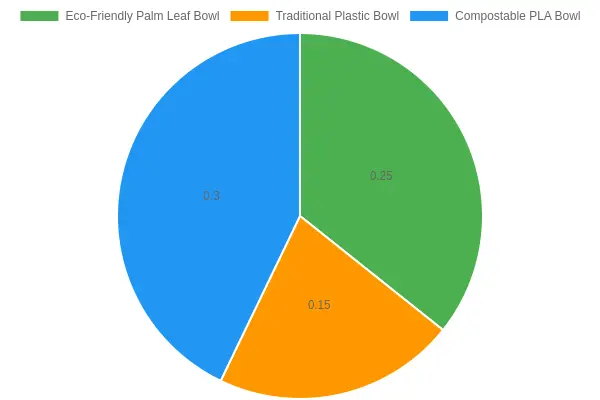
When choosing plastic disposable soup bowls for your business, it’s essential to consider various attributes, including size, material, price, and any sustainable features they may offer. Below is a table comparing three different types of plastic disposable soup bowls available on the market:
| Bowl Type | Size (oz) | Material | Price (approx.) | Sustainable Features |
|---|---|---|---|---|
| Eco-Friendly Palm Leaf Bowl | 10 | Palm Leaf | $0.25 per bowl | Compostable, Biodegradable |
| Traditional Plastic Bowl | 12 | Plastic | $0.15 per bowl | Non-biodegradable, Recyclable |
| Compostable PLA Bowl | 12 | PLA (Bioplastic) | $0.30 per bowl | Compostable, Made from renewable resources |
Sources
- Amazon – BluShine Plastic Bowls
- Walmart – Heavy Duty Disposable Soup Bowls
- Eco-Friendly Soup Bowls – EcoSoul Home
- Compostable Plates Guide
Visual Representation of Prices
To further illustrate the price differences among various bowl types, here’s a pie chart representing the proportion of prices:
In conclusion, selecting the right type of disposable soup bowls can enhance your service and align with your sustainability goals. Weigh your options carefully according to your business needs!
For more information on different types and sizes of disposable soup bowls, you may want to explore our website for various options.
Ensuring Safety in Disposable Tableware: Standards and Regulations
When it comes to disposable tableware, particularly in food service environments, safety standards and regulations are paramount. These regulations are designed to ensure that all products are safe to use and do not pose a risk to consumers’ health. Many jurisdictions have specific safety guidelines that must be followed, especially for items that come into direct contact with food.
Key Safety Standards for Disposable Tableware
- FDA Regulations: In the United States, the Food and Drug Administration (FDA) oversees the safety of materials that are used in disposable tableware. All materials must be food-safe and comply with sections pertaining to food contact substances. They ensure that any chemicals used in manufacturing these products do not migrate to food, keeping consumers safe.
- European Union Regulations: Similarly, the EU has comprehensive guidelines for materials that can come into contact with food, ensuring they meet strict safety measures before reaching the consumer. These include testing for heavy metals and other contaminants.
- ASTM and ISO Certifications: Many manufacturers also seek ASTM (American Society for Testing and Materials) and ISO (International Organization for Standardization) certifications, which provide frameworks for ensuring quality and safety standards internationally.
Environmental Regulations and Implications
With growing awareness regarding environmental issues, regulations are also being implemented to reduce plastic use and promote more sustainable materials. For instance, many local governments are banning polystyrene products, a common type of disposable tableware, provoking a shift towards biodegradable and compostable options.
How EcoCupBowl Meets Safety Standards
At EcoCupBowl, we are committed to ensuring that our products meet or exceed all mandated safety requirements. Our disposable plastic soup bowls are not only made from FDA-approved materials but also undergo rigorous testing to certify their food-safe status. Furthermore, we are proactive in adopting eco-friendly practices. Many of our products are designed to be biodegradable, helping to reduce environmental impact while still providing reliable, safe tableware for your business.
Additional Resources
To delve deeper into the latest safety requirements for disposable tableware, you can check out resources such as the Government of Hong Kong’s guidelines on public consultation for disposable tableware and the Biopoly Lab’s blog on what food service businesses need to know. These resources outline essential compliance standards and the importance of adhering to regulations, ensuring the safety and quality of disposable tableware products.
In summary, understanding and complying with safety standards not only protects your customers but also enhances your brand’s reliability and trustworthiness in a competitive market.
Growth Trend of Disposable Soup Bowls in Food Service
The trends in the usage of disposable soup bowls have significantly evolved over the past five years, reflecting changes in consumer preferences and industry practices. Below is a chart illustrating the yearly increase in the adoption of eco-friendly disposable bowls in the food service sector:

| Year | Usage Increase (%) | Key Insights |
|---|---|---|
| 2019 | 5 | Increased interest in eco-friendly alternatives |
| 2020 | 10 | COVID-19 impact led to a rise in disposable usage |
| 2021 | 15 | Shift towards sustainable packaging noted |
| 2022 | 20 | Growth in user preference for leak-proof options |
| 2023 | 25 | Significant shift towards eco-friendly disposable bowls |
This chart highlights important statistics that demonstrate how market dynamics and consumer awareness have driven the adoption of these products.
For businesses looking to stay ahead in the food service industry, it is crucial to adapt to these changing preferences. Consider exploring our selection of eco-friendly disposable products to meet your customers’ needs effectively.
Best Practices for Storing and Using Plastic Disposable Soup Bowls
Plastic disposable soup bowls are a convenient option for food service businesses like bubble tea shops, restaurants, and catering services. To ensure food safety and ease of service, consider the following best practices:
-
Store in a Cool, Dry Place: Keep plastic bowls in a clean, dry environment, away from direct sunlight and heat sources. This prevents warping and ensures the integrity of the bowls.
-
Use Appropriate Containers: When stacking bowls, use appropriate containers for storage to prevent crushing. Consider using boxes designed for disposable items for better organization.
-
Preheat for Temperature Retention: Before serving, preheat the bowls by filling them with hot water for about 30 seconds. This helps retain heat, ensuring that soups remain warm longer during service.
-
Check for Compatibility: Always ensure the type of soup or food served is compatible with the plastic material. Certain bowls are designed for hot liquids, while others may only be suitable for cold items.
-
Monitor Serving Times: To maintain food safety, keep an eye on how long food remains in the bowls. Regularly replenish items to minimize exposure to temperatures that promote bacterial growth. This practice is especially critical for events and parties, as highlighted here.
-
Use Clean Surfaces and Utensils: Prevent cross-contamination by serving from clean surfaces and only using sanitized utensils. This step is crucial in any food service environment.
-
Implement Temperature Controls: Utilize temperature control methods to keep hot foods hot and cold foods cold. Use ice packs for cold items and heating lamps or heated tables for hot soups.
-
Educate Staff: Train employees on these best practices to ensure compliance with food safety guidelines. Regular training can reinforce the importance of proper handling and storage of disposable items.
By following these best practices, businesses can enhance their food service efficiency while ensuring customer safety and satisfaction. For more options, check out our range of disposable cutlery and accessories.
At EcoCup, we take pride in providing quality plastic disposable soup bowls that cater to a variety of establishments, from restaurants to event planners. Here’s what several satisfied customers have to say:
“Our restaurant has switched to using EcoCup’s plastic disposable soup bowls, and the differences are remarkable. Not only do our customers appreciate the quality, but we’ve also seen a significant decrease in complaints about spills. These bowls are so sturdy and reliable!”
- Sarah Thompson, Owner of Thompson’s Bistro
“As an event planner, I rely on quality disposables to enhance the guest experience. EcoCup’s soup bowls have been a game-changer for us. They not only look great but are also incredibly functional. Our clients have praised us for providing stylish and practical solutions at their events!”
- Jason Lee, Event Planner at Celebration Creations
“Using EcoCup’s soup bowls at our food truck has streamlined our operations. The bowls are easy for customers to handle, and we love that they hold up well with both hot and cold liquids. This has made serving soup a lot more efficient!”
- Maria Garcia, Owner of Tasty Truck
“I cannot recommend EcoCup enough! The bowls are perfect for our catering services. They’re lightweight, yet strong, and help us keep the food presentation top-notch. Plus, the cleanup is a breeze!”
- Kevin Roberts, Catering Manager at Savory Events
These testimonials reflect our commitment to providing high-quality, reliable products for the food service industry. Discover more about our offerings, including takeaway boxes for added convenience.
In a world where presentation matters, choosing the right products is crucial for success in any culinary venture. If you’re looking to enhance your dining experience, our plastic disposable soup bowls could be just what you need!
In conclusion, selecting reliable disposable tableware, particularly plastic soup bowls, is crucial for meeting the demands of your business while ensuring customer satisfaction. Whether you’re a bubble tea shop, food truck, or event planner, the quality of your serving products reflects back on your brand. EcoCupBowl offers an extensive range of options tailored to your needs, combining affordability with functionality. Don’t compromise on quality when it comes to serving your customers. By contacting our team, you can receive personalized quotes that align perfectly with your requirements. Explore our in-stock bowls and experience the EcoCupBowl difference today. Let’s work together to create unforgettable dining experiences for your customers!
Internal and External Links for Enhancing SEO and Credibility
To strengthen the credibility of your article on plastic disposable soup bowls and ensure it appeals to your target audience, it is essential to integrate relevant internal and external links. Below are suggested links that can provide further insights and reinforce your content.
Internal Links
- For sustainable options, check out our bamboo pulp product range.
- Explore our selection of disposable cutlery that complements your takeout services.
- Learn about our takeaway boxes tailored for various food types.
External Links
- For comprehensive guidelines on food safety management systems, refer to ISO 22000:2018 – Food safety management systems by the International Organization for Standardization.
- Understand food safety standards in detail through the overview provided on food safety standards and regulations at Rentokil.
- Check the importance of eco-friendly practices in food service outlined in the article on sustainable feasts by FNB News.