

In the realm of sustainability, every action counts, especially for businesses in the food industry. Dirty plastic food containers are a common sight in bubble tea shops, restaurants, food trucks, and catering services. While these containers can indeed be recycled, their recycling success hinges largely on a crucial step—cleaning. Properly managing waste not only supports environmental efforts but also enhances your brand image. This article will explore the importance of cleaning plastic food containers before recycling, guide you through the recycling process tailored to the specific needs of your industry, highlight potential contamination issues, and provide best practices to ensure recyclable materials are maintained in your operations.
Rinse, Return, Recycle: Why Cleaning Dirty Plastic Containers Is The Key To True Recycling
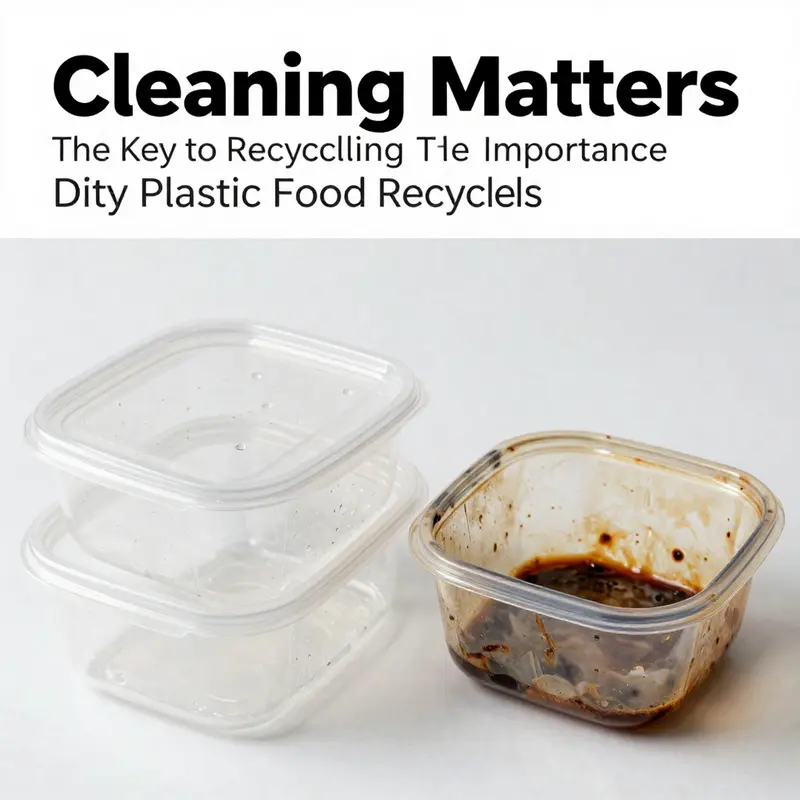
The surface appeal of recycling often hides a stubborn administrative truth: dirty plastic containers can be technically recycled, but only if they are cleaned well enough not to derail the system.
In households and kitchens across the country, it’s tempting to think a plastic tub with a little yogurt or a smear of sauce is still recyclable simply because plastic itself is a reusable material. Yet the recycling stream is a tightly tuned machine. When food residue clings to a bottle, a tub, or a tub’s lid, it introduces organic matter into a process that is designed to separate, clean, and reform plastics into new products. The contamination is not a mere nuisance; it propagates through the workflow, threatening the integrity of whole batches and nudging the cost of processing higher for facilities that must purge, rewash, or discard tainted loads. The practical upshot is straightforward: yes, you can recycle dirty plastic, but it works best when you treat that dirt as the signal to act rather than as a nuisance to endure.
At Material Recovery Facilities (MRFs), where curbside streams are sorted and prepared for downstream processing, the effects of dirty plastics accumulate quickly. Sorting relies on a combination of optical recognition, mechanical separation, and careful wash steps to separate different resins. A container with lingering grease or dairy residue can jam parts of the system, obscure the resin type, and degrade the quality of the final recovered plastic. The presence of moisture paired with organic residue becomes even more problematic; it can foster fermentation and odors during storage on-site, inviting pests and complicating subsequent washing steps. In some cases, the very water used to wash plastics becomes a contested resource, as higher contamination loads force facilities to invest in more aggressive treatment and filtration to prevent cross-contamination of water supplies. The ripple effects extend further up the chain; contamination in plastics can compromise adjacent recyclables such as paper and cardboard, which share handling streams and storage areas in many facilities. It’s not hard to see how a single greasy container, left insufficiently rinsed, can become a small but consequential link in a larger chain of inefficiency and waste.
The research voices behind these conclusions are clear and memorable. Dr. Lena Torres, a Materials Recovery Specialist, emphasizes that clean recycling isn’t a suggestion—it’s a system’s operating premise. Her words cut through the common misconception that any plastic with residue is automatically recyclable. Clean recycling isn’t just a suggestion—it is a requirement for the system to work. A greasy takeout container might look recyclable, but in reality, it’s trash. The emphasis here is not on perfection but on the minimum standard that keeps the entire loop functional. The idea is to render the container clean enough that its presence in the stream won’t introduce visible food particles or excess liquids into sorting and washing phases. When the residues are significant, the system’s efficiency plummets and the financial and environmental costs rise in tandem.
The consequences of contamination stretch beyond the sorting line. Dr. Linda Park, a Senior Researcher at the National Recycling Coalition, captures the broader, systemic impact with a concise image: contamination isn’t just about one dirty container; it’s about the ripple effect on an entire load. A single greasy pizza box can spoil a ton of clean cardboard. The metaphor is stark, yet the message is practical: contamination can propagate across materials that cross paths in storage, handling, and processing phases. Even when a container is only partially clean, the prudent course is to rinse out the residue enough to remove visible particles and excess liquid. The goal is not to erase every trace of food but to reduce risk to a level where the material remains a viable input for recycling.
Given these stakes, a simple, repeatable routine becomes the most effective form of consumer action. The recommended practice is remarkably straightforward: empty the container completely, then rinse it with water to remove the bulk of the residue. A quick rinse is usually sufficient; you don’t need to scrub aggressively or employ harsh chemicals. The idea is to strike a balance that preserves water and labor while ensuring the container no longer bears enough residue to contaminate the batch. It’s worth noting that lids and caps can present a separate challenge, as they are often made from different plastics than the body of the container. If your local program accepts them, you can leave them on; otherwise, removing them before recycling is a sensible step. The overarching principle remains consistent: visible dirt and grease should be eliminated so the container’s passage through the facility doesn’t introduce unnecessary contaminants into sorting streams or the washing processes that follow.
One might wonder why additional steps beyond a rinse aren’t universally recommended, given the appetite for sustainable routines. The guidelines acknowledge that you should avoid excessive cleaning or the use of strong liquid soaps. Soap can leave residues that complicate downstream washing or become a source of cross-contamination if not fully rinsed. The most effective approach is efficient, minimal, and consistent: a brief rinse, the removal of obvious debris, and a brief air-dry before the item returns to the curbside bin. This approach aligns with the reality that water and energy are precious resources, and the recycling system itself is designed to handle a wide variety of inputs—within reason. The EPA’s Recycling and Contamination guidance, published to synthesize best practices from many jurisdictions, underscores that the cleanliness standard is a practical threshold: remove visible food particles and liquids, and you’re far more likely to see the container recycled rather than trashed.
For households striving to incorporate these practices into busy lives, the routine can be framed as a small, daily act that yields disproportionate benefits. In many families, the habit forms around meal times: rinse the jar, tub, or bottle as soon as it’s emptied, then place it in the recycling bin after a quick shake to shed excess water. The drying stage matters because damp containers can cling to other recyclables, creating tangible friction in sorting operations. It’s a small ritual with outsized benefits: it reduces the risk of contaminating a batch, helps maintain the quality of recovered plastics, and supports the broader environmental objective of turning waste into a resource rather than discarding it with no opportunity for reuse.
To connect the practical guidance with a broader sense of sustainability, consider how habit formation around cleaning dovetails with a larger ethos of mindful consumption. Cleanliness is not about achieving perfection in every container; it’s about recognizing recycling as a system that relies on cooperative participants who take responsibility for their inputs. Contamination is not a badge of failure but a signal for improvement. When individuals rinse and empty containers, they contribute to a peer-managed standard that enables facilities to process more materials with greater efficiency and less waste. And this, in turn, reduces the energy and water costs associated with reprocessing and minimizes the need to divert potentially recyclable material to landfills because it was not prepared adequately for the stream.
In the spirit of practical integration, this chapter also invites readers to look at the everyday objects that accompany their recycling decisions. For example, you can explore a related product page that aligns with the idea of sustainable, reusable options in daily life: aluminum-plant (https://ecocupbowl.com/product/aluminum-plant/). The intention is not to market a particular category of goods; rather, it’s to illustrate a mindset that values materials, how they are used, and how we treat them after use. The link serves as an anchor to reflect on how even seemingly unrelated products can be part of a broader conversation about resource stewardship. By considering a broader ecosystem of materials and products, readers can see that the choice to rinse, reuse, and recycle is a consistent thread that runs through many aspects of a sustainable lifestyle, not merely a single action at the curb.
The take-home message is both simple and powerful: you don’t have to make plastic containers spotless to make them recyclable, but you do need to remove the visible signs of food and excess moisture. A quick rinse and a quick check are usually enough to prevent contamination from spiraling into waste. The system’s efficiency hinges on inputs that are clean enough to be processed, sorted, and reconstituted into new products without requiring expensive remediation steps. This is not just about compliance with guidelines; it is about exercising agency in a system that rewards care and consistency. When households commit to this small daily practice, the collective effect is meaningful. The material that would otherwise be wasted remains a resource with a potential future as a manufacturing input, keeping plastics circulating in the economy rather than seeping into landfills.
The science behind these practices is robust enough to guide policy and education, but it is ultimately grounded in everyday behavior. Contamination rates, measured in part by the proportion of recyclables rendered non-recyclable due to improper handling, reveal the stakes. Across studies and industry reports, the message is consistent: clean input yields clean output. As researchers and practitioners continue to refine sorting and washing technologies, the human element—how people prepare their recyclables—remains an essential lever for success. The EPA’s official resources on recycling and contamination reinforce this stance, offering practical guidelines that can be adapted to local programs. The broader implication is clear: the path to higher recycling rates is paved with attention to the details of how we prepare our plastics for the journey from home to remanufacture.
In closing, the act of cleaning is more than a hygiene habit. It is a practical investment in the integrity of the recycling system. It is the decision to treat each container not as an endpoint of disposal but as a potential input to a manufacturing cycle. It is the recognition that even small actions—emptying, rinsing, and lightly drying—have the power to preserve the value of plastics and to minimize waste. If you’d like to explore the continuing conversation about best practices and contamination, you can consult the EPA’s Recycling and Contamination guidelines, which offer detailed context and updates on standards and expectations for recycling programs across the United States. By aligning behavior with the science of materials recovery, we can all contribute to a more resilient and efficient recycling landscape. External resource: U.S. Environmental Protection Agency – Recycling and Contamination. https://www.epa.gov/smm/recycling-and-contamination
Grease, Residue, and the Sorting Line: How Clean Containers Make Dirty Plastics Recyclable
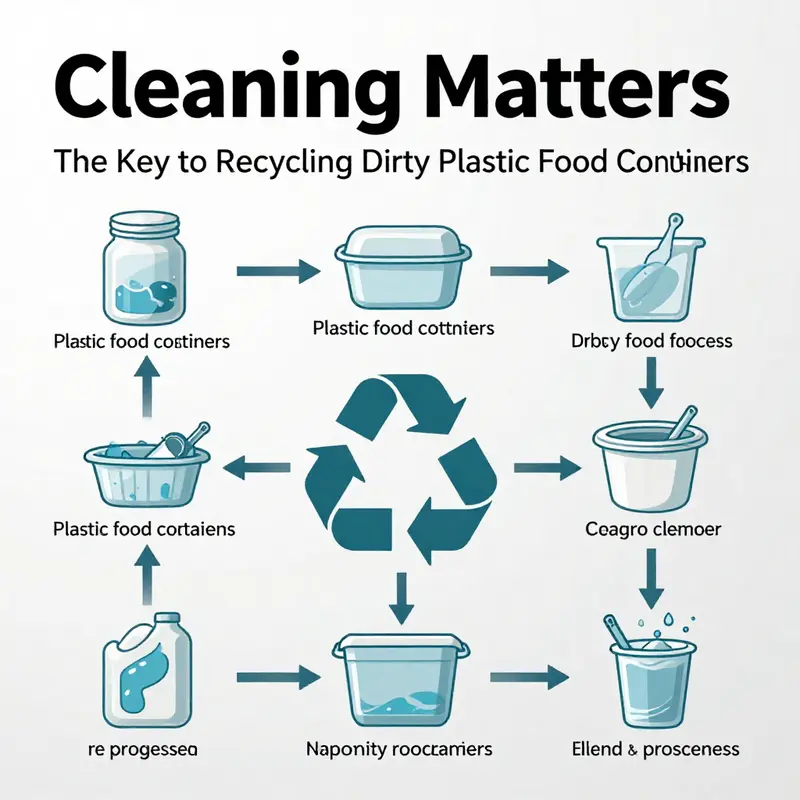
When people ask whether dirty plastic food containers can be recycled, they are really asking about the health of the entire recycling system. A single greasy tub or a sauce-smeared clamshell might seem like a minor problem, but contamination has a ripple effect that touches every step from curbside collection to the final material that manufacturers can re-use. The core truth is simple: dirty containers can be recycled, but only if they are properly prepared before they join the stream. The moment a container arrives at a Materials Recovery Facility (MRF) with food residue, grease, or liquids on its surface, the process shifts from efficient sorting to a process of mitigation. The materials that come after—bales of plastics, plus other recyclables like paper and cardboard—are a delicate orchestra that depends on precision. A small quantity of organic matter can degrade the quality of reprocessed plastic, causing it to lose strength, change color, or become unusable for meaningful manufacturing. The impact is not purely technical. Contaminated plastics can prompt labor-intensive cleaning, more maintenance downtime, and higher operating costs. They can also affect adjacent materials in the sorting stream. A greasy container might smear onto nearby items, or its moisture can spread into paper bales, diminishing their value and compatibility. In sum, contamination creates a chain reaction that makes recycling more complex and less economical, and it can even lead facilities to reject loads that would otherwise be recyclable. The data are stark enough to matter in everyday life: across curbside programs, contamination rates often land in the range of 10% to 25%, with food-soiled plastics being a major contributor. In some cases, more than one-fifth of recyclable plastics fail the test due to contamination and end up in landfills. These figures are more than statistics—they represent material that could have remained in circulation, conserved energy, and kept resources moving in a circular economy. The practical message for households is clear: cleanliness isn’t a luxury; it’s a prerequisite for effective recycling. The good news is that the work required is straightforward and fits easily into daily routines. The goal is not to sterilize containers but to remove visible dirt and grease so that they won’t contaminate other materials during sorting. A simple rinse accomplishes the bulk of what’s needed. You don’t need to scrub with harsh chemicals or hard-to-find cleaners. A quick rinse with water, followed by a brief air-dry, is typically sufficient to render a container recyclable in most curbside programs. The focus is on removing the material that would otherwise degrade a batch, not on turning every container into a laboratory-grade specimen. The EPA’s guidelines emphasize that effective recycling begins with preparation at the household level. The practice is summarized in a practical triad: empty, rinse, and dry. Empty the container completely, so no food remains inside that can attract pests or generate odors during transit. Rinse the container thoroughly to remove the majority of food residues. Let it dry before placing it in the bin. This sequence is simple, but its impact is profound. In practice, it means that the difference between a successful recycling outcome and a rejection is often a matter of minutes spent at the sink. The steps are quick, and for most households they can be integrated into the end of a meal or a grocery return. The minimal effort yields outsized results for the system as a whole. That said, there are common missteps that can undermine even a good rinse. Some people assume that a container is recyclable simply because it looks clean after a superficial rinse. This is where the “clean enough” standard comes into play. A container should be free of visible dirt, film, and grease. If there is a noticeable film or odor, it may still contaminate the batch, and it should be rinsed again or discarded as non-recyclable by local standards. Likewise, using excessive amounts of liquid soap can introduce soap residues that cling to surfaces, contributing to contamination and requiring extra processing by the facility. The principle remains: temperance in cleaning is not a flaw, but a feature. Facilities vary in their tolerance for residual moisture. Some MRFs can handle a small amount of water, while others prefer containers completely dry before loading. Drying is essential because moisture can accelerate microbial growth inside piles or bales and complicate the handling by conveyors. The practical takeaway is straightforward: start with an empty container, give it a quick rinse, and dry it before you place it into the recycling bin. This pattern is recommended by leading recycling organizations and aligns with how sorting lines function most efficiently. Yet the process also highlights a broader social obligation. Recycling depends on public participation, and public participation depends on clear and consistent guidance. The EPA’s Recycling Guidelines provide the public with a framework for understanding what to do with various materials, including plastics. The guidelines stress that the primary aim is to reduce contamination at the source, which begins in people’s kitchens and households. In this sense, everyday actions become environmental stewardship. The actual practice of cleaning plastic containers is a small, daily act that protects an industrial system worth protecting. The results are tangible. Clean containers reduce downtime at the MRF, which means fewer delays and a more stable supply of recycled plastic pellets. They also improve the marketability of the recycled material because manufacturers prefer feeds that are uniform and predictable. When a batch is contaminated, it can lose value, creating a stark economic penalty for the community and the facilities that process recycling. The cost of contamination extends beyond the immediate facility. Paper and cardboard bales, when contaminated by moisture or organic residues from plastics, may lose their recyclability as well. Pests attracted by food residue create odors and attract unwelcome attention, causing facilities to halt intake or reject loads. In climate terms, the energy cost of reprocessing contaminated plastics is higher, and the waste that ultimately goes to landfill represents a lost opportunity to reuse precious materials. The message to households, then, is practical and aspirational at once: your rinse matters, your soap use matters, and your patience in letting containers dry matters. If you adopt the routine of “empty, rinse, dry,” you contribute directly to a cleaner, more resilient recycling system. The emphasis on dryness should not be overlooked. Moisture in a bale can cause mold, degrade pallets, and complicate the adhesives used in bale formation. Dryness also reduces the risk of cross-contamination, particularly with paper and cardboard, whose own moisture sensitivity can be compromised by damp plastics. In the end, the system rewards households that take the extra minute to ensure their containers are truly dry. The simple ritual becomes a macro-level benefit: better material quality, stronger economic feasibility for recycling programs, and more consistent availability of recycled plastic for manufacturers. There is also a human dimension to these dynamics. Sorting facilities rely on a workforce that monitors and manages a stream of varied materials. When contamination spikes, workers must pause to re-clean, re-sort, and sometimes re-bale. That adds not only labor costs but also safety considerations, as contaminated loads are more likely to attract pests or lead to unpleasant odors that degrade working conditions. The human and logistical consequences reinforce the idea that this is not a trivial issue. It is a real-world constraint on the system’s efficiency. The bottom line for households is both philosophical and practical. The path to making dirty plastics recyclable lies in disciplined preparation. Clean enough is not a fancy standard; it is the minimum required for reliable processing. If we shift the narrative from “Can this be recycled?” to “Can this be recycled cleanly?” we find a more productive framework for daily behavior. The next steps—empty, rinse, dry—are small, repeatable actions that compounding over millions of households yield meaningful results. It is worth noting that some facilities can accept certain levels of residuals, but such practices are not universal, and they should not be the default assumption for a typical curbside program. Relying on the possibility that a facility might take on contaminated plastics can lead to complacency and a deterioration of recycling outcomes over time. Local guidelines vary, and people are encouraged to check with their municipal program for specific instructions. The overarching principle remains consistent: contamination reduces the quality of recyclables and increases processing costs. Reducing contamination is a straightforward, actionable pathway toward more effective recycling. The narrative surrounding this topic is not merely about personal convenience; it is about collective impact. By embracing a simple routine at home, individuals contribute to reducing the waste stream that ends up in landfills and minimize the energy and water resources wasted on processing contaminated loads. It is a practical form of environmental citizenship, one that respects the infrastructure built to handle recyclable materials and recognizes that every container has an opportunity to contribute to a circular economy if it is prepared properly. The broader context includes guidance from organizations that study and advocate for better recycling practices. For practitioners and policymakers, the takeaway is to support clear, consistent, and accessible preparation guidelines that consumers can easily follow. For households, it is about building habit. A few minutes saved by rushing through rinses or neglecting to dry might save time in a given moment, but it can ripple outward as higher contamination rates translate into more expensive and less efficient recycling systems. The health of the system ultimately mirrors the habits of its participants. When communities adopt the empty, rinse, and dry sequence as a norm, they create predictable inputs for MRFS, which in turn supports higher-quality recycled plastics and stronger markets for those materials. This chain of causality is a powerful reminder of how everyday actions scale beyond the kitchen sink. It is also a reminder that the recycling system is not an abstraction. It is a living network of equipment, workers, and processes that rely on consistent, clean streams to keep moving. In the end, dirty plastic containers aren’t inherently doomed to become waste. They become success stories when preparation aligns with the technical realities of sorting and reprocessing. The goal is not a perfect world but a practical one: containers that are empty, dry, and free of excessive residue, ready to rejoin the cycle and become part of new products. The evidence supporting this approach is robust, and the call to action is straightforward. Empty the contents, rinse away the food scraps, and allow the container to dry. If households commit to this simple ritual, the benefits accumulate across the entire system, reducing contamination, saving costs, and keeping plastics in circulation rather than in landfills. As we continue to refine recycling programs and expand the set of materials that can be responsibly reused, the household-level practices described here will remain foundational. They empower communities to participate meaningfully in the circular economy and help ensure that plastic, a resource with immense value, does not become a perpetual source of waste. For further guidance and official recommendations, the U.S. Environmental Protection Agency provides detailed recycling guidelines and updates on best practices that communities can adapt to local contexts. EPA What Recycling Guidelines.
Grease, Contamination, and the Fragile Chain of Plastic Recycling: Why Dirty Containers Break the System
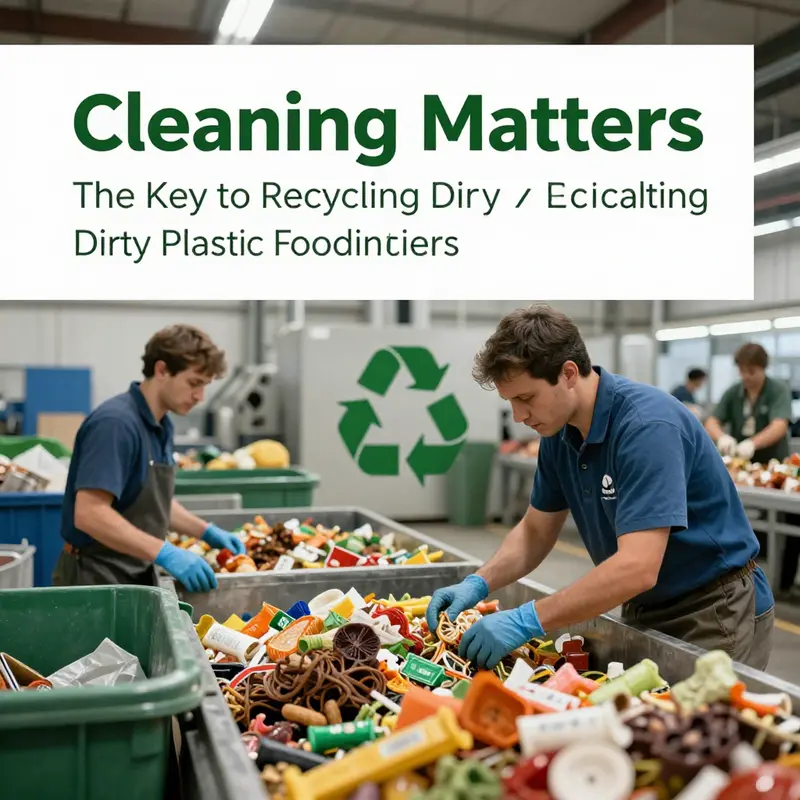
In the story of recycling, plastic containers often arrive at the sorting facility as innocent-seeming vessels—empty, perhaps, but not always clean. The unwelcome truth is that dirty plastic food containers can ripple through the recycling system in ways that far exceed a single batch being diverted to the landfill. The surface residue left behind by yesterday’s lunch or tonight’s takeout may seem trivial, yet it acts as a seed for wider problems that compromise material streams, degrade product quality, and inflate the costs of processing. The concern is not merely about individual items. It is about contamination as a phenomenon that travels through the machinery, through the sorting logic of high-tech equipment, and into the very markets that rely on clean, predictable inputs to create usable new plastics. In short, the cleanliness of containers is a frontline issue for the integrity of the entire recycling chain, and understanding why helps consumers participate in a system that is already stretched thin by complexity and scale.
To appreciate how contamination spreads, it helps to imagine the recycling facility as a bustling ecosystem where multiple streams—plastics, paper, metals, and organics—meet on a network of conveyors, screens, optical sorters, and baling lines. When plastic containers still bear food residue, grease, or liquids, those organic traces do not stay neatly confined within the plastic itself. They mingle with other materials, generating cross-contamination that is particularly problematic for paper and cardboard. A single greasy or sticky surface on a pizza box, for example, can transfer moisture and oils onto adjacent cardboard products, undermining their ability to dry, absorb, or be re-pulped. The consequences are not merely aesthetic; they are procedural and economic. As one leading researcher notes, a small amount of contamination can escalate into costly waste management challenges across an entire batch of recyclables. The metaphor is precise: contamination behaves like a contagion within the recycling stream, and the consequences scale with the volume of contaminated input.
Grease, in particular, is a stubborn adversary for sorting facilities. It has a slippery, adhesive quality that makes it cling to surfaces, transfer between materials, and interfere with the precision that modern recycling relies on. Sorting systems, especially optical sorters and sensors that identify resin codes by spectrometry or infrared signatures, can be misled by a film of oil that coats the surface of plastics. When a label or container is partially coated with residue, the machine’s ability to correctly classify the polymer type declines. Misclassification can cascade into rejected batches, generating scrap and reprocessing costs. It is not just about misidentification; it is about the risk of mechanical clogging and sludge buildup on belts, screens, and brushes. Those blocks, in turn, trigger downtime for maintenance, reduce throughput, and demand additional labor to clear the lines. The operational costs mount quickly when a stream of partially contaminated containers slows the entire facility, creating a ripple effect that extends to downstream buyers who rely on consistent supply and predictable quality.
The human element is inseparable from these technical challenges. Operators at material recovery facilities (MRFs) watch for patterns of contamination, identify sources of greases and liquids, and determine how to allocate resources to minimize disruption. But the problem is not simply a matter of technique or speed; it is about the fundamental limits of what the system can tolerate. When the feedstock has a high level of food residue, the odor can become overpowering, and pests may be attracted to stored materials at the facility. Fermentation can occur in held containers or in imperfectly dried plastics, leading to foul smells that complicate operations and pose health and safety risks for workers. The contamination does not vanish once the cycle ends. It can linger on sorting equipment and in the storage areas, contributing to a cycle of maintenance needs and potential recontamination that wears down the efficiency of the plant over time.
Beyond the immediate consequences at the facility, contamination also affects the quality and market value of recycled plastic. Reprocessors routinely test melt flow and other material properties to determine reusability and end-use applications. Contaminated plastics often fail these tests, producing resin with inconsistent viscosity, color instability, or poor mechanical properties. A common example is PET plastics that have carried milk or smoothie residue; the presence of residual organic matter and fats can degrade the clarity, strength, or barrier properties of the recycled resin. When the resin fails to meet the standards required for high-grade manufacturing—such as new beverage bottles or food-contact applications—the material becomes limited to lower-value uses, if it can be used at all. The economic penalty is not small. It narrows market opportunities, reduces revenue from recycled materials, and can force producers to downgrade or scrap a batch rather than invest in difficult-to-sell outputs.
The EPA’s recent data underscores the trouble. Contamination rates in curbside recycling programs tend to hover in the range of 10% to 25%, depending on local systems, education, and infrastructure. When contamination climbs above 10–15%, the economics of recycling programs become precarious. The costs of sorting errors, rejected batches, and landfill diversions accumulate, threatening the long-term viability of programs that communities rely on for environmental and economic reasons. These figures illuminate a policy and practice gap that sits at the intersection of household habits and municipal waste management: if each household contributes a mix of clean and contaminated items, the system may still function, but it becomes markedly less efficient and less sustainable as contamination climbs.
What does this mean for the household that wants to do the right thing? The core takeaway is straightforward and practical: containers should be empty, dry, and free of excessive residue. You do not need to sterilize or scour with harsh chemicals; a quick rinse with water and a quick air-dry typically suffices to remove the bulk of food traces and oil. The goal is not pristine perfection but a level of cleanliness that prevents the introduction of organic matter into the recycling stream. When a container is emptied and rinsed, the remaining residue is minimal and unlikely to affect sorting or processing downstream. The act of rinsing matters because it reduces the chance that grease or food particulates will smear onto neighboring items or cling to surfaces within the sorting system. A well-rinsed container is less likely to carry odors that attract pests to the storage areas at facilities, improving working conditions and reducing nuisance factors that can delay operations.
This approach—empty, rinse, and dry—also aligns with the broader environmental logic that prioritizes avoidance of waste in the first place. If households were able to reduce food waste and prevent containers from becoming heavily soiled in the first place, the contamination footprint would shrink substantially. The value of this practice extends beyond the immediate recycling bin: it stabilizes the recycling stream, preserves the integrity of paper and cardboard, and supports the production of higher-quality recycled plastics that can be used for a broader set of applications. The synergy across materials matters because moisture and oils do not respect material boundaries in the way clean, dry items do. When moisture and grease spill over from one stream to another, they erase the sortability and reuse potential of multiple material families, not just plastics. This is why experts emphasize community-wide adherence to basic cleaning practices as a crucial and actionable component of effective recycling.
In conversation with researchers who study the mechanics of contamination, one recurring theme stands out: contamination is not a moral failing of households; it is a systemic challenge that requires consistent, accessible guidance and clear expectations from the facilities serving communities. Dr. Linda Park, a senior researcher at the National Recycling Coalition, emphasizes the cascading effects of a single contaminated item: “A single greasy pizza box can spoil a ton of clean cardboard.” Her point is not to shame individuals but to illustrate how fragile the separation boundaries can be in practice. On the other hand, advocates for better design and packaging emphasize the importance of consumer education and simple, consistent guidelines that fit real-life use. Sarah Green of the Sustainable Packaging Coalition notes that “contamination from food waste is one of the top reasons recyclables get rejected. A quick rinse can make all the difference.” These perspectives converge on a simple truth: the gap between what households throw away and what facilities can process cleanly is bridged by small, consistent acts of preparation.
The divergence in local practices also explains why some facilities may be more forgiving than others. A few MRFs may accept lightly soiled containers, but many do not, and the rules can vary by region, technology, and capacity. This variability places a premium on clear, widely disseminated guidance for consumers, as well as robust, transparent guidance from municipalities and waste services. When guidelines are inconsistent, households may become uncertain about what to rinse, how dry a container should be, or what counts as “excessive residue.” The result can be either over-cleaning, which wastes water and time, or under-cleaning, which invites rejection downstream. Public information campaigns, easily accessible recycling guidelines, and simple demonstrations can help harmonize expectations without creating a heavy cognitive load for residents. The most effective messaging tends to emphasize the essentials: empty the contents, rinse away the visible food residue, and allow containers to dry before placing them in curbside bins.
From a systems perspective, the balance between diligence and practicality is delicate. If contamination rates remain stubbornly high, municipal services may need to adjust programs, which can include investing in more advanced sorting technologies, increasing education efforts, or revising accepted material specifications. Each option carries trade-offs. advanced sorting systems can improve accuracy but require capital investment and ongoing maintenance; more extensive education can reduce contamination but demands sustained outreach; adjusting material specifications can align processing with what is realistically achievable, but it can also reduce the scope of what is recycled in a given community. The EPA guidance on reducing contamination emphasizes that a combination of public education, improved facility practices, and consistent policies yields the best outcomes over time. It is not a one-shot fix but a coordinated, evolving approach that recognizes the complexity of real-world recycling markets and the variability of consumer behavior.
For individuals seeking to contribute meaningfully, the practical advice remains consistent: prioritize emptying, rinsing, and drying, and be mindful of the words you choose when discussing contamination with others. Small changes in household habits accumulate into meaningful improvements when multiplied across communities. The aim is not to achieve flawless cleanliness every time, but to minimize residues to a level that prevents the spread of organic matter through the stream. In doing so, households help preserve the integrity of recyclable paper and cardboard streams, protect the performance of sorting machinery, and support the consistent supply of high-quality plastics to manufacturers seeking recycled input. It is a shared responsibility with tangible, measurable benefits that extend beyond the recycling bin.
As this chapter threads together the physical realities of material streams with the social dynamics of daily life, it becomes clear that the problem of dirty plastic containers is not a peripheral concern; it sits at the heart of how well a modern society can reuse its resources. Contamination is a barrier to sustainable practice, but it is a barrier that can be lowered through accessible, consistent guidance and a few straightforward actions in the kitchen and at the curb. The science is clear, the economics are clear, and the human behavior component is clear too: real, lasting change comes from everyday decision points that, when multiplied across millions of households, shift the trajectory of waste, resource use, and the circular economy.
External resource: For official, up-to-date guidance from a national regulator on reducing contamination in recycling, see the EPA’s resource on reducing contamination in recycling: https://www.epa.gov/sustainable-management-waste/reducing-contamination-recycling
Purity in the Queue: Practical Wisdom for Recycling Dirty Plastic Food Containers
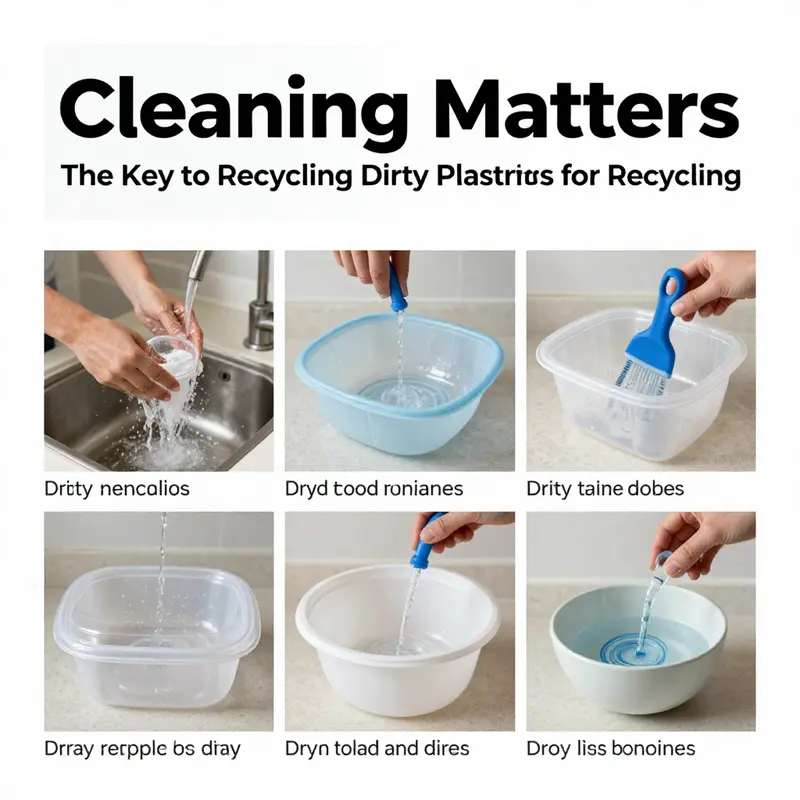
The moment you imagine the recycling process, the image of a tidy stream of clean, drum-cleaned bottles and jars often comes to mind. In reality, the path from your kitchen to a processed bale in a distant facility hinges on a single, unglamorous factor: cleanliness. Dirty plastic food containers do not automatically become waste. They can be recycled, but only if their residues are managed at the outset. This truth sits at the heart of modern recycling programs, where the difference between a smooth, efficient operation and a stubborn blockage is often a quick rinse and a practical mindset about what counts as “clean.” Contamination from organic matter can derail the process in meaningful ways. It can spread to other recyclables like paper and cardboard and turns entire batches into waste because the processing line cannot separate the bad from the good without costly intervention. The good news is simple: you do not need to become a chemical-cleaning wizard to participate responsibly. A practical rinse that removes visible dirt and grease is typically enough to keep a container within the recycling stream. The overarching objective is to minimize contamination, not to erase every trace of yesterday’s soup. A good rule of thumb is to treat the container as salvageable until proven otherwise, but be decisive about what you put in the bin. If it looks clean enough to handle without dripping or oozing, it is on the right track.
The most common and effective approach is the rinse, not a wash. The rinse is about removing the bulk of food remnants and the sites where grease clings to the interior. It does not require soap, detergents, or a scrub with a sponge. In fact, soap can introduce residues that complicate the sorting process or affect the quality of the plastic during reprocessing. A brisk, under-running-water rinse that flushes out the majority of the food material usually does the job. This is one of the core pieces of guidance echoed by municipal programs and national guidelines alike. The aim is to reduce the chance that leftovers attract pests or leave behind oils that smear onto other recyclables. When you do a quick rinse, the container becomes noticeably cleaner, and that clarity matters. It helps the facility’s equipment operate more efficiently and reduces the likelihood of contamination spreading to neighboring materials such as cardboard or paper.
A second, equally important step is to ensure the container is free of visible food residue, especially oily or sticky traces. A simple wipe with a paper towel after a brief rinse is often enough to lift these residues away. The goal here is not perfection but a level of cleanliness that prevents clumping of grease and food matter along the sorting line. This step matters because even a small amount of oily residue can complicate downstream processes. In some facilities, excessive grease can cause smearing on conveyor belts, leading to maintenance downtime and increased costs. The practical takeaway is that you should cull a stubborn bead of residue with a quick, decisive wipe or a short rinse. If the residue proves stubborn, it may be an indication that the container is not suitable for recycling in that particular batch of plastics. In such cases, following local guidelines about disposal remains the responsible choice.
Beyond the interior cleanliness, attention to the container’s labeling and materials is essential. A lot of confusion comes from the various plastics used in food packaging. Most programs will accept plastics coded with numbers 1, 2, 5, and sometimes 4. These are commonly designated as PET (polyethylene terephthalate), HDPE (high-density polyethylene), PP (polypropylene), and sometimes LDPE (low-density polyethylene). These codes are found at the bottom of containers inside a recycling triangle. Code #1 is PET, #2 is HDPE, #5 is PP, and sometimes #4 is LDPE. These are the plastics most frequently accepted by curbside programs, in part because their resins can be successfully reprocessed into new products. Conversely, codes #3 (PVC), #6 (PS), and #7 (other) are less routinely accepted, reflecting a blend of chemical properties and processing complexities. If you’re unsure, a quick check of the resin code can prevent a potentially recyclable item from becoming a source of contamination. This simple symbol acts like a passport in the sorting facility, guiding what can be re-entered into the recycling stream and what should instead be diverted from it.
There is also a practical matter about the lids and labels. If the lid is made of a different type of plastic than the container, it often makes sense to separate it. Not every program requires lid removal, but some do or recommend it because mismatched plastics in a bale can complicate processing and reduce the overall quality of the recycled material. If the program accepts the lid, great; if not, it’s safer to dispose of it as directed or to recycle it separately if that’s permitted. Labels, stickers, tape, and other external adornments can also become sources of contamination. Small bits of adhesive or paper can cling to the polymer surface and create weak points in the recycled material, or introduce non-recyclable contaminants into the stream. The best practice is to remove labels or at least ensure they are fully detached and will not break away during processing. A clean container with a transparent surface makes the sorting easier for automated systems and human sorters alike, reducing the likelihood of misclassification and cross-contamination.
The guidelines on cleanliness and recyclability are not arbitrary. They reflect a combination of scientific understanding and operational experience from sorting facilities. The sorting machines and human workers rely on visual cues and mechanical separation to decide what gets remanufactured and what does not. A heavily soiled container, one that is soaked in greasy liquid or has large amounts of food lodged inside, often falls outside the acceptable range. Such containers can contaminate an entire bale, leading to waste that would otherwise have been recycled. In these cases, the responsible choice is to dispose of the container in the trash. This may feel counterintuitive, especially when the overall household waste stream feels like a constant balancing act between landfill avoidance and resource recovery. However, the goal of recycling programs is to maximize the quality and purity of materials that re-enter the manufacturing cycle. Contaminated plastic can cause unacceptable levels of damage to equipment, reduce the efficiency of recycling lines, and ultimately undermine the integrity of the recycling system. Being pragmatic about heavily soiled containers helps the system function more reliably for everyone.
While the central message is clear, it’s also important to recognize that recycling guidelines can vary by location. Local programs may have different thresholds for what constitutes an acceptable level of cleanliness or which plastic codes they direct to the curb. Some programs accept containers with minor residuals, trusting that the facilities can handle small amounts of contamination through their washing and processing steps. Others may be stricter, especially in regions where multiple materials are processed together in single-stream recycling. In these locations, avoiding contamination becomes even more critical because it reduces the risk of cross-material contamination that would otherwise degrade the quality of the recycled output. The practical takeaway is straightforward: know your local rules. When in doubt, a quick check with the municipal guidelines or the recycling hotline can save confusion and prevent a recyclable item from being rejected downstream.
From a broader perspective, the emphasis on cleaning plastic containers reflects a shift in waste management toward shared responsibility. Household recycling is not only about dropping items into a bin; it’s about the daily choices that shape the efficiency of processing facilities. A simple rinse removes the bulk of the problem at the source and supports the recycling stream downstream. It reduces the need for additional processing steps, cuts down on maintenance costs, and helps ensure that more plastic can be turned back into usable products rather than ending up in a landfill. This isn’t about perfection; it’s about practicality and consistency. The tiny daily habit of a quick rinse, a quick wipe, and a swift check of the resin code collectively produces a meaningful impact on the system’s performance and environmental outcomes.
In a sense, the recycling journey begins in the kitchen sink. The act of choosing to rinse, scrape, and separate is more than a routine; it is a commitment to a circular economy that values materials enough to treat them with care. When a container is properly prepared, it moves more smoothly through the sorting lines, allowing the facility to separate plastics effectively from other recyclables and from non-recyclables. When a container is not properly prepared, it risks slowing down a conveyor belt, necessitating manual handling, or requiring disposal of an entire batch due to contamination. The proportional impact of a single household’s rinsing decision may seem small, but it aggregates across millions of households and billions of containers, creating a measurable improvement in recycling outcomes.
To summarize, the practical steps are simple and reliable: empty the container, give it a quick rinse to remove large food particles and grease, remove any lingering residue with a brief wipe if needed, and let the container dry before placing it in the curbside bin. Do not rely on soap or extensive scrubbing; these practices are unnecessary and can complicate the process. Check the resin code to ensure it falls within commonly accepted categories, typically codes #1, #2, #5, and sometimes #4. Separate lids if they are different plastics, and remove labels when possible to avoid introducing non-recyclable material into the stream. If a container is heavily soiled, it should be discarded in the trash rather than recycled. These steps, while simple, are the backbone of effective residential recycling in many communities and a practical pathway to keeping more plastic materials in use rather than in landfills.
The broader aim is to align the everyday act of rinsing with the engineering realities of recycling facilities. When households commit to keeping containers relatively clean, sorting operations can run more efficiently, and the overall quality of recycled plastics improves. This improves the chances that recycled plastics will be used in new products rather than becoming waste. The public health and environmental benefits of these actions are real, even if they are not immediately obvious to every household. By taking responsibility for what goes into the recycling bin, individuals help support a system that must deal with millions of such items on a daily basis. The responsibility is shared among residents, municipalities, and the facilities that process the materials. Each clean container is one unit in a larger chain that turns waste into resources and reduces the demand for virgin plastic production.
For readers seeking further information on the official guidelines that underpin these practices, the Environmental Protection Agency provides comprehensive resources on how to prepare common household items for recycling. The EPA’s guidelines emphasize practical preparation—rinsing, removing bold contamination, and respecting the plastic’s resin code—while highlighting variations across programs. These guidelines underscore that the core idea remains consistent: minimize contamination at the source to support an efficient and high-quality recycling process. In addition, industry organizations and trade groups offer practical insights into how materials can be treated, sorted, and reprocessed in real-world facilities. Together, these sources provide a robust framework for individuals seeking to participate responsibly in the recycling system, even when faced with the challenges of imperfect everyday waste.
In closing, the act of preparing dirty plastic food containers for recycling is less about achieving a flawless result and more about achieving a reliable result. The difference between a container that is recycled and one that ends up in a landfill depends on a few small, repeatable actions. A quick rinse, removal of visible residue, proper handling of lids and labels, and awareness of resin codes create a ripple effect across the recycling stream. It is a pragmatic, approachable practice that aligns personal habits with the technical realities of recycling facilities. The path from kitchen to re-entry into production is clearer when every household recognizes that cleanliness is not a burden but a shared responsibility—one that makes the circular economy work better for everyone. For those who want a concise reference: rinse, remove residue, check resin codes, separate lids, avoid recycling heavily soiled containers, and follow local guidelines. This approach keeps more plastic in use and reduces the volume of waste directed to landfills, contributing to cleaner air, healthier communities, and a more sustainable supply of materials for manufacturers.
External resource for further guidance: https://www.nwra.com/
Final thoughts
As food businesses, ensuring that plastic containers are recycled correctly is not just good practice—it’s a responsibility. By cleaning your containers before recycling, you contribute to a sustainable future and help prevent waste from contaminating other recyclable materials. Implementing these cleaning guidelines not only enhances your operational efficiency but also bolsters your reputation as an environmentally-conscious provider. Adopting these practices fosters a culture of sustainability in the food industry, setting a precedent for others to follow. Let’s work together towards a greener planet one clean container at a time!