
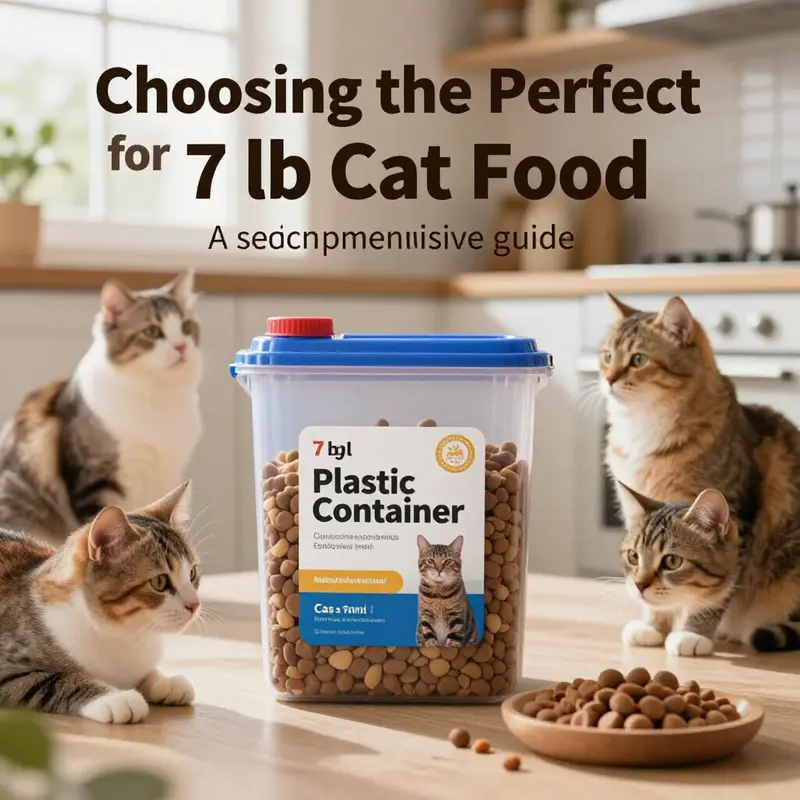
Selecting an appropriate plastic container for storing 7 lb cat food is crucial for ensuring the freshness and longevity of pet food. As businesses catering to furry friends, understanding the nuances of container size, material, and sealing mechanisms can significantly benefit your operations. This guide will elaborate on the optimal size required for a 7 lb cat food container, delve into the importance of material selection, and explore effective sealing mechanisms that protect the contents. Through these chapters, you’ll gain valuable insights that can enhance your service offering related to pet food storage.
Sizing It Right: The Ideal Plastic Container for 7 Pounds of Cat Food

Choosing the right plastic container for 7 pounds of dry cat food is less about chasing a single magic number and more about balancing capacity, seal quality, and everyday practicality. The goal is to keep the kibble as fresh as possible from the moment you pour it in until the last scoop, while making feeding days smoother rather than more complicated. In practical terms, that means selecting a container that can hold roughly six to seven liters of kibble and still offer an airtight seal, a design that supports easy access with a scoop, and dimensions that fit your pantry or kitchen shelf without turning your space into a puzzle. The density of dry cat food varies by brand and formulation, but the common rule of thumb is that a six-to-seven-liter container can accommodate a typical seven-pound bag with some headroom for air and for a scooping margin. This approach helps prevent the food from settling or compressing in a way that makes scooping awkward, while also buffering against minor changes in humidity that could otherwise introduce a little moisture to the mix.
When we translate that recommendation into a concrete sense of size, a practical target emerges. A container with dimensions close to 10.6 inches in length, 5.5 inches in width, and 9 inches in height translates well to most pantry shelves. In metric terms, about 27 centimeters by 14 centimeters by 23 centimeters aligns with the same idea. These dimensions strike a balance between being tall enough to preserve a reasonable air gap at the top and wide enough to provide a comfortable mouth for getting to the kibble with a scoop. The corresponding volume—roughly seven liters—gives you enough space to store a full seven-pound bag plus a modest buffer. This buffer isn’t vanity; it’s practical insurance against minor air seepage and the natural settling that occurs as kibble sits over time.
A key feature that often determines how well a container serves daily life is the seal. An airtight closure—typically achieved through a gasketed lid and a locking mechanism—maintains freshness by limiting exposure to air, moisture, and pests. Freshness is not a flashy term here; it translates into fewer changes in aroma, a slower rate of breakage or crumbling of kibble when it’s stored for weeks, and less risk of softening or stale notes that can occur when kibble is left in a suboptimal environment. A BPA-free material is also an important consideration for many households. It isn’t just about avoiding toxins; it’s about peace of mind that the plastic won’t impart any off-flavors or unnecessary odors to the kibble, which can affect a pet’s willingness to eat.
Another practical detail is the mouth opening. A large mouth or wide access port makes daily life easier. It supports the use of a standard scooping implement without wrestling with the container, and it reduces the likelihood that kibble will spill when you reach in for a scoop. A broad opening also aligns with the idea of quick top-offs—when you’re replenishing from a bulk bag, you don’t want to spend extra time fiddling with a small aperture. In everyday terms, a container with a generous opening minimizes waste and makes feeding sessions cleaner and more efficient. Some designs even feature an optional nozzled spout or a large-diameter outlet that facilitates controlled pouring or scooping, which can shave minutes off a busy morning routine.
Beyond the mouth, the lid and its mechanism matter, too. A secure, easy-to-use lid with a reliable latch helps prevent accidental openings caused by curious paws or hurried handling. The best designs combine a robust seal with a simple operating action—one that you can engage with a single hand if needed. The goal is to keep the container upright and sealed most of the time, while still allowing you to open it smoothly when you need to access kibble for your cat’s next meal. A lid that’s easy to wipe clean between refills and resistant to staining also contributes to long-term hygiene, which is especially important if you’re storing kibble in a pantry that doubles as a prepping station for other foods.
Storage efficiency is another layer to consider. The container should fit neatly on a shelf, not crowding adjacent items. Stackability can be a real asset if you’re managing a small kitchen or a busy pantry. A low-profile, rectangular form factor tends to maximize shelf space and makes it easier to slide the container in and out as needed. But there’s a trade-off: very tall, narrow designs can be awkward to handle when full, while broader, flatter shapes may take more shelf depth but offer easier access and scooping. The best choice balances your space constraints with your daily habits: do you prefer to reach from the front, or is your pantry laid out so that you pull items from a side, where height becomes more important than width?
Practicality also means thinking about how you’ll use the container over time. If you typically buy kibble in bulk, a larger container with seven liters of capacity gives you a single storage solution that minimizes air exposure and reduces the risk of spills. If you’re feeding a small or variable volume, you might opt for a slightly smaller unit or even consider keeping two containers—one for current meals and one for backup. The key, again, is to maintain a near-sealed environment for the kibble while ensuring you can access it quickly and cleanly. A design that accommodates a built-in scoop becomes a natural extension of daily routines, encouraging consistent portioning and reducing waste. The scoop itself, when integrated, reduces the opportunity for soggy, crumbled kibble that can occur when tools are left in or near moist air.
All of these considerations—volume, dimensions, sealing, mouth size, and handling—coalesce into a simple, actionable guideline: aim for a large-capacity, airtight, BPA-free plastic container that measures around six to seven liters in total volume, with dimensions near ten and a half inches by five and a half inches by nine inches, allowing for a comfortable, waste-reducing scooping experience. This setup supports both freshness and practicality, helping owners manage seven pounds of kibble with confidence rather than compromise. It’s not about chasing a single perfect product but about aligning a few core attributes with your kitchen geometry and daily routine so that your cat’s meals stay crisp, clean, and ready on demand.
Of course, packaging and density variations across brands can shift the exact numbers a little. One brand’s kibble may fill more loosely, another’s more compactly, and temperature and humidity can nudge the inside environment over time. The takeaway remains consistent: a six-to-seven-liter container with a secure airtight lid, made from a BPA-free material, and designed with a wide mouth for easy access, provides a practical and reliable home for a seven-pound bag of dry cat food. When you factor in shelf space, ease of cleaning, and the occasional need to replenish, this combination supports a simple, clean feeding routine for both pets and owners alike. In practice, this means you won’t be rummaging through a crowded pantry every time you scoop a portion, and you’ll feel more in control of freshness, moisture, and pest deterrence—three cornerstones of responsible kibble storage.
If you’re choosing between competing options in a sea of storage solutions, let these criteria guide your decision. Prioritize capacity that leaves a small air buffer rather than filling the container to the brim, ensure the lid’s seal is robust but easy to operate, verify that the material is BPA-free, and choose a design that accommodates a scooping tool without forcing you to wrestle with the container. Consider how the container will fit within your kitchen’s layout, and whether you’ll need one container or a pair to manage ongoing stock and rotation. By keeping the focus on these practical attributes, you’ll have a storage solution that doesn’t merely hold seven pounds of kibble—it preserves its freshness, streamlines your routine, and reduces waste over time. In the end, the best container is the one that hums along with your life: it blends into your space, supports your habits, and makes feeding your cat predictable, efficient, and satisfying.
External resource: https://www.oxo.com/products/good-grips-pet-pop-container-6-qt-5-7-l-with-half-scoop.html
Guarding Freshness: Material Considerations for a 7-Pound Cat Food Plastic Container

Choosing the right plastic container for a 7-pound bag of dry cat food goes beyond size and shape. It is a material decision that affects safety, shelf life, and convenience in daily use. When a bag of kibble sits in storage, every factor from the polymer’s chemistry to the way a lid seals can influence how long those crunchy pieces stay nutritious and appealing. The common goal is straightforward: create a sealed environment that blocks air, light, and moisture while staying durable through repeated handling and occasional temperature swings. In a practical sense, this means selecting a container built from food-grade plastics, capable of resisting impact and moisture, and designed to minimize the exchange of outside conditions with the food inside. For a container sized to hold roughly seven pounds of kibble, which typically translates to a capacity around seven liters, these material choices matter as much as the exterior dimensions. A well-chosen material supports a longer shelf life, preserves aroma and taste, and reduces waste that would otherwise occur when kibble goes stale or loses its texture. It also helps keep pests at bay by providing a hermetic seal and an opaque exterior that prevents light from degrading sensitive nutrients.
Two polymers have emerged as the most reliable options for this task: high-density polyethylene (HDPE) and polypropylene (PP). Both have earned widespread trust in food storage applications because they combine robustness with safety. They are robust enough to endure the bumps and daily handling of a pantry or kitchen cabinet, yet light enough to carry easily when the container remains full. They are also widely understood to be free from BPA and other harmful leachates, provided the product is manufactured to true food-grade standards. The choice between HDPE and PP is often a trade-off between barrier properties, heat tolerance, weight, and how the container will be used in different environments. HDPE is prized for durability and moisture resistance. PP brings excellent heat resistance and structural integrity even when temperatures fluctuate. Both can serve a seven-liter capacity well, and each can be molded into designs that are airtight, opaque, and user-friendly. That combination—material, seal, and design—defines how effectively a 7-pound bag of kibble remains fresh through days, weeks, and even months of storage in a busy household.
HDPE, or high-density polyethylene, stands out for its ruggedness. In the context of a seven-pound container, HDPE’s impact resistance helps prevent dents and cracks that could compromise the seal over time. Its moisture resistance is a critical property for dry food storage; kibble, by its nature, needs protection from humidity that can lead to clumping and accelerated staling. A container built from HDPE tends to maintain its shape even after repeated opening and closing, which matters because a distorted lid or warped rim can degrade the seal and invite air leakage. Importantly, HDPE is BPA-free, aligning with contemporary expectations for food-contact plastics. The absence of BPA reduces the risk of any leaching under normal storage conditions, even when the container is left in warm spots or subject to everyday temperature variation. From an environmental perspective, HDPE is highly recyclable, identified by the widely recognized recycling code #2. This makes it a practical choice for households seeking to recycle the container when it eventually reaches the end of its life, assuming local programs accept HDPE items.
Polypropylene, or PP, is the other principal candidate for a seven-liter storage solution. PP’s heat resistance contributes to a sense of security in homes where warm rooms or sunny kitchen shelves are part of daily life. Its structural integrity remains strong under a range of temperatures, which is useful in households that switch containers between pantry, garage, or even travel scenarios. PP is also known for its lightness and resilience; it is typically shatter-resistant and comfortable to handle even when the container is full. Like HDPE, PP used for food-contact purposes is generally BPA-free and free from phthalates, which corresponds with current safety expectations for pet food storage. The combination of light weight and sturdy walls makes PP an attractive choice for a 7L container intended for long-term kibble storage, particularly when a user wants a lighter unit that’s still capable of resisting deformations that could threaten the seal.
Any discussion of material choices should also acknowledge materials to avoid. Polystyrene (PS) is often deployed in disposable or insulated foam products, but its barrier properties for dry food are less reliable over time. It can be more permeable to moisture and, in some contexts, may expose food to leaching under stress. For a container designed to preserve kibble’s texture and aroma, PS is an option to approach with caution rather than as a first choice. PVC, while traditionally noted for chemical resistance, carries concerns about potential additives that could migrate into food under stress or heat. In the consumer space, the risk of introducing unwanted compounds into cat food makes PVC an uncertain pick for a long-term storage solution. For both HDPE and PP, the key is ensuring that any material used in a given container is explicitly marketed as food-grade and BPA-free. These assurances translate into practical benefits: a sealed, inert interior that minimizes oxidation, a low risk of chemical migration, and compatibility with standard cleaning regimens.
Beyond the chemical composition, the functional design of the container matters almost as much as the polymer itself. An airtight seal is non-negotiable if the goal is to protect kibble from air exposure, which can lead to fat oxidation and aroma loss. A trap for many products is a lid that looks secure but relies on a marginal gasket or no gasket at all. In a well-designed seven-liter container, a gasketed lid sits in a groove that prevents gaps around the rim. The gasket material should be compatible with repeated opening and closing; it should not deform quickly or become brittle with time. An opaque exterior is also beneficial, because light exposure can subtly degrade some nutrients and can contribute to the dispersion of heat inside the container when it is placed in sunlit areas. An opaque shell, paired with a robust seal, ensures that the kibble’s quality remains stable longer, even as the container sits on a shelf within reach of curious pets or young children.
The opening size of the container—often described as a “large mouth” or a wide neck—can influence user experience without compromising safety. A larger opening facilitates scooping and reduces waste during feeding. It also reduces the stress on the lid and seal, because the lid is opened less frequently than a small, conventional flip-top mechanism. Yet the opening must be balanced with the container’s overall sealing strategy. A large mouth is less about its sheer size and more about how the lid’s connection to the body of the container contributes to an airtight system. In a well-considered design, the opening works in harmony with a secure lid, a well-fitting gasket, and walls that resist deformation under regular handling. Customers often judge a container’s practicality by how smoothly the lid fits, how easily the seal can be checked, and whether the interior surface remains easy to clean after scooping.
In the broader context of material science and pet product design, the aim is to harmonize safety, durability, and convenience. The best options for a seven-liter kit strike a balance: HDPE or PP for the body, a reliable BPA-free formulation, and a lid that provides an airtight closure with a dependable gasket. Such a combination supports a consistent storage environment regardless of an household’s varying temperatures or humidity levels. It also plays into the practical daily rhythms—how easily a caregiver can remove kibble, wipe down the interior, and return the bag to its place on the shelf—without compromising freshness. These material and design choices are not abstract; they translate into meaningful outcomes for a cat’s diet. Fresh kibble with preserved crunch supports easier chewing and digestion, and a consistently fresh aroma helps cats stay engaged with their meals. While the science behind polymer chemistry remains complex, the practical implications are clear: the right container keeps kibble drier, tastier, and safer for longer while simplifying life for guardians who manage multiple chores and routines.
Regulatory and safety considerations underlie these material choices. Public health authorities provide guidelines for materials that come into contact with food, outlining expectations for food-grade plastics and the absence of harmful substances that could migrate into food under normal use. While the specifics of regulatory standards can vary by region, the overarching principle remains stable: containers used to store dry cat food should be made from materials that are approved for food contact, free from BPA, and designed to prevent chemical transfer. This framework guides both manufacturers and consumers toward products that maintain the nutritional integrity of kibble and protect pets from exposure to potentially concerning substances. For readers who want to explore the formal standards that govern food-contact plastics, established regulatory resources outline the scope and criteria that manufacturers follow to ensure safety and compliance. The practical takeaway for a shopper is simple: look for a container labeled as food-grade, BPA-free, and designed for long-term storage of dry pet food using durable HDPE or PP.
The conversation about materials also intertwines with the design implications for a container that truly suits a seven-pound bag. Consider a unit whose interior shape and wall thickness resist warping after repeated handling. The thicker walls contribute to a sturdier silhouette, while well-engineered corners prevent stress points that can crack over time. A good interior surface is smooth and easy to wipe, which matters when cleaning after an accidental spill or a routine wipe-down. If the lid uses a gasket, ensure it is replaceable, so wear does not force a premature discard of the container. From a user’s perspective, the differences among HDPE and PP are often felt most in the balance of weight and stiffness. A light yet tough container reduces fatigue when transporting kibble from pantry to feeding area, while still resisting deformation during storage. In households with variable climates—where a sunlit kitchen or a garage can heat up during the day—the material’s resilience to temperature shifts becomes a practical advantage. In short, the ideal container for seven pounds of kibble is a robust, food-grade plastic piece that blends inert chemistry with ergonomic design, packaged in a way that preserves freshness without becoming a burden in daily life.
The synergy between material science and practical storage goals is what makes the seven-liter target so compelling. The size recommendation, around 10.6 inches by 5.5 inches by 9 inches, is not arbitrary. It reflects a form factor that accommodates a typical seven-pound bag but also respects the internal geometry needed to maintain a tight seal and a clean interior. When material choice aligns with precise dimensions and a well-sealed lid, the user experiences a container that feels reliable. The kibble remains crunchier, the aroma stays inviting, and the risk of pests or moisture intrusion drops significantly. The net effect is a storage solution that respects both the pet’s dietary needs and the caregiver’s daily routines. The ultimate goal is to support consistent feeding habits by providing an uncomplicated, trustworthy home for a seven-pound bag of dry cat food. The material, the seal, and the size work in concert to reduce waste, extend shelf life, and keep a cat’s meals appealing across days and weeks of storage.
For readers who want to deepen their understanding of the regulatory landscape behind these materials, there is a helpful reference point that outlines the general safety framework for food-contact plastics. It is useful to review official guidance to appreciate how a consumer product that stores pet food aligns with national food safety standards. This context reinforces the practical guidance for choosing a container that not only fits a seven-pound bag but also adheres to safety principles that protect both pets and guardians over time.
External resource: FDA guidance on food contact materials provides a comprehensive overview of the standards that govern plastics used in packaging and storage of consumables, including pet food. https://www.fda.gov/food/food-contact-materials
Locked In Freshness: Sealing and Sizing a 7-Pound Cat Food Container for Lasting Palatability
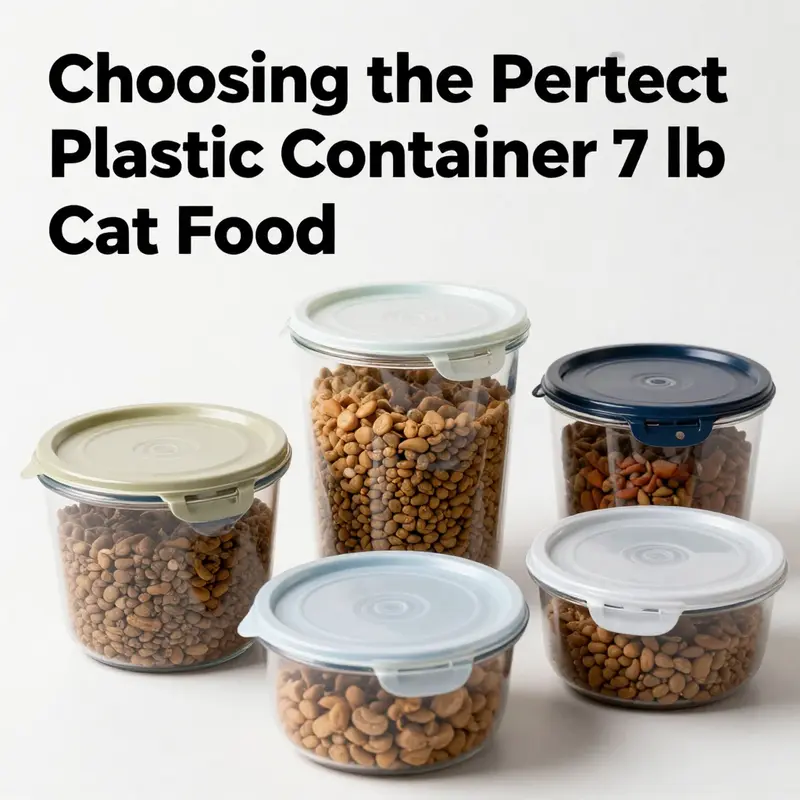
Choosing the right storage solution for a seven-pound bag of dry cat food goes beyond simply picking a container with a pretty lid. Freshness, aroma, and texture all hinge on something as seemingly small as how well air, moisture, and pests are kept at bay. The core idea is straightforward: the container must provide a reliable seal, a suitable size, and materials that won’t introduce unwanted flavors or toxins into the kibble. When you weigh the benefits of different storage options, the seal becomes the focal point. A robust airtight seal acts like an invisible shield, slowing down oxidation, preventing moisture intrusion, and making sure every scoop you offer your cat stays as inviting as the moment the bag was opened. The best containers embrace a multi-layered approach to sealing. Think of a barrier that combines a durable lid with a gasket or an insert that compresses firmly against the rim. The result is not merely a lid snapping shut; it is a measured, continuous barrier that resists the bid for infiltration by humidity and ambient air. In real-world terms, this means fewer changes in the kibble’s scent, fewer clumps in the bottom of the container, and less risk of stale or rancid notes sneaking into mealtime. It also means less waste. When a seal holds air out effectively, scooping becomes cleaner, more efficient, and less messy, because the surface remains dry and the bits don’t stick together as they might if moisture had crept in. The practical impact extends to nutrition as well. While seven pounds of dry food doesn’t spoil overnight, the cumulative effect of even small amounts of air exposure can gradually erode certain fats and vitamins, especially those sensitive to oxidation. A dependable seal slows this process, preserving palatability and nutritional value for as long as the contents remain in the container. Packaging science is not just about boxes and lids; it is about the everyday experiences of pet owners who want minimal fuss and maximum reliability. A well-sealed container reduces the frequency with which you need to repackage food into another vessel, which is beneficial for keeping the original bag’s seal intact and for maintaining an orderly storage routine. Think of it as creating a microenvironment that aligns with the daily rhythms of feeding: a predictable, easy, and sanitary process that makes it simple to portion out kibble without exposing the rest to air or humidity. The size of the container matters almost as much as the seal. For seven pounds of dry cat food, a capacity around seven liters is commonly described as practical, with dimensions roughly in the neighborhood of 10.6 inches by 5.5 inches by 9 inches. This sizing is not arbitrary. It accommodates a standard seven-pound bag with a comfortable margin, leaving room for a little air at the top that does not solicit moisture or pests through an awkwardly tight fit. A large-mouth opening often complements this profile, enabling easy scooping with a standard cat food scoop and reducing the temptation to crush bits or spill kibble while transferring from bag to container. In practice, the combination of ample internal space and a wide mouth translates into daily convenience. When you fill the container, you can smooth the kibble level—without compressing it—so the lid can close evenly and seal effectively. A well-balanced design is not trying to make the container too tall or unwieldy; rather, it aims for a shape that fits comfortably on a shelf or inside a kitchen cabinet while remaining stable when you move it. The sealing technology itself merits careful attention. A robust airtight system often features a gasket made of food-grade silicone that sits in a groove along the lid or the rim. As you twist or snap the lid into place, the gasket compresses against the surface, creating a continuous barrier where air would otherwise creep in. In some designs, an additional locking mechanism—such as a twist-lock feature or a rigid latch—adds extra tension to the closure, ensuring the lid remains sealed even if the container is nudged during transport or routine cleaning. This is not merely about keeping smells in; it is also about keeping pests out. Small gaps can invite pantry invaders, from pantry moths to beetles, especially in warm, humid environments. A tight seal closes that door with minimal effort and lends a sense of security to the user, who can be confident that the food will stay fresh longer with significantly reduced risk of infestation. The material choice is another critical piece of the puzzle. BPA-free plastics are the baseline expectation for any pet-food container; they minimize the risk that flavors or packaging residues leach into the kibble. The durability of the plastic matters too. A container that feels lightweight or flimsy is unlikely to provide a long-lasting seal, because the lid may warp slightly with temperature changes or repeated twisting. A sturdy build communicates reliability—this is a structure designed to endure daily command calls during feeding times, frequent refills, and the occasional brush against a cabinet door. Maintenance habits reinforce the sealing design. Regular inspection of the gasket for tears or deformations is small investment with big returns. A compromised gasket—whether due to aging, heat exposure, or improper cleaning—undermines the seal’s integrity. If you notice air pockets when you press on the lid, or if the seal no longer sits flush, it is time to replace the gasket or the entire lid assembly. Cleaning should be simple and thorough, avoiding harsh solvents that could degrade the silicone or the plastic. A mild dish soap and warm water wash, followed by a complete dry, typically preserves the gasket’s elasticity and the lid’s clamping power. Drying is important here because residual moisture can promote mould or odor, which can transfer to the kibble if the container is stored while damp. The daily routine benefits from a design that is forgiving and easy to manage. A wide-mouth opening helps not just with scooping; it also makes cleaning the interior easier. A container that can be scrubbed with a soft sponge without fear of scratching the plastic or compromising the seal is preferable because it keeps the container hygienic over time. Portability is an often overlooked but meaningful factor. If your storage area sits on a counter near the feeding station, a container with a comfortable grip or a detachable handle can reduce the effort needed to move it when refilling. Wheels or a rolling base, while not essential for all kitchens, can be valuable for owners who rotate containers in and out of a closet or pantry, or for households with a single caregiver who lifts consistently during the day. Even when a container is designed to be stationary, the practical reality remains that you will move it at least occasionally. A design that accommodates this movement without compromising the seal strengthens daily reliability. The ultimate decision often comes down to the fit between your space, your feeding habits, and your belief about freshness. If you prioritize a simple, no-fuss approach, you will likely favor a container with a straightforward locking mechanism and a wide-mouth design. If you juggle multiple bags or rotate flavors, you might lean toward a larger unit that can accommodate a bag still in its original packaging for short periods. Either way, the seven-pound scenario is a sweet spot because it represents a manageable quantity that can be stored securely without the need for a larger, more complex system. The story of storage is not just about one container. It is about how you sync your everyday routine with a design that protects what your cat consumes. The best solutions reduce complexity while increasing confidence: you fill once, seal firmly, and know that the contents will remain fresh enough for several weeks, not days. In the end, the right size, coupled with a dependable airtight seal and BPA-free materials, offers a quiet form of assurance. It enables you to focus on your cat’s needs instead of wrestling with bag reseals, clumping kibble, or pantry odors. The seven-pound target is not a limit but a starting point for designing a practical storage ecosystem around your pet’s food. For readers who want to explore concrete examples of airtight, large-mouth designs within the seven-liter range, a well-regarded option in the marketplace demonstrates the principles described here: a sealed, airtight design that can hold a substantial dry-food load, a durable BPA-free construction, and a lid that locks down securely to prevent air and moisture from seeping in. The combination of these elements—capacity, seal integrity, material safety, and user-friendly features—creates a dependable storage solution that supports freshness, ease of use, and the long-term quality of your cat’s daily meals. External reference can provide a real-world lens on how these features work in practice. For further reading on practical examples of airtight, large-mouth storage and the kinds of performance that endear these containers to households, you can consult external reviews available at https://www.amazon.com/dp/B08P9VZT6H?th=1. If you are evaluating storage options, keep the emphasis on the seal’s ability to block air and moisture, the safety of the materials, and the convenience of the lid-size relationship to your seven-pound goal. By anchoring your choice in these criteria, you keep the focus on freshness, nutrition, and ease of daily use. The quest for the perfect seven-pound container is less about chasing a brand and more about matching a design to your routine—one that promises integrity of the kibble from the moment it leaves the bag to the moment your cat’s bowl is emptied. In practical terms, you want a solution that can be opened without struggle, closed with confidence, and maintained with routine care that doesn’t demand unnecessary steps. The ideal option blends a generous capacity with a reliable seal, a safe material profile, and ergonomic features that make regular use a pleasure rather than a chore. It also respects the realities of kitchen space and the rhythms of feeding, providing a dependable foundation for keeping cat food fresh and palatable over time. As you consider these elements, you’ll likely find that the seven-liter target is not merely a metric but a practical guideline that helps you measure both your space and your routine, ensuring you can store seven pounds of kibble with minimal waste and maximal confidence in every meal. The seal remains the hero of the story, but the container’s size, shape, and material choices together determine whether freshness is preserved with effort or preserved with ease. In this interplay of design and daily use, you discover the simple truth: good sealing and appropriate sizing are instrumental in maintaining flavor, aroma, and nutrition, which ultimately supports your cat’s health and happiness over time.
Final thoughts
Determining the best size and features for a plastic container intended for 7 lb cat food is fundamental for any business involved in the pet food sector. A container that provides the right capacity, made from safe materials, and equipped with effective sealing mechanisms ensures that food remains fresh while facilitating ease of access. Careful consideration of these aspects helps set your operation apart, enhancing both your service offerings and customer satisfaction. By being informed on these key points, you’re not just improving your storage solutions but also elevating the care you provide to beloved pets.