
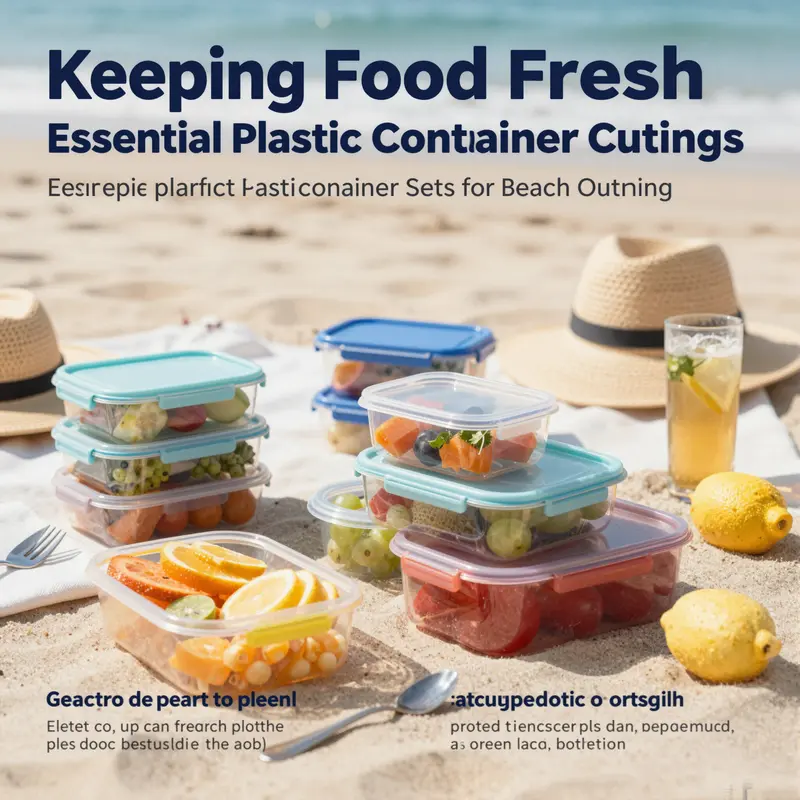
Planning a day at the beach often involves delicious food and refreshing beverages, which is why selecting the right plastic container set is vital for maintaining freshness and convenience. This article delves into the significance of gasketed food storage containers, the importance of using BPA-free and safe materials, the versatility of dishwasher-safe options, and the organization offered by compartmentalized containers. Each chapter provides insights tailored for businesses such as bubble tea shops, restaurants, food trucks, catering services, event planners, and corporate procurement teams. By understanding these elements, you can ensure that your beach meals are safely transported and enjoyable for everyone involved.
Seal the Sand: How Gasketed Containers Keep Beach-Day Food Fresh and Ready
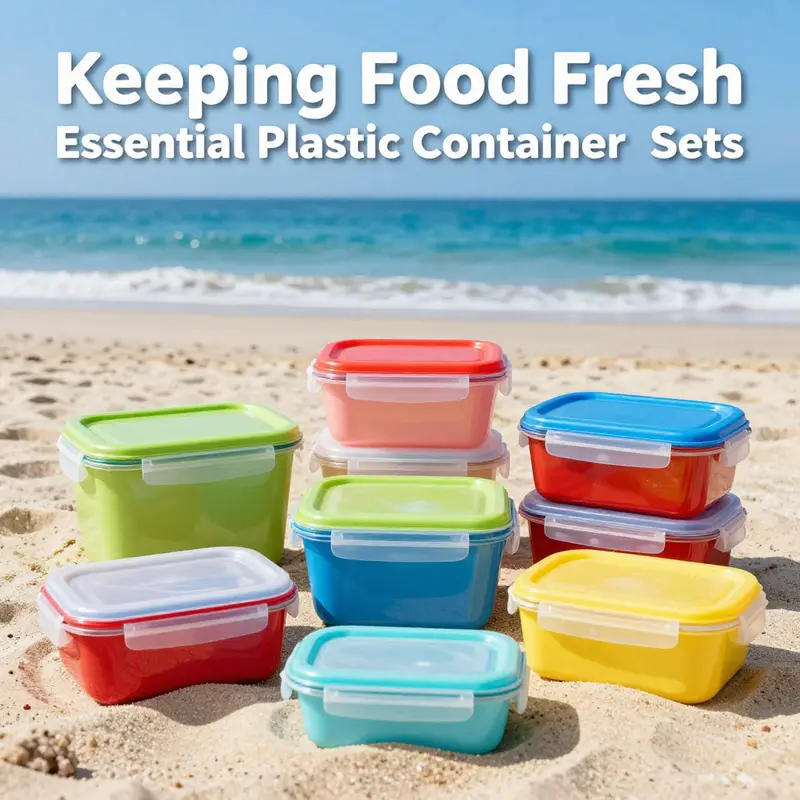
The beach scene unfolds with a bright sun, a soft breeze, and the promise of a simple meal enjoyed on a blanket that hasn’t yet found its favorite sunlit corner. In that moment, the real backbone of a satisfying beach picnic reveals itself: the way you carry, protect, and preserve your food. A gasketed container set is more than a storage solution; it is a small engineering system built to withstand wind, salt, heat, and shifting sand. When you have the right containers, the meal you planned in the quiet of your kitchen the night before becomes a confident, easy-to-assemble ritual on the shore. The gasketed seal is central to this confidence. It is not merely a feature; it is a shield against the clutter and chaos of outdoor eating. In windy conditions, sand can ride gusts like tiny needles, creeping into the edges of any lid and tainting what should be fresh. A tight, gasketed lid minimizes that risk. It locks in humidity, which keeps sandwiches from drying out and fruits from browning too quickly, while at the same time preventing leakage into bags, towels, or the lining of a cooler. The seal is designed to be airtight, not just moisture-proof. In practice, that means you can pack dressings, sauces, or juicy fruits without watching them seep into other items. You can stack a day’s worth of meals without worry about flavors mixing or liquids mingling with snacks. It also means you are less likely to end up with a soggy sandwich the moment a wave of heat returns you indoors for a quick rinse of sandy hands. The practical beach persona of these containers is calm, controlled, and prepared. You know the sand and sun are not your enemies if your food is sheltered behind a well-made gasket that keeps the contents dry and secure. This is especially true when the containers are designed with outdoor use in mind: rugged hinges that won’t snap in a gust, thick walls that resist impact if a cooler is jostled, and lids that click into place with a reassuring seal every time you close them. In that setting, meals stay as close as possible to the way you planned them: fresh, visible, and ready to enjoy without extra fuss. The seal’s value compounds when you consider how often a beach day means more than one person sharing the same meal. A set with multiple compartments or a mix of large and small containers makes it easy to divide portions for adults and children without plates clattering on a windy surface. A family can use separate sections for sandwiches, cut fruit, nuts, and small treats, reducing the chance of cross-contact of flavors and the temptation to rummage the wrong box mid-sand-swept break. The design promises order where chaos would otherwise take hold. While the seal protects food from the immediate beach environment, the materials themselves play a guiding role in what you can bring to the shore and how you can use it. BPA-free is more than a buzzword on a label; it is a base assurance that the material does not contain a class of compounds historically linked to health concerns when used as food contact. Yet, as research highlights, simply choosing a “BPA-free” label does not automatically guarantee safety. Some manufacturers shift to alternative chemicals that may pose similar risks, especially with heat or fatty foods. Dr. Sarah Thompson from Johns Hopkins Bloomberg School of Public Health cautions that “Even BPA-free doesn’t always mean safe,” reminding us that the safety story is more nuanced than a single label. This nuance matters when you plan to heat or reheat food in the container or store hot leftovers after a long day at the beach. It nudges you toward choosing food-safe, non-toxic materials and toward avoiding any container with uncertain chemical leaching, particularly if you anticipate hot or oily foods touching the interior walls. It also nudges the careful beach diner to consider the environmental footprint of the materials they select, looking for durability and long-term reuse rather than single-use habits. In practice, that translates into choosing polymer families known for food-grade safety and stability under outdoor conditions, such as sturdy HDPE or high-quality PEVA, which offer a balance of impact resistance and flexibility. It also aligns with a growing consumer preference for glass alternatives in the same category. A glass option might be appealing for those who prioritize sightlines and heat resistance, provided it is designed to survive the occasional drop and the sun’s rays that can heat containers more than expected. The choice between plastic and glass often comes down to the realities of beach use: portability, weight, and how well an item resists jostling and heat. Plastic gasketed sets have the advantage of lighter weight and better resilience in a daypack or tote. They also tend to be more affordable on a per-item basis, which matters when a family is packing multiple meals or when you want to replace a broken lid without replacing an entire set. Yet glass can shine in a few scenarios: for prepped meals that you want to keep visible, the ability to microwave or reheat without neon caution flags, and the sense that glass avoids the chemical questions some plastics provoke. For daily beach-going families, a mixed approach can be ideal. A set of larger, gasketed plastic containers can serve as the bulk carriers of sandwiches and full meals, while a smaller glass or high-quality glass-like set can be reserved for salads or prepped portions that you prefer to keep bright and unsvored by mixing flavors. The care and maintenance of gasketed containers matter just as much as their design. After a day at the beach, the path to freshness begins with a simple rinse to remove sand and surface salt. The lids should be opened and wiped clean, then the gasket itself checked for nicks or tears. A quick wash in warm, soapy water eliminates the salt residue that can shorten the life of the seal, and a thorough dry ensures no damp corners invite mold. If the weather permits, air-drying the containers is ideal; otherwise, a clean towel is good enough to ensure the interior remains dry. These steps preserve the integrity of the seal and help ensure that you can rely on it again and again. As you plan your beach food kit, consider the variety of containers that a gasketed system can offer. A robust set may include several large boxes to hold bulk items like wraps or fruit bowls, a few mid-size containers for lunches or snacks, and multiple small vessels for condiments, dips, or tastefully portioned sides. The geometry matters, too. A practical arrangement uses narrow, tall containers for sauces that need to stay separated from drier components, and flatter, wide-mouthed jars for salads or fruit pieces that you want to scoop with ease. The clarity of plastic is a virtue here: you can identify ingredients at a glance without opening every lid, a small but meaningful efficiency when you’re juggling towels, bags, and a cooler in the sun. Some kits even include built-in compartments within a single lid, a thoughtful feature that prevents items from mingling under the heat and wind. When you set up your beach meal, you may discover the virtue of a single system that holds both the main course and the accessories, keeping everything within reach and clearly organized. The idea of a complete solution is appealing because it reduces the number of separate containers you need to bring and simplifies the logistics of dining by the water. If you are assembling a family day’s worth of meals, you might rely on a large, gasketed box to hold cold sandwiches, sealed bags of fruit or vegetables, and a separate, sealed container for dips or dressings. The built-in compartmentalization that some sets offer can aid in portion control and reduce the likelihood of flavor transfer between items, which keeps lunches appealing and balanced for longer stretches under the sun. In practice, the journey from kitchen to shoreline is a choreography: pre-chill the containers, arrange the lids, fill the compartments with care, and pack everything into a cooler or insulated tote that also serves as a splash guard against sea spray. The goal is not only to keep food fresh but to preserve the mood of a relaxed day at the beach, where meals can be enjoyed with minimal interruption and maximal satisfaction. The practical value of gasketed systems at the beach also extends beyond single-use afternoons. They translate into a durable, reusable habit that supports a lower waste footprint and a steadier routine of meal prep. A family that invests in a reliable gasketed set often discovers that meals can be prepared in advance, portions controlled, and storage optimized to reduce last-minute scrambling at the grill or picnic spot. A well-chosen set reduces the need for cling film or foil for every snack and adds a layer of order to an activity that can feel chaotic in a busy coastal environment. As you consider options for your next beach excursion, the core ideas should guide your choice: airtight vs. leak-proof reliability, the safety of the materials, the practicality of the design for outdoor use, and the ease with which the containers can be cleaned and reused. The ideal set balances durability with portability, ensuring that the weight of carrying the day’s meals does not outweigh the pleasure of the experience. It also invites a thoughtful approach to safety, recognizing that the materials used in contact with food matter for hot or oily foods and that the labels you rely on should be transparent about what is inside. If you plan to reheat foods, seek containers explicitly described as microwave-safe or heat-tolerant for your chosen meals, and always avoid heating foods in containers that lack clear safety designations. A final practical note concerns the broader beach experience: you are choosing not just a tool for storage but a reliable partner in your day’s rhythm. The act of sealing a lid against a gust of wind becomes a tiny ritual—the moment you hear that satisfying click, the moment you know the contents are protected. The moment you set the jars back into the cooler and pull them out again, their contents are still the same as when you packed them. In that simple routine lies a quiet, enduring joy: a meal you can count on, a story you can tell yourself about smart prep, and a day at the beach that doesn’t get interrupted by soggy pockets or sandy crunch. For readers seeking a concrete reference to gasketed options that align with these principles, one practical external resource offers a detailed look at sturdy, airtight options designed for outdoor use, including durable plastic boxes with reliable seals. Visit: https://www.amazon.com/dp/B07CZ6K9YD
Safe by the Shore: Choosing BPA-Free, Heat-Ready Plastics for Beach Food Storage
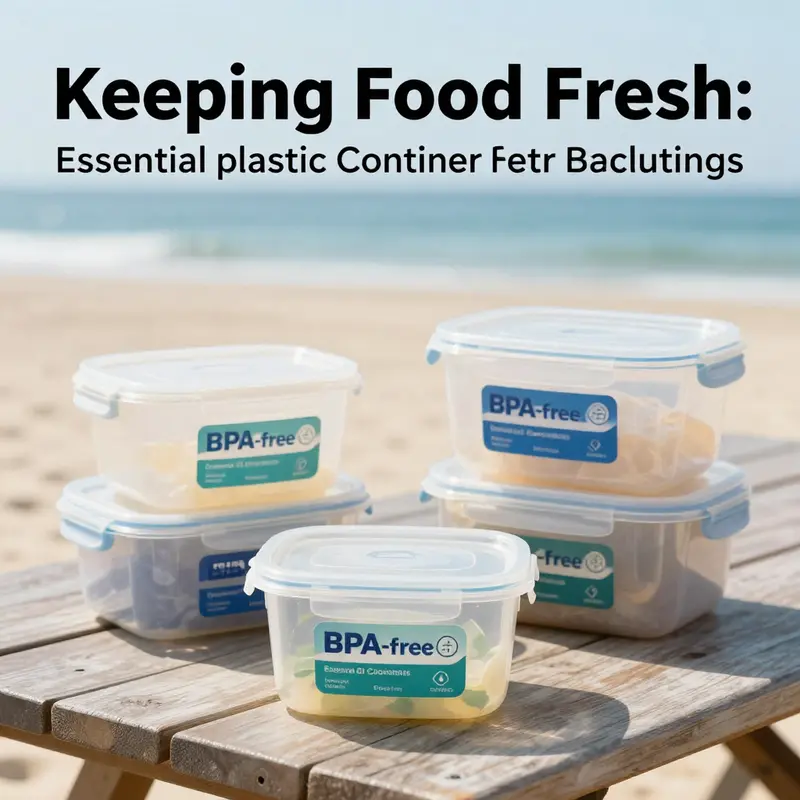
The call of the sea often arrives with a craving for something portable and fresh. A picnic on the sand, a quick lunch after a dip, or a sunset snack with friends—these moments hinge on a practical, dependable way to carry food that stays appetizing despite heat, humidity, and the ever-present threat of wind and grit. The most reliable way to meet this challenge isn’t just good planning; it’s choosing the right plastic container set. The beach tests containers the moment they meet the sun. Even meals that travel well can turn into a soggy, leaky mess if the wrong material is chosen or if the lids fail to seal. The essence of a successful beach meal lies in material safety, structural design, and thoughtful use—how a set is built, how it seals, and how it cooperates with the environment you’ll encounter from the moment you leave home until you head back with a full cooler and a clean plate.
The first rule of beach storage is straightforward: favor materials that are BPA-free and chemically stable under outdoor conditions. Polypropylene, commonly referred to as PP, and polyethylene terephthalate, or PET, are the two workhorse plastics that frequently appear in food-grade containers. PP is prized for its heat resistance, often tolerating temperatures up to around 160°C without deforming. In the context of a sunny shoreline, that means containers can handle hot meals or warm sand-anchored sun without warping or releasing unknown compounds into food. The thermoplastic chemistry of PP is relatively inert, and when a product label clearly marks BPA-free, it aligns with the growing emphasis on safety as a baseline standard rather than a marketing claim. PET, on the other hand, offers exceptional clarity and a clean, neutral profile that makes contents easy to see at a glance. PET is widely recognized as BPA-free and is celebrated for its lightness and durability, qualities that translate into lighter beach kits and less load on weary arms after a day of activity.
The beach also nudges us toward a more nuanced view of materials. In some higher-end food packaging, you’ll encounter EVOH and PLA as part of multilayer films. EVOH provides an outstanding barrier to gases and moisture, a useful feature if you’re packing delicate items like fresh fruit or foods that should stay crisp for longer. It’s not a single-material solution; rather, EVOH is typically used in conjunction with other plastics to slow oxidation and preserve flavor. PLA introduces an exciting eco-friendly thread. Made from renewable resources such as corn starch, PLA is a bio-based option that can be compostable under certain conditions. Yet there’s an important caveat for beach use: PLA’s heat resistance isn’t as robust as PP, and it can soften in high temperatures. On a hot beach day, that could mean compromised seal integrity or even deformation, which defeats the purpose of a sturdy, leak-proof transport container.
What matters most for a beach setting is clear: select a container that combines durable material with a robust lid system. A gasketed seal, a lid that locks into place, and a design that prevents sand from creeping in when you twist the lids closed are non-negotiables for anyone who has battled wind-carried sand and evaporated sunscreen on a lunch box. The right design gives you peace of mind. It means you don’t have to check every minute whether your pasta salad has spilled or whether your kid’s snack has mingled with the fruit juices in the bottom tier. It means a set that can be stacked neatly inside a cooler, saving space for ice packs, bottles, and a small towel for drying off sandy hands. A well-conceived beach container is as much about the lid mechanism as it is about the material itself.
In practice, the best configurations you’ll see are those that offer both safety and convenience. A high-quality beach set often includes large-capacity containers to hold sandwiches, salads, or cut fruits, coupled with smaller compartments that prevent flavor transfer and keep items neatly separated. Some sets feature built-in dividers, which is particularly handy for families where one person’s snack should not mingle with another’s. The ability to compartmentalize is not merely about organization; it’s a practical approach to preventing cross-contamination and maintaining the integrity of each item through a day of outdoor activity. The compartments also promote portion control, a feature that resonates with hikers and sun-seekers alike who want to carry balanced meals without overpacking or wasting food.
The practical virtues of durability, leak resistance, and ease of cleaning cannot be overstated. Beach environments demand more from a container than from a kitchen cabinet. The presence of salt air, sand, and heat demands materials that resist staining and odor absorption, because once a container picks up scent or residual oils, it often becomes a charged attractor for grit and flavor transfer. This is where the IEC standard in consumer marketing intersects with real-life experience: a product must be labeled as food-safe and non-toxic to be truly acceptable for daily use outdoors. Even when a container is labeled BPA-free, there is a broader imperative to consider what substitutes might be present and how they behave under heat or oily foods. A cautious approach recommends looking for labels that emphasize chemical-leach resistance and overall food safety, especially if you anticipate heating foods in the container or storing hot items in the container after a steam-filled day at the beach.
The cautions from public health authorities are not mere footnotes. Dr. Sarah Thompson of Johns Hopkins Bloomberg School of Public Health has reminded us that “Even BPA-free doesn’t always mean safe,” as some alternative chemicals can pose similar risks. This insight shifts the focus from a single label to a holistic assessment of a product’s safety profile. It encourages consumers to look beyond the absence of BPA and toward a broader safety promise: packaging that is truly food-safe, designed to minimize chemical leach, and tested to withstand everyday conditions—sun, salt, and sweat—without compromising the contents. In this light, a responsible choice becomes more than choosing PP or PET. It means selecting products specifically designed for outdoor use, with clear labeling that communicates non-toxicity and resistance to leaching, plus practical features like leak-proof seals and dishwasher-safe or microwave-safe capabilities for versatile meal preparation and cleanup after a day on the coast.
Beyond safety, there are considerations of practicality and sustainability. For many beachgoers, durability translates into longevity. A set that can endure repeated trips, frequent washing, and occasional rough handling will be more cost-effective in the long run, reducing waste and the need to replace containers after every season. At the same time, the environmental context matters. PET is widely recyclable, which means it can be repurposed after its service life, aligning with responsible disposal practices at beaches where litter is a constant concern. PP also lends itself to reuse, resisting cracking and deforming even after repeated freezing and heating cycles. When possible, seek sets that are dishwasher-safe and freezer- and microwave-safe, which broadens their range of use—from cold picnics to hot leftovers stored for a later meal—and reduces the need for disposable alternatives.
But good material is not enough on its own. The seal, the closure, and the ease of cleaning all shape the daily reality of beach dining. A gasketed lid offers more than a dry seal; it protects against leaky moments when the container is jostled by a dune breeze or tipped while being carried. Locking lids, in particular, are a win for families who want to keep kids’ portions securely closed, while a wide mouth can simplify filling and cleaning, a practical benefit when your hands are sandy or wet. The capacity and stackability of a set matter too. Large, stackable containers maximize the use of limited cooler space and help keep meals organized when your group is juggling several different items. The ability to nest containers within one another can save space when you’re packing smaller bags or totes for a day trip and then unpacking them at the beach.
In searching for a beach-ready plastic container set, the consumer’s eye should gravitate toward a combination of these attributes: a BPA-free PP or PET base, a robust, leak-proof lid system, and a design that optimizes space through stacking and modular compartments. The choice is not simply about whether a material is safe; it is about how that material performs in a real-world setting. Will it survive a day under the sun without warping? Will the seal hold through a windy gust or a spill from a snack tray? Will it be easy enough to clean after a quick wash in a shared beach sink or a spray-down with mineral water at a picnic site? These practical questions determine whether a container set makes beach meals more enjoyable or becomes a recurring source of frustration.
The narrative of material safety intersects with lifestyle choices. For some, environmental concerns push toward plant-based or biodegradable options like PLA. While PLA is attractive for its renewable origins, its behavioral limitations under heat must be considered. On a sunny beach, PLA’s tendency to soften can undermine the very reasons you chose a sturdy container in the first place. In contrast, PP and PET have proven track records in outdoor applications, providing a balance of safety, performance, and practicality that aligns with the needs of most beach meals. The recommendation, then, is clear: prioritize BPA-free PP or PET options with gasketed, locking lids, and a design that emphasizes leak resistance and ease of cleaning. When the container also offers optional dividers for portion control or flavor separation, you gain an additional layer of versatility that can transform a simple picnic into a well-balanced lunch that travels well and stays appealing until the last bite.
As you assemble your beach kit, it helps to imagine the day in stages: packing at home, transporting to the sand, setting up a beach table, enjoying meals, and returning with containers that still look fresh and function as well as they did on departure. The transition from home to shore should be seamless. A container that feels sturdy in your hands, that seals with confidence, and that remains easy to clean after a salty, sandy day, turns a routine activity into an enjoyable part of the outing. It is this sense of reliability that ultimately shapes how you plan meals for the beach, influences your packing order, and guides your decisions when weighing one set against another. In making the safer choice, you’re not only protecting taste and texture; you’re also protecting health, reducing waste, and contributing to a smoother, more mindful experience at the shoreline.
For readers who wish to explore further into the practical safeguards and recommended practices for food storage materials, consult authoritative health guidance on food-contact materials and how they interact with heat and environment. A well-regarded reference is the FDA’s guidance on food-contact materials, which provides foundational considerations for safe use in everyday contexts and outdoors alike. https://www.fda.gov/food/food-contact-materials/food-contact-materials-and-products. This resource complements the discussion above by offering regulatory perspectives that help shoppers interpret labels, understand what “BPA-free” can mean in real-world terms, and connect material science with everyday safety choices when planning beach meals.
In sum, the beach is a place where performance and safety meet practicality. The best plastic container set for a beach food strategy is one that embodies safety in material choice, resilience in design, and thoughtful features that accommodate the unpredictable rhythms of a day by the sea. BPA-free PP or PET containers with reliable seal mechanisms and a design that supports stacking and compartmentalization deliver that balance. They stand up to heat, resist leaks, and stay clean enough to reuse again and again, season after season. By aligning your selection with these principles, you equip yourself to enjoy fresh, tasty foods on the sand with confidence, leaving the shore not with a stack of disposable wrappers, but with the memory of a well-packed meal, a neat cooler, and a sense of readiness for the next seaside adventure.
Dishwasher-Safe and Versatile Plastic Containers for Beach Meals
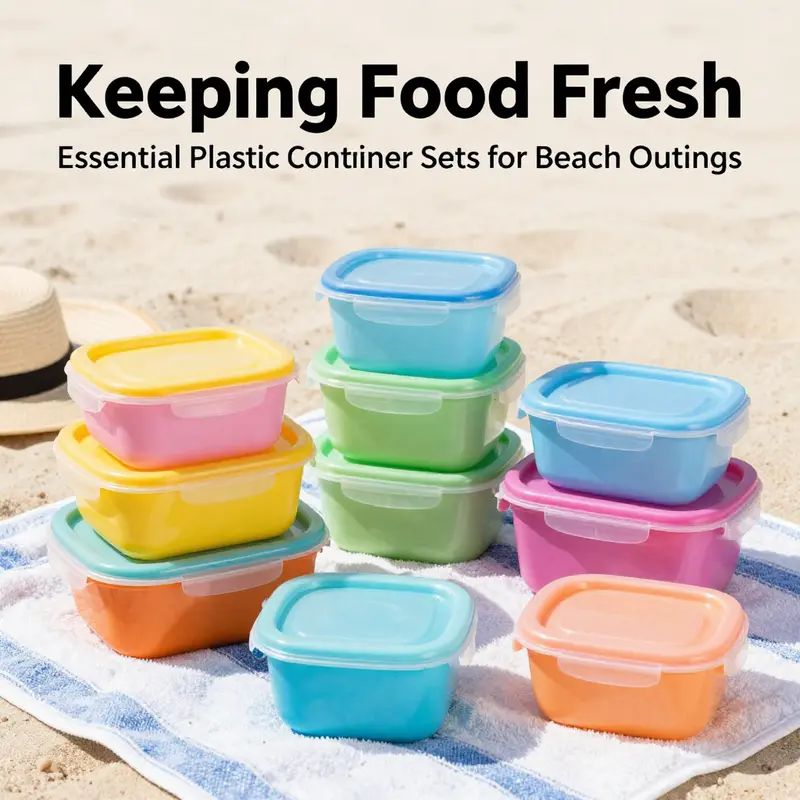
When the sea breeze calls, your food should arrive at the shore as fresh and ready to enjoy as a day by the water. The right plastic container set does more than transport sandwiches; it shields meals from sand, salt spray, and occasional splashes, while remaining light enough to carry all day. The best designs pair airtight seals with durable, food-grade materials and practical details that make outdoor dining easier in windy, sunlit conditions. In practice, that means sandwiches stay intact, fruit stays juicy, and snacks stay separated, avoiding a messy mingle on a towel or blanket.
At the core of beach-ready containers is the gasketed lid. A tight seal, often aided by a silicone gasket, creates a dependable barrier against leaks when a bag tilts or when a cooler takes a small tumble. Some lids feature a double-lip design that pockets the gasket more securely, reducing the risk of wind-blown sand creeping into the seam. A well-crafted seal also slows moisture exchange, helping to preserve the texture of bread, produce, and dairy-based dips. For families or groups, the ability to keep each item in its own compartment inside one box means fewer clinking lids and less cross-contamination, which makes serving and sharing calmer and more enjoyable.
Material safety sits alongside performance. Many containers advertise BPA-free plastic, and that is a good starting point. Yet safety researchers remind us that labeling is not a single guarantee of innocence. Some substitutes used to replace BPA can behave similarly under heat or fat contact. Thus, the strongest choices consist of containers described as food-safe, non-toxic, and resistant to leaching. Look for options based on PEVA or HDPE, materials known for stable performance with hot and cold foods, easy cleaning, and minimal odor retention. For households or groups who pre-portion meals, built-in dividers or compatible modular systems enable you to separate items without stacking multiple boxes, reducing the number of containers you must manage at the beach.
Durability is essential when you are under sun, salt, and wind. Plastic sets designed for outdoor use often withstand repeated dishwashing, but not all plastics tolerate long exposure to heat. The best choices perform well on the top rack of a dishwasher, resist cracking when bumped against a cooler, and maintain their lids’ grip over time. A well-made kit also considers UV exposure; some plastics may fade or become brittle after repeated sun exposure. If you expect to use the same containers for seasons of picnics, examine the seals for flexibility and the bases for signs of warping. These small checks can prevent a leak a mile from home and keep your meals looking good from the first bite to the last.
Compartmentalization is more than a convenience; it is a way to preserve flavors and ensure portion control. A single, roomy box with separate compartments prevents the famous beach sandwich-dip collision and helps keep sauces from slipping onto crackers. A box with removable dividers can be reconfigured for different meal plans, which is handy when traveling with teenagers who demand variety. In terms of cleanup, compartments with rounded corners are easier to wash by hand and in the dishwasher; sharp internal corners can trap lingering crumbs. For kids, seeing their own portion in clearly defined spaces can also teach bite-sized meals and mindful eating on warm afternoons.
For snacks and smaller items, consider a complement of lightweight, flexible bags. A set of reusable bags—often sold as a pack of around ten—provides a leak-proof home for fruit slices, veggies, nuts, or even makeup and sunscreen for post-swim touch-ups. These bags collapse when empty, saving space in the tote while still standing up to repeated use. They complement rigid containers by giving you a flexible option for last-minute additions to the meal or to store leftovers when the day ends and packing slows down.
Safety and reliability go hand in hand with headroom for heat and sunlight. If you intend to heat foods or reheat, select containers explicitly labeled microwave-safe and rated for hot contents. Do not rely on general leak-proof labels as proof of heat tolerance. Plastic chemistry is sensitive to temperature, and some materials can soften, warp, or release traces of additives when heated. When possible, cool and transfer hot foods to a microwave-safe container for reheating, then move them to your serving box. This approach minimizes the risk of chemical migration and ensures the food’s texture remains appealing after the heat of the afternoon sun.
In practical terms, the beach is a place where planning really pays off. A simple packing plan—layers of ice packs, a sturdy cooler, a tote for the containers, and a few small cloths or napkins—keeps everything within easy reach and at a safe temperature for longer. A well-designed set makes this easier by fitting together efficiently: containers nest within one another, lids align with slots, and the overall silhouette is kept slim to avoid jostling and bumping in a crowded day by the water. A thoughtful approach to packing also means that you can select a mix of sizes to accommodate everything from hearty sandwiches to delicate berries. When every item has a designated space, you spend less time rummaging through the bag and more time enjoying the sun, the waves, and the laughter of friends along the shore.
Care, cleaning, and long-term use complete the cycle of a beach-ready storage system. After a day by the sea, rinse with warm, soapy water and pay particular attention to gaskets and any grooves where crumbs can hide. If you use a dishwasher, place the containers on the top rack and avoid overly aggressive cycles that could degrade the seals. Let everything dry completely before stacking or storing to prevent the growth of odors or mold. Inspect seals for tightness, cracks, or signs of wear; if a lid no longer seals securely, it is wiser to replace the component rather than risk leaks or contamination. The goal is to maintain a simple, predictable system that remains clean and dependable week after week, season after season, so you can reach for the same dependable kit the moment you step onto the beach blanket.
Choosing a practical beach kit is ultimately about balancing cost, durability, and safety. Durable plastic options that survive repeated washings and rough handling offer the best value for a family that frequents shorelines or dune trails. The lids should snap firmly into place and be easy to operate with sandy or damp hands. The containers should be clear enough to identify contents at a glance, yet rugged enough to shrug off occasional drops. When space is at a premium, compact, stackable shapes that maximize cooler space become especially valuable. If you are packing for a larger group, a modular system that includes mid-sized containers for main dishes and smaller ones for sides and snacks is particularly efficient. The result is a beach-day kit that feels like a portable kitchen rather than a collection of mismatched boxes.
With this framework in mind, you can tailor your choice to your typical beach rituals: solo excursions, weekend family picnics, or a group of friends who gather for long afternoons by the water. The best plastic storage sets for beach use bring together a dependable seal, a non-toxic material, and a design that respects both the climate and the ease of outdoor dining. When these elements align, you gain not just a container system but a trusted partner for navigating heat, sand, and the joy of sharing meals under an open sky.
External resource: https://www.amazon.com/dp/B07Z6X9FQG
Divide, Seal, Savor: The Pragmatic Case for Compartmentalized Beach Food Containers
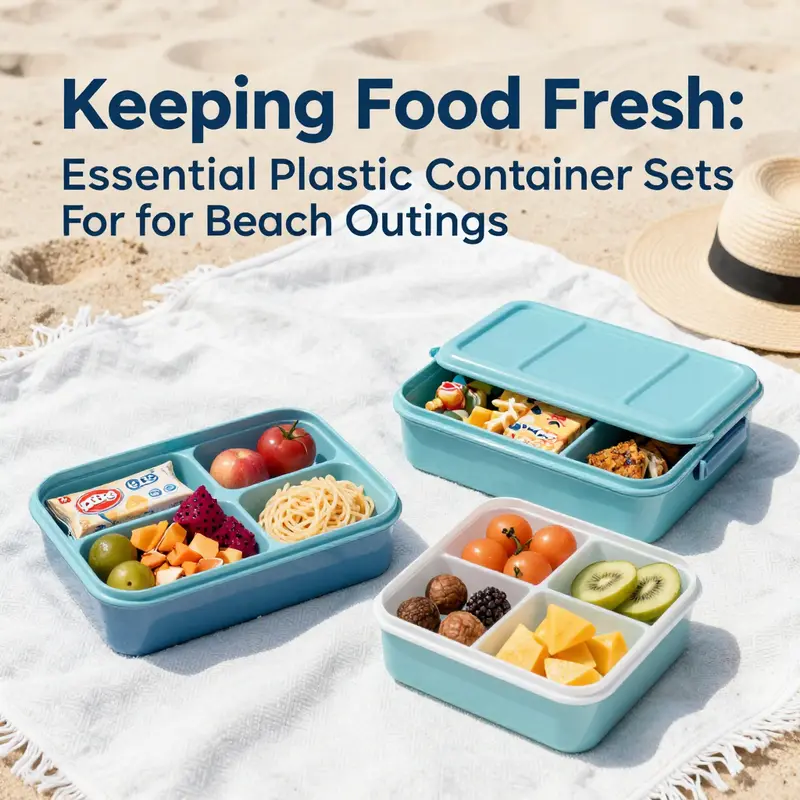
The beach has a language all its own. It speaks in sun-warmed air, in the hush of waves, in the silver glimmer of a cooler lid catching the breeze. A well-planned beach meal translates that language into order: not chaos, but a rhythm of bites that travels with you from towel to shoreline without turning into sand-laden chaos or soggy leftovers. At the heart of this practical poetry lies a simple invention with outsized impact—the compartmentalized container. When you pack food for a day by the sea, a single tray with multiple, clearly separated compartments does more than keep flavors from smearing into one another. It becomes a compact system for freshness, portion control, and effortless sharing, a kind of portable picnic orchestra conducted by design rather than luck.
The allure of compartmentalized containers starts with their most visible feature: separation. The beach, with its gusts and shifting tides of wind and sand, rarely asks for perfection, but it rewards thoughtful preparation. Separate compartments prevent dressings from turning salads into wilted messes and keep crackers away from berries until the moment of tasting. The design is especially forgiving in windy conditions, where loose snacks can scatter and spill. A sturdy lid with a gasketed seal becomes less of a luxury and more of a necessity, locking in aroma and moisture while fending off the onslaught of sand that loves to sneak into a lunchbox. In this context, the term gasketed is not merely marketing; it signals a practical promise: an airtight barrier that minimizes leaks and keeps your contents secure, even when the day grows breezier than planned.
From a functional perspective, these containers are built for the realities of outdoor life. They typically use food-grade materials known for durability and safety, such as polypropylene (PP) or high-density polyethylene (HDPE). These plastics offer the resilience needed for beach trips—the kind of toughness that survives a few drops, a shuffle of the bag, and a rinse under a park fountain or campsite tap. The emphasis on safety is not cosmetic. Modern choices favor BPA-free construction and leak-proof designs, with a preference for materials that resist leaching when exposed to heat or oils. Still, the prudent planner heeds Dr. Sarah Thompson’s caution that “even BPA-free doesn’t always mean safe,” acknowledging that some alternative additives may carry similar risks. In practical terms, this means looking for containers that are clearly labeled food-safe, non-toxic, and leach-resistant when storing hot or oily foods. It is a reminder that safety, like freshness, is a condition you actively maintain rather than assume.
But a beach day is not a laboratory. It is a social occasion, often shared with friends and family, where the value of a compartmentalized system multiplies in proportion to the group’s needs. For families, a set with multiple compartments can translate into reasonable, pre-portioned servings for kids and adults alike. It becomes easier to guarantee balanced meals when everything has its own designated space, from fruit slices to crunchy vegetables, from hummus to crackers. The logic extends to social grazing plates and mini boards by the water. A single tray, or a small stack of linked trays, can be deployed as a chic, tide-friendly snack station, allowing guests to assemble their own bites without digging into the wrong container and mixing flavors. In this sense the compartmentalized container is more than a container; it is a portable organizer that translates home meal planning into a reliable beach protocol.
Durability is another essential thread in this narrative. Beach outings demand containers that resist warping, cracking, and deformation under pressure. Lightweight, impact-resistant plastics fit the bill, especially when they are designed to nest or stack neatly for transport. The modular aspect of compartmentalized design shines here. If you own more than one tray, you can configure them to fit your gear, creating a flexible system that scales with the day’s plans. For picnics before a swim, a compact, single-row tray with a few shallow compartments works beautifully for fruit and small snacks. For a longer days-at-the-beach, a larger, deeper tray with several compartments can accommodate a full lunch, sauces, and dipping options without letting them mix with the main course.
Care and cleaning play an understated but crucial role in their value. The beach environment can be rough on gear, leaving residues of sand and salt that cling to lids, seals, and corners. A well-designed set should be dishwasher-safe or, at minimum, easy to rinse and dry. The ability to clean without disassembling every piece into its components is a huge advantage on a sun-soaked afternoon when you just want to relax and not hustle through a complicated cleanup routine. In addition, compartmentalized systems often pair with additional storage solutions, such as small leak-proof bags for dips or sauces, which you can tuck in a cooler alongside the main trays. This pairing expands the system’s versatility, enabling you to tackle a host of beach-friendly meals—from a quick snack spread to a more composed lunch—without compromising on freshness or portability.
Portion control emerges as a subtle but powerful benefit. For many beachgoers, mindful eating aligns with longer enjoyable afternoons by the water. Pre-portioned servings reduce the temptation to overeat and help maintain energy levels that keep you active without feeling heavy after a midday meal. The compartments act as built-in dividers for calories and nutrients, a practical feature for families managing kids’ appetites and schedules. When a snack is already portioned, it is easier to ration treats and save room for a well-balanced lunch. The transparent lids that accompany many modern designs offer another layer of practicality: at a glance, you can see what’s inside, which saves time when you’re juggling towels, sunscreen, and a cooler on a windy boardwalk.
The social dimension of beach dining often centers on shared platters and boards—a pace of eating that benefits from the reliability of compartmentalized trays. A set with multiple compartments can double as a portable serving tray, allowing everyone to curate a personalized plate without scattering items across a blanket. When you’re serving a group, the ability to keep different items separated prevents cross-flavor contamination and helps preserve the integrity of each component. You can have slices of fruit stored separately from salty snacks, nuts, and small dips, so flavors stay crisp and distinct as you wander between the water’s edge and a shady spot under an umbrella. And for those who enjoy a little charcuterie or veggie platter on the sand, a compartmentalized tray is a sturdy platform that keeps everything stable even as the breeze shifts and small animals skitter along the periphery of your setup.
Beyond the practical, there is a design ethos that underpins the best compartmentalized systems. The lids often feature ergonomic hinges and smooth, easy-open mechanisms that work even when your hands are slick with sunscreen or damp from the sea spray. The handles, when present, are tuned for comfortable carrying without compromising stability during transit. A thoughtful design considers the reality that you may need to transfer contents from your vehicle to a towel, from a cooler to a picnic blanket, or from car trunk to the bench by the lifeguard station. In this sense, the container becomes part of a choreography of movement rather than a simple receptacle. It is light in weight, secure in its seals, and forgiving under imperfect conditions—sand, wind, sun, and the occasional spill. This is the kind of reliability that turns a beach day from a logistical problem into a meal-you-can-look-forward-to with a sense of calm.
Choosing the right system for a given trip involves balancing several factors: capacity, number of compartments, potential for leaks, and ease of cleaning. A practical rule of thumb is to start with the size of your party and the types of foods you habitually bring to the beach. If you regularly pack for a family, a set with a few larger compartments plus several smaller ones tends to be most flexible. If you usually prepare individual servings for kids, a compact eight-to-ten compartment arrangement can be ideal for maintaining portion control while still providing a diverse array of foods. For those who simply want a reliable daily routine without carrying a bulky kit, a compact, two or three-compartment tray can serve as a dependable core while you add on extra bags for sauces or fruit slices. The goal is not to overfill but to organize; not to complicate the journey but to simplify it, so that the act of eating becomes a pleasure rather than a puzzle.
In the broader arc of outdoor dining, compartmentalized containers reflect a philosophy that values preparation, hygiene, and respect for the environment. They encourage reusability, reducing dependence on single-use plastics—a consideration that grows in importance with every new beach season. They also align with the practical realities of heat, humidity, and sand, providing a resilient solution that keeps foods separate, fresh, and easy to manage when the shoreline is busy, or when the wind suddenly picks up and the tide pulls your plans toward a different rhythm. For anyone who has found themselves wrestling with a soggy sandwich and a bowl of melted fruit, the appeal of a divided tray is immediate: a single, well-sealed unit that contains the mess and holds the moment together.
The narrative of the beach meal thus evolves from a simple preference for neatness to a broader appreciation of how thoughtful design can shape our experiences. It is not merely about keeping food safe; it is about preserving the memory of the day—the scent of sunscreen, the laughter around a shared plate, the effortless transition from wave-watching to bite-taking. A compartmentalized container is a modest instrument, but in the hands of someone who values organization and ease, it becomes a passport to relaxed anticipation. When you know your food is properly tucked away from sand and wind, when you know portions are controlled and flavors stay true, you gain permission to linger. The blanket, the umbrella, the sea, and the meal align into a single, unhurried moment that rewards careful preparation with a sense of simple, enduring delight.
In closing, the practicality of compartmentalized beach food containers lies not in novelty but in reliability. They are not flashy gadgets but deliberate tools designed to meet the everyday needs of outdoor dining. They offer airtight protection, durable construction, and thoughtful layouts that support portion control and easy cleaning. They enable better sharing, reduce waste, and help preserve the integrity of delicate items from fruit to dressings. They acknowledge the beach as a social space and a place where meals can be both nourishing and enjoyable without sacrificing convenience. For those planning a day by the water, investing in a well-conceived, compartmentalized system is an act of preparation that pays dividends in comfort, flavor, and peace of mind.
External resource for additional context and product concepts related to multi-compartment, leak-proof containers: https://www.amazon.com/dp/B0CQ5YXZL4
Final thoughts
Selecting the right plastic container set for beach outings is essential for maintaining the quality and safety of food. Gasketed containers prevent leaks and protect against sand and water, while BPA-free materials ensure the safety of stored food. The convenience of dishwasher-safe containers supports easy meal preparation, and compartmentalized options allow for organized food transport, catering to a variety of tastes. By choosing the right containers, food service businesses can enhance their beach dining experiences, ensuring meals are fresh and enjoyable. Protect your food and delight your customers with well-chosen storage solutions.