
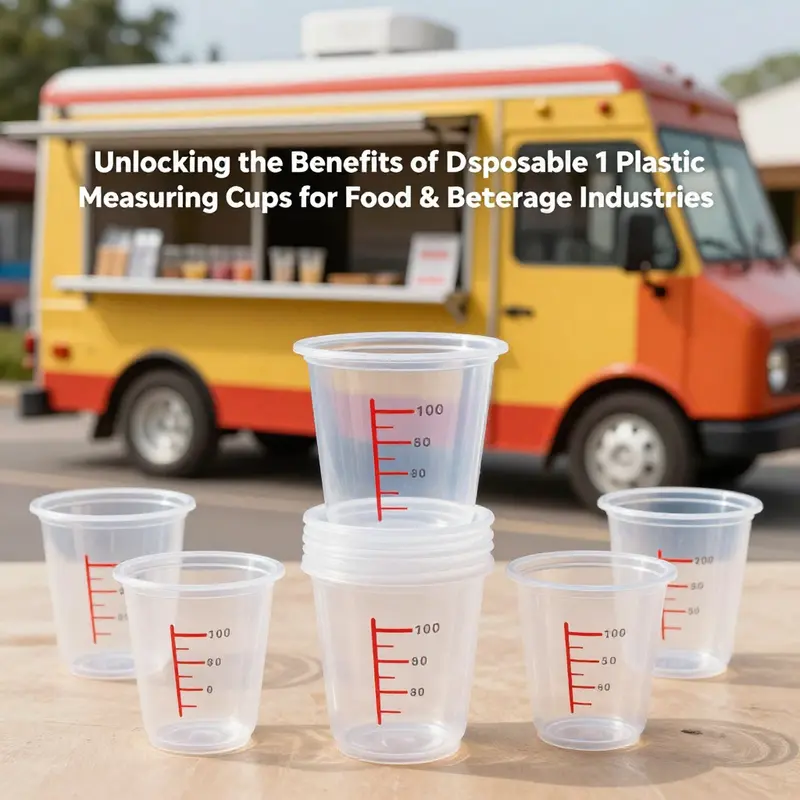
The world of food and beverage service thrives on precision, efficiency, and hygiene. Among the essential tools that facilitate these qualities are 1 ounce plastic disposable measuring cups. These small yet impactful cups are not only vital for ensuring the correct ingredient proportions but also contribute significantly to overall service efficiency. In this exploration, we’ll delve into the materials and properties of these cups, their critical uses in medical contexts, their roles in the food and beverage industry, and finally, the best channels for procurement. By understanding the importance of these cups, businesses across various sectors can enhance their operational standards.
Small Measures, Big Choices: Materials, Performance and Uses of 1‑Ounce Plastic Measuring Disposable Cups
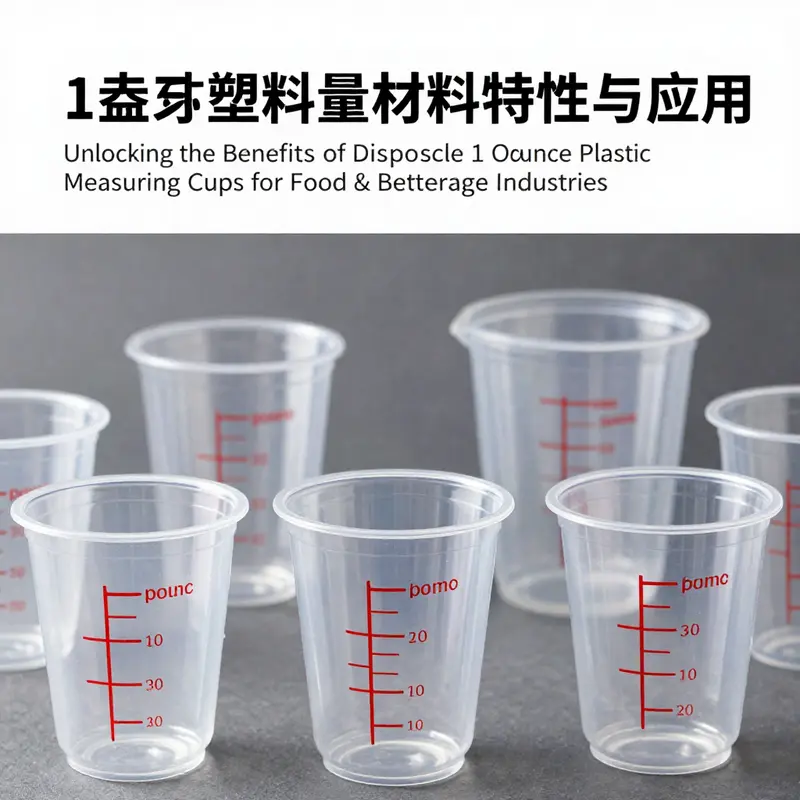
Materials, performance and real-world uses of 1‑ounce plastic measuring disposable cups
A one‑ounce (about 30 milliliters) plastic measuring disposable cup seems simple. Its small size hides many design choices and trade‑offs. Material, wall thickness, finish, marking accuracy and lid fit all shape how it performs in the clinic, kitchen, lab, or craft studio. This chapter ties those technical choices to practical uses, safety considerations, and buying decisions so you can match a tiny cup to a real need.
Plastic options for these small cups fall into a few predictable families. Polypropylene (PP) leads where heat resistance and chemical stability are important. It tolerates higher temperatures than many other common plastics. That makes PP suitable for hot liquids, brief microwave use, and exposure to sanitizing agents. Food‑grade PP is chemically inert for typical dosing and condiment tasks. It also molds well, so manufacturers can produce crisp measuring marks and reliable lids. For caregivers and clinics, that means safer dose transfers and fewer leaks.
Polyethylene (PE) and its variants appear when flexibility is desired. Low‑density PE offers tear resistance and pliability. High‑density PE is tougher but less transparent. PE cups are inexpensive and resist many chemicals, but they lack the heat tolerance of PP. They can deform with hot pours. For cold food samples or travel‑size personal care portions, PE is a cost‑effective option.
Polystyrene (PS) delivers excellent clarity and a smooth surface for printing marks. Cold liquids look attractive in PS, and it feels rigid. However, PS cracks more easily and cannot withstand heat. PS cups work well for single‑use taste tests and cold condiment servings. Their brittle nature makes them less suited for handling by children or in active clinical settings.
Polyethylene terephthalate (PET) brings glass‑like clarity and light weight. PET is common for beverage bottles and transparent cups meant for display. It is less heat resistant than PP, so avoid PET for hot contents. PET cups often have very clear, precise graduation marks, which help with visual dosing and sample inspection. They are a popular choice for food sampling and retail condiment presentation.
Less common materials like polycarbonate (PC) offer durability and heat tolerance, but they are typically avoided for single‑serve disposable cups because of cost and regulatory scrutiny in food contact applications. For industry or lab uses where rigid, reusable cups are needed, PC appears more often.
Beyond the polymer itself, two design features influence practical performance: wall thickness and measurement printing. Thicker walls increase durability and thermal insulation. Thin walls save material and cost, but they are more likely to flex and spill. Graduations printed on the cup or molded into the plastic must be bold enough to read at a glance. For clinical dosing, simple, high‑contrast marks with unit labels reduce errors. Cups with raised, molded graduations tend to resist wear better than surface inks.
Lids transform a simple open cup into a portable dosing vessel. Snap‑on lids with a compression fit prevent splashes and contamination. For sauces, adhesives, or samples transported between rooms, a tight lid matters. Some lids include a small pour spout or snap vents, which are convenient for controlled dispensing. If the project requires stacking or longer storage, consider cups with screw caps or press‑fit caps designed to maintain a seal over time.
Accuracy is another practical concern. Small volumes amplify measurement error. A half‑milliliter misread on a 30‑milliliter cup equals a several percent error. For medical dosing, use cups tested for volume accuracy, ideally with calibration data provided by the supplier. In lower‑risk uses, a clearly graduated cup with high‑contrast marks will usually suffice. In labs, disposable cups serve well for quick transfers but should not replace calibrated volumetric glassware where precision matters.
Compatibility with contents is crucial. Acids, bases, alcohols and solvents can attack some plastics. PP resists a broad range of chemicals, while PS and PET are more vulnerable to certain solvents. For resin mixing, solvent‑based paints, or strong sanitizers, verify chemical resistance before use. In resin work, exothermic reactions can raise temperature quickly. Choose cups that resist warping and that provide enough headspace to contain fumes safely.
Hygiene and single‑use benefits are common selling points. Disposable cups eliminate cross‑contamination risk when used correctly. In healthcare, that is a major advantage. In food service, single‑use cups reduce washing needs and speed service. Yet, single use does not automatically equal safe. Some products marketed as compostable contain blends of biopolymers and traditional plastics. Independent tests show that items labeled degradable sometimes contain non‑biodegradable polymers mixed in, which prevents proper composting. In other cases, additives or contaminants have been found in low‑quality cups. Choose cups that clearly declare food‑grade materials, and prefer those certified to applicable standards.
Regulatory markers matter. Look for explicit references to food contact standards relevant to your region. Materials that meet national food contact regulations are less likely to leach harmful substances under normal use. If the cup will encounter hot liquids, ensure the material’s rated temperature exceeds expected conditions. For medical use, cups that list compliance with clinical or laboratory standards provide a clearer safety profile.
Sustainability choices deserve attention. The smallest cups use less material than larger containers, which lowers the per‑unit material footprint. Still, disposal volume grows when many single‑use cups are needed. Recycling options for small plastic cups vary by municipality. Clear PET is widely recyclable where programs accept it, while mixed materials and small rigid plastics often escape recycling streams. If compostable options are necessary, verify third‑party certifications and any local composter acceptance before purchasing large quantities.
Practical tips for use and storage make everyday tasks easier. Keep cups nested to save space. Label sides with a grease pencil for short‑term sample identification. For dosing liquid medicines, place the cup on a flat surface and view marks at eye level to reduce parallax error. When using solvents or oils, conduct a short compatibility test by filling a sample cup and checking stability for 24 hours. For adhesive or resin work, allow for exotherm and mix smaller amounts to avoid overheating.
Purchasing decisions should balance price, performance and compliance. Buy from suppliers who provide clear material declarations and, where appropriate, batch traceability. Inspect a sample lot for print clarity, lid fit, and wall consistency before committing to large orders. Consider whether lids are necessary, and if so, whether they should lock, vent, or include pouring features.
A final, often overlooked point is ergonomics. Small cups are held and poured frequently. Slight taper in the cup wall improves grip. Textured rims can reduce slippage. For use by elderly or low‑vision users, choose cups with bold, high‑contrast graduations and tactile marks at common doses.
One practical example of related small food receptacles is a product line of tiny sauce jars with lids. Those containers share many of the same design principles that matter for one‑ounce measuring cups, such as tight sealing and clear visibility of contents. For an example of such small condiment containers, see the plastic sauce jars with lids product page.
Material choice determines whether a one‑ounce disposable measuring cup will serve in a clinic, kitchen, or studio. PP works where heat and chemicals matter. PET and PS give clarity for presentation. PE keeps costs low. Coupled with thoughtful lid design and clear, accurate markings, the right cup can make simple tasks safer and more efficient. Always prioritize food‑grade materials, check compliance with relevant standards, and test for chemical compatibility when needed. These small decisions prevent spills, contamination, and costly mistakes.
For further technical details and a supplier listing referenced in the research materials, see the original product listing. https://www.alibaba.com/product-detail/1-ounce-30ml-plastic-measuring-cup_1600588432957.html
Precision in a Pocket: The Subtle Power of 1-Ounce Plastic Measuring Cups in Medical and Laboratory Practice

The smallest tools often carry the largest responsibilities. In medical clinics, hospital laboratories, and every careful workspace that handles liquids in tiny volumes, the plastic 1-ounce measuring disposable cup sits at the intersection of hygiene, accuracy, and workflow efficiency. Its unassuming presence masks a practical philosophy: that clean, single-use vessels, precisely sized and clearly marked, can elevate the reliability of a test, a dose, or a specimen. In those quiet moments when a nurse draws a precise droplet of a liquid for a test, or when a clinician dilutes a sample to a workable concentration, the choice of cup matters as much as the technique. A tiny, transparent, disposable cup can be the hinge on which accuracy swings toward trust and reproducibility rather than toward ambiguity and error. This is not a glamour subject, yet it underpins the integrity of data that informs diagnoses, treatments, and public health responses.
The allure of a 1-ounce capacity lies in its universality. Approximately 29.6 milliliters, often accompanied by dual markings in both milliliters and ounces, a scale that is easy to read and even easier to verify, makes these cups ideal for standardized tasks. In many clinical workflows, exact volumes are essential. Whether measuring a diluted reagent, collecting a small urine sample, or portioning a controlled amount of a liquid medication, the cup’s fixed capacity provides a predictable boundary. Such consistency reduces the mental arithmetic clinicians must perform under time pressure and diminishes the chance of over- or under-dosing. The value of this predictability becomes particularly evident when procedures are routine, repetitive, or performed by rotating staff who may be less familiar with a specific protocol. In those environments, the cups quietly ensure that variability stays at bay and that the data taken from each sample remains comparable from day to day, shift to shift, site to site.
Beyond the numbers on the side of the cup, the choice of material introduces another layer of reliability. The common lineup includes polystyrene (PS), polypropylene (PP), polyethylene (PE), and polycarbonate (PC), each with its own strengths and tradeoffs. Polystyrene offers clarity and rigidity, which helps observers read the liquid level even in small volumes and under varied lighting. Polypropylene, meanwhile, combines chemical resistance with the kind of resilience that makes lids and seals practical in busy environments. Polyethylene adds a degree of flexibility and often a lower cost, which can be an advantage in high-volume settings. Polycarbonate contributes impact resistance and durability, characteristics that matter when cups are subject to rough handling in supply rooms or during transport within a facility. The right material choice is not merely about liking a particular feel; it directly influences sample integrity, resistance to breakage, and compatibility with reagents or solvents that may be part of a testing sequence. In complex workflows, a single cup can travel from a phlebotomy area to a centrifuge station, and its performance must remain consistent throughout that journey.
The physical design of these cups further reinforces safe and accurate handling. The cups arrive with clear graduation marks, sometimes featuring color-coded accents to signal different categories of liquids or different test panels. The transparent walls enable real-time observation of the liquid’s appearance, allowing staff to note color changes, turbidity, or the presence of droplets that could indicate contamination or an improperly mixed solution. In a clinical setting, where even minor deviations can affect interpretation, such visibility supports quick quality checks without disrupting the process flow. A well-sealed cap or lid becomes equally important. The screw-thread closures or snap-on lids are designed to minimize evaporation and leakage, a crucial feature when samples require transport to a different room, a centralized lab, or a refrigerated storage area. In environments where temperature management matters—where reagents must be kept cool, or samples must not be exposed to ambient air for extended periods—the combination of a precise cup and an effective lid creates a compact containment system that is both practical and protective.
A steady emphasis on hygiene threads through every phase of use. The single-use nature of these cups is a deliberate design choice rooted in infection control principles. Reuse can carry the risk of cross-contamination, especially in high-stakes settings such as maternity units, elderly care, or chronic disease management. Each cup arrives sterile or adequately prepared for clinical handling, and its disposal after a single use closes the loop on a chain of custody that clinicians rely on for clean data. The materials chosen are typically inert enough to avoid reacting with the contents, a subtle but important factor when the volume is small and the potency of any additive could alter outcomes. Even the smallest plastic vessel becomes a guardian of sample integrity when it is part of a tightly controlled chain from patient to analyzer. In this sense, the cup is less an accessory than a safeguard, a disposable steward that keeps sample identity, volume fidelity, and sterility intact from the moment of collection through to the moment it contributes to a result.
These cups also play a surprisingly versatile role in the broader workflow of health care and diagnostics. They function not only as vessels for sample collection but also as practical dosing aids. In hospital pharmacies or bedside settings, staff may rely on the cups to portion oral solutions or viscous preparations, serving as a humane alternative to more cumbersome measuring devices. The design keeps a balance between precision and ease of use: a user can pour, observe, confirm, and proceed with confidence. This is especially valuable for patients with special needs or when caregivers must perform measurements outside of an ideal laboratory environment. The local pharmacy shelf or bedside cart becomes a compact pharmacy tool kit where a modest capacity can be the difference between timely administration and delayed care. The cups also find a place in educational or training settings, where medical learners practice the basics of liquid handling, dilution, and sample labeling under supervision. The ability to teach accurate measurements with a reliable, clearly marked cup reduces the risk of translating novice mistakes into clinical errors.
In the laboratory, the cups participate in more elaborate procedures without claiming the spotlight. They serve as immediate pre-aliquot vessels for reagents and controls, offering a convenient step within the metered sequence of a test. Their transparent bodies let technicians monitor the progression of a mixture, confirm that a reagent has been added, and assess the homogeneity of a suspension before it enters a more complex instrument. Because the cups are disposable, they eliminate the need for time-consuming cleaning cycles that can disrupt throughput. Time saved here compounds across an entire day of work, especially in high-volume settings where dozens or hundreds of samples cross the bench. The cups’ size keeps them compatible with common racks, centrifuge adapters, and automated liquid handling systems, ensuring they remain a compatible link in a larger, more sophisticated analytical chain. In short, they are modest tools that support big outcomes by preserving accuracy, reducing contamination risk, and sustaining steady, predictable operations.
The supply chain and procurement realities surrounding these cups also deserve attention. In busy facilities, the ability to stock reliably and to manage waste efficiently matters as much as the cup’s technical performance. The 1-ounce cup is typically sold in sealed, tamper-evident packaging that protects sterility and keeps contents safe during transport from supplier to point of use. They come in varied package counts to suit different scales of operation, from small clinics to large laboratories. The packaging design often includes simple instructions, clear labeling of capacity, and compatibility notes for the included lids or seals. While the cups themselves are inexpensive on a per-unit basis, the cumulative impact of volume, shipping, and waste can be meaningful. Personnel are increasingly mindful of minimizing waste, selecting materials that balance performance with recyclability where feasible, and choosing designs that optimize storage efficiency in compact supply rooms.
Within the broader palette of disposable tools, the 1-ounce measuring cup occupies a unique niche. It is small enough to sit unobtrusively on a cart or shelf yet robust enough to withstand the everyday rigors of clinical and laboratory life. Its value is amplified when it travels across the care continuum—from point-of-care settings to centralized laboratories to research spaces—without losing its bearing, reliability, or sterility. The cups also carry a tacit cultural message about the standards of practice: when a team adopts precise volumes, clear labeling, and secure containment, it signals a shared commitment to accuracy, safety, and patient trust. The cup itself becomes a quiet ambassador of quality, a tangible reminder that good science and good care begin with the smallest, most dependable tools at hand.
In considering the lifespan of such a tool, it is instructive to reflect on how different environments shape its use. In a high-stakes clinical trial, for example, a consistent, traceable volume can be the difference between meaningful data and ambiguous results. In routine hospital care, predictable dosing and reliable sample handling contribute to smoother operations and fewer interruptions. In public-health settings, the ability to collect and transport small volumes without spillage or evaporation supports outreach programs, home testing, and rapid screening efforts. Across these contexts, the cups’ capacity, material choices, and sealing features converge to minimize the chance of error, simplify training, and reinforce the integrity of the process. They are small, yes, but their impact is cumulative and real. In the end, the one-ounce cup stands as a practical reminder that precision does not always require complex machinery; sometimes it rests in a simple, well-made vessel that performs its duty faithfully, day after day, test after test, patient after patient.
For readers curious about practical sources and examples of these cups in action, a broader look at disposable containers used in everyday care and laboratory settings can be instructive. A credible reference on the intended medical and hygienic uses of disposable sample cups notes their suitability for handling blood, urine, and various dilutions in health-care environments, while emphasizing the importance of a clean, leakage-free design that supports safe handling and accurate results. When you encounter a product page or supplier listing described as a disposable cup for clinical use, you can assess whether it shares the hallmarks discussed here: clear graduations, a leak-resistant lid, sterile or purchase-ready packaging, and a material compatible with common reagents and storage conditions. This perspective helps translate the practical insight of the cup’s design into concrete decisions about workflow, safety, and data quality.
To connect this discussion with practical browsing and further reading, consider exploring a product page that highlights the type of cup described here. This internal reference provides a tangible sense of how these cups are positioned in the market and how their features translate into everyday use in medical and laboratory settings. disposable clear plastic cup listings.
As the chapter closes on this practical note, it is worth acknowledging that the story of the 1-ounce measuring cup is also a story about care: care for accuracy, care for safety, and care for the people who rely on precise measurements every day. The cup’s quiet efficiency supports the larger mission of health science and patient care, helping clinicians and researchers keep pace with the demands of modern practice. It is a small but meaningful piece of a vast system that translates measurements into meaning, into diagnosis and into relief. In that sense, the 1-ounce disposable cup embodies the principle that good outcomes often begin with careful attention to the basics—clarity of volume, integrity of containment, and the confidence that comes from knowing a tool will do exactly what it promises, every time.
External resource for further reading: https://www.haodf.com/kepu/101227788.htm
Measuring Precision: The Subtle Power of 1-Ounce Plastic Cups in Food and Beverage Craft
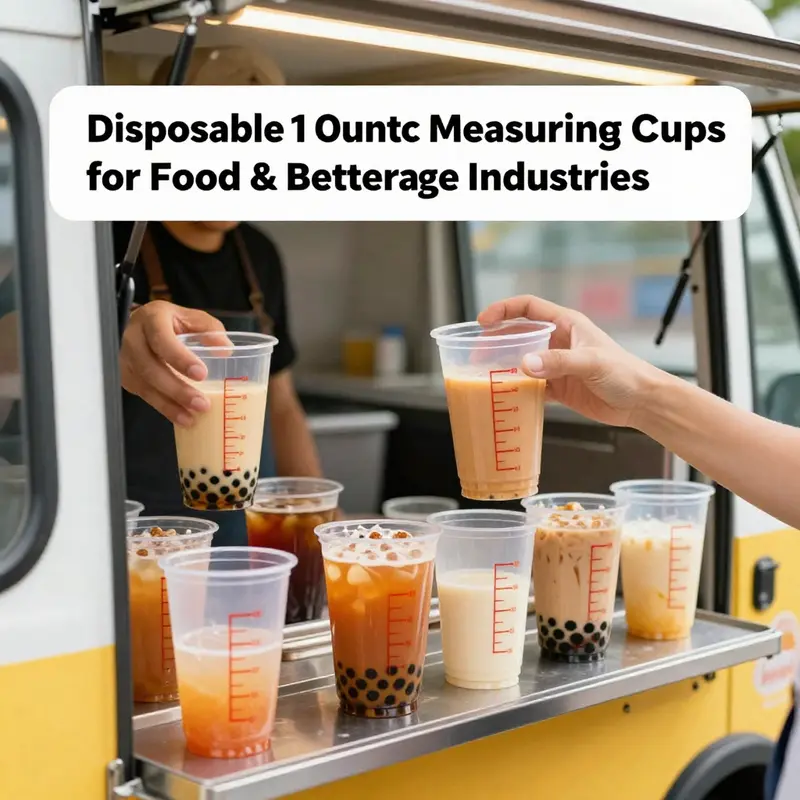
The smallest tools often carry the heaviest weight in a kitchen, a bar, or a production line. A 1-ounce plastic measuring cup, compact and unobtrusive, becomes a quiet workhorse as it translates a recipe’s intentions into tangible, repeatable results. It is not merely a container; it is a standard, a bridge between concept and execution, a device that anchors consistency in a world of taste, texture, and timing. In the realm of food and drink, where the margins of error are measured in spoonfuls or drops, the 1-ounce measure embodies a discipline. Its value shows up not only in the tasting room but across development labs, production floors, and service counters, where the goal is to deliver the same experience every time. The cup’s utility emerges from its design, material, and the mindset it enshrines: precision, hygiene, and predictability in every pour.
From the first pour to the last taste, precise measurement changes outcomes. In beverage making, the difference between a balanced latte and an overdosed sweetness often lies in small volumes that add up across a recipe. A standard liquid ounce—approximately 29.57 milliliters—provides a familiar yardstick for baristas and mixologists alike. When syrups, flavor concentrates, dairy accents, or alcohol are layered into a drink, a quick, repeatable transfer can ensure the drink remains faithful to its intended profile. The practical consequence is more than taste; it is consistency in color, aroma, viscosity, and mouthfeel. In many operations, a barista or bartender reaches for a 1-ounce measure not as a luxury but as a rhythm instrument—trustworthy in the hand, unobtrusive in the workflow, and capable of delivering a stable baseline from which creativity can flourish.
The reach of this simple tool extends well beyond the counter. In product development, tiny batches are the proving ground for new flavors, textures, and formulations. When developers test a syrup’s sweetness, a flavor enhancer’s strength, or a thickening agent’s behavior, they rely on precise, repeatable portions to compare options fairly. A 1-ounce cup acts as a kinetic standard, enabling quick iteration without sacrificing accuracy. In any lab- or kitchen-based setting, the ability to quantify small volumes with confidence shortens cycles, reduces waste, and fosters data-driven decision making. In practice, this translates to fewer re-tests, tighter control over batch-to-batch variation, and a faster route from concept to shelf or service.
The equipment ecosystem surrounding these cups reveals their versatility. The same instrument used to portion a flavored syrup can also portion a milk foamer, a citrus zest infusion, or a citrus juice concentrate that brightens a beverage without diluting its core character. In a cocktails program, the ability to measure base spirits and modifiers with precision is essential for achieving flavor harmony, particularly when building complex drinks that rely on a delicate balance of sweetness, acidity, and bitterness. The cup’s measurements function as a translator between the chef’s or mixologist’s intention and the guest’s sensory experience. In professional bars and casual venues alike, the ease of quick, clean pours makes the 1-ounce cup indispensable for maintaining service speed without compromising quality.
Materials and design play a decisive role in how reliably a 1-ounce measuring cup performs under real-world conditions. A typical cup is crafted from food-grade polymers such as polycarbonate or polypropylene. Transparency matters here, because the user wants to confirm not only the volume but the appearance of the liquid—whether it sits at a meniscus line or blends with a colored syrup. Clarity reduces guesswork, especially when color or opacity changes with different ingredients. Material selection also governs chemical compatibility; these cups must withstand acids, bases, oils, and alcohols without degrading or imparting off-notes. Polypropylene, for example, offers a solid balance of chemical resistance and toughness, while polycarbonate provides great clarity and rigidity, though it can be more susceptible to certain solvents if exposed over time. In practice, cup designers also consider the need for a two-scale readout—both milliliters and ounces—so a user can align with regional preferences or recipe sheets that use different measurement conventions. The result is a tool that remains legible under bright kitchen lights or dim bar ambience, enabling fast, accurate reads even in high-traffic settings.
The ergonomic and mechanical aspects of these cups contribute to their reliability. The rims are shaped for easy pouring, reducing the likelihood of drips that create cleanup challenges. The walls are thin enough to feel responsive in fingertip control yet sturdy enough to resist collapse when full of viscous syrups or dense creams. A well-designed cup nests neatly with others, maximizing storage efficiency in drawers and on shelves. Some models include a tight-sealing lid option that protects contents during transport or extended service, which is essential when measurements need to be preserved across a shift or between locations. This lid, while seemingly a minor add-on, becomes a practical safeguard against leakage and contamination, especially in bustling venues where spillage and cross-contact risks are real concerns. The cumulative effect of thoughtful design is a tool that performs consistently across a wide range of temperatures, textures, and duty cycles.
Hygiene and safety occupy center stage in the logic of disposable measuring cups. Being disposable by design is not merely a convenience; it is a hygienic imperative in contexts where cross-contamination carries tangible consequences for taste and safety. The single-use nature means there is no need for repeated washing or sanitizing between batches, which is a major time saver in fast-service environments. Yet disposal policy cannot be taken for granted. Modern food and beverage operations increasingly weigh the trade-offs between single-use convenience and environmental stewardship. In many facilities, cups are selected with a clear goal: minimize the risk of residue transfer, ensure consistent clean lines of measurement, and support a hygienic workflow from prep to service. The accessibility of dimensionally stable, leak-resistant cups reduces the chance of measurement errors that could arise from soaked or warped vessels, a factor that matters when precision is essential to flavor integrity and customer trust.
Procurement and cost dynamics also shape how these cups are deployed. In professional settings, the decision to standardize on a particular 1-ounce cup often hinges on factors such as packaging convenience, shelf life, and unit cost. Pods of cups with lids can be ordered in bulk to ensure a steady supply, while still enabling per-use cost control. In a bakery, cafe, or bar, the math behind ingredient cost per beverage or per batch is sensitive to every increment of the mix. When producers compare options, they look for marked accuracy, uniform graduation tolerance, and resilience to repeated chilly or warm handling. They also consider compatibility with existing utensil rails, bar mats, or prep stations, where the cup’s shape and lid configuration can affect workflow efficiency. In short, the 1-ounce measuring cup is not merely a passive tool; it is an active component of an operational system that aims for steady throughput, predictable flavor outcomes, and reduced waste.
From an environmental perspective, the ubiquity of disposable cups invites scrutiny. Plastics chosen for these tools reflect compromises between durability, clarity, heat resistance, and end-of-life options. The materials often discussed—polypropylene, polycarbonate, and related blends—offer robust performance but invite questions about recyclability and reuse. In many recycling streams, small, thin-walled items can be difficult to process, and the demand for clean, contaminant-free streams can be high. Consequently, manufacturers and operators increasingly explore designs that balance practical performance with environmental responsibility. Some cups are offered with clear guidance on recycling or disposal, and operators may adopt waste-minimization practices, such as minimizing unnecessary lids or selecting liners that align with local waste-stream capabilities. The dialogue around sustainability is not about sacrificing precision; it is about expanding the solution space so that accuracy and efficiency can coexist with responsible resource use.
In daily practice, the impact of a precise 1-ounce cup ripples through service experiences. For a beverage program, the repeatable measurement underpins the consistency customers expect, whether they are ordering a standard sweetened chai or a house-made sour cocktail. The same discipline that guides flavor balance also enhances texture, mouthfeel, and aftertaste by ensuring that the proportion of ingredients is correct. When a shop transitions from estimation to measured pours, guests notice the difference in balance and overall perception of quality. The measurable consistency becomes part of a brand’s reliability, even when the menu rotates or the staff changes. In home kitchens, the habit translates into healthier recipe execution and more predictable outcomes—no more guesswork when a recipe designer specifies a certain number of milliliters of a concentrate or a particular ounce of a spice extract. The result is a kitchen that behaves like a well-tuned instrument, producing the intended flavors with fewer surprises.
The chapter’s central truth emerges from this convergence of discipline and practicality: the 1-ounce plastic measuring cup is a micro-instrument with macro implications. It anchors standardization in a field where tastes are inherently subjective, yet consumer expectations have grown precise. It enables rapid prototyping and scalable production without sacrificing the nuance that makes a beverage memorable. It provides a hygienic, efficient, and straightforward path from formula to finished product, an unglamorous but indispensable link in the chain from concept to consumer. Its presence is often felt most acutely not in dramatic moments but in the quiet, reliable accuracy that underpins every drink served, every recipe tested, and every batch approved for the line. In this sense, the cup embodies a practical philosophy: care in the small things compounds into quality in the larger product experience.
As this chapter moves toward the broader arc of the article, the discussion returns to a core idea: measurement is a discipline that scales from the smallest cup to the largest production run. The same underlying principle guides how ingredients are handled, how recipes are validated, and how service consistency is achieved. The 1-ounce cup, in its modest form, becomes a touchstone for the meticulous attention that modern food and beverage operations demand. It stands at the intersection of convenience and science, a tool that respects both the art of flavor and the rigors of process control. This seamless integration—where simplicity supports sophistication—reveals why such a small instrument can have such a significant impact on quality, efficiency, and customer satisfaction.
For readers who want a practical reference to similar disposable beverageware in action, a representative example of the broader category is available here disposable-clear-plastic-cup-outdoor-picnic-pet-cup-drinking-cup-for-parties-birthdays-weddings-camping-utensils. This page illustrates how similar cups are designed for rush-hour service while maintaining clarity and leak resistance, a reminder of how instrument design and service context co-evolve. While the specific product choices will vary by venue and region, the underlying logic remains constant: clarity, reliability, and ease of use are the hallmarks of a tool that helps transform measurement into consistent experience.
External resource: https://www.mettler-toledo.com/en/products/food-beverage-quality-inspection.html
Markets, Channels, and Confidence: Purchasing 1-Ounce Plastic Measuring Disposable Cups
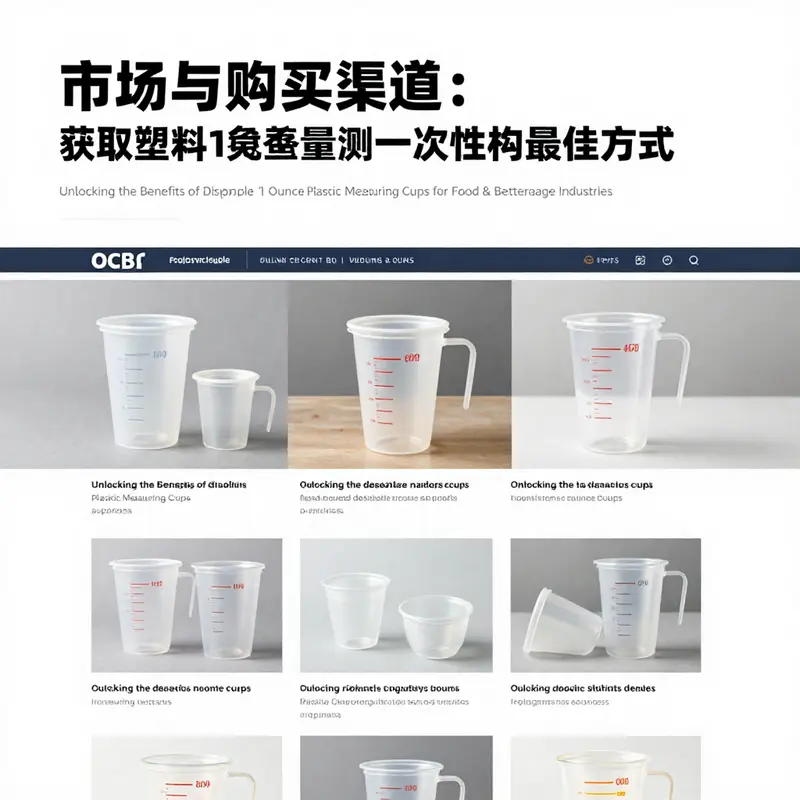
A concise exploration of how buyers approach the purchase of 1 ounce plastic measuring disposable cups. The chapter explains why this tiny tool matters, outlines material options, discusses lid behavior, and describes the signals buyers use to compare products across online marketplaces. It emphasizes the value of explicit labeling, clear capacity and usage notes, microwave compatibility where relevant, and considerations of sustainability and safety. The guidance focuses on matching the cup to the intended use, reading product descriptions carefully, and building a straightforward supplier relationship to ensure reliable stock. In practice, procurement reduces risk by specifying capacity, material, whether a lid is included, and any relevant certifications, then evaluating vendors against a simple rubric. The outcome is not just a transaction but a guarantee of precision, hygiene, and operational continuity across workflows.
Final thoughts
Adopting 1 ounce plastic measuring disposable cups can greatly enhance precision, hygiene, and efficiency in food and beverage operations, medical labs, and more. As we have explored, these cups are not only a convenient choice but also cater to industry-specific needs that elevate service quality. Each chapter in this guide emphasizes how crucial these measuring tools are, whether for quick service in a food truck or for accurate medication in a healthcare setting. Choosing the right suppliers and understanding the materials can make all the difference in achieving operational excellence.