
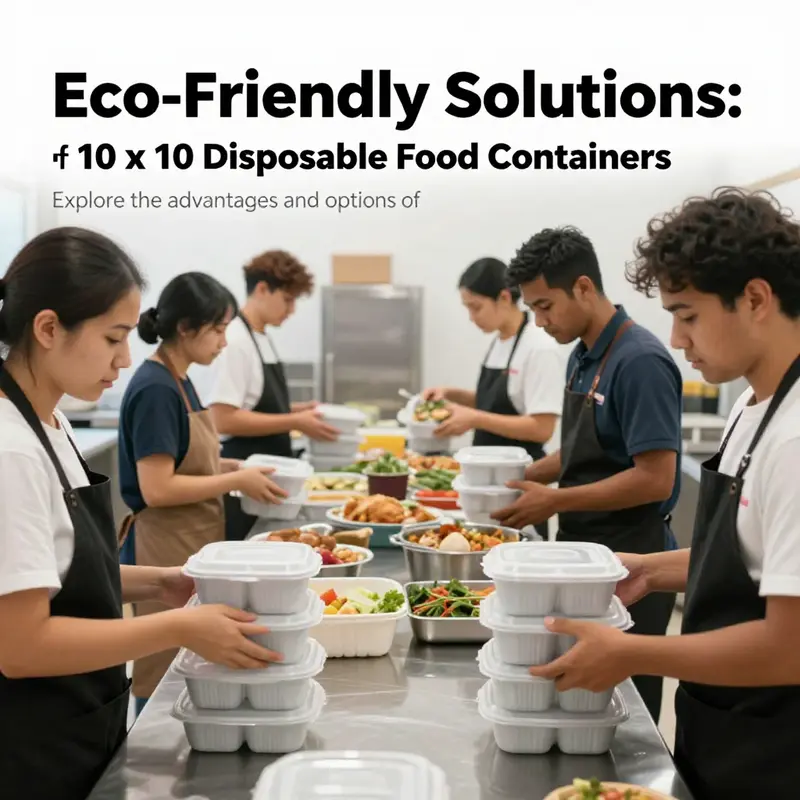
Disposable food containers are an essential component of modern food service, especially for businesses like bubble tea shops, restaurants, food trucks, and catering services. The 10 x 10 inch size has emerged as a versatile solution that caters to a variety of needs—from packaging to serving delicious meals. This article will delve into the environmental benefits of compostable containers, examine market choices and pricing, explore the advantages of plastic options, highlight essential features, and provide insights into sourcing these containers effectively. Understanding these factors will empower businesses to make informed decisions aligned with sustainability and operational efficiency.
在10 x 10英寸的可堆肥包装上书写绿色承诺:从原料到循环的环保效益
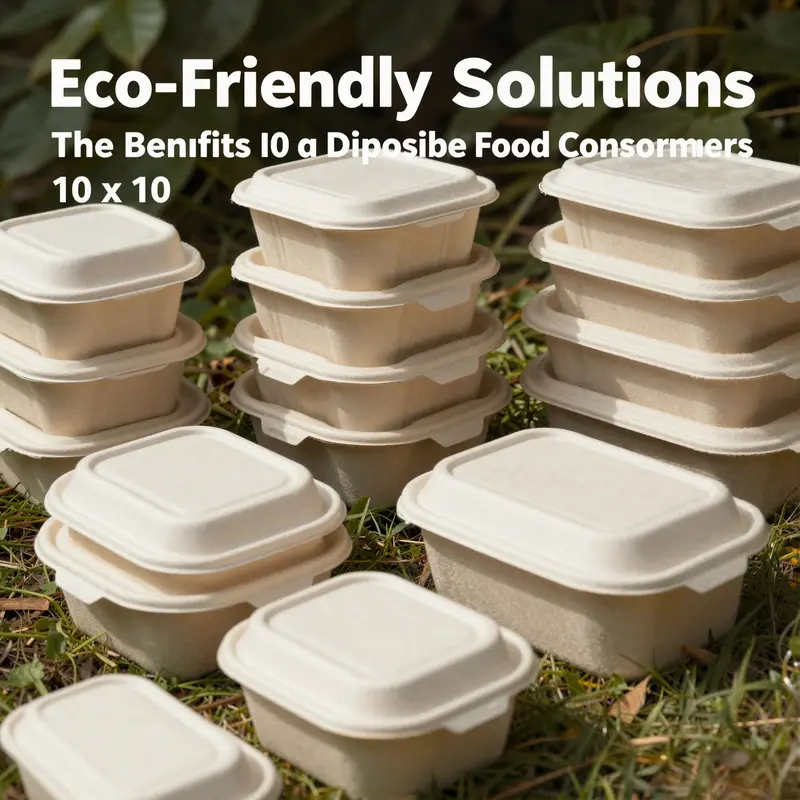
当我们把目光投向10 x 10英寸的可堆肥餐盒时,真正需要理解的并不仅仅是它的尺寸和形状,而是它所承载的环境承诺。此类容器的核心在于原材料的来源以及它在使用后如何回到自然界中,完成一个尽可能闭环的循环。以甘蔗渣为主原料的餐盒,就是一个典型而清晰的案例。甘蔗渣,作为榨蔗后留存的农业副产物,在生产过程中并不需要额外砍伐树木来获取木浆原料,这本身就减少了森林资源的消耗。森林不仅是碳汇,也是多样性保护的重要屏障;当它们被保护时,地球的绿化程度与大气中的氧气水平都能得到相应的维护。因此,选择以甘蔗渣为原料的食品容器,实质上是在帮助降低对森林的压力,推动更高效的农业副产物再利用,从而为食品服务行业的可持续转型提供一个可信赖的材料路径。正是这种从原料端就开始的环保路径,使得10 x 10英寸的容器在公众意识中被赋予了更明确的价值定位:不是单纯的包装外壳,而是生态设计理念在日常餐食中的物质体现。
从制造过程的角度看,甘蔗渣材料的生产通常需要较低的能量投放与较少的化学添加剂,与传统塑料相比,整体环境负荷呈现出明显的下降趋势。这并非仅仅因为原料的再利用性,更因为材料本身在功能设计上就朝向可生物降解与堆肥化的方向发展。对处于密集用餐场景的餐盒而言,耐热性、耐油性、以及密封性是实现广泛应用的前提,也是对比传统塑料时必须考量的重要指标。在这一点上,甘蔗渣材料的三格分隔餐盒的设计逻辑尤为清晰:它不仅承载多样化的餐品组合,还通过封盖结构和材料强度实现耐用性,使得一次性使用后仍具备进入堆肥链条的条件。这种设计思路,既照顾到了餐食运输过程中的密闭性需求,也确保了餐后回归环境的可行性。
环境效益的真正转折点,往往出现在生命周期的末端处理阶段。相较于高污染的塑料餐盒,甘蔗渣材料在具有工业堆肥条件的环境中,通常能在数周内分解成水、二氧化碳和无机质有机物,且过程不会产生微塑料或有害残留。这一点对于减缓垃圾填埋场的增长、降低土壤与水体的持久污染具有直接意义。需要强调的是,所谓“可降解”并非一概而论。只有在具备工业堆肥设施的条件下,并且材料具备合格的降解认证,才能实现所谓的“闭环”。在欧洲标准化与行业规范中,EN 13432等可堆肥包装材料的特性要求,明确提出了生物降解率需达到一定比例、且无有害残留物的条件。这些标准的存在,为企业与消费者提供了判断材料是否真的具备堆肥潜力的客观基准,也是推动供应链透明化的关键之一。换句话说,选择符合可堆肥标准的10 x 10英寸餐盒,实质是在用市场化的方式推动材料层面的环境治理,而不是仅靠个人行为来抵消生产与分发过程中的环境成本。
在当前全球对可持续包装的持续需求增长背景下,企业及餐饮服务提供者越来越倾向于采用能够在消费端完成回收或堆肥的解决方案。这不仅是对消费者绿色消费趋势的响应,也是对供应链长期稳定性的考虑。以甘蔗渣为基础的容器,在降解与再生成本之间找到了一个合理的平衡点:它们的成本区间相对可控,且在大宗采购时更容易实现规模化生产,进而降低单位成本;与此同时,通过认证与合规,企业也能更好地向消费者传达自身的社会责任与环境承诺。这种环境效益的提升,不仅体现在减轻垃圾压力和降低微塑料污染上,还包括对生态系统服务的保护、对生物多样性的支撑,以及对未来资源安全的保障。
设计与选择的实际考量,是促使这一环保路径落地的另一关键维度。对餐饮企业而言,除了材料本身的降解性,还需要关注材料的耐热性、密封性、阻油性以及对食品安全的无害性。甘蔗渣材料的三格分隔餐盒,往往通过铰链盖与合理的分格设计来实现良好的密封效果,兼顾热食与冷食的盛装需要。这种综合性能,使其成为追求绿色转型的餐饮单位的优先选项之一。另一方面,消费者对包装的直观感知也在推动行业的改进:透明或半透明材料、干净整洁的外观、以及在餐后处理环节的明确指引,这些元素共同构成了消费者信任的重要组成部分。企业若能在包装上提供清晰的可堆肥处理信息,并与本地的堆肥网络协同运作,将更容易实现“买得放心、用得安心、弃得环保”的闭环体验。
在此框架下,市场层面的价格与采购动态也为决策提供了必要的现实依据。以可堆肥纸浆餐盒为主的同类产品,在单位成本方面呈现出明显的下降潜力,尤其是在大宗采购时,单位价格往往处于较低区间,且MOQ通常具备可达成性。这一经济驱动,与环境效益共同推动了行业的广泛采用。企业在评估成本时,应将环境外部性纳入考量,将“短期成本”与“长期环境与品牌价值”进行权衡。长远来看,能实现真正闭环的包装方案,往往能够在品牌声誉、客户忠诚度、以及政府监管合规方面获得额外的回报。
在落地层面,选择合适的材料与认证,是确保环境效益转化为实际价值的基础。在评估阶段,企业应关注材料的来源、生产过程的能耗、运输距离、以及最终处置网络的可达性。如果所在地区拥有完善的工业堆肥体系,甘蔗渣材料的容器就更容易实现从“使用”到“回收再利用”的全链条闭环。此外,企业还应关注包装的耐用性与一次性间的权衡,确保在满足运输与服务需求的同时,不造成不必要的过度包装与浪费。合适的材料选择、严谨的认证体系、以及透明的溯源信息,是实现环境效益最大化的关键。
综上所述,10 x 10英寸可堆肥容器之所以被广泛视为环保效益的关键载体,源于其材料路径、生命周期末端处理与整体环境影响的综合优势。它们通过将农业废弃物转化为功能性食品包装,减轻森林资源压力,降低塑料污染的潜在风险,并在工业堆肥条件下实现快速而安全的降解。随着标准化要求的提升与全球对可持续包装需求的扩大,这类容器为餐饮企业提供了既符合环境目标、又具备市场竞争力的解决方案。对于那些希望以包装创新来强化品牌绿色形象、并在法规日益严格的市场中保持合规的企业而言,这条路径无疑值得坚定走下去。未来的包装设计将越来越强调生命周期评估、材料可追溯性与社会责任的结合,而10 x 10英寸的可堆肥容器,正处在这一转型的前沿。对于读者而言,理解并接受这一材料与处理路径的实际意义,将有助于在日常消费与商业采购中做出更明智的选择。若要深入了解与此类材料相关的行业标准与认证框架,可参考相关的权威信息源以获取更详尽的细则。外部资源: https://www.cen.eu/work/committees/technical-committee-365
如需在文中进一步连接到相关的实践案例与产品类别,可以了解更多以环保、可堆肥为核心的食品包装选项,尤其是在可降解与堆肥化性方面的综合解决方案。可作为内部参考的相关页面可通过以下入口获取:eco-friendly-disposable-3-compartment-food-grade-packaging-box-for-fast-food-high-quality-takeout-boxes-for-fried-chicken-french-fries-packaging
10 x 10 英寸食品容器市场:材料、设计与价格动态
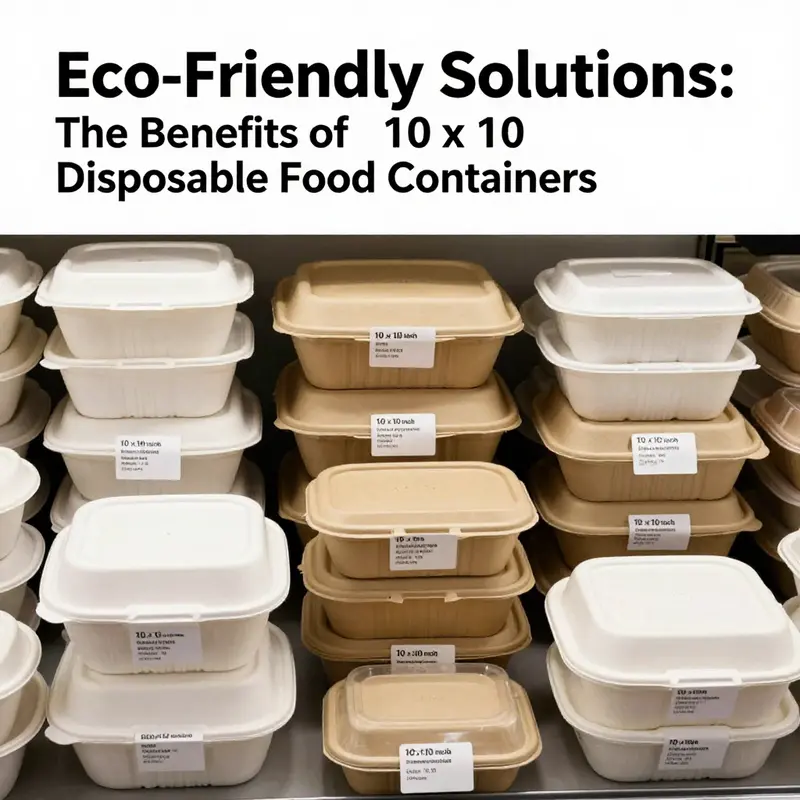
The 10 x 10 inch disposable food container has settled into a practical standard in kitchens and takeout windows around the world. It is a size that accommodates generous serving portions, supports diverse meals—from hot bowls to cold desserts—and can be adapted to a range of packaging aesthetics, from utilitarian to gift-like. Yet beneath its familiar exterior, the market for this size is a dynamic blend of materials, performance expectations, and price pressures. To understand how buyers navigate these choices, one must chart the three broad families that dominate the landscape: plant-fiber compostables, conventional plastics designed for microwaving, and paperboard or kraft-based options. Each carries distinct tradeoffs in strength, heat tolerance, end-of-life considerations, and cost, and the right pick depends on the meal type, delivery environment, and regulatory context in which a business operates.
In the realm of sustainability, plant-fiber options—most commonly bagasse, the pulp from sugarcane fiber—have emerged as the leading eco-friendly alternative for 10 x 10 inch containers. These compostable clamshells, with hinged lids that seal reliably, can handle both hot and cold foods thanks to the intrinsic strength of the natural fibers and the way the material is engineered to resist grease. The three-compartment designs, in particular, have found favor in meal-prep and assembled takeout, because they reduce the need for separate containers while offering clear parceling of entrées, sides, and sauces. For operators who want a verified environmental claim, PFAS-free formulations are increasingly emphasized in sourcing notes. The practical effect is a packaging option that supports brand narratives around sustainability without sacrificing the seal integrity required for transport and display. When a business weighs this path, it weighs not only the spearhead environmental claim but also the economics—where the cost per unit sits against the volume, the minimum order quantities, and the anticipated shelf life of the product in a busy kitchen or on a packed delivery route.
1) The plastics route remains deeply embedded in many operations, especially where rapid reusability or microwave reheating is essential. Plastic, in its microwavable variants, is lightweight, often less costly per unit than premium paper-fiber equivalents, and familiar in handling. The design space here includes sturdy walls, secure venting, and leak resistance that can withstand sauces and liquids during transit. While this path offers lower upfront and unit costs in many cases, it can carry ongoing costs tied to consumer perception, regulatory scrutiny, and end-of-life management. For some businesses, plastic options also enable a smoother transition to reusable programs, where customers bring back containers for cleaning or refill. The tradeoff is clear: convenience and lower initial cost versus longer-term sustainability considerations and potential regulatory constraints on single-use plastics in certain markets.
2) Kraft and plain paperboard solutions form a middle ground that pairs cost efficiency with a recognizable, recyclable end-of-life profile. These containers often come with simple, clean aesthetics and can be produced in large volumes at modest unit costs. Their grease resistance and heat tolerance can be sufficient for many cold or mildly hot items, but for busy kitchens with heavy sauces or fatty foods, the absence of a robust barrier sometimes requires coatings or internal liners that can affect recyclability or compostability. The result is a spectrum of options in the 10 x 10 inch range where a restaurant can tailor the product to a specific cuisine, service style, or customer expectation—whether the emphasis is on fast turnover, branding, or responsible disposal.
The market’s price architecture reinforces these material distinctions. For compostable bagasse-based three-compartment clamshells, the unit price commonly sits in a broad band from a few cents to a little over ten cents per container, depending on the exact formulation, barrier properties, and whether the vendor includes a certified compostability claim. The minimum order quantities here are typically in the thousands, with buyer considerations spanning the total cost of ownership, container performance, and the alignment with local composting facilities or curbside programs. In contrast, basic two- or three-compartment plastic or kraft options frequently land in a lower per-unit range, especially when purchased in larger volumes or when custom branding is not a priority. The economic calculus tightens further when a business accounts for packaging waste fees, potential subsidies for sustainable packaging, or the risk of product recalls tied to regulatory changes.
On the procurement side, the sheer breadth of the market means that a single size like 10 x 10 inches can appear in a surprising variety of formats—from insulated, gift-like boxes to plain, stackable deli containers with standard lids. On major online marketplaces, buyers encounter a spectrum of options that vary not just in material but in thickness, barrier treatment, and certifications. The practical takeaway for any buyer is to translate appearance and claim into performance and life-cycle impact: will this container perform reliably with hot sauces and oils, does it hold up to freezing or microwaving when defrosted? Will it be accepted by the local composting stream, or will it be recycled with other paper products? And crucially, is the price sustainable for the business over time, given order frequency and customer demand for more planet-friendly packaging?
To illustrate the complexity and breadth, imagine a practical scenario: a takeaway-focused kitchen that deals with a mix of hot entrees and sides, a few salty sauces, and a steady volume during lunch hours. A robust bagasse option with a hinged lid offers secure sealing for transport, clean separation of foods, and compostability claims that resonate with customers who value sustainability. It is common to see these containers marketed with a three-compartment layout, which supports portion control and minimizes the number of separate packaging pieces in a single order. The cost is higher than plain cardboard or basic plastics, but for operators who are ready to tout a PFAS-free and compostable story, the incremental expense is often justifiable in terms of brand differentiation and potential waste management savings. For those who require microwaving, the supplier’s specifications must confirm heat resistance and safe reheating capabilities. A practical recommendation is to begin with a trial order to assess real-world performance—how well the lid seals during delivery, whether the compartments prevent cross-contamination, and whether the grease barrier holds up when foods travel from kitchen to curbside.
An additional layer of decision-making comes from the user experience and branding. Packaging can convey a message about care for customers and the environment, and even the choice of color, texture, and printed messaging on the container can become part of the restaurant’s storytelling. If a business seeks to minimize waste while maximizing consumer perception of sustainability, it may prioritize containers that are certified as compostable and that align with local composting facilities or municipal recycling guidelines. The design can also be a lever for differentiation; a sleek, windowed kraft box or a clean, minimalist bagasse clamshell can elevate the perceived value of a simple meal, encouraging repeat orders and positive marginal utility for the brand. Meanwhile, the operational realities—lead times, supplier reliability, and shipping costs—must be weighed alongside this aesthetic and environmental calculus. A reliable supply chain reduces the risk of stockouts during peak periods, avoids unexpected price spikes, and ensures that substitutions do not compromise the customer experience or the packaging narrative a business has invested in.
For readers who want to explore options beyond basic material choices, a practical shortcut is to look at curated, eco-forward packaging collections that emphasize compatibility with microwave heating, leak resistance, and grease barriers. A representative example in the broader ecosystem is the availability of eco-friendly takeout boxes designed specifically for food packaging that combine style with performance and are suitable for craft paper and fiber-based constructions. These options can be particularly appealing to cafes and bakeries that want to reinforce a sustainable brand story while maintaining a crisp, modern presentation. To see a concrete example of this family of solutions, you can explore a collection that highlights the eco-friendly approach to takeout packaging and includes considerations for microwave use, leak resistance, and ease of disposal. This kind of resource helps translate the theoretical advantages of plant-fiber packaging into tangible choices for daily operations, from ordering to daily use in the kitchen and in the delivery bag.
As the market evolves, the cost and availability of 10 x 10 inch containers will continue to shift with raw material prices, certification standards, and consumer expectations. The industry is moving toward greater standardization in dimensions and intercompatibility of lids and liners, which helps restaurants mix and match components without overhauling entire packaging lines. This trend lowers barriers for smaller operators to adopt more sustainable options while preserving the flexibility to adapt as menus and service styles change. The broader implication for the entire ecosystem is clear: the 10 x 10 inch format remains a practical battleground where design decisions, material science, and price strategies converge to shape how meals are packaged, presented, and disposed of. In this context, a thoughtful choice—one informed by performance data, supplier reliability, and environmental credentials—becomes a strategic lever for customer satisfaction and a brand’s environmental promise.
Internal link for further options: for an accessible collection of eco-friendly takeout boxes that balance style, safety, and sustainability, see the following resource: eco-friendly takeout boxes for food packaging.
External resource for readers seeking additional context on compostable packaging and end-of-life considerations: https://www.amazon.com/dp/B0CZJ4B8W5
十平方英寸的抉择:在10 x 10一次性餐盒之间寻求便捷、环保与安全的平衡
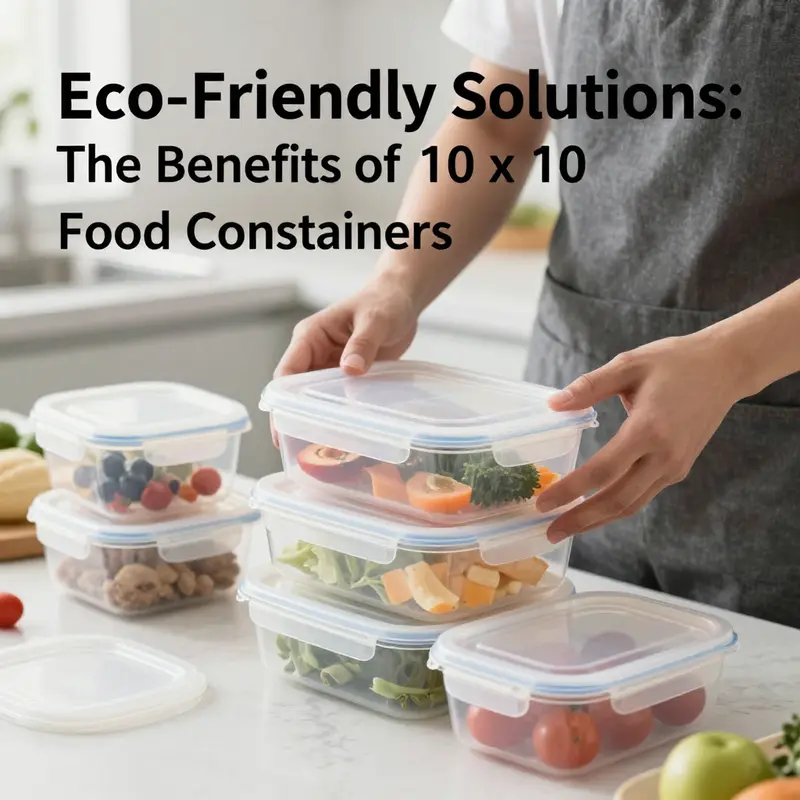
在餐饮与家庭厨房的日常场景中,10 x 10 英寸的一次性餐盒看似一个简单、甚至是微小的工具,却承载着更广泛的运营逻辑、材料科学与健康考量的交叉点。这个尺寸并不只是一个几何数字,而是一个能同时容纳主菜、配菜或一份轻食的“工作空间”。对于外卖平台、学校餐饮、企业餐厅和日常家庭聚餐而言,这种盒型的实用性体现在多方面:它的容量恰到好处,既能让食物维持均衡的分量,又能通过合适的盖子实现密封和便携。更重要的是,这种尺寸往往与市场上常见的材料和包装形式共振,形成一个清晰的对比框架,帮助企业和消费者在快速消费与长期可持续之间做出更明智的选择。
从材料角度看,10 x 10 英寸的塑料餐盒以食品级聚丙烯(PP)或聚苯乙烯(PS)为主,这些材料以耐热、耐用和良好密封著称。它们的设计往往强调耐用性与易用性,铰链盖式的结构便于重复打开与关闭,方便打包、分发和携带。透明或半透明的材质让食客在取餐时能一眼看到内部的食物内容,减少二次打开的需要,从而提升外卖流程的效率。对于餐饮业来说,10 x 10 的盒型在外卖单、冷食沙拉、烘焙食品或小份热食的组合中,通常可以实现1到2人份的容量配比,既帮助分发又便于在送达时保持食物的新鲜与完整。这样的容量与设计也使它成为许多家庭在准备午餐盒、野餐餐点或旅行餐食时的“首选尺寸”,其多用途性在日常生活中不断显现。
然而,随着对包装环境与健康影响的关注加深,纯粹以一次性、低成本为导向的选项正在被更全面的考量所替代。市场上也涌现出以甘蔗渣纤维等植物纤维为基材的可堆肥/环保型餐盒,尽管尺寸与形状可能略有差异,但在10 x 10 英寸这一规格下,仍然可以提供类似的容量和密封性,同时具备更易于终端处理的生物降解属性。这类可堆肥餐盒往往采用三格分隔的设计,如同传统的盒盖系统一样,提供良好的食物分界,便于分装不同食材,减少混味与污染的风险。它们的优点在于,使用后可转入堆肥体系,理论上能降低对土壤与水体的长期负荷,且常见的“无PFAS”或避免含有有害化学添加物的标准,进一步降低食品接触材料对健康的潜在影响。对经营者而言,选择这类材料不仅是在传递环保价值,也是在建立对消费者健康的承诺,这种承诺在当下的餐饮行业话语中越来越占据核心位置。
在价格与采购方面,10 x 10 英寸的容器的成本差异明显来自材质、品牌与订购数量。研究显示,可堆肥纸浆餐盒的单件价格通常在每件0.02美元到0.12美元之间,起订量常见在1万件左右,这对大型餐饮企业和外卖平台来说具有一定的经济可行性。相比之下,普通的基础款10英寸塑料餐盒价格常常更低,甚至达到每件0.02美元的水平,但若采用更复杂的三格分隔设计或增强的密封结构,价格区间会扩展到0.03到0.10美元之间。这种成本结构意味着在高需求季节或活动性强的场景,选择高性价比的组合就显得尤为关键:既要保证食物安全与运输稳定,又要控制单盒的综合成本,避免对利润率造成过大压力。
对采购决策而言,MOQ 与供应链的稳定性同样不可忽视。长期或大规模运营通常需要考虑供应商的交期、包装一致性及对品牌可持续承诺的对齐。可堆肥纸浆材质尽管在环保方面具备明显优势,但其来源、加工与堆肥条件也会影响实际使用体验,例如在极端温湿度环境下的耐用性、盖合的密封性以及运输过程中的抗渗性等。塑料盒则在耐用性和耐热性方面具有一定优势,但使用时要关注长期重复使用的安全性、对微波加热的适用性以及潜在的化学迁移风险。上述差异提示采购方在制定标准时,应将用途场景、清洁与再利用计划、以及配送网络的实际需求纳入考量,以实现成本、性能与健康之间的均衡。
从健康与安全的角度看,塑料容器在设计上往往具有较好的耐热性和密封性,但并非没有代价。长期暴露在高温环境或在微波炉中频繁加热使用时,材料可能经历老化、刮痕和某些化学物质的析出风险。权威机构的讨论也提醒消费者减少对一次性塑料的依赖,优先考虑可重复使用的替代品,如玻璃或不锈钢容器,尤其是在家庭日常使用或重复加热场景中。这并不意味着塑料餐盒完全不可用,而是鼓励将其定位为临时性、非重复性使用的工具,并遵循简单的保养原则:避免在高温下进行长期存放,尽量用手洗而非洗碗机高温清洗,留意出现变色、划痕、浑浊或密封性下降时及时更换。对于食品安全风险的进一步降低,优先选择那些标注无PFAS、无双酚A等有害添加物的产品,并在可能的情况下尽量减少食品在高脂肪、含水量高或酸性环境中的长时间接触。综合来看,10 x 10 英寸的塑料容器在便携性、成本和实用性方面具有显著优势,但其长期使用需谨慎对待材质安全与正确的清洁/使用方式。
就实际应用而言,企业与个人在同一尺寸层面上存在不同优先级。对于外卖和零售场景,透明材质与简易密封的组合有助于提升食物的可视性和交付稳定性,同时降低退单风险。对于需要更强分隔和更高环保要求的场景,三格分隔、可堆肥材料的容器则更具吸引力。为帮助读者快速理解可选项,前述研究资料指出,若目标是兼具环保属性和实际可操作性的盒型,优先考虑甘蔗纤维等植物纤维材料制成的三格分隔餐盒是当前市场上最具相关性的直接购买选项之一,它们在亚马逊等渠道具有广泛的可得性与用户评价的支撑。关于这一类材料的具体规格与参考信息,读者可通过以下示例页面进行了解。但在此不展开具体品牌名,以便将焦点放在材料特性、设计功能与采购考量上。
在探索10 x 10 英寸餐盒的过程里,设计与包装的选择往往不仅是对“食物装载”的优化,更是对整个供应链可持续性承诺的表达。可堆肥、无PFAS、并且具备良好分隔效果的盒型,能够有效降低混味风险,提升外卖体验,并且在餐后处理环节为绿色处理提供更强的可行性。另一方面,塑料盒的优势在于成本低、耐用性高、清洗和再利用的便利性,这在家庭聚会、临时活动或短期工作餐中尤为重要。面向未来,企业和家庭都应看到一个逐步趋向的转变趋势:从强调单次使用的成本效益转向兼顾使用场景与生命周期的综合评估。随着对回收、堆肥和再利用的标准日益严格,盒型选择也将逐步被更清晰的标签、认证与方法所支撑,而非仅看眼前的价格数字。
在将视野从单一盒子的功能扩展到整个餐饮流程时,10 x 10 英寸的盒型还暴露了一个更广泛的问题:如何在提升效率与确保健康之间取得平衡。对外卖团队而言,透明盒身不仅方便顾客快速识别餐点,还能在取餐、分拣与配送阶段减少误差,提升流程效率。对于家庭使用,则可能需要更易清洗、耐用的材料,以及更清晰的食品接触安全指南。这些因素共同构成了一个综合的考量矩阵:容量与密封性、材料来源与健康安全、价格与供应稳定性、以及对环境的影响。读者在做出选择时,越过单纯的“便宜或贵”的简单二选一,越能发现哪些盒型在特定情境下最具性价比,以及哪些组合能够在长期内更好地服务于健康、效率与可持续性三者的平衡。
最后,10 x 10 盒型的讨论并非孤立的技术问题。它与餐饮运营流程、供应链管理和消费者教育密切相关。企业若以环保、健康为核心价值进行包装选择,便会在消费者心中建立可靠的品牌形象,也会在法规和市场趋势变化时具备更强的韧性。对于个人消费者而言,理解不同材料与设计的利弊,学会在日常购买中做出明智的选择,亦是推动社会整体向更可持续方向前进的一种方式。对于未来的章节,我们将把焦点进一步放在如何把10 x 10 尺寸的盒型与具体的操作流程、采购策略和生命周期评估结合起来,探索在不同业务场景中实现更高效与更透明的可持续包装方案。与此同时,以下链接提供了一个关于可替代塑料包装的外部视角,帮助读者拓展理解和应用边界:
eco-friendly disposable three-compartment packaging
外部参考:在更广泛的健康与环境背景下,读者也可参考关于替代塑料包装的综合解读,帮助把握趋势与实践路径,见下方外部资源。
外部参考链接: https://www.housedigest.com/health/alternatives-to-plastic-food-containers/
The Form and Function of 10×10 Disposable Food Containers: Capacity, Clarity, and Convenience
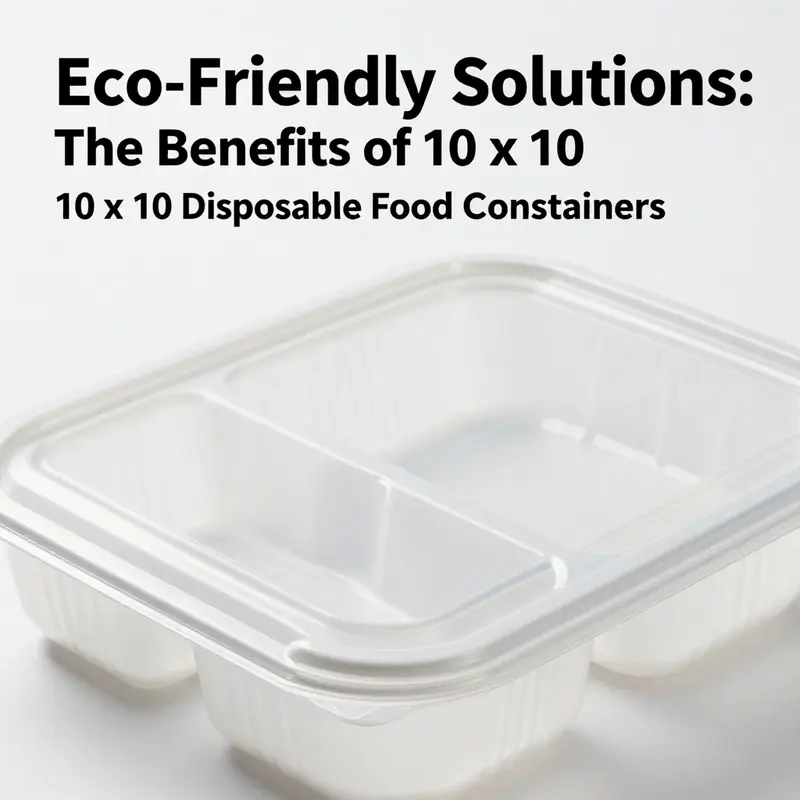
The 10 x 10 inch disposable food container sits at a pragmatic crossroads where capacity, portability, and presentation converge. In many catering and takeout workflows, this size becomes a versatile workhorse that can accommodate a wide range of foods while maintaining a compact footprint for storage, display, and transport. The square footprint offers predictability: it stacks neatly, nests efficiently, and provides a stable platform for both bulk bakery items and multi-item takeout assortments. The real value emerges when the container is designed with a clear understanding of its functional roles. It should cradle items securely, invite visual curiosity, and simplify service logistics without demanding specialized handling from staff or customers alike. This is not merely packaging; it is a portable extension of the food itself, preserving texture, moisture, and appeal from oven to table, or from stall to celebration, with minimal friction along the way.
A primary feature of this size is its capacity and spatial design. A 10 x 10 container can accommodate a mid-sized cake, a substantial pie, or a layered dessert while allowing room for frosting, toppings, or garnish. The shape contributes to a balanced presentation—cakes can be displayed with visibility through a window, pastries can breathe on a shallow tray, and multiple items can be arranged in a visually appealing, symmetrical layout. In wedding or event settings, the geometric predictability of a square container supports consistent table layouts and uniform catering displays. The capacity is not just about volume; it also matters how thoughtfully the interior geometry guides the placement of items, minimizes shifting during transit, and reduces crowding that can ruin the intended presentation.
Beyond interior space, the container’s structure must withstand the rigors of handling. The most dependable designs employ a thick, rigid exterior—often a base made from sturdy paperboard or carton stock—that resists bending and denting when stacked or carried in a carrier. A robust hinge or lid mechanism is essential for maintaining a secure seal, especially when hot foods are involved or when customers carry meals across campuses, workplaces, or busy streets. The bottom panel is typically reinforced with a concentric ridge or a similar pattern to bolster weight distribution, so the container remains upright and stable even when loaded with delicate items like pastries or soft cakes. This stability translates into fewer product complaints related to leakage, deformation, or toppling during unloading, supporting a reliable customer experience and reducing waste in the supply chain.
Another hallmark of this size is the ability to combine form with function through transparent windows. Windowed designs permit customers to glimpse the contents without opening the lid, a feature central to visual merchandising. The window allows the natural beauty of baked goods—glazes, delicate layers, or warm tones of a fresh loaf—to inform purchasing decisions at a glance. Windowed packaging also reinforces transparency and trust, signaling a clean, food-safe container that respects the consumer’s right to see what they are buying. For the baker or caterer, the window is more than aesthetics; it is a practical tool for showcasing the product’s quality and portioning, which can influence perceived value and impulse purchases. Materials for the window must be food-safe and compatible with the base stock, often employing a clear, rigid plastic that resists fogging and cracking while withstanding temperature variations during transit.
The choice of materials is central to safety and sustainability. High-quality, food-grade options prioritize safety—no heavy metals, phthalates, or fluorinated coatings that could migrate into food. The broad category includes natural cardboard or paperboard paired with inner barriers or coatings that resist moisture and oil, ensuring the contents stay dry and intact. Some designs integrate a barrier that allows wet foods to be carried without sogginess compromising the exterior, while others lean toward compostable or recyclable configurations for a more sustainable lifecycle. In practice, this means suppliers balance strength, moisture resistance, and environmental considerations against price and availability. It also means customers gain assurance that what they are packaging for disposal or recycling aligns with local waste streams and consumer expectations for responsible packaging choices.
Ease of use is another essential thread in the chapter’s narrative. The 10 x 10 format is frequently shipped flat or in a semi-assembled state to minimize space during storage. Staff can unfold, fold, and secure a lid in seconds, reducing the time needed to prepare meals for pickup or delivery. For operators managing high-volume events, the speed and reliability of assembly translate into tangible labor savings, allowing more attention to order accuracy and food safety. The design should also accommodate a quick, confident seal to minimize the risk of leakage during transportation. In practice, a well-thought-out hinge and lip design can prevent lid misalignment that often leads to spills, while a stable base reduces the risk of tipping when the container is placed on a crowded table or nestled into a crowded delivery bag.
The 10 x 10 inch format proves its versatility across multiple use cases. Although popularly associated with cake boxes and bakery packaging, the same footprint easily adapts to bread loaves, assorted pastries, cookies, or even savory items like sandwiches and small snack assortments. Restaurants that offer grab-and-go menus frequently rely on this capacity class to create efficient, modular packaging systems. When a culinary team can standardize on one size that can accommodate a variety of products, inventory control becomes simpler, procurement more predictable, and the customer experience remains consistent—regardless of the order’s contents. In events and catering, the container’s large interior also accommodates labeling, dividers, or decorative tissue, allowing hosts to tailor the presentation to the occasion without sacrificing the practical advantages of a single, scalable solution.
A critical performance dimension is moisture and oil resistance. The inner faces may feature coatings or barrier layers that preserve the texture and appearance of the food, especially for items with sauces, oils, or moisture-prone toppings. This barrier protects the exterior surface from penetrations that could compromise the box’s integrity during stacking, and it protects the product from external contaminants, which influences consumer perception of freshness. When the barrier is well implemented, the container can transport warm pies or dense pastries without the risk of grease marks or dampened crusts on the lid. For operators aiming for a premium presentation, these technical features are often invisible to the eye but integral to maintaining quality from oven to consumer hands.
The environmental conversation around this container size is nuanced. Compostable, plant-based materials such as bagasse offer a meaningful reduction in landfill burden when disposed of in appropriate facilities, but real-world performance must be weighed against cost, supply, and local composting infrastructure. Recyclable and recyclable-friendly designs can also offer environmental advantages, particularly in markets with established paper recycling. Lifecycle considerations extend to the end-of-use phase: whether the container is divertible from traditional waste streams, whether it supports composting resources, and how easily it can be separated from its contents for recycling. Buyers increasingly seek a clear path to end-of-life with minimal compromise on performance during use. This balance shapes procurement decisions, especially for businesses that process large volumes at a fixed price per unit.
From a procurement perspective, the economics of the 10 x 10 container are determined by a blend of material choice, manufacturing complexity, and volume. While a simple single-material variant might carry a low per-unit cost at scale, the inclusion of a window, a multi-compartment layout, or a compostable barrier can raise the unit price. For operations ordering thousands of units, even a small difference in per-unit cost compounds into substantive annual savings or expenditures. Lead time and MOQs that suppliers impose are equally important. Businesses planning events or seasonal promotions benefit from flexible MOQs and reliable delivery timelines to avoid stockouts at critical moments. The right packaging strategy thus requires aligning product attributes with demand patterns, storage realities, and budget constraints while preserving the user experience that customers expect when they choose a ready-to-serve, attractive container.
To connect these dimensions with a tangible reference, consider how a windowed 10 x 10 container can elevate impulse purchases. The visual cue provided by the transparent pane invites customers to engage with the product before picking it up. The container’s clean lines, neutral color palette, and subtle texturing reinforce a premium feel without introducing harsh branding that could clash with diverse menu aesthetics. In many markets, a small, legible label remains the most reliable way to convey ingredients, allergens, and serving size while maintaining a sleek overall look. The end result is a packaging experience that respects the food’s artistry and the consumer’s time, with ease of use, reliable protection, and an approachable price point. For a tangible example, industry references show how windowed packaging supports visibility and product integrity during transport.
As a closing thought, the 10 x 10 disposable container is not a single-purpose gadget but a flexible platform. Its strength lies in its capacity to be configured for a spectrum of foods, to present with clarity, and to travel with confidence. Its design calls for a mindful balance of structure, barrier technology, and user-centric features that together support efficient workflows, memorable presentations, and responsible packaging choices. The result is a packaging solution that does not merely hold food but enhances the entire experience—from the moment a pastry is boxed to the moment it is unwrapped and savored. A practical example of windowed packaging in this size can be found in cake-box designs with secure hinges, clear tops, and reinforced bases that travel well and present beautifully.
The 10 x 10 Equation: Production Realities and Smart Sourcing of Square Disposable Food Containers
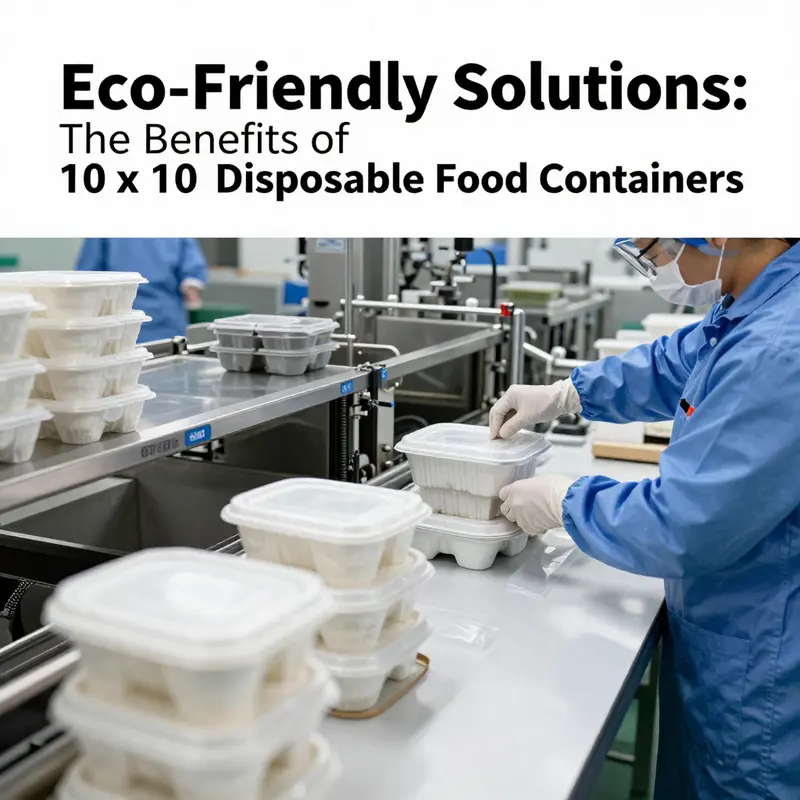
The 10 x 10 disposable container is more than a shell for takeout and catering; it is a compact decision matrix that reflects material science, logistics, and the evolving ethics of packaging. In a market where presentation matters as much as preservation, the square footprint offers a broad, flat surface that showcases foods while its modest height keeps stacks stable and transport efficient. Beneath the clean lines lies a web of choices that can tilt cost, sustainability, and customer perception in subtle but meaningful ways. The challenge for chefs, caterers, and retailers is not simply to find a container that fits a plate or a pastry box, but to align form with function, lifecycle, and supply chain realities while keeping the end user experience front and center. In this context, production and procurement decisions become strategic levers for quality, consistency, and resilience.\n\nMaterial diversity remains the most consequential axis of variation within the 10 x 10 family. On one end, there are compostable options built from plant fibers such as bagasse, a byproduct of sugarcane processing. These containers are designed to biodegrade in industrial composting streams, aligning with a broader shift toward reducing single use plastic and diverting waste from landfills. For many food businesses, bagasse-based boxes offer a compelling blend of rigidity, moisture resistance, and heat tolerance that makes them suitable for both hot dishes and cold display. The economics typically show a price ladder that starts low at very large quantities and climbs as features change—such as adding a three-compartment layout or a hinged, leak-resistant lid. The starting price bands, often cited in industry commentary, reflect MOQs that are required to achieve favorable per-piece costs. A pragmatic buyer weighs the total cost of ownership, including disposal costs and compliance considerations, against the environmental and brand benefits of compostable packaging.\n\nAcross other material options, food-grade PET plastic provides a different set of advantages. PET containers offer lightness and resilience, with a surface that readily accommodates labeling, branding, and visual cues that help a product stand out on a crowded display. The design language can range from simple shallow trays to more robust, three-compartment clamshell configurations, each engineered to resist leaks and preserve the integrity of delicate items such as pastries, desserts, or sushi platters during transit. PET’s compatibility with microwaving is a common selling point for ready-to-heat meals, though care must be taken to confirm the specific product’s microwave ratings and to communicate appropriate usage guidance to customers. In addition to functional performance, manufacturers frequently apply surface treatments such as UV-resistant coatings or embossed textures to satisfy branding goals while enhancing grip and stackability. The procurement decision here is not only about price per piece but also about compatibility with existing kitchen processes, including dishwasher reuse or supplier-led recycling programs.\n\nDesign details play a critical role in how well a 10 x 10 container serves its intended purpose. A three-compartment format, common in the compostable category, enables meal assembly without their components touching, which supports hygienic presentation and portion control. A hinged lid is another key feature, offering a secure seal that reduces leaks and keeps contents intact through rough handling and variable transit conditions. The geometry matters as well: the flat, square footprint maximizes display area for cold foods while maintaining a neat, space-efficient packing footprint in vehicles and on buffet lines. For the consumer who relies on a quick grab-and-go experience, ease of opening with one hand and a reliable seal that resists accidental spills are essential. These design elements collectively influence consumer satisfaction, repeat orders, and even venue waste streams, as complicated lids or fragile walls can undermine the overall experience and push customers toward alternative packaging choices.\n\nProcurement, in turn, moves from a simple supplier hunt to a strategic sourcing exercise that considers both cost and supply chain risk. The market for 10 x 10 containers spans a spectrum of suppliers, with bulk viability tied to MOQs and lead times. When a business commits to compostable bagasse containers, it is typically facing a minimum order quantity that reflects the manufacturing realities of working with natural fiber composites. The per-piece price often follows a stair-step pattern: the more you buy, the lower the unit cost, with additional costs for specialized features such as three compartments or a compostable lid. In contrast, basic plastic variants can carry lower MOQs and faster turnaround times, though tradeoffs in end-of-life impact and consumer perception must be weighed. A prudent procurement approach evaluates not only the sticker price but also supplier dependability, material certifications, and the ability to customize design and print while preserving compatibility with existing equipment and storage spaces.\n\nA practical lens on sourcing reveals the importance of vetted channels and validation checks. The online marketplace landscape offers access to a wide array of options, from standard stock to customizable solutions. Buyers should verify that materials intended for food contact meet relevant safety standards, and they should seek third-party certifications that attest to fiber content, compostability, or recyclability where applicable. Beyond materials, the sourcing process benefits from clarity about packaging performance metrics such as heat tolerance, moisture barrier, and sealing integrity. These attributes are not merely technical—they determine kitchen workflow, shelf life, and customer trust. When negotiating with suppliers, it is wise to request samples, test them under real-world conditions, and confirm the expected tolerances for dimensions, lid alignment, and seal strength. The conversation should also surface data on disposal pathways, ensuring that the end-of-life story aligns with local waste infrastructure to avoid misaligned expectations or greenwashing.\n\nFor teams navigating this landscape, the path often leads to a multi-vendor strategy that balances availability, price, and sustainability. In practice, many operators reserve compostable bagasse options for events, promotions, or premium offerings where the environmental narrative can reinforce brand values. Meanwhile, more routine applications—such as daily takeout or recurring catering orders—might leverage PET options where the emphasis is on weight efficiency and durability. The pricing calculus becomes an ongoing dialogue: what is the per-piece investment that yields consistent plate presentation, predictable performance, and a reliable supply? How does the choice of material influence labor costs, such as breakage during handling or time spent on drying and stacking? And how do disposal and recycling protocols interface with the chosen packaging strategy? These questions guide a cohesive, data-informed procurement plan that remains adaptable as supplier capabilities evolve and as consumer expectations shift toward clearer labeling and responsible packaging.\n\nAs the market continues to evolve, one practical path to making informed decisions is to engage with suppliers who provide comprehensive product specifications, certifications, and sample programs. The ability to compare materials not by price alone but by lifecycle attributes—such as compostability versus recyclability, or biodegradability in different environments—becomes a differentiator. This approach supports not only a more responsible packaging program but also a more predictable supply chain, especially during peak demand periods. It is worth noting that the questions you ask a supplier should extend beyond immediate fit. Ask about minimum orders, lead times, packaging customization options, and post-use disposal guidance for end customers. Request data sheets on fiber content, grease resistance, and temperature tolerance. Confirm whether the supplier adheres to environmental management standards and whether their products are suitable for the intended waste streams in your locality. In a world where consumer choice increasingly hinges on sustainability narratives, the packaging you select communicates as loudly as the food inside it.\n\nIn this context, the value of a square 10 x 10 container extends beyond its physical dimensions. It functions as a platform for storytelling about responsible sourcing, efficient logistics, and consistent guest experiences. When a caterer or retailer can articulate how a chosen container supports food safety, reduces waste, and aligns with a company’s sustainability goals, the packaging becomes an extension of the brand rather than a mere afterthought. The decision is not simply to buy the cheapest option or the most fashionable one but to select a container that harmonizes with core operational realities and long-term strategic aims. For teams that want to learn more about practical sourcing avenues while also exploring what the market has to offer in terms of customization and sustainability, one internal resource offers a thoughtful overview of takeout packaging options and supplier relationships. The sourcing journey culminates in a disciplined, evidence-based approach to selecting 10 x 10 containers that balance cost, performance, and environmental responsibility. It requires a clear understanding of the end-to-end lifecycle—from manufacturing inputs to end-of-life outcomes—and a willingness to adapt as new materials, certifications, and consumer expectations emerge. As markets mature, suppliers increasingly offer transparent data on material content, compostability claims, and the structural performance of complex designs. Buyers who integrate these insights into their purchasing routines can sustain product quality across seasons, reduce waste in packaging, and strengthen their brands’ commitments to responsible stewardship. The 10 x 10 container is more than a product category; it is a reflection of how today’s food businesses negotiate the tension between speed, cost, and conscience, delivering experiences that are as dependable as they are thoughtful.
Final thoughts
In conclusion, 10 x 10 disposable food containers present a perfect blend of functionality and environmental stewardship. From compostable options that cater to eco-conscious consumers to sturdy plastic varieties ideal for reheating and storage, there’s something for every business need. Understanding the market dynamics, pricing strategies, and sourcing channels will further enhance operational efficiency while contributing positively to sustainability goals. By choosing the right containers, businesses can ensure a seamless experience for their customers while taking a step towards a greener future.