

In today’s culinary landscape, the demand for efficiency in kitchens—from restaurants to food trucks—necessitates a keen understanding of food safety considerations. A common question arises: are plastic food containers microwavable? This question is crucial for businesses relying on effective reheating of food products, where improper use might lead to potential hazards. In the following chapters, we will explore the safety and risks associated with microwaving plastics, identify microwavable plastics by their characteristics, understand the concerns surrounding chemical leaching, and end with best practices that guarantee health and safety in food preparation. By equipping food industry professionals with this knowledge, we can promote safer food handling and enhance consumer confidence.
When Heat Meets Plastic: Unraveling the Safety and Risks of Microwaving in Food Containers
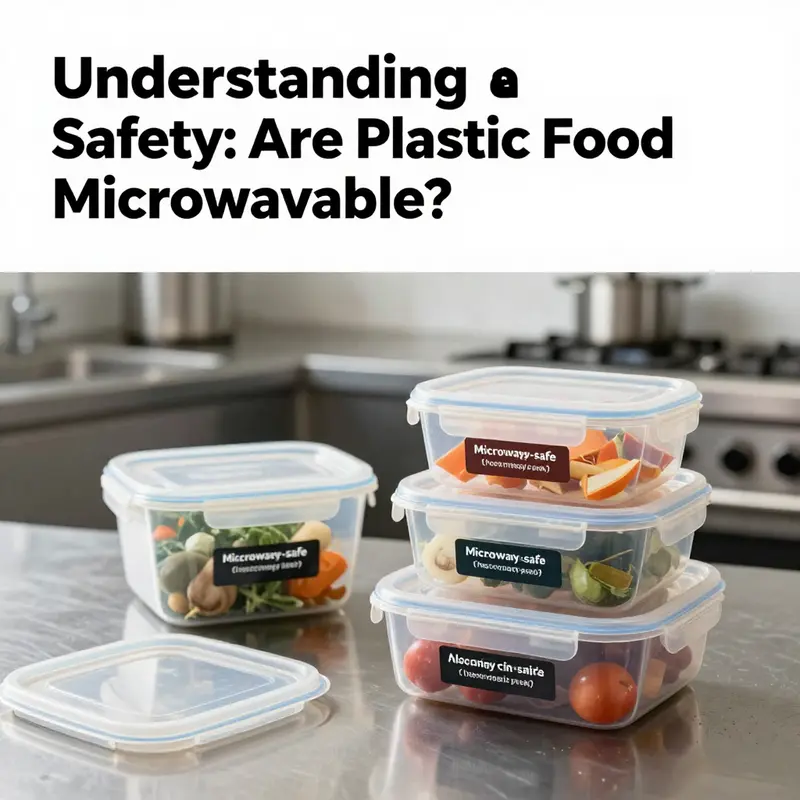
Heat and home cooking rarely stay apart for long, especially when a busy day ends with a reheated meal in a plastic container. The everyday habit of zapping leftovers in the microwave has become a default for many households. Yet beneath the convenience lies a tangled web of question marks about which plastics withstand the heat, which leach chemicals, and how labeling translates into real safety. The central tension is simple to state, even if the science is unsettled: some plastics are designed to tolerate microwave temperatures, but not all of them can be trusted to do so without risk. Understanding this distinction requires looking closely at the chemistry of plastics, the meaning of safety labels, and the way small amounts of risk add up over time through repeated exposures. The conversation is not just about a single cup of soup; it is about how choices in the kitchen intersect with long-term health, particularly for children and people who rely on reheating as a daily routine.
At first glance, the labeling system seems straightforward. Containers that carry a clear “Microwave-Safe” symbol or explicit language are presumed ready for reheating. But recent research reveals that labeling alone does not guarantee complete safety. A study published in Environmental Health Perspectives in 2023 found that a substantial portion of containers not designed for microwaving still released detectable amounts of harmful chemicals when heated, under conditions that mimic real use. Even more troubling, some containers officially labeled as microwave-safe still facilitated chemical migration, albeit at levels within regulatory thresholds. This paradox—the existence of both non-microwave-safe leaching and microwave-safe labels that fail to guarantee zero migration—speaks to the reality that chemical risk is not a black-and-white verdict but a spectrum influenced by plastic type, additives, temperature, time, food composition, and wear over years of use.
The most discussed culprits in this spectrum are phthalates and bisphenols. Phthalates, used as plasticizers to keep certain plastics flexible, are well known as endocrine disruptors. Bisphenols, including BPA and some of its substitutes such as BPS and BPF, are used in various polycarbonate plastics and epoxy resins. These compounds can mimic hormonal signals, potentially interfering with development, metabolism, and reproductive function. The concern grows when one considers cumulative exposure. People are rarely exposed to a single chemical from a single source; instead, everyday life aggregates a mosaic of exposures from food packaging, drinking vessels, cosmetics, and other consumer goods. Even exposure levels that stay below the FDA’s current thresholds may accumulate in ways that matter for long-term health, particularly for vulnerable groups like pregnant people and growing children.
The material matters as well. Not all plastics behave the same when heated. Polypropylene, or PP (commonly coded as #5), often appears in microwave-friendly containers because of its relatively high melting point. But this safety is contingent on the container being purposefully designed and certified for microwave use. The mere presence of the PP label does not guarantee safety if other plastic additives or sealants are involved, or if the container has been damaged or worn. By contrast, PET (#1) is typically not recommended for microwaving because its stability at high temperatures is uncertain, and repeated heating can alter its structural integrity. PS (#6) is not considered safe for microwaving either; it can melt and may release styrene, a compound with potential health concerns when heated. PC (#7) often contains BPA or related substances and should be avoided for heating. PE (#2) is typically limited to cold storage and not intended for high-heat scenarios. Taken together, the classification system is not a single carte blanche for safety but a nuanced framework that requires attention to the specific resin, the precise use, and the physical state of the container.
What this means in practice is that safe reheating hinges on more than a label. It depends on the container’s construction, the type of plastic, the presence of any coatings or multilayer structures, and how long the container is subjected to heat. A container that is labeled microwave-safe might still leach trace chemicals if it has internal coatings or if it has suffered wear and tear over months or years of use. The implication for daily life is clear: when in doubt, avoid using plastic for heating at high temperatures. If the container cannot be clearly confirmed as microwave-safe, the prudent move is to transfer the food to a nonplastic vessel, such as glass or ceramic, before heating.
Another practical consideration concerns the way we heat foods. The lid is a frequent culprit of trouble. A tightly fitting lid can trap pressure and steam, potentially causing a container to warp, split, or even burst. This is not merely an inconvenience; it can lead to spills and food contamination, and it can also alter the integrity of the container, making future heating more risky. Plastic wrap and bags not labeled as microwave-safe carry similar well-documented risks of melting and chemical transfer. Even with microwave-safe containers, caution is warranted when heating foods that are high in fat or sugar, which can accelerate leaching and degrade plastics more quickly under heat. The heat of the microwave is not a uniform force; it is uneven, and hotspots can intensify chemical migration from the plastic to the food.
Some of the best guidance from researchers and public health advocates emphasizes a move toward safer, more inert materials for reheating. Glass, ceramic, and stainless steel are less likely to participate in chemical exchange with food when heated, and they do not carry the same concerns about long-term cumulative exposure. The choice is not only about minimizing a single exposure event but about reducing the total body burden of potentially harmful substances across a lifetime. For those who cannot avoid plastic altogether, the safest path is to use only containers that are clearly labeled microwave-safe and to replace old, cracked, or cloudy plastic containers. Degradation of plastic over time can create microcracks and microplastics that may increase the surface area for chemical migration during heating, even at lower temperatures, and certainly under the heat of a microwave.
The literature also invites a more nuanced conversation about the types of foods being heated. Foods with higher fat content or those that are particularly acidic can interact with certain plastics in destabilizing ways. Fat can act as a solvent for certain additives, increasing the potential for leaching during heating. Water-based or broth-based foods present a different set of dynamics, but the risk is never fully eliminated. The safer default is to favor non-plastic vessels for reheating, especially for long heating times or repeated cycles, which can compound any small amounts of chemical transfer into a more meaningful exposure over weeks, months, and years.
In reflecting on safer options, it is helpful to anchor the discussion in practical, everyday behavior. When you unwind the daily routine of reheating, consider a few guiding principles. First, look for explicit, unambiguous microwave-safe labeling on the container and any lids. If the label is missing or ambiguous, do not rely on it. Second, consider the container’s age and condition. Old, cloudy, cracked, or warped plastics are more likely to leach or fail under heat. Third, be mindful of the type of plastic resin when possible. PP is generally more heat-tolerant, but even it should be used only if certified for microwave use and in a context that avoids the most aggressive heating scenarios. Fourth, avoid heating food in plastic wrap or bags unless they are specifically designed for microwave use. Finally, when in doubt, transfer food to glass or ceramic before heating.
This is not a simple science versus everyday practicality dichotomy. It is a lived compromise between convenience and precaution. The research supports a cautious approach to microwaving with plastic, especially in households where leftovers are a regular fixture and where repeated exposures accumulate over time. It is worth acknowledging that some researchers argue for a proportional, risk-based view: tiny, infrequent exposures may be negligible for many people, while others may experience higher susceptibility due to genetics, age, or existing health conditions. Even so, the overarching message remains stable: while some plastics are designed to be microwave-safe, the safest reheating habit is to minimize plastic use, ensure labeling accuracy, and lean toward non-plastic alternatives whenever feasible.
For readers who want to explore safer packaging options without sacrificing convenience, there is a growing body of materials and designs that aim to balance usability with safety. A prominent thread in this evolution is developing containers that offer microwave safety while reducing the overall environmental footprint and eliminating problematic additives. Some of these safer options are designed to be reusable or made from materials that resist leaching better under heat. This alignment of health considerations with environmental responsibility is increasingly shaping consumer choices and policy discussions alike. A practical takeaway is to examine packaging beyond the microwave-safe label and to consider the entire lifecycle of the product—from production to disposal—as part of a responsible reheating habit. The conversation is not only about protecting individual health but also about broader societal shifts toward safer, greener kitchens.
Internal linking note: for those seeking alternatives that still support convenient reheating, there is information on microwave-safe, eco-friendly packaging designed to minimize grease leakage and maintain structural integrity under heat. This resource highlights the viability of paper-based and other non-plastic options that perform well in real-world use and align with considerations of safety and sustainability. eco-friendly takeout boxes for microwave safety
The ongoing research landscape invites a cautious but hopeful view. On one hand, it underscores how labeling alone cannot guarantee safety and how complex interactions between heat, chemicals, and materials can be. On the other hand, it also points toward practical strategies that individuals can implement today to reduce risk. Adopting microwave-safe practices, choosing non-plastic heating vessels when possible, and staying informed about the materials involved in everyday packaging are all steps that can meaningfully reduce exposure. As researchers continue to refine our understanding of chemical migration under microwave conditions, readers are well served by translating those findings into concrete, daily routines that emphasize safety, practicality, and long-term health.
For readers who want authoritative guidance that complements these practical recommendations, the U.S. Food and Drug Administration provides ongoing information on food contact materials, including plastics and related coatings. This guidance helps translate the latest science into actionable advice for households and foodservice environments. The FDA resource is an essential reference as you navigate what is safe to heat and what isn’t, and it serves as a reminder that science evolves, while your day-to-day choices can still be informed by current evidence.
External resource: FDA Guidance on Food Contact Materials. https://www.fda.gov/food/food-contact-materials
Decoding Microwave-Safe Plastics: Reading Codes, Labels, and Real-World Cooking
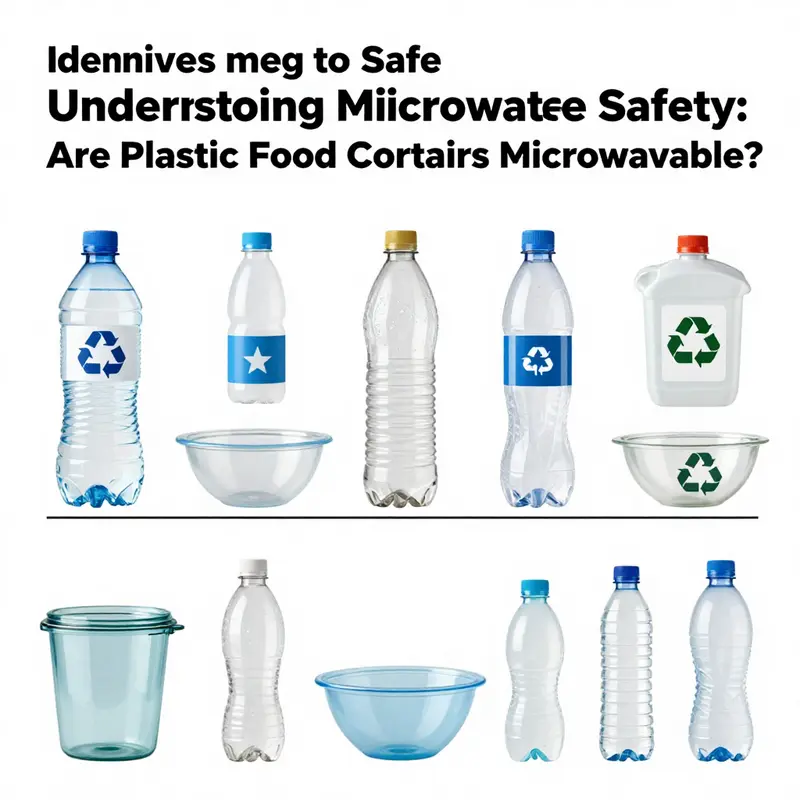
When you reach for a plastic container to reheat leftovers, the question isn’t simply whether plastic can go in the microwave. It’s which plastic, under what conditions, and for how long. The broader answer hinges on the material’s chemistry, its age, its labeling, and how carefully you follow the manufacturer’s guidance. In practice, the safety of microwaving plastics rests on a few simple truths: not every plastic is built to withstand heat, and even those that are labeled microwave-safe come with caveats. A careful reader of the container’s markings can prevent deformation, chemical leaching, and even the release of fumes into hot food. The most reliable signals are the resin identification code (RIC), usually stamped in a triangle on the container’s base, and any explicit labeling that says “microwave-safe.” These markers are not merely bureaucratic niceties. They encode the material’s heat tolerance, its tendency to warp or break, and its propensity to release chemicals when heated. Reading them is the first step in a practice that keeps meals safe when they’re reheated at home. The practical takeaway is clear: when there is any doubt about a container’s heat tolerance, it is safer to transfer the food to a material with a well-established microwave history, such as glass or ceramic, and to avoid heating in plastics that lack clear labeling. The stakes are not trivial. Heat can intensify the leaching of chemicals that behave like endocrine disruptors or plasticizers. It can also cause a container to warp, collapse, or melt, creating both a mess and a potential hazard to the food’s safety and flavor. The conversation around plastic safety in the microwave therefore centers on three interconnected dimensions: the resin type, the presence and clarity of labeling, and the integrity of the container itself after repeated use or old age. The resin code tells a story about chemistry that is not always obvious from a quick glance at a lid or an outer layer. Among the landscape of plastics, one resin stands out as the main exception to the general caution: polypropylene, coded as Number 5. Polypropylene has a relatively high heat resistance, and it is frequently used in containers designed for hot foods and short-duration reheating. In many households, the telltale sign that a container is likely to survive a brief spin in the microwave is a visible “5” inside the triangle, sometimes accompanied by a tiny microwave symbol. Yet even polypropylene is not risk-free. It is not immune to deformation under prolonged high power or extended heating, and some PP containers are formed with lids that trap steam or pressure. The advice here is pragmatic: use polypropylene for short reheating sessions at moderate power, and avoid pushing it to the upper limits of the appliance’s wattage. In other words, even the best candidate for microwave use—the Number 5 resin—requires respect for the guidelines: short intervals, lower power settings when possible, and a cautious eye for any sign of warping, clouding, or odor. The landscape does not end with PP, however. A different class of plastics has gained attention for its resilience under heat and chemicals: PPSU, or polyphenylsulfone. PPSU is an advanced engineering plastic renowned for thermal stability. It does not deform easily, even when exposed to boiling water or steam sterilization. It is highly resistant to chemicals and heat, which makes it a preferred choice in medical devices and some high-end food-grade applications. In kitchen contexts, PPSU is explicitly labeled as microwave-safe and is designed to be sterilizable. While PPSU’s performance is remarkable, it remains less common in everyday consumer packaging than PP. Its rarity is tempered by the fact that when a container is made from PPSU, the labeling is usually unambiguous, and the product often carries explicit instructions about heat exposure and cleaning. For households that require more than occasional reheating, PPSU represents a high-watermark in microwave safety, albeit one that comes with higher costs and limited availability. Beyond these two standout materials, the spectrum of plastics includes several that should be avoided in the microwave. PET, the resin coded as Number 1, is widely used for single-use bottles and increasingly for some food packaging. In microwave terms, PET is not recommended. It can soften or lose its shape under heat, and its stability at elevated temperatures is not reliable enough to ensure safety. The risk is not merely cosmetic; the structural changes can alter how the container seals and how heat is distributed inside, potentially affecting the food’s safety and texture. Polystyrene, coded as Number 6, is another material to sidestep for microwaving. Polystyrene, including commonly used foam versions, can melt and may release styrene when heated. Styrene is a potential carcinogen in heated forms, and the consequences for food quality and safety are undesirable. For this reason, many households find it prudent to avoid heating any polystyrene container or foam product in the microwave, especially if it shows signs of wear or damage. Polycarbonate, Code 7, is a catch-all category that includes a range of “other” plastics. PC has a history of containing BPA in older formulations. While newer versions claim BPA-free status, the long-term safety of heating PC in the microwave remains uncertain for some users. The safest conservative stance is to avoid heating PC containers in the microwave altogether or to verify that the product is clearly labeled as BPA-free and microwave-safe from a trusted source. Finally, polyethylene, Code 2, often used for cold storage or flexible bags, is not designed for high-heat applications. It remains a sturdy choice for refrigeration and short-term cold storage, but heating in the microwave can cause deformation, deformation-induced leakage, or chemical interactions that are best avoided. The bottom line about these “avoid” plastics is not simply a blanket ban; it is a recognition that heat changes how plastics interact with foods. The risk of chemical leaching increases with time and temperature, and some plastics may release fumes that can contaminate the food. Even when a container appears innocent—clear, clean, uncracked—its performance under microwave conditions can shift with age. This is why the best practice is to rely on explicit microwave-safe labeling and resin codes. When in doubt, do not microwave the container. Transfer the meal to a glass or ceramic dish for reheating. The narrative around labeling is more than a bureaucratic requirement; it is a practical map. The symbol most people recognize is the microwave icon: a small plate with wavy lines or a representation of heat waves. The presence of this symbol, or the exact wording “microwave-safe,” provides a high level of assurance that the product has been tested for microwave use under typical household conditions. If a container is not labeled as microwave-safe, the safest course is not to use it in the microwave. The absence of a label does not guarantee safety; it signals caution. This is especially important for older containers, damaged items, or products that have clouding or scratches. Cracks and scratches can harbor microplastics or microcracks that intensify chemical leaching when heated. Venting lids and tight-fitting lids require particular attention as well. A lid that is too tight can trap steam, leading to pressure build-up and even a pop-off risk. A misbehaving lid can become a hazard in the microwave, and plastic wraps or bags not labeled as microwave-safe can melt and contaminate the food. From a practical standpoint, many households have learned to develop a simple habit: when reheating, choose containers with a proven track record of microwave safety and avoid reusing single-use plastics beyond their intended use. The use cycle matters. A container that has already shown wear—cracks, cloudiness, or haze—should be retired. These signs often indicate that the polymer has degraded, increasing the likelihood of chemical migration into foods during heating. The broader principle is straightforward: your kitchen should minimize the chances of chemical exposure or physical failure during reheating. A safer habit is to transfer questionable contents to a microwave-safe glass or ceramic dish whenever possible. In this space, some readers may wonder how contemporary packaging designers address safety while still offering convenience. The answer lies in deliberate material choices and honest labeling. Where possible, manufacturers opt for resins known for better heat resistance and lower leach risk, and they accompany those with clear microwave-use guidance. There is a sense in which the market is learning to communicate more honestly about what can and cannot be heated. For those who regularly reheat in the microwave, this knowledge translates into a simple rule of thumb: read the label, inspect the container for wear, and respect heat limits. A practical extension of this rule is to consider not only the material but also the manner in which heating occurs. Short, gentle reheating sessions are often safer than long, high-power bursts. The temptation to heat on maximum power to cut time can backfire, warping a mediocre container or driving more rapid chemical migration. If a container is advertised as microwave-safe, it should still be treated as a tool to heat food, not as an invitation to push the limits. In the end, the most robust approach blends clear labeling with a cautious hand. For meals that demand prolonged heating, or for dishes with high-fat or acidic content, the risk of chemical release or deformation can be higher. In such cases, the safer choice is glass or ceramic, materials that have well-established performance profiles in the microwave and do not carry the same risk of chemical migration at high temperatures. For readers who want to see how real-world packaging addresses these concerns, consider exploring examples of microwave-safe takeout boxes that explicitly advertise their compatibility with microwave heating. These products demonstrate that it is possible to design packaging that meets both convenience and safety standards, and they illustrate how consumer choices can align with best practices. eco-friendly takeout boxes for food packaging that are microwave-safe serves as a concrete illustration of how labeling and material selection work in harmony to support safe reheating. While not every plastic today carries such explicit assurances, the underlying principles remain universal: always verify the resin type, always check the microwave-safe label, and always be mindful of the container’s condition and intended heating duration. The stakes extend beyond the container’s integrity to the very safety of the food you reheated within it. The final layer of guidance comes from regulatory authorities that synthesize the science of heat, plastics, and food safety. These bodies emphasize that when containers are clearly labeled as microwave-safe, and when the material is known to withstand typical heating without deforming or leaching, users can proceed with greater confidence. When those signals are missing or ambiguous, the prudent path is to switch to a material with a proven track record in the microwave, such as glass, ceramic, or certain high-performance plastics used in controlled environments. For a deeper, formal grounding, consult the FDA’s guidance on microwave-safe materials, which reviews how kitchen materials interact with heat and food, and outlines expectations for labeling, testing, and safe-use practices. This body of guidance reinforces the practical habit of cautious heating and open labeling that helps protect both food quality and consumer health. In sum, the careful identification of microwave-safe plastics requires a blend of chemistry literacy, labeling literacy, and everyday kitchen judgment. It is not enough to assume that a plastic is safe because it is convenient or because it looks sturdy. A quick check of the resin code, a scan for a microwave-safe label, and a moment of assessment about the container’s wear and the dish’s heating duration are all part of a responsible reheating ritual. When done thoughtfully, this ritual reduces the risk of deformation, chemical leaching, or toxic fumes, and it preserves the flavor and safety of the meal you are about to enjoy. For readers who want to delve deeper, keep the safety questions in view as you navigate packaging choices, reheat strategies, and the evolving language of plastic safety. A careful approach to plastics, supported by clear labeling and evidence-based guidelines, helps ensure that warmth and convenience do not come at the expense of health. External resources can enhance this understanding, and the FDA’s guidelines offer a trusted reference point for material testing, labeling, and safe-use recommendations that align with household realities and the latest scientific insights.
When Heat Meets Plastic: The Silent Threat of Chemical Leaching in Microwave Use
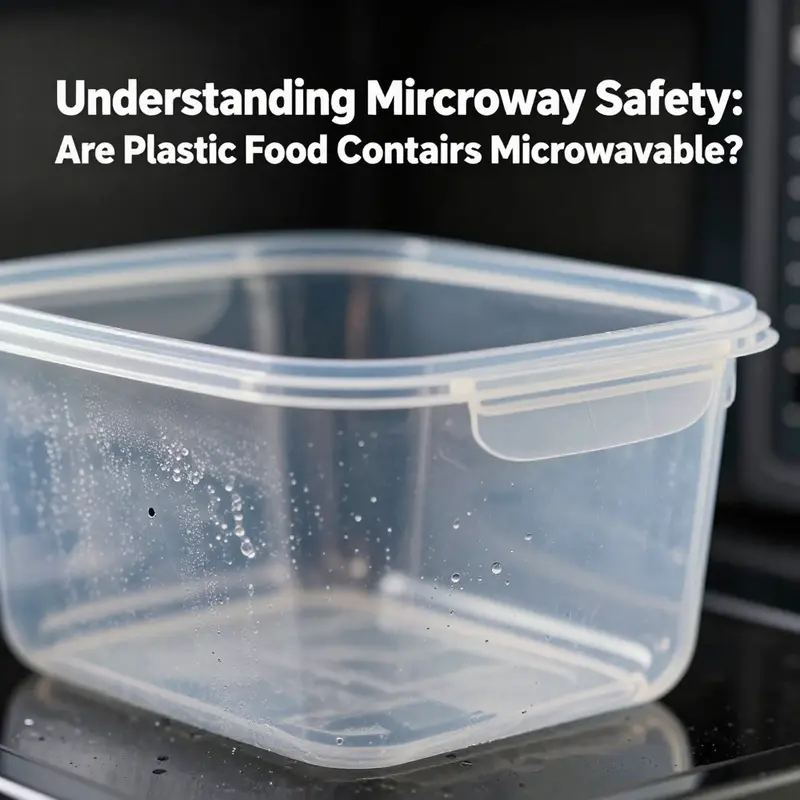
Plates, containers, and wrap—these are everyday tools that tempt us to rush meals from fridge to microwave to table. Yet the simple act of heating food in a plastic container can introduce a hidden risk that many people overlook. The core concern is chemical leaching: as plastics heat, certain compounds designed to give plastics their durability, flexibility, or clarity can migrate into the food we eat. When that food is warmed in a microwave, the process can accelerate, especially if the container is not explicitly designed for microwave use. The result can be a subtle, chronic exposure to substances that act as endocrine disruptors, or, in simpler terms, substances that can interfere with the body’s hormonal systems. This is not merely a theoretical hazard; it is a practical question every person who routinely uses a microwave must engage with in order to make safer choices for themselves and their families. The chapter that follows builds a careful picture of what makes some plastics safer than others, why labeling can be incomplete, and how to align daily habits with the best available evidence about risk reduction. It is not enough to rely on a single cautionary guideline; instead, the conversation must integrate labeling, material composition, heating dynamics, and practical alternatives so that readers can navigate real-world decisions with confidence.
The chemistry at the heart of leaching is complex, but the concepts that matter are straightforward. Phthalates and bisphenols are two broad classes of additives that have shown up repeatedly in discussions about plastic safety. Phthalates are plasticizers. They are not intended to be part of the final product’s durable matrix; rather, they are molecules that can migrate out of plastics to make materials more flexible during production or use. Bisphenols, especially bisphenol A (BPA), have a distinct reputation for mimicking estrogen in the human body. When plastics containing BPA or its substitutes are heated, these compounds can migrate into food, raising concerns about hormonal balance, development, and, in some contexts, cancer risk. These concerns are not hypothetical. In recent years, researchers and regulators have documented detectable levels of these chemicals in food following microwave heating, even from containers marketed as microwave-safe. This observation underscores a difficult truth: a label that promises safe heating does not necessarily guarantee chemical safety. The physical integrity of a container—whether it warps, melts, or cracks under heat—often gets more attention in safety labeling than the broader issue of chemical migration. Yet both aspects matter when the goal is to minimize exposure to potentially harmful substances.
Understanding which plastics tend to harbor the highest risk requires a quick map of commonly used resin codes and their typical safety profiles in microwave contexts. Polypropylene, coded as PP or #5, is often highlighted as one of the safer options for microwave use. Its higher melting point—around 167°C, or 333°F—makes it more resilient during heating than many alternatives. This resilience is part of why many microwave-safe containers and reusable lunch boxes are made from PP. By contrast, PET (#1), widely used for single-use beverage containers, is not typically recommended for microwaving because it can become unstable at elevated temperatures. Polystyrene (#6) and polyvinyl chloride (#3) also raise red flags; PS can melt and may release styrene when heated, while PVC contains phthalates and can generate toxic byproducts when subjected to heat. Polycarbonate (#7) deserves particular caution because it often contains BPA, a compound whose safety profile has led to widespread reformulations and labeling changes in many consumer products. In other words, the resin code tells a story, but the full narrative requires attention to both the chemistry inside the container and the conditions under which it is heated. The practical takeaway is clear: if a container is not clearly labeled as microwave-safe, the safest course is to transfer food to a glass or ceramic dish before heating.
The labeling landscape, however, is not a perfect map. A container may carry a “microwave-safe” label and still permit some chemical migration, especially under longer heating times or with fatty foods that can dissolve hydrophobic compounds more readily. A 2020 study in the Journal of Exposure Science & Environmental Epidemiology documented detectable levels of BPA and phthalates in foods after microwaving, even when the containers carried microwave-safe assurances. This finding highlights a regulatory gap that often goes unspoken in consumer settings: standards frequently emphasize physical properties—whether the container preserves shape and resists melting—more than they do on the chemistry of what migrates into food. The consequence is that a consumer might feel confident because a container won’t warp, only to learn later that trace chemicals still found their way into the meal. For people who rely on microwaves as a daily convenience, such a nuance matters because cumulative exposure matters as much as any single heating event.
This is why prudent practice moves beyond “will it melt?” to a broader question: “will it leach?” The evidence points toward a cautious default: heat food only in containers that are explicitly designed for microwave use and that are made from materials known for lower chemical migration, such as polypropylene. When a container can’t be clearly identified as microwave-safe, or when there is any doubt about the integrity of the container—cloudy, cracked, or discolored plastics—the safest route is to transfer the food to a non-plastic, heat-tolerant vessel. Glass and ceramic dishes are time-tested alternatives that minimize chemical transfer while offering the heat resistance needed for microwaving. Even in cases where plastic lids are involved, removing or loosening lids during heating can reduce pressure buildup and the risk of accidental seal failure. The pressing question, then, is how to practice this approach in a way that doesn’t interrupt the rhythm of everyday life while protecting health.
In everyday kitchens, a guiding principle can be summarized as follows: use containers that clearly bear the microwave-safe identifier, and keep in mind that “microwave-safe” does not necessarily equate to “chemical-safe.” When possible, choose containers made from PP (#5) for reheating and short heating, and reserve glass or ceramic for meals that require longer microwave times or higher fat content, where the potential for chemical migration may be magnified. It is also wise to replace older containers that have become cloudy, cracked, or discolored, because such wear often correlates with increased leaching risk. The physical signs of wear may be the most obvious red flags; they are easy to spot and they carry practical implications for safety. A damaged container is not just at risk of losing its shape; it is more likely to release chemical compounds into food, particularly under the stress of repeated heating. For households that want to minimize exposure, it is worth adopting a habit of transferring leftovers to a glass or ceramic dish before reheating and avoiding plastic wraps or bags that are not explicitly labeled microwave-safe.
The conversation about safety also invites a broader reflection on what “safe” means in the context of plastics and microwaving. It is tempting to believe that a single labeling category guarantees safety across all scenarios. In reality, the interaction of heat, fat content, time, and container composition creates a dynamic system in which chemical migration can vary widely. The presence of endocrine-disrupting compounds like phthalates and bisphenols is not uniform across all plastics or all uses; rather, it depends on the combination of material, age, and exposure to heat. Thus, a consumer who microwaves a fatty meal in a translucent plastic dish is dealing with a different risk profile than someone microwaving a plain, water-based soup in the same type of container. The takeaway is not that all plastics are equally dangerous, but that the safest routine is to minimize the use of plastics for heating whenever possible and to rely on safer materials when available.
To connect theory with practice, consider a practical pathway for everyday decision-making. First, inspect containers for a clear “microwave-safe” symbol and confirm the resin code. Second, give preference to polypropylene (#5) containers for any heating task that requires moderate heat or shorter durations. Third, if there is any doubt about the container’s integrity or if the lid is tight-fitting, remove the lid or transfer the meal to a glass or ceramic dish to heat. Fourth, avoid heating with plastic wraps or bags that are not labeled microwave-safe, as these can melt and contaminate food. Finally, replace aging or compromised containers to reduce the cumulative risk of chemical exposure. These steps can be integrated into a routine that preserves convenience while limiting potential health risks.
This chapter includes a practical touchstone for readers seeking more specific guidance on packaging choices. For a broader exploration of safe packaging materials and the relationship between microwave heating and chemical migration, see an example of the kind of sustainable packaging resources that discuss microwave safety in depth: eco-friendly takeout boxes for food packaging. An example of such a resource—embedded here for convenience—illustrates how design choices in packaging can prioritize microwave compatibility, while also addressing other concerns like grease resistance and reuse. This is not an endorsement of any single product; rather, it serves as a pointer to the type of packaging considerations that shape daily decisions in homes and workplaces. For readers who want to explore this further, a linked resource can be found here: https://ecocupbowl.com/product/eco-friendly-takeout-boxes-for-food-packaging-stylish-food-containers-safe-microwave-craft-paper-lunch-boxes-leak-grease-resistant/. The link provides a window into how packaging design can address both practicality and safety, reminding us that the food environment extends beyond the kitchen shelf. It is one piece of a larger puzzle about how we heat, store, and consume food in a way that respects health and the environment.
As the evidence base continues to evolve, one constant remains: the safest reheating practice is to minimize the use of plastics for heating whenever possible and to prefer glass or ceramic alternatives for meals destined for the microwave. The precise content of labels and the exact chemistry of migration can be complex, but the practical steps are simple and repeatable. Prioritize containers that proudly bear a microwave-safe designation and specify polypropylene when possible. Avoid older or damaged plastics, which are more likely to leach chemicals with repeated heating. Keep lids loose or remove them during heating to prevent pressure build-up. Transfer foods with higher fat content or longer heating times to safer vessels when in doubt. In this way, the everyday act of reheating—a routine that many of us perform without a second thought—becomes a conscious choice that minimizes exposure to potentially harmful substances.
In the broader arc of understanding microwavable plastics, the conversation is not just about avoiding a single toxic compound. It encompasses the interplay of material science, regulatory focus, and consumer behavior. It invites us to consider how design choices, labeling standards, and consumer habits converge to shape health outcomes. The science suggests that even with advances in materials and more stringent labeling, complete elimination of chemical migration in all circumstances may be unlikely. What we can do, however, is design our routines to limit unnecessary exposure, favor safer materials, and stay informed about evolving evidence. By translating laboratory findings into practical daily steps, we empower readers to make choices that align with both convenience and long-term well-being. The path forward is not a single revolution but a set of informed, repeatable practices that gradually reduce risk without sacrificing the comfort of a quick, warm meal.
For readers who crave a deeper dive into the topic, the broader literature on chemical migration and microwave-use safety provides a valuable context. A key external resource discusses how microwaving can influence the migration of bisphenols and phthalates, offering a scientific grounding for the cautions described here. See the external article at https://www.sciencedirect.com/science/article/pii/S147129862500203X for a more technical exploration of the topic. As research continues to unfold, the practical guidance outlined above remains a reliable, evidence-based approach to reducing exposure while preserving the benefits of modern convenience.
Practical Safety: How to Use Plastic Food Containers in the Microwave Without Risk
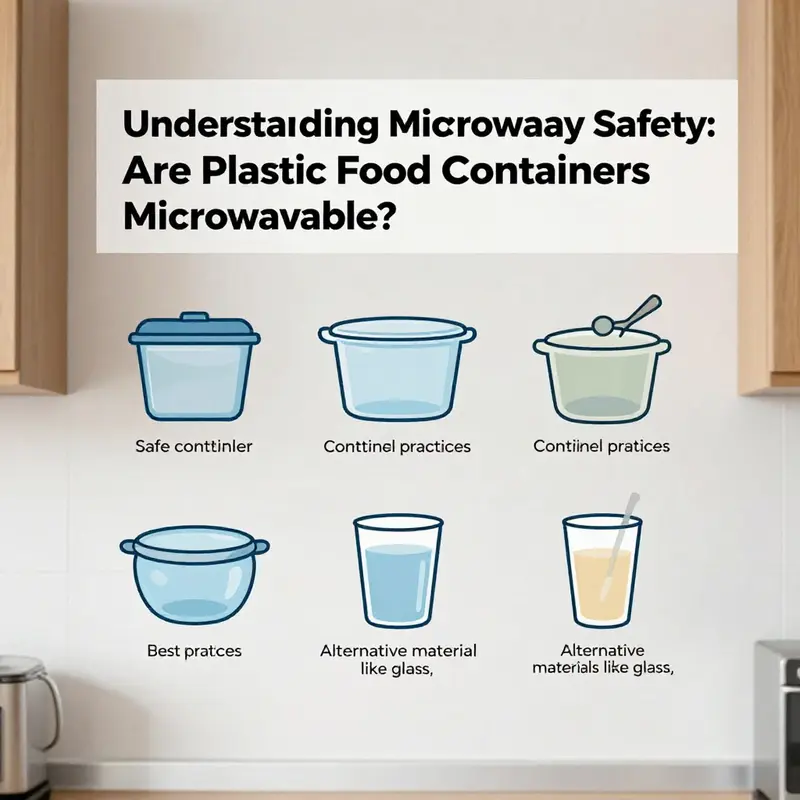
Microwaving food in plastic containers is a common convenience, but it demands attention to materials, condition, and technique. When used correctly, certain plastics offer safe, reliable reheating. When used incorrectly, they can deform, contaminate food with chemicals, or create hazardous fumes. This chapter lays out practical, evidence-based practices to reduce risk every time you heat food in a microwave.
Start by treating the label as the authoritative guide. Only use containers that are explicitly marked microwave safe. That marking means the manufacturer has tested the material and design for microwave use under specified conditions. If a container lacks that marking, do not assume it is safe because it feels thick or looks sturdy. Everyday items like single-use takeaway trays, yogurt cups, or cling film are not automatically safe; many were never intended to withstand high, concentrated microwave heat and can warp or leach chemicals. For predictable safety, choose containers manufactured and labeled for microwave use.
Material knowledge helps you make smarter choices when the label is ambiguous or missing. Plastics are identified by resin codes or common names. Polypropylene (PP, #5) is the most reliable for microwave reheating. It has relatively high heat resistance and is widely used in reusable, microwave-grade boxes. Containers made from PET (#1) or polystyrene (PS, #6) are poor choices for microwave use. PET can deform and release compounds at elevated temperatures, while polystyrene melts easily and can release styrene—an undesirable contaminant. Polycarbonate (often labeled as #7 or simply “PC”) can also be problematic because it has historically contained bisphenol A (BPA), which may migrate into food when heated. Even within the same resin family, manufacturing additives and product quality vary, so always prefer an explicit microwave-safe designation over relying solely on resin codes.
Container condition matters as much as material. Heat, detergents, and repeated use break down plastics. Cracks, deep scratches, clouding, yellowing, or soft spots are signs the polymer matrix has degraded. Damaged plastics are more likely to leach chemicals because their surface area and permeability change. If a microwave-safe container shows visible wear, dispose of it and replace it with a new one. Similarly, flexible or thin containers that deform under hot food should be retired. For long-term use, select containers that are sturdy, BPA-free, and intended for repeated reheating.
Design and operation influence outcomes. Never microwave a sealed container. Steam and pressure can build quickly and cause lids to pop off or the container to rupture. When heating soups, sauces, or covered leftovers, vent the lid slightly, remove it entirely, or use a microwave-safe vented cover. Tight-fitting seals and rigid clamps can trap steam and should be avoided. Also be careful with containers that combine plastic with metal trims or decorative paint. Metal can spark in microwaves and damage both your food and the appliance. Likewise, some takeout boxes fuse paper and plastic; those layers behave differently under heat and may not be microwave rated.
Control heat exposure by managing time and power. Microwaves heat unevenly; hotspots form where food absorbs more energy, and this can cause localized overheating of the container. Heat in short intervals—30 to 60 seconds—stirring between cycles to distribute heat more evenly. Use medium or reduced power settings for denser or unevenly shaped food. Prolonged high-power heating raises the container temperature closer to its glass transition or melting point, increasing the risk of warping or chemical migration. For dishes that require long cook times, transfer the food to glass or ceramic designed for oven or microwave use.
Avoid dry heating of plastic. Microwaves interact with water molecules in food to generate heat. When plastic containers are heated empty or with very little moisture, the container itself can absorb more energy and overheat. Never run a microwave with an empty plastic container inside. If you need to warm something small, place it on or in a microwave-safe ceramic plate instead of directly on plastic.
Watch for signs of trouble during heating. If a container becomes unusually soft, bulges, emits an odd smell, or discolors during heating, stop immediately. These are indicators of thermal breakdown or chemical release. Let the container cool safely with the door closed before opening to avoid sudden steam release. If in doubt about contamination, discard the food and thoroughly clean the microwave. Replacing the container and the food is a small price for health and safety.
Be selective about lids and wraps. Thin plastic wraps and non-microwave-rated bags can melt onto food, creating an oily mess and contaminating your meal. Use only wraps or bags labeled for microwave use, and avoid direct contact with hot food whenever possible. If using a microwave-safe plastic lid, position it loosely to allow steam to escape. For splatter protection consider a reusable vented cover made for microwave use; they reduce mess while keeping vents open.
Consider alternatives for particularly fatty, salty, or sugary foods. Fats and sugars reach higher temperatures than water during microwave heating. Foods rich in oil or sugar can create hotspots and exceed the polymer stability of many plastics. For such items, glass or ceramic containers reduce risk because they tolerate higher temperatures without degrading. If you must use plastic, ensure it is explicitly rated for reheating fatty meals and limit the exposure time and power.
Store-and-reheat practices matter. Some containers are intended for cold storage but not reheating. Containers used for freezing may become brittle and can crack when heated. When moving a meal from freezer to microwave, thaw first if possible and use a microwave-safe container. Also avoid repeated cycles of heating and cooling in the same plastic container; repeated thermal stress accelerates polymer breakdown. Consider transferring leftovers to glass when you anticipate reheating multiple times.
Maintenance helps prolong safe use. Hand-wash microwave-safe plastics with mild detergent and avoid abrasive scouring pads that scratch surfaces. Scratches increase the likelihood of chemical migration. Inspect containers regularly and retire any that show surface degradation. Label older containers for storage-only use if you wish to reserve them for non-heating tasks. Replace lids that no longer fit tightly or that warp after washing.
For those who frequently microwave meals, choose containers specifically designed for that purpose. Many reusable food containers are made of heat-resistant polypropylene, come with vented lids, and indicate microwave suitability clearly. These products are engineered to withstand repeated heating cycles and reduce leaching risk. If you need disposable options for reheating, seek packages explicitly rated for microwave reheating rather than assuming all takeaway containers are safe. For an example of microwave-compatible, eco-focused packaging, see options for eco-friendly takeout boxes designed for microwave use.
When uncertainty persists, err on the side of caution by using glass or ceramic cookware. They remain the most fail-safe materials for microwave heating. Glass and ceramics do not leach plasticizers or BPA, and many are suitable for high-temperature reheating. If portability is required, use a microwave-safe glass container with a vented lid or transfer food into a microwave-safe vessel at home before reheating.
Finally, stay informed. Regulations and manufacturing practices evolve. Many companies now produce BPA-free alternatives and label products clearly. Keep an eye on reliable manufacturer guidance and safety resources to update your habits. For a concise manufacturer perspective on microwave-safe plastics, see the provided technical guidance from microwave appliance experts.
By combining attention to labeling, material knowledge, careful operation, and prudent maintenance, you can reduce most risks associated with microwaving food in plastic containers. The guiding principle is simple: when in doubt, transfer to glass or ceramic. This small habit keeps reheating convenient while protecting the quality of your food and your health.
External reference: https://www.midea.com/ca/en/faq/microwave-safe-plastic-containers
Final thoughts
In conclusion, understanding microwave suitability for plastic food containers is paramount for any food service business aiming to maintain safety and quality. Through careful selection based on material type and adhering to best practices, culinary professionals can mitigate risks related to heating food in plastic. As a final takeaway, remember that when in doubt, transferring food to microwave-safe glass or ceramic containers is always a wise choice. Embracing safety not only protects health but also enhances the quality of your service.