

Beverage shops and food service professionals are always on the lookout for quality packaging that meets both functional and aesthetic needs. Beauticom’s 2 oz clear plastic cups offer a perfect blend of practicality and style, making them an essential addition to your business arsenal. In this article, we will explore the specifications of these cups, their diverse uses in food service, and the distinct advantages they bring to events and parties. We will also delve into market trends that relate to their growing popularity, ensuring you understand why these cups are a wise investment for your establishment.
The Quiet Clarity of Small-Service: Unpacking the Specs, Craft, and Use of 2-Ounce Clear Plastic Cups
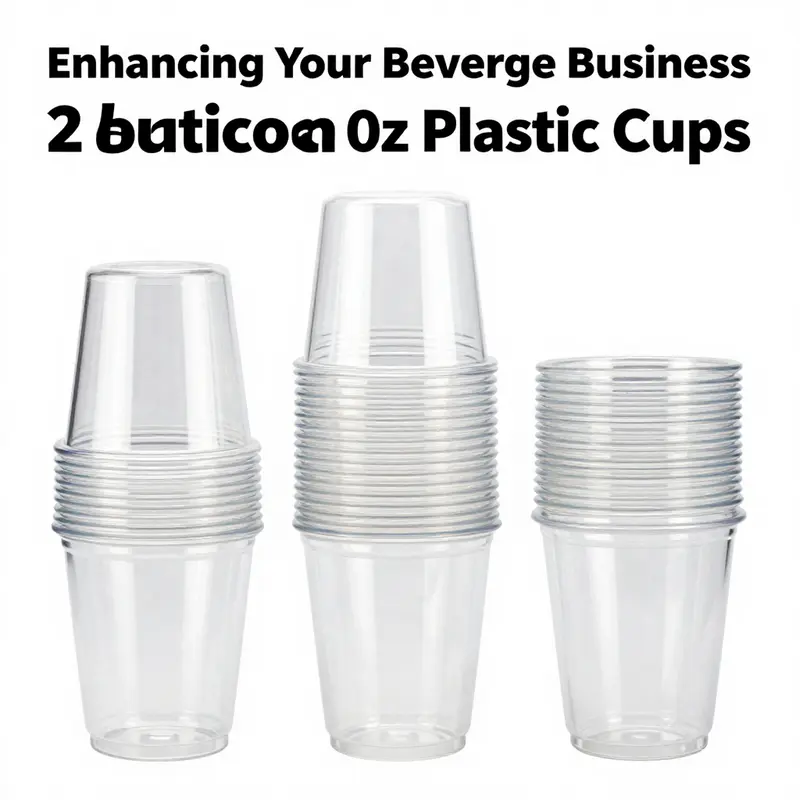
In the world of small-portion desserts, tasting flights, and takeout samples, a tiny instrument quietly shapes how a final presentation is perceived and how a service runs: the 2-ounce clear plastic cup. Its small capacity—precisely 60 milliliters in most listings—belies the complexity of decisions that go into choosing a container that is as practical as it is pristine. The role of this cup extends beyond its ability to hold a portion; it serves as a window into the product inside, a conduit for color and texture, and a reliable vessel that keeps its contents secure from pour to palate. In food service, where speed, hygiene, and presentation intersect, the cup’s fundamental specs matter as much as its decorative edge or its ease of use. A closer look at the technical details reveals how form and function converge and why such a seemingly simple item becomes essential in kitchens, cafes, catering events, and retail displays alike.
Capacity, dimensions, and fit form the backbone of any practical assessment. The standard capacity of the cups in question is 60 milliliters, which equates to about 2 fluid ounces or roughly 60 grams by mass for many liquids of moderate density. This consistent measure supports portion control and ensures uniformity across flights and samples. For operators, that uniformity translates into predictable waste, stable inventory, and the ability to price, portion, and compare products with confidence. The physical footprint accompanying that capacity is modest but deliberate: approximately 2.3 inches in width and about 1.9 inches in height. Those measurements are not incidental. They dictate how many cups can nest for easy storage, how they stack in a service line, and how they sit on a saucer or plate in a display without tipping under a breeze of pass-by traffic at a crowded event.
Material choices are the quiet fulcrum of reliability. The data surrounding these cups notes a general category of “clear plastic,” with related items in the same family sometimes labeled as acrylic or composed of similar transparent polymers in jar forms. Yet the exact polymer for the cups themselves is not explicitly stated in the provided materials. That ambiguity matters because it touches temperature tolerance, clarity over time, and the level of impact resistance the cup can offer when filled with cold dessert, a thick mousse, or a juice shot for a tasting flight. In the broader landscape of small, clear cups, vendors may deploy polypropylene (PP) or polystyrene (PS)—two common workhorse plastics in the hospitality world—because they balance clarity with cost and manufacturability. An acrylic designation appears in a closely related product line, such as a 2-ounce jar variant, which underscores a principle: the broader category is clear, but the exact resin can vary by SKU and manufacturing intent. The practical upshot is this: the cups are designed to be crystal-clear, enabling immediate visual evaluation of contents, whether that be the pale swirl of a vanilla mousse or the vivid amber of a citrus jelly. And whether the cup leans toward DP-free formulations or standard food-grade plastics, the emphasis remains on ensuring that the material is food-safe and free from contaminants that would migrate into a sample.
One of the core promises attached to these micro-vessels is their leak-proof behavior. In practice, the ability to contain hot and cold liquids without leakage is essential. The related notes mention leak resistance in conjunction with the similar acrylic jars in that product family, a reminder that reliability matters just as much as transparency. For catering and tasting contexts, a leak-proof cup reduces the risk of mess on hands, tablecloths, and customer garments, and that reliability reinforces trust in a brand’s service. In the same breath, the presence of secure lids and compatible bases is a familiar pattern in this category; the packaging often comes as a set designed to minimize spillage during transport and to keep desserts or beverages fresh for longer periods between plating and consumption. That compatibility is not only about preventing leaks; it is about ensuring that the entire display or service system—cup, lid, and base—works cohesively, enabling quick restocking, easy cleaning, and a neat, sanitary presentation that customers expect in a professional setting.
The practical implications of the cup’s dimensions and design extend to multiple operating contexts. In a restaurant or cafe, the cups serve as vessels for mousse, pudding, or jello, where a clear view into the dessert is a crucial part of the dining experience. In tasting sessions—where evaluating color, texture, and even viscosity is part of the protocol—the ability to fully observe the product through clean, unobstructed walls becomes a feature of the evaluation process, not merely a cosmetic detail. The cups’ transparency supports color-guided judgments: a foam-tlecked top versus a perfectly smooth surface, the hue of an espresso jelly against a pale vanilla base, or the way light travels through a layered trifle. The aesthetic impact matters in party settings and catered events where visuals are as important as the product’s flavor. A smooth wall or a decorative edge can elevate the overall presentation, signaling quality and attention to detail even before the first bite is taken.
From a logistics standpoint, the cups’ compact size makes them a practical choice for both staff and venue organizers. Their lightness supports efficient handling, a factor that becomes especially important when serving at large gatherings or during a busy lunch rush. The 6-pack packaging, which often includes base jars and lids, aligns with the realities of event planning and daily café turnover. It supports straightforward procurement, reduces the risk of missing components mid-service, and helps ensure that servers can quickly assemble complete, ready-to-use sets for guests. Everything about the formation—how the cups nest, how the lids mate, how the bases stabilize—speaks to an intention that service speed should not compromise sanitation or presentation.
Color and clarity are not mere surface qualities; they interact with marketing and consumer perception. A crystal-clear cup reveals the color of the liquid or dessert, enabling an immediate, instinctive judgment about freshness and quality. In a retail setting, where customers may select a ready-to-eat dessert or a sample from a display, the cup becomes part of the product’s storytelling. If a mousse has a pale rose tone or a deep forest-green jello, the cup’s clarity helps convey that drama more effectively than a tinted or opaque vessel could. In tasting contexts, this transparency supports more objective evaluation, as it minimizes visual distortion and allows the tester to focus on the content’s natural color, sheen, and texture. The role of the cup, then, is to be an honest conduit—unobtrusive yet indispensable—so the product itself can shine. To explore a real-world example of how such a cup can be applied in event packaging and to see an example of a disposable clear plastic cup in action, one can observe sources that specifically curate these types of products for parties and gatherings, such as a dedicated disposable-clear-plastic-cup offering designed for outdoor use and event settings.
Alongside raw specs and display considerations, the cups raise questions about material safety and sustainability. The data notes that the cups are BPA-free, a common requirement for consumer-facing containers that hold beverages or soft foods. BPA-free is widely understood to reduce concerns about potential leaching of controversial additives into food or drink, which is a meaningful assurance for both operators and guests. Yet the conversation doesn’t end with BPA; it extends to how the cups are disposed of after use, how they are recycled, and whether there are greener alternatives within the same product family. The single-use nature of many clear cups invites a broader discussion of waste and lifecycle analyses. Operators frequently weigh the trade-offs between disposability for convenience and the environmental impact of frequent consumption and disposal. In this balance, the capability to reuse cups after a thorough wash may exist in some contexts, but the typical expectation remains single-use convenience with straightforward disposal pathways. The clear cup thus sits at an intersection: it must deliver hygiene and presentation on demand, while also aligning with sustainability policies of the venue or brand.
Taken together, these specifications and design cues shape a product that is more than a simple container. It is a tool for consistency in service, a canvas for culinary color, a safeguard for presentation, and a practical element in the choreography of a catering event or a café counter. The combination of a predictable 60 ml capacity, compact dimensions, and materials that prioritize clarity and safety creates a dependable platform for dessert flight menus, tasting experiences, and retail mini-portions. In practice, the experience of using such a cup is a balance between being almost invisible and being foundational—visible enough to communicate quality at a glance, unobtrusive enough not to distract from the product inside.
For practitioners designing displays, menus, or takeout programs, combining the cup with appropriate packaging and display strategy matters. It is common to pair the cups with lids or with transparent bases to protect contents during transport, which reinforces the interpretive clarity of the presentation. In tasting contexts, a consistent, tight-fitting lid can also stabilize the flight, ensuring that aromas remain contained while color remains visible. The decorative edge or smooth wall treatments are not merely cosmetic choices; they influence how guests perceive the product’s premium character. A crisp edge can elevate the perceived quality of a dessert as it sits inside the cup, catching the light just enough to emphasize texture while not introducing glare that would obscure the contents.
Beyond the immediate operational circle, these cups fit into a broader ecosystem of packaging and display. Retailers and event planners increasingly consider how small containers interact with other packaging elements—such as windowed bakery boxes, slim-lid cups, or multi-pack sets that combine cups with lids and bases. The compatibility between components is essential for ensuring that a single event kit can be assembled quickly and kept sanitary from kitchen to guest. In practice, this means choosing cups that are not only clear and leak-resistant but also compatible with lids and bases designed to minimize wobble, ensure stackability, and support labeling or branding. A well-chosen cup becomes a quiet backbone of the presentation, empowering staff to focus on flavor, texture, and timing rather than grappling with unreliable containers.
As with many packaging decisions, the story of the 2-ounce clear cup is not isolated to a single use case. It threads through tasting events, dessert stations, sampling carts, and even compact retail displays where customers are drawn to the color and structure of a small portion. It also ties back to the mathematics of portion control: a standardized 60 ml serves as a common unit across menus, allowing chefs, pastry professionals, and service teams to exchange feedback with precise quantities. In a tasting flight, for example, each cup can host a different texture or color while maintaining uniform size. That uniformity strengthens the guests’ comparative experience and simplifies inventory planning for the operator.
To connect this discussion to practical sourcing and procurement considerations, the 2-ounce clear cup often appears in six-packs that bundle the base jars and lids together. This packaging approach reduces miscounts, speeds up replenishment, and helps maintain consistency across a venue’s service line. For operators who manage multiple venues or event sites, the six-pack model can simplify cross-site logistics and ensure that every station is equipped with the same standard—no surprise variations in size, shape, or lid fit. The standardization reinforces a cohesive brand experience, whether guests are sampling a mousse in a hotel ballroom or enjoying a simple fruit cup at a charity fundraiser. The result is a seamless narrative of reliability, presentation, and taste that starts with a clear cup and ends with a memorable palate impression.
In closing this examination of the cup’s specifications and design influences, it is evident that the device’s elegance rests in its disciplined simplicity. The right combination of capacity, dimensions, and material choices creates a tool that is both flexible and dependable. It can cradle delicate mousse or a bright fruit layer without compromising clarity or hygiene. It can travel from kitchen to cart, remain stable on a crowded table, and showcase a color for which the human eye is attuned. And, in its quiet way, it supports the broader aims of hospitality: speed, consistency, beauty, and trust—all wrapped in a transparent shell that invites the eye to linger a moment longer on what lies inside. For practitioners aiming to optimize menus, tastings, and displays, choosing the right small cup becomes a decision that reverberates through the entire service experience, reinforcing how form and function can align to elevate both product and presentation.
For readers seeking a concrete product reference that aligns with these concepts, see a disposable clear plastic cup intended for outdoor and event use, designed to maintain clarity and minimize spillage while offering a compact, portable solution for on-site service. disposable clear plastic cup for parties and events.
External resource on food-contact materials and safety: https://www.fda.gov/food/packaging-labeling-food-contact-materials
Tiny Vessels, Clear Purposes: Reconsidering Beauticom 2 oz Clear Plastic Cups in Food Service and Personal Care
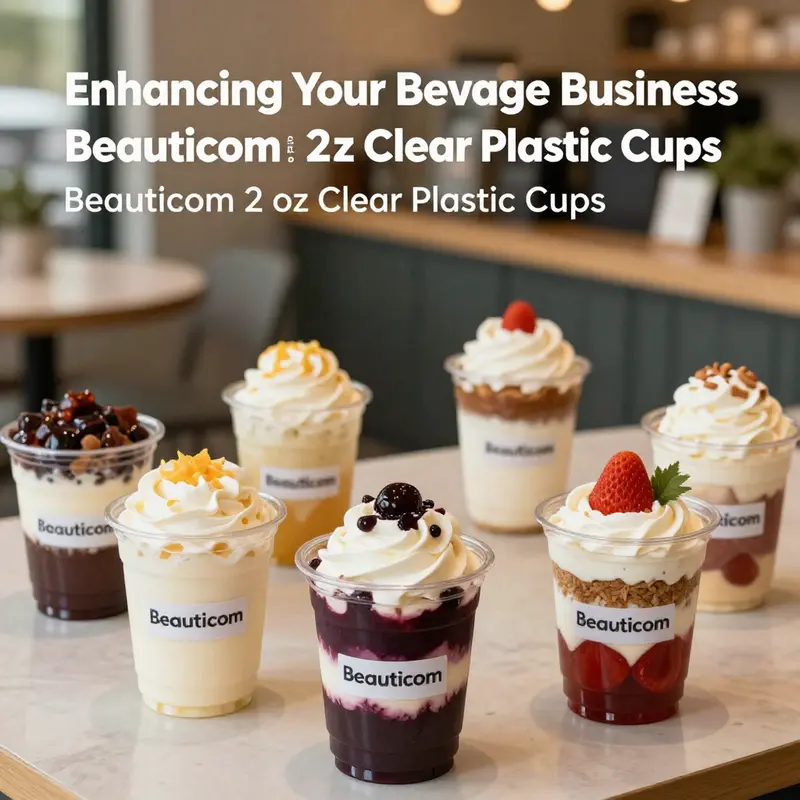
The allure of a two–ounce vessel is quiet but powerful. In the tapestry of today’s servingware, the 2 oz clear plastic cup sits at a curious crossroads: small enough to invite curiosity, sturdy enough to carry a spectrum of contents, and transparent enough to invite an unfiltered view of what lies inside. When we turn our attention to Beauticom’s 2 oz clear plastic cups, the initial impression is not of a generic disposable but of a meticulously designed container that leans into two realities at once. On one hand, it speaks to the practical world of personal care—where precision, containment, and a premium look matter. On the other, it invites questions about conventional food service use, safety, and appropriate material choices. The results of this chapter’s focus reveal a nuanced picture that helps align expectations with material science, application needs, and industry standards. What emerges is a story about design fidelity, the tension between cosmetic packaging and food contact, and the thoughtful boundaries that separate function from safety in serving environments.
The cup’s physical character immediately signals a specific set of priorities. The walls are thick, offering a tactile impression of durability even in a diminutive form. The clarity of the plastic—transparent and glossy—maximizes visibility of whatever is inside. This visibility is more than a cosmetic flourish; it is a practical advantage for evaluating color, texture, and consistency—qualities that matter not only to consumers but to professionals who sample products from small jars and tubes. The lid options—gold or rose gold—are not mere embellishments. They are a deliberate design language that elevates a tiny container into a premium, giftable, or display-worthy item. In a cosmetic workflow, where small amounts of lip balms, creams, serums, or essential oils are measured, priced, and presented in a glance, such details can change the perceived value of a sample or a retail display. The packaging, in other words, is as important as the contents when the goal is to communicate quality and care at a glance.
Material choice underpins all these visual and tactile advantages. The cups are manufactured from durable, food-grade plastics—specifically thick-walled variants that—at least in their cosmetic use context—offer resilience in handling, stacking, and travel. The transparency of these polymers contributes to a universal appeal: customers can perceive the color and viscosity of a product without opening the container, a feature that aligns with the needs of testers, beauty retailers, and traveling consultants who rely on quick visual assessments. The leak-proof design is another cornerstone of the product’s utility. In cosmetic contexts, reliable seals prevent cross-contamination of products and protect the integrity of delicate formulations during transport or in bustling retail spaces. The confidence that comes with a secure seal matters in a business where product quality is judged not only by what’s inside but by how confidently it travels from a lab bench to a consumer’s hand.
Yet a careful reader of the product’s story will notice a critical distinction that shapes its practical boundaries: these particular Beauticom cups are not marketed or certified for direct contact with food in commercial settings. The same attributes that make them appealing for cosmetics—robust construction, clear visibility, stylish lids—do not automatically translate into food-contact compliance. The documentation and typical marketing language for these cups emphasize their suitability for lip balms, creams, lotions, serums, essential oils, and other skincare items. They are ideal for DIY projects, travel storage, and organizing small quantities of personal care products. In practice, this means their primary design intent is cosmetic packaging and beauty-product distribution rather than beverage service or edible samples in a professional kitchen or catering environment. The safety implications here are meaningful: food-contact certification involves rigorous testing for material leachates, migration limits, and compatibility with temperatures, acids, fats, and cleaning agents. Without explicit certification, using these cups for food or beverage service can introduce risk—both from a regulatory perspective and from a consumer safety standpoint.
This divergence between cosmetic utility and food service suitability casts the two-ounce cup in a nuanced light. It invites a broader discussion about the responsibilities of packaging choice. In a café, restaurant, or catering operation, the default instinct is often to seek containers that carry clear, explicit food-grade credentials. When the aim is to present a tiny sample or dessert in a visually compelling way, there are clear advantages to the two-ounce size: it creates a controlled portion, it supports tasting menus, and it helps manage inventory by providing a compact, predictable vessel for small servings. However, the certification framework around food contact adds a nontrivial layer of complexity. The decision to use any container for food should rest on documented compliance with relevant safety standards, including material suitability for contact with edible products, resistance to temperatures encountered during service, and resistance to degradation from cleaning processes. Without those assurances, even a sturdy, aesthetically pleasing cup remains outside the acceptable scope for a professional food service workflow.
The aesthetic and functional interests of cosmetic packaging intersect with practical realities in food service in several telling ways. First, the clear wall that reveals the product inside is a double-edged sword. For cosmetics, it is a strategic advantage: consumers judge texture, color, and consistency at a glance, and brands leverage translucence as a signal of purity and quality. In food service, this same translucence can be desirable for sauces, jellies, or delicate toppings if the container is certified for food contact. In the absence of such certification, the clear wall remains a design feature rather than a hardened guarantee of culinary safety. Second, the lid finish—gold or rose gold—imbues a luxury perception that can elevate a product’s presentation in a salon, trade show, or boutique setting. In a dining room or a buffet line, however, a similar aesthetic must be balanced with practical concerns about dishwasher compatibility, sealing strength under heat, and, again, food-safety compliance. These considerations illustrate a simple but essential truth: packaging choices in hospitality must align with the content and the intended audience. A premium cosmetic sample that relies on visual appeal and a tight seal can thrive within its intended domain, while a container that doubles as a food vessel must be backed by certifications and tested performance in real food environments.
From a workflow perspective, the two-ounce format is compact and highly portable. It lends itself to sampling programs, beauty counters, or travel kits where travelers want to carry small quantities without bulk. The options for repurposing, when the primary function is cosmetics, extend to organizing small quantities of products in a studio or spa setting. The same size could feasibly be used for single-serve sachets of aromatherapy blends or lip balms distributed at events, where the visual clarity of the product and the premium lid contribute to an upscale feel. In these contexts, the cups act as an accessory to the experience, not as a direct food-serving vessel. They help communicate a brand’s attention to detail and a commitment to quality by virtue of their materials, their finish, and their secure closures.
For professionals who need to stage tastings or showcase edible products in a controlled environment, the Beauticom cup’s strengths are most visible when the content itself is nonfood or when the container is repurposed under strict compliance with safety guidelines. The advantage here is dual: you gain the benefit of a clean, leak-resistant package that showcases color and texture, while you avoid exposing guests to products that may not be approved for ingestion. In practice, this scenario aligns more naturally with a cosmetic sample program, a spa presentation, or a product display where the aim is to engage visitors with a tactile, visually compelling experience rather than to deliver a beverage or food item.
The broader lesson here is not a verdict on virtue or utility but a call for discerning alignment between product design and application. The Beauticom 2 oz clear plastic cups are a refined, robust option within the cosmetic packaging domain. They pair a clear, durable wall with a premium lid to create an appealing package for lip balms, creams, serums, and essential oils—and for DIY enthusiasts who value portability and organization. When the context shifts toward food service, the conversation becomes more about compliance and safety. In that space, certified food-grade options—materials that are explicitly designed and tested for contact with edibles and for performance in typical service conditions—provide the necessary assurance for restaurants, caterers, and hospitality venues.
A practical takeaway for practitioners and designers is to view these cups as a case study in how packaging can shape consumer perception and workflow. In cosmetic applications, the cups’ transparency and lid aesthetics complement the product’s narrative, supporting a coherent brand story from the lab bench to the display shelf. In food service, the same visual cues may still be desirable, but the container must travel through a different set of checks to ensure safety and compliance. This distinction does not diminish the value of the two-ounce format; it reframes it as a specialized tool—one that excels in cosmetics and personal care while serving as a reminder of the stringent requirements that govern edible packaging.
For readers who are navigating supply choices for events or retail displays, an accessible path forward is to leverage the strengths of clear plastic cups designed for cosmetic or nonfood uses, while selecting food-grade alternatives for any application involving edibles or beverages. The event industry, in particular, often seeks containers that deliver a premium look without sacrificing practicality. In such cases, the aesthetic of a gold- or rose-gold–lidmed container can be a compelling asset when paired with products that align with the container’s certified use. If a display requires a highly transparent vessel with a secure seal for nonfood items or non-ingestible products, these cups demonstrate how design choices can elevate the experience without compromising safety guidelines.
To anchor these reflections in everyday decision-making, consider the following practical guidance. First, when the intended use is cosmetics, travel storage, or DIY projects, the Beauticom 2 oz clear plastic cups can be a strong fit, especially when the seal remains reliable and the lid adds a touch of luxury. Second, if the purpose involves any food contact, you should prioritize containers explicitly certified for food safety. Third, for events and tastings where a high level of presentation matters, these cups can contribute to a cohesive, premium display—provided the contents and the context respect the container’s design intent. Finally, any reuse or repurposing strategy should account for cleaning, regulatory compliance, and the sustainability considerations of plastic packaging in today’s market.
For readers seeking to visualize how such containers perform in real-world settings, consider the broader ecosystem of disposable tableware and packaging available for events and hospitality. Clear plastic cups, designed for beverages and desserts, often pair with labeling, display stands, and sleeve designs to create a coordinated look that resonates with guests and participants. A practical example would be a tasting station where color, aroma, and texture are showcased in small portions, with a presentation that emphasizes cleanliness, visibility, and ease of disposal. In these contexts, the emphasis on clarity and premium presentation remains vital, while the decision to pair the container with edible contents is governed by safety certifications and regulatory compliance.
As you plan your next cosmetic launch, spa event, or product sampling strategy, the Beauticom 2 oz clear plastic cup offers a tangible solution to a very specific need: a compact, visually appealing vessel that communicates quality at a glance. Its true strength lies in how the container complements the product it holds, rather than how it simply holds it. The trade-offs are clear: beauty packaging can lean into elegance and durability; food packaging demands an additional layer of assurance. By acknowledging these differences, professionals can design experiences that feel seamless to consumers—experiences in which the container supports the story of the product rather than complicating its safety and compliance. For those who want to explore related options in the broader world of disposable packaging, see this representative example of clear disposable cups suitable for parties and events, which demonstrates how the right container can harmonize function, presentation, and practicality in a single, accessible package.
Internally, this reflection aligns with how retailers and caterers approach shelf impact and service flow. The two-ounce cup, with its thick wall and clear view, helps staff monitor product levels quickly, reducing waste and enabling fast restocking. The lids add a layer of theft protection in some environments, while also contributing to the premium look that can elevate a display’s perceived value. In sum, the Beauticom 2 oz clear plastic cup represents a precise intersection of design intention, material performance, and application boundaries. It is a container that excels where cosmetics, samples, and nonfood uses are the primary objective, and it serves as a salient reminder that the safest, most effective packaging choices are the ones that clearly align product goals with regulatory and safety realities.
For readers who want to translate these insights into practical procurement decisions, a useful starting point is to examine how similar clear, premium-contoured cups perform in environments that demand fast service, clean handling, and a refined aesthetic. And when your project does involve food or beverages, the wise course is straightforward: select cups with explicit food-grade certification and documented compliance, ensuring safety, quality, and consumer trust from the first glance to the last taste. If you’re looking to see how a well-curated line of clear disposable cups can support events and presentation without compromising safety, you can explore a related option that emphasizes clarity, durability, and event-ready presentation across a range of disposable tableware.
Clear Miniatures, Clear Impact: How Small 2-Ounce Cups Elevate Event Presentation
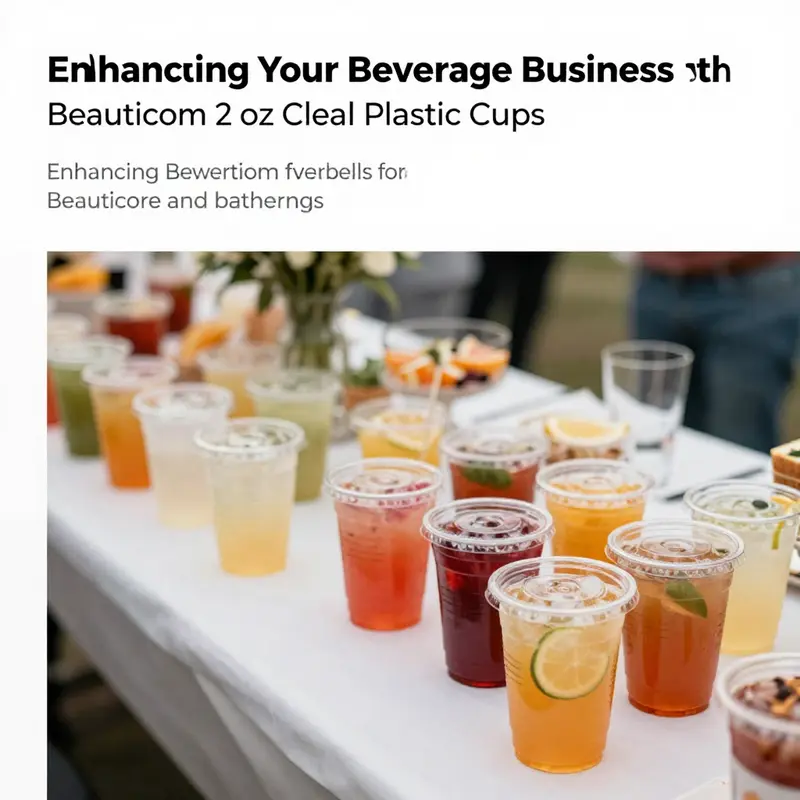
In the world of events and gatherings, the smallest details can translate into the most memorable impressions. Among the unsung workhorses of presentation are the transparent, two-ounce cups that hold treats, sauces, and samples with a precision that pleases both the eye and the palate. Their size is modest, but their impact is anything but. A guest’s first impression often arrives with the color and clarity of what sits inside a tiny, clear vessel. When the contents are visually striking—think a lattice of layered mousse, a jewel-toned syrup, or a bold, bright jelly—the container becomes an amplifier rather than a mere holder. The goal is simple: present bite-sized portions in a way that invites exploration, without distracting from the offering itself. And in this careful balance between form and function, the 2-ounce clear plastic cup proves to be a quietly reliable design. It frames color, texture, and aroma in a way that is both hygienic and elegant, enabling servers to maintain a clean, professional line while guests move through tastings, buffets, and stations with confidence.
The material story behind these cups matters as much as their size. They are crafted from clear, food-grade plastics that prioritize visibility and resilience. In practical terms, this means a wall that stays smooth and a shape that holds its form under the dynamic conditions of an event—whether the drinks are hot, the air is humid from summer temperatures, or a busy buffet line swirls around the serving area. The construction emphasizes leak resistance, a feature that may seem mundane until you’ve watched a bustling line on a hot day or a routine shift carry a tray stacked with tiny cups across a venue. A leak-proof design reduces the risk of spills on linens and guests’ outfits, contributing to a smoother service flow and a cleaner environment. In short, durability isn’t just about resisting a drop; it’s about preserving presentation and efficiency across service staff and guests alike.
A complementary attribute is the cups’ UV protection. Clear plastic is often chosen for its transparency, but light can still influence the appearance and perceived freshness of what’s inside. Light-sensitive contents can fade or undergo subtle changes when exposed to prolonged solar exposure. The built-in UV defense helps preserve color integrity and flavor cues for the duration of the event, particularly outdoors or in sunlit rooms where the display becomes part of the overall aesthetic. This feature matters because guests are drawn to the exact hue and gloss of a dessert or syrup; a container that guards against rapid color shift helps ensure the offering looks as intended from the moment it is presented to the last bite. In a tasting scenario, where color can signal flavor expectations, that visual fidelity is not a luxury but a necessity.
Beyond appearance and resilience, safety is a cornerstone of any eventware discussion. The cups are BPA-free, aligning with health-conscious hosting and guest expectations—an important reassurance at gatherings that include children, families, or wellness-focused attendees. The absence of bisphenol A in the material means hosts can confidently present a range of beverages and mini desserts without introducing a known chemical concern into the experience. This safety assurance pairs naturally with the cups’ disposability. The ease of disposal after use promotes hygiene and minimizes the risk of cross-contamination at crowded events. In environments where guests sample multiple items, the ability to discard after use helps maintain impeccable standards of cleanliness, allowing staff to manage turnover without the burden of extensive cleanup on-site.
Portion control is another strength of the two-ounce size. Precision matters in catering, from budgeting to inventory management. A two-ounce portion provides consistency across all tasting stations, ensuring that each guest receives a uniform sample. This consistency reduces waste and supports cost containment, especially when a menu features multiple mini-desserts, sauces, or tasting flights. The compact size also makes these cups ideal for station-based service models—where guests circulate from one display to another and carry a few samples at a time. The uniform capacity simplifies inventory tracking and replenishment, enabling staff to anticipate needs and restock with minimal disruption. In a buffet setting, the cups’ size allows for a greater variety of offerings without overwhelming guests with oversized portions that might spoil the balance of a tasting menu.
From a presentation perspective, the cups deliver a clean, modern aesthetic that enhances the overall table setting. The transparent walls present a crisp canvas for the contents, letting the color story—strawberries against white chocolate, citrus jelly against a clear syrup, or a gradient mousse—shine through. A smooth wall and a slim profile contribute to a streamlined lineup at a display, aligning with contemporary event design that favors clarity and simplicity. The sheer visibility invites guests to select with curiosity, encouraging them to sample items they might otherwise overlook. The cups also pair gracefully with other disposables, lids, or decorative elements that can be incorporated to tailor the look of a station to a theme or brand. In this sense, the container is not merely a vessel but a facilitator of a curated visual narrative that enhances the guest experience without overpowering it.
Hygiene and practicality extend beyond the moment of serving. The disposable nature of these cups aligns with the realities of busy events where staff must move quickly, reset stations, and maintain high levels of cleanliness between guest cohorts. The ability to use a fresh cup for each serving minimizes cross-contact, particularly at stations where guests select multiple items with different utensils or ingredients. And because the cups are lightweight, they simplify transport and handling. Staff can set up displays, replenish stock, and guide guests through tasting sequences with less fatigue and greater efficiency. This practical advantage translates into a more seamless flow, where the focus remains on the food and drink rather than the logistics of cleanup.
The versatility of the two-ounce format is perhaps its most compelling trait. It accommodates an array of culinary and beverage applications that are common in events and parties. Small desserts—from mousse to pudding to gelatin morsels—sit confidently within these cups, their layers and textures on full display. Condiments and sauces find efficient homes in bite-sized portions, enabling guests to mix, dip, or drizzle as they please without creating a mess of bowls and spoons. For beverages, the cups can support tasting flights or sampler portions, allowing guests to compare flavors side by side. The compact capacity encourages experimentation, inviting guests to explore unfamiliar flavors or new ingredient blends in an approachable, controlled manner. The result is a sense of discovery that elevates the event experience and fosters conversation around the offerings rather than around the logistics of serving.
Of course, no conversation about event wares would be complete without acknowledging how the cups fit into broader planning and sourcing strategies. Their predictability in size and performance helps event organizers square budget, inventory, and timing. A single, consistent cup size reduces the cognitive load on staff who must recall which station serves what portion, particularly in multi-theme events or festivals where several culinary teams operate in close proximity. The transparency of the cup reinforces the thinking behind a broader visual strategy: guests can gauge portioning at a glance, and staff can pivot easily when demand shifts. Where a venue relies on temporary décor or seasonal styling, the cups do not compete with the décor; they instead serve as a quiet, adaptable platform that supports both practical service and aesthetic intention. In this sense, the little cup becomes a reliable collaborator in the choreography of a well-executed event.
From an experiential perspective, there is value in pairing the 2-ounce cups with thoughtful labeling and signage. A small label or color-coded tag can help guests identify flavors or dietary notes at a glance, reducing confusion in crowded spaces. In practice, this might mean adding a tiny color cue to indicate dairy-free desserts or nut-free ingredients, or a brief flavor tag that signals citrus, berry, or chocolate notes. While the cup itself is visually neutral, these small cues become powerful tools for guest satisfaction. They help guests feel seen and accommodated, and they support staff in delivering accurate and efficient service. Even the act of setting a station—arranging cups at uniform intervals, aligning the rims for a neat row, and ensuring a consistent height in a display—contributes to a sense of order that guests perceive as quality.
As with any disposable option, considerations around sustainability naturally surface. The simplicity of a disposable cup can mask its environmental footprint, so thoughtful planning becomes part of responsible event design. Hosts who prioritize eco-friendly practices may pair these cups with recycling streams or opt for variants that are recyclable where facilities exist. The lightweight nature of the cups also reduces shipping weight and sometimes overall energy use in transport. For organizers aiming for a lower impact, a careful assessment of venue capabilities and local waste streams is advisable. This ensures that the choice of container aligns with a broader sustainability strategy without compromising the guest experience. The goal is to maintain the elegance and practicality of the cup while acknowledging and addressing environmental responsibilities that increasingly define modern event planning.
In practical terms, a few simple guidelines can help maximize the effectiveness of these cups during an event. Keep a clear, consistent station layout to minimize congestion and confusion. Group related offerings near one another so guests can move naturally from one mini-portion to the next. Use uniform lids or varying lid colors only when it serves a labeling purpose or regulatory need. Ensure easy access to napkins and utensils so guests can handle minis without crossing between stations. And finally, maintain a steady supply chain through a reliable replenishment cadence. When a station is well provisioned and presented, guests experience fluidity rather than fragmentation, and the entire event reads as cohesive and thoughtful rather than ad hoc.
For readers who want to explore concrete, product-level details and verify specifications, a widely available reference point provides a baseline. The two-ounce clear plastic cup, with its combination of clarity, durability, and practical design, serves as a compelling option for many event scenarios. If you’re curious about the specific features and options available, you can consult product listings that emphasize high-quality acrylic construction, leak resistance, and food-safe standards. As with any supplier selection, it’s wise to compare materials, safety certifications, and usage guidelines to ensure the choice aligns with your venue’s requirements and guest expectations. The underlying principle remains straightforward: select a container that honors the food and drink it carries, supports efficient service, and contributes to a visually compelling, organized, and hygienic experience.
For a quick reference to a widely used external resource that corroborates the general attributes discussed here, you can explore product details from reputable listings that highlight clear, disposable cups designed for tasting events and light-duty service. Such resources often confirm the importance of clarity, uniform sizing, and safety considerations, which together create a dependable framework for event planning. If you wish to inspect a specific listing, see the external reference provided in the details of this chapter. Additionally, one internal resource that aligns with the discussion on disposables and event-ready presentation can be found at the following page, which showcases a disposable clear plastic cup suitable for outdoor and party use: disposable-clear-plastic-cup-outdoor-picnic-pet-cup-drinking-cup-for-parties-birthdays-weddings-camping-utensils.
In sum, the two-ounce clear plastic cup is more than a tiny vessel. It is a flexible instrument of presentation, a facilitator of tasting, and a practical ally in the logistics of event service. Its combination of material quality, leak resistance, UV protection, and safety makes it well-suited to a wide range of applications—from elegant dessert stations to bustling tasting corridors. The cup’s value lies in its quiet reliability: it supports the host’s intentions, honors the guest’s experience, and upholds the standards of taste and cleanliness that define successful events. As events continue to evolve toward more immersive and visually rich experiences, the role of well-chosen, thoughtfully designed containers will only grow more significant. The right two-ounce cup does not steal the show; it frames it, letting the flavors, colors, and textures take center stage while keeping the surrounding logistics neatly in check. This balance—clarity in content, clarity in container—remains a dependable cornerstone of effective event design, and it is the essence of how small cups make a big, lasting impression.
External reference for further reading and verification: https://www.amazon.com/dp/B0CQJXZ9KJ
Through the Glass: 2 oz Clear Cup Trends in Beauty Packaging

In the beauty packaging landscape, the 2 oz clear plastic cup has grown from a simple vessel into a strategic storytelling tool. Its transparent walls let brands reveal texture and color at a glance, enabling consumers to imagine how a product will feel and apply it before it is opened. For trial kits, deluxe samplers, and portable testers, this format pairs portability with a premium presentation, while remaining light enough to ship in bulk.
Durability remains a core selling point: cups are positioned to resist cracking from drops and to withstand moderate heat or sunlight during storage and travel, with a focus on leak resistance to protect product integrity.
Aesthetics play a central role: the clear wall is the canvas, and well-executed design cues such as a refined lip, a subtle taper, and an ergonomic rim can elevate perceived value without adding cost. Clear visibility also helps shoppers gauge texture and color in product photos and in-hand views.
From sustainability perspectives, brands are increasingly curious about recyclable or biodegradable options and end-of-life pathways, even for small-format packaging. Suppliers are responding with clarity on material content and recyclability, helping retailers communicate environmental responsibility to consumers.
Operationally, the portability and stackability of 2 oz cups support sample programs, influencer kits, and in-store demonstrations. When a container looks premium and dispenses predictably, it reduces waste and reinforces brand reliability.
Finally, the strategic takeaway for manufacturers and retailers is that packaging performance and on-shelf storytelling should be aligned. Clear communication about temperature tolerance, resistance to leakage, and recyclability strengthens credibility with retailers and end customers, and a well-chosen 2 oz cup can become a small yet powerful touchpoint in a broader brand narrative.
To explore real-world examples of successful clear-cup packaging, brands can examine how minimalist cups with robust rims and clear clarity can complement product claims and promotional activities while maintaining cost efficiency.
Final thoughts
Beauticom 2 oz clear plastic cups represent a versatile solution for beverage shops, restaurants, catering services, and event planners. Their specifications ensure durability and visibility, making them perfect for small portions of desserts and tasting sessions. The cups not only fulfill practical needs but also enhance the aesthetics of food presentations during events. As market trends indicate, the demand for such quality solutions continues to grow, making it essential for businesses to consider these cups in their service strategies. Investing in Beauticom cups is a step towards delivering exceptional service and enhancing customer experiences.