
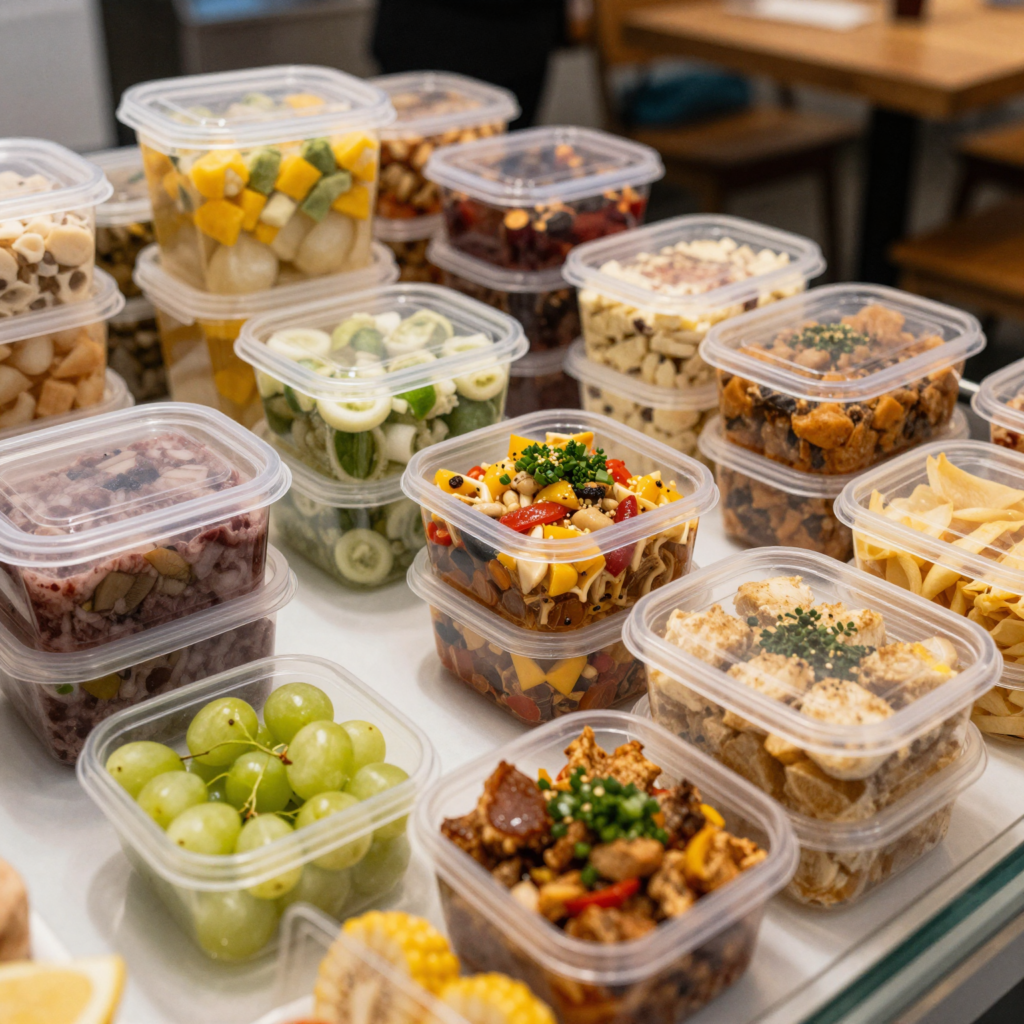
The Importance of Plastic Containers for Food Displays
In the bustling environments of beverage shops, restaurants, and catering services, the presentation of food plays a critical role in attracting customers and enhancing their dining experience. Plastic containers for food displays offer a versatile solution that not only showcases the vibrant colors and textures of the food but also maintains its safety and quality. These containers are designed to keep food fresh and appetizing, which is vital for businesses aiming to provide top-notch service. The transparency of clear plastic containers allows customers to see the options available, encouraging purchases and making the displays more inviting.
Moreover, using disposable tableware can significantly reduce clean-up time for busy establishments. They help in maintaining food safety by minimizing contamination risks and ensuring proper storage, which is essential in adhering to health regulations. Plastic containers designed for food storage are made from food-safe materials, offering peace of mind to both vendors and consumers alike. To delve deeper into the significance of these containers, check out our guide to plastic containers in the food industry or learn more about safe use of plastic food packaging.
Benefits of Using Plastic Containers for Food Displays
Using plastic containers for food displays brings a multitude of benefits, particularly in settings like bubble tea shops, restaurants, and catering services. Here are five key advantages:
-
Durability: Plastic containers are tough and resistant to breaking, making them ideal for food displays where fragility can be a concern. They can withstand daily handling and transportation without getting damaged.
-
Cost-Effectiveness: Compared to glass and other materials, plastic containers are generally less expensive. This allows businesses to save money while still providing quality food displays. They can be purchased in bulk, leading to further savings.
-
Lightweight and Stackable: Their lightweight nature makes them easy to transport and store. Many plastic containers are designed to be stackable, optimizing storage space in kitchens or during events.
-
Safety and Hygiene: Plastic containers are designed to be food-safe and can help maintain food hygiene by creating a barrier against contaminants. They are also easy to clean and disinfect, ensuring a safe environment for food display.
-
Versatility: These containers come in various shapes and sizes, making them suitable for a wide range of food items. Whether for hot foods, cold drinks, or desserts, plastic containers can meet diverse needs.
For more insights into plastic food containers, check out this article on food industry usage!
Types of Plastic Containers for Food Displays
When it comes to showcasing culinary delights, plastic containers for food displays offer a wide range of options tailored to meet diverse functional and aesthetic needs. Below are some of the most common types of plastic containers available, along with their unique features and benefits.
1. Deli Containers
Deli containers are versatile and popular for storing salads, pastas, and soups. They come in various sizes and often include secure lids, making them ideal for both takeaway and display purposes. Their transparency allows customers to view the contents readily, enhancing visual appeal.
2. Round and Square Containers
These containers are excellent for stacking and organizing items. Round containers are suitable for sauces and dressings, while square containers maximize space efficiency on shelves. Both types are typically made from durable materials, ensuring product safety and longevity.
3. Multi-Compartment Containers
Perfect for meals that include sides or different items, multi-compartment containers separate various foods while making the presentation attractive. They are a favorite choice for lunch boxes and meal prep due to their convenience and portion control.
4. Clamshell Containers
Clamshell containers are hinged, making them easy to open and close. They are commonly used for sandwiches, pastries, and baked goods. The design helps maintain freshness while offering a clear view, making them appealing for displays in cafes and bakeries.
5. Tamper-Evident Containers
For enhanced food safety, tamper-evident containers provide visible assurance of quality. These are crucial for events or sell-through locations where customers seek guaranteed freshness and security. They are particularly popular in takeaway food markets.
Key Benefits of Plastic Containers for Food Displays
- Durability: Unlike glass, plastic containers are resistant to breakage.
- Lightweight: Easier to handle and transport, making them ideal for food service settings.
- Cost-Effective: More affordable than glass and metal alternatives, allowing businesses to optimize budget while maintaining quality.
- Versatility: With multiple designs and sizes available, businesses can choose containers that best fit their presentation style.
For more insights into how plastic containers can elevate food displays, check out our article on plastic food containers in the food industry!
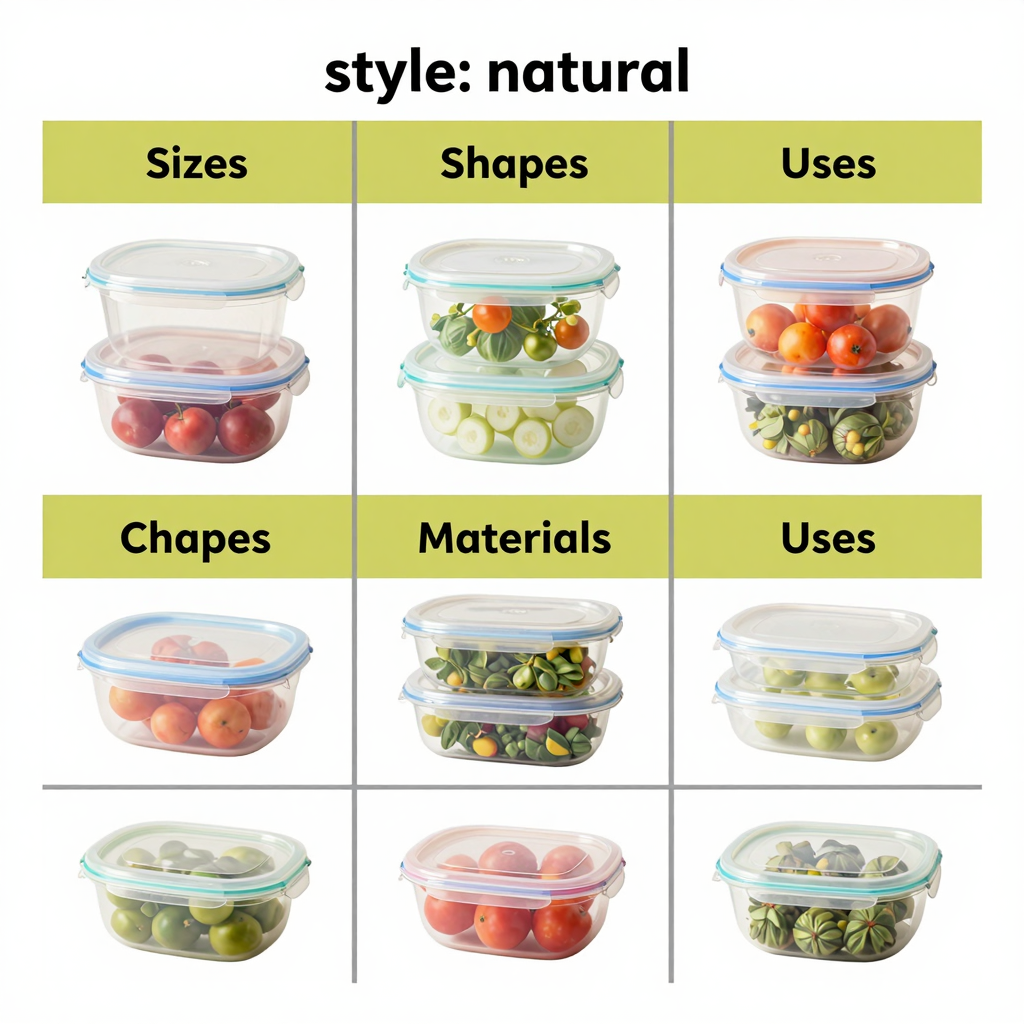
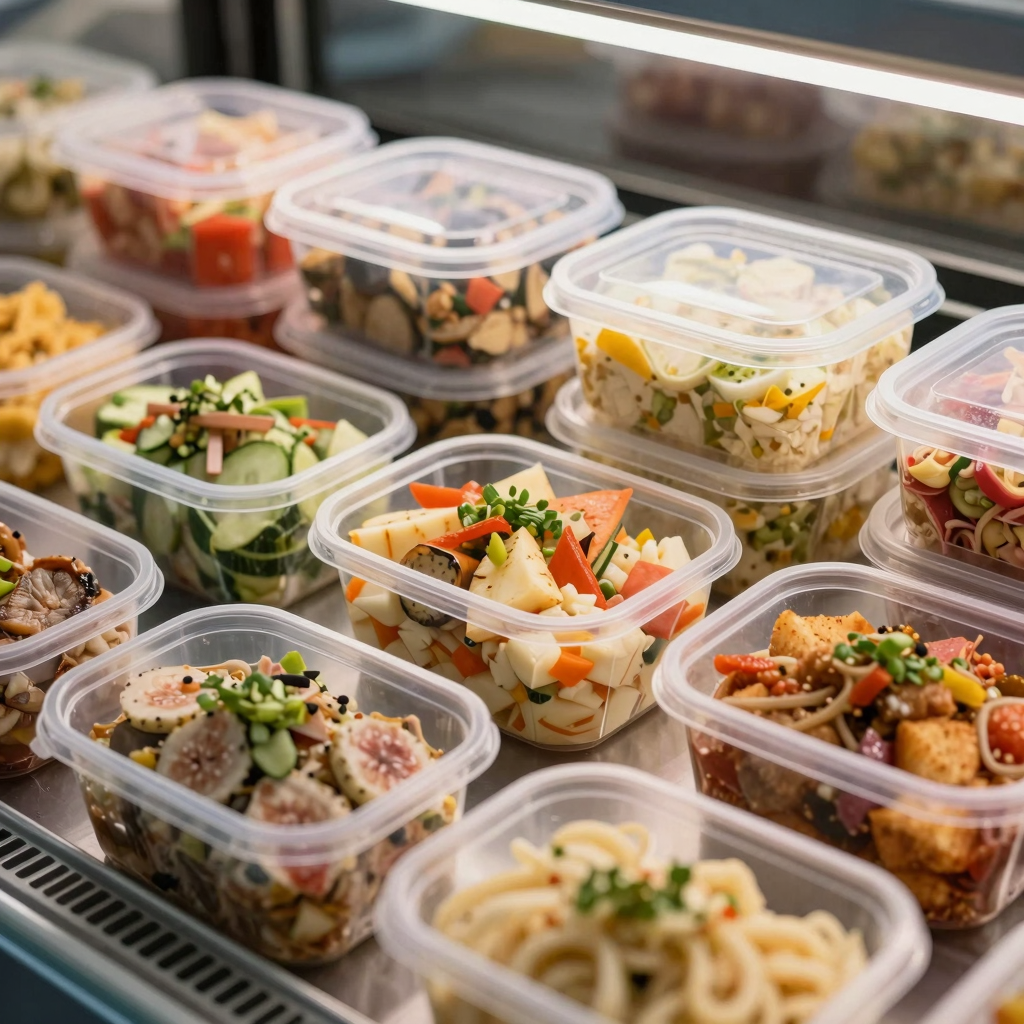
A visually appealing image showcasing fresh and colorful dishes presented in clear plastic containers. This presentation highlights the clarity and design of the food packaging, making it suitable for restaurants, catering services, and food delivery businesses.
Eco-Friendly Practices in Plastic Container Usage
In today’s environmentally conscious market, the food and beverage industry must adopt sustainable practices, particularly concerning the production and disposal of plastic containers. By embracing eco-friendly strategies, businesses not only contribute to environmental preservation but also align with the values of their target customers, many of whom prioritize sustainability.
Sustainable Production Practices
Innovations in the material sourcing and manufacturing processes of plastic containers are transforming the industry. Utilizing recycled plastics is a key strategy that reduces the demand for virgin materials, ultimately lessening the overall carbon footprint associated with production. Companies are increasingly considering lifecycle assessments to evaluate the environmental impact of their container choices, focusing on resource conservation and waste reduction as part of their Environmental, Social, and Governance (ESG) commitments (Sustainable Plastics).
Responsible Disposal Methods
The end of life for plastic containers is equally important. Promoting recycling initiatives among consumers and providing education about proper disposal are critical. Businesses can implement take-back programs to encourage customers to return used containers, fostering a circular economy model. This not only minimizes waste but also enhances brand loyalty and trust among eco-conscious consumers (Consumer Attitudes Toward Sustainable Packaging).
Aligning with Consumer Values
The significance of adopting eco-friendly plastic container practices cannot be overstated. With the rising customer awareness about environmental issues, food and beverage businesses that act responsibly are more likely to capture market share and enhance their reputation. By prioritizing sustainable packaging solutions, these businesses demonstrate that they are committed to not only profit but also the wellbeing of the planet-a value that resonates deeply with today’s consumers.
In conclusion, eco-friendly practices in plastic container usage are not just about compliance but an opportunity to build stronger relationships with customers through shared values and responsible stewardship.
Understanding FDA Regulations on Food Safety for Plastic Containers
When it comes to food safety, especially concerning plastic containers, the FDA (U.S. Food and Drug Administration) plays a crucial role. Here’s a summary of the current regulations that every food business should know:
| Category | Key Points |
|---|---|
| Regulatory Authority | The FDA regulates food contact substances under the Federal Food, Drug, and Cosmetic Act (FD&C Act) and Title 21 of the Code of Federal Regulations (21 CFR). |
| Scope of Regulation | Applies to all plastic materials and articles intended to contact food, including both virgin and recycled plastics. No separate “food safety” labeling is required by federal law. |
| Substance Limitations | Only substances listed in 21 CFR Parts 170-199 are allowed in food contact materials. Substances not listed cannot be used unless prior authorization is granted through a petition. |
| Safety Standards | Plastics must be safe under intended use conditions. The FDA evaluates the potential for chemical migration into food and sets acceptable daily intake (ADI) levels. |
| Recycled Plastics | The FDA provides a voluntary certification system for recycled plastics through the “No Objection Letter” (NOL) process, ensuring safe recycling practices. |
| Interaction with State Laws | FDA regulations preempt conflicting state laws, though states can impose additional requirements that do not undermine federal safety determinations (e.g., labeling for toxic substances). |
| Labeling Requirements | There is no federal requirement for plastic containers to carry “food safe” labels, but misleading claims can result in enforcement actions. |
Staying informed about these regulations is essential for ensuring compliance and maintaining customer safety. To understand more about this topic, you can check out the FDA’s official guidance on food packaging here.
Additionally, learn how to select the right food-safe containers for your business here.
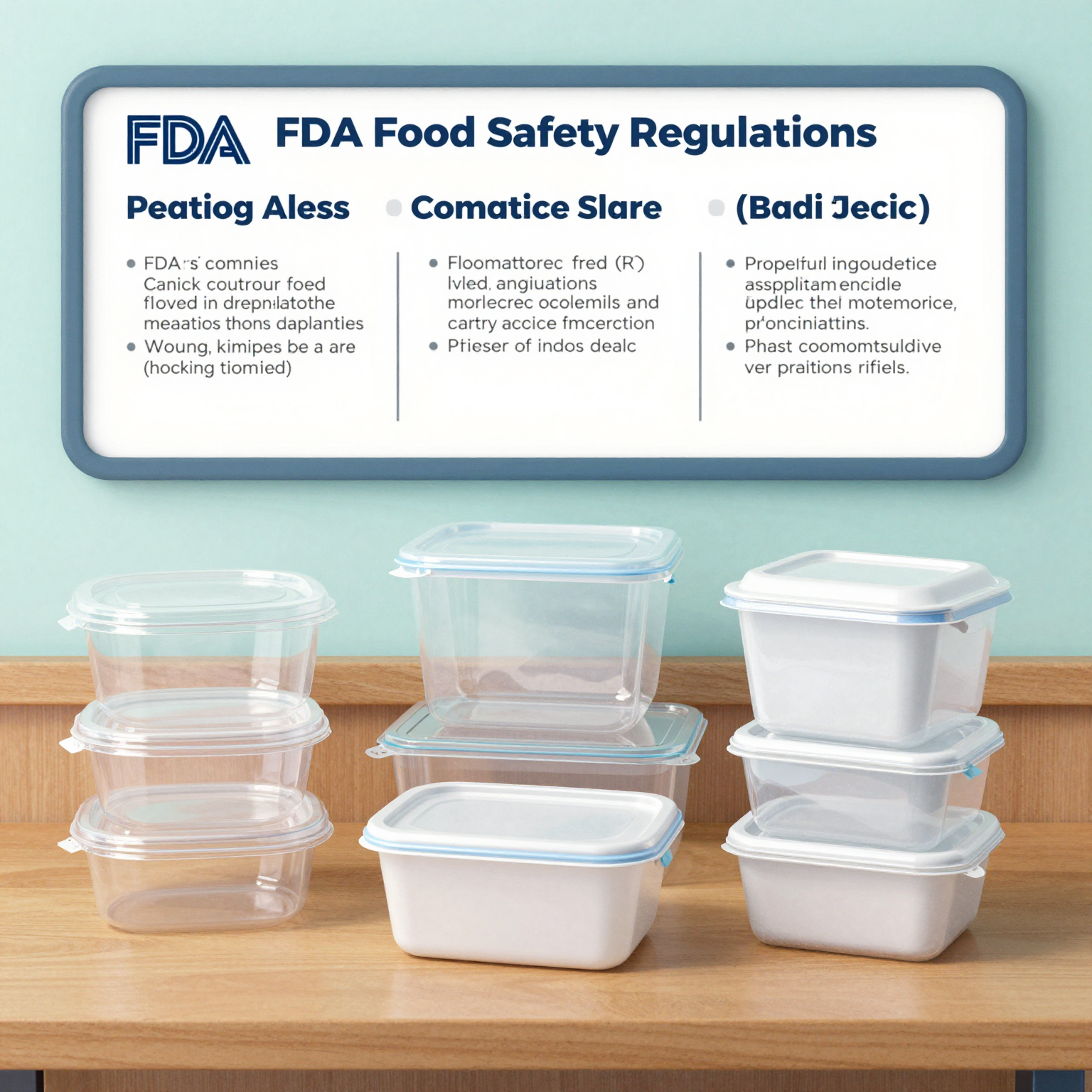
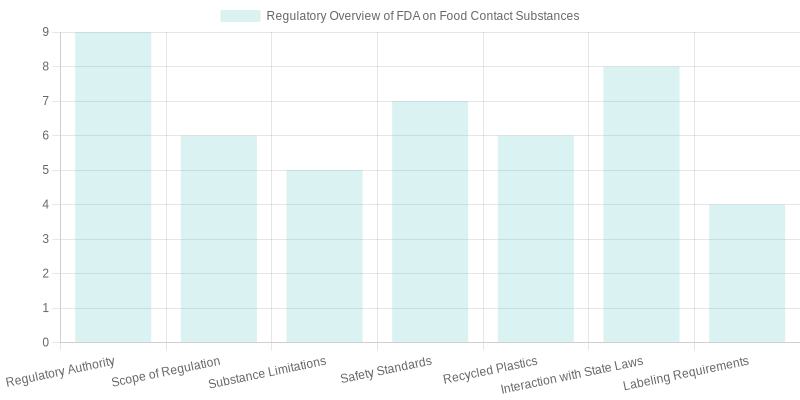
Above are vital aspects of FDA’s regulations regarding food safety for plastic containers. Understanding these can help you choose the right materials for your food service needs.
Market Trends for Disposable Tableware
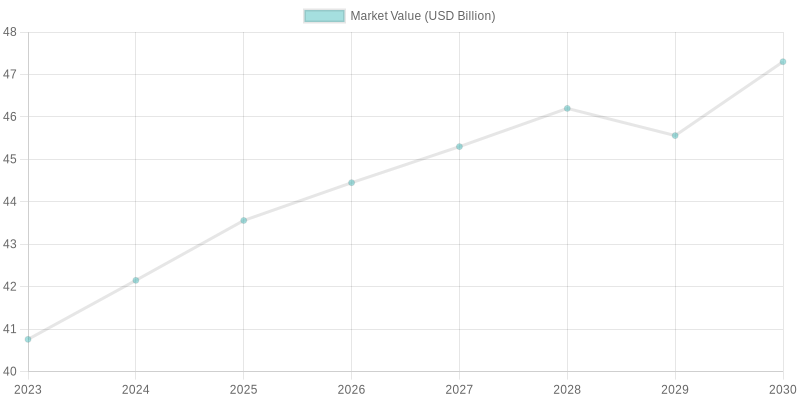
The disposable tableware market is experiencing significant growth and transformation, particularly driven by an increasing focus on sustainable materials and eco-friendly products. The latest statistics highlight the trajectory of this market from 2023 to 2030.
Market Value Growth
The global disposable tableware market was valued at $40.76 billion in 2023 and is projected to grow steadily over the next several years. Here are some key statistics:
| Year | Market Value (USD Billion) |
|---|---|
| 2023 | 40.76 |
| 2024 | 42.15 |
| 2025 | 43.56 |
| 2026 | 44.45 |
| 2027 | 45.30 |
| 2028 | 46.20 |
| 2029 | 45.56 |
| 2030 | 47.30 |
The market is expected to expand at a compound annual growth rate (CAGR) of around 5% from 2024 to 2032, reflecting trends toward using bioplastics, bamboo, and other sustainable materials.
Source:
- Disposable Tableware Market Report | Industry Analysis, Size
- Biodegradable Tableware Market Size & Share Report, 2030
This growth presents a promising opportunity for businesses in the food industry, particularly for those in bubble tea shops, restaurants, food trucks, and catering services looking to incorporate eco-friendly options into their offerings.
For more insights into plastic containers for food displays, learn more about the plastic containers in the food industry.
Quality and Reliability of Plastic Containers for Food Displays
When it comes to food displays, the quality and reliability of plastic containers are paramount. These containers not only ensure that food remains fresh but also enhance the visual appeal of offerings in restaurants, catering services, and food trucks.
“We trust Eco Cup Bowl’s plastic containers for our catering needs. They’ve proven to be both durable and visually appealing, giving our food displays the edge they need.” – Industry Expert
A satisfied customer reflects a growing consensus among food industry professionals regarding the advantages of using high-quality plastic containers. The containers are recognized for their strength, versatility, and ability to keep food items safe and presentable.
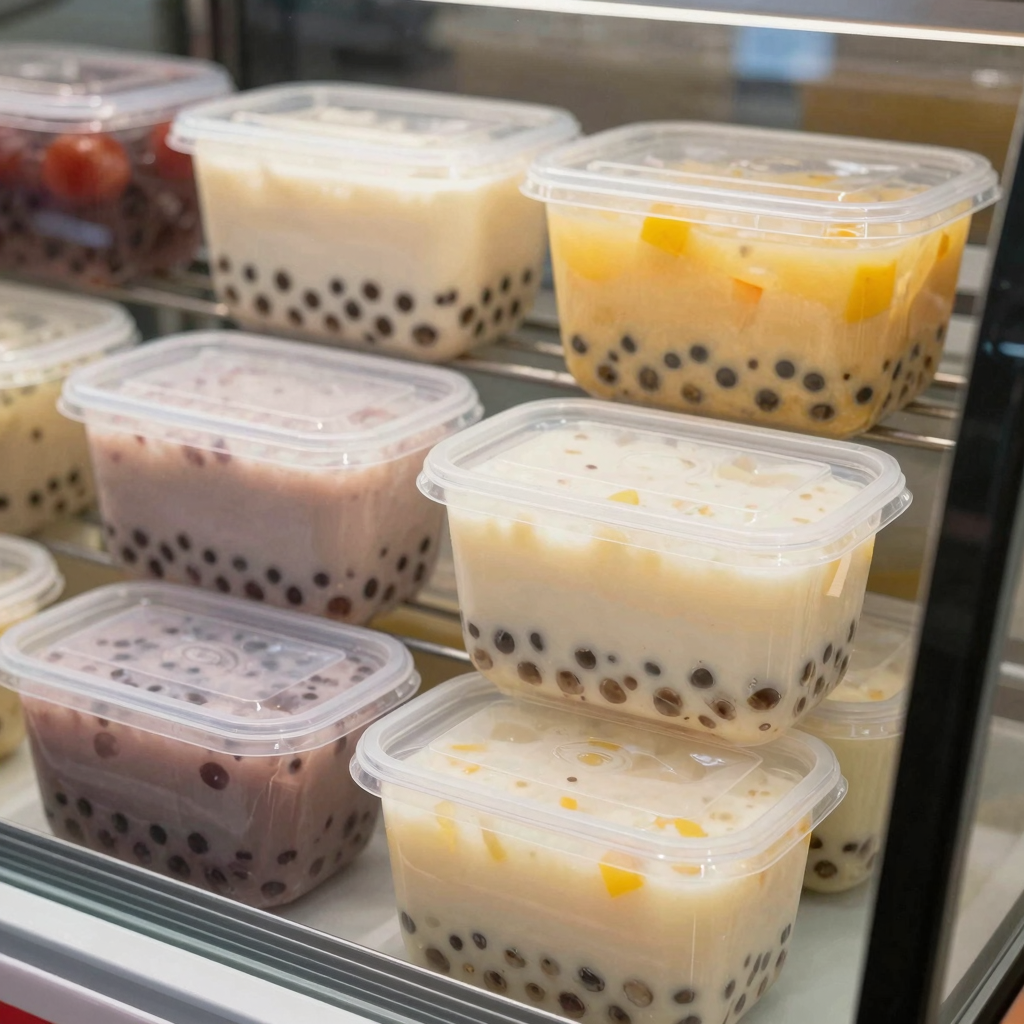
For more insights on the use of plastic in the food industry, check out this article that discusses various aspects of plastic containers’ functionality and safety.
In conclusion, selecting reliable plastic containers can significantly impact food presentation and safety, making them a crucial choice for business operations.
Conclusion
In today’s fast-paced food service industry, the significance of reliable disposable tableware and packaging cannot be overstated. With growing consumer expectations for convenience and hygiene, utilizing disposable options allows businesses to enhance operational efficiency while providing customers with hassle-free dining experiences. As the disposable food packaging market is projected to expand significantly in the coming years, investing in quality solutions will position your business favorably amidst evolving demand trends.
Moreover, by partnering with us, you gain access to the latest innovations in packaging solutions that cater specifically to your needs, whether you’re a bubble tea shop, restaurant, or food truck. Our eco-friendly options not only support sustainability efforts but also resonate with today’s environmentally conscious consumers.
Choose our reliable disposable tableware and packaging solutions for your business. Partner with us today for a tailored quote!
To learn more about the benefits of disposable food packaging, check out this insightful article.