
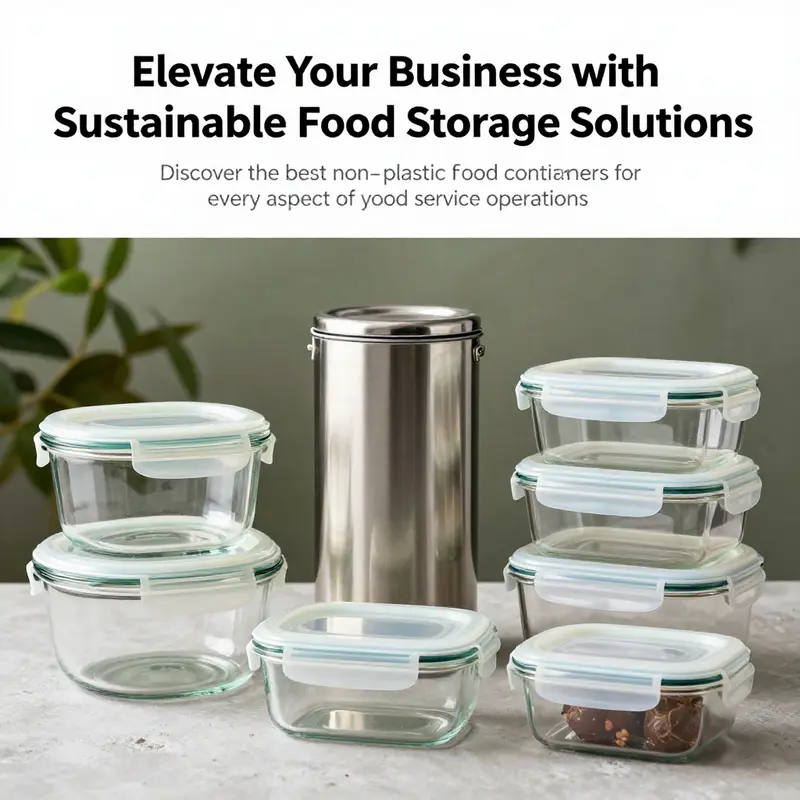
As the demand for sustainable practices continues to rise, businesses in the food service industry are seeking reliable and eco-friendly storage solutions. This article explores the best non-plastic food storage containers, focusing on glass, stainless steel, and biodegradable options. Each chapter delves into the unique advantages and applications of these materials, empowering bubble tea shops, restaurants, food trucks, and catering services to make informed choices. By embracing these alternatives, you can enhance food safety, reduce environmental impact, and ultimately improve customer satisfaction.
Glass at the Core: How Non-Plastic Food Storage Finds Its Foundation in Transparent Durability
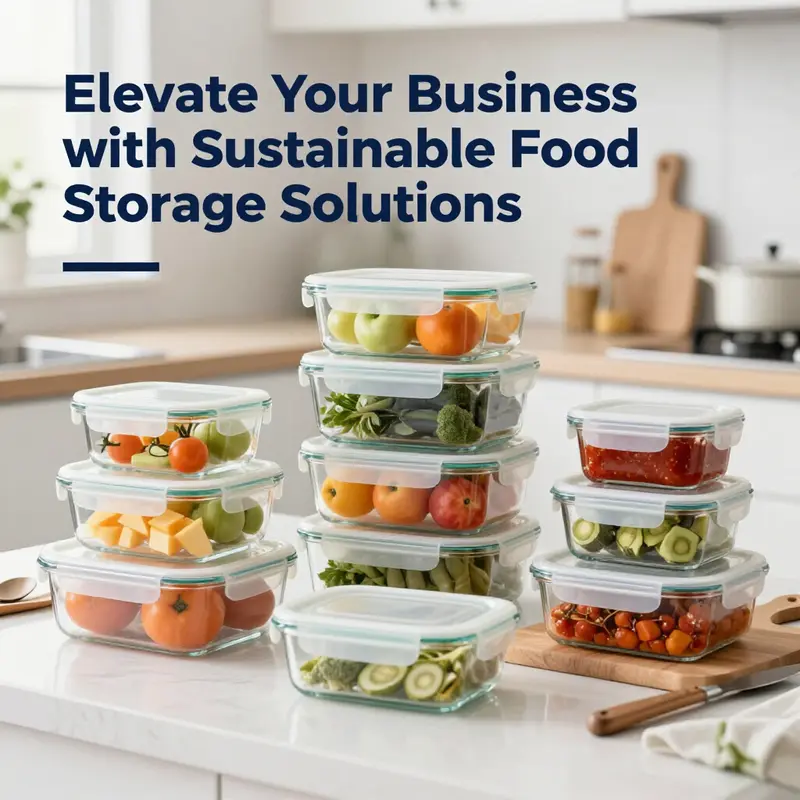
Choosing non-plastic food storage containers is more than a materials debate; it is a careful reckoning of safety, durability, environmental impact, and everyday practicality. Among the available options, glass stands out as a foundational choice that blends health-minded science with everyday usefulness. In a kitchen landscape that increasingly rewards transparency—literally and metaphorically—glass offers an unbeatable combination: it is chemically inert, easy to clean, and remarkably versatile across the temperature spectrum. The drive toward non-plastic storage is not a single trend but a response to real concerns about chemical migration, repeated heating cycles, and the cumulative waste generated by disposable plastics. When people ask which containers to reach for first, the answer often points toward glass, reinforced by enduring durability and clear visibility. The core argument rests on three pillars: safety, resilience, and practicality, with glass addressing each in a way that other materials can only approximate.
From a safety perspective, glass is celebrated for its chemical inertness. Plastics can harbor additives like BPA or phthalates, substances whose potential effects on hormones and metabolic processes have provoked widespread caution and evolving dietary guidelines. The idea that heat can amplify any residual migration from plastic into food has shaped consumer expectations: heating, reheating, or microwaving in plastic containers is increasingly viewed as a risk to be avoided. In contrast, glass does not leach such additives under typical culinary conditions. It behaves as a passive vessel—transparent, stable, and inert—allowing food to speak for itself rather than being colored or altered by the container. This safety profile is not merely theoretical. It aligns with health-focused guidance from clinicians who emphasize minimizing exposure to unknown plastic-derived substances, especially when meals are heated or stored for extended periods. Although some debates persist about other non-plastic materials, glass consistently earns high marks for minimizing chemical migration while preserving the food’s original character.
Durability is the second pillar. Glass may conjure images of fragility, yet modern glass containers defy that stereotype. The strongest varieties—often described in consumer literature as heat-resistant or borosilicate glass—offer remarkable resilience to temperature swings. In practical terms, this means a container can move from the freezer to the microwave or oven with far less risk of cracking than one might expect. The strength comes not only from the glass’s molecular composition but also from well-designed lids and seals that maintain tight bonds without sacrificing accessibility. Everyday use demonstrates that glass is not a one-note solution simply because it looks pristine on the countertop. It tolerates repeated dishwasher cycles, heavy-duty scrubbing, and long service life without the fogging or clouding that can plague other materials. The ability to withstand countless cycles—stain resistance, non-porous surfaces, and a non-absorptive finish—contributes to a lower overall environmental footprint, because the need for frequent replacements declines when one option endures.
In terms of practicality, glass delivers a clarity of purpose that resonates with kitchen routines. The transparent surfaces reveal contents at a glance, reducing the chance of forgotten leftovers or stale staples buried behind colored plastics. This visibility also helps with inventory management in a pantry or fridge, enabling a quick scan for items that need to be used before they spoil. The design language of glass storage has evolved to address the very real needs of modern households: compatibility with standard fridge shelves, efficient use of vertical and horizontal space, and adaptable lids that seal effectively without complicating daily tasks. The lids—engineered to provide airtight closure—often pair with a silicone or rubber gasket that maintains a reliable seal, minimizing spills during transport and ensuring moisture retention or evaporation control as needed. The result is a system that complements the cook’s workflow rather than interrupting it. When you can microwave a glass container with confidence or freeze something without fear of brittle cracking, you begin to see why glass often becomes the default choice for those aiming to reduce plastic use in daily life.
The practical realities of kitchen life further bolster glass’s case. Glass containers come in a range of shapes and sizes that accommodate everything from a cup of soup to a bulk bag of grains stored for weeks. The modular, stackable designs maximize cabinet efficiency and pantry organization, transforming wasteful clutter into ordered storage that’s easy to maintain. Unlike many plastics, glass is visually neutral; it does not impart color or odor to the contents, which can be a subtle but meaningful advantage for preserving the integrity of delicate ingredients like herbs, flours, or spices. And because glass does not degrade in the same way plastics can with repeated exposure to heat or acidic foods, it offers a level of predictability that is particularly appealing to households that rely on batch cooking and long-term storage. In short, glass is not merely a substitute for plastic; it is a platform for safer, more reliable, and more sustainable food storage practices.
Yet the discussion does not end with glass alone. A balanced approach recognizes that other non-plastic materials can play complementary roles in a well-rounded kitchen. Stainless steel, for instance, offers exceptional durability and is highly resistant to impact and heat. It remains an excellent option for meals on the go and for containers that endure rough handling during travel or outdoor adventures. Stainless steel is also prized for its inertness and durability, though unlike glass, it may not always provide the same level of transparency, which can be a drawback for quick content identification. The environmental calculus of stainless steel versus glass depends on usage patterns. Stainless steel’s long lifespan and robust performance can translate into a smaller overall environmental footprint when replacements are infrequent. Still, the initial manufacturing energy and the weight of steel containers can be points of consideration for those who optimize for lightweight gear or emissions related to long-distance transport.
In the spectrum of non-plastic options, there are also materials designed to address specific use cases without attempting to replace glass in every scenario. Fiber-based, compostable options made from agricultural byproducts promise a lower environmental burden for short-term use and takeout contexts. They excel in applications where the container is intended to be used briefly and disposed of responsibly, rather than repurposed for long-term storage. These alternatives are not meant to displace glass in the core pantry or fridge; instead, they complement glass by offering a practical, eco-conscious choice for single-use or limited-time storage needs. The key is to discern the strengths and limitations of each material and to apply them where they yield the greatest value. In a way, glass becomes the anchor around which a broader non-plastic storage strategy can revolve—one that prioritizes food safety, durability, and a lifecycle that respects resource consumption and waste generation.
A closer look at the real-world implications of glass in the kitchen helps translate these advantages into everyday behavior. For people who batch cook, glass containers can be prepared in advance and stored in the fridge or freezer, then reheated in the same vessel without transferring to another dish. The absence of migrating chemicals means less worry about cumulative exposure when meals are reheated multiple times across days or weeks. The stages of food preparation—bulk storage, chilling, reheating—become smoother with glass because the container does not interact with food in unpredictable ways. The transparency also minimizes guesswork. When you open the fridge door, the visible contents tell a precise story of what you have and what you need to cook, rather than forcing you to check labels or rely on memory. This kind of cognitive relief, while subtle, reduces waste and enhances confidence in a plastic-free kitchen.
The broader sustainability argument for glass extends beyond individual health and convenience. Glass has a long history of being recycled and reused, and many glass containers are designed to be easily cleaned and refurbished rather than discarded. While it is true that the production of glass can require substantial energy, its durability and high recyclability offset this initial cost over time. Families that commit to glass storage often notice a reduction in the volume of single-use packaging entering the waste stream. Moreover, the domestic lifecycle—how a family uses, stores, and replenishes containers—can be shaped by a conscious plan to minimize waste, reuse containers, and pass down sturdy pieces to future households. The long-term perspective matters because the environmental rewards of glass accumulate with each year of use, not merely with a single purchase.
Of course, no material exists in a vacuum. The best non-plastic storage strategy is context-dependent, informed by your cooking habits, space constraints, and how you balance convenience with health and environmental goals. In kitchens where freezing and microwaving are routine, glass remains a highly compelling option because the same vessel can handle the cold and the heat without compromising content or safety. For those who travel frequently or require ultra-durable containers for outdoor activities, stainless steel offers a practical resilience that glass may not always provide. For occasional meals on the go or for single-use scenarios that prioritize compostability, sugarcane bagasse or bamboo fiber-based containers can present a credible alternative—though their limitations in high-heat handling or long-term storage should be acknowledged. What matters most is a thoughtful mix: glass as the core, augmented by other non-plastic options tailored to specific tasks. This approach aligns with the view that choosing non-plastic storage is not about a single best material but about a well-considered system that protects health, reduces environmental impact, and fits daily life.
As part of a growing cultural shift toward safer kitchen practices, individuals increasingly seek reliable guidance on how to select and use non-plastic containers. A core takeaway is that the quality of a container depends not only on the material itself but on design features that determine safety and ease of use. An airtight seal, a clean interior surface, and a lid that accommodates repeated washing without warping all contribute to a container’s long-term performance. The best glass containers embrace these features: thick, sturdy walls that resist chipping; uniform closures that distribute pressure evenly; and gasket systems that maintain their integrity after many cycles in a dishwasher. In practice, adopting glass storage reinforces a mindful approach to cooking and eating—one that emphasizes traceability, simplicity, and a clearer boundary between the food and the vessel that holds it.
To bring these themes into action, consider how you organize your pantry and fridge. Place glass jars and containers of the most frequently used staples—rice, beans, oats, flour—within easy reach, while reserve smaller glassware for sauces, soups, and leftovers. When you can see everything at a glance, you reduce the chance of duplicating purchases or letting food slip past its prime. The visual clarity of glass—coupled with its hygienic non-porous surface—makes it easier to monitor freshness, which in turn reduces waste and reinforces a plastic-free ethos. The kitchen, in this sense, becomes not just a place to store food but a stage for a longer, more deliberate relationship with what you eat. The result is a kitchen that is more resilient in the face of busy schedules and more faithful to health and environmental goals.
For those exploring beyond glass, there is a family of non-plastic options designed to address use-case diversity without compromising the principles of safety and sustainability. Some households find value in high-quality silicone sealing containers for flexible storage and space-saving design. These containers can be collapsed when empty, allowing for compact storage and easy packing for travel or picnics. However, it remains essential to choose food-grade silicone that adheres to safety standards, as lower-quality silicones may raise concerns about impurities or odors. Silicones have their place in a plastic-free pantry, but their role is complementary—supporting glass in daily routines rather than replacing it entirely. Similarly, sturdy stainless steel skins can offer rugged durability in lunch boxes and on-the-go containers, presenting an ideal option when glass is impractical due to weight, breakage risk, or container shape. The best strategy, then, is a deliberate blend: glass for most of the pantry and fridge, with steel or silicone accents to fill gaps where glass alone cannot meet a given need.
To align with broader non-plastic aims, some households also consider fiber-based, compostable options for certain short-term uses, such as meal prep takeaways or single-serve portions for events. These alternatives serve an important function by reducing plastic waste, but they must be matched with clear expectations about durability, reusability, and heat tolerance. They are not a wholesale replacement for glass in storage roles but rather a tiered system that accommodates different occasions and preferences. The overarching philosophy remains straightforward: prioritize materials with demonstrated health and environmental advantages, and organize your storage to minimize reliance on plastics altogether. In this way, your kitchen becomes a living example of how thoughtful material choice translates into healthier meals, less waste, and a more graceful relationship with the planet.
For readers who want further reading on the interplay between freezer, microwave, and non-plastic storage standards, reputable resources offer in-depth analyses of what constitutes truly safe and practical options. A well-curated reference discusses the standards and evidence behind the idea that glass containers can safely transition from freezer to microwave, including the importance of labeling and certifications that attest to microwave safety and chemical inertness. This broader body of knowledge supports the choices described here and provides a dependable backdrop for individuals who wish to deepen their understanding of non-plastic storage strategy. When you embark on a plastic-free path in the kitchen, the goal is not to chase a single perfect material but to cultivate a resilient system that respects health, time, and the environment. Glass is the central thread of that system, weaving together safety, durability, and clarity into a cohesive approach to everyday storage.
In summary, glass containers offer a compelling combination of safety, durability, and practicality that makes them a logical cornerstone for anyone pursuing best-in-class non-plastic storage. They reduce chemical exposure risks, withstand repeated use, and support a transparent, organized kitchen workflow. They are not a denial of other non-plastic options but a thoughtful anchor around which a broader, more sustainable storage ecosystem can be built. By starting with glass and selectively layering other materials where they fit best, you create a storage strategy that respects health considerations, minimizes environmental impact, and remains intensely usable for the rhythms of modern life. If you are looking to explore practical pathways for expanding your non-plastic toolkit, you can consider eco-friendly takeout boxes for food packaging as a supplementary option for certain occasions, while keeping glass as your everyday backbone. For more details on how this approach is articulated in recent expert guidance, an external resource provides a comprehensive overview of non-plastic containers that endure from freezer to microwave, offering evidence-driven context for these decisions: https://www.healthyfoodforlife.com/best-non-plastic-food-storage-containers-that-survive-freezer-to-microwave/.
Internal link note: For readers seeking on-the-go, eco-conscious options that align with a plastic-free mindset, a practical pathway is to explore carefully designed, non-plastic takeout packaging that prioritizes safety and recyclability. One relevant example you can review is the eco-friendly takeout boxes for food packaging, which illustrate how non-plastic choices can still deliver reliable sealing, microwave compatibility, and grease resistance in a compact, ready-to-use format. This kind of packaging demonstrates how non-plastic design principles extend beyond the home and into everyday meals outside the home, reinforcing the broader narrative that non-plastic storage can be integrated into many aspects of daily life while maintaining safety and convenience.
Ultimately, the conversation around best non-plastic food storage converges on a simple yet powerful idea: start with glass as the core container due to its safety, durability, and clarity, and expand thoughtfully to other non-plastic options that fill complementary roles. This approach supports healthier eating, reduces environmental footprint, and makes daily cooking and storage more predictable and pleasant. The glass-anchored system is the bedrock on which a more conscious, efficient, and sustainable kitchen can be built, one that values health, simplicity, and respect for the materials we choose to hold our food. As this framework takes root in more homes, it contributes to a broader culture of mindful consumption that extends far beyond the kitchen, shaping how we think about material choices, waste, and the legacy we leave for future generations.
Beyond Plastic: The Enduring Durability and Green Promise of Stainless Steel Food Storage

In the evolving landscape of kitchen essentials, non-plastic storage solutions are more than a trend; they signal a shift toward health, resilience, and responsibility. Among the non-plastic options, stainless steel containers stand out not merely for their sturdiness but for a holistic balance of safety, longevity, and environmental mindfulness. The argument for stainless steel rests on a simple yet powerful premise: materials that last longer and migrate fewer substances into food over time translate into less waste and fewer worries at the table. When a family cooks, stores, and reuses meals, the choice of container becomes part of a larger routine—a repeatable habit that shapes health outcomes and ecological footprints alike. The lifecycle of a stainless steel storage system begins with the steel itself, typically medical-grade or food-grade steel such as 304 or 316L. Each grade brings a different degree of corrosion resistance, hardness, and tolerance to salt, acids, and heat. The practical upshot is a container that can endure years of daily use, a device that can survive the occasional drop, the oven of a crowded kitchen, and the cold sting of a freezer without buckling under pressure. This durability matters not only for the home cook who values a reliable lunchbox but for households aiming to reduce waste and rethink consumption patterns. A container that lasts, after all, reduces the need for frequent replacements and thus curtails the cascade of packaging waste that often accompanies plastic products. The long view aligns with the broader goal of sustainable living: invest once, reuse for decades, and pass on fewer disposables to the next generation.
Durability, however, is more nuanced than a simple measurement of how many times a container can survive a fall. It includes how a material responds to the dual challenges of cold storage and food safety. Stainless steel’s non-porous surface resists staining and odors, making cleanup straightforward and predictable. This matters because residues can harbor bacteria and linger as a reminder of what was stored previously. A smooth, seamless interior surface reduces places where microbes can hide, enabling a level of hygiene that plastic surfaces often struggle to match, especially after repeated use and washing. The absence of micro-porosity in stainless steel means fewer opportunities for chemical interactions with foods—a factor that becomes particularly important when leftovers sit in the fridge or freezer for days. In practical terms, this translates into less risk of cross-contamination and a more confident approach to food safety. It is not merely about keeping food fresh for a few extra hours; it is about maintaining the integrity of flavors, textures, and nutritional value over longer storage periods. The argument for stainless steel, then, merges durability with a protective stance toward the foods we feed our families.
Crucially, the environmental calculus strengthens as we move from the single-use mindset toward a long-term, reuse-based model. Plastic containers—especially those designed for one-time use—contribute significantly to waste streams and microplastic pollution. Stainless steel counters this by offering a multi-decade service life with the option of repair and refurbishment. In a typical household, a stainless steel container can outlive many plastic counterparts, spreading the environmental impact of its production over a much longer time frame. The carbon footprint associated with the production of stainless steel is offset by its longevity when used for years and decades. This perspective reframes “cost” not as a price tag today but as a sum of savings accrued over time: fewer replacements, less frequent disposal, and a reduced reliance on single-use packaging. When families choose stainless steel, they are choosing a material that aligns with a sustainable kitchen ethos—one built on durability, recyclability, and the quiet confidence that comes from investing in a product designed to endure.
The health argument for stainless steel is anchored in the material’s chemistry and its reputation for inertness. Stainless steel surfaces do not leach plasticizers or phthalates, compounds that have raised concerns about the safety of many plastic storage products. The risk of chemical migration from plastic to food is a recurring theme in health-focused discussions about kitchenware, particularly when containers are used across a range of temperatures, from refrigerator cold to hot storage, and in some cases, microwave heating. Stainless steel, by contrast, provides a barrier that remains inert under normal culinary conditions. The safety advantages multiply when one considers the practical realities of family life: containers are not always scrubbed perfectly clean, foods sit for longer periods in the fridge, and leftovers travel to school and work in mixed conditions. A robust metal container can help minimize the chances that residues will interact with food in unforeseen ways, offering a sense of reassurance that extends beyond the dinner plate.
Yet stainless steel is not a perfect, one-size-fits-all solution. The narrative around non-plastic storage must acknowledge its limitations and trade-offs. For example, stainless steel is not microwave-friendly in the conventional sense. Heating metal in a microwave is generally not advised because it can cause arcing, heat unevenness, or damage to the appliance. This reality means households need a thoughtful approach to reheating: transfer leftovers to a microwave-safe vessel when needed, or use stainless steel containers only for storage and transport and rely on other non-plastic options, such as glass, for meals that require reheating in the microwave. The functional implication is that the best non-plastic system in a given kitchen often combines complementary materials. A single container type rarely checks every box for every scenario; rather, a well-considered mix of containers enables a family to optimize safety, convenience, and sustainability across a broad set of tasks. For example, while stainless steel excels at durability and long-term storage, glass may be preferable for immediate reheating or for households that frequently reheat directly in the container. The choice becomes a portfolio strategy—storing with steel, heating with glass, and using a versatile silicone-sealed option for flexible, portable meals.
Another important nuance concerns the logistics of use and care. Stainless steel containers come in diverse configurations: varying lid designs, gasket materials, and single- or multi-piece constructions. A truly durable system balances rigidity with resilience. A tight seal, for instance, reduces the risk of leaks during transport, especially when packing soups, stews, or other liquid-rich foods. It is worth noting that over time, gaskets can degrade if not properly maintained. Cleaning and inspection thus become essential habits. Regular checks of lids and seals ensure that closures remain reliable and that the containers do not begin to harbor odors or stains that could compromise food quality. In households with children, the design of the container can influence how often the lid is dropped or misused. A thoughtful design integrates a robust latch or a secure screw-top mechanism with a wipe-clean interior to minimize the chances of food transfer between meals. These practical considerations are not mere niceties; they are essential components of a long-term plan to keep containers functional, hygienic, and safe.
From an environmental ethics standpoint, the decision to procure stainless steel containers is an expression of responsibility toward the planet. The environmental benefits extend beyond waste reduction. Stainless steel is inherently recyclable, with a well-established circular economy in which end-of-life steel is recycled into new products with limited degradation of material properties. This property makes steel a valuable resource in regions striving to close the loop on household packaging. When a family chooses stainless steel, they participate in a system that values material retention and reuse, rather than one that hinges on a constant stream of new plastics derived from fossil fuels. The broader cultural impact of such a choice is subtle but meaningful: it signals an everyday commitment to evaluating the footprint of everyday goods and designing routines that minimize waste and environmental harm. In communities where backyard composting and recycling are part of daily life, stainless steel storage containers symbolize a practical, tangible link between personal habit and planetary stewardship.
The practical impact of choosing stainless steel for a home kitchen flows through several everyday patterns. First, there is the matter of compatibility with a broad range of foods. The non-porous surface resists staining and odors, a welcome feature for households that store a mix of raw ingredients, cooked leftovers, and sauces. The high-grade steel’s chemical resistance ensures that fatty or acidic foods do not corrode the container over time, provided the food is stored within reasonable timeframes. This stability helps maintain the original flavor profile of meals, preserving the integrity of textures from crisp to creamy. When left to sit, foods can sometimes impart metallic notes if the container is suboptimal; a high-quality stainless steel vessel minimizes such risks and preserves the culinary experience.
Another practical advantage is the ease of cleaning. Stainless steel surfaces resist bacterial adhesion more effectively than many plastics and can withstand the rigors of dishwasher cycles, which encourages consistent sanitation for busy households. The absence of cracks and pores means that food particles do not cling as stubbornly as they might to certain plastic containers. This, in turn, reduces the likelihood of lingering contamination and simplifies day-to-day routines. Cleanliness becomes a straightforward habit rather than a dreaded chore, which is a meaningful factor for households juggling school meals, work lunches, and weekend batch cooking. It also translates into more reliable performance when containers are stacked in a crowded refrigerator or freezer—the rigidity of metal walls supports compact, stable storage without warping over time.
Weight and portability are natural considerations in any comparison of container materials. Stainless steel is heavier than most plastic or composite options, which can be a factor when packing lunches for school or outdoor activities. However, the weight is often a reasonable trade-off for the sense of durability and resilience it provides. For families who commute with lunch in tow, the sturdiness can reduce the risk of leaks and spills, and the containers can be nested or stacked in a space-saving manner when not in use. The portability dimension also invites reflection on design choices such as compact, compactable shapes or modular systems that fit everyday life. A well-designed stainless steel container can be part of a modular kit that travels well from home to office to picnic, with lids that seal securely and interiors that remain dry and clean even after long trips.
From a consumer perspective, the economic argument for stainless steel rests on lifetime value as well as performance. The up-front cost is higher than many plastic alternatives, but the long-term payoffs are significant. A stainless steel container that remains functional for 15 years or more will have a dramatically lower annualized cost than a plastic box that must be replaced several times in the same period. When families consider the overall budget for kitchenware, stainless steel often emerges as a prudent investment: a single purchase can reduce the need for multiple replacements, reduce waste, and create a simple, reliable system for meal storage. In this light, the nutrition and health benefits of consistent, safe storage become part of a broader financial and environmental bottom line. The choice is not merely about material preference; it is about adopting a sustainable, resilient routine that supports steady health outcomes and a lighter ecological footprint over time.
The chapter’s core message circles back to the central question: what makes stainless steel a compelling, non-plastic option for modern households? It is the combination of durability, safety, and environmental stewardship. It is the ability to store a wide range of foods, from fresh greens to hearty stews, without compromising flavor or safety, while also minimizing waste and plastic exposure. It is the peace of mind that comes with a surface that is easy to clean, resists odors, and can be used across the kitchen’s diverse tasks—from dry storage to cold preservation, and, with careful planning, controlled reheating in compatible scenarios. It is the sense that a well-chosen stainless steel set becomes an ally in the kitchen, a dependable partner through the rhythms of each week’s meal planning, grocery cycles, and family feasts. And it is the awareness that a single, durable choice—made with attention to grade, lid design, and care—contributes to a larger, slower change: fewer disposables, cleaner homes, and gentler footprints on a shared planet.
For readers weighing their options, a practical takeaway emerges. When cold storage and long-term resilience are paramount, stainless steel containers should be placed high on the list. Prioritize high-quality steel grades such as 316L for premium corrosion resistance, especially if you anticipate exposure to salt, oils, or acidic foods. Look for a robust lid system with a gasket that remains flexible over time and a design that minimizes seams where residues could accumulate. Consider the overall system: a set of nested containers with uniform lids can dramatically improve organization and reduce the temptation to replace good containers with cheaper, disposable alternatives. Pair the containers with a routine of regular inspection to catch wear in gaskets or lids early, and commit to a cleaning protocol that keeps both interior and exterior surfaces bright and safe. In doing so, you embrace a non-plastic storage approach that is not only safer for your family but more respectful toward the environment in which you live.
As a practical nod to readers pursuing a broader non-plastic strategy beyond metal, consider complementary packaging options that share the same ethos: durable, reusable, and non-plastic in nature. For example, there are eco-friendly takeout boxes that emphasize recyclable, non-plastic materials and microwave-safe usability that can pair well with a stainless steel system for meal-prep days. These alternatives offer flexibility for households that need a quick-learning transition from plastic to more sustainable options while maintaining everyday convenience. For those who want to explore such alternatives without losing sight of core values, a resource on non-plastic packaging demonstrates how design choices can align with both safety and convenience. This broader context helps readers imagine a kitchen where waste is minimized, and where the mix of containers serves a spectrum of needs—from bulk prep and storage to on-the-go meals.
Internal link note: for readers curious about non-plastic options that blend convenience with sustainability, a linked example discusses eco-friendly takeout packaging and how modern designs balance safety and practicality in real-world use. See: eco-friendly takeout boxes for food packaging.
The broader takeaway is that choosing non-plastic storage is not a simple binary choice between metal and plastic. It is a deliberate selection that aligns with health priorities, daily routines, and environmental responsibilities. Stainless steel containers, in particular, offer a compelling package: durability that stands up to daily life, safety that minimizes chemical concerns, ease of cleaning that supports hygienic use, and a long-term environmental advantage through reuse and recyclability. When these factors converge, stainless steel becomes a practical, ethical choice for households seeking to reduce plastic exposure and waste while preserving the integrity of the foods they share around the table. Looking ahead, the path to greener kitchens lies not in a single miracle product but in a thoughtfully chosen set of tools—each piece selected for its ability to endure, to protect, and to respect the world we share. In the chapters that follow, readers will find how to assemble and sustain such a system, how to pair it with complementary non-plastic options for different meals and occasions, and how to cultivate habits that turn durable containers into lasting partners in everyday health and sustainability.
External resource: https://www.zhihu.com/question/687599232
Sugarcane and Bamboo: Degradable Paths to Non-Plastic Food Storage
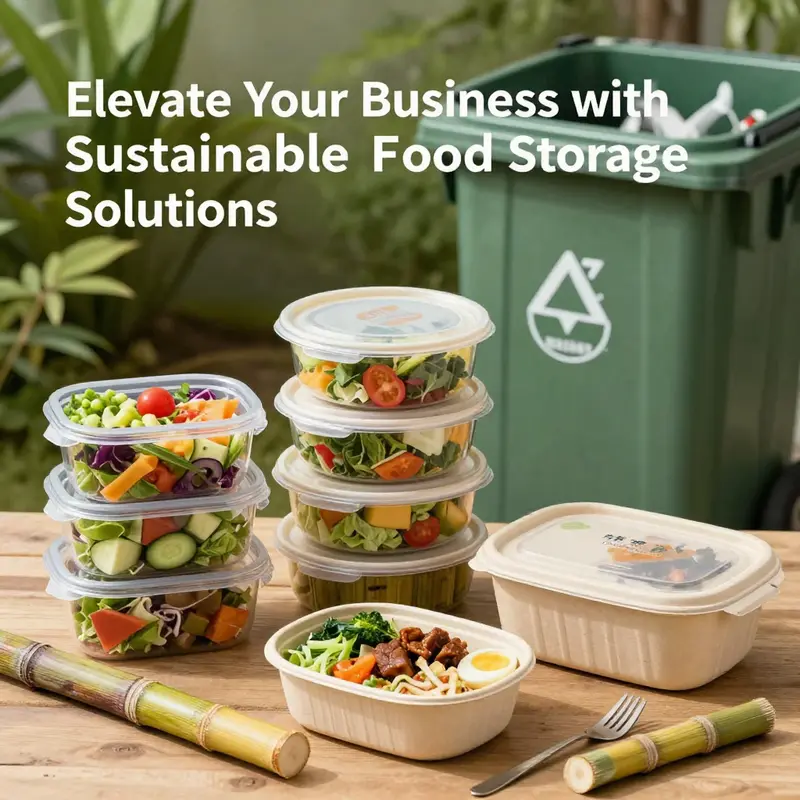
A shift is quietly unfolding in kitchens and lab benches alike. People who once accepted plastic as a default for food storage are now asking more nuanced questions about safety, durability, and what lies beyond convenience. The premise is simple yet powerful: can we curb chemical migration into our meals, reduce lingering environmental harm, and still meet daily needs for freezing, heating, sealing, and stacking? The evidence guiding these questions has become increasingly robust. It points away from plastic not as a fashion but as a health and planetary safeguard. In the wake of this shift, glass and stainless steel stand out as traditional choices with well-established safety profiles. Glass, in particular, offers a transparent guarantee: there is no chemical migration to worry about, and its performance spans the freezer, the microwave, the dishwasher, and long-term storage. A growing chorus of researchers and health professionals echoes this sentiment. For example, a respected environmental health researcher has emphasized that repeated freezing and reheating of plastic can elevate the risk of chemical migration, while glass and stainless steel eliminate that concern altogether. That scientific counsel, coupled with modern consumer demand for functional, durable, and environmentally responsible containers, has nudged many households toward non-plastic options and prompted manufacturers to reimagine everyday packaging. Yet the story does not end with glass and metal. A second, compelling thread in the 2026 landscape comes from natural, renewable fibers that are engineered to be both functional and biodegradable. Sugarcane bagasse and bamboo fiber emerge as two standout materials, not merely as substitutes for plastic but as gateways to a circular life cycle that begins with agricultural waste and ends with safe, compostable residues. They offer a distinct blend of characteristics: impressive mechanical strength, resistance to oil and water, and, crucially, the capacity to return to the soil within a defined time frame. This is not a vague aspiration; it is a scientifically grounded path toward non-plastic storage that can perform in the real world—from household use to takeout packaging—without locking us into a disposable plastic rhythm. The focus on these materials reflects a broader trend in materials science: the pursuit of biobased, biodegradable, and safe packaging that still delivers the practical conveniences that daily life requires. The reality is that both sugarcane bagasse and bamboo fiber are born from renewable byproducts rather than from virgin forests or petrochemical inputs. Sugarcane bagasse, the fibrous residue left after juice extraction, has proven to be a versatile base for tableware and containers. Its inherent properties lend themselves to a design that resists water and grease, while maintaining heat tolerance sufficient for common food scenarios. When combined with careful processing, bagasse can yield a thickness and rigidity that helps prevent leaks in liquids or sauces. In research settings, it has shown a notable capacity for industrial composting: under appropriate conditions, these materials can begin to break down within just 15 days and, within about four months, transform into carbon dioxide, water, and humus. That acceleration is a meaningful contrast to conventional plastics, which persist far longer in landfills and can introduce microplastic and chemical migration concerns over extended periods. Some pioneers have even pushed the boundary further with innovations such as seed capsule integrations, turning waste into a nutrient cycle where degraded containers nourish future plant growth. The narrative around bamboo fiber echoes many of these themes, but with its own distinctive strengths. Bamboo is celebrated for high strength-to-weight ratios, making it an attractive option for rugged, daily-use containers. Its natural resilience translates into products that stand up to rough handling, temperature variations, and repeated washing. Beyond durability, bamboo fiber brings a rapid, natural degradation profile. In natural or industrial composting environments, bamboo-based products have been shown to fragment and degrade within a relatively short window, with reported degradation timelines that align well with consumer expectations for a responsible end-of-life story. Importantly, bamboo fiber materials can be engineered to tolerate heat, enabling practical microwave-safe and refrigerator-friendly use cases, while avoiding the risks associated with plastics and some other synthetic polymers. In this sense, bamboo fiber offers a practical bridge between everyday convenience and the longer-term goal of reducing reliance on non-renewable packaging streams. The combined potential of these biobased materials expands when they are thoughtfully engineered into composite structures. The latest lines of inquiry explore combining sugarcane bagasse and bamboo fiber in a single material system. By blending the two in careful proportions and employing cold- and hot-press shaping, researchers have developed a network-like, high-strength material that leverages the complementary properties of both feedstocks. The result is a product with enhanced mechanical stability, improved resistance to fats and oils, and, crucially, a toxicity profile that sits well below international safety standards for food-contact materials. Tests suggest that such composites can begin losing their shape in soil over a period that ranges roughly from thirty to fifty days, with complete disintegration trailing beyond that window. This fast but controlled degradation points to a design principle: materials that are strong enough to perform in daily use, yet that do not linger indefinitely in the environment after disposal. The environmental appeal of these composites is reinforced by their production footprint. The cold- and hot-pressing routes employed for shaping these materials typically consume less energy than the processing of many conventional plastics. Moreover, because the raw materials come from agricultural byproducts, there is a built-in advantage of reduced resource extraction and often lower carbon emissions over the life cycle. When you factor in the economics, the appeal compounds. The production costs of bagasse-bamboo composites tend to be lower than those of many fossil-based polymers and even some bioplastics that depend on costly feedstocks. The union of sustainable input, functional performance, and favorable end-of-life outcomes creates a compelling case for these materials as central to the non-plastic storage conversation in 2026 and beyond. It is essential, however, to maintain a balanced perspective. The research acknowledges a spectrum of use cases and performance profiles. Short-term, high-wre uses such as takeout packaging or single-serving containers benefit most from their biodegradability and low-cost structure. They excel when the container is intended for immediate consumption or brief storage in cool or room temperatures. For long-term storage, or for items requiring frequent reheating, alternative non-plastic options—particularly glass and tested stainless-steel configurations with proper certifications—remain preferable. The advantages of sugarcane bagasse and bamboo fiber do not lie in a universal replacement for all storage needs but in a complementary strategy that expands the toolbox of safe, sustainable packaging. When designed with the full lifecycle in mind, these materials enable us to reduce waste streams at the source while preserving the practical advantages we expect from a trusted container. The practical implications of these materials extend beyond technical performance into consumer behavior and household routines. Food storage decisions are rarely driven by a single criterion; they hinge on a matrix of safety, convenience, cost, and environmental impact. The modern consumer asks not only whether a container can survive the freezer and the microwave, but whether it can do so without compromising health, while also aligning with a broader commitment to sustainable living. In this sense, the non-plastic container landscape becomes a reflection of values as much as it is a catalog of options. The integrated picture suggests a nuanced approach: keep glass or stainless options in the rotation for frozen foods and reheating tasks, lean on sugarcane bagasse or bamboo fiber for short-term or compostable uses, and explore silicone-based seals where flexibility and high sealing performance are critical—provided the silicone is a food-grade specification and free from additives that pose health concerns. A practical takeaway emerges from this synthesis. Consumers who want to bake in, serve, or store without plastic should cultivate a modular approach to container selection. The strategy is not about selecting one material for every circumstance, but about building a versatile set of containers that cover a range of needs while minimizing plastic exposure and maximizing end-of-life options. The literature and real-world testing converge on a pathway that blends the old with the new: use glass for the long run when you need transparent visibility and chemical inertness; rely on stainless steel when durability and ruggedness win the day; reserve sugarcane bagasse and bamboo fiber for scenarios where compostability and low-cost, short-term use are paramount; and consider high-quality silicone where flexible sealing and space-saving design offer real advantages. Even within this framework, the user experiences and daily routines matter. A component of good design is recognizing and respecting human behavior: how people store, heat, and transport food; how they wash and reuse containers; and how they dispose of or compost them. Labels such as “microwave-safe” or “dishwasher-safe” still matter, but they must be understood in the context of the material’s broader life cycle and safety profile. Modern research highlights a pragmatic pattern: if you want to minimize risk and maximize long-term safety, prioritize glass with credible microwave and freezer certifications, or stainless steel that resists corrosion and staining while staying inert to most foods. For daily convenience and environmental considerations, embrace sugarcane bagasse or bamboo fiber where appropriate, but do so with careful attention to the product’s specifications and the conditions under which it is designed to perform. The overall message is clear: choosing non-plastic containers is not a monolithic act; it is an adaptive practice that responds to how you cook, how you store, how you heat, and how you ultimately dispose of or reintegrate materials back into the ecosystem. In this evolving landscape, one practical, consumer-facing takeaway is to look for products that clearly communicate their end-of-life pathway. Labels and certifications that indicate compostability under industrial or home composting conditions provide meaningful guidance. When you encounter bagasse- or bamboo-based options, verify the material’s composition and the processing standards that ensure safe food-contact properties. And when you need to store and reheat, consider glass or stainless options that carry verified safety credentials. The conversation around non-plastic storage is also an invitation to reimagine packaging as part of a larger sustainability story. In the best-case scenario, the container you choose serves as a bridge between daily nourishment and ecological stewardship. It becomes a tangible link from the field to the kitchen, from the kitchen to the compost or soil, and from the consumer back to the cycle of design and reuse. The narrative around sustainable containers is not simply about substituting one material for another; it is about designing systems that minimize waste, reduce energy use, and protect health across a product’s entire life. For readers who want to explore more of the practical, design-forward thinking in this area, one relevant resource highlights the latest generation of takeout and food-packaging solutions that blend style, safety, and sustainability in a single package. The linked page discusses eco-friendly takeout boxes designed for safe microwave use and grease resistance, illustrating how manufacturing choices can align with both consumer expectations and environmental responsibility. This internal reference complements the broader discussion by providing a concrete example of how non-plastic designs translate into real-world packaging options that are compatible with modern diets and lifestyles. In practical terms, the selection of non-plastic containers should be guided by a balanced risk-benefit assessment. If your goal is to minimize exposure to potential chemical migration, glass and stainless steel with proper certifications form a robust foundation. If your objective is to reduce plastic waste and support composting-based end-of-life pathways, sugarcane bagasse and bamboo fiber open valuable doors, especially when used in combination with rigorous testing for food safety and environmental compatibility. The field will continue to evolve as chemistry, materials engineering, and agriculture intersect to offer new compositions and processing techniques. The ongoing collaboration between researchers, manufacturers, and consumers will sharpen our understanding of how best to align performance with safety and sustainability goals. It will also demand a clear, transparent dialogue about what “non-plastic” means in practice, including how end-of-life options are implemented at scale, what certifications are meaningful to consumers, and how these materials perform under varied culinary uses—from soups and stews to sauces and delicate dressings. The cross-cutting insights from 2026 suggest that the best path forward lies in embracing a portfolio approach. For households, this means assembling a repertoire of containers that uses glass or stainless steel for core, durable needs; supplemented by biodegradable bagasse or bamboo options for short-term or takeout contexts; and supported by high-quality, food-grade silicone where strong seals and flexible storage are essential. For institutions and event planners, the logic remains the same but scaled up, with more emphasis on standardized certifications, supply chain reliability, and end-of-life infrastructure. This integrated strategy aligns with a broader shift in consumer culture toward thoughtful consumption: the recognition that everyday choices—like the containers we select for leftovers, lunches, and family meals—have a cumulative effect on health, waste streams, and ecosystems. Companies are responding by investing in safer materials, clearer labeling, and more transparent lifecycle data. Consumers can respond by asking better questions in stores, reading labels more carefully, and choosing options that reflect both immediate practicality and longer-term values. The result could be a more resilient, less wasteful routine where non-plastic containers meet the persistent demands of modern life without compromising safety or the planet’s health. For further reading that anchors these ideas in scientific analysis and lifecycle considerations, a respected external source provides a rigorous examination of biodegradable tableware and its environmental implications. External resource: https://www.sciencedirect.com/science/article/pii/S2589537020301159
Final thoughts
Choosing non-plastic food storage containers is not just a trend; it’s a commitment to health, safety, and sustainability. Glass containers ensure your foods are stored without chemical risks, metal provides unparalleled durability, and biodegradable options reduce plastic waste. By investing in these solutions, businesses can improve their food safety practices, resonate with eco-conscious consumers, and contribute to a healthier planet. Make the switch today to optimize operations and enhance brand appeal with environmentally friendly choices.