
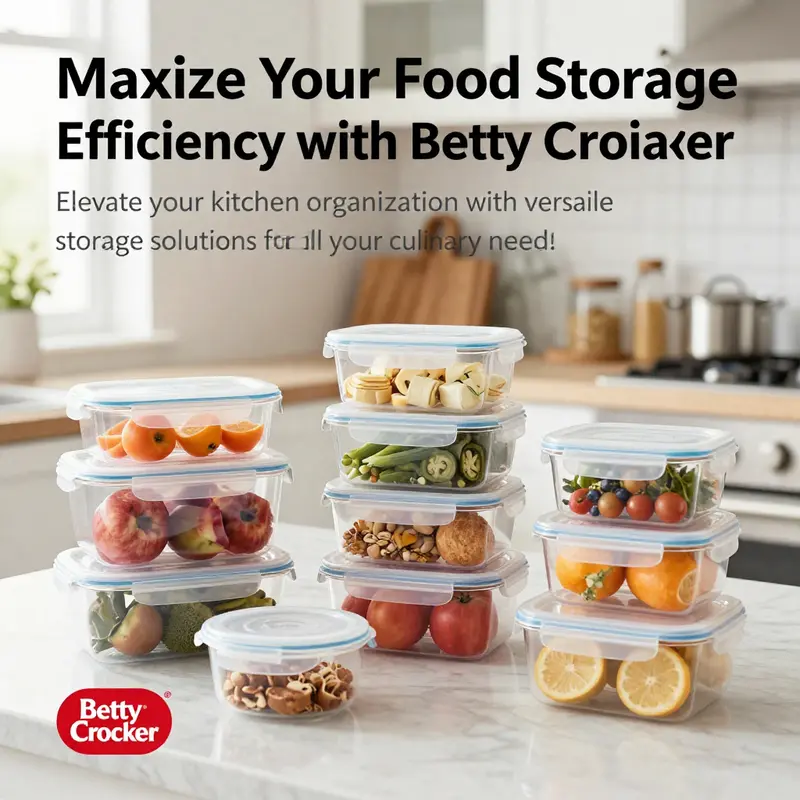
In the bustling environments of bubble tea shops, restaurants, food trucks, and catering services, efficient food storage is essential. This is where Betty Crocker Round Plastic Food Saver Storage Containers come into play. Their durable, BPA-free design, combined with practical features, makes them ideal for preserving a range of food items. In this article, we will explore the detailed overview of these containers, assess their benefits for food preservation, and highlight their versatility in various culinary applications, ultimately showcasing how they can be indispensable for your business operations.
Circles of Freshness: How Round Plastic Food Saver Containers Streamline Kitchen Storage
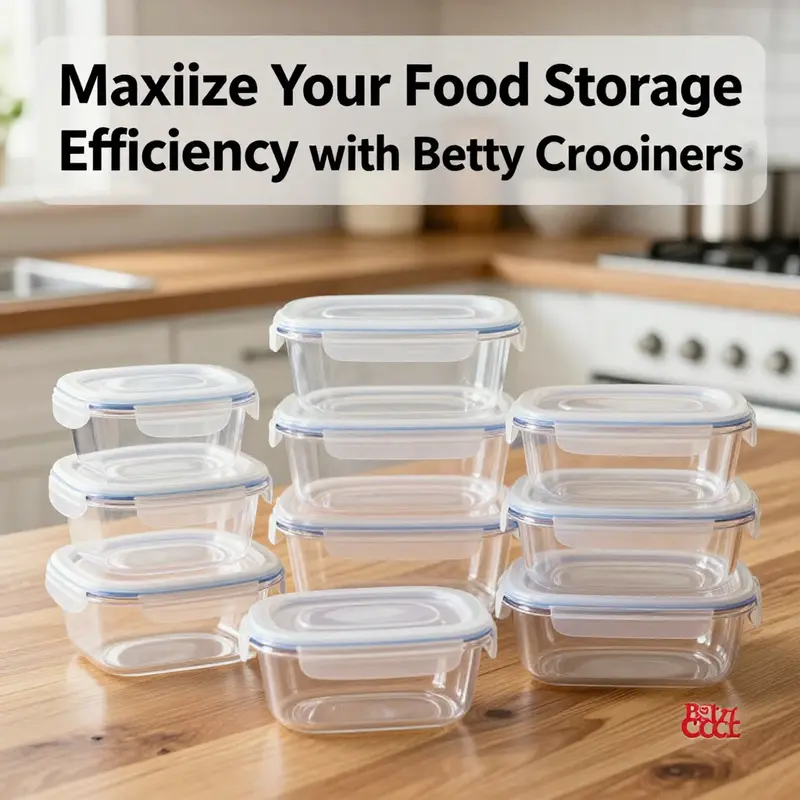
Circles of freshness are more than a design detail in a modern kitchen. They symbolize a simple approach to reducing waste and simplifying routine. A compact two-container set of round plastic food saver containers can become a quiet backbone of daily life. Built for safety, ease of use, and space efficiency, these containers help keep leftovers fresh and footprints small across meals and plans.
The material is durable and BPA-free, addressing common concerns about food contact plastics. The transparent bases offer quick visibility, so you can see what is inside at a glance without opening each lid. The lids snap on securely, creating a tight seal that slows moisture loss and helps flavors and textures stay intact.
Round shapes fit neatly on shelves and in drawers, and their uniform geometry makes stacking and organizing effortless. Capacity is balanced for everyday needs: large enough for leftovers or prepped ingredients, small enough to carry to work or school.
Care is simple: dishwasher-safe top rack for most parts, microwave-safe when the lid is removed, and a reminder to hand wash the seals to extend life. Reusable storage like this reduces reliance on single-use packaging and supports a calmer, more organized kitchen.
In short, the two-pack set offers practical reliability that extends freshness, saves time, and makes kitchen workflows feel a little easier every day.
Round, Clear, and Ready: How Everyday Round Plastic Food Saver Containers Elevate Freshness, Visibility, and Kitchen Order

In the landscape of modern home kitchens, the way we store and retrieve food has a surprising power to shape our eating habits, budgets, and environmental footprint. The round plastic food saver containers that families reach for after every grocery run are more than mere receptacles; they are small, dependable tools that influence what ends up on our plates and what we discard. Their round form is not just a design preference but a practical choice that aligns with how households move, stack, and organize their food. When you open a refrigerator or a pantry, the first impression is clarity. These containers come with super-clear bases that let you glimpse the contents at a glance without removing the lid. That visibility matters: it reduces the time spent rifling through shelves and lowers the chances of forgotten leftovers turning into waste. In a busy kitchen, being able to identify yesterday’s chicken, today’s pasta, or a handful of nuts in an instant is more than convenience; it’s a behavioral nudge toward better meal planning and smarter consumption. The sight of food you can recognize quickly also supports a cleaner, more orderly space. When every item has its place and its contents are instantly readable, it’s easier to keep the fridge organized, to track portions, and to build a routine around leftovers rather than letting them languish in hidden corners where their freshness fades unseen. This emphasis on visibility makes round containers particularly well suited to refrigerated storage, where space optimization often competes with accessibility. The shape itself—the circular footprint—tends to encourage efficient stacking and nesting. In practical terms, round storage lowers the chance of awkward gaps in shelves and allows containers to be placed side by side with fewer wasted inches. This design harmony translates into more usable cabinet or crisper space, a feature welcomed by anyone juggling small kitchens, compact apartments, or shared living environments where every square inch counts. A streamlined silhouette reduces the cognitive load of food organization, and when you can trust that your containers will stack neatly, you’re more likely to keep a system in place rather than revert to disposable packaging that creates clutter over time. The effect is subtle but meaningful: a kitchen that feels orderly invites better habits, which in turn support fresher ingredients and less waste. The container’s clear body also doubles as a quick visual inventory tool. You can see if you have leftover rice, steamed vegetables, or sliced fruit without lifting a single lid. This ease of recognition is especially valuable for meal prepping, where the goal is to assemble and reheat meals efficiently. Rather than guess what’s inside, you can quickly scan and plan around what you already have, potentially guiding choices for the week’s menus and reducing impulse purchases that lead to spoilage. The round containers in question are designed with practical versatility in mind. They are suitable for a broad spectrum of dry goods, leftovers, pre-prepared ingredients, and even ingredients that make weekly meal prepping a smoother process. A single pack can support a spectrum of uses: from portioning out grains for the next few days to storing chopped vegetables or fruit for snacks, to holding sauces and dressings that your meals will require. The flexibility of use stretches beyond strict leftovers, enabling cooks to create ready-to-go components that can be assembled quickly on busy mornings. They become a part of a broader storage ecosystem that emphasizes modularity and reuse, a theme that resonates with growing consumer interest in sustainable kitchen habits. The containers’ utility is also amplified by their compatibility with popular kitchen routines. For reheating, you can place leftovers in a microwave-safe vessel directly on the plate?with the lid removed, a practical workaround that minimizes transfer steps and reduces the risk of microwave mishaps. When it’s time to freeze, the same vessels guard the integrity of frozen foods, preserving moisture and flavor without the risk of drips that can contaminate other items in the freezer. And when you’re ready to clean up, these containers are dishwasher-safe on the top rack, which simplifies post-meal cleanup and supports a streamlined kitchen workflow. Another dimension of their value lies in how they blend durability with reusability. Constructed from sturdy plastic, these containers are designed to withstand repeated washing, temperature fluctuations, and the occasional drop from a kitchen counter. This durability matters on two fronts. First, it reduces the need for single-use packaging, aligning with a trend toward more sustainable consumption. Second, it offers a predictable, long-lived storage solution that families can rely on for months or years, which translates to predictable budgeting and less waste. The durability and reusability of a well-made round storage system can influence the way households approach food preservation itself. Rather than viewing leftovers as disposable after a single use, they become an integral part of a weekly cycle: clean, portion, store, reheat, and enjoy. The result is a more conscious approach to food and a smaller environmental footprint, because durable, reusable containers cut down on the cumulative waste generated by disposable bags, wraps, and single-use storage vessels. When examining how these containers fit into a broader kitchen architecture, their round shape stands in contrast to rectangular or square options that dominate some cabinets. The round footprint invites natural, fluid stacking that can reduce the number of individual units your shelves must accommodate, while also enabling more vertical organization. In tighter spaces, this vertical stacking translates into tangible gains in accessibility: you can see the topmost container without moving others, and you can access the bottom ones with less rearrangement. For those who rotate their menus weekly or who routinely switch between baking, cooking, and meal-prepping modes, the containers become a versatile backbone for a kitchen routine that favors clarity, efficiency, and repeatable processes. The practical features extend beyond visibility, sealing, and durability. An easy-seal lid design contributes to a robust barrier against air and moisture, which is crucial for extending shelf life and preserving flavor. A dependable seal helps keep odors contained, preventing cross-contamination of smells between different foods stored in the same vicinity. That control of odors matters in refrigerators, where a strong scent from one item can distort the perceived freshness of others. It also matters in pantry storage, where aromas can spread and mingle in ways that make it harder to discern what’s inside each container. A reliable seal supports a calmer, more predictable storage environment. In combination with the clear body and secure lid, the seal forms a comprehensive approach to food preservation that helps keep foods tasting as close to freshly prepared as possible even after days in storage. The combined effect of visibility, sealing performance, and temperature versatility creates a triad of benefits that directly address common kitchen challenges: waste, time, and mess. When a family can see what’s inside, seal it effectively, and re-use the containers for hot or cold foods without fear of compromise, the daily burden of food preservation lightens. The routine becomes less about managing spoilage and more about maximizing value from ingredients—an outcome that resonates across households of different sizes, culinary styles, and cooking philosophies. The role of materials also comes into play in everyday decisions about safety and health. The BPA-free construction reassures households that the containers are appropriate for food storage, reducing concerns about chemical exposure. This assurance matters, particularly when temperatures swing from fridge chill to freezer cold or when reheating leftovers. While the lid may be removed for microwave use, the core body remains a stable, inert container that won’t impart unwanted flavors or degrade over time. The care routine for these containers is straightforward: wash, dry, and reassemble as part of a regular cleaning cycle. Because they are top-rack dishwasher safe, they integrate seamlessly into a modern, low-effort cleaning strategy. The practical instructions accompany a broader philosophy of mindful storage: value the vessel that shields the food, and treat the contents with the same care you would give a freshly prepared meal. In this sense, the round plastic food saver containers function not only as storage devices but as daily reminders to treat leftovers with thought and respect. They become a quiet partner in responsible eating, supporting portions, planning, and consistency. For families, this means fewer half-filled bags and boxes, less spillage, and more predictable meal timing. It also translates into a calmer kitchen atmosphere where the rhythm of cooking and eating is harmonized with the pace of life outside the home. The conversation around kitchen storage often touches on sustainability. Reusable containers like these fit squarely within a broader movement toward reducing disposable packaging. When households choose durable, reusable vessels, they diminish the cumulative impact of single-use plastics and the energy associated with their manufacture and disposal. Over time, the impact compounds: fewer plastic bags and wrappers, fewer sealed wraps that end up in landfills, and a quieter, more organized kitchen that mirrors a commitment to thoughtful consumption. The story of these containers is thus a story about small, consistent choices that accumulate into meaningful change. They offer a reliable, practical path to better preservation without requiring dramatic lifestyle shifts. They are not a luxury; they are a convenient, everyday solution designed to fit the realities of modern life: quick meals, busy households, and the need to balance freshness with practicality. For readers seeking to explore related packaging and storage options that align with the same goals of usability and sustainability, a related resource on practical packaging solutions can be consulted. See the linked resource for a broader view of how the packaging ecosystem supports home storage, including ideas for organizing a kitchen around standard container sizes and shapes that maximize space and minimize waste.
Round Plastic Food-Saver Storage Containers: Versatility, Freshness, and Everyday Kitchen Mastery
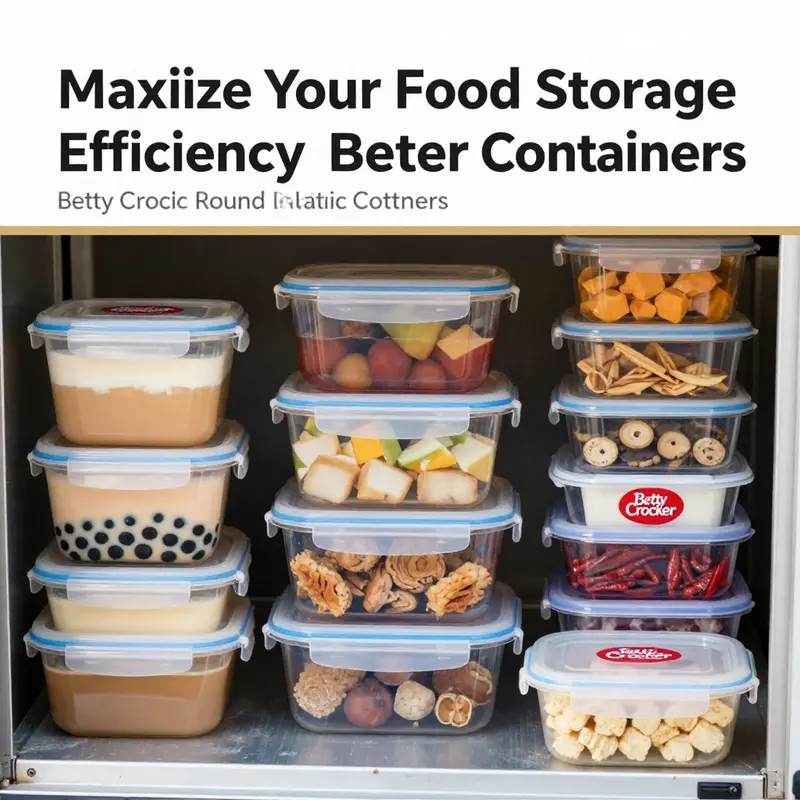
In a kitchen crowded with gadgets, a pair of round plastic storage containers with snap-on lids becomes a quiet powerhouse. Their value isn’t in flash or novelty, but in reliability—the kind that quietly reshapes daily routines. The two-count pack is more than a convenience; it is a compact system for preserving flavor, texture, and nutrition while simplifying how a family approaches meals, snacks, and leftovers. This chapter explores how round, BPA-free, air-limiting containers innately support a smarter, more organized kitchen, and how their shape and design translate into real-world benefits that extend beyond mere storage.
The round silhouette is more than just a stylistic preference. It is a deliberate choice rooted in space efficiency. In any pantry, cabinet, or refrigerator, round containers nestle into curved corners and align with bottle shelves, creating a rhythm that square or rectangular options don’t always achieve. When many households juggle limited counter space, the ability to stack containers securely matters. A circular form translates into a predictable stacking footprint, allowing you to maximize vertical storage. This is especially helpful in tight kitchens where every inch counts, because the round shape reduces wasted gaps between items and enables a more coherent, accessible inventory. The two-pack, in particular, offers a quick way to establish a paired system: one container for a specific category—say, fresh berries or chopped vegetables—and its matching partner for leftovers or dry goods. This pairing also supports meal-prep workflows by encouraging consistent portioning and easy retrieval.
Transparency is another subtle but impactful design feature. The clear plastic lets you scan contents at a glance, eliminating guesswork during meal planning. When you’re juggling school lunches, work snacks, and late-night cravings, being able to identify what’s inside without pulling lids off or opening multiple containers speeds up decision-making. It also reduces the temptation to over-prepare or rewarm items because you forgot something already stored away. In a broader sense, visibility integrates with mindfulness in the kitchen: you’re more likely to repurpose leftovers and reduce waste when you can see what’s there.
Lids in this category typically snap on with a secure seal, creating a barrier against air exposure that dries, stiffens, or spoils food more quickly. A tight seal helps preserve moisture balance, maintain aroma, and safeguard delicate textures—two things that matter as much for fruit and vegetables as for crackers or cereal. A well-executed seal prevents spills during fridge reorganizations or while carrying containers in lunch bags. The two-pack concept reinforces the idea of boundaries: you can separate foods by category or meal phase, minimizing cross-flavors and confusion. The seal’s integrity also relates to cleanliness; when air is kept out, you’re also minimizing the chance for freezer burn and freezer flavor transfer, which is especially beneficial for pre-portioned meals or batch-cooked staples.
Color-coded lids are more than cosmetic. They function as quick identifiers in a crowded cabinet or fridge. A vibrant lid hue means you can locate the right container without removing several others, saving time during busy mornings or late-night snack hunts. This kind of color cue supports consistency in meal-prep routines and can be part of a broader organizational approach that uses color as a nonverbal cue for food groups, cooking stage, or day-of-week planning. If you prefer a minimalist look, even a single hue can be used with clear labeling or small stickers to achieve the same effect without visual clutter.
Durability and safety underpin the practical appeal. These round containers are crafted from sturdy plastic that can withstand daily use and the occasional bump from a sliding shelf or a hurried transfer from fridge to table. Importantly, the BPA-free construction addresses a key concern about chemical exposure in plastic food storage. The absence of BPA reduces the potential for leaching into foods, which is especially relevant for acidic items, citrus marinades, or leftovers that sit in the fridge for a few days. That peace of mind is not a luxury but a baseline expectation for everyday kitchenware of this type.
Versatility is the cornerstone of a two-pack’s value. The same pair can handle a range of food items—from fresh produce to pantry staples, from cooked meals to components for meal prepping. Consider fresh fruits and vegetables: a round container with a snug lid can tame humidity and slow down spoilage by limiting air contact, while still allowing the produce to breathe enough to stay crisp. For dry goods, the seal protects against moisture and pantry pests, keeping crackers, nuts, and cereals fresh longer. Leftovers benefit from portioned storage; you can reheat in the microwave after removing the lid, which preserves texture and moisture better than reheating from a loosely closed container. Pre-prepped ingredients, such as chopped carrots for the week’s meals or cooked grains, stay organized and accessible—no rummaging through a crisper or a jumble of bowls.
The practicalities of heating and cooling expand the containers’ utility. Microwave safety, with the lid removed, makes quick reheats straightforward without the risk that trapped steam could compromise the lid’s seal or introduce soggy textures. Freezer safety supports batch cooking and make-ahead meals, enabling you to freeze portions without fear of cracking or warping. The top-rack dishwasher compatibility makes cleanup nearly effortless, a nontrivial advantage when a family uses containers multiple times a week. These capabilities are not just features on a spec sheet; they actively shape how families plan, prepare, and preserve food. The ability to heat, chill, and clean efficiently reduces friction and encourages more thoughtful, home-cooked meals rather than reliance on convenience options that compromise freshness.
Another dimension of utility lies in how round containers integrate with a broader system of kitchen organization. Their shape allows for a different type of cabinet choreography compared with square containers. Round vessels fit snugly on round shelves and within rounded fridge compartments, aligning with the way some refrigerators maximize usable interior space. Their compact footprint makes them easy to place in smaller refrigerators or pantry alcoves, enabling faster rotation of stock and easier replenishment. The two-pack setup reinforces a simple routine: designate one container for a specific type of food and another for its partner item. This practice supports consistent meal-prep calendars and reduces the mental load associated with daily decisions about what to eat or pack.
Of course, the real-world impact of these containers becomes apparent when you see how they fit into daily rituals. Morning routines become smoother as you pre-portion yogurt, berries, and granola into two or three containers for grab-and-go breakfasts. Lunches become less fragmented when you can stash a complete, visually identifiable meal in one place, with colors guiding you to a protein-forward option or a higher-fiber choice. After-dinner tidying up is simpler because leftovers reside in clearly labeled, air-tight space—with the two-pack offering the flexibility to rotate items or to reserve one container for a different dish for tomorrow. These practicalities translate into less food waste, more predictable meal timing, and a kitchen that feels calmer because you no longer hunt for containers or reassemble mismatched lids.
This is precisely the kind of everyday innovation that often goes uncelebrated. It isn’t about flashy features or a single wow moment; it’s about a reliable, repeatable workflow that fits into the cadence of life. The two-pack of round storage containers embodies that ethos: a compact, durable, and adaptable system designed to support the way people actually cook, store, and consume food. It is a reminder that sometimes the best kitchen tools are those that disappear into the background, enabling you to focus on nourishment, family, and routine rather than on the mechanics of storage itself.
To further connect this discussion to broader ideas about home organization and sustainable practices, consider how such containers intersect with the growing emphasis on reducing waste, choosing reusable solutions, and simplifying daily routines. A two-count pack offers a small but meaningful opportunity to reduce disposable waste by substituting for disposable plastic bags or wraps in many common storage tasks. When the lids seal tightly and the containers endure daily use, families can keep staples on hand without sacrificing freshness, which in turn supports healthier eating habits and more mindful shopping. The simplicity and resilience of this design make it a strong example of how thoughtful hardware can influence behavior in meaningful, lasting ways.
For readers exploring other eco-friendly packaging and home-kitchen solutions, see this example of recyclable packaging options. eco-friendly food container options.
As we look ahead to how kitchen storage evolves, the core principles remain stable: durability, safety, accessibility, and clarity. The round plastic food-saver containers in a two-pack embody these principles in a compact form, offering a straightforward answer to the perennial questions of freshness, organization, and waste reduction. They are a reminder that kitchen design often works best when it leans into simplicity without sacrificing functionality. The next chapters will examine how such containers can be integrated with other storage strategies—whether in a pantry, a freezer, or a shared household—to create a cohesive system that supports both everyday meals and special occasions. In doing so, we continue to uncover how the humble round container becomes a reliable ally in the ongoing project of cooking, preserving, and enjoying food.
External resource: for additional product information and user reviews, see the official product page. https://www.amazon.com/dp/B07C5W6F9Q
Final thoughts
In summary, Betty Crocker Round Plastic Food Saver Storage Containers not only enhance your food storage capabilities but also ensure that your ingredients remain fresh and organized. Their BPA-free construction, air-tight lids, and stackable design make them an essential addition to any food service environment. By adopting these containers, you can optimize your kitchen efficiency, reduce food waste, and deliver high-quality meals to your customers consistently. Choose Betty Crocker containers to simplify your operations and elevate your service.