
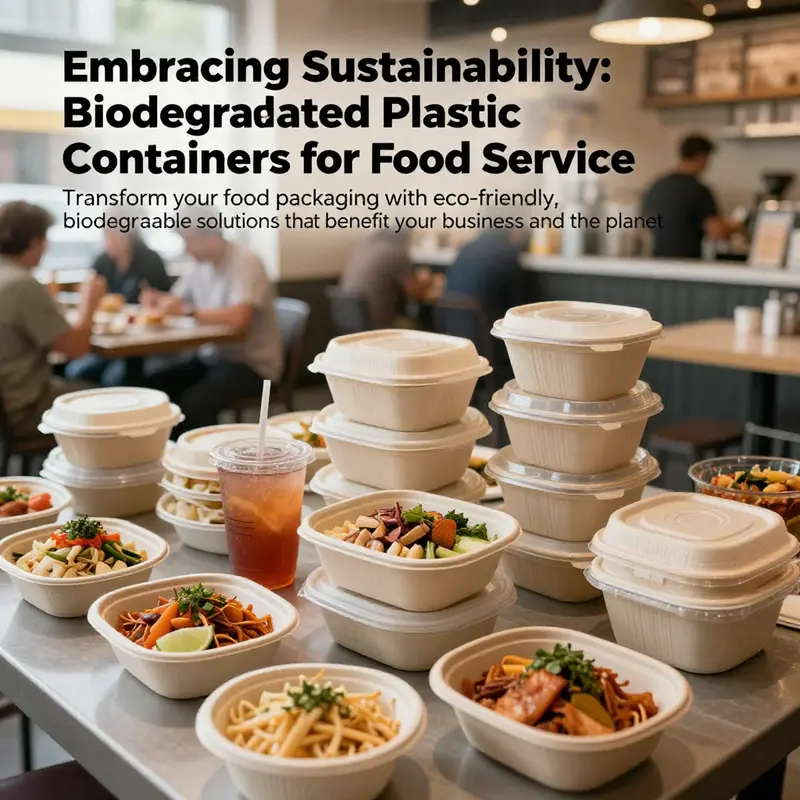
The demand for sustainable food packaging solutions is growing, as businesses such as bubble tea shops, beverage chains, restaurants, food trucks, and catering services pivot towards eco-friendly practices. Biodegradable plastic containers are taking center stage, offering an effective alternative to traditional petroleum-based options. With innovations in materials, compliance with food safety standards, and the economic benefits they can provide, these containers are paving the way for a greener future. In the chapters that follow, we will explore material innovations in biodegradable plastics, discuss food safety standards, analyze economic advantages, assess environmental impacts, and delve into consumer acceptance and market trends regarding biodegradable plastic containers for food.
Material Innovations in Biodegradable Food Packaging: From Plant-Derived Polymers to Nanocomposite Barriers
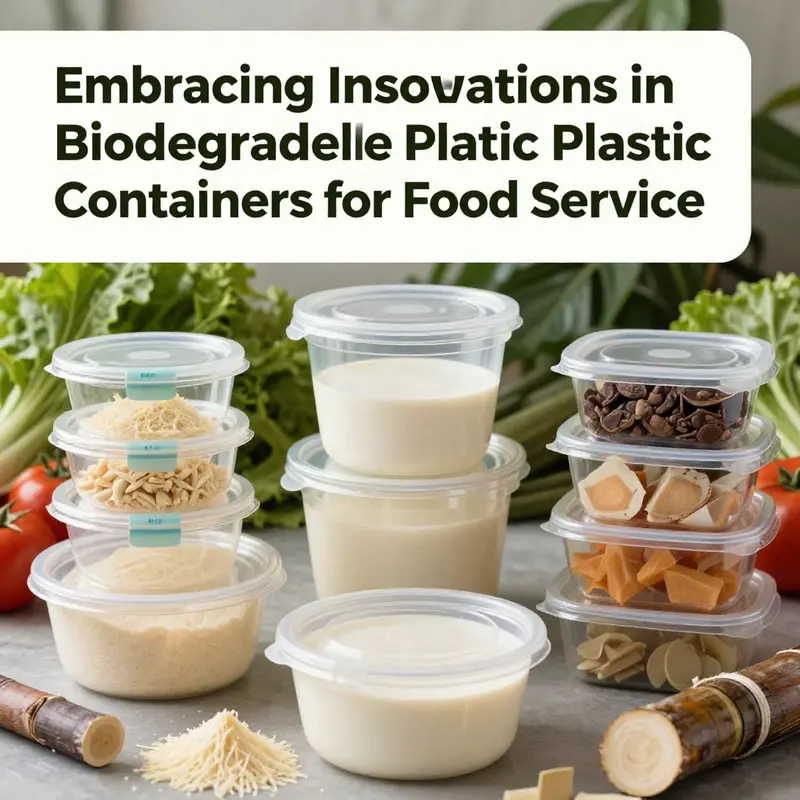
Biodegradable plastic containers for food have moved beyond mere replacements for conventional plastics. They now embody a focused convergence of chemistry, microbiology, and materials engineering designed to perform in real kitchen and service contexts while steering end-of-life outcomes toward composting streams and circularity. The core of this evolution lies in material innovations that blend renewable biopolymers with smarter design strategies, yielding containers that can hold hot soups, greasy takeout, and delicate salads without sacrificing safety, strength, or ease of disposal.
A foundational shift has been the adoption of biopolymers derived from renewable resources. Polylactic acid (PLA), long a workhorse of the bioplastics sector, is typically sourced from corn starch or sugarcane. PLA offers clarity, processability, and reasonable stiffness, making it suitable for clamshells, hinged containers, and multi-compartment boxes. Complementing PLA are polyhydroxyalkanoates (PHA), which are produced by bacterial fermentation and can exhibit a broader spectrum of properties, including better heat resistance and a more forgiving compostability profile. These materials collectively embody a strategy to reduce fossil-fuel dependence while enabling packaging that can break down in appropriate composting environments. The goal is not to mimic every trait of conventional plastics but to deliver a dependable performance in food service while ensuring a defined end of life compatible with industrial or home composting streams when conditions permit.
A second layer of innovation comes from turning agricultural byproducts into the primary feedstock for packaging. Sugarcane bagasse pulp and other plant-based fibers provide a robust, grease-resistant substrate that can endure the rigors of hot or cold foods. Containers crafted from such sources are often certified as compostable in industrial facilities, aligning with global sustainability frameworks that encourage upcycling of agricultural waste rather than diverting it to landfills. This approach supports a circular economy by turning a byproduct into valuable packaging and reducing the overall environmental footprint of the container life cycle. In practical terms, these bagasse- or pulp-based designs can handle soups, sauces, salads, and baked goods with a level of mechanical integrity and moisture control that rivals traditional fiber-based packaging.
Yet plant-derived polymers and pulps alone do not automatically guarantee the performance demanded by modern food service. The industry increasingly embraces nanoscale enhancements to bridge gaps in heat tolerance, barrier properties, and mechanical strength. Nanotechnology—utilizing nano-clay fillers, cellulose nanocrystals, or other nano-reinforcements—has emerged as a powerful way to stiffen biopolymer matrices and improve barrier performance without compromising compostability. A small fraction of well-dispersed nanofillers can dramatically reduce oxygen transmission and moisture migration, which translates into longer shelf life for some foods and fewer issues with sogginess or grease penetration. The result is a family of packaging materials that can withstand more aggressive hot-use scenarios and even some forms of reheating, all while preserving the environmental benefits of biodegradability.
With these material strategies in mind, manufacturers are increasingly able to offer oven-safe and microwave-friendly solutions built from biopolymers or biopolymer-based coatings. Achieving heat resilience without cross-linking methods that hinder compostability is a delicate balancing act. Innovations in polymer architecture, crystallinity control, and surface treatments help bioplastic containers resist deformation under heat, while coatings or multilayer structures can provide barrier and grease resistance without creating insurmountable end-of-life challenges. The upshot is a new generation of containers that can perform in a wider array of food applications—from hot soups to ready-to-eat meals—without appearing as purely decorative or disposable after a single use.
The market has already seen a proliferation of designs designed for practical use and efficient transport. Compartmentalized clamshells, hinged-lid boxes, and multi-compartment trays meet consumer expectations for separation of sauces from solids, a feature that is increasingly important for ready-to-eat meals and catering. The materials chosen for these designs are calibrated to balance strength, rigidity, and resilience with biodegradability. In many cases, the grease resistance is enhanced by PLA-based liners or biopolymer coatings that curb liquid strike-through while remaining compatible with composting streams when disposed of in the right facilities. This combination of form and function enables containers to perform in scenarios ranging from home kitchens to large-scale events, where reliability is paramount and environmental responsibility is an ongoing concern.
From the consumer’s perspective, the feasibility of using biodegradable containers in hot and cold food settings is essential. For instance, sugarcane pulp or bagasse-based containers have gained traction not only for their compostability but also for their robustness across a range of temperatures. These materials often accommodate soups and sauces as well as salads and pastries, broadening the applicability of biodegradable packaging beyond simple, low-temperature use. The availability of grease resistance and moisture barriers helps ensure a consistent user experience, reducing the likelihood that a takeout order arrives stained or compromised. Such performance is critical if customers are to trust and adopt biodegradable options for everyday meals and special occasions alike.
From a regulatory and safety standpoint, many of these materials meet stringent food-contact standards. In the United States, for example, some bioplastic products designed for direct contact with food are certified under the relevant sections of food-contact regulations, thereby ensuring that migration of constituents into food remains within established limits. This regulatory support, coupled with third-party compostability certifications, helps position biodegradable containers as credible, scalable alternatives to petroleum-based options. The combination of safety assurances and environmental benefits strengthens adoption across diverse settings, including home kitchens, restaurants, hotels, weddings, picnics, and large catering operations.
The scale of production is also moving in a sustainable direction. Modern bioplastic manufacturing has demonstrated capacities reaching hundreds of thousands of pieces per day for certain designs, reflecting both the demand and the technical maturity of the supply chain. Large batches enable cost efficiencies and more consistent quality, which in turn supports broad adoption. But scale alone is not enough. The ongoing success of biodegradable containers hinges on harmonizing performance with end-of-life outcomes. This means not only creating containers that endure transport and consumption but also designing for compostability in ways that align with municipal and industrial facilities. Industry players are mindful that industrial composting remains a critical pathway for many materials, and they are investing in materials and designs that optimize breakdown in those environments while still performing in real-world use.
A compelling case study in this space is the emergence of 100% compostable clamshells made from natural pulp fibers with a robust, heat-tolerant core. These containers exemplify how agricultural byproducts can be converted into heavy-duty packaging capable of standing up to hot foods and multiple packaging cycles. They also illustrate a broader industry trend: the repurposing of agricultural waste into valuable packaging products that align with global sustainability goals. Rather than accumulating as waste, agricultural residues become feedstock for packaging that protects both food and the environment. This approach not only reduces plastic pollution but also reinforces a circular economy where waste streams are redirected into useful products.
The narrative of material innovation is not merely about chemistry. It is about integrating science with design thinking to solve real-world problems. The emphasis on multi-functionality—combining heat resistance, barrier performance, mechanical strength, and end-of-life clarity—reflects a maturity in the field. It signals a move away from single-purpose bioplastics toward versatile systems that can handle a wider spectrum of foods and service models. In practice, that translates to packaging that can go from freezer to oven to table, or from takeout to catering, with confidence that its environmental footprint will be managed responsibly after use.
For practitioners and researchers, the path forward is collaborative and iterative. Accurately predicting performance in diverse food scenarios requires close cooperation between material scientists, process engineers, and packaging designers. The best results often emerge when feedstock choices, polymer architectures, and nanofiller strategies are conceived together with end-of-life considerations in mind. As technology evolves, we can anticipate continued improvements in heat tolerance and barrier properties, enabling more robust hot-use applications while maintaining compostability. The ongoing dialogue among policymakers, industry, and consumers will shape standards, certifications, and consumer expectations, all of which influence the pace and direction of innovation. In short, the future of biodegradable food containers rests on smarter materials paired with thoughtful design and a clear commitment to circularity.
The industry already demonstrates how these innovations translate into tangible products that meet diverse needs. A practical example is the growing availability of three-compartment and hinged designs that keep sauces separate from solids, reducing intermix and spillage during transport. These configurations rely on materials that maintain stiffness and barrier properties under load, while liners and coatings preserve grease resistance. Consumers encounter packaging that performs reliably, and municipalities benefit from materials that are more likely to break down in the appropriate composting stream. Such advances are not merely incremental; they represent a measurable shift toward packaging that supports waste reduction goals without compromising the quality and safety of the food it protects. An accessible example of these designs, reflecting broader market trends, can be found in eco-friendly three-compartment takeout packaging, which demonstrates how form, function, and sustainability can align in a single, practical solution. eco-friendly three-compartment takeout packaging.
The conversation around biobased packaging is ongoing and dynamic. As researchers refine polymer blends, crystallization behavior, and nanocomposite dispersions, the capability of biodegradable containers to handle demanding applications will grow. The ultimate aim is not just to replace conventional plastics but to deliver a closed-loop lifecycle where sustainable materials transition back to productive reuse through composting or other end-of-life pathways. In this sense, material innovations in biodegradable containers are integral to achieving a zero-waste future, where every packaging decision contributes to environmental resilience and food safety.
External resource: https://www.amazon.com/dp/B07X6B5YQK
null
null
From Compost to Capital: The Economic Upside of Biodegradable Food Containers
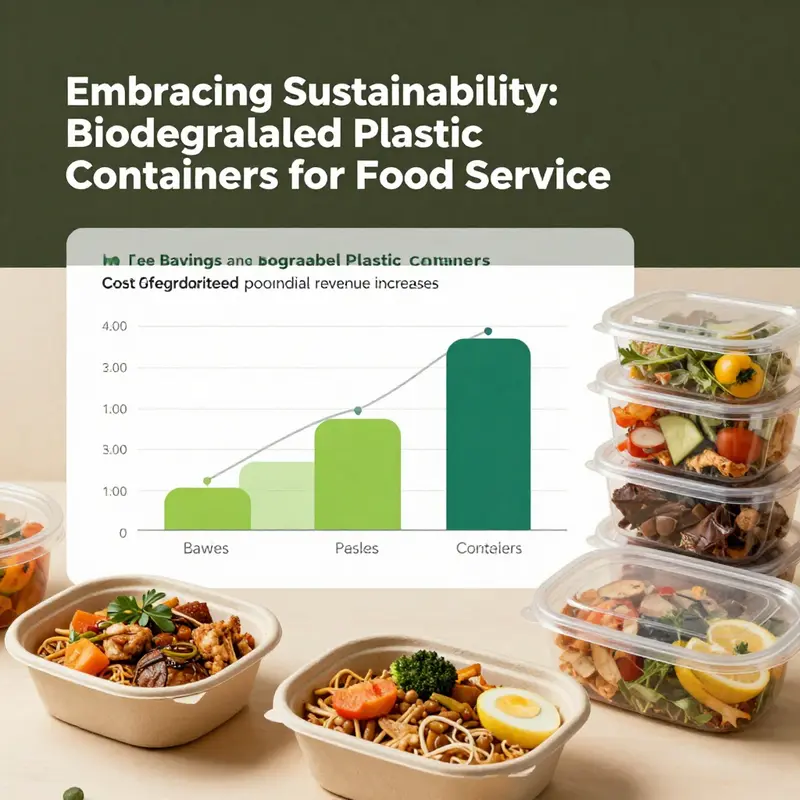
The shift toward biodegradable plastic containers for food has grown beyond a green rhetoric and into a strategic recalibration of value across the food service ecosystem. The economic narrative is not merely about a cleaner planet; it is about a material choice that can influence demand, costs, risk, and reputation in ways that ripple through suppliers, restaurateurs, caterers, and consumers. When a package design harmonizes performance with sustainability, it unlocks a suite of monetary advantages that extend far beyond the price tag on the box itself. In this sense, biodegradable containers are not a niche concession to environmental ideals but a practical instrument that aligns operational efficiency with evolving market incentives. The result is a business case that blends consumer willingness to pay with the realities of regulation, waste management, and scalable production. Taken together, these factors create a durable competitive edge for early adopters who view packaging as a strategic asset rather than a cost center.
Consumer demand sits at the heart of the economic argument. Environmentally conscious customers increasingly favor brands that align with their values and demonstrate a consistent commitment to reducing waste. When a restaurant or retailer adopts compostable, oven- and microwave-safe designs, it signals a broader promise to customers: that value is not sacrificed for virtue. This perception matters because many consumers are willing to pay a premium for packaging that promises end-of-life safety and reduced environmental impact. But the premium is not a blunt toll; it must be contextualized within the broader pricing strategy, menu mix, and geographic realities. In markets where disposable packaging is a routine expense, the premium can translate into higher average ticket sizes or stronger brand loyalty, especially among guests who associate sustainability with quality and care. Over time, those incremental gains can compound, boosting repeat business and enabling targeted marketing that highlights responsible sourcing and eco-conscious logistics. The result is not a one-off bump in sales but a sustainable elevation of the brand’s perceived value.
Regulatory landscapes increasingly favor the transition away from conventional plastics, especially for single-use applications in food service. This regulatory momentum creates a forward-looking economic calculus for early movers. Businesses that embrace biodegradable options ahead of mandates can avoid future compliance costs, penalties, and the operational disruptions associated with sudden policy shifts. In addition, some jurisdictions offer subsidies, tax incentives, or waste-management incentives for companies that switch to compostable packaging. The financial upside here is twofold: direct cost reductions from reduced waste fees in municipalities that value compostability, and indirect savings from risk management—avoiding sudden price spikes tied to petrochemical feedstocks or import restrictions. When long-range compliance costs are modeled, the economics of biodegradable containers often become more favorable than anticipated, particularly in regions where waste collection infrastructure supports efficient composting and where regulations encourage product stewardship. The strategic benefit is clear: being ahead of policy can smooth cash flows and protect margins as recycling and composting ecosystems mature.
A core economic pillar is the potential savings realized through waste management. Biodegradable containers that are designed to break down more efficiently in industrial composting facilities can cut landfill volumes and reduce disposal fees. For restaurants, takeout services, and retailers delivering food, these savings accumulate across a portfolio of packaging choices and service formats. Municipalities that partner with compost facilities may offer lower tipping fees or even incentives for facilities that accept compostable packaging at scale. The financial implications extend into the operational realities of kitchens and distribution networks. When waste streams are easier to separate and process, facilities can streamline sorting, reduce contamination, and realize more predictable throughput in municipal programs. In markets where composting capacity is expanding, the cost equation tilts further in favor of biodegradable containers as a way to align with local mandates while maintaining clean, compliant operations. The economic narrative here is practical: less waste, lower disposal costs, and a cleaner bottom line, with the added advantage of aligning corporate social responsibility with day-to-day profitability.
On the production side, the cost trajectory of biodegradable materials has begun to bend toward competitiveness, thanks to advances in materials science, process efficiency, and growing economies of scale. Polylactic acid (PLA) and sugarcane pulp, among other bio-based options, are increasingly capable of meeting demanding performance benchmarks, including grease resistance, moisture management, and heat tolerance, without compromising recyclability or compostability under appropriate conditions. The result is a per-unit cost that continues to decline as manufacturing capacities expand and supply chains mature. For many operators, the question is not whether biodegradable packaging can perform as well as conventional plastics, but whether it can do so at a total cost of ownership that is competitive when you factor in waste handling, regulatory risk, and consumer demand. In practice, this means that certain designs—such as oven-safe, multi-compartment, or compartmentalized containers—can be deployed across a wide range of applications, from hot soups to cold salads, while maintaining a favorable balance of performance, cost, and end-of-life options. The maturation of equipment and processes means that even small and mid-sized enterprises can access scalable production without incurring prohibitive upfront investments, expanding the footprint of sustainable packaging across foodservice channels.
Beyond direct costs, the economic logic of biodegradable containers rests on resilience and risk management. The use of renewable feedstocks provides a degree of price stability that is increasingly attractive as oil prices swing and geopolitical tensions influence supply chains. Companies that diversify their packaging materials away from a single reliance on petrochemicals reduce exposure to price volatility and procurement risk. This resilience translates into steadier budgeting and more predictable margins, even when other parts of the business face volatility. The design of these containers—often with features like hinged lids, integrated compartments, and grease resistance—also reduces product damage during transport and storage. Fewer spills, less cross-contamination, and lower return rates can translate into tangible savings in labor, cleaning, and loss prevention. In sum, the economic calculus is not merely about the price of the box but about how the packaging supports a smoother operating model, fewer disruptions, and a more dependable customer experience.
Another dimension of the economic narrative is the potential for differentiation and brand equity. Packaging can serve as a visible commitment to sustainability and quality, influencing consumer perception and preference in ways that extend beyond the box’s material properties. A shift to compostable, grease-resistant, and oven-safe designs can become a marketing differentiator, enabling businesses to command a premium without sacrificing throughput or reliability. The packaging becomes a signal of values, transparency, and modern stewardship, which in turn fosters broader loyalty and word-of-mouth advocacy. This is especially valuable in sectors such as catering and hospitality, where guests frequently gauge a brand by the entire experience, from first impression to aftertaste and waste disposal. When packaging aligns with a company’s sustainability narrative, it reinforces brand storytelling and can drive higher conversion rates for events, menus, and promotions. In a world where sustainability is increasingly a factor in purchase decisions, the packaging choice itself can contribute meaningfully to long-term revenue stability.
The economics of scale further reinforce the case for biodegradable containers as a viable option for diverse operators. As demand scales, suppliers optimize material use, improve yield, and reduce scrap. The result is lower unit costs and steadier lead times, even as product specifications evolve to meet more stringent performance standards. This is particularly important for institutions that operate at volume, such as large catering outfits and hotel services, where the ability to source consistent, cost-competitive packaging translates into predictable procurement budgets. The interplay between design flexibility and manufacturing efficiency also matters: modular, multi-compartment designs with standard sizes can tap existing lines or easily migrate between product families, reducing capital expenditure and enabling quick adaptation to changing menu formats or dietary trends. The net effect is a packaging ecosystem where biodegradable options are not a marginal add-on but a scalable component of the business model that can absorb growth without eroding margins.
Operationally, the integration of biodegradable containers into a food service operation can be streamlined through thoughtful system design. For example, standardizing on a common set of sizes, lids, and liners reduces inventory complexity and simplifies training for staff. When these containers are engineered for compatibility with common kitchen workflows—such as oven usage, refrigeration, and stacking in transport lines—labor costs and handling errors decline. The resulting improvements in efficiency compound with the environmental benefits, delivering a compelling total-cost-of-ownership picture. Moreover, as producers broaden their offerings—expanding across clamshells, single- or multi-compartment boxes, and varying capacities—the range of applications expands. This flexibility helps operators optimize packaging choices by menu category, service style, and delivery channel, ensuring that sustainability investments align with actual usage patterns rather than theoretical best practices. In this way, the economic benefits are not monolithic; they emerge from a harmonized system where product design, process efficiency, and market demand reinforce each other.
The practical implications of these economics show up across sectors and event contexts. For takeout, casual dining, and catering, the ability to deploy a reliable, compostable, and heat-tolerant container translates into smoother service during peak periods, less spill risk, and more consistent guest experiences. In hospitality and venues, where large orders and long-tail service models prevail, the advantages compound further: reduced waste handling costs, clearer waste streams for composting, and enhanced alignment with sustainability commitments that many clients now require for events and partnerships. In educational institutions, workplaces, and community programs, biodegradable packaging can become part of broader sustainability initiatives, offering a tangible, scalable solution that fits into campus or corporate waste-management plans. The cumulative effect across these ecosystems is a broader, more stable revenue base for suppliers and a more resilient cost structure for buyers. The economics of biodegradable packaging thus rest on a balance of demand, policy alignment, production efficiency, and strategic utilization across service formats.
For readers seeking a deeper examination of the broader implications and opportunities in this space, see the discussion of economic and environmental impacts in the following external resource. This material provides a framework for understanding how packaging innovations intersect with waste streams, policy incentives, and market dynamics in food service sectors. External resource: https://www.researchgate.net/publication/352874619EconomicandEnvironmentalImpactofBiodegradablePackaginginFoodService_Sectors
And for practical exploration of market-ready, eco-friendly takeout packaging options, see one of the widely adopted formats that align with both performance and sustainability goals: eco-friendly takeout boxes for food packaging. This example illustrates how design choices—such as grease resistance, lid integrity, and heat tolerance—translate into reliable service and potential cost savings over time. When evaluated together, consumer demand, regulatory trends, waste-management economics, production scale, and brand differentiation converge to form a compelling business case for biodegradable food containers. The chapter’s overarching message is clear: as the packaging landscape shifts, those who align with sustainable, cost-conscious design are positioned to reap enduring economic benefits while advancing environmental stewardship.
Rethinking Green: The True Environmental Footprint of Biodegradable Food Containers in a Circular System
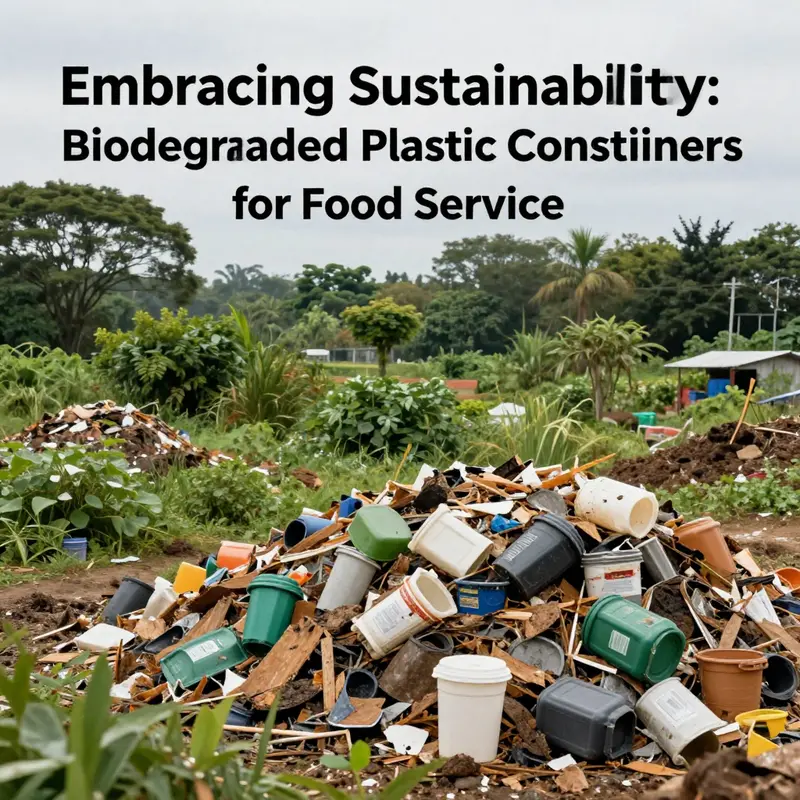
Biodegradable plastic containers for food are often presented as a straightforward win for sustainability. They promise to bridge the gap between convenience and a cleaner environment, offering compostable options to replace petroleum-based plastics in takeout, meal prep, and catering. Yet a closer look at their environmental performance reveals a nuanced story. The ecological benefits of these materials do not arise from a universal property of all biodegradable plastics. Instead, they emerge from a set of conditions that must align across the full life cycle—from production to end-of-life management, and from consumer behavior to waste infrastructure. Only when these conditions converge can biodegradable containers contribute to meaningful reductions in environmental impact, particularly regarding greenhouse gas (GHG) emissions, pollution, and ecosystem health. In practical terms, the promise hinges on how these containers influence food waste, how efficiently waste streams can be collected and processed, and whether disposal pathways truly prevent the material from persisting in unintended environments or leaking microplastics into natural systems. Without attention to these factors, the green label attached to biodegradable packaging risks becoming a misdirection rather than a milestone on the path to a truly circular economy.
The most immediate and widely discussed environmental metric is the potential to lower greenhouse gas emissions. The argument for biodegradable options often rests on two related ideas: first, that they are derived from renewable resources and thus reduce fossil energy demand; second, that their end-of-life pathways—industrial composting or controlled anaerobic digestion—minimize methane release compared with landfilling plastics that resist degradation. But the net benefit is conditional. If the production of the packaging itself requires substantial energy or if it inadvertently encourages more food waste by providing a less protective or more fragile packaging experience, those gains can be erased. Food waste is already a major climate issue because decomposing food in landfills emits methane, a potent greenhouse gas. When biodegradable packaging helps reframe waste into a compostable stream, the calculation shifts toward whether composting facilities can handle the volume and whether the facilities operate efficiently enough to deliver a net reduction in emissions. In other words, the emission outcome is not a built-in feature of the material; it is an outcome of the entire system that handles the packaging after use.
Beyond emissions, ecological risk lurks in the degradation processes themselves. A growing body of research signals that even when biodegradable or compostable plastics break down as intended, there can be unintended consequences for ecosystems—especially when disposal infrastructures are inadequate or when products escape into waterways. A 2025 study in Hydrobiologia highlights hidden dangers of biodegradable and compostable bags in freshwater ecosystems: during degradation, these materials can release microplastics and toxic additives, potentially harming aquatic organisms and disrupting ecological functions. This finding challenges the assumption that “green” degradation is harmless in every context. It also underscores the importance of controlling the end-of-life pathway. If composting facilities are not properly equipped to retain these materials within a managed stream, or if contamination occurs when people misplace items into recycling or standard waste, degraded plastics can find their way into rivers, lakes, and soils. The ecological risk is thus not just about whether materials degrade, but about the integrity of waste management systems and the conditions under which degradation occurs. In waterways and freshwater habitats, even small fractions of degraded biodegradable content can accumulate as microdebris, with potential chronic effects on organisms and nutrient cycles.
A further dimension emerges when comparing these materials with conventional plastics. The intuitive narrative—“replace the bad plastic with a greener one”—is too simplistic. Conventional plastics contribute substantially to environmental pollution when mismanaged, and the substitution with biodegradable options does not automatically yield improved outcomes. A 2025 review of food packaging materials cautions that replacing one plastic with another merely shifts the problem unless the new material is supported by robust circular systems, standardized end-of-life protocols, and consumer adherence to proper disposal. In some cases, the new material demands specialized processing that is not widely available, creating bottlenecks that can undermine the environmental benefits and encourage leakage into nature. The bottom line is that the environmental performance of biodegradable containers is not universal. It is a function of production energy, the capacity and efficiency of composting or digestion systems, the supply chain for post-consumer streams, and the broader societal commitment to waste reduction and circularity.
In this context, the concept of holistic assessment becomes indispensable. A truly sustainable approach to biodegradable food packaging must examine every stage of the life cycle: raw material extraction or cultivation, polymer synthesis, product design, use phase, collection, sorting, processing, and end-of-life pathways. It must also account for the broader food system context. Aligning packaging choices with food waste reduction and improved recovery of organic streams can amplify the environmental benefits. Conversely, poor alignment—such as packaging that performs poorly under typical transport conditions or that complicates sorting in municipal streams—can negate potential gains. This holistic lens also invites a more nuanced evaluation of materials such as bagasse-based or other 100% compostable options. Bagasse, a byproduct of sugarcane processing, offers the promise of a transparent end-of-life pathway when disposed of in industrial composting facilities. Yet even bagasse-based solutions are not a universal panacea; they require reliable composting infrastructure and clear consumer guidance to avoid contamination of recycling streams or mixed-waste flows. The practical implication is clear: to realize genuine environmental benefits, producers, waste managers, and policymakers must invest in infrastructure, standardization, and education that steer materials toward appropriate end-of-life channels.
Another layer of complexity concerns the design and formulation of these containers. The performance characteristics that attract users—grease resistance, heat tolerance, and in some cases oven- or microwave-safety—often depend on coatings, liners, or layered structures. These additives can influence degradation behavior and end-of-life options. Favorable environmental outcomes hinge on choosing materials and coatings that maintain food safety and product integrity while enabling clean separation and processing in composting or recycling streams. This is not simply a technical decision; it affects consumer experience and disposal behavior. If a product’s labeling is ambiguous or if end-of-life instructions are unclear, households may either discard it with regular waste or attempt to recycle it in streams where it contaminates other recyclables. The result is a cascade of inefficiencies that compromises environmental performance. Clear labeling, widely accepted standards for compostability, and consistent certifications can help align expectations with actual end-of-life outcomes.
From a business and policy perspective, the path forward involves embracing a systems approach that couples material innovation with robust waste management. Businesses can expand the portfolio of flexible packaging solutions that perform across a range of temperatures and culinary contexts while ensuring compatibility with industrial composting streams. At the same time, policymakers and municipal authorities must expand and optimize composting and digestion capacity, invest in sorting technologies to minimize contamination, and implement clear labeling that distinguishes compostable from recyclable and non-recyclable products. Public education also plays a crucial role. Consumers need to understand where to dispose of different materials and why certain streams require industrial facilities rather than home composting. Without this alignment, even well-intentioned products can contribute to litter, microplastic formation, or controversial end-of-life outcomes that undermine local environmental goals.
For readers seeking a tangible reference point on end-of-life science and policy, a recent ecotoxicological perspective provides sobering context. It emphasizes that while some biodegradable packaging can be part of a circular system, the ecological benefits depend on the disposal infrastructure and the integrity of environmental pathways after disposal. See https://link.springer.com/article/10.1007/s10750-025-04983-w for a detailed examination of the hidden environmental risks associated with biodegradable and compostable plastics in freshwater systems. This resource reinforces the need for caution, not condemnation, in the adoption of new packaging technologies. It also highlights the importance of building evidence-based practices that minimize unintended ecological impacts as we pursue more sustainable packaging options.
As a practical takeaway, organizations exploring greener packaging should consider not only the material properties but the entire waste ecosystem into which they shed their products. The internal landscape of options includes choosing materials with clear, scalable end-of-life paths and investing in collection and processing infrastructure that can handle organic-rich streams. It also invites a shift in consumer expectations—from seeking the cheapest, most convenient option to supporting products that participate in a genuinely circular system. In this sense, the environmental value of biodegradable containers is not a fixed attribute but a function of systemic cooperation among producers, waste managers, policymakers, and the public.
For audiences seeking concrete pathways to align packaging choices with sustainability goals, there is a meaningful in-text route to explore related packaging concepts and designs. Consider the broader world of eco-conscious takeout packaging, where options that emphasize grease resistance, safe microwaving, and compostable properties appear alongside clear disposal guidance. A representative example of these conversations can be found at eco-friendly takeout boxes for food packaging. This resource illustrates how practical design considerations intersect with end-of-life realities, a synthesis that should inform ongoing research, industry practice, and policy development.
Ultimately, the environmental calculus for biodegradable food containers remains context-dependent. There is no universal guarantee of sustainability without deliberate alignment of material choices, manufacturing practices, waste management capacity, and responsible consumer behavior. A precautionary, evidence-based approach—grounded in robust lifecycle analysis, transparent labeling, and scalable infrastructure—appears prudent as we navigate toward packaging that truly supports a circular economy. The path is not simply to replace one material with another, but to restructure the system so that end-of-life outcomes consistently reduce pollution, protect ecosystems, and lower climate impacts across the entire food system.
Why Consumers Choose Biodegradable Food Containers: Trust, Preferences, and Market Momentum
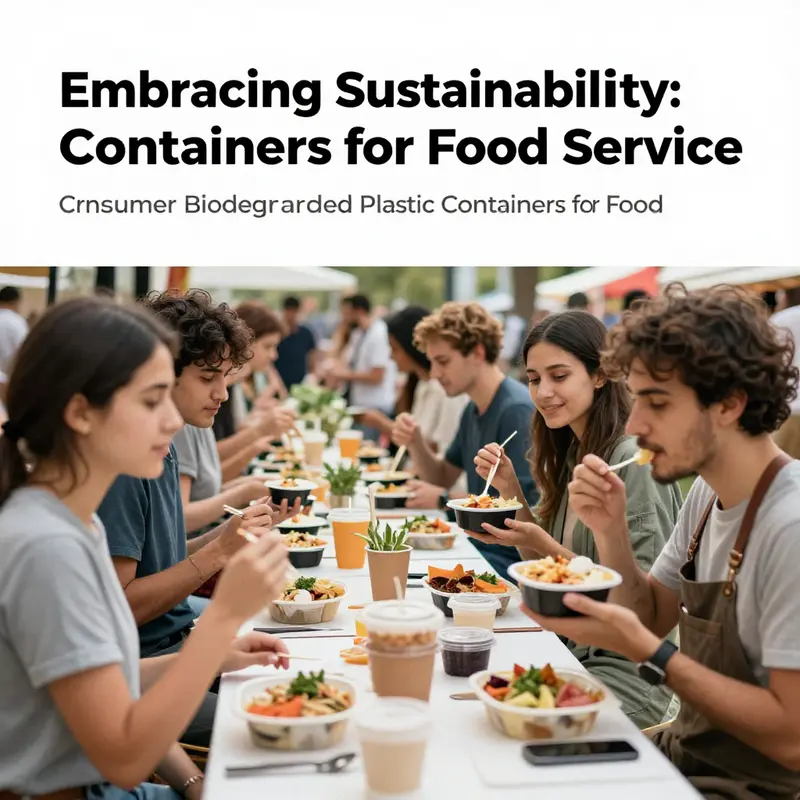
Market signals and consumer attitudes shaping biodegradable food containers
Consumer interest in biodegradable food containers is no longer a niche trend. It reflects a meaningful shift in values and purchasing behavior. Buyers increasingly see packaging as part of a product’s environmental story. Many will pay more for that story; research shows an average willingness to pay a premium of $1.32 for biodegradable packaging versus conventional options. That extra dollar and a bit is a clear signal that sustainability matters in everyday buying decisions.
This willingness to pay influences both retail and foodservice sectors. Grocers, meal-prep brands, and quick-service restaurants evaluate packaging not only on cost and durability, but also on perceived environmental performance. Biodegradable containers compete on multiple fronts. They must protect food, resist grease and moisture, and perform in microwaves or ovens when required. When they do, consumers reward the choice with repeat business and brand loyalty.
Perception of sustainability plays a decisive role. Many consumers equate biodegradable materials with ethical sourcing and lower environmental impact. This perception raises customer satisfaction when product performance aligns with expectation. Yet perception alone is not enough. Trust depends heavily on clear labeling and recognized certifications.
Certifications that identify true compostability and biodegradability help bridge the gap between promises and practice. Logos and seals issued by accredited bodies reduce uncertainty. When an independent institute certifies a product, shoppers gain confidence. That trust translates into higher conversion rates at point of sale and better acceptance in institutional procurement.
At the same time, market data underscore rapid growth. The global biodegradable plastic packaging market was valued at USD 10.43 billion in 2025 and shows robust expansion ahead. Forecasts predict a compound annual growth rate of 12.18% from 2026 to 2034. This growth is not uniform; it reflects innovation in materials and manufacturing, and rising adoption across geographies. Key drivers include regulatory pressure, corporate sustainability goals, and consumers’ willingness to prefer greener options.
Material innovation fuels the market trajectory. Polylactic Acid (PLA) stands out for its adaptability. Derived from plant sugars, PLA offers clarity and rigidity similar to some conventional plastics. It integrates well with established manufacturing lines, making transitions feasible for producers. Other compostable substrates, such as molded sugarcane pulp, provide robust thermal resistance and grease resistance without fossil feedstocks. These materials open practical use cases. From hot soups to cold salads, compostable containers can meet the demands of foodservice while offering credible end-of-life pathways.
Buyers further judge packaging by convenience. Compartmentalized boxes, hinged lids, and secure seals matter in takeout and delivery. Designs that keep foods separate and prevent leaks increase perceived value. Manufacturers that combine such functional features with compostable materials address both convenience and sustainability—the twin attributes that drive modern purchasing decisions. For restaurants and caterers, the ability to customize sizes and layouts supports brand presentation and operational efficiency.
Certification and recognizable standards are central to widespread adoption. Organizations that establish compostability criteria play a gatekeeping role. Their tests verify that products biodegrade appropriately under industrial composting conditions. As these logos become familiar, consumers navigate choices with more confidence. Retailers and foodservice buyers also rely on such standards during supplier selection.
However, several friction points slow acceptance. First, confusion over terminology persists. Consumers often use biodegradable, compostable, and recyclable interchangeably. Each term has distinct implications for collection and disposal. Without clear guidance, even motivated buyers can misroute packaging, undermining environmental benefits. Second, infrastructure is uneven. Industrial composting facilities are abundant in some regions and scarce in others. Where composting access is limited, compostable packaging may not reach the systems needed for proper breakdown. This gap can erode trust.
Price remains a practical constraint. Although many consumers accept a modest premium, large-volume commercial buyers are cost-sensitive. Widespread procurement of biodegradable containers requires scale and competitive pricing. Economies of scale, improved manufacturing efficiency, and supply chain optimization can narrow the price gap over time. Meanwhile, brands may offset higher packaging costs through modest menu price adjustments, subscription models, or sustainability surcharges.
Policy and procurement standards accelerate market shifts. Bans on single-use, non-compostable plastics motivate businesses to pivot. Municipal policies that favor compostable options create demand signals for local suppliers. Corporate sustainability commitments, including zero-waste goals, further stimulate procurement of certified compostable containers. These policies and corporate actions not only raise adoption but also incentivize investments in composting infrastructure.
Communication strategy matters at every stage. Clear labeling, simple disposal instructions, and point-of-sale education reduce confusion. Visual cues—icons that indicate where the product should be disposed—help bridge knowledge gaps. Retailers and foodservice outlets that include short, consistent messages about compostability ease consumer decision-making. Digital channels amplify these messages. Brands that provide transparent lifecycle information build stronger relationships with conscious consumers.
The competitive landscape is evolving. Packaging providers that combine practical performance with verifiable sustainability stand to win. Customizable designs tailored for takeout, event catering, and meal-prep markets are particularly attractive. For businesses seeking turnkey options, sustainable takeout solutions that balance leak resistance and microwave safety are compelling. Those looking for eco-conscious carriers can explore offerings such as eco-friendly takeout boxes for food packaging that meet functional needs while aligning with environmental goals.
Looking ahead, the interplay of technology, policy, and consumer demand will shape adoption curves. Advances in biopolymer chemistry promise lower costs and better performance. Expanded composting networks will increase the effective environmental benefit of compostable containers. Regulatory clarity on labeling will reduce consumer confusion. Together, these forces will make biodegradable containers a pragmatic choice rather than a niche preference.
The market opportunity is clear. Consumers show both willingness and capacity to reward sustainable packaging. Manufacturers that respond with transparent claims, certified products, and functional designs will capture growth. As infrastructure and regulation evolve, the gap between promise and performance will shrink, strengthening consumer trust and market momentum.
For a deeper examination of consumer attitudes and the market for environmentally compatible food packaging, see the detailed study at ScienceDirect: https://www.sciencedirect.com/topics/engineering/biodegradable-plastic-packaging
Final thoughts
Biodegradable plastic containers for food offer a perfect blend of functionality and sustainability, setting a new standard in food service packaging. As businesses adapt to higher consumer expectations regarding environmental responsibility, adopting these innovative solutions can position them favorably in the market. With the assurance of food safety, economic benefits, and a positive environmental impact, it’s clear that the future of food packaging lies in biodegradable choices. By making a shift now, your business can not only thrive but also contribute to a healthier planet.