
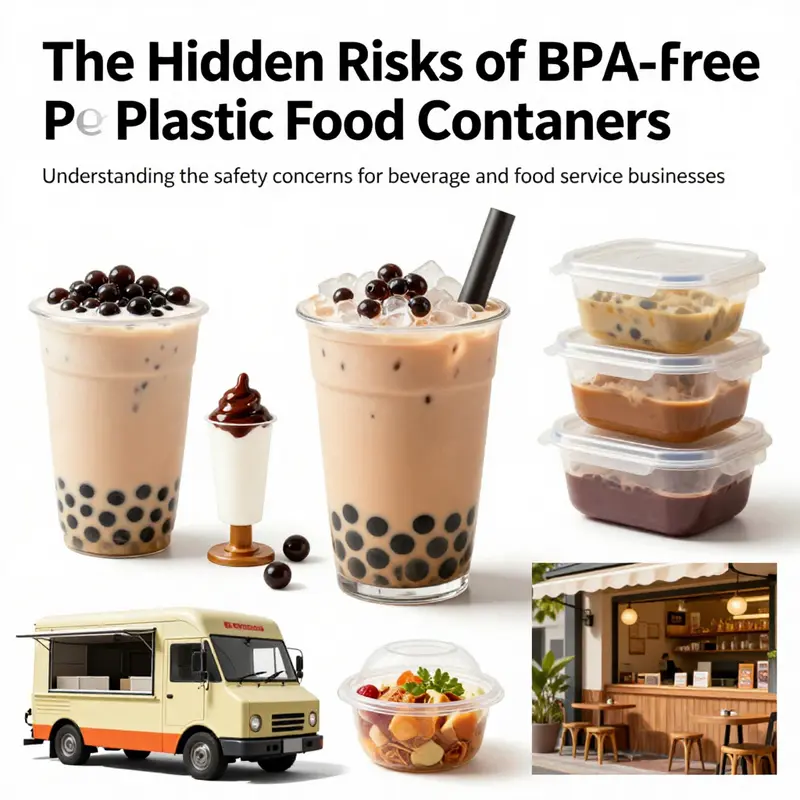
As businesses in the food service industry, whether it’s bubble tea shops, restaurants, or catering services, the safety of the materials you use for food and beverage storage is paramount. BPA-free plastic food containers are often marketed as a safer option than traditional plastics containing Bisphenol A, but emerging research suggests that these alternatives might not be as safe as once believed. This article will explore the unproven safety of BPA-free plastics, the potential for chemical leaching, and the hidden risks associated with replacement compounds. By understanding these issues, you can make informed decisions to protect your customers and your business.
Beyond BPA-Free: Replacing One Hazard with Many Unknowns in Everyday Food Containers
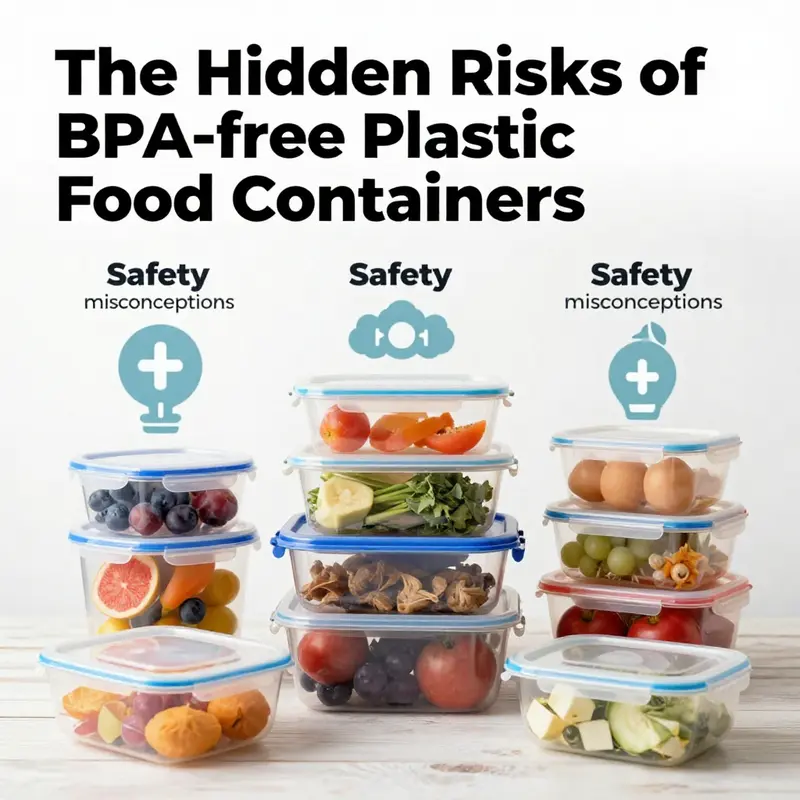
When consumers reach for a BPA-free plastic container, the assumption is simple: freedom from BPA means safety. Yet the reality researchers are uncovering is more complex. The label often signals a change in chemistry rather than a guaranteed reduction in risk. The broader question remains: are these BPA-free plastics truly safer for storing, heating, and reheating our meals? A growing body of evidence suggests that the substitutes manufacturers rely on may carry their own subtle, or even more insidious, health effects. In kitchens and lunchboxes across the country, the story plays out in a quiet, cumulative way. Food sits in plastic, chemicals migrate into the contents, and over time, small exposures add up. The issue is not merely whether a single chemical is leaching in modest amounts. It is about the entire family of chemicals that replaces BPA, how they interact with our foods, and how little we know about their long-term effects on human health after repeated, real-world exposure.
The science here is less a tidy verdict and more a landscape of risk that shifts as substitutes come in and out of favor. BPA has been vilified for its endocrine-disrupting potential, particularly its ability to mimic estrogen and interfere with hormonal signaling. This concern led to regulatory changes in some products, notably a ban on BPA in baby bottles and sippy cups in many jurisdictions. But the regulatory footprint for the replacements—bisphenol S (BPS), bisphenol F (BPF), and a sprawling array of related compounds—lags behind. The substitutions are not benign; they often share structural similarities with BPA and can exhibit comparable hormonal activity in laboratory settings. This is not mere conjecture. In controlled assays, these substitutes demonstrate activity that can perturb endocrine pathways, a finding that troubles risk assessors who had hoped BPA-free would translate into clear safety.
A critical piece of the current puzzle comes from the work surrounding leaching dynamics. Any plastic can interact with its contents, and this interaction intensifies under heat, with acidic or fatty foods, or with long storage times. The U.S. FDA’s restrictions on BPA for specific infant products illustrate that concern, yet regulations governing BPA replacements are uneven. When a consumer tosses leftover soup into a BPA-free container and microwaves it, or stores tomato sauce in it for weeks, the container’s substitutes may begin to migrate into the food. The chemical migration is not random; heat and acidity drive it, and the more aggressive the environment, the more pronounced the leaching can become. This is not a hypothetical risk. It is a documented pathway by which exposure can occur in everyday life, often without the consumer realizing that a safety label has shifted the risk rather than eliminated it.
The most attention-grabbing recent data come from McGill University, in a 2025 study that examined common BPA alternatives used in supermarket price tags and packaging films. The substances investigated included TGSA, D-8, PF-201, and BPS. When human ovarian cells were exposed to these compounds in laboratory settings, several substances triggered notable cellular changes. Researchers observed abnormal fat accumulation and alterations in genes critical for cell growth and DNA repair. The study did not prove direct harm to humans, but it issued a strong warning signal. It suggested that the replacements may pose risks similar to—and in some cases greater than—BPA itself. The lead researcher, Dr. Bernard Robaire, emphasized a striking point: “BPA-Free” labels are highly misleading, as they often just mean one potentially harmful chemical is being replaced by another from a large group of over 200 similar substances. This stark claim underscores a broader issue: the marketplace has shifted rapidly to new chemicals before long-term safety testing can catch up.
In parallel, the caution from other experts is equally vocal. Dr. Laura Vandenberg, an endocrinologist, has been clear about the limitations of “BPA-free” designations. She notes, “Just because a plastic is labeled ‘BPA-free’ doesn’t mean it’s safe. Many substitutes have not been thoroughly tested for long-term human health effects.” This framing matters because it reframes consumer risk from a single chemical hazard into a more nuanced picture of exposure to a family of bisphenol analogs and related compounds. The implication is that the absence of BPA does not automatically equate to safety. Instead, it signals a shift in risk with no guarantee that the replacements are any less capable of perturbing biological systems over time.
The regulatory and scientific narrative is further complicated by the sheer diversity of chemicals involved. The term “BPA-free” tells us only what is not present in the product; it rarely reveals which substitutes are present instead. And because many of these substitutes have not undergone exhaustive, long-term safety testing, it is difficult to confidently map their risk profiles. The McGill study, for instance, does not declare a direct human health effect from these chemicals, but it does provide a compelling reason for concern. When such substances can migrate into food and interact with cellular pathways in ways that could influence fat metabolism, cellular growth, and DNA repair, the potential for cumulative health implications grows—especially for individuals with frequent exposure from meals prepared or stored in plastic containers.
For consumers, the practical implications are not merely academic. The core question becomes how to maintain a diet that is both convenient and healthful in the context of imperfect safety signals. Practical guidance has emerged from researchers and clinicians alike. They emphasize simple, transferable steps that can reduce exposure without requiring a dramatic overhaul of everyday routines. One cornerstone recommendation is to switch to glass containers for long-term storage and leftovers. Glass is inert and does not leach chemicals in the same way that plastics do under common conditions, and it is comparatively predictable in terms of how it responds to heat and food substances. This is not a universal fix—glass has its own challenges, such as fragility and weight—but the balance of evidence supports its use when the goal is to minimize chemical migration into food over time.
Another accessible measure focuses on the packaging and preparation environment more broadly. Removing price tags and plastic wrap from food before storing or cooking is a small step with potentially meaningful impact. The adhesives and color developers used in some packaging can introduce their own chemical residues, and when heated or heated in contact with fatty or acidic foods, more compounds may migrate. Simple actions—washing fruits and vegetables as a precautionary step, and transferring foods from store packaging into glass or ceramic containers—can reduce the cumulative exposure that arises from repeated contact with plastics throughout daily routines.
A further, practical rule of thumb concerns heating. Even BPA-free plastics are not designed to withstand repeated microwaving or direct contact with hot foods in many real-world situations. The safest approach is to avoid heating food in plastic containers altogether, particularly when the container contains acidic or fatty foods. Reheating in glass or ceramic, or transferring to a microwave-safe ceramic plate or bowl, can reduce the likelihood that any leached chemicals reach harmful levels in food. This guidance dovetails with consumer experiences in households where leftovers are routinely warmed in the same containers used for storage. Each heating cycle can promote additional leaching, and the cumulative effect over time should not be underestimated.
The narrative also invites reflection on how we evaluate risk when the evidence is evolving. The McGill study, the Vandenberg commentary, and related toxicology work remind us that science rarely offers a binary verdict—yes or no. Instead, it sketches a probability map: likelihoods of exposure, potential pathways of harm, and the conditions that might magnify or mitigate risk. In this map, the most prudent path for many households is to treat “BPA-free” as a reduction, not a guarantee, and to layer additional safety practices into daily routines. The aim is not alarm but informed caution, coupled with practical steps that do not demand impossible changes to daily life.
For readers who want to visualize the chain from container to consumer, it helps to think of the food storage system as an ecosystem with several interacting parts. The material chosen for the container, the presence of heat or acid, the duration of storage, and the release of additives or color developers all contribute to a dynamic exposure profile. The price tag, the packaging, and even the labeling contribute to consumer perception and behavior, which in turn influence how often and how long certain foods stay in contact with plastics. The McGill findings remind us that perception and reality can diverge. A label can signal safety in the corner of a product, while the same label can obscure a broader exposure story unfolding inside the container’s microenvironment.
This is not to indict plastic storage wholesale. Plastics offer convenience, durability, and versatility that are deeply embedded in modern life. The challenge is to balance those benefits with a more cautious understanding of what “safer” means in this context. If the safest course is to reduce reliance on any single material for food contact, then glass becomes a compelling option in many scenarios. It provides inert storage, resilience to heat in many common uses, and a level of chemical stability that is hard to match with plastics. The move toward glass is not a panacea—glass is heavier, more fragile, and more costly to transport. Yet for those who prioritize minimizing chemical exposure while handling leftovers, it remains a robust choice.
In weaving together the science with everyday practice, the message to readers is nuanced. BPA-free does not equate to risk-free. Replacement chemicals may carry similar, and sometimes unknown, health implications. The safest interpretation, therefore, is a precautionary one: minimize heat exposure to plastics, prefer inert materials for long-term storage, and stay informed as new research emerges. The McGill work adds urgency to this stance, highlighting the real possibility that the everyday act of storing and reheating food could involve a hidden exchange of chemicals that our bodies must eventually metabolize and adapt to—if not resist altogether.
To make this knowledge actionable in daily life, consider a few integrated habits. Begin by choosing glass for leftovers and meal prep whenever feasible. In the kitchen, reserve plastic containers for short-term storage or for foods that will not be heated or stored for extended periods. If plastic cannot be avoided, look for containers that are labeled as microwave-safe and oven-proof only for the specific, short-term uses recommended by the manufacturer, and avoid heating fatty or acidic foods in any plastic container. Remove labels and wraps before heating or storing, and be mindful of how long foods sit in packaging, especially if they are highly acidic (like tomato sauces) or high in fat. These adjustments align with a growing consensus that the safest approach to reducing exposure is to shift the risk profile rather than to count on a single label to guarantee safety.
For readers who wish to explore the packaging side of this issue further, a practical exploration of alternatives to conventional takeout packaging can be illuminating. One example highlights the demand for safer, more inert packaging materials that can withstand heat without transferring chemicals into food. Such discussions connect the laboratory findings to real-world manufacturing practices and consumer choices, underscoring the importance of design that prioritizes user safety without compromising function. eco-friendly-disposable-3-compartment-food-grade-packaging-box-for-fast-food-high-quality-takeout-boxes-for-fried-chicken-french-fries-packaging. This link serves as a touchpoint for readers interested in how packaging design can influence exposure risk while still delivering practical benefits in daily life.
Beyond the kitchen, the dialogue about BPA-free plastics intersects with broader public health questions. If industry substitutes are introduced into mass markets with insufficient safety data, then consumer protections rely on robust post-market surveillance, transparent reporting, and proactive research. The 2025 McGill study is a reminder that scientific inquiry must keep pace with the rapid adoption of new materials. It also highlights the essential role of independent testing and public discourse in shaping safe practices. The takeaway is not nihilistic. It is pragmatic: reduce unnecessary exposure, favor inert storage options when possible, and remain engaged with scientific updates as new findings refine our understanding of risk.
Looking ahead, the research community will continue to dissect how these substitutes behave in complex, real-world environments. While laboratory assays provide crucial signals, translating those signals into concrete health outcomes requires longitudinal studies and population-level data. In the meantime, consumers can implement evidence-informed strategies to minimize exposure. The combination of cautious handling, material choice, and heating practices forms a practical tripod for reducing risk in daily life. As scientists decode more about the interactions between substitutes and human biology, households can adapt by elevating the priority of safe storage choices without surrendering the convenience that makes plastic containers so appealing in the first place.
The broader narrative, then, moves beyond a single label. It invites a more sophisticated literacy about food safety in the age of modern packaging. BPA-free serves as a bridge between past concerns and present uncertainties. It indicates an improved target—one that removes BPA from the equation—but it does not yet guarantee freedom from risk. The future of safer food storage will likely hinge on a combination of better material science, more rigorous regulatory oversight, and consumer practices that reduce unnecessary exposure. If the McGill study catalyzes a shift in policy and product design, the daily chore of preparing and sharing meals may become a little less fraught with hidden chemical trade-offs. Until then, the wisest course blends informed skepticism with practical, reproducible actions that keep the focus on health, not hype.
External resource: For a deeper dive into the specific substitutes and their cellular effects, see the detailed study in Toxicological Sciences.
External resource: https://academic.oup.com/toxsci/article/157/2/kfaf096/4971593
When “BPA‑Free” Leaks: How Plastics Release Chemicals into Your Food
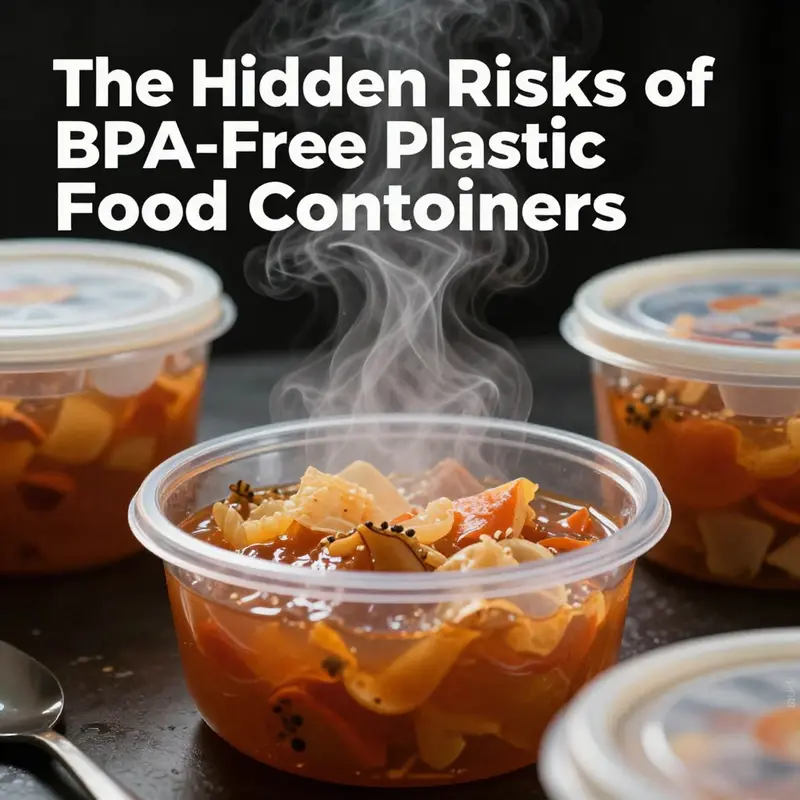
Plastics are convenient. They are light, cheap, and everywhere in kitchens. The label “BPA‑free” promises one known hazard removed. Yet labeling can hide a complex problem: chemical leaching. This chapter explains how and why BPA‑free containers still release chemicals into food. It examines the chemistry, the stressors that drive migration, the kinds of replacement compounds used, and what the science tells us about real exposures.
At the molecular level, plastics are not a single substance. A finished container combines a polymer backbone with many additives. Polymers give shape and strength. Plasticizers add flexibility. UV stabilizers prevent sun damage. Colorants and processing aids make production easier. Many of these ingredients are not chemically bonded to the polymer matrix. That loose association matters. When a container meets food, especially under stress, those loosely held molecules can move out of the plastic and into the food. Scientists call this process migration or leaching.
Leaching is driven by simple forces. Temperature accelerates molecular motion, making it easier for additives to escape. Mechanical wear—scratches from utensils or repeated dishwasher cycles—breaks the surface and exposes new pathways for migration. Chemical drivers matter too: acids and fats dissolve different classes of chemicals more readily than water. Highly acidic tomato sauce, citrus dressing, or fatty curries interact differently with plastics than plain water. Time is also a factor. Prolonged storage gives chemicals more opportunity to migrate. The combination of heat, aggressive food chemistry, and long storage is where risk concentrates.
The original concern over bisphenol A, or BPA, came because it behaves like a weak hormone in the body. It can mimic or block natural hormones and disrupt endocrine signaling, even at low doses. Removing BPA from products reduced one clear source of exposure. But manufacturers replaced BPA with structurally similar molecules such as bisphenol S (BPS) and bisphenol F (BPF). Those substitutes were introduced quickly, with much less long‑term research than BPA received. Laboratory studies now show these replacements often have similar endocrine activity. They, too, can leach under heat or acidic conditions and interact with human cells in ways that raise concern.
Beyond bisphenols, many other additives raise questions. Phthalates, commonly used as plasticizers, can migrate into fatty foods. Specialty additives that improve clarity, reduce fogging, or prevent staining can break down into smaller, mobile fragments. Even when a polymer appears stable, small polymer fragments or oligomers may detach during stress. The result is a complex chemical cocktail that can end up in a single meal. Toxicology rarely studies these mixtures. Most safety tests evaluate single chemicals in isolation. In real life, exposures are to mixtures from multiple sources and products over time.
Empirical studies make these mechanisms clear. Researchers have repeatedly found detectable levels of additives in food after contact with plastic under realistic kitchen conditions. One controlled study looked at microwaving food in containers labeled “microwave‑safe.” The label indicates the container won’t deform under heat. It does not guarantee chemical immobility. After microwaving, scientists detected measurable levels of bisphenols and phthalates in the food. Other experiments show that dishwashing and repeated use increase migration. Each washing cycle, heating episode, or scrape can change the plastic’s surface chemistry, lowering the barrier to migration.
The degree of leaching varies with material type. Some plastics are more stable than others. High‑density polyethylene and glass‑filled options often show lower migration of certain additives, while polycarbonate and some polyesters have historically released higher levels of bisphenols. Newer bioplastics and specialty polymers advertise safer profiles, but their additives and breakdown products are less studied. This uncertainty is a central problem: absence of evidence is not evidence of absence. Many replacement chemicals have not been evaluated for endocrine activity, developmental effects, or chronic low‑dose exposures.
Regulation lags behind chemistry. The U.S. Food and Drug Administration and similar bodies globally have restricted BPA in certain baby products. But regulatory review for replacements is far less developed. A compound can be allowed in a food contact application with minimal long‑term human data. That regulatory asymmetry encourages swapping one molecule for another rather than eliminating risky chemistries altogether. The result is a market filled with “BPA‑free” labels that may mask an array of similar bisphenol or phthalate alternatives.
A further complication is the ubiquity of potential sources. Plastics used in packaging, cling film, shelving labels, and point‑of‑sale tags can all contribute chemicals. Recent research shows that replacement bisphenols used in thermal papers and packaging films can migrate into food from supermarket labels and adhesive films. That finding highlights a broader truth: exposure is cumulative and not limited to a single container. What you store in your plastic box may already carry a chemical burden from upstream packaging or handling.
Understanding real risk requires connecting leaching to exposure and effect. Detecting a chemical in food proves migration. But health risk depends on dose, timing, and biological activity. For endocrine‑active chemicals, timing matters especially during critical windows such as fetal development, infancy, and puberty. Small doses at vulnerable times can have outsized effects. Longitudinal studies link prenatal or early life exposures to later outcomes like altered metabolism, reproductive changes, and neurodevelopmental differences. Such studies rarely isolate one source, but they reinforce that reducing everyday exposures is a prudent step—especially for pregnant people and children.
Practical choices can lower exposure. The most effective measure is switching to inert materials when possible. Glass and stainless steel do not contain plastic additives and are chemically stable under heat and aggressive food conditions. For on‑the‑go meals, well‑designed reusable containers in inert materials are a robust alternative. If plastic is unavoidable, follow conservative use practices: avoid heating food in plastic, do not store highly acidic or fatty foods in plastic for long periods, and replace containers that are scratched, warped, or stained. Remove labels and cling film from packaging before reheating or prolonged storage, because adhesives and inks add their own sources of leachable chemicals. For takeout or deli foods, consider transferring meals to inert containers before heating or refrigerating.
Consumer labels can also mislead. “Microwave‑safe” is commonly misinterpreted to mean chemical safe. In regulatory language, the claim typically means the container can withstand microwave temperatures without structural failure. It does not mean resistant to chemical migration. Likewise, “BPA‑free” only speaks to one compound and not to its replacements. Reading labels closely and pairing them with cautious practices reduces exposure more than relying on naming claims alone.
From a systems perspective, the challenge calls for better transparency and testing. One path forward is requiring that all chemicals used in food contact materials undergo standardized testing for endocrine activity and long‑term outcomes, not just acute toxicity. Another is increased focus on total migration measurements — actual amounts that move from material into representative foods under realistic use conditions. Policies that prioritize inert alternatives for routine food storage, especially for vulnerable populations, would shift market incentives toward safer designs.
Manufacturers can also respond by reformulating with better‑studied additives or by moving to barrier technologies that limit direct contact. Some food packaging innovations place an inert liner between food and plastic, reducing migration. But such solutions must be evaluated for durability, potential for liner breakdown, and overall life‑cycle impacts.
Consumers do not need to wait for perfect regulations to act. Small, consistent steps reduce cumulative exposure. Avoid microwaving food in plastic, transfer takeout into inert containers, remove labels and film before reheating, and retire damaged plastic containers. Prefer glass or stainless steel for long‑term storage and reheating. If convenience requires plastic, choose use patterns that minimize heat, high fat contact, and time.
Finally, scientific uncertainty should not be confused with safety. The presence of replacement chemicals and evidence of migration into food indicate shifting, not eliminated, risk. Ongoing research continues to refine our understanding of which chemicals matter most and under what conditions. Meanwhile, practical measures and a precautionary mindset remain the most reliable defenses against everyday leaching from BPA‑free plastics.
External source: https://www.ncbi.nlm.nih.gov/pmc/articles/PMC7145986/
For an alternative to single‑use plastic food carriers, consider eco‑friendly takeout boxes for food packaging as an option to reduce direct plastic contact.
When “BPA‑Free” Hides New Threats: Latest Research on Plastic Food Containers
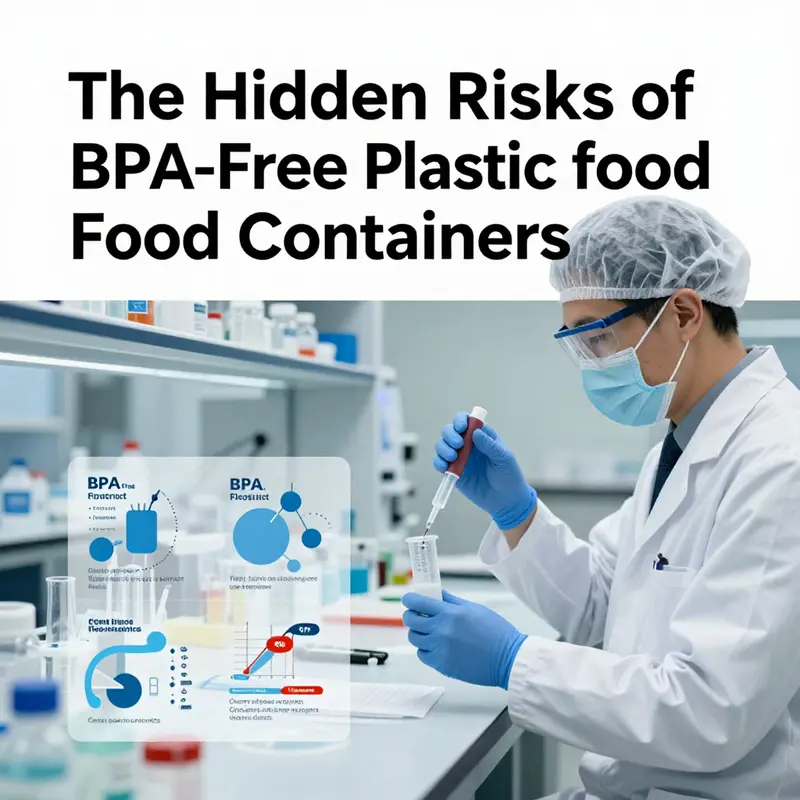
What emerging studies really show about BPA‑free plastics
The label “BPA‑free” has become a shorthand for safety. Recent research challenges that shorthand. Scientists now show that removing BPA often means replacing it with chemically similar compounds. Those replacements can act like hormones in the body. They can also migrate into food under everyday conditions.
Early warnings about bisphenol alternatives came from laboratory tests. Researchers found that common substitutes, such as bisphenol S (BPS) and bisphenol F (BPF), bind to hormone receptors. They trigger estrogenic responses similar to BPA. A 2015 study in Environmental Health Perspectives tested many consumer plastics. Over 95% released chemicals with estrogenic activity, even when labeled “BPA‑free.” That finding suggested the problem was broader than one chemical.
Recent work has gone further. Newer studies examined where replacement bisphenols come from, and how they reach the food we eat. Some of the most concerning discoveries involve thin films, labels, and adhesive layers used in food packaging. These materials often contain bisphenol analogs. They can transfer to food during storage, handling, or cooking. In one notable research program, scientists found that chemicals in supermarket price tags and packaging films can migrate into food. Those same chemicals altered key functions in human ovarian cells in lab tests. They caused abnormal fat accumulation and changed gene expression linked to cell growth and DNA repair.
These findings matter because they show a realistic exposure pathway. Products we handle daily—labels, price stickers, cling films, and flexible wrappers—can be unrecognized sources of bisphenols. Consumers assume that only bottles and hard plastics are risky. But thin, flexible materials used on packaged foods can be equally worrisome. When those materials touch food directly, especially fatty or acidic foods, migration becomes likely.
The mechanisms behind chemical migration are straightforward. Plastics are not single, inert substances. They are complex mixtures. Polymers are combined with plasticizers, stabilizers, flame retardants, pigments, and adhesives. Many additives are small, mobile molecules. Heat, fatty matrices, acids, and mechanical wear increase molecular mobility. Microwaving, leaving food in hot cars, or storing acidic sauces for days accelerates migration. Even repeated washing and utensil contact accelerate surface degradation. Microscopic scratches create high‑surface‑area zones where additives can diffuse into food.
Laboratory and real‑world studies confirm these dynamics. Heating plastic containers, even those marked “microwave‑safe,” often increases the amount and variety of chemicals that leach. Microwave‑safe labels generally address melting or warping, not chemical stability. A container that holds up structurally at high temperature can still release migrating additives. Similarly, dishwashing can degrade many plastics. Hot water and detergents strip protective surface layers and promote chemical loss.
Phthalates deserve separate attention. They are a class of softeners used in many flexible plastics. Phthalates leach readily from PVC and similar materials when heated or washed. Epidemiological studies associate early life phthalate exposure with developmental and metabolic outcomes. Links include increased asthma risk, neurodevelopmental differences, diabetes, and reproductive dysfunction. The simultaneous presence of bisphenol analogs and phthalates complicates risk assessment because they may act together at low doses.
A critical concept emerging from the literature is “regrettable substitution.” When regulators or manufacturers ban one hazardous chemical, industry often replaces it with a close cousin. That cousin may have less data available but similar toxic potential. With bisphenols, more than 200 structural analogs exist. Only a few have been studied in depth. The absence of long‑term, human‑relevant safety testing for most of these chemicals means labels can be misleading. “BPA‑free” then becomes marketing shorthand, not a guarantee of safety.
Vulnerable groups are an urgent concern. Fetuses, infants, and young children are more sensitive to endocrine disruption. Low‑dose exposures during critical windows of development can produce lasting effects. Pregnant people and those planning pregnancy should minimize exposures whenever possible. People with occupational contact with packaging materials deserve attention too. Workers who handle labels, cling films, and thermal receipts may have higher exposures than the general population.
Regulatory systems lag behind science. Some jurisdictions have restricted BPA in specific uses, such as baby bottles. But replacements are rarely regulated until evidence accumulates. Testing paradigms often focus on single chemicals and high‑dose toxicity. They miss low‑dose endocrine effects and mixture interactions. The result is a patchwork of restrictions that do not prevent migration of newer bisphenols from everyday packaging.
Given the research, practical risk‑reduction steps follow logically. Glass emerges repeatedly as a low‑risk choice. It is chemically inert, stable under heat, and unlikely to interact with food. Ceramic and stainless steel are also reliable for storage and reheating. For takeout and one‑time packaging, high‑quality paper and kraft options provide reasonable alternatives to plastics. If you must use disposable containers, consider compostable or paper‑based choices that avoid plastics in direct contact with food. For example, many eco‑friendly takeout boxes offer grease resistance without plastic liners; they make sensible alternatives for hot foods and short‑term storage. (See eco‑friendly takeout boxes for options.)
Simple behavioral changes also reduce migration. Avoid microwaving food in plastic, even if the container is labeled “microwave‑safe.” Transfer food to glass or ceramic before reheating. Remove price tags, stickers, and outer plastic wrap before storing food. Store acidic or fatty foods in non‑plastic containers. Don’t allow plastic containers to sit long term with food, especially when warm. Replace scratched or cloudy plastic containers; their surfaces are more prone to chemical release. When cleaning, prefer gentle hand washing for plastics you plan to keep, and avoid high‑heat dishwasher cycles that accelerate degradation.
Understanding exposure requires more than anecdote. Biomonitoring studies confirm widespread human exposure to bisphenol analogs. Researchers detect BPS and BPF in urine samples from many populations. These measurements show both prevalence and variability. Exposure profiles often reflect product use patterns, diet, and occupational contact. Notably, the presence of replacement bisphenols in biomonitoring underlines the importance of addressing the full class of chemicals—not only BPA itself.
Policy and product innovation must follow the science. Regulators should broaden their view beyond single chemicals. Testing should consider endocrine endpoints, low doses, and realistic mixtures. Product designers can favor inert materials for food contact surfaces. Industry could phase out mobile additives when safer alternatives exist. Until those systemic shifts occur, consumers face a gap between marketing claims and real protection.
Communication matters. Labels that say “BPA‑free” create a false sense of security. Consumers making daily food‑safety decisions need clear, accurate messaging. Labels should disclose the presence of other bisphenols or mobile additives when they exist. Manufacturers could adopt transparent material declarations for food contact items. Retailers and food service providers might choose packaging with third‑party certification for low chemical migration.
Research continues to evolve. Newer studies examine how low‑dose exposures over decades affect chronic disease risk. Researchers also explore mechanisms by which bisphenol analogs alter cell metabolism and DNA repair processes. Such mechanistic insights explain how small, repeated exposures can translate into measurable health effects. Until long‑term human studies are complete, the precautionary principle offers a prudent course.
From a practical standpoint, the path forward is clear. Reduce reliance on plastic where feasible. Use glass, ceramic, or stainless steel for storing and reheating. Remove labels and wraps before cooking. Favor paper‑based or certified low‑migration options for takeaway meals. Replace old, scratched plastics. These steps lower the chance that hormone‑active chemicals migrate into your food.
For readers seeking a reliable summary of the current health science around BPA and related compounds, the National Institute of Environmental Health Sciences provides a useful overview of the evidence and regulatory context: https://www.niehs.nih.gov/health/topics/agents/bpa/index.cfm
Why ‘BPA‑Free’ Is Not a Safety Guarantee: A Clearer Look at Plastic Alternatives
A careful reappraisal of the label
The phrase “BPA‑free” has become a shorthand for safer plastic. It promises relief from a well‑documented chemical, Bisphenol A, that can disrupt hormones. Yet the absence of BPA does not automatically mean the container is safe. Manufacturers often swap one bisphenol for another. Compounds such as Bisphenol S (BPS), Bisphenol F (BPF), TGSA, D‑8 and PF‑201 are common substitutes. Many of these replacements are chemically similar to BPA. Laboratory studies show they can act on hormone systems in comparable ways. That similarity should make us cautious, not complacent.
A label that removes one known risk can mask a different one. “BPA‑free” can therefore be misleading if it implies comprehensive safety. The term says only that one chemical is missing. It says nothing about the toxicity of what remains. This matters because replacement chemicals have not been through the same long‑term health testing as BPA. They may be less studied, less regulated, and still able to migrate from packaging into food.
Leaching is the mechanism by which these worries become personal. Plastics are not inert when they meet food. Heat, acidity, and time make migration more likely. Pour boiling soup into a plastic container, or store acidic marinara overnight, and the potential for chemicals to move from plastic into food rises. Sunlight and repeated use also degrade polymers, increasing the chance of leaching. Even mindfully following instructions does not eliminate this risk completely, because the additives and replacements were not always designed for long‑term food contact under stress.
Scientific signals raise fresh concerns. A study published in 2025 by researchers at McGill University found that several replacement chemicals used in everyday supermarket items can migrate into food and interfere with human ovarian cell function. The study linked these substitutes to abnormal fat accumulation in cells and changes to genes tied to cell growth and DNA repair. Those findings are troubling for two reasons: first, they show that the replacements can reach biological tissues; second, they suggest potential effects on fundamental cellular processes. Taken together, the data indicate a shift in risk, not its removal.
Regulators are starting to notice. Agencies have moved to restrict BPA in some uses, especially those involving infants and toddlers. But oversight of alternatives has lagged. Health authorities in some countries are now adding suspected replacement chemicals to lists for review. That step acknowledges gaps in knowledge and signals precaution. It also reveals the limits of relying on single‑chemical bans to protect public health. Removing one harmful substance without assessing the substitutes invites a game of chemical whack‑a‑mole.
What does this mean for everyday choices? First, view “BPA‑free” as only part of the information you need. It reduces exposure to BPA but does not eliminate exposure to bisphenol‑like chemicals. Second, assume plastics, even those labeled BPA‑free, can leach under certain conditions. Avoid heating food in plastic. Do not put plastic containers in the microwave unless the manufacturer explicitly states that the specific product is safe for that use and you are comfortable with the residual uncertainty. Third, be mindful when storing acidic or fatty foods in plastic, because those foods promote migration of lipophilic chemicals.
For those aiming to minimize risk, glass is the recommended alternative. Glass is chemically inert in normal use. It does not leach endocrine‑active compounds. It withstands heat and repeated use without degrading in ways that release additives. Ceramic and stainless steel can also be safe choices when they are intact and free from lead‑based glazes or coatings. Switching to such materials reduces dependence on plastics whose long‑term safety remains unresolved.
Practical habits complement material choices. Remove supermarket price tags, receipts, and cling films from fresh produce and packaged goods before storing them with other food. These items can contain bisphenol substitutes and plasticizers that migrate more easily when in direct contact. Avoid transferring hot takeout into plastic containers; instead, let food cool briefly and then move it into glass or metal. Thaw frozen meals in the refrigerator or in a bowl of cold water rather than in their original plastic trays, unless the tray is explicitly rated for the intended use.
Reducing exposure does not require perfection. Small, consistent changes can lower cumulative contact with potentially harmful chemicals. Prioritize glass for reheating and long‑term storage. Use durable stainless steel for travel mugs and lunch boxes. Reserve single‑use plastics for brief, cold applications when alternatives are impractical. When buying plastic containers, choose ones made for food use with clear instructions and known recycling codes that indicate lower additive complexity. Still, remember that codes and labels do not ensure absence of problematic substitutes.
There is also a social and regulatory angle. Manufacturers tend to respond to consumer demand. Clearer disclosure about the chemicals used in plastic products would help shoppers make informed choices. Regulatory frameworks need to require safety testing for entire chemical classes, not just single substances. That way, replacing a harmful compound with a closely related one would trigger evaluation rather than evasion. Policymakers and public health agencies play a critical role in closing the current oversight gaps.
For families with young children, extra caution makes sense. Infants and toddlers are more vulnerable to hormone‑disrupting chemicals during critical developmental windows. Many countries have already banned BPA from baby bottles and sippy cups. But other items that children handle or mouth—plastic toys, food packaging, and receipt paper—may still contain bisphenol substitutes. Choosing glass or high‑quality stainless steel for bottles and food storage reduces avoidable exposures during sensitive developmental periods.
Finally, context matters when weighing risks. Not every application of plastic carries the same chance of harm. Short‑term contact with cold foods is less likely to cause migration than prolonged storage of hot, acidic, or fatty foods. Yet the cumulative effect of repeated low‑level exposures across many products and everyday behaviors remains uncertain. That uncertainty is the heart of the issue: we do not have robust, long‑term human data for most BPA substitutes. Until we do, a precautionary approach is advisable.
The overall conclusion is straightforward: “BPA‑free” is not the final word on safety. It marks progress in removing a known hazard, but it does not guarantee a safe outcome. Replacement chemicals can be similar in structure and activity to BPA and can migrate into food under common conditions. They have not received the same depth of long‑term testing, and growing research shows plausible pathways to harm. For people seeking to reduce chemical exposures from food storage, switching to glass or other inert materials offers a practical, effective strategy. Additionally, using alternatives such as eco-friendly takeout boxes for food packaging can reduce reliance on plastic in many daily scenarios.
For readers who want to follow the science directly, the McGill University study provides important evidence about how replacement bisphenols act on human cells: https://doi.org/10.1093/toxsci/kfaf096
Final thoughts
The safety of BPA-free plastic food containers presents a complex conundrum for food service businesses. While they are positioned as a safer alternative, emerging research reveals that they might not eliminate health risks but rather shift them. As a precaution, switching to glass containers is recommended, as they eliminate chemical leaching concerns. Ultimately, businesses must take a proactive approach to ensure the safety of their food and beverages, fostering trust and well-being among their customers.