
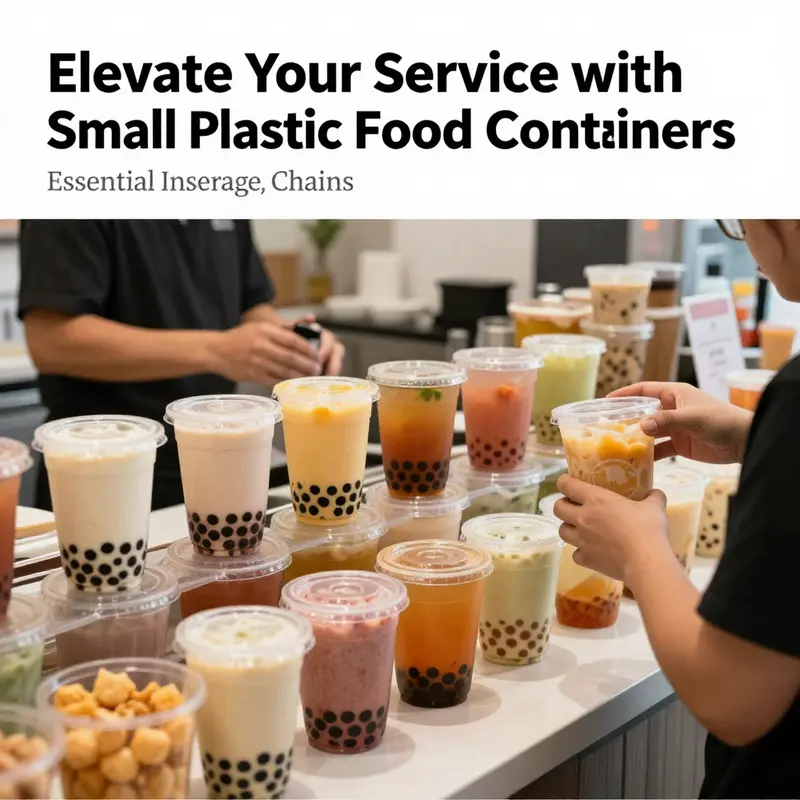
In the culinary world, presentation and functionality go hand in hand. For businesses in the food sector—be it bubble tea shops, restaurants, food trucks, or catering services—small plastic food containers emerge as an indispensable tool for ensuring efficient service and customer satisfaction. With various options readily available, understanding the types, features, and purchasing strategies for these containers plays a pivotal role in streamlining operations. This article explores the types of small plastic food containers you can choose, essential features to consider, where to find competitive prices, benefits to your daily activities, and important environmental factors to consider. Each chapter provides crucial information tailored to the specific needs of your business, guiding you toward making effective decisions when it comes to food packaging.
null
null
Smart Choices for Small Plastic Food Containers: Materials, Seals, and Design for Everyday Storage
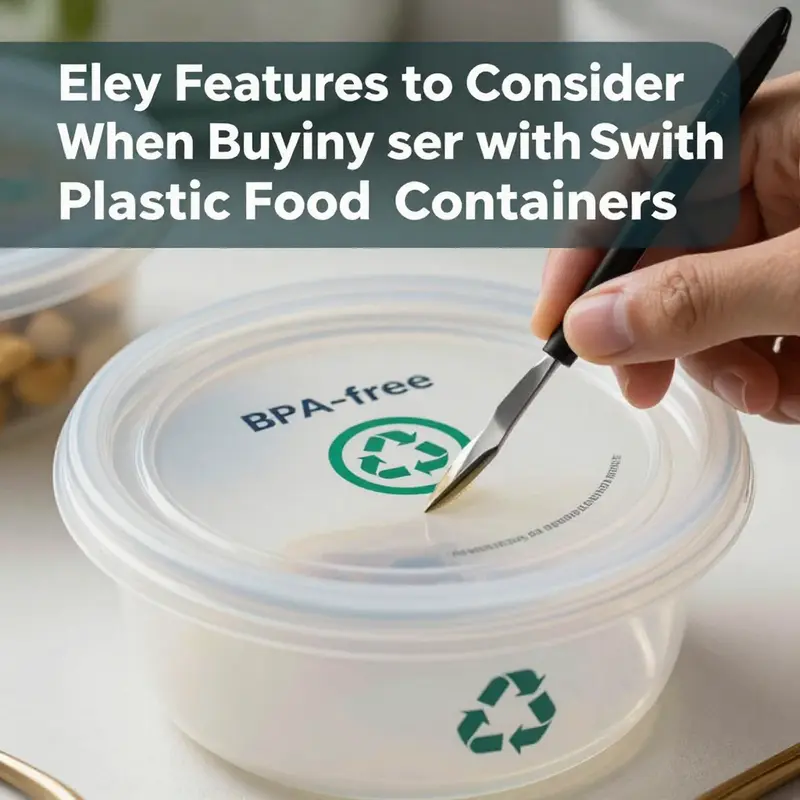
Choosing small plastic food containers is more than picking a lid. In a marketplace that blends consumer pantry staples with commercial takeout packaging, choices are abundant and sometimes overwhelming. Buyers—home cooks, organizers, small cafes, or micro-businesses—navigate platforms that host a vast array of options, often balancing price with performance. The core drivers remain consistent: food-grade materials, competitive pricing, bulk discounts, and designs that fit practical workflows. For many, the right container means less waste, better freshness, and fewer headaches during transport. For businesses, it translates into predictable margins, reliable supply, and compliance with safety expectations. The research into this space reveals a spectrum from simple dry-good boxes to more sophisticated, multi-use jars and lids. In that spectrum, the small plastic container stands out as a versatile workhorse, capable of storing everything from herbs to granola, sauces to mini portions, with the possibility of stacking and labeling that supports efficient kitchen routines. The chapter that follows builds a practical compass for navigating these choices without losing sight of everyday realities of storage, transport, and reuse.\n\nMaterial safety sits at the foundation of any smart purchase. The leading options for small containers are Polypropylene (PP) and Polystyrene (PS), with PP often recommended for its safety profile and long-term utility. PP is BPA-free, offers solid heat resistance, and performs well in microwaves and dishwashers. It provides a stable barrier against leaks and odors while remaining relatively light. Polystyrene can be clear and economical, but its heat resistance is typically lower and it can become brittle under cold storage. A cautious note applies to polyethylene (PE); while PE is recyclable and shows up in some packaging, it does not always deliver the stability needed for hot foods, and its chemical resistance can vary. In practical terms, choosing PP or PET-based designs often yields the best balance of safety and performance for everyday use. Don’t default to the least expensive option without confirming material declarations and any heat or dishwasher labeling. When the container carries a clear food-grade label and a material code, you gain confidence it aligns with safety standards designed to protect consumer health.\n\nHeat handling and microwave suitability go hand in hand with material choice. If you expect to store or reheat hot foods, the label should state microwave suitability, and the container must withstand temperatures around boiling water. PP generally handles this scenario well, with heat resistance approaching 167°C for short bursts—more than enough for reheating and sterilization routines. Not all PP containers are equal, though; some hinges, lids, or gaskets may deform after repeated heat cycles. This is where design quality matters. A robust seal helps preserve texture and prevent contamination, so the lid needs a gasket or a locking mechanism that resists popping open during movement. A strong seal reduces air and moisture exchange, extending freshness and reducing the risk of contamination during transport. In practice, you’ll encounter two common lid concepts: snap-on seals with a gasket and twist-locks with a gasket. Both deliver benefits, but your choice should reflect how you plan to use the container—daily lunch prep, bulk portioning, or event catering. The right seal is as critical as the right material.\n\nDurability and impact resistance are the quiet engines of long service life. Reusable containers bear the brunt of daily use, from condensation to stacking and transport. PP’s toughness matters here; it resists cracking under pressure and holds up well to minor impacts without easily scuffing. A well-made container also minimizes micro-scratches that can harbor residues, so smooth surfaces and good molding quality matter. The ability to be opened, closed, and reused many times without losing form becomes a practical metric. When comparing options, visually inspect the finish for burrs or irregularities. A few imperfections at the manufacturing stage can create weak points that fail after repeated cycles.\n\nTransparency and design influence the daily user experience as much as the physical performance. A clear or translucent body lets you identify contents at a glance, speeding inventory checks and reducing the need to unlid and rummage. Design matters too: a comfortable lip and a smooth interior reduce snag points during scooping and washing. Exterior finishes signal quality; a uniform gloss often indicates tighter tolerances in molding. The sightline is not just about aesthetics; it’s a practical feature that supports quick rotation in busy kitchens or homes. A sturdy design also considers the edge of the lid and the fit around the rim. If the container mouth is too narrow or interior corners are abrupt, cleaning becomes a chore and residues accumulate. In short, good design translates into ease of use and longer service life.\n\nSize and stackability complete the trio of everyday practicality. The range of capacities allows you to tailor containers to specific foods—herbs, snacks, sauces, or samples. Ideally, containers are designed to nest or stack without compromising the seals. When stocking a pantry, this saves shelf space and simplifies rotation. For kitchens or storefronts, the ability to mix and match sizes creates a modular kit that reduces misplacement and speeds service. The decision also touches on the footprint of your storage area; a compact stack of uniform containers can free up shelf space and facilitate labeling and organization. If storage is tight, prioritize stackable designs and consistent diameters so that lids and bases align in stable towers. The right combination of sizes can improve workflow and minimize clutter, turning storage into an asset rather than a burden.\n\nEase of cleaning and maintenance links directly to hygiene and lifecycle costs. Smoother interiors and exteriors reduce the tendency for grime to cling. Dishwasher compatibility becomes a practical criterion for households and small businesses alike. A container that tolerates repeated cycles without clouding or warping reduces manual scrubbing time and extends the container’s usable life. Consider whether the design offers simple lid removal and whether the gasket material withstands detergents and heat over time. Some users prize stain resistance from sauces and spices; others require freezer-friendly options that won’t crack in cold storage. The more forgiving the surface and the fewer crevices, the easier upkeep becomes. The lifecycle cost—how many times you can reuse the container before discarding—depends on these maintenance factors as much as on raw material.\n\nReusability and sustainability anchor responsible purchasing. The market today still features many containers marketed as disposable, yet there is a growing emphasis on durability to support reuse and waste reduction. When evaluating, look for designs that tolerate frequent washing, stacking, and exposure to temperatures without losing fit or deforming. This convergence of material choice and seal quality is essential for long-term value. The CNIS guidelines referenced in the research provide a broader framework for material identification and food safety classifications, including codes like #5 for PP. Consulting these guidelines helps buyers interpret material labels and align procurement with recognized standards. Sustainability is not merely about avoiding waste; it’s about choosing designs that endure beyond a single use, lowering environmental impact while maintaining performance.\n\nTo turn these features into a practical buying approach, begin with a needs assessment that mirrors how a consumer or business will actually use the containers. List the foods you will store, typical temperatures, expected frequency of use, and whether reheating is involved. If you’re purchasing in quantity for a business, factor in bulk pricing, supply reliability, and the ability to maintain quality across large orders. Evaluate supplier documentation: material safety data sheets, labeling accuracy, and any third-party certifications. Price matters, but it should be weighed against safety, seal integrity, and durability. If you’re sourcing online, consider sample orders to test performance under real conditions—microwave reheating, dishwashing cycles, and stacking stability. For individuals, a smaller range of sizes may optimize storage in a crowded fridge or pantry; for cafés or catering, a diversified stack of sizes supports a broader menu without sacrificing workflow.\n\nAs you explore options, a concrete reference point can help you compare features without losing sight of safety and practicality. A widely accessible category of disposable plastic items embodies the balance between visibility and cost efficiency, serving as a useful benchmark for design and manufacturing quality. The interior can be designed to minimize residue, and the exterior can be tailored for branding or event-specific packaging, demonstrating how form and function harmonize in everyday usage. Integrating such reference points into your evaluation helps you avoid overspending on flashy features, while ensuring you meet safety standards and user expectations.\n\nFinally, it is worth acknowledging that standards and best practices evolve. The China National Institute of Standardization provides comprehensive guidance on plastic food containers, detailing how material choice and safe handling map onto everyday usage. Reviewing these guidelines can empower buyers to navigate a market that is broad and nuanced, ensuring procurement aligns with modern safety expectations and environmental considerations. External resources can complement product specifics with a broader public health framework, grounding decisions in recognized norms. You can explore this external resource for a deeper dive into materials safety and regulatory perspectives: https://www.cnis.org.cn/zh/standard/food-safety/plastic-food-containers.html\n\nIn sum, purchasing small plastic food containers that deliver safety, durability, and everyday practicality hinges on a balanced assessment of material safety, heat handling, seal quality, design, and lifecycle value. The best choices arise when buyers translate these features into concrete criteria, test a few samples if possible, and align procurement with both current needs and sustainable goals. The marketplace rewards thoughtful decisions that combine robust materials with clever design, enabling households and small businesses to store, transport, and present foods with confidence.
Smart Sourcing for Small Plastic Food Containers: Finding Value Across Global Markets
Across kitchens, storerooms, and bustling take-away counters, small plastic food containers have become a quiet backbone of everyday operations. They are not just boxes; they are tools for portion control, prep efficiency, and reliable presentation. The evolving marketplace for these containers reflects a spectrum of needs, from the home cook seeking convenient storage to a business aiming to keep products fresh, clearly visible, and safe to handle. This chapter follows that thread, weaving together material choices, price dynamics, and sourcing options into a cohesive picture of how to secure the right containers at the best value without compromising quality or safety.
From a research perspective, the landscape is shaped by platforms that connect manufacturers with buyers across a wide range of scales. For buyers who need large quantities, wholesale channels offer direct access to factories and suppliers, with discounts that scale as volume grows. The economics is straightforward: higher order volumes typically yield lower unit costs, and savvy buyers negotiate terms that cover not just price but also lead times, packaging configurations, and even custom lids or seals. In practice, this means that a well-structured bulk order can translate into meaningful savings over time, especially when it aligns with predictable demand and stable supply lines. Yet the same marketplaces also accommodate smaller runs through tiered pricing, stock-ready assortments, and more flexible order terms, recognizing that not every operation rides the same cadence of demand.
A critical dimension of decision-making centers on material selection. Small containers designed for dry goods, snacks, or sauces frequently rely on food-grade polypropylene (PP) or polyethylene terephthalate (PET). PP offers solid toughness, respectable heat resistance, and a tendency to withstand stacking and transport without warping. It remains a dependable choice for items that might encounter refrigeration or short-term heating in controlled settings. PET, by contrast, brings clarity and rigidity, which makes it especially suitable for display in shelving or displays where visibility of contents matters. Both materials are common in food-contact applications when certified for safety, and buyers can request documentation or third-party test results to verify compliance. The choice between PP and PET often hinges on the container’s intended use, the expected handling and temperature exposure, and cost considerations that shape long-term purchasing strategies. In environments where transparency aids operational visibility or consumer confidence, PET’s clarity can be a decisive advantage; for heavy-use or microwave-exposed contexts, PP may be the safer bet.
Pricing dynamics in this space are telling because they reveal the leverage that scale provides. When buyers commit to substantial volumes, unit costs can slip into a fraction of a dollar or even cents per piece. While exact numbers vary with currency, design, and minimum order quantities, wholesale channels commonly show dramatic price reductions for large runs. This is not simply a matter of unit price; it reflects the entire logistics equation, including supplier reliability, production scheduling, and the ability to secure consistent batches. Domestic wholesale marketplaces often mirror these patterns, offering similarly aggressive pricing as orders move from dozens to thousands of units. The practical implication is clear: for operations that require tens of thousands or more units, the financial calculus favors bulk sourcing, provided the supplier can meet quality standards and delivery timelines. For smaller operations or limited timeframes, the economics tilt toward flexibility, lower risk, and faster delivery, with stock-keeping units that can be bundled with lids or seals to streamline procurement and storage.
The channel landscape further differentiates between business buyers and individual consumers. For those purchasing in bulk, a major wholesale platform linking buyers with manufacturers remains the most efficient conduit. It opens access to a broad catalog of containers, sealing options, and lid configurations, with price reductions tied to order size and the potential for long-term purchasing agreements. In the course of business, listings with high monthly sales volumes signal a scale of operation that supports competitive pricing and consistent supply. This is a practical reminder that volume and reliability go hand in hand with price stability and service consistency. Conversely, individual buyers in North America and similar markets often turn to consumer-focused retailers that stock curated selections of food-grade containers and related kitchen utilities. The appeal here lies in fast shipping, easy returns, and straightforward combinations of containers with compatible lids, which matters for home cooks, small offices, or event planners who prioritize immediacy over the deepest bulk discounts.
When evaluating suppliers, a practical, lab-light approach can still be rigorous. Request samples to assess fit, confirm seal performance, and inspect the wall thickness and rim uniformity. Ask about certifications for food safety, whether the materials are BPA-free, and whether containers are microwave-safe or can tolerate typical cooling and warming cycles in a consumer or commercial environment. Reputable suppliers will provide documentation or direct you toward independent test results, enabling you to verify batch-to-batch consistency and traceability. Beyond price, the focus settles on three core attributes: material consistency, lid seal quality, and compatibility with existing storage systems or display formats. When these align, the containers become less a one-off purchase and more a dependable component of daily operations, a factor that sustains service quality and reduces waste through reliable packaging performance.
A tangible sense of how these channels translate into actual choices comes from considering the spectrum of compact, transparent jars, sealed canisters, and small boxes designed for dry goods or condiments. If you seek packaging that mirrors the practicality of disposable containers, it helps to explore options that emphasize both form and function. Visual clarity, robust seals, and dimension-conscious design contribute to a packaging ecosystem that supports efficient prep, straightforward inventory management, and a consistent consumer experience in take-away contexts. For readers who want to see a representative product family in action, this catalog page demonstrates how compact containers can be paired with lids and accessories to create ready-to-use packaging solutions for a range of foods: take-away food packaging boxes.
Amid this landscape, a broader conversation about sustainability and waste reduction also matters. Reuse and resealability, stackability, and recyclability all influence the total cost of ownership, particularly for high-volume operators. Buyers increasingly weigh the environmental footprint of packaging alongside price and performance. This means considering whether a container can be effectively recycled within regional waste streams, whether it supports easy separation from other packaging, and whether the design minimizes material use without compromising integrity. Materials like PP and PET commonly support recycling infrastructure in many regions, but programs differ by jurisdiction, and successful procurement now often includes alignment with available recycling streams and waste-management practices. The value proposition, therefore, extends from the moment of purchase through end-of-life management, shaping procurement decisions as much as packaging design choices.
Taken together, the path to the best prices on small plastic food containers hinges on clear use-case understanding, informed material selection, and the right sourcing channel for the operation at hand. Bulk buyers can capitalize on price reductions via wholesale platforms that connect directly to manufacturers, while individuals and small teams may gain value through consumer-oriented retailers that balance speed with a compact, well-curated range. The decision framework then becomes practical and layered: specify the required volume, confirm material safety credentials, and anticipate the lifecycle of the packaging within your workflow. If flexibility matters, consider starting with a small, validated batch to test performance before expanding to larger commitments. In this way, procurement evolves from a simple purchase into a durable supply relationship that supports timely, safe, and efficient operations across kitchens, cafés, and packaging desks alike.
As the market continues to evolve, so too does the breadth of available sizes, forms, and sealing technologies. New designs push toward better stackability, tamper evidence, and labeling, while manufacturing advances improve consistency and reduce waste. Buyers who stay attuned to industry updates can anticipate shifts in price and availability, even as core choices like PP versus PET remain stable due to their proven performance in food-contact uses. The interplay between material science, production scale, and distribution networks makes the decision to buy small plastic food containers less about chasing the lowest price and more about selecting a dependable supplier, a stable product line, and terms that fit the rhythm of how you work. The result is a supply relationship that supports timely, safe, and efficient operations across kitchens, cafés, and packaging desks alike.
For readers who want to explore related packaging options in more depth, consider how these containers integrate with broader packaging families, from single-serve cups to multi-compartment meal boxes. The right combination depends on whether the goal is to streamline prep, optimize storage, or enhance consumer experience in take-away settings. Keeping sight of this broader ecosystem helps ensure that the smallest containers do not become bottlenecks but rather enable faster, more reliable service and consistent product presentation across channels.
External resource: For broader guidance on food-contact safety standards and materials used in packaging, see the U.S. Food and Drug Administration’s overview of food-contact substances: https://www.fda.gov/food/packaging-labeling-food-safety/food-contact-substances-fcs
Practical Gains and Smart Use: How Small Plastic Food Containers Improve Everyday Life
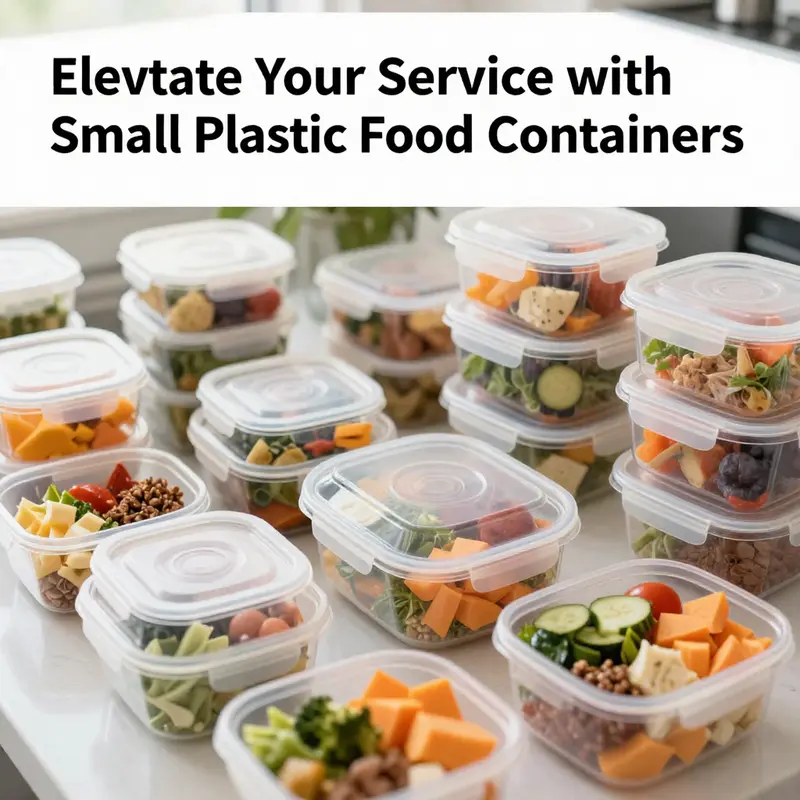
Small plastic food containers earn a place in many kitchens and bags because they solve everyday problems simply and affordably. Their appeal starts with practicality: lightweight bodies and compact shapes make them easy to carry, stack, and store. A set of small containers transforms a cluttered fridge into an organized system. Leftovers fit neatly on shelves. Sauces and dressings can live side-by-side without spilling. Portions are easy to control, which helps with meal planning, snacking, and calorie awareness. For families, this means quicker breakfasts and assembled lunches that travel well. For busy individuals, it means quick access to ready snacks and pre-measured ingredients. For small food businesses, these containers provide low-cost packaging that showcases product while protecting it in transit.
Beyond convenience, small plastic containers are efficient with space. Many designs nest when empty, cutting storage footprint by as much as two-thirds. When filled they often stack securely thanks to matching lids, allowing pantry or lunchbox real estate to be optimized. This compactness matters for apartment kitchens, lunch bags, and delivery boxes alike. Clear or translucent plastics let you see contents at a glance, reducing waste and repeat purchases. That transparency also aids portioning: a quick visual check tells you whether a container holds a single snack portion or a full serving.
Affordability is another practical gain. Small plastic containers generally cost less than glass or metal alternatives. This lower price point makes it feasible to buy multiples for different uses, or to keep disposable options on hand for events and takeout. For businesses, buying in bulk from wholesale channels reduces per-unit cost significantly. Many suppliers offer tiered pricing for higher volumes, and options for basic customization, such as label-friendly lids or simple printing. This combination of low cost and availability helps small operators scale packaging without heavy upfront investment.
Functionality extends beyond shape and price. Modern small plastic containers often include microwave-safe labels, leak-resistant lids, and designs that withstand repeated dishwasher cycles. These features simplify reheating, cleaning, and reuse. Lightweight plastics also mean less breakage risk than glass during transport. For sauces and condiments, tiny screw-top pots and snap-lid cups are especially useful. If you prepare dressings, dips, or samples, these compact vessels keep flavors separated until needed. A clear, small jar with a tight lid makes portioning condiments easier and looks professional for catering or takeaway orders.
Different plastic types come with distinct strengths. Polypropylene (PP) resists heat better than many other plastics and is commonly used for microwave-safe containers. Polyethylene terephthalate (PET) offers clarity and rigidity, making it a good choice for displayable packaging like dessert cups. Understanding these materials helps match container performance to intended use. Thicker plastics resist warping and staining. Containers with textured lids or built-in vents offer added convenience for steaming or pressure release. Look for design touches, like raised edges for easy stacking or snap-fit lids that click into place for reassurance.
Despite the many benefits, small plastic containers require informed use. Plastics vary in chemical stability when heated, and some types can leach substances into food. Avoid heating containers that lack clear microwave-safe markings. Be cautious with acidic foods and long-term storage, because acidity can accelerate chemical migration. Scratched or degraded plastics are more likely to shed microplastics, so replace items that show wear. For foods that need high-temperature handling, consider glass or stainless steel instead.
Environmental and health considerations shape long-term choices. Single-use plastics contribute to waste streams when not recycled correctly. However, reusable small plastic containers can reduce disposable packaging if cared for and reused many times. Recycling options depend on local systems; common recycling codes such as 1 (PET) and 5 (PP) are accepted in many areas, but contamination and mixed materials can complicate processing. When durability is a priority, heavier-duty reusable plastics designed for repeated cycles perform better and delay replacement, which reduces cumulative waste compared with frequent single-use disposables.
Practical buying choices reduce both health risks and environmental impact. Select containers labeled food-grade and BPA-free. Prefer thicker walls for reusability and less warping. Match material to use: choose PET for display needs, PP for reheating, and avoid PVC and polystyrene for food storage if possible. Buy lids with secure seals to prevent leaks and cross-contamination. If you need very small vessels for condiments or samples, opt for screw-top or snap-lid pots that minimize spills. For businesses, consider suppliers that offer bulk packs and customization, including compartmentalized trays or nested sets that cut storage and shipping costs. A relevant option for sauces and condiments is available in compact screw-top formats like plastic sauce jars with lids, which work well for both home and commercial use.
Care practices extend container life and reduce risk. Hand-wash items that show staining or lingering odors. Use mild detergents and avoid abrasive pads that scratch surfaces. Rotate containers to avoid long-term contact between acidic foods and the same piece of plastic. Inspect lids and seals regularly. Replace containers with visible wear or warping. If you must reheat, transfer food to a microwave-safe glass or ceramic dish when in doubt.
When safety is the top priority, alternatives matter. Glass resists chemical migration and retains flavor without staining. Stainless steel is robust for hot or oily foods. Ceramics offer similar benefits but often weigh more. Paper and compostable kraft options provide single-use alternatives for takeaway when lightweight, grease-resistant packaging is preferred. Choosing the right format for each need reduces unnecessary plastic exposure while preserving convenience.
Small plastic food containers combine flexibility, economy, and practicality for daily life. Used thoughtfully, they organize kitchens, support portion control, and streamline meal prep. With careful selection and care, they can be part of a balanced storage strategy that pairs convenience with safer options for hot or long-term storage. For official guidance on safe food-contact materials, consult this resource from the U.S. Food and Drug Administration: https://www.fda.gov/food/food-contact-materials.
Balancing Convenience and Responsibility: Environmental Choices When Buying Small Plastic Food Containers
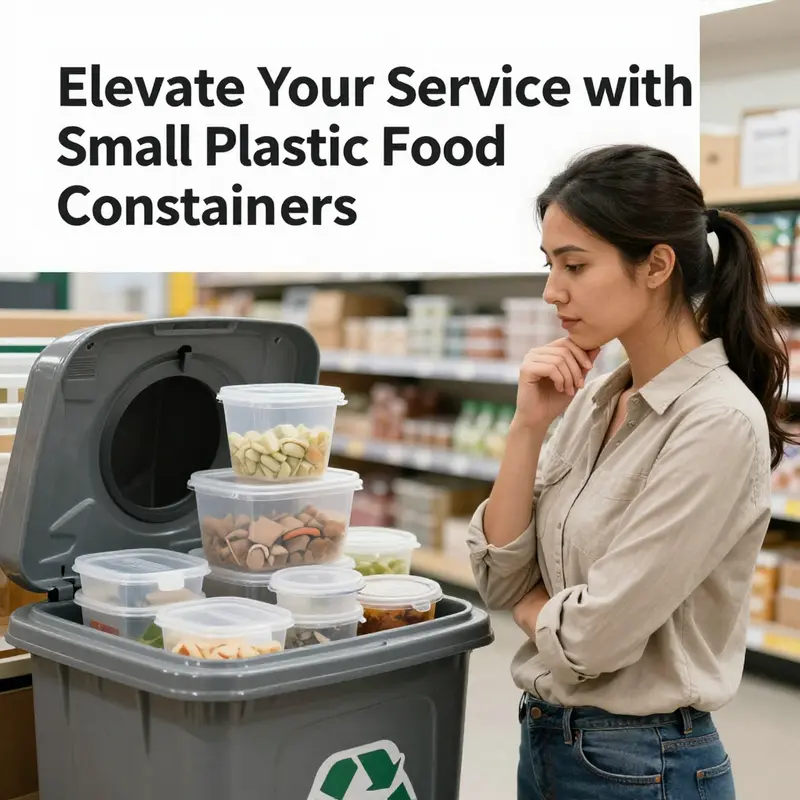
Environmental impact is a practical concern when buying small plastic food containers. These containers deliver convenience for portioning, sampling, condiments, and single-serve desserts, but they also carry persistent environmental costs. Understanding materials, end-of-life realities, and smarter buying choices helps reduce harm while meeting operational needs.
Most small food containers are made from materials like polypropylene (PP) and polystyrene (PS). Both are durable and lightweight. That makes them ideal for stacking, shipping, and resisting breakage. Yet they are not readily biodegradable. Left in landfills or natural environments, pieces can persist for decades or longer. Recycling systems struggle to recover them at scale. Food residue, mixed materials, and small sizes often cause rejection at sorting facilities. The result: a significant share ends up incinerated, landfilled, or leaking into waterways.
Choosing the right material begins with lifecycle thinking rather than immediate cost alone. Plastic production uses fossil feedstocks and energy. Glass and stainless steel demand more energy to produce, but they excel at reuse and longevity. Compostable alternatives, such as containers made from polylactic acid (PLA), reduce reliance on fossil feedstocks and lower embodied carbon for certain use cases. However, compostables require appropriate industrial composting infrastructure to break down properly; they often do not degrade in home compost or municipal recycling streams. Each option carries tradeoffs: glass and stainless steel shift impacts from waste streams to transport and initial manufacturing; PLA shifts the need to available composting systems.
Practical mitigation begins with prioritizing reuse. For businesses with repeat customers, reusable systems dramatically reduce waste. Options include swap-and-return programs or incentives for customers who bring their own containers. Where reuse is infeasible, choosing materials with higher recovery potential helps. Opt for single-material containers rather than those bonded with different plastics or with embedded metallic or paper layers. Monomaterial designs are easier to sort and recycle.
Post-consumer recycled (PCR) plastic deserves attention. Containers that incorporate PCR reduce demand for virgin plastic and help close the loop. When evaluating PCR claims, ask suppliers about the PCR content percentage and third-party verification. Certifications and supplier transparency matter: look for clear documentation on the percentage of recycled content and whether the PCR stream is food-grade certified. Food contact safety is non-negotiable, so ensure any recycled material meets regulatory standards.
Design choices influence environmental outcomes too. Smaller, lightweight containers—such as those used for essential oils, tinctures, or single-dose condiments—use less material per unit. But weight alone is not the sole metric. Nestable designs reduce transportation volume. Secure lids that enable safe stacking minimize breakage and the need for additional protective packaging. Where lids and bases are separate materials, choose combinations that can be separated easily at the consumer or recycling facility to avoid contamination.
Compostable alternatives are attractive, but buyers must evaluate local processing options. PLA and other plant-based materials often require high-temperature, industrial composting to degrade within a reasonable timeframe. If a facility is not available, the compostable container may persist like conventional plastic. Likewise, contamination by food residue can render recyclable containers unrecyclable. Clear labeling and consumer instructions—encouraging rinsing and correct disposal—raise recovery rates.
For organizations procuring in bulk, supplier engagement is essential. Ask suppliers for material data sheets, recyclability guidance, and packaging reduction strategies. Negotiate for minimal external packaging and pallets optimized for transport efficiency. Inquire about takeback or recycling programs; some manufacturers will accept used containers or offer guidance on local recycling partners. Where possible, prefer suppliers that report on environmental performance and demonstrate continuous improvement in material sourcing and waste reduction.
There are also behavioral and operational practices that reduce impact. Train staff to scrape and rinse containers before disposal or recycling. Provide clear labeling on packaging about disposal routes—recycle, compost, or trash—and include QR codes linking to local disposal guidelines. Small changes like offering condiments on request instead of automatically can reduce single-use container consumption. For catering and events, favor bulk dispensers with reusable servingware when hygiene and logistics allow.
Be realistic about single-use needs. In medical, sanitary, or certain retail contexts, single-use plastics remain necessary. When single use is unavoidable, select the most sustainable single-use option available. Choose light, monomaterial containers that contain the least material needed to safely perform their role. Review product lifecycle data if available, balancing transport emissions, production impacts, and end-of-life recovery. For ultra-small items—5 ml vials, sample pots, or tiny sauce cups—ensure the supplier minimizes excess packaging and offers nesting designs to lower shipment volume.
A practical checklist helps translate values into procurement decisions. Prioritize reusable options when possible. If single use is required, select monomaterial or PCR-containing plastics. Verify compostables are certified to industrial standards if you intend them for composting. Request supplier documentation for recycled content and recyclability. Favor nestable and stackable designs to reduce transport emissions. Provide customers and staff with clear disposal instructions to reduce contamination. Finally, measure and report: tracking the volume of single-use containers purchased creates a baseline for reduction targets.
Understand tradeoffs rather than assuming a single correct answer. Glass and stainless steel carry higher transport impacts but repay that cost through repeated use. PLA and other compostables reduce fossil input but need proper processing to deliver environmental benefits. Virgin PP and PS may seem economical but can impose long-term environmental costs if not recovered. By asking the right questions, designing for reuse or recyclability, and selecting suppliers committed to sustainable practices, buyers can significantly reduce the footprint of small food containers.
When assessing suppliers and options, practical resources can clarify recycling expectations and help you design better waste management pathways. For a baseline on how plastics recycling works and what recovery rates look like, consult the EPA’s guidance on plastic recycling: https://www.epa.gov/recycle/plastic-recycling. Practical action—choosing the right materials, designing for reuse, and improving end-of-life routes—turns the small container from an environmental problem into an opportunity for better stewardship.
For businesses seeking alternatives to single-use plastics in foodservice, exploring complementary eco-friendly packaging like kraft paper takeaway boxes and wooden cutlery can reduce reliance on small plastic containers. One example of a complementary option is a disposable sauce cup product line that pairs with compostable or paper-based serving vessels: disposable-sauce-box-sauce-cups-transparent-conjoined-plastic-box-sauce-container-box-with-lids-kitchen-home-supply/. Use such options thoughtfully, ensuring compatibility with local recycling and composting systems.
Buying small plastic food containers responsibly requires a mix of material literacy, supplier engagement, and operational shifts. With those pieces in place, convenience need not come at the cost of the environment.
Final thoughts
Choosing the right small plastic food containers can significantly enhance operational efficiency and customer satisfaction in your food-related business. From bubble tea shops to catering services, understanding the types of containers, key features, ideal purchasing sources, and environmental impacts not only aids in making informed decisions but also contributes to a greener future. By selecting high-quality, functional containers, you set the stage for more organized and successful service, meeting the needs of your customers responsibly. Investing in the right food containers today means building a better service experience for tomorrow.