

The holiday season brings joy, festivity, and celebrations that are often beautifully complemented by well-thought-out tableware. Among essential items, Christmas disposable plastic cups stand out for their convenience and festive flair, making them a go-to choice for businesses catering to holiday events. This article explores the various aspects of these cups, from their materials and designs to market trends and environmental considerations. We will also discuss customization and wholesale options that can benefit bubble tea shops, beverage chains, restaurants, food trucks, catering services, event planners, and corporate procurement teams. By understanding these elements, businesses can elevate their holiday service offerings and create memorable experiences for their customers.
Crystal Clarity and Festive Form: Exploring the Material Science and Design of Christmas Disposable Cups
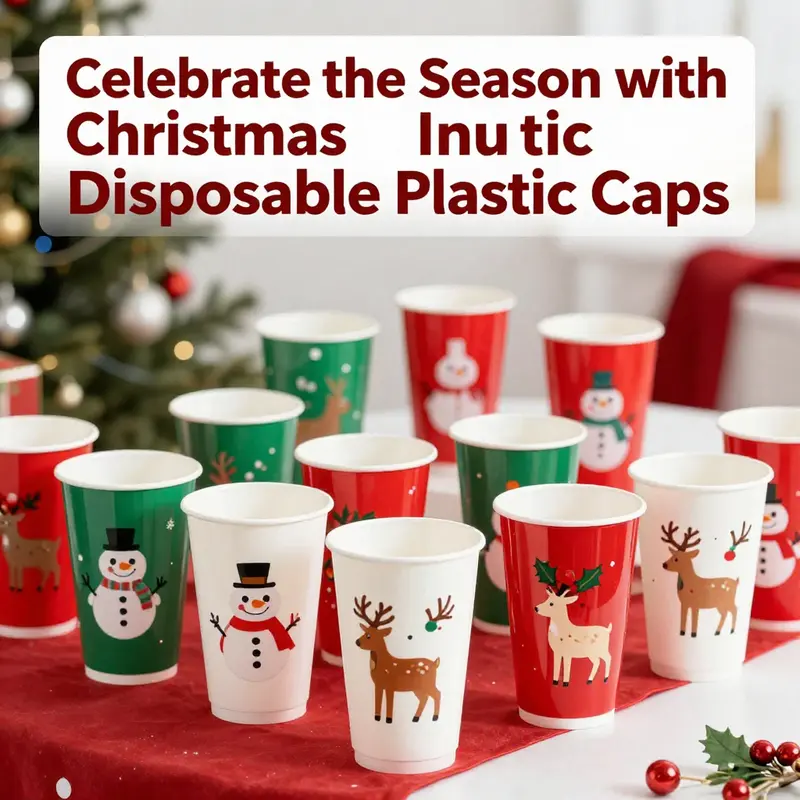
The holiday table is a stage for color, texture, and the quick pleasures of ease. In many homes and venues, plastic cups become the unsung workhorses of that stage, carrying both the froth of cocoa and the sparkle of punch with equal grace. When Christmas lights blink over a crowded buffet, the cups in use are more than simple vessels; they are emissaries of aesthetic and practicality. The most common choice for these seasonal vessels is a food-grade plastic known for its clarity and resilience: a polymer that marries strength with lightness. While a range of plastics can be employed in disposable drinkware, the dominant material for festive cups is polyethylene terephthalate, better known by its acronym PET. Its appeal lies in a long list of functional advantages that align closely with the needs of holiday events. PET cups are designed to withstand the demands of cold beverages—from chilled soda and festive punches to creamy milkshakes and iced coffee—without warping or softness that would betray the drink’s temperature or presentation. They resist deformation at typical serving temperatures well below the point where heat would compromise their structural integrity, which translates into a reliable, predictable experience for guests who are savoring every moment of the celebration. The transparency of PET also plays a crucial role in the visual choreography of a Christmas party. Because the material is clear, the color and composition of the beverages become the focal point. A bright ruby punch or a pale, peppermint-hued tea can glow through the cup, amplifying the seasonal palette of red, green, and gold that fills the room. This visual clarity supports a design language that is as much about presentation as it is about function. The cups accomplish this with a rim that feels smooth to the lip, a geometry crafted to balance comfort with practicality. An arc-shaped rim is a small but meaningful feature; it guides the mouth along a natural contour, reducing drips and enhancing the user experience during quick refills at a bustling party. For event planners and caterers, the ability to stack and store these cups without bulk becomes a logistical advantage. PET’s rigidity allows for stable stacking, which in turn simplifies transport and cold-chain management, an important consideration when dozens or hundreds of guests are sipping at the same time. The simplicity of stacking also reduces the risk of damage in transit and during setup, ensuring that a festive moment is not squandered by a broken cup or a spill. The standard sizes—commonly 12 ounces and 16 ounces—suit a broad spectrum of beverages and audience needs. A 12-ounce cup is handy for lighter beverages or small servings, while the 16-ounce variant provides enough capacity for a generous serving of holiday punch or iced coffee that can carry the season’s flavors with room to breathe. In many configurations, these cups are compatible with dome or flat lids, adding an extra layer of spill resistance and insulation. The lids, while offering practicality, also contribute to the overall presentation. A dome lid can trap a bit of aroma and lift the perception of volume, making a punch look as rich as it tastes. Moreover, some models are designed to be compatible with standard lids across a line of disposables, allowing venues to source lids and cups from a common family and reduce inventory confusion during busy service periods. The thermal realities of Christmas beverages matter as well. While PET is widely celebrated for cold beverages, there is also interest in double-wall designs that provide a level of insulation. A double-wall structure introduces an air gap between inner and outer layers, reducing heat transfer to the user’s hand and permitting cautious handling of warmer drinks. This insulation expands the use cases for disposable cups in the winter season, where even a hot chocolate or mulled cider might be served with a degree of warmth that guests appreciate yet the outer surface of the cup needs to stay comfortable to the touch. The interplay between material choice and design is not simply about keeping drinks cold or hot. It is about a holistic experience that honors the host’s intentions for the gathering. The festive motif, which often features a palette of red and green, snowflakes, Santa imagery, or evergreen motifs, interacts with the cup’s transparency. Designers recognize that the cups are, in many ways, a transparent canvas. They can be printed or manufactured with color accents that harmonize with the plates, napkins, and ribbons that decorate the table. The color through the cup can pop against the white of a tablecloth or beneath the glow of string lights, amplifying the mood without demanding the guest’s attention away from the beverage inside. The design features extend beyond color to shape and practicality. A smoothly contoured cup can ease handling and reduce the risk of accidental spills, a critical consideration in social settings where movement, conversation, and festive cheer multiply the chances of a stumble. The lip or rim is not merely a functional boundary; it is where the user’s mouth first meets the material and where the perception of drinkability is formed. In this sense, even small design decisions—an edge angle or a gentle taper—can influence comfort, the duration of a sip, and the overall perception of quality. The availability of lids and the compatibility of different lid types play into the narrative of convenience and waste. Lids add a hygienic layer, enabling guests to enjoy drinks without worry about spills as they mingle, dance, or help in the kitchen. For child-friendly gatherings, the gift of a secure lid can offer peace of mind for parents while preserving the aesthetic of the beverage service. The choice to use lids often sits at the intersection of practical concerns—spill prevention, temperature retention, sanitation—and the desire to maintain clean lines in the party’s visual scheme. In the broader arc of design, even the choice between a clear cup and a printed one can be interpreted as a stance toward festivities. Clear PET cups lean into minimalism, letting color do the storytelling. Printed or patterned cups carry a more explicit narrative, one that signals a specific theme or moment within the event. Either path can be effective; the decision often rests with the planner’s ability to coordinate with other disposable tableware and with the event’s branding or mood. The economics of Christmas disposables also guide design and material decisions. Bulk purchases, such as large packs that include many cups in a variety of designs, are common. This approach supports a cohesive atmosphere inside the venue while also offering the practicality of flexible serving options. The swing between bulk options and customization is pronounced in the market. For organizers seeking a branded or thematically consistent encounter, suppliers offer tiered opportunities to personalize the cups—adding logos or thematic motifs to align with corporate gifting, charity drives, or seasonal promotions. It is important to note that while customization and bulk ordering can be financially advantageous at scale, they require planning and lead time. The reality of production logistics means that orders placed far enough in advance can secure favorable pricing, with minimum quantities that sometimes begin at several thousand pieces. Even so, the cost dynamics of PET and the efficiency of modern manufacturing have kept disposable cups accessible to a broad audience, from family gatherings to larger community events, without sacrificing the festive spirit that characterizes the season. Beyond the aesthetic and practical dimensions, there is a layer of consumer expectation and environmental consideration. The appeal of disposable cups in a Christmas setting is inseparable from the conversation about waste and sustainability. Eco-conscious options have emerged, offering biodegradable or compostable versions that aim to reduce the environmental footprint of holiday celebrations. Yet these alternatives often involve tradeoffs in cost, durability, or availability. The standard PET cups remain widely used because of their cost-effectiveness, reliable performance, and compatibility with widespread service channels—cafes, restaurants, event venues, and home gatherings alike. The ongoing tension between convenience, presentation, and environmental responsibility is a defining feature of the current holiday season. In this context, it is essential for planners and hosts to consider life-cycle aspects of the cups they select. The choice to use PET, PP, or alternative materials can reflect the priorities of the event: budget, image, guest expectations, and values regarding waste. The intersection of design and material science is not a sterile calculation; it is a living choice that shapes the guest experience, influences service flow, and frames the holiday narrative in an accessible, tangible way. For those who seek to balance tradition with practicality, the material properties of Christmas disposable cups provide a reliable foundation. PET’s clarity and strength, its compatibility with cold and moderate heat, and its capacity to showcase festive color and pattern all converge to support a season that is at once nostalgic and efficient. The design language—ranging from the ergonomic rim to, in some cases, a double-wall construction—further enhances the user experience by delivering comfort and confidence with every sip. The broader picture includes the social and commercial dimensions: bulk acquisition, potential customization, and the ongoing dialogue about sustainability. In a time when events must move quickly and guests expect a polished presentation, the Christmas disposable cup stands as a practical symbol of hospitality. It is a reminder that the smallest details—the way the rim feels, the way the color shifts in light, the ease of stacking for transport—can amplify the warmth of a gathering and the generosity of a season. For readers curious to explore related packaging concepts or themed party tableware in a broader sense, a practical resource on customized takeout packaging and disposable tableware for theme parties offers insights into how these elements can be harmonized across occasions and venues. See the linked resource for a deeper look at how design and packaging choices can unify a themed experience across multiple touchpoints. custom takeaway packaging and disposable tableware for theme parties. This kind of alignment—between material science, ergonomic design, and decorative coherence—underscores why Christmas disposable cups endure as a familiar, efficient, and visually compelling component of modern holiday hospitality. External standards and safety considerations also shape what ultimately appears on the table. As manufacturers navigate the requirements for food-contact plastics, adherence to established guidelines helps ensure that the cups perform not only well in the moment but also within the broader system of safety and consumer trust. For a foundational understanding of these standards, refer to the official guidance on food-contact materials provided by the relevant health authorities. FDA guidance on food-contact materials.
Glimmer on the Rim: Market Trends Shaping Christmas Disposable Plastic Cups
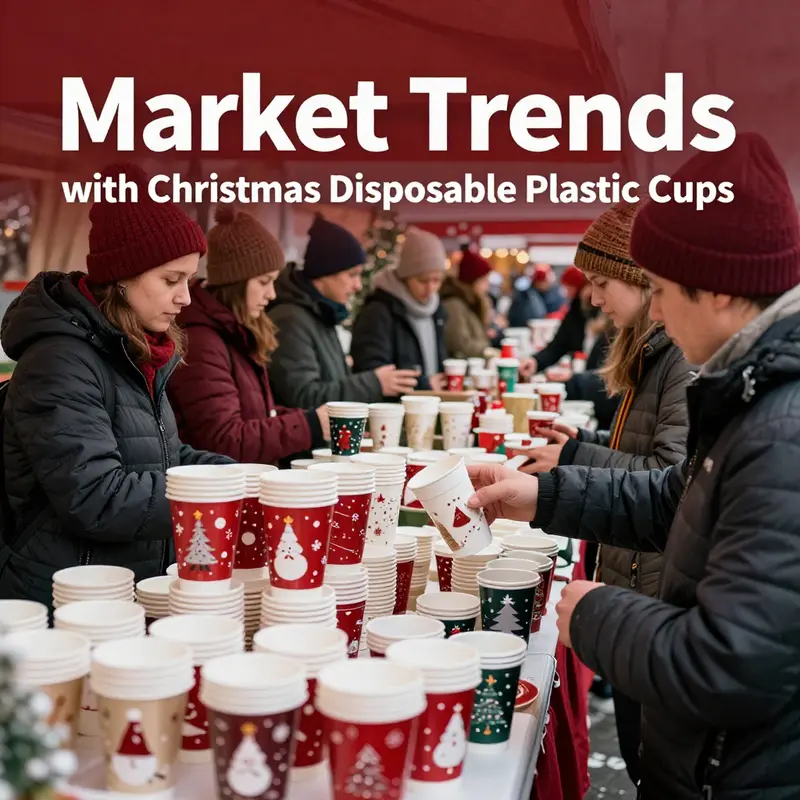
A festive shimmer has settled over the Christmas disposable plastic cup category, not merely as a utilitarian vessel but as a barometer of how design, technology, and values converge at year-end. The seasonal nature of these cups means they ride the same wave that lifts greetings, gather-ins, and celebrations. Yet beneath the holiday glitter lies a more strategic market dynamic: collectors’ taste for novelty, the power of digital discovery, and a growing appetite for more thoughtful materials and experiences. In this moment, the cup is no longer just a 12- or 16-ounce container; it is a canvas for storytelling, a stage for brand moments, and a signal of what shoppers are willing to pay for in a season defined by both joy and excess.
Seasonal demand and consumer interest cluster around two core drivers. First, holiday shopping patterns intensify well before December, when hosts plan gatherings, offices reset for festive seasons, and retailers stage seasonal promotions. Evidence from global search behavior around Christmas-related gifting shows a clear pre-holiday surge, with interest in “Christmas gift” peaking in late October of 2025. This pattern is more than curiosity; it translates into elevated attention to related product categories, including disposable tableware that can carry a party’s theme from the first batch of punch to the last slice of cake. For a segment like Christmas cups, this means that a large portion of annual revenue is captured in a compressed window, heightening the importance of stock readiness, design relevance, and marketing cadence.
A second driver is the transformation of what customers expect from festive paper and plasticware. The traditional red-and-green palette remains a fixture, but shoppers now reward products that spark conversation, photograph well, and align with broader holiday rituals—unboxing reels, table-scape posts, and do-it-yourself party ideas. This is where design considerations migrate from merely decorative to performative. A cup’s value proposition expands from safeguarding a beverage to enhancing a moment—unforgettable, Instagrammable moments that become part of a holiday narrative. The consequence is a market that rewards not only function but also the opportunity to tell a story in a single disposable item.
The premiumization wave is one of the clearest signals in this market. A striking example, described in industry chatter, highlights a premium novelty cup that carried a price point near two hundred dollars and sold out quickly after gaining visibility on a short-form video platform. While such cases sit at the high end of the spectrum, they illuminate a broader trend: consumers are increasingly willing to pay for products that feel special, collectible, or show-stopping enough to be the centerpiece of a holiday photograph. This willingness to pay more for a moment, rather than just a drink, signals a shift from a purely utilitarian mindset toward an experiential one. Brands and makers who want to participate in this trend must balance premium design with practical considerations like durability and safety, especially when cups are intended for both hot and cold beverages.
In the wake of premiumization, social media’s role as a catalyst remains unmatched. Short-form video platforms have become the modern showroom where unusual shapes, clever DIY ideas, and bold color stories can ignite demand overnight. A few striking visuals—an ornate snowman motif on a translucent cup, a clever hinge-lid that prevents spills during holiday toasts, or a glossy finish that catches the light at a party—can turn a generic cup into a coveted piece. The virality effect is not merely about aesthetics; it’s about narrative acceleration. A creator’s quick clip can establish a trend line, converting a limited edition run into a must-have item for season-long celebrations. This is why makers of disposable tableware are increasingly investing in storytelling rather than only counting on price points or bulk discounts. The lesson for brands is clear: design and video-friendly presentation can have a multiplier effect on reach and conversions.
Yet the market is not simply chasing novelty. A parallel trend pushes for sustainability, matching the broader pressures facing plastic products globally. In many regions, policy shifts and consumer sentiment are turning attention toward eco-conscious materials. While traditional plastics still hold the line on cost and performance, more manufacturers are introducing biodegradable or recyclable variants to appeal to shoppers who want festive style without fully surrendering to environmental concerns. The potential payoff here is twofold: a premium price may be supported by eco-friendly claims, and a sustainability narrative can broaden appeal to corporate buyers seeking green gifting or branded events. In practice, that means premium designs paired with transparent material disclosures, responsible sourcing, and clear end-of-life messaging. The result is a product story that resonates beyond the party and into the values customers carry into the new year.
The opportunity set grows when considering the market’s appetite for customization. Wholesale and bulk offers have long been a staple of event planning and hospitality, but the current climate rewards more than volume. Businesses and event organizers are increasingly seeking customized or limited-edition designs that align with brand moments, holiday campaigns, or charity drives. The economics of customization are nuanced. Bulk orders often begin at thousands of pieces, with price breaks that make large-scale themed runs feasible. This is where the capacity to deliver on design details—logos, textures, colorways, and limited editions—becomes a decisive differentiator. In practical terms, a custom program can transform a generic cup into a campaign touchpoint, especially when paired with complementary disposable packaging and lids designed to maintain the aesthetic through service and transport.
For those exploring customization or wholesale pathways, the opportunities are tangible and well-supported by suppliers who are adept at handling theme-driven projects. A representative option shows how themed, disposable tableware can be coordinated with other package components to create a cohesive event experience. See a practical example of such customization and packaging options here: custom-takeaway-packaging-supplies-disposable-tableware-for-theme-party. This kind of resource highlights how a single design language—whether a refined winter motif, a vintage holiday aesthetic, or a bold contemporary palette—can cascade across cups, lids, and takeout packaging to deliver a consistent brand moment. It also demonstrates that the customization curve is not purely decorative; it aligns with the economics of scale when combined with efficient bulk production, reliable supply chains, and the ability to coordinate multiple SKUs for a given theme. The result is a more memorable party environment and a stronger linkage between the cup and the event’s visual identity.
From a retailer’s standpoint, the balance between premium appeal and practical practicality remains crucial. The mid-range cup sizes—commonly 12 ounces and 16 ounces—continue to meet the needs of hot and cold beverages and fit easily into existing service workflows. Lids and spill-control features add value, especially for on-the-go consumers and corporate gifting. Trim, durable materials that hold print well under heat and cold provide a practical foundation for more elaborate designs. The most successful products combine this dependable core with visually striking motifs: snowflakes etched in frost-like white ink, holly sprigs that shimmer under party lights, or character-driven scenes that evoke nostalgia without overwhelming the cup’s silhouette. The design language must complement the beverage experience, not overshadow it. In this sense, the cup becomes a silent ambassador for the event—the first item guests notice on the table, and the last memory guests carry home in photographs.
An equally important thread in this market is how these cups fit into broader holiday packaging and gifting strategies. For corporate gifts and branded events, a themed cup can be part of a larger, cross-category display that includes matching boxes, napkins, and wrappers. This approach not only reinforces brand recognition but also creates a more immersive unboxing or gifting moment. By coordinating with other disposable packaging components, brands can craft a story that travels beyond the liquid inside. The packaging becomes a stage for the design, turning a simple cup into a multi-sensory experience that resonates with guests and employees alike. In practice, the most successful programs are those that marry design intent with operational simplicity—clear art, legible messaging, and a packaging system that scales from boutique bundles to large-scale corporate orders without sacrificing quality or consistency.
The market’s growth trajectory, while buoyed by creative design and digital amplification, also encounters practical considerations that shape strategic decisions. Cost pressures, for instance, still favor standard plastics for high-volume needs, even as premium options command higher margins in limited runs. Durability and safety standards remain non-negotiable, particularly for hot beverages and busy service environments. An informed buyer weighs the value of a visually arresting cup against total cost of ownership, including potential waste, storage, and distribution challenges. By acknowledging these realities, brands can plan for multiple scenarios: a core line of reliable, cost-conscious cups for everyday use; a limited-edition rotation designed for seasonal pushes; and a premium offering that appeals to media-savvy consumers and corporate partners seeking standout gifts.
What does this mean for future product development and go-to-market strategies? It implies a shift toward curated experiences as opposed to generic mass production. Designers will be more intentional about materials that can deliver both visual impact and durability, with an eye toward sustainability that does not erode performance. Marketing will lean into storytelling—showing, not just telling, how a cup fits into a holiday moment. Distribution strategies will emphasize flexibility: scalable manufacturing partnerships, a mix of direct-to-consumer and wholesale channels, and turnkey customization capabilities for clients who want a cohesive event package. For practitioners, the lesson is to balance the emotional appeal of a festive cup with pragmatic decisions about cost, supply, and end-user expectations. The result is a category that feels fresh each season while maintaining the reliability and convenience that hosts and retailers depend on.
As the market continues to evolve, opportunities will arise in niche collaborations that fuse artistry with function. Designers can explore limited-edition prints, seasonal textures, and interactive finishes that respond to lighting and movement. Retailers can test small-batch drops aimed at urban consumers who crave novelty and social currency. The most compelling trajectories will likely emerge from partnerships that integrate cups with complementary party supplies—lids, sleeves, giftable packaging, and display-ready merchandising that tells a cohesive holiday story at the point of sale. In other words, the Christmas disposable cup is becoming a component of an experiential retail language rather than just a disposable container.
External reference to broader market dynamics further illuminates why this category commands attention in the holiday cycle. A recent industry narrative notes how high-end, viral novelty items in disposable formats can drive rapid, replication-friendly demand on short-form video platforms, underscoring the importance of shareable design and timely production. While the example sits at the premium edge, the underlying principle applies across the spectrum: a cup that photographs well and tells a story can catalyze a mass-market response when paired with the right digital storytelling. For readers seeking a broader context on this phenomenon, see the external resource linked here: https://finance.sina.com.cn/tech/.
In sum, Christmas disposable plastic cups are becoming more than holiday props. They are design-enabled, story-driven, and strategically positioned at the intersection of consumer desire, media amplification, and sustainability considerations. The market rewards those who treat cups as part of a larger experiential ecosystem—one that blends reliable performance with expressive design, aligns with eco-conscious values where possible, and offers customization as a pathway to brand resonance. As the season nears, the best practitioners will be those who translate seasonality into a repeatable, scalable narrative: a cup that not only holds a warm beverage but also holds a moment in time for a family, a workplace, or a company’s festive campaign.
Custom Fit for the Season: How Wholesale and Personalization Elevate Christmas Disposable Plastic Cups
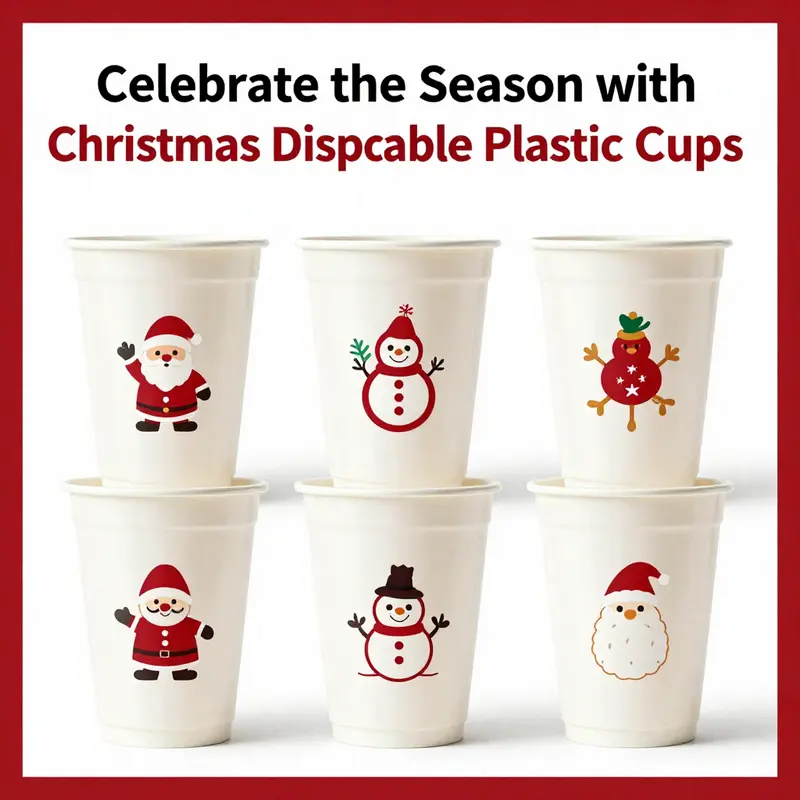
The appeal of Christmas disposable plastic cups rests not only in their practicality but in their potential to carry a brand story or a festive mood from the first glance to the last sip. For event planners, coffee shops, and retailers, customization and scalable supply are two threads that weave together a seamless holiday experience. When a business moves beyond generic serveware, the cups themselves become a quiet ambassador for the season—subtle, consistent, and surprisingly memorable. That is where wholesale options and personalization enter the picture with real impact. They transform a simple, everyday good into a coordinated part of a larger celebration, one that customers and guests will remember as part of the holiday mood rather than as an afterthought.
Behind the scenes, the logic of customization is both practical and creative. Materials such as PET and PP deliver clarity, durability, and heat resilience while remaining light enough for single-use convenience. In a typical holiday cycle, these cups need to endure a range of beverages, from steaming mulled wine alternatives to iced festive punch, without warping or fading. This dual-duty capability means a well-engineered cup can serve a cozy hot cocoa bar or a sparkling cold punch station with equal reliability. The focus on safety guidelines—food-grade materials, BPA-free formulations, and recyclability where possible—ensures that the festive moment also aligns with responsible consumer expectations. Seasonal cups can be designed to resist color bleed and maintain print integrity, even after exposure to caramelized syrups or citrus toppings that colorfully decorate holiday beverages.
A core advantage of wholesale partnerships is scale. For organizers wrestling with guest counts and the unpredictability of crowds, bulk ordering unlocks economies of scale that bring per-unit costs down to sub-dollar ranges at high volumes. The best wholesale models offer flexible minimum order quantities that accommodate both a first wave of samples for a seasonal launch and a larger, time-sensitive restock for peak party weeks. In practice, this means a brand can start with a modest run to validate a design or pattern, then ramp up to five thousand or more cups in a single order as demand accelerates. The ability to mix sizes—8 oz, 12 oz, and 16 oz—within one cohesive order also supports varied serving needs, from single-serve hot drinks to generous party punches.
Customization options extend beyond color and motive. A well-structured program can offer logo imprinting, seasonal motifs (such as snowflakes, reindeer, or holly accents), and even wraparound designs that preserve a uniform look across multiple styles. The result is a cohesive table-scape with cups that visually reinforce the theme, making the beverage moment feel intentional rather than incidental. For brands that host corporate events or gift generous holiday presents, custom-print cups can function as a mobile canvas for logos, taglines, or festive messages that travel with the cups from reception to service station. Practical considerations accompany aesthetics: imprint durability under hot beverage conditions, legible branding on ranked cup sizes, and the ability to reproduce color tones consistently across large print runs.
From a sourcing perspective, the process typically begins with a design brief and defined specifications. The supplier evaluates feasibility, confirming whether the chosen imprint area can accommodate a high-fidelity logo without compromising the cup’s structural integrity. Then comes a proofing phase, in which a digital or physical sample is produced for approval. Once approved, production moves to the pre-press stage, where artwork is prepared for the chosen cup material and printing technique. Proof approval is crucial because color accuracy and print longevity are harder to adjust after mass production begins. When the design is locked, lead times and shipping logistics dominate the schedule. In a bustling holiday window, these timelines are not mere back-office concerns; they determine whether a promotion lands in time for a pop-up shop, a seasonal café relaunch, or a gift-giving campaign.
Another layer of complexity is the minimum order quantity, or MOQ. Suppliers often provide lower MOQs for customization, which is attractive to businesses testing a concept or running a limited-time promotion. For larger campaigns, MOQs can spike, but the per-unit price declines with volume, enabling campaigns that would be expensive if approached on a one-off basis. The cost structure is not simply a line item per cup. It may include a one-time setup or plate-creation fee for the imprint, then a recurring per-cup charge that declines as order size grows. A seasoned buyer will balance these fixed costs against the expected lifetime value of the campaign—the reach of the promotion, the number of reorders, and the potential for ongoing brand recall beyond the holiday season.
Design and customization are also shaped by the end-user experience. For instance, a dome lid or spill-resistant cap can be integrated into the package to reduce mess at outdoor markets or bustling holiday events. Ergonomic cup profiles are not merely ergonomic; they are practical for quick service and stable handling in festive environments where hands are often crowded with packages, gifts, or hot beverages. The tactile feel of a well-made cup matters too: the gloss of a PET cup that remains clear after repeated cold pours, the slight grip of a textured surface that helps attendants manage a busy line, and the way the lid anchors securely to prevent drips as crowds swirl through gift stalls. These details contribute to a seamless customer journey and a sense that the brand has attended to the small, often overlooked moments that shape overall satisfaction.
Sustainability remains a guiding consideration even in customization discussions. The growing demand for eco-conscious options is reshaping decision-making. Suppliers increasingly offer environmentally friendlier alternatives, including biodegradable or compostable formulations, without sacrificing the durability required for hot or cold beverages. Even when the core product remains traditional plastic, conversations around recyclability, post-consumer recycled content, and end-of-life options soften the environmental impact of holiday celebrations. For businesses seeking to align with green commitments, wholesale routes now commonly present a menu of choices: from standard PET/PP cups to greener variants, alongside clear guidance on compatibility with recycling streams and local waste-management realities. In practice, a retailer might pair a festive, custom-printed cup with a designated reusable or recyclable program, encouraging customers to keep the holiday energy high while ensuring disposal stays responsible.
The practical value of customization in a wholesale context also extends to logistics and inventory management. Packaging and labeling considerations matter, especially when cups are part of a broader retail or event ecosystem. Clear labeling helps staff distinguish between different drink offerings—hot versus cold, or standard versus premium beverages—without slowing service. Bundling cups with lids or sleeves into themed kits can simplify stocking for seasonal promotions, reducing time spent digging through boxes and speeding up the flow of service at peak moments. Inventory strategies, too, must anticipate seasonal volatility. A reliable supplier can offer staggered deliveries, warehouse-to-store transfers, and recyclable packaging that minimizes waste in transit. For a venue or brand launching a limited-edition cup, the ability to scale up quickly while staying within design specifications is not a luxury but a practical necessity.
The landscape of wholesale customization also invites a mindful note on sourcing ethics and transparency. Buyers increasingly expect clarity on material safety certifications, production standards, and supplier reliability. Documentation that confirms food-grade status, BPA-free formulations, and recycling compatibility becomes part of the value proposition. In addition, clear communication about production capabilities—what sizes are supported, what imprint methods are used (for example, thermal transfer versus screen printing), and how color fidelity is achieved—helps prevent missteps that could undermine a holiday campaign. For many businesses, this clarity translates into confidence: confidence that the cups will perform as expected in busy service moments, align with brand aesthetics, and deliver a positive impression that reinforces the desired seasonal messaging.
For teams seeking inspiration and practical pathways, a wealth of options exists to explore customization and wholesale strategies. A major wholesale marketplace illustrates how a single cup can be adapted for different beverages, events, and audiences, while still maintaining a consistent brand voice across designs. The experience of working through design intent, testing proofs, and delivering on-time shipments demonstrates the seriousness with which vendors approach holiday season readiness. The end result is a set of Christmas disposable cups that do more than hold beverages; they help tell a story, reinforce a theme, and contribute to a sense of celebration that guests will carry with them beyond the event itself. And because the most successful campaigns often hinge on a cohesive presentation, the value of coordinating cup design with broader tableware, packaging, and signage becomes clear. A well-executed program connects the visual language of the cup to the overall experience, from the moment a guest picks up a drink to the final moment of unwrapping a gift.
For those who want a direct pathway to customization and bulk purchasing, a practical starting point is to explore suppliers that offer: secure dome lids, ergonomic cup shapes, a range of capacities from 8 oz to 16 oz, and a menu of color and print options that can be tailored for the season. The capability to imprint logos or festive designs—alongside the option to choose recyclable or biodegradable materials—positions Christmas disposable plastic cups as a versatile instrument in a brand’s holiday toolkit. In this way, a simple cup steps into a major role, becoming a tool for storytelling, a vehicle for corporate gifting, and a dependable workhorse for holiday service alike. The seasonal moment thus becomes a collaborative process: design teams articulate the vision, suppliers translate it into production-ready formats, and buyers manage the orchestration of orders, proofs, and deliveries so that the festival feel arrives on cue.
Within this framework, the opportunity to connect with a relevant supplier through a curated platform—such as a trusted wholesale marketplace that supports low MOQs, responsive customization, and transparent pricing—can reduce friction and speed time to market. Fishermen of supply chains, event coordinators, and hospitality managers alike benefit from a process that respects both creative ambition and operational discipline. In the end, the objective is not merely to acquire cups but to acquire confidence—the confidence that each cup will perform as promised, reflect the season’s tone, and align with a broader vision for how Christmas is celebrated, served, and shared.
Internal link to further guidance on themed packaging and disposable tableware can provide a practical bridge to these ideas. You can explore a detailed example of customization and packaging strategy here: custom takeaway packaging supplies disposable tableware for theme party.
External resource for up-to-date product details and bulk pricing is available at a major wholesale platform that hosts customizable Christmas disposable cups. This external reference offers concrete examples of formats, imprint methods, and minimums that buyers commonly encounter during seasonal planning. External resource: https://www.alibaba.com/product-detail/Custom-Christmas-Disposable-Plastic-Cups_1600397794297.html
Festive Footprints: Unpacking the Environmental Considerations of Christmas Disposable Plastic Cups
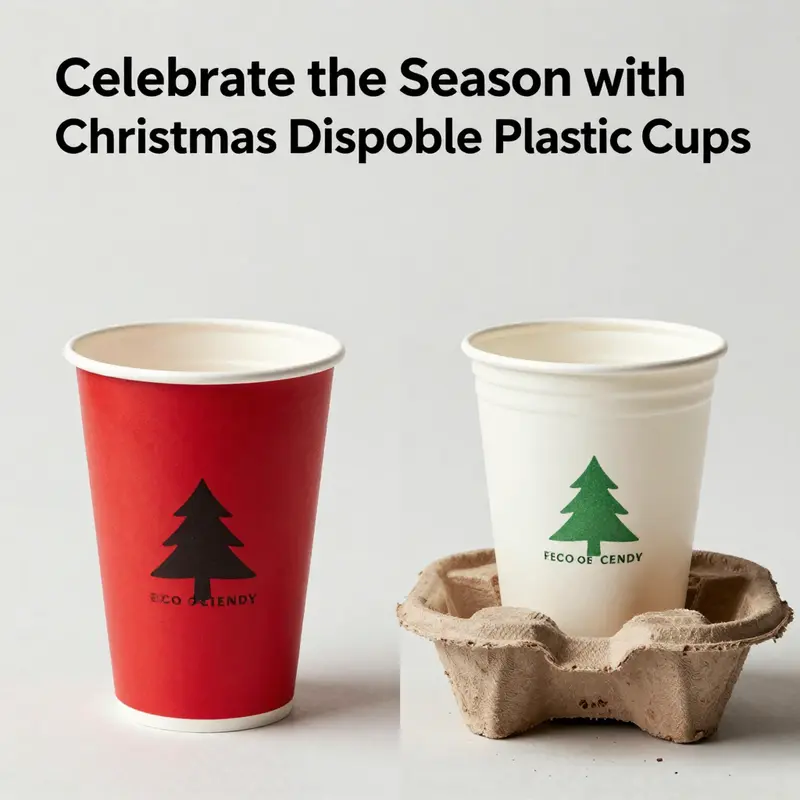
Every holiday table glows with color, scent, and the clink of festive cups. The convenience of disposable cups during Christmas parties is undeniable. They keep drinks hot or cold, resist spills, and simplify cleanup when hosts juggle guest lists, meals, and music. Yet behind the holiday cheer lies a burden that quietly compounds with every unneeded wrapper and discarded cup. The environmental footprint of Christmas disposable plastic cups is not a single number but a constellation of factors that unfold across production, use, and end-of-life. Understanding this footprint requires looking beyond appearance and price to the materials, the energy that powers their manufacture, and the fate of the cups after the party ends. In this sense, the season’s sparkle becomes a reminder that small, momentary choices accumulate into lasting impacts on skies, rivers, soils, and communities.
Material choices sit at the heart of the environmental debate around disposable cups. In many markets, two polymers dominate: polypropylene (PP) and polylactic acid (PLA). PP is durable and well understood. Its production and processing consume energy and generate greenhouse gas emissions, and its recycling streams are familiar in many places. PLA, a biopolymer derived from plant feedstocks, is often pitched as more biodegradable and with lower chemical migration in some contexts. The reality, however, is more nuanced. A key comparative analysis conducted in an industrial context shows that PLA cups can degrade more readily under certain conditions and may exhibit lower migration of chemicals compared with PP cups. Yet when researchers evaluate a broad set of environmental impact categories—climate change, resource depletion, ecotoxicity, and more—the advantage of PLA over PP is not unequivocal. In other words, choosing PLA does not automatically translate into a better overall environmental performance. The lifecycle question matters as much as the material choice itself: how a cup is produced, how it is used, and most critically, how it is disposed of.
The production phase for both PP and PLA requires energy input and emits greenhouse gases. PLA’s appeal lies in its plant-based origin, which can suggest a renewable feedstock; still, the processing, transportation, and finishing steps incur energy costs comparable to traditional plastics. The German studies that inform this debate emphasize that the cradle-to-grave picture is only as strong as the data that describe each stage. When data gaps exist, assessments may underestimate or mischaracterize the true burden. This is not a reason to abandon thoughtful assessment, but a call to strengthen the data foundations so designers, manufacturers, and policymakers can make better-informed choices that reflect real-world outcomes, not idealized promises.
End-of-life realities sharpen the complexity. Improper disposal leads to littering, which translates to lingering plastic in terrestrial and aquatic environments. Once discarded or mishandled, cups can persist for decades, slowly fragmenting into microplastics that may travel through soil and water and enter food webs. PLA’s end-of-life story is particularly tied to the availability of industrial composting facilities. In places without accessible composting infrastructure, PLA often ends up in mixed waste streams or landfills where its intended advantages are not realized. PP, while not a biodegradable option, can be recycled in facilities that handle polypropylene streams, but recycling rates remain uneven across regions. Together, these realities mean a cup’s environmental profile hinges as much on local waste systems as on material choices. A product that is marketed as “eco-friendly” or “biodegradable” can still contribute to pollution if the regional capacity to process it is weak or mismatched with consumer behavior.
The research landscape further emphasizes a gap that complicates decision-making for consumers and organizers. There is a clear need for better degradation data that reflect real-world use and disposal conditions for actual products, plus improved methods for assessing the broad and interconnected impacts of plastic pollution. Without such data, it is difficult to compare options with confidence or to claim a clear environmental advantage for one cup design over another. This limitation is not a trivial technical issue. It shapes regulatory priorities, informs labeling practices, and guides corporate sustainability commitments. It also influences how hosts plan for large gatherings, how venues manage waste, and how communities invest in recycling and composting infrastructure. The takeaway is not doom but a call for more complete information and more harmonized practices so that the seasonal rituals can be enjoyed with a clearer sense of responsibility.
For those weighing packaging choices in the broader ecosystem of holiday settings, it helps to keep the context in perspective. The atmosphere of a Christmas party—its design, color, and mood—often drives adoption of disposable cups because they fit a desired aesthetic and can handle crowd sizes efficiently. However, the same events can shift towards sustainability-minded approaches without sacrificing experience. Clear labeling that communicates end-of-life options, together with transparent sourcing and processing details, can empower hosts to choose products that align with local waste-management realities. In regions where recycling streams are capable of handling specific plastics, that stream can be a viable path. Where composting is more accessible, compostable or PLA-based options may perform better, provided facilities exist to process them under appropriate conditions. The practical question becomes: what is the cup’s ecosystem in a given city, and how can supply chains be aligned to support responsible disposal?
The conversation about Christmas cups also intersects with broader packaging decisions that shape waste streams year-round. Packaging designers and suppliers increasingly explore options that balance performance with recyclability. In this vein, some suppliers promote eco-friendly packaging solutions that are designed to fit existing recycling streams rather than introduce new waste-processing challenges. For broader packaging choices that align with sustainability goals, see eco-friendly disposable 3-compartment packaging for takeout boxes. eco-friendly disposable 3-compartment packaging for takeout boxes. This kind of connection—between the cup at the party and the broader system of packaging and waste management—highlights a practical way to integrate environmental considerations into event planning. It is not a single-choice decision but a set of choices that, collectively, shape outcomes across a city’s streets and waterways.
In holiday settings, the psychology of abundance can complicate decisions about waste. Bulk purchasing, decorative variety, and the desire to present a cohesive table can push planners toward easier, cheaper, or more visually striking options, even if those choices carry a heavier end-of-life burden. Cost considerations compete with environmental concerns, especially when hospitality budgets are tight during the season. Yet there is a growing recognition that small shifts—selecting cups that align with local recycling capabilities, choosing options with recycled-content plastics, or opting for reusable systems where feasible—can accumulate into meaningful reductions in waste. The season invites a design-minded approach: think beyond the moment of use to the trajectory after the party ends. Consider labeling that clarifies disposal routes, and collaborate with waste crews to ensure the right streams are available and accessible.
The narrative around Christmas disposable plastic cups, then, is not a simple tale of good or bad. It is a nuanced story about trade-offs, data quality, and the power of local context. It asks hosts to weigh convenience against planetary health, aesthetics against end-of-life realities, and immediate needs against longer-term consequences. It challenges designers, manufacturers, and policymakers to improve the data that underpin decisions, to improve labeling and transparency, and to invest in waste-management infrastructure that can close the loop for plastics. And it invites consumers to bring a bit of holiday mindfulness to the act of pouring, passing, and discarding—recognizing that a single cup can be a small element of a larger system whose health matters to communities, ecosystems, and future celebrations alike.
External factors such as infrastructure, governance, and consumer education ultimately determine outcomes. The seasonal impulse toward generosity and sharing can coexist with stewardship if choices are informed by lifecycle thinking and supported by accessible end-of-life options. The cup, in its modest way, becomes a microcosm of that balance. By appreciating the interplay of material science, production realities, disposal challenges, and the social dynamics of holiday gatherings, we gain a clearer picture of how to celebrate with care. The path forward lies in combining solid degradation data with practical waste-management strategies, in transparent communication about end-of-life options, and in adopting packaging choices that fit the local environmental and logistical landscape. In that integrated approach, Christmas cups can remain a symbol of festivity while becoming a model for responsible consumption.
External resource for deeper reading: Environmental and littering impacts of disposable cups made of polypropylene and polylactic acid in Germany. https://www.sciencedirect.com/science/article/abs/pii/S235275162500089X
Festive Vessels in Motion: Christmas Disposable Cups Shape Holiday Gatherings

The holidays turn surfaces into stages for warmth, laughter, and small rituals that accumulate into memory. In this theater, Christmas disposable plastic cups play a quiet but essential role. They are more than single-use ware; they are color, convenience, and cohesion rolled into one. The cups carry the season in their hues—crimson, emerald, and gold—that echo ornaments and ribbons. They help create atmosphere at scale when tables brim with food, games, and conversation. And they simplify service for hosts balancing hospitality with cleanup.
Their appeal begins with material and construction. Most Christmas disposable plastic cups are made from widely available plastics such as PET or PP, which provide a sturdy feel without the weight of glass. This durability matters when guests move from kitchen to living room to outdoor porch or transport between venues. The design also matters: an opaque body helps conceal minor wear, a neat trick during long evenings with multiple waves of guests. Yet the cups remain transparent enough, or patterned enough, to let drink colors glow and flex with the mood of a party. When hot chocolate swirls into the cup or a custard-like eggnog settles into the base of a clear cup, the beverage becomes part of the visual tapestry of the night.
Size matters in more ways than one. The two most common capacities—12 ounces and 16 ounces—strike a balance between portion control and practicality. A dozen ounces is ample for spirited cocktails, punch, or cocoa topped with whipped cream, and it translates to a comfortable grip that suits mingling and movement. Sixteen ounces, meanwhile, is ideal for hearty beverages such as spiced cider or hot cocoa with marshmallows. The option to pair cups with lids adds another layer of practicality, especially for guests who travel between rooms or attend outdoor festivities where spills can become distractions. The ability to seal a cup for a moment of transit makes the experience less about fuss and more about enjoyment.
The market responds to the mood of the season with a broad palette of designs. Bulk packs often present multiple designs in a coordinated theme, enabling hosts to mix patterns while still preserving a cohesive look. For example, a 50-pack assortment might include several colors or motifs that align with a color scheme—snowflakes against a midnight backdrop, reindeer silhouettes, or holly-and-berries accents. The result is a dynamic, festive atmosphere that feels curated yet approachable. This versatility is particularly welcome for large gatherings where different rooms or zones require their own visual identity, from a Santa-filled kids’ corner to a more understated, elegant dining area. The functional beauty lies in the ease with which event planners can scale the décor without sacrificing comfort or practicality.
Different kinds of occasions demand different uses, and Christmas disposable plastic cups rise to each requirement with a quiet confidence. Christmas parties, for instance, benefit from the quick service these cups enable. Guests expect to be handed a drink with minimal drama, and the cups ensure that the process remains smooth even as the flow of guests peaks. For winter-themed parties—think sled rides, snowball games, or a cozy cabin gathering—the cups’ sturdy build stands up to a variety of settings, from indoor festivity to outdoor mingling. The single-use design means that hosts can allocate more time to storytelling, music, and shared desserts rather than dishwashing.
Holiday gatherings extend beyond the nuclear family to include colleagues, clients, and community groups. Office celebrations and gift exchanges often require efficient, scalable serving solutions. In such environments, the combination of color, quality, and convenience helps maintain a professional, polished ambience while still embracing the warmth of the season. The cups support rapid service in buffet lines or standing receptions, where guests may sample a few drinks before moving on to the next activity. Even in these high-energy moments, the cups stand up to the pace, preserving the host’s intent to offer hospitality without complication.
Catering events, by their nature, demand a balance of speed, presentation, and reliability. For caterers preparing for a Christmas party or a winter wedding reception, disposable cups become a tool of efficiency. They streamline beverage service, reduce the risk of broken glass, and enable staff to focus on the flow of guests and the arrangement of food stations. Lids and spill-resistant designs can be especially valuable when service occurs in multiple rooms or in a marquee during fringe weather. The ability to prefill or stage drinks in bulk keeps service consistent, while still allowing for customization through color and pattern. In this way, cups become part of the choreography of service rather than an afterthought.
Corporate holiday events often blend practicality with branding. In the right setting, cups serve as a canvas for a company’s aesthetic or message. Bulk orders with thousands of pieces can be tailored to reflect corporate colors, seasonal motifs, or charitable campaigns. The economy of scale is attractive for larger firms planning annual celebrations or client events. Customization—adding logos or a specific theme—can transform ordinary drinkware into a promotional touchpoint that complements table décor and signage. Even when the focus is on efficiency, the cups’ design communicates intentionality and care, reinforcing a professional yet festive atmosphere throughout the venue.
In outdoor winter festivals, the role of disposable cups becomes even more practical. Communal spaces, pop-up markets, and street celebrations often rely on quick, mobile service. A cup that is easy to grab, stack, and pass along supports a sense of accessibility and spontaneity, which are hallmarks of seasonal markets. For organizers, minimizing cleanup time is as important as keeping drinks warm or cold. Here, the combination of an ergonomic shape, durable material, and compatible lids can reduce spills and waste, helping volunteers focus on engagement rather than logistics. The cups also tolerate a range of temperatures, a simple but essential feature when the night air turns brisk and patrons queue for hot beverages.
A broad menu of beverages finds its home in these cups. For cold options, classic fruit punches, sparkling ciders, and festive punches are common choices. Eggnog and hot cocoa remain perennial favorites, often topped with cinnamon dust or marshmallows, and the cups’ design lets the drink’s color and aroma shine or soften depending on the chosen presentation. The opaque body can minimize the appearance of foam, stains, or condensation, which helps maintain a neat, professional look during even the busiest moments of a party. The ability to transition from hot to cold beverages in the same cup family adds to the versatility hosts rely on when designing a multi-hour event. The result is a beverage experience that feels intentional and seasonally appropriate without becoming fussy.
Beyond the surface appeal, there is a thoughtful pragmatism at work. The most popular designs balance visual impact with a practical, budget-conscious approach. The cups are designed to be cost-effective for bulk orders, yet not so plain that they fail to contribute to the ceremony of the occasion. The choice between clear cups versus opaque, or between solid colors and subtle patterns, allows planners to tailor the mood to the venue, guest list, and activities. For family gatherings or community events, the ability to mix and match within a coordinated theme can make the experience both inclusive and memorable. The design philosophy centers on providing a consistent, reliable drinkware experience that respects the pace and energy of holiday time.
As sustainability becomes more central to holiday planning, the conversation around these cups also grows more nuanced. While standard plastic remains widely used because of its cost-effectiveness and durability, manufacturers are increasingly offering environmentally friendly variants made from biodegradable materials. For hosts who want to align celebration with environmental considerations, these options provide a bridge between convenience and responsibility. The trade-offs, of course, include differences in cost, compostability, and performance, especially in hot beverages or under certain weather conditions. Yet the core appeal—ease of use, cohesive aesthetics, and dependable service—remains intact, and many guests are glad to see practical, disposable items that contribute to a smooth, cheerful experience. The result is a holiday season that honors hospitality without overburdening households or event teams.
For planners who want a tangible touchpoint to connect theme with service, a carefully chosen cup design can act as a small but meaningful ambassador for the event. A color palette that mirrors the décor, a pattern that echoes the season’s motifs, or a simple, clean silhouette can reinforce the mood you want guests to feel as they move through a space. The cups also offer flexibility in how drinks are presented—prefilled at a bar, handed out by roaming servers, or tucked into a self-serve station that invites guests to mix and mingle. In this sense, disposable cups become more than container — they are part of the choreography of the evening, guiding guests through the moment with ease and warmth.
For those planning seasonal gatherings, a quick reminder of practical tips can help maximize the cups’ impact. Ordering in bulk with a clear sense of the venue layout reduces the risk of shortages in key areas. Coordinating cup colors with napkins, table runners, and lighting enhances the visual continuity of the space. If customization is needed, even a few cups with a logo or seasonal motif can serve as signage at a buffet or highlight a welcome station. And when the goal is to keep things moving, the combination of quick service, sturdy construction, and effortless cleanup offers a straightforward path to a successful celebration. The result is not merely a stack of cups but an enablement of convivial moments—connections, laughter, and shared joy—made easier by thoughtful design and practical execution.
For outdoor or mobile celebrations, consider a disposable clear plastic cup for parties. It blends visibility with practicality, allowing drink colors to catch the eye while maintaining a neat, professional appearance. To explore options that align with the themes described above, you can browse related offerings such as those designed for party-scale usage and seasonal events. For further reading on the technical aspects and broad categories of cups, see this external resource: https://www.chemguide.com/food/plastic-cups-guide.html
Final thoughts
Christmas disposable plastic cups offer an array of benefits that cater to the needs of businesses during the bustling holiday season. Their cheerful designs and practicality make them perfect for enhancing the festive atmosphere at any gathering. By understanding the materials, market trends, customization options, and environmental considerations, business owners can make informed choices that resonate with their clientele. With a variety of usage scenarios and bulk purchasing options available, integrating these cups into your holiday offerings can elevate customer experience and satisfaction. Embrace the spirit of the season and provide your customers with delightful beverage service that leaves a lasting impression.