
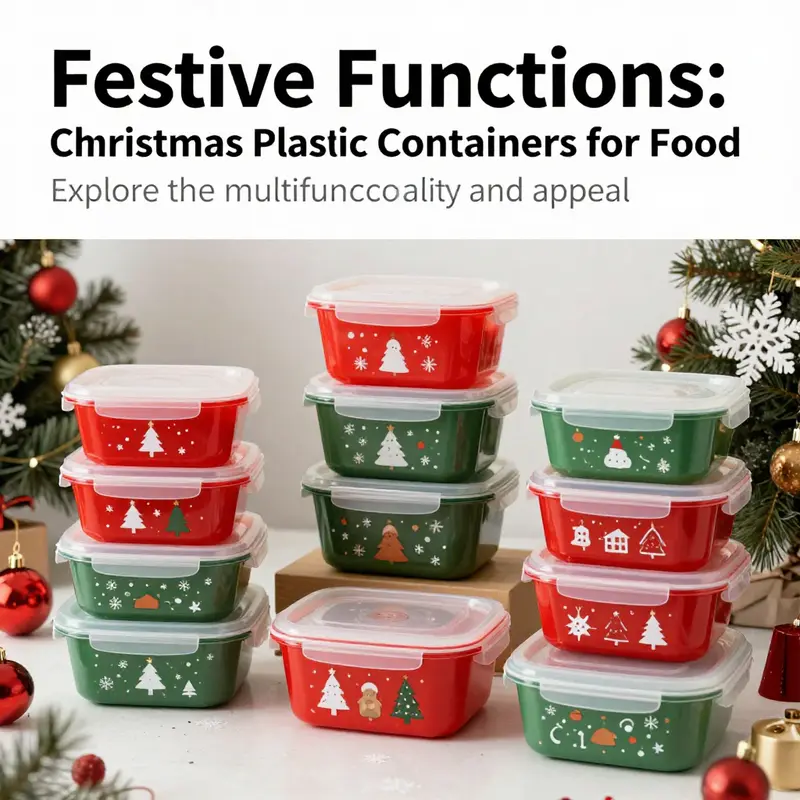
As the holiday season approaches, the demand for creative and practical food storage solutions peaks, making Christmas plastic containers a hot commodity. These versatile containers not only keep your special holiday treats fresh but also add a touch of festive cheer to any setting. With applications ranging from food storage to gift packaging, the functionality of these containers is limitless. This article delves into their versatility, the best purchasing platforms, eco-friendly options, creative uses, and evolving consumer trends, providing a comprehensive understanding of Christmas plastic containers tailored for businesses like bubble tea shops, restaurants, food trucks, and event planning services.
A Festive, Airtight Solution: The Versatility and Craftability of Christmas Plastic Food Containers
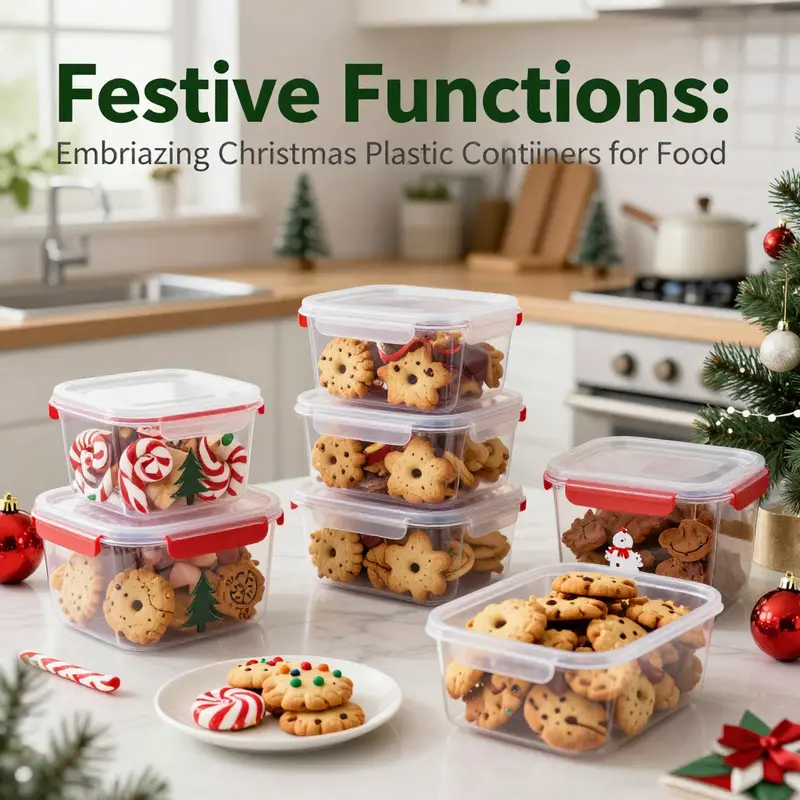
The holiday season invites abundance, and with abundance comes the need to store, present, and share. Christmas plastic food containers sit at the crossroads of practicality and celebration. They are the everyday workhorses that keep cookies crisp, sauces from thinning, and leftovers from losing their charm, all while adding a spark of seasonal character. In many kitchens, the sight of a clear, domed lid catching the glow of string lights signals more than organization; it signals hospitality. These containers offer the visual clarity of glass without its fragility, a blend that makes them especially suited to the rhythms of December when meals swing between intimate family gatherings and lively parties. Their versatility becomes a language of its own, a way to transition from storage to display to gifting with minimal fuss and maximum charm.
At the core of this versatility is the airtight seal. The typical Christmas container borrows a gasketed lid design that reduces air exchange and protects aromas, textures, and colors. This is particularly valuable for holiday leftovers, which often include rich meats, creamy sides, and baked goods whose textures can degrade quickly. An airtight seal helps these items stay fresh longer, preserving moisture in a roll of pastries or maintaining the crisp edge on roasted vegetables even when they sit in the fridge for a day or two. For families hosting cousins and friends, the ability to transport treats without leakage or aroma seepage matters as much as the decorative exterior. The seal also minimizes contamination, a practical safeguard during busy gatherings where multiple hands move in and out of the kitchen.
The materials chosen for Christmas plastic containers reinforce a sense of safety and reliability. Many sets lean on shatterproof plastics such as Tritan™ or clear acrylic, which imitate the look of glass while resisting chips and cracks from busy handling. This combination provides an appealing, almost culinary display quality: the contents are visible, inviting, and easy to identify at a glance, whether in the fridge door, on a buffet, or tucked into a bag for a potluck. The lighter weight of these materials makes them friendlier to children who help with cookies or gift-wrapping, and the inherent durability reduces the risk of breakage during holiday transport. In terms of safety, these choices are often designed to be BPA-free and food-grade, offering peace of mind around holiday meals that center around family and friends.
The aesthetics of Christmas containers extend beyond the material. A well-designed set combines functionality with festive flair. Lids may feature scalloped edges, winter motifs, or snap-on mechanisms that form a snug, secure seal while presenting a tidy silhouette when stacked. The result is a practical décor element: a stack of transparent or lightly tinted containers on a shelf can echo the ordered symmetry of a well-decorated table. On a holiday table, such containers can serve as both storage and display, housing everything from shortbread rounds to pralines and spiced nuts. Their visual appeal supports the idea that food preparation and presentation are intertwined acts of care, turning simple storage into a small ritual of hospitality.
Beyond display, these containers earn their keep through reuse. They are designed to withstand repeated cycles of washing, often in a dishwasher or at least in warm soapy water, and they tend to resist staining and lingering odors when cleaned promptly. This maintenance-friendly nature makes them a sustainable choice for holiday use. The ability to reuse containers for weeks of post-holiday leftovers aligns with a growing awareness of waste reduction during a season known for surplus. Even a modest per-container cost can yield months of utility, which is a meaningful return when combined with the joy of gifting edible treats in a cheerful package.
Practical uses for Christmas plastic containers span the spectrum of festive needs. They work beautifully for bulk storage of cookies, candies, and nuts prepared for sharing, while their airtight seals help preserve the texture and flavor of baked goods and dried fruit. For more substantial fare, they can hold soups, stews, or creamy side dishes with confidence that the contents will remain stable during transport to a family gathering or a friend’s home. Some sets are tailored to serving as portable portions, enabling a single dish to travel in evenly sized servings—ideal for potlucks, office parties, or a neighborly exchange of holiday vibes. The versatility also extends to non-food uses: small containers can cradle homemade spice blends, candy-coated nuts arranged as edible ornaments, or even craft components for a DIY ornament project. The same container that cradles a salty snack can become a decorative gift holder when paired with a ribbon and a simple tag.
A popular impulse during the season is to blend storage with gifting. DIY ideas circulate widely, where a plain container is transformed into a charming present holder—think of a simple round or square container filled with holiday confections, then wrapped with twine, a sprig of evergreen, or a custom-label gift tag. A well-sealed, clear container hints at the contents inside and invites anticipation, turning practical packaging into a thoughtful present. This is where the upcycling spirit finds a home in the kitchen: a ubiquitous, everyday item becomes part of a festive ritual, extending its life while sparking delight in the recipient. The TikTok-era curiosity around repurposing household goods illustrates a broader truth about Christmas containers: their value is not only in what they hold but in how they inspire people to reuse, reimagine, and re-share.
The market itself mirrors this versatility with a spectrum of options that caters to different preferences and needs. For those prioritizing sustainability, reusable options crafted from durable polymers, with seal-tight lids and silicone gaskets, occupy a central role. These containers are designed for long-term use, resisting odors and stains when cleaned with care. For those seeking a lighter, more decorative touch, there are sets that emphasize aesthetics as much as function—clear bodies with festive lids, or translucent containers whose shapes and sizes stack efficiently in a pantry or on a party table. The ability to choose between round and rectangular formats, wide-mouth designs for easy filling and scooping, and variety in lid styles—some with silicone seals, others with snap-lock mechanisms—makes it possible to tailor storage to the specifics of holiday menus, snack assortments, and gift-giving plans.
Another layer of consideration is the cooking and serving workflow during the holidays. The season often requires quick batch cooking and rapid repurposing of leftovers, making containers that are microwave-safe or freezer-friendly particularly valuable. A container that can move from fridge to table to microwave and back to storage minimizes dishwashing and streamlines the flow of holiday cooking. It also reduces the need to transfer contents between vessels, which can introduce spills or compromise texture. When these containers are designed to be stackable, they reclaim cabinet space and create a tidy, organized backdrop for holiday meals. In kitchens where space is at a premium, the efficiency gained from stackable, nestable sets translates directly into more room for the festive display and the cheerful chaos of a busy holiday season.
The accessibility of Christmas plastic containers—through major online platforms and local retailers—further underlines their role as a practical staple. The breadth of options means there is a solution for every scale of gathering, from small family dinners to large community events. The union of durability, safety, and decorative appeal makes them an enduring fixture of the holiday kitchen. And while some designs lean toward the eco-conscious end of the spectrum, others emphasize the sensory rewards of a well-presented table, where the clear plastic frames the colors of holiday cookies and the warmth of cinnamon and nutmeg in a comforting display. The result is a nuanced balance between form and function, one that supports both the practicalities of storage and the ritual of sharing.
For readers who want to explore related packaging options that echo this festive mindset without sacrificing practicality, this resource highlights eco-friendly takeout boxes for food packaging. It demonstrates how design, material choice, and user experience can align even when the context shifts from home storage to event catering and gift presentation. Such connections remind us that the story of Christmas plastic containers is not only about what they hold, but about how they travel—from kitchen to table, from storage to gifting, and from practical tool to cherished memory. As we continue this exploration, the thread remains clear: thoughtful packaging enhances both the safety and the spirit of the season, turning everyday containers into meaningful participants in holiday cheer. For broader context on materials and performance in plastic food containers, see this external resource: https://www.example.com/plastic-food-containers-guide.
Note to readers: the ideas here deliberately center on the continuity between everyday use and festive creativity. The containers’ true value lies not only in how well they preserve food, but in how they invite people to share, celebrate, and connect over simple, well-sealed treats. In the chapters to come, we will examine how these containers can be integrated into seasonal menus, gift-giving strategies, and even small-scale at-home catering, preserving the balance of practicality and charm that makes Christmas storage solutions so enduringly relevant.
eco-friendly takeout boxes for food packaging
Seasonal Shopping Hubs: How E-commerce Platforms Shape Christmas Plastic Food Containers
In the festive period, kitchens become staging grounds for anticipation as much as meals. Christmas plastic containers for food sit at the intersection of practicality and celebration. They are not merely vessels; they are tools that help cookies stay soft, candy curation stay tidy, and gifts become part of the décor. The appeal rests on a blend of airtight performance, durable materials, and festive aesthetics. The most common choices are plastic containers designed for food storage with snap-on lids and, increasingly, silicone gaskets that seal every crumb under a whisper-thin layer of freshness. These features matter because the holiday season pushes food through rapid cycles of baking, gifting, sharing, and consuming. Proper sealing preserves texture and flavor, reduces waste, and simplifies the choreography of holiday gatherings. The materials behind these containers matter almost as much as the lids. Practical options include sturdy polymers such as polypropylene, polyethylene terephthalate, and polycarbonate. Each brings its own balance of clarity, heat resistance, and resilience. When a container is labeled BPA-free, it signals a preference for safer polymers, a choice that adds peace of mind during cookie swaps and family feasts. Microwave safety can vary, and the best designs are those that can go from oven warm to serving tray without surrendering their form. Stackability becomes more than a space saver; it becomes a system for organizing a kitchen that runs at holiday speed. In a season defined by leftovers and tastings, the ability to keep each dish fresh while mounting a cheerful display is a quiet luxury. Design is especially important when holiday motifs are layered onto practical form. Clear bodies allow a view of what’s inside, while festive lids or printed exteriors turn ordinary storage into seasonal charm. The same container that holds a batch of gingerbread cookies can also become a gift container for a tray of petit fours or a jar of homemade preserves. It is this duality—the fusion of function with decoration—that makes Christmas plastic containers a recurring favorite in homes and in small businesses that sell seasonal treats. And because many households rely on a mix of homemade goods and store-bought treats, the versatility of a single container is a real advantage. A well-sealed jar can keep fudge fresh for days, a larger round tub can hold a family loaf of cookies, and a gift-ready tin can be repurposed as a decorative centerpiece after the last bite is taken. In parallel with the practicalities of storage is the creative impulse that the season inspires. Social media has amplified this impulse, turning a simple plastic container into an upcycling project or a thoughtful presentation vehicle. A viral DIY idea might transform an everyday lid into a miniature snow globe, or convert a takeout-style container into a charming gift holder. This trend underscores a broader reality: Christmas plastic containers are no longer just containers; they are craft materials that blend utility with ornament. The upscaling of packaging into part of holiday decor means people are more likely to save and reuse containers, reducing waste while extending the life of gifts and treats. The appeal is practical and playful—the practical side delivers freshness and convenience; the playful side delivers delight when the box itself becomes part of the story around the tree or the party table. Where to buy these containers is as much a part of the holiday equation as their dimensions and seals. The market offers a spectrum from wholesale platforms designed for retailers to consumer-oriented marketplaces where individuals hunt for just the right look. A bulk order might be the sensible route for a bakery or a family preparing party favors for a larger guest list. The wholesale channels typically emphasize price-per-unit, consistent quality across many lots, and the ability to customize sizes or lids to suit the seasonal assortment. For the consumer, the focus often rests on design variety, value packs, and the convenience of quick shipping to a home kitchen. This duality mirrors the broader retail landscape: the same category serves both households and small businesses, each with its own priorities but sharing a common interest in quality, reliability, and a touch of festive flair. To navigate this landscape, it helps to think of platforms as different forms of access rather than as rival destinations. The broadest and most flexible option is a major wholesale hub that connects buyers to manufacturers and suppliers worldwide, offering a wide range of festive-themed containers—think cookie jars, gift boxes, and the kinds of versatile vessels that can be repurposed for a dozen holiday tasks. For the consumer, there are marketplaces that pool offerings from many brands and sellers, creating a shelf of options that accommodates quick decision-making, user reviews, and fast delivery. For those with a specific regional interest or a desire to ship within a particular country, domestic platforms can provide faster service and more predictable lead times. For designers and small shops, independent storefronts provide the chance to source designs that feel handcrafted yet still reliable for food storage, bridging the gap between mass production and personal touch. In practice, the best sourcing approach combines breadth with a clear sense of your needs. If you’re stocking a bakery display or preparing a batch of party favors for a gathering, you’ll want containers that can hold a meaningful quantity, seal reliably, and still fit on a crowded fridge or shelf. If you’re crafting gift boxes or packaging homemade treats, you’ll seek designs that accentuate the holiday mood, perhaps through tinted plastics or printed motifs, and that can be sealed securely to ensure freshness during transit to friends and relatives. The right choice is rarely the same for every project; it depends on the volume, the design language, and whether the aim is to store, serve, or surprise. A practical strategy emerges from viewing purchase options as tiers. Start with a broad, wholesale-oriented search for bulk deals or customizable options if you’re a retailer or organizer of large-scale events. For individual shoppers, lean toward platforms that emphasize quick fulfillment and a broad catalog of festive designs. In both cases, pay attention to key technical details that influence performance: material type, microwave compatibility, lid design, and seal integrity. A lid with a robust snap-on action and a silicone gasket will typically outlast a generic seal, especially with repeated daily use during the holiday season. The container’s clarity matters, too; a transparent body lets you quickly identify contents on a crowded shelf, while a brightly colored lid can echo Christmas hues and signal a ready-to-serve or ready-to-wrap function. As with any seasonal purchase, it’s wise to consider sustainability alongside convenience. Reusable containers—made from durable polymers and designed for long life—offer a more eco-conscious choice than single-use alternatives. This aligns with a growing consumer preference for products that can be repurposed year after year, or that can be easily re-styled for another occasion. When shopping, look for features that support reuse: stackable shapes that save space, airtight seals that reduce waste, and durable finishes that resist cracking from unanticipated door slams or stacking pressures. Even as we celebrate the season, there is room for mindful choices that extend the life of the containers themselves and the treats they carry. The holiday purchase journey also invites an element of storytelling. A simple, well-packaged batch of cookies can carry with it the memory of a family gathering or a friend’s holiday outreach. The container becomes part of that story—the gift wrap can be minimal yet elegant, the lid can carry a handwritten note, and the design can echo seasonal motifs without sacrificing practicality. The ability to combine storage and presentation in a single, affordable unit is what elevates these plastic vessels from mere containers to practical keepsakes. In this sense, Christmas plastic containers fulfill multiple roles at once: they preserve, they present, and they participate in the ritual of giving and sharing. The practical, tangible tips for sourcing become even more valuable when you consider the broad spectrum of design possibilities. A tightly sealed container in a clear body can serve as a gift presentation by simply adding a ribbon, while a more decorative design on the lid creates a centerpiece-like effect on a dessert table. The balance between visibility and decoration matters because it determines whether the container blends into the kitchen background or stands out as part of the holiday tableau. The shopping journey for these containers mirrors the seasonal rhythm itself: it starts with an idea, moves through comparison and consideration, and ends with a choice that merges practicality with a touch of festive personality. For readers who want a concrete jumping-off point in the current market, consider the following practical step: begin your search with a leading wholesale hub that connects buyers directly to manufacturers for bulk orders and customization, then shift toward consumer marketplaces for design variety and fast delivery, and finally explore independent stores for distinctive, eco-conscious options that still meet safety standards. This progression mirrors the real-world shopping journey during the holiday season, where practicality meets personality in the choice of Christmas plastic containers for food. If you’re curious about specific design options that blend function with festive aesthetics, you might explore a collection that features a foldable, windowed cake box designed for easy gifting and presentation; see foldable cake boxes with window. The reach of such designs demonstrates how a single container can serve multiple roles in a busy holiday kitchen and living room, at once practical and charming. In this expansive, interconnected shopping ecosystem, the story of Christmas plastic containers for food becomes a narrative about flexibility and care. It is a narrative written in the language of packaging that supports flavor, guardianship of leftovers, and the dignity of a thoughtful gift. The holiday season invites this care to be visible, making a plastic container more than a vessel. It becomes a conduit for memories, a means by which sweetness travels from oven to plate to gift, and a reminder that the act of packaging can be part of the story we tell about generosity and togetherness. As the season advances, the choices made in the aisles and on screens—choices about size, design, sealing, and origin—become a quiet chorus of practicality and delight, a chorus that keeps the Christmas table full and the kitchen organized. Within this chorus, one practical, tangible tip stands out: when you find a container that feels right for your needs, consider not only its current use but its potential for future reuse. A sturdy container that seals tightly and stacks neatly will likely outlive an impulse purchase, turning from a holiday workhorse into a reliable staple for everyday meal prep in the months that follow. It is this adaptability that makes Christmas plastic containers so enduring. They are not merely seasonal; they are generationally useful but with a festive garnish that makes them instantly appropriate for the moment. And when a shopper discovers a design that blends the right level of see-through clarity with a lid decorated in seasonal hues, the purchase feels less like a single transaction and more like a long-term alignment with a simple holiday habit: to store well, to gift thoughtfully, and to celebrate with a touch of sparkle in every bite and every presentation. To honor the research context, it helps to keep a pragmatic eye on how these platforms shape availability and choice. Wholesale hubs can present a broader palette of shapes and sizes, a feature especially valuable for those who curate cookie boxes or bake-sale assortments. Consumer marketplaces, with their resident reviews and images, offer a way to visualize how a container will look on a holiday table or in a wrap. Independent storefronts provide the chance to source designs that feel handcrafted yet still reliable for food storage, bridging the gap between mass production and personal touch. In the end, the choices multiply not only because of the number of retailers but because Christmas demands a variety of solutions that can travel, transform, and enchant in equal measure. A sturdy, well-sealed container is a quiet ally in the holiday rush, a small but essential piece in the larger mosaic of festive hospitality. For readers who want a concrete jumping-off point in the current market, consider the following practical step: begin your search with a leading wholesale hub that connects buyers directly to manufacturers for bulk orders and customization, then shift toward consumer marketplaces for design variety and fast delivery, and finally explore independent stores for distinctive, eco-conscious options that still meet safety standards. This progression mirrors the real-world shopping journey during the holiday season, where practicality meets personality in the choice of Christmas plastic containers for food. If you’re curious about specific design options that blend function with festive aesthetics, you might explore a collection that features a foldable, windowed cake box designed for easy gifting and presentation; see foldable cake boxes with window. The reach of such designs demonstrates how a single container can serve multiple roles in a busy holiday kitchen and living room, at once practical and charming. External resource: For bulk sourcing on wholesale platforms, see Alibaba. https://www.alibaba.com
Green Cheer at the Table: Sustainable Christmas Plastic Containers that Preserve Flavor and the Planet
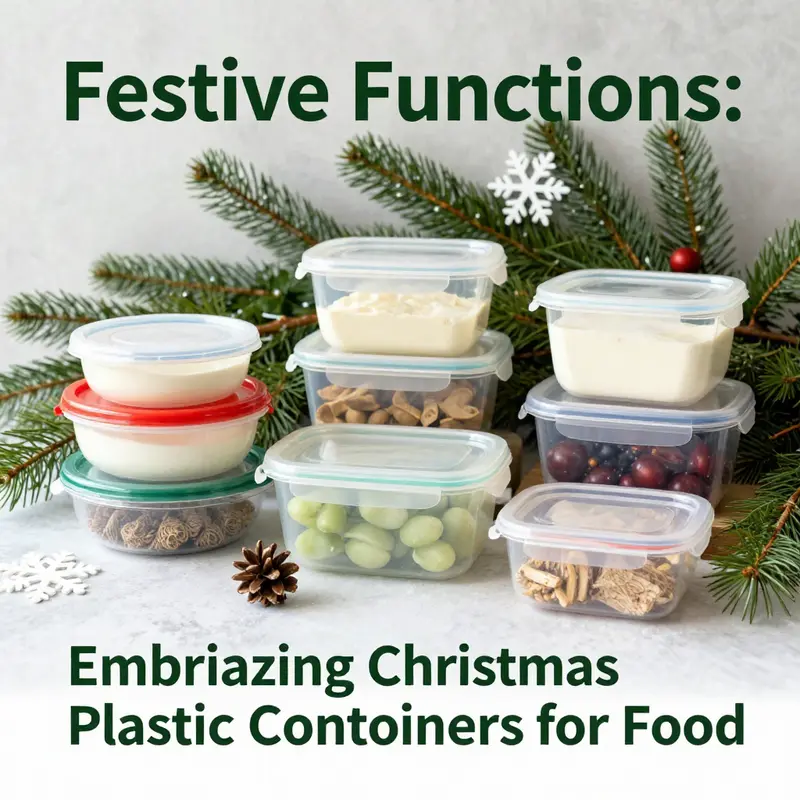
The holiday season invites abundance, color, and the aroma of seasonal treats, but it also tests our capacity to store, share, and reuse without piling up waste. In the evolving landscape of Christmas food storage, the appeal of festive plastic containers remains strong for their practicality, stackability, and ease of use. Yet as awareness of environmental impact grows, many households and retailers are rethinking what “festive” can mean when it comes to packaging. The result is a quieter revolution: Christmas plastic containers that honor both flavor and the planet. These solutions blend cheerful design with materials and construction choices that reduce waste, extend shelf life, and invite reusability rather than a single-use fate. The chapter that follows weaves together how design, material science, and everyday habits intersect during the Christmas season, offering a cohesive view of why sustainability is not a barrier to celebration but an integral part of it.
At the core of this shift is material choice. Traditional plastics offered durability and low cost, yet their environmental footprint remains a central concern. Innovations center on polymers that can be recycled more efficiently, are derived from renewable bases, or are designed to break down under specific industrial conditions. Bioplastics such as polylactic acid (PLA), sourced from corn starch or sugarcane, have gained visibility for transparent or lightly tinted containers that can be composted in industrial facilities. In practice, however, industrial composting infrastructure is not universal, so these materials often require access to appropriate facilities to realize their end-of-life benefits. Beyond bioplastics, the market has welcomed containers made from renewable fibers or plant-based pulp composites. Some designs integrate bamboo or recycled paper pulp, delivering a natural texture and a warm, seasonal aesthetic while still serving practical storage needs. These materials can be engineered to be BPA-free and free of other concerning additives, aligning with food safety standards while avoiding some of the longer-term environmental concerns associated with conventional plastics.
Alongside material reform, the architecture of the containers themselves has evolved. Consumers now encounter modular, stackable designs that are easy to clean and store, reducing the temptation to purchase new pieces each year. In addition, several models feature airtight seals created by silicone gaskets or silicone-based closures. These seals help preserve freshness for cookies, candies, and leftover holiday dishes while minimizing moisture exchange that can lead to spoilage or soggy textures. The hardware that keeps lids secure—be it silicone gaskets, metal clasps, or durable snap-fit closures—has become more robust, designed for multiple uses and extended lifespans. The result is a category of packaging that remains practical during the busy festive season while encouraging repeated use and careful handling.
An equally important thread in this narrative is the potential for upcycling and creative reuse. The holiday period is rich with opportunities to transform ordinary containers into charming gift holders, bake-sale keepsakes, or decorative accents for parties. A widely observed trend is repurposing everyday plastic boxes into Christmas-themed gift packaging, a move that not only extends the life of the container but also reduces waste by preventing a quick discard after a single use. These DIY instincts reflect a broader cultural shift: packaging is now part of the gift itself, an invitation to craft, personalize, and share with intention. In this spirit, many households fold creative use into the way they shop for treats, choosing designs and materials that can either be reused at future celebrations or repurposed within the home. The joy remains in the act of giving, but the footprint becomes noticeably smaller when the container outlives a single holiday.
Market options—though diverse—still cluster around a few core principles: safety, durability, and end-of-life options. Containers are increasingly designed to be microwave-safe where appropriate, allowing reheating of holiday soups or stews in the same vessel used for storage. They are also designed to be easy to wash, with smooth corners and interfaces that resist staining from chocolate, peppermint, or fruit preserves. While some families prioritize clear visibility for quick identification of contents, others favor opaque or semi-opaque finishes that can reduce light exposure and preserve aromas. In parallel, the industry emphasizes non-toxic formulations that avoid harmful chemicals and reduce the likelihood of leaching into food, a point that resonates with households mindful of kids preparing holiday snacks or gifts for friends and relatives.
The festive context amplifies the appeal of reusable options. A set of containers that are dishwasher-safe, stackable, and compact when empty offers a practical advantage for crowded kitchens and limited storage spaces. In this light, the design philosophy becomes practical as well as aesthetic. Containers may be engineered with collapsible features or nested configurations that shrink in volume when not in use, a small but meaningful gain in storage efficiency. Some designs incorporate stainless steel or silicone components that resist warping and maintain a tight seal through many cycles, reinforcing the appeal of longevity over disposability. Even the grounds for decoration are evolving: color-fast paints and embossing that evoke the season can be applied to sustainable materials without compromising recyclability or food safety. In other words, you can enjoy a bright, festive table setting while staying within a lifecycle mindset that discourages single-use, decorative plastic waste.
Evidence from consumer behavior and policy discussions reinforces that the path toward sustainable Christmas containers is not a niche concern but a mainstream trend with real implications for households and the supply chain. Proper sealing and careful handling extend product life and can curb food waste—a critical consideration during a season characterized by heightened consumption. When you bake and box a batch of cookies or assemble a platter of holiday nibbles, a durable container with a reliable seal helps maintain texture and flavor across transport, display, and storage. For leftovers, well-sealed vessels reduce the odds of spoilage and may encourage people to refrigerate generously rather than relying on disposable alternatives. The environmental benefit multiplies when these containers are reused many times and, where appropriate, recycled at the end of their life. In the broader context, such choices also reflect a business ecosystem moving toward materials science that minimizes cradle-to-grave impacts and supports a circular economy mindset.
From a behavioral standpoint, the intersection of celebration and sustainability rests on making greener options accessible and easy to integrate into daily routines. The visual appeal of a beautifully crafted container should not be at odds with its practical use. When a container’s lid locks with a reassuring click, its color aligns with the season, and its surface resists staining, it becomes a familiar tool in the kitchen cabinet rather than a one-off purchase. That familiarity is crucial because repeat use reduces the demand for new packaging and lowers overall waste. The goal is not a dramatic, one-season pivot but a steady shift that becomes second nature: choosing durable, recyclable, or compostable options; cleaning and storing them properly; and, when the time comes to part with them, disposing of them through the appropriate channel. In that sense, Christmas plastic containers can be both festive and forward-looking, carrying the promise of better materials, smarter design, and a lighter environmental footprint without dulling the joy of sharing treats and memories.
To illustrate how these concepts translate into everyday practice, consider a scenario where a family bakes an assortment of cookies, candies, and homemade gifts for neighbors. A set of modular containers, with clear visibility and airtight seals, keeps those treats fresh and makes gifting tidy and professional without resorting to disposable tins. If a container is not needed for the present, its lid and base can be cleaned and tucked away for the following year, or repurposed for storage of seasonal spices or small bakeware. The idea is not to chase novelty for novelty’s sake but to embed sustainability into the rituals of the season, so that each gathering or exchange strengthens the sense of care for both the people involved and the environment around them. In this light, a simple decision—opt for a container designed for reuse, end-of-life recyclability, or industrial compostability where applicable—becomes a meaningful act of stewardship that complements the warmth of holiday hospitality.
For readers seeking concrete pathways to integrate these ideas, a practical starting point is to explore options that align with responsible takeout and home-packaging practices. A representative approach is to choose containers that emphasize durability and reusability, while recognizing the end-of-life realities of your locality. A useful resource for broader packaging choices can guide you toward solutions that balance convenience with ecological responsibility. See this relevant overview for ideas on sustainable takeout packaging solutions. eco-friendly takeout packaging solutions
The conversation about eco-friendly Christmas containers also invites a broader, external lens on plastic waste and recycling. While the holiday rush intensifies demand for practical packaging, it also highlights systemic challenges in recycling infrastructure and consumer clarity about disposal. Global and national perspectives emphasize the importance of choosing materials that can be recycled in local facilities, or that are designed for industrial composting where appropriate, and of reducing contamination that can derail recycling streams. This aligns with evidence from public agencies that plastic recycling is complex, influenced by product design, material blend, and regional capabilities. Understanding these factors helps shoppers make informed choices that support a circular economy, rather than simply trading one form of waste for another. For a broader understanding of why recycling plastic is challenging and what this implies for sustainable packaging, see this authoritative overview from a major environmental agency. https://www.epa.gov/sustainable-management-plastics/why-recycling-plastic-is-challenging
The season’s charm remains intact when surrounded by thoughtful packaging that respects both taste and the environment. The most memorable Christmas gatherings are not defined solely by the treats they present but by the care with which they’re stored, shared, and valued long after the last bite is enjoyed. Sustainable containers can be a quiet but powerful part of that care: they keep flavors vibrant, support gifts that travel well, and, through durability and reusability, reduce the footprint of an otherwise festive, bustling time. In this light, the future of Christmas plastic containers is not a rejection of plastic but a reimagining of its role—one that blends practical performance with ecological responsibility, and that invites households to celebrate with intention, not excess. The result is a season that remains rich in texture, color, and connection, while quietly advancing a healthier relationship with the materials that enable our shared table.
From Pantry to Palette: Transforming Christmas Plastic Containers into Festive Crafts
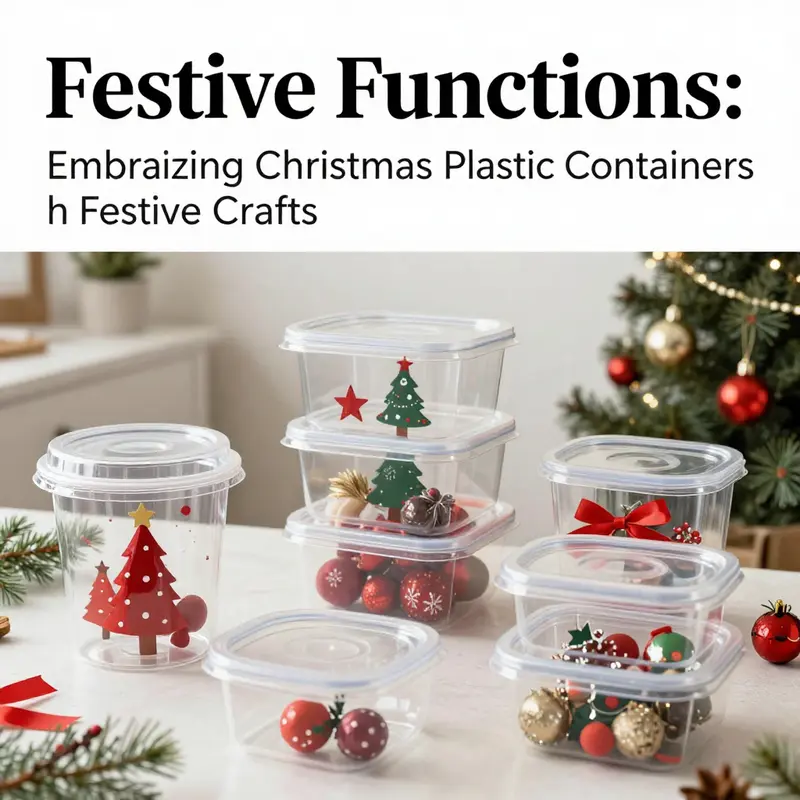
The holiday season often turns ordinary kitchen items into catalysts for creativity, and Christmas plastic containers are no exception. Framed by their practicality—clear visibility, stackability, and reliable lids—they also offer a surprisingly generous canvas for festive experimentation. Rather than simply storing cookies or leftovers, these containers invite a shift in perspective: everyday storage gear becoming decorative accents, thoughtful gifts, or hands-on learning tools. The charm lies not just in what they hold, but in how they invite light, color, and memory to mingle with the season’s signs of gratitude and generosity. When you approach these containers with a craftsman’s eye, you discover that their transparency becomes an asset, letting layers of garland, glitter, or plant life glow from within. The result is a lineage of objects that bridges function and festivity, a quiet reminder that holiday planning can be both practical and playful at once.
Begin with the most visible virtue of these containers: their clarity. When a clear plastic jar or tub is filled with faux snow, pine cones, or tiny glass ornaments, the light travels through the material and casts a soft winter glow across the table. A string of battery-powered LEDs tucked inside can transform a simple centerpiece into a focal point that changes with the room’s mood. The effect is dynamic rather than static, lending a sense of whimsy to a dining area or entryway. The same technique translates to a more intimate display, such as a glassy, jar-like arrangement that holds handmade ornaments, dried citrus slices, and cinnamon sticks. The result feels both curated and approachable, a reminder that seasonal hospitality often favors humble, reusable elements over single-use décor.
The artistry grows when the exterior of the container becomes a surface for personal storytelling. A lid can be transformed with decoupage, stenciling, or hand-painting to become a festive gift box well before it ever serves its next practical role. The beauty of this approach is in its memory-making potential. A jar painted with the recipient’s initials and filled with their favorite holiday treats becomes not just a container, but a keepsake box—an object that can be opened again and again as years pass. The exterior surface invites a dialogue between the maker and the receiver, a tactile exchange that echoes the season’s spirit of giving. This crafting sensibility aligns with a broader idea: the box is as important as the content. In that sense, these containers become carriers of sentiment, turning ordinary storage into expressive packaging that foregrounds care and intention.
Beyond surface decoration, the containers lend themselves to repurposing as gifts in more literal terms. Consider the practice of converting a simple plastic tub into a memory keeper. A family photograph tucked inside, paired with a handful of pressed holiday cards, can transform the container into a portable album, a way to share a year’s moments with someone far away. The lids, often scalloped or subtly decorative, provide a ready-made platform for embellishment—ribbons threaded through the edge, tiny felt shapes glued to the lid, or a small hand-stitched tag that names the season and the giver. Such a project is heartening in its simplicity: no complicated machinery or expensive materials required, just imagination and a few modest craft supplies. The act of assembling a memory box echoes the season’s larger tradition of storytelling, turning storage into a conduit for recollection and connection.
Indoor greens become another path for repurposing. Lightweight plastic containers can serve as durable planters for poinsettias, Christmas cacti, or even seed-based experiments for curious kids. A shallow base allows for a rustic display on a coffee table or window sill, while the lids can be used as mini saucers when inverted. The lightweight nature of these containers makes them especially suitable for children’s science projects, where seeds germinate and sprout in a tidy, transparent environment. Watching a tiny green shoot push through soil inside a clear container offers a direct, tangible link to the season’s promise of growth and renewal. Such uses also subtly reinforce sustainable habits: repurposing rather than discarding, and choosing container designs that can be reimagined each year rather than bought anew.
Sensory play is a realm where Christmas plastic containers shine with playful potential. A sensory bin—filled with holiday-colored pom-poms, metallic glitter, and miniature figurines—can become a tactile landscape for toddlers and young children. The containers’ snap-on lids seal in a controlled environment, allowing for mess-friendly exploration that can be enjoyed during busy host duties without sacrificing safety. The sensory play narrative folds naturally into holiday rituals: counting red and green pieces, sorting shapes, or building tiny winter scenes that reflect the season’s imagery. In this way, the containers migrate from practical storage to meaningful playthings that accompany family moments, reinforcing the idea that craft-making and memory-making can happen in the same breath.
Ornament-making, a quintessential holiday activity, finds a natural partner in the containers’ lids. The edges—often scalloped, charming, and festive—become bases for miniature ornaments. Ribbons can be threaded through, tinsel glued in a playful fringe, or felt cutouts layered with a touch of glue and imagination. The result is a set of ornaments that carry the provenance of their creation, the marks of the materials and the maker’s careful hand. This approach melds the two most satisfying holiday tasks: decorating and gifting. A family can craft a batch of keepsakes to hang on the tree or mail to far-flung relatives, all while keeping the process economical and environmentally conscious. The act of transforming a storage item into a cherished ornament mirrors the season’s larger ethos: making something delightful from something utilitarian.
A concept that underpins all these ideas is modular design and upcycling. The containers’ shape and size enable modular configurations that can morph to suit the moment. You can nest several containers to form a seasonal display that doubles as a centerpiece and a storage system for later. The lids, sometimes designed to interlock or stack, invite experimenting with display arrangements, turning a kitchen counter into a mini gallery of seasonal craft. This modular mindset extends to party décor as well. Small, repeated units can become a garland, a hanging sculpture, or a set of coordinated gift tags. The play of repetition and variation can elevate a simple idea into a cohesive visual story for a gathering, aligning with the holiday’s emphasis on shared experiences and togetherness.
From an environmental standpoint, the repurposing of plastic containers offers a practical example of how households can reduce waste during a period of peak consumption. By reimagining the same object for multiple uses, you extend its lifecycle and minimize the need for new purchases. A well-sealed container used to hold cookies can later store craft supplies, or a centerpiece can be disassembled to reveal its component pieces for a fresh seasonal display the following year. In this light, the containers become a kinetic, evolving element of festive hospitality, a reminder that the season’s abundance can be celebrated with creativity and care rather than with disposable novelty. The ideas presented here underscore a broader message: practical, beautiful, and sustainable solutions can coexist, and the act of crafting with what you already own can be one of the season’s most satisfying rituals.
To knit these threads together, consider how a single container can anchor a small but resonant holiday project. Its transparency invites light to play, its sturdy build supports longevity, and its form accommodates both decoration and function. When you paint, decoupage, or adorn the exterior, you are not altering the container so much as revealing its potential to become something more meaningful. If you choose to link the idea to broader packaging conversations, you might explore the ethos of eco-friendly, microwave-safe, and leak-resistant designs in a way that aligns with sustainable gifting and storage practices. A useful parallel can be found in summoning craft-friendly packaging options that honor both practicality and the season’s celebratory spirit. For readers curious about related packaging ideas that also embrace sustainability, an example worth exploring is the concept of eco-friendly takeout boxes for food packaging, which showcases how everyday containers can be repurposed for festive use without sacrificing safety or convenience.
For further exploration and inspiration, you can view a practical example of this approach in action through a curated product collection that demonstrates how holiday-themed containers can be styled and repurposed. This example highlights how a ready-made set can double as storage and décor, while still honoring the spirit of reuse and personal touch that characterizes festive crafting. If you’d like to see an accessible, ready-made option that aligns with the chapter’s themes of reuse and decorative potential, you can explore relevant collections that emphasize recyclable materials, thoughtful design, and aesthetic versatility.
External resource: https://www.amazon.com/dp/B0C7WQJZKX
Seasonal Storage with Cheer: The Practical and Festive World of Christmas Plastic Food Containers
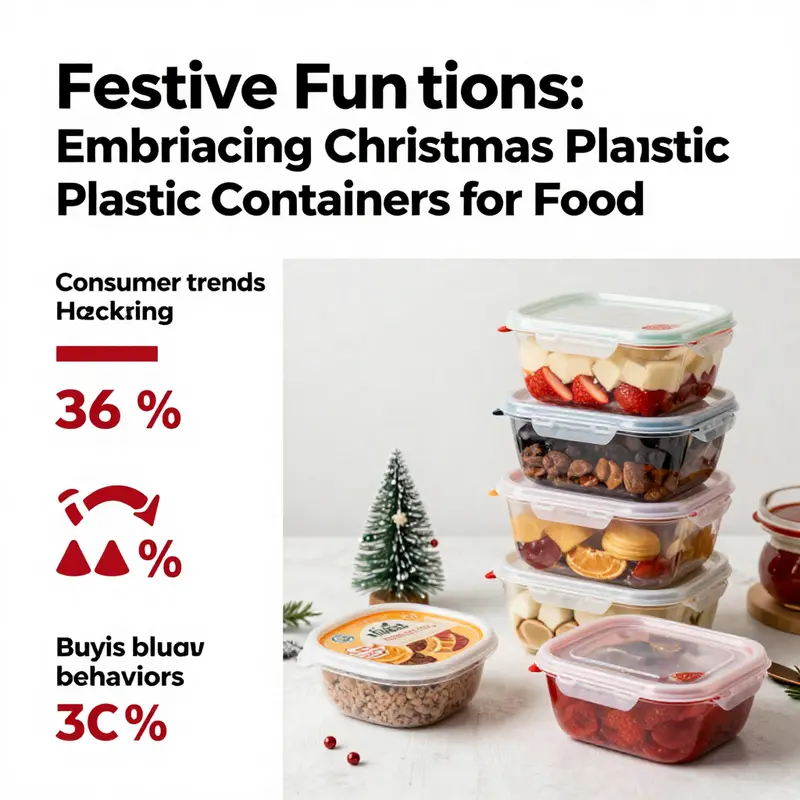
Beneath the twinkle of holiday lights lies a quiet workhorse of the season: the plastic container designed for Christmas food. It is not merely a vessel for cookies and leftovers; it is a small stage on which practicality and celebration perform in tandem. The seasonal rush heightens the need for containers that can keep treats fresh, transport flavors across family rooms and office potlucks, and still offer a dash of festive charm. When you unpack a Santa-red lid or a box with a holly-patterned rim, you are encountering more than packaging. You are seeing a tool that helps organize abundance, reduce waste, and extend the pleasure of holiday foods beyond the moment of baking and serving.
The appeal rests on a blend of convenience and character. Modern Christmas plastic containers are engineered for quick, hassle-free use. They snap shut to form airtight seals, often with silicone gaskets that guard against moisture and odors. These features matter when you are bagging up slices of stollen, a tray of peppermint cookies, or a batch of seasonal soup meant to be shared later with relatives who arrive bearing empty plates and full appetites. The practical benefits are immediately tangible: easy stacking for pantry efficiency, microwave-safe options for reheating festive leftovers, and durability that stands up to the bustle of holiday gatherings. In tight urban kitchens where counter space is precious, a stack of well-sealed, brightly designed containers becomes a dependable ally rather than a clutter culprit.
Yet Christmas packaging is not all about function. The holiday season invites a certain mood, and containers respond with visual appeal. Festive colors, cheerful patterns, and transparent windows that showcase a homemade treat can transform a simple storage box into a considerate gift or a playful centerpiece at a party. The idea of giftable storage has taken on new life in social feeds, where creators repurpose ordinary containers into charming, ready-to-give presents. Tiny acts of upcycling—by converting a standard plastic box into a charming gift holder—illustrate how everyday items can bridge practicality with celebration. A simple dessert jar becomes a thoughtful present when twine is tied around the lid and a handwritten label marks the sweet season inside. In this way, the container is part of the gift itself, extending the joy beyond the moment of consumption.
The market recognizes this dual demand for utility and sparkle. A broad spectrum of shapes and sizes is widely available, from round deli-style containers that can hold soups or bulk snacks to rectangular or tray-like options that simplify portioning and transport. The sizes range from modest one-portion servings to larger family-sized portions, ensuring that a household can choose something that fits both the food and the occasion. For many households, the 32-ounce or similar large round options become staples for holiday leftovers, a practical alternative to bulky foil-wrapped dishes. On the other hand, for home bakers and party planners, cookie tins and dessert boxes with festive exteriors offer a quick, attractive packaging solution that doesn’t demand specialized materials or tools. The broad availability across major online and retail channels makes it easy to select a container that aligns with the event—from a casual family gathering to a formal holiday dinner.
Sustainability remains a nuanced part of the conversation. Across the disposable and plastic food container markets, several threads run parallel. There is a clear interest in reusable options that reduce waste, alongside a desire for items that are microwave-safe and easy to clean. The use of materials such as polypropylene (PP), polyethylene terephthalate (PET), and polycarbonate (PC) is common, with many products designed to be durable and reusable for multiple holiday seasons. BPA-free variants reflect a growing health-conscious stance, especially for foods that travel from kitchen to party table to fridge. Proper sealing is essential here: it preserves flavor, keeps out moisture, and aids in shelf life—crucial factors when holiday menus feature items enjoyed days after they are prepared. During peak season, this sealing becomes even more meaningful as households prepare larger batches and share more often.
That practical thread converges with concerns about microplastics and long-term health impacts. While the evidence is still developing and varies by material, many consumers are cautious about the potential for plastic packaging to release tiny particles into food and beverages. This has nudged some shoppers toward safer options, including containers designed to minimize contact with heating elements and those made from safer polymer blends. It has also spurred interest in alternative packaging approaches, including edible bioplastics and other innovative materials that can reduce plastic dependency without sacrificing the convenience that holiday life demands. The market’s response has been a spectrum of choices: ultra-light, cost-effective containers for casual use, sturdier, longer-lasting options for gift collections and appetizer trays, and designs that encourage reuse rather than immediate disposal.
For the pragmatic holiday host or baker, the decision matrix about Christmas plastic containers often comes down to a simple triad: durability, seal, and presentation. Durability matters when containers are transported to gatherings, used to portion several dishes, or stored in cool basements awaiting the next feast. A reliable snap-on lid with a gasket helps ensure that even the most aromatic cookies or spiced syrups stay contained without leaks. Presentation matters because holiday dining is partly theater. A well-chosen container can elevate a gift, a party favor, or a lineup of leftovers, turning ordinary plastic into something that feels festive and thoughtful. The question then becomes less about whether to use plastic at all and more about selecting the right kind of plastic for the occasion, balancing practicality with the season’s cheer.
The seasonal use of these containers also emphasizes their role in gifting and sharing. Friends and families often create gift baskets that feature an assortment of cookies, candies, or small treats placed inside clear or patterned boxes. The ability to see the contents through a transparent window adds a touch of anticipation to the gift, while still offering the protection of a secure seal. For DIY enthusiasts, a quick transformation can convert a plain box into a holiday keepsake: a layer of tissue paper, a sprig of evergreen, or a personalized tag can turn everyday packaging into something memorable. In this sense, Christmas plastic containers are not just storage devices; they are enablers of generosity, turning simple food into thoughtful moments that carry a bit of the season’s magic.
When it comes to choosing for the holidays, size and function guide many decisions, but design often tips the balance for gift-givers and party hosts. The market’s diversity means there is a container for nearly every holiday scenario—whether you need a robust option for crowd-pleasing dips and stews, a delicate, gift-ready box for holiday cookies, or a slim, snack-sized container to pass around at a party. The readiness of these products to be microwaved for quick reheating, their stackability for nesting inside a larger gift, and their variable visibility through windows all contribute to how they are used during Christmas. And because the season leans into hospitality, the containers’ aesthetic value is not a luxury but a practical advantage that helps plates arrive intact and dishes stay fresh while traversing crowded rooms and bustling kitchens.
To illustrate the fusion of function and festivity in a tangible way, consider a practical option that preserves freshness while presenting a giftable look. For a set that embodies the idea of color, clarity, and convenience without relying on brand names, the concept of pure-color foldable cake boxes with window offers a useful template. The foldable design makes them easy to store when not in use, their window reveals the treats inside, and the color options can complement any festive table setting. pure-color foldable cake boxes with window. This type of packaging demonstrates how a single container can perform multiple roles: a protective vessel for delicate pastries, a visually appealing gift box, and a practical means of sharing treats at a holiday gathering. It also points to a broader lesson about Christmas containers: their value is enhanced when design, material choice, and reuse potential align with how people actually celebrate, share, and remember the season.
As the holiday calendar advances toward Christmas Day, households continue to juggle the practical demands of cooking, baking, and entertaining with the desire to express care through small, well-chosen details. The plastic container becomes a reliable companion through these efforts. It holds a family’s favorite cookies, rounds of spiced nuts, or a batch of warm soup that can comfort a friend on a winter evening. It helps minimize waste by keeping portions intact for future meals and by encouraging reuse. It enables people to participate in the season’s rituals—sharing treats, delivering gifts, and organizing post-feast leftovers—with less mess and more joy. The warmth of Christmas does not depend on the container alone, but the container certainly helps ensure that warmth endures beyond the initial tasting, into days of chilly evenings, and into memories of well-kept flavors.
In the end, the story of Christmas plastic containers for food is a story about balance. It is about balancing convenience with care, durability with design, and the ephemeral sparkle of the season with the practical rhythms that make holiday life possible. The options may be plastic, but their impact can be as lasting as the memories they help create. When you choose the right container, you are not simply packing food—you are preserving the momentum of the season, carrying a little cheer from kitchen to table, and transforming everyday food into shared joy that lasts beyond the holidays themselves.
Final thoughts
As the holiday season surges, understanding the practicality and charm of Christmas plastic containers is vital for businesses in the food service industry. Their versatility makes them ideal for various applications, from festive storage to innovative gifting. Embracing eco-friendly options and staying updated on consumer trends not only meets the expectations of today’s environmentally conscious consumers but can also set your business apart in a competitive market. Equip your establishment with these essential tools and start creating delightful holiday experiences for your customers.