

Clean plastic cups have become indispensable in various beverage service sectors, including bubble tea shops, restaurants, and catering services. Their hygiene and clarity make them perfect for both single-use and limited reuse applications, enhancing customer experience while reducing the risk of contamination. This article will delve into the critical junction between food safety and hygiene practices specific to clean plastic cups, explore eco-friendly innovations that align with modern sustainability demands, and highlight effective marketing strategies that leverage these cups for business growth and brand visibility. Each chapter will build a comprehensive understanding of how clean plastic cups can not only enhance operational efficiency but also contribute positively to your brand’s reputation.
Clear, Clean, and Cautious: The Hygiene Science Behind Plastic Cups for Safe Drinking
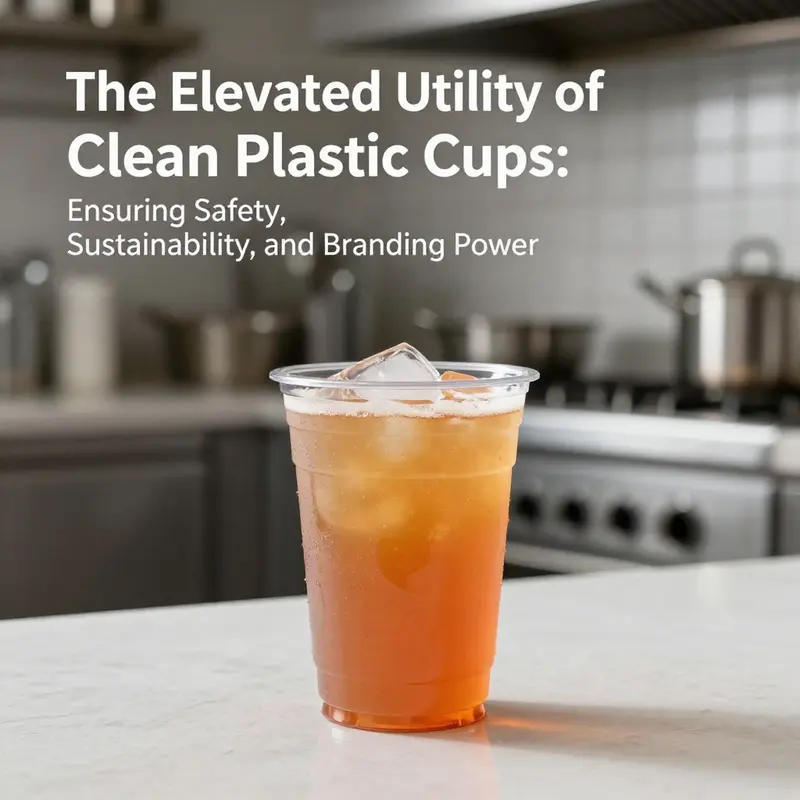
The humble plastic cup, in its gleaming transparency and understated practicality, has become a quiet workhorse of everyday life. It appears in kitchen drawers after grocery runs, in conference rooms during breaks, and at celebrations where the clink of ice and the chatter of guests fill the air. Yet behind that clear exterior lies a field of questions about hygiene, safety, and longevity that few casual users fully consider. The chapter that follows treats clean plastic cups not as mere containers, but as the frontline of daily food safety practices. It argues that the ease of use and the visual appeal of these cups are inseparable from the conditions under which they are cleaned, maintained, and reused—conditions that determine whether a cup remains a hygienic vessel for beverages or a potential vector for unseen contaminants.
At first glance, a plastic cup seems straightforward: a smooth surface, a rim, perhaps a lid, sometimes a seal or a gasket, and a capacity that fits a standard drink. But the surfaces people see when they lift a cup are not perfectly smooth in a microscopic sense. Even the most polished plastic surface contains tiny pores and crevices that can trap organic residues, particularly when the cup has contained fruit juices, carbonated drinks, milk, or other substances with sugars, acids, or fats. In the realm of food safety, those microscopic pockets are more than a curiosity; they are possible harbors for bacteria, yeasts, and moulds when sanitation fails. This is not to demonize plastic cups, but to acknowledge the responsibility that comes with reusing or even repeatedly washing them.
The material choice matters, too. In many disposable or reusable cup designs, polypropylene (PP) and similar polyolefin blends are favored for their clarity, heat tolerance, and food-contact safety. Tritan, a copolyester often discussed in safety contexts, is highlighted for toughness and perceived chemical resistance. When used correctly, these materials resist degradation under ordinary dishwashing temperatures and ordinary beverage acidity. They are designed to be safe for hot and cold drinks and to meet established food-safety standards. Yet safety is not a one-time verdict issued at the factory. It depends on the cup’s continued cleanliness and on how it is used over days, weeks, and months.
One critical nuance is the danger hidden in the lids and gaskets that accompany many cups. A lid may seal tightly, but its inner seals or grooves can create microhabitats—little niches where moisture, sugars, and organic matter linger. The problem compounds when cups are used repeatedly without proper sanitation. In such situations, those hidden crevices become more than a nuisance; they become a breeding ground for microbes. A rigorous approach to hygiene therefore must treat these components with the same care as the main cup body. This is why reliable cleaning protocols emphasize attention to all parts, not just the most visible surfaces.
A second layer of concern arises from the potential for chemical leaching. Repeated use of a plastic cup, especially when exposed to high temperatures or acidic substances, can, over time, increase the likelihood of small amounts of chemicals migrating from the material into the liquid. While PP and Tritan are designed to be stable under normal conditions, the economic and practical pressures of daily life often push cups into regimes that stretch their limits—hot beverages in the morning, citrusy or acidic juices in the afternoon, and then perhaps a light wash that does not fully strip residues. In such contexts, even food-grade plastics must be considered through the lens of wear and repeated exposure. The prudent message is not alarmist alarm but mindful practice: avoid exposing cups to conditions that push the material beyond its comfort zone, and follow care guidelines that align with the cup’s intended use.
What does diligent hygiene look like in practice? It begins with a simple premise: thorough cleaning after every use. A daily washing routine with a mild detergent and warm water is a foundational habit. It is essential to use a soft cloth or a non-abrasive sponge to prevent micro-scratches that can become future harborage sites. Rinsing should be thorough to remove all soap residues, which themselves can attract dirt and influence flavor. Drying is not merely a cosmetic step; it reduces the chance of residual moisture supporting microbial growth. Ideally, cups should air-dry completely in a clean, uncrowded space, with lids left ajar so air can circulate and any residual moisture can evaporate.
For many households and event settings, this daily cleaning is complemented by a more deliberate weekly deep-cleaning routine. A natural cleaning agent, such as a citric-acid solution, can help dissolve mineral deposits from hard water and remove faint residues that soap alone may not fully dislodge. The key is dilution and contact time: a gentle, citric-acid-based soak for several minutes can loosen deposits without attacking the plastic surface. After soaking, a thorough rinse with clean water is essential to ensure no citric acid remains, because residual acidity can conflict with future beverages. This approach reflects a broader principle in food-contact hygiene: routine maintenance reduces the buildup of microenvironments where microbes can proliferate. While citric acid is a natural agent, it still requires respect for concentrations and exposure times to avoid any unintended effects on the plastic.
For those who reuse cups across meals or social events, the cycle of use and wash becomes a system. A dishwasher can be an efficient ally, provided the cups are labeled as dishwasher-safe by the manufacturer and placed in a way that protects them from high-pressure streams that could stress rims or warp lids. If dishwasher use is not practical, hand-washing with warmth and care remains valid. It is important to avoid abrasive cleaners, chlorine bleaches, or strong solvents that can degrade the plastic or accelerate wear. The aim is to preserve the surface integrity so that it remains smooth, transparent, and easy to inspect for any signs of contamination or wear.
The visual appeal of transparency itself becomes a hygiene tool when used with discipline. A clear cup allows servers and hosts to gauge cleanliness at a glance. If a cup appears hazy, spotted, or scratched, it becomes a signal that it may be time for a more thorough cleaning or, in some cases, replacement. This is where design and maintenance intersect. Cups designed with wide openings, smooth interiors, and simple, easily removable lids reduce the proportion of nooks and crannies where bacteria might hide. In this sense, the best cups do not merely look clean; they invite cleaning and inspection, turning everyday hygiene into a straightforward, repeatable habit.
From a consumer perspective, safety is often linked with the materials themselves. PP and Tritan are commonly touted for their safety profiles, particularly when used within recommended temperature and cleaning guidelines. They are intended to be food-contact safe and to resist the kind of wear that would release harmful substances into beverages. Yet safety is not a passive attribute; it is a dynamic result of how the cup is used, cleaned, and stored. For instance, repeatedly filling a cup with hot coffee and letting it cool before washing can create a microenvironment of heat and moisture that promotes microbial persistence if not promptly cleaned. Conversely, rinsing promptly after use and washing in a timely manner reduces the risk dramatically. These practical habits are the most direct bridge between the science of materials and the everyday act of quenching thirst.
Another layer of practical consideration concerns the broader environmental and health-conscious choices people make when selecting reusable versus disposable options. The idea that a reusable cup is inherently safer is true only when the cup is consistently cleaned and maintained. A neglected reusable cup can become a more significant risk than a well-maintained disposable option if it harbors microbes in its inaccessible recesses. On the other hand, investing in a sturdy, easily cleanable cup made from glass or stainless steel can offer long-term health and environmental benefits, particularly when the user has the time and facilities to clean it properly. Such materials typically withstand stronger cleaning regimes and do not suffer the same risk of chemical leaching associated with some plastics when exposed to high heat or aggressive cleaning methods. Yet this choice is not merely about safety; it is also about accessibility, convenience, and lifestyle. The most robust hygiene story is one that aligns with the user’s routine, providing reliable cleaning methods, clear maintenance instructions, and a surface that remains free from microbial-laden residues after every wash.
The discussion would be incomplete without addressing the broader ecosystem in which these cups exist. Clean plastic cups do not operate in isolation; they are part of supply chains, consumer markets, and regulatory environments that shape how they are manufactured, labeled, and sold. Proper labeling can reassure users about safe use and cleaning guidelines, while transparent communication about permissible temperatures, dishwasher compatibility, and recommended cleaning agents helps prevent misuse. In many jurisdictions, food-safety authorities emphasize that hygiene practices extend beyond the cup itself and into the handling, storage, and cleaning processes that surround beverage service. In this way, the sanitary status of the cup becomes a shared standard among manufacturers, retailers, food-service operators, and consumers.
To illustrate how these principles translate into real-world practice, consider the role of transparency and presentation in serving desserts and drinks at gatherings. A clear container or cup that allows guests to see the contents can also reveal any signs of improper cleaning or residue. This is not merely aesthetic; it is functional. It invites scrutiny and fosters confidence. In the world of catering and hospitality, the same logic applies to the way cups are stored, handled, and presented. The container must support not only the beverage’s flavor and aroma but the guest’s assurance that what they drink is clean, safe, and prepared with care. When hosts and service teams adopt a disciplined approach to hygiene, they reduce the risk of contamination and elevate the overall experience. The visual clarity of the cup, when paired with consistent cleaning practices, becomes a symbol of trust as well as practicality.
The conversation about clean plastic cups also benefits from attention to the lifecycle of the items themselves. Reuse, when responsibly managed, can align well with sustainability goals by reducing waste. However, this is true only if the reuse cycle survives the test of repeated cleaning and wear. If a cup shows signs of clouding, scratches, or small cracks that accumulate dirt and micro-etchings, the risk of microbial harboring increases, and replacement becomes a safer choice. In such cases, the decision to reuse or retire a cup should be guided by visible wear, the cleanliness history, and the feasibility of effective cleaning. A simple principle emerges: hygiene should not compromise convenience, but convenience should not override safety.
In shaping a more hygienic culture around plastic cups, a thoughtful design and rigorous maintenance go hand in hand. Manufacturers can contribute by selecting materials with robust resistance to cleaning and heat, and by engineering cups with smooth interiors and easily removable lids and seals. End-user education, meanwhile, empowers people to recognize when a cup is still a safe vessel and when it is time for a replacement. The synergy of material science, practical cleaning regimens, and responsible usage forms a comprehensive approach to a simple object that touches countless everyday moments. The ultimate takeaway is not a dramatic revelation but a practical creed: treat cleaning as a non-negotiable step, respect the limits of the material, and align your habits with the cup’s intended use. In doing so, you preserve both health and enjoyment in equal measure.
Given the clear link between cleanliness and confidence, it is worth noting how the world of clean cups intersects with retail and event planning. Transparent cups—whether for cold drinks or for showcasing a layered beverage—offer aesthetic appeal that can enhance consumer perception of quality. Yet that visual benefit rests on the same foundation of hygiene described above. The mere sight of cleanliness—a spotless rim, a free-flowing interior, a lid that fits without creasing the seal—conveys a message that the beverage within was prepared with care. In that sense, the cup becomes a silent advocate for safety, a small but meaningful participant in the hospitality chain. Designers who optimize for both hygiene and usability help ensure that the cup remains not only appealing but trustworthy across countless uses and settings.
To ground the discussion in practical steps, imagine using a set of clear cups for a family picnic or an office break room. After each use, rinse them under warm water and wash with a mild detergent, paying special attention to the lid and seal areas. Rinse again to remove any soap traces, then dry thoroughly. If mineral deposits or stubborn residues appear, prepare a gentle citric-acid solution for a brief soak, rinse, and dry. Store the cups inverted to prevent dust from settling inside. When you reassemble with lids, ensure the seals are clean and dry before closing. If a cup develops cracks, hazing, or persistent staining that cleaning cannot resolve, consider retirement or replacement to maintain safety standards. The iterative, mindful routine keeps the cups dependable rather than punitive—a simple habit with meaningful health dividends. And when these practices become routine, the cups transition from disposable convenience to trusted everyday instruments in the careful choreography of food safety.
In sum, the hygiene story of clean plastic cups is one of attention to detail, material prudence, and disciplined care. It requires recognizing the biological realities of microscopic pores and the practical realities of busy lives. It asks for careful material choices, thoughtful design, and responsible use. It honors the transparency that users value while insisting on the cleanliness that users require. And it places the everyday act of rinsing, washing, and drying within a larger framework of consumer trust, regulatory guidance, and environmental mindfulness. When those elements align, the simple cup becomes a reliable, safe, and welcome participant in the daily rituals of drinking—whether it is a quiet sip at home, a celebratory toast at a party, or a bustling service in a café. For those curious about how transparency and hygiene intersect in documentation and display, the humble cup invites a broader reflection on how everyday objects can embody care, responsibility, and practical science in equal measure.
For readers who want a concrete example of how the interplay between visibility and hygiene can manifest in product design and marketing, consider a line of clear dessert cups used for serving pastries, yogurts, or fruit cups at events. They demonstrate how the choice of a transparent container can enhance presentation while also challenging cleaners to maintain a pristine interior surface. In such cases, the same hygiene principles apply: thorough cleaning after each use, attention to all components, and a disciplined maintenance routine. Transparent cups remind us that cleanliness is not optional decoration; it is the essential condition that makes the cup truly useful and trustworthy in the hands of cooks, servers, and guests alike.
Exploring these dynamics also invites a broader cultural reflection on how people perceive safety and cleanliness in everyday objects. The public health message embedded in this everyday practice is straightforward: hygiene is a shared responsibility. Manufacturers, retailers, and users each have a role in ensuring that plastic cups perform as intended, without compromising health or comfort. When this shared responsibility is embraced, clean plastic cups can continue to serve as reliable vessels for hydration, nourishment, and simple pleasures, all while remaining aligned with both personal health priorities and broader environmental considerations. The result is not a solitary commitment to cleanliness but a collaborative standard for everyday safety that travels from factory floors to kitchen counters, from event spaces to home offices, and from one sip to the next.
As a final reflection, the topic of clean plastic cups illustrates a broader truth about everyday objects: safety and usability are not contradictory goals but mutually reinforcing ones. The clean cup is safe not only because it is made from food-grade materials but because it is cared for with consistent, mindful practices. The most durable hygiene is achieved not through single measures but through a consistent pattern of design, education, and routine. In a world that relies on convenience, the art of keeping cups clean becomes an act of stewardship—protecting health, preserving materials, and sustaining the small rituals that define modern life. The cup, in its quiet elegance, becomes a testament to how everyday tools can embody thoughtful science and responsible living.
Internal link reference for readers seeking a tangible example of transparency in dessert cups and packaging: clear cake cups for desserts and cake packaging.
External resource for further safety guidelines and best practices: UK Government Food Safety and Hygiene guidance.
From Clarity to Circularity: Innovations Redefining Eco‑Friendly Clean Plastic Cups
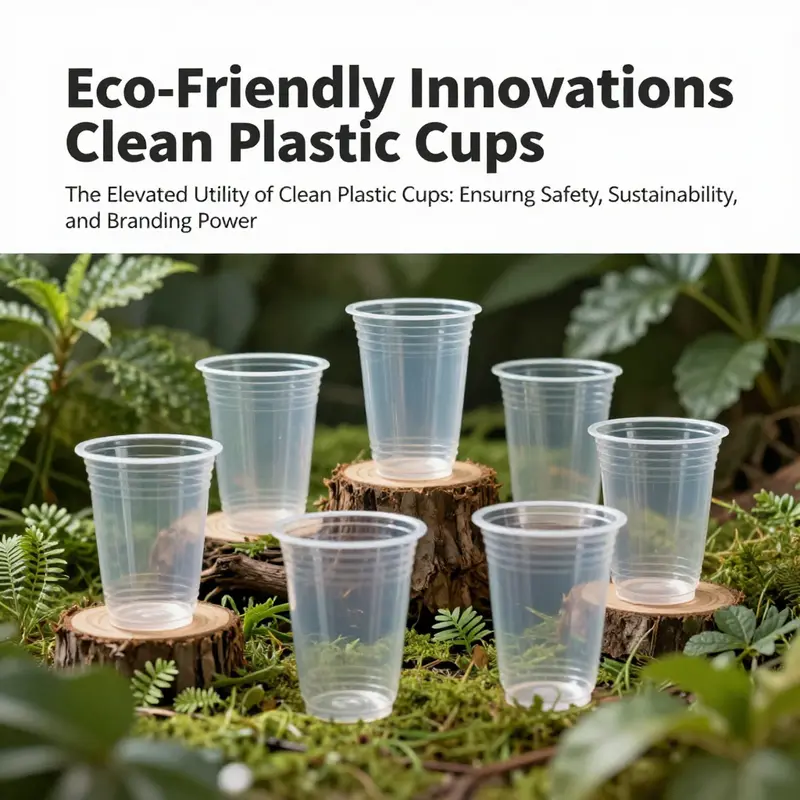
The shelf life of a modern beverage experience is as much about what holds the drink as about how it meets the demands of a crowded planet. Clean plastic cups sit at an unusual crossroads, balancing the fast pace of modern consumption with the slower, steadier rhythms of sustainability. For years, it was enough that a cup was clear, sturdy, and inexpensive; now, the expectations extend beyond mere function. Consumers want transparency not just of the liquid but of the material’s life cycle. They crave cups that perform without compromising the environment, and producers respond with an evolving menu of eco‑friendly innovations that reimagine what a disposable or reusable cup can be. The chapter that follows traces the arc from traditional clear cups to a future where the design, materials, and systems surrounding these cups weave a tighter, more responsible loop—without sacrificing the practical benefits that make clean plastic cups indispensable for events, retail, and everyday hydration.
At the core of this shift is material science that blends performance with responsible sourcing. It begins with the choice of feedstock, because every cup’s footprint starts long before the manufacturing line hums to life. Polylactic acid, or PLA, has become a familiar reference point in conversations about compostable plastics. Derived from renewable resources such as cornstarch or sugarcane, PLA is marketed as a more sustainable alternative to conventional petroleum‑based plastics. In many industrial facilities, PLA cups are certified as compostable, offering a pathway to recover value from used cups in specialized composting streams. Yet the promise carries a caveat that cannot be overlooked: home compost systems—and, indeed, many natural settings—do not provide the conditions necessary for PLA to break down effectively. This misalignment between marketing and real‑world disposal highlights a recurring theme in eco‑innovation: the most glamorous material may not automatically translate into a seamless end‑of‑life solution.
To truly move toward circularity, the industry has also expanded the repertoire of reusable designs. Double‑wall insulation—an approach that traps air or foam between layers—has emerged as a practical response to the tension between convenience and energy use. The robust construction of these cups makes them durable enough for repeated use, while their insulating properties shield hands from heat and protect beverages from temperature fluctuations. In environments ranging from busy cafés to large outdoor events, such features reduce the demand for new single‑use cups over time. The savings are not merely in material consumption; they extend to user experience. A cup that remains comfortable to hold at hot temperatures can encourage longer periods of reuse, which, in aggregate, shifts consumption patterns away from disposables toward a more sustainable rhythm.
Beyond PLA and insulating designs, the industry has turned to food‑grade polypropylene and bioplastic blends as a versatile pathway to greener cups. PP offers clear advantages: strong liquid resistance, good clarity, and excellent durability, all of which are crucial for cold beverages, smoothies, and iced coffees that define contemporary drinking culture. Some manufacturers pursue blends that incorporate bamboo fibers or other rapidly renewing natural materials, seeking to balance mechanical performance with a lighter ecological touch. The result is a family of cups that can meet strict safety standards while still contributing to a lower environmental burden when compared to traditional plastics. Certifications play a decisive role here; standards such as FDA approvals for food contact, ISO9001 quality management, and EU regulatory compliance help ensure safety across commercial and event settings. In practice, these certifications provide a reliable signal to buyers that a cup can be used in high‑volume operations without compromising product integrity or consumer health.
The story of material choices is only part of the equation. The supply chain for eco‑friendly cups operates at scale, and that scale brings its own set of opportunities and tensions. Global manufacturers increasingly emphasize not only the raw materials’ sustainability but also the efficiency and ethics of their production processes. The distribution network—spanning online marketplaces to wholesale channels—plays a critical role in how quickly innovations reach buyers, how customization is offered for branding, and how the costs of greener cups are kept within reach for small businesses and large events alike. In practice, this means that buyers can often choose cups formed from sustainable polymers, printed with branding or messages that reinforce environmental commitments, and delivered in a time frame that suits planning calendars. The logistics are not trivial; presenting a beverage experience that aligns with sustainability claims requires attention to MOQs, lead times, and the ability to scale up or down with demand. In many cases, MOQs begin in the tens of thousands, with delivery windows stretching across weeks or months. These realities reveal how eco‑friendly innovation sits not only on the lab bench but also in the commercial and operational networks that bring cups from factory to table.
As the market embraces these materials and designs, another strand of innovation focuses on the systems that close the loop. The closed‑loop concept envisions reusable cups that are collected after use, cleaned, and redistributed for subsequent service. This model holds undeniable appeal: it can dramatically reduce waste by reintroducing the same cups into the supply chain rather than discarding them after a single use. In practice, deploying closed‑loop systems requires substantial infrastructure—systems for collection, laundering, and redistribution, plus clear ownership models and incentives to ensure high return rates. Yet even as closed loops promise waste reduction, they confront practical hurdles. Contamination risks, the energy and water footprints of cleaning, and the complexities of coordinating return logistics can offset some of the gains if not carefully managed. Methane emissions from landfilling also loom as a harsh reminder that a solution is not simply about reusing more cups but about managing end‑of‑life streams with integrity.
In this sense, the future of clean plastic cups rests on a continuum rather than a single breakthrough. It blends improvements in material science with smarter product design and more intelligent systems. On the material side, research continues to optimize compostability, recyclability, and durability. A cup that remains clear and structurally sound while requiring less energy to produce and less solvent use to recycle represents a meaningful win. On the design side, cups are increasingly conceived with end‑of‑life pathways in mind. That means, for instance, selecting polymers that are widely recyclable within existing municipal streams or that pair well with industrial composting when appropriate. It also means considering the total energy and water costs of production and recycling so that the environmental advantage is not merely theoretical but verifiable in practice.
To bridge theory and practice, several narratives converge. Consumers are not passive recipients in this transition; they influence materials choices, disposal habits, and reuse behaviors through expectations and actions. When a cup is marketed as eco‑friendly, the promise must be backed by credible performance in the life cycle—from cradle to grave. This requires transparent reporting and straightforward labeling that helps users identify the correct disposal channel. It is also essential that the branding and marketing of eco‑friendly cups do not overshadow real environmental benefits with greenwashing. In this sense, a truly sustainable cup must offer verifiable reductions in environmental impact relative to conventional options, and those reductions must persist across real‑world scenarios—from a bustling festival to a quiet café corner.
A careful balance emerges between branding, performance, and sustainability. The very clarity that makes plastic cups appealing—the ability to view the beverage inside—also supports a visual validation of cleanliness and freshness. Yet that same clarity invites scrutiny: if a cup is promoted as eco‑friendly, how does that claim hold up when the cup is returned for reuse or sent to a recycling or composting stream? In other words, the clarity that defines the product can be leveraged to communicate responsibility, but it also imposes a responsibility on manufacturers to deliver verifiable outcomes. This is where the interplay of materials, manufacturing controls, and end‑of‑life management becomes pivotal.
For planners and designers of events, offices, and retail spaces, the practical takeaway is not a single shortcut but a menu of options aligned to specific contexts. If an operation can invest in a closed‑loop program with reliable collection and cleaning, a reusable, insulated cup can become the centerpiece of a sustainable service model. If a business must prioritize convenience and low upfront cost for disposable service, PLA or other bioplastics might be chosen with a clear understanding of the available composting infrastructure and its limitations. If a brand seeks to communicate environmental stewardship through its tableware, durable PP blends or bamboo‑fiber composites can be paired with robust labeling and a transparent end‑of‑life plan that informs customers about how to dispose of cups in the right streams. Importantly, none of these paths is inherently superior in all situations; each carries its own set of trade‑offs, and the most responsible approach often involves a portfolio that accommodates different use cases while maintaining a consistent commitment to reducing waste and emissions.
The chapter’s closing reflections turn to the wider context of policy, industry collaboration, and consumer education. Regulatory landscapes increasingly support materials that can be recovered through established streams and discourage practices that hinder recycling or composting. Yet policy alone cannot realize circularity; it needs a thriving, collaborative ecosystem among manufacturers, waste managers, retailers, and users. That collaboration is amplified by clear benchmarks, shared data, and common definitions of sustainability. In this sense, the innovations described here are not merely technical sketches but elements of a broader systemic evolution. When practitioners speak of a cup as a component of a sustainable experience, they are acknowledging that every choice—from source material to end‑of‑life channel—contributes to the final environmental profile. The most compelling cups will be those that demonstrate real improvements across the entire life cycle, supported by credible documentation and accessible pathways for responsible disposal.
To readers who want to dive deeper into the material and policy nuances, one can explore straightforward resources that summarize material grades, performance, and industrial uses. For instance, a comprehensive guide on eco‑friendly plastic cups in the UK offers detailed insights into how material grades influence compostability, recyclability, and practical performance in industrial settings. This resource helps connect the dots between lab results, factory practices, and the realities of waste management on the ground. For a practical glimpse into how these innovations translate into everyday use, consider examining the way a typical clear plastic cup with a lid and branding options can be integrated into a large event plan, keeping in mind the end‑of‑life infrastructure and the available recycling or composting streams. As the industry continues to evolve, so too will the expectations placed on suppliers, operators, and consumers to make choices that honor both convenience and stewardship. In that spirit, the conversation about eco‑friendly innovations in clean plastic cups remains a living dialogue, one that invites ongoing evaluation, transparent reporting, and collaborative action across the entire supply chain.
For readers seeking an internal perspective on practical applications and branding possibilities within the same space, a helpful reference can be found here: clear plastic cups for events. This link serves as a concrete example of how a simple, clear cup can be adapted for various occasions while still honoring considerations of cleanliness, safety, and display appeal.
As we look ahead, the trajectory is clear: innovations will continue to refine materials, optimize production and end‑of‑life processes, and deepen the alignment between commercial viability and environmental responsibility. The cup that holds a beverage may be a small object, but its evolution reflects a larger shift in how societies design product life cycles, measure impact, and imagine the future of consumption. The path from clarity to circularity is not a single leap but a shared journey, one that invites designers, engineers, retailers, and everyday users to participate in shaping a cleaner, more resilient system for drinkware.
The Transparent Edge: How Clean Plastic Cups Turn Everyday Beverages into Brand Narratives
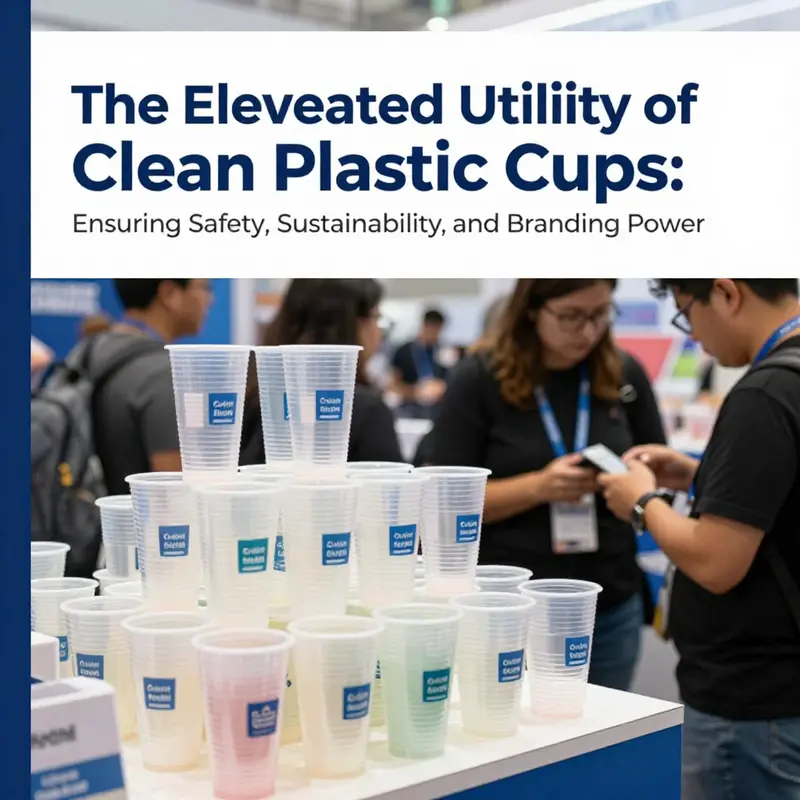
The clarity of a cup is more than a design choice; it is a strategic signal. When a drink sits inside a clean plastic cup, the container becomes a steward of perception as much as a vessel for liquid. The material, typically PET for cold beverages, offers a level of purity and visual appeal that makes the drink itself the centerpiece. The word clean in its context is not just about sanitation in the factory or the absence of contaminants. It signals a commitment to hygiene, food safety, and responsible handling from production to peak consumption. In environments ranging from bustling trade shows to quiet office receptions, clear cups enable a brand to present itself with a certain restraint and sophistication. They invite the eye to travel from the liquid’s color to the cup’s own glassy finish, and back again, creating a feedback loop of visibility and trust. This is the foundation of marketing with clean plastic cups: the cup becomes a stage on which a brand’s story is told, a mobile billboard that travels with the consumer through a crowded room, across a garden party, or along a trade floor’s busy aisles. In such contexts, the cup’s transparency is not merely aesthetic; it is a practical amplifier for messaging that is simple, legible, and repeatable.
The most effective campaigns recognize that a clean plastic cup can host more than just a logo. It is a surface with which people interact constantly. From the moment a guest reaches for a beverage to the moment they place the cup back down, the cup carries branding, information, and a mood. This makes the design task less about decoration and more about strategic communication. The messaging must be legible at a glance, resilient under varying lighting conditions, and compatible with the beverage itself. Clear cups preserve the integrity of the drink’s appearance, which means the color, texture, and even foam of a beverage become part of the advertisement. The drink’s presentation is a live, ongoing advertisement, streaming from the cup’s surface directly into a customer’s memory. In practical terms, this translates into a careful balance of typography, color contrast, and proportional space that respects the cup’s curved geometry while maintaining legibility from multiple viewing angles. It also means embracing the idea that less can be more. A sharp logo paired with a concise message or a simple social handle can be more memorable than a crowded graphic. The result is not merely a drink served in a cup; it is a branded moment that can be photographed, shared, and recalled long after the event ends.
A key tactic for unlocking this potential is dual-side logo placement. The concept is straightforward: the primary logo appears on one side, while the opposite side hosts a complementary message—whether a succinct slogan, a social handle, or a scannable QR code. This ensures the brand’s presence remains visible no matter how the cup is held or rotated. In practice, this approach turns every sip into a potential touchpoint. At a product launch or a festival, for example, attendees encounter the brand both directly and in passing, through the movement of the cup in social spaces. A QR code invites interaction beyond the event, guiding customers to online resources or loyalty programs, while the slogan reinforces the brand’s core value proposition. The beauty of dual-side printing lies in its efficiency; it allows marketers to communicate multiple layers of information without crowding a single surface. It also accommodates different contexts. On one side, bold logo branding catches the eye in bright light; on the other, a clean, minimal message offers a secondary point of connection that can be digested quickly in motion. When executed with precision, this strategy elevates a disposable item into a durable, even lasting, brand impression.
Branding at high-traffic events is another natural fit for clear cups. The cups’ crystal-clear finish showcases the beverage itself, which is especially compelling for visually vibrant drinks such as fruit-infused waters, tea blends, or layered coffees. A crisp, high-contrast logo print on a clear surface appears sharp and premium, enhancing the overall event aesthetic. In venues that host large crowds—outdoor festivals, corporate gatherings, or community outreach programs—the cup doubles as a portable brand display. The investment in high-quality print on a transparent surface pays dividends in perceived value; attendees perceive the brand as polished and professional, even in a crowded, noisy environment. The cup’s transparency also supports brand storytelling. It encourages a consistent color palette and beverage presentation, tying the drink’s appearance to the brand’s visual identity in a seamless, cohesive way. The result is a unified experience where the product, the packaging, and the event’s atmosphere become part of a single, memorable narrative.
Sustainability is not just a trend; it is a central consideration for campaigns that aim to align branding with values. Brands increasingly seek recyclable materials like PET or polystyrene, enabling campaigns to maintain visual appeal while communicating environmental stewardship. Clear cups provide a practical canvas for sustainability messaging when the print and choice of material reflect a brand’s commitments. For campaigns that want to emphasize responsibility beyond aesthetics, it is worth highlighting recyclability credentials and end-of-life options. The conversation then shifts from merely “how does the cup look?” to “how does the cup align with our environmental values?” and “how does it engage consumers in a broader conversation about sustainability?” In this context, the choice between materials becomes a storytelling decision. A PET-based option can underscore recyclability and clarity; a compostable alternative, where appropriate, communicates a bold stance on waste reduction. Even the packaging ecosystem surrounding the cups—lids, straws, or sleeves—can reinforce this message when designed with recyclable or compostable in mind. The marketing impact, then, is twofold: the cup conveys brand aesthetics, and its material choices convey brand ethics. Consumers increasingly reward brands that can prove both.
Beyond the surface, the concept of reuse complements the campaign’s long-term potential. Customizing reusable plastic cups is not merely a nod to sustainability; it is a strategy for enduring brand exposure. Reusable cups become daily touchpoints, traveling from home to office to social events, extending the cup’s lifecycle and, with it, the brand’s visibility. This long-tail effect supports loyalty initiatives, repeat use, and word-of-mouth as customers reuse the cups in daily life. The marketing payoff lies in the multiplication of brand impressions over time. When a cup is part of a loyalty program, participants may accumulate points or receive exclusive offers each time they refill, turning a routine activity into a branded experience. The challenge is to design reusable options that retain the same clarity and print quality as disposable variants. The cup must withstand cleaning cycles and repeated handling without losing legibility or visual appeal. Materials, coatings, and print methods should be chosen with durability in mind, ensuring the design remains legible across many uses.
Another dimension of these campaigns is the opportunity to weave a narrative across channels. A clear cup used at a live event can be integrated with social media efforts, influencer outreach, and digital advertising through a coordinated marketing calendar. A unit’s dual-side design invites tech-enabled engagement; the QR code on one side can link to a product video, a recipe, or a loyalty sign-up page, while the other side reinforces the brand’s personality with a memorable phrase. This approach creates a multi-channel experience that extends beyond the physical cup. Attendees may share photos of their beverages on social platforms, tagging the brand and using a campaign-specific hashtag. The cup becomes a catalyst for user-generated content, broadening reach at minimal incremental cost. In the best executions, the cup’s design provides a platform for storytelling rather than a simple surface for a logo. The story can be about freshness, craft, or community—whatever aligns with the brand’s central message—and the cup acts as a portable, affordable storyteller.
From an operational standpoint, these strategies rely on careful coordination between design and production teams, event planners, and venue partners. The print area must be calibrated to ensure readability on curved surfaces, with margins that survive handling and stacking. Color choices should maximize visibility under various lighting conditions, including outdoors at midday or indoors with mixed lighting. A well-defined style guide helps keep print quality consistent across batches and venues, preserving brand cohesion. The technical considerations also include alignment between cup geometry and printing capabilities, as misalignment or distortion can erode the perceived quality. The objective is to deliver a clean, consistent aesthetic that communicates reliability as much as creativity. When the cups are part of a larger experiential marketing effort, every visible surface—lids, rims, and even the drink’s color—should harmonize with the broader campaign narrative. In sum, the cup is a practical asset whose potential is unlocked when marketing teams treat it as a moving, living billboard rather than a one-off prop.
To illustrate how these ideas translate into tangible impact, consider how a brand might approach a high-traffic setting such as a community festival. The setting demands legibility at a distance and in motion. A dual-side design ensures the brand’s logo remains visible as attendees pass by in lines or clusters. The complementary messaging on the opposite side can offer a succinct value proposition or a call to action, such as inviting participants to visit a booth for a tasting or a quick survey. The crystal-clear surface heightens the drink’s visual appeal, making the beverage itself part of the brand’s theater. A PR or experiential team might pair the cups with a social media activation, encouraging attendees to post a selfie with their drink and the cup’s logo visible in the frame. The result is a cascade of organic reach that begins with a functional beverage and extends into digital engagement. This is where the cup’s design intersects with population-level engagement strategies, turning a simple drinking vessel into a vehicle for social interaction and brand resonance.
As campaigns evolve, brands also consider how the cup’s storytelling can reflect broader corporate values. For health-focused brands, the cup’s clarity can symbolize transparency in product sourcing and process integrity. The cup becomes a conduit for communicating rigorous hygiene standards and safe handling practices, which strengthens trust. For brands championing sustainability, the emphasis shifts to circularity: how the cup is produced, how it can be recycled, and how consumers can participate in responsible waste management. In this frame, the cup’s surface tells a story about who the brand is and what it stands for. It is not merely a container but an interface between consumer experience and corporate responsibility. This alignment between product, packaging, and brand ethos can deepen customer loyalty and differentiate a brand in crowded markets where many competitors boast similar flavors and textures.
A practical caveat accompanies every opportunity: the realities of cost, print limitations, and supply chain reliability. Clear cups with full-color, high-resolution logos require careful budgeting. The price per unit may be higher than plain cups, particularly when dual-side printing and durable inks are involved. Yet the incremental cost often yields disproportionate gains in perceived value, event photography, and shareable moments. The durability of the print is equally important; inks must withstand moisture, repeated handling, and dishwashing with reusable cups. For marketers, the key is to balance ambition with feasibility, prioritizing the messages that drive the strongest ROI and ensuring the campaign can scale across multiple events and venues without sacrificing consistency.
The opportunities extend beyond the event itself. Restaurants, bars, and retailers can leverage the same principles in everyday service to maintain a consistent brand environment. Even in a casual setting, clear cups with subtle branding can reinforce the brand’s tone—from playful and approachable to premium and refined. The objective remains the same: to create a cohesive, legible, and emotionally resonant experience that translates sip after sip into memory. In the long run, what begins as a simple beverage container can reinforce a brand’s presence in a consumer’s routine. This is the essence of marketing with clean plastic cups: a flexible, cost-conscious channel that aligns design, function, and brand storytelling into a single, continuous flow.
For teams crafting campaigns, a practical takeaway is to start with a clear brief that defines the core message, the audience, and the contexts in which the cups will appear. From there, a design pass should verify readability on both sides of the cup, confirm eco-credentials, and ensure alignment with the event’s visual language. When ready, one can pilot the concept at a mid-size event to observe how attendees interact with the cups, gather feedback on visibility and appeal, and measure social engagement stimulated by the campaign. The learnings from this pilot can then inform broader rollout across multiple locations and campaigns, capitalizing on the cups’ portability and visibility. This iterative process—conceive, test, refine, scale—embeds brand presence in ordinary moments, turning an everyday beverage into an intentional expression of identity.
To connect this discussion to concrete, practice-ready considerations, it helps to think of clean plastic cups as a canvas that invites selective, purposeful branding. They are not blank, but they reward clarity and restraint. The most successful campaigns treat the cup as an integrated touchpoint—part beverage vessel, part brand ambassador, part data portal. A well-designed cup communicates confidence, hygiene, and shared values in a single glance. It invites interaction without demanding it, and when the moment arises, the cup makes it easy for a consumer to act—whether that action is sharing a photo, scanning a QR code for more information, or joining a loyalty program. In this sense, the cup is not a passive container but an active participant in a brand’s experiential strategy. It travels, it photographs, it communicates, and, if crafted thoughtfully, it persuades—quietly, elegantly, and effectively.
For further reading on the technical and material considerations that undergird these marketing strategies, see the external resource that surveys the landscape of clear plastic cup design and usage as a category. This resource provides deeper context on material grades, printing capabilities, and industry standards, complementing the practical insights outlined here. Additionally, a practical example of a disposable clear plastic cup suitable for events and everyday use can be explored in related internal product offerings that showcase how a brand can translate theory into tangible, high-visibility design choices. disposable clear plastic cup for parties and events.
External resource: External research on clear plastic cup design and usage (All About Clear Wholesale Plastic Cups With Lids) can provide foundational context for the material choices, print technology, and safety considerations that inform effective marketing campaigns. https://www.benjaminross.com/wholesale-plastic-cups-with-lids
Final thoughts
Clean plastic cups play a multifaceted role in the beverage industry. They ensure food safety, reflect a commitment to sustainability, and serve as powerful marketing tools. Understanding their importance not only aids in compliance with safety standards but also enhances your brand’s image. As we move towards a more environmentally conscious society, embracing eco-friendly innovations in clean plastic cups while leveraging them for strategic marketing will position your business favorably amid increasing competition. Choosing high-quality, dependable clean plastic cups could just be the next smart move for your business.