

Clear disposable plastic bowls are transforming food service and beverage industries by combining style with functionality. Ideal for bubble tea shops, restaurants, food trucks, and catering services, these bowls not only showcase colorful food but also meet food safety standards. In this article, we will explore the benefits of clear disposable plastic bowls, the various materials used in their production, and the sustainability challenges and solutions that the industry is navigating. By understanding these aspects, businesses can make informed choices that enhance service quality while also considering their environmental impact.
Crystal Clarity, Practical Service: The Hidden Power of Clear Disposable Bowls in Modern Food Service
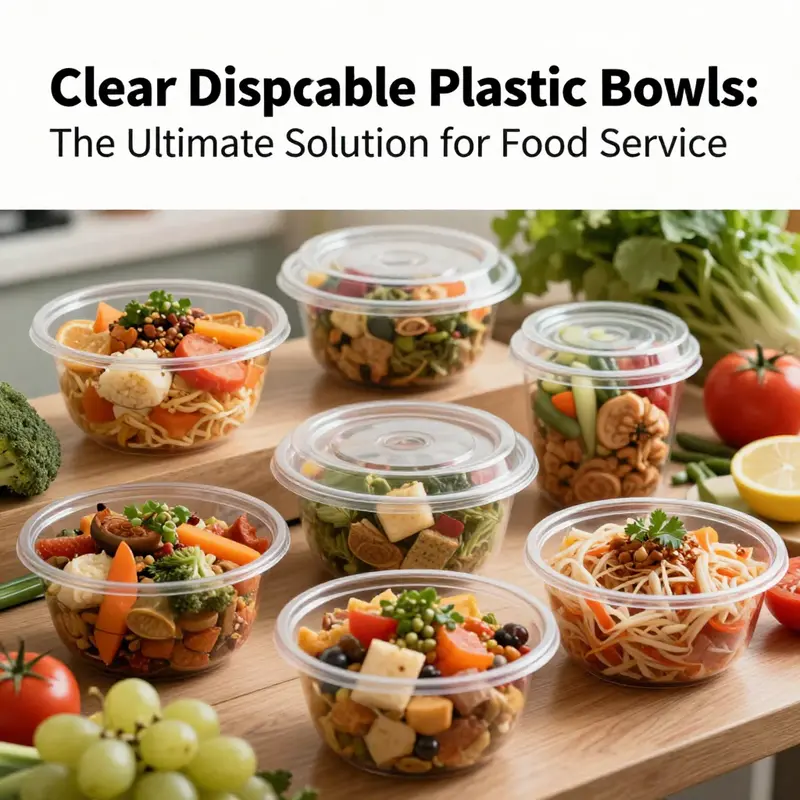
The first impression a guest forms in a dining or catering moment often comes before the first bite. It starts with light, color, and the unassuming clarity of a container. In the realm of food presentation, clear disposable bowls function as more than just vessels; they act as a transparent stage that frames every ingredient, inviting the color, texture, and shine of what is inside to speak for itself. When a bowl is crystal clear, sauces glisten, fruit slices appear sunlit, and layered desserts reveal their internal architecture. The bowl becomes almost invisible, letting the dish take center stage. This visual leverage is not a mere stylistic flourish. It underpins a broader operational logic, aligning aesthetics with practical considerations of hygiene, portability, and efficiency that define contemporary food service—from bustling buffets to intimate pop up events.
Behind the glassy surface, a careful balance of materials and design choices enables this clarity without compromising safety or function. Most clear disposable bowls are constructed from food-grade polymers such as PET, PP, or PS, each chosen for its own set of advantages. PET and PP stand out when hot foods or microwaving are part of the workflow, thanks to higher heat resistance and stable clarity. PS, while still clear, tends to be more brittle and less amenable to high temperatures, which naturally steers some applications toward cold dishes or cold-storage relevance. HDPE provides a robust alternative for durability in cold or cool storage environments. These material profiles are not merely technical footnotes; they map directly to how a kitchen operates. A dish that travels from kitchen to buffet line to takeout bag must remain intact, hold its shape, and, crucially, maintain a pristine appearance throughout its journey. Clarity becomes a tangible asset in both the dining room and the delivery window, where customer perception is shaped by what they can see as much as by what they taste.
The hygiene story that accompanies single-use bowls is equally compelling. In environments characterized by high throughput and varied dining occasions, the ability to deploy containers that are sterile upon opening, simple to handle, and easy to discard offers a pragmatic solution to cross-contamination risks and labor costs. The single-use nature eliminates the back-end washing and sanitizing steps that would otherwise occupy valuable labor hours and require significant storage and water resources. For catering teams and takeout operations, this translates into predictable, repeatable service quality. It also aligns with stringent food safety expectations. Reputable suppliers typically ensure compliance with recognized standards and certifications that govern food-contact materials, from FDA regulations to EU food-contact guidelines. In a world where a misstep in food safety can ripple through a business, the predictability of a compliant, single-use bowl is a meaningful safeguard.
Durability is another facet of clarity, particularly when a service model depends on transport and multi-stop delivery. Bowls crafted from PET or HDPE typically exhibit resilience against impact and shifting loads, reducing the risk of cracks or leaks during handling. This reliability matters in many service contexts, from a hotel buffet that zigzags through a banquet hall to a mobile caterer setting up in an outdoor venue. Even in settings that require a certain level of elegance, the design has evolved to marry aesthetics with sturdiness. Some models offer a seamless rim and a smooth inner surface that helps prevent leaks and makes stacking more stable. The visual appeal remains, but the practical benefits—ease of stacking, space efficiency, and predictable performance—become just as compelling as the gleam of the bowl’s surface.
The range of applications for clear disposable bowls speaks to their versatility. Large-capacity bowls serve family-style presentations, salad bars, or buffet lines where generous portions are a key part of the experience. Smaller, portion-controlled bowls lend themselves to tasting menus, dessert samplers, or appetizer stations, where precise presentation and portion control matter. Among specialized designs, there are no-cut-out soup bowls with smooth rims engineered for hot liquids, where structural integrity and safety are paramount. Ramekin-style and Serlian bowls elevate presentations in fine dining or upscale catering, offering a refined silhouette that still benefits from the disposability and clean lines that clear plastics provide. Spoon dessert bowls, with their broad mouths and modest depths, are particularly effective for puddings, mousses, and layered desserts, where the spoon can glide through the contents and the dessert can be appreciated through the clear container. In between these extremes, sample or mini bowls support tasting portions, palate cleansers, or dessert samplers, expanding the repertoire of what a service concept can offer without introducing fragile, breakable containers.
The design language of these bowls is not merely about looking good; it is about enabling a smooth workflow. Lightweight and easy to handle, they support quick service and simple, rapid turnover. A well-considered bowl design minimizes the friction of service, from the moment a guest selects a dish to the moment it is delivered to a table or a takeaway bag. The ability to seal in freshness with clear lids that are transparent mirrors the brand promise of a clean, food-forward experience. Clear lids enable transport without compromising visibility, allowing customers to assess the contents at a glance while maintaining containment and reducing spill risk during transit. For many operators, packaging that looks neat and professional at the point of pickup or delivery translates directly into perceived value, reinforcing brand standards without the need for elaborate packaging solutions that would add cost and complexity.
Beyond aesthetics and practicality, there is a nuanced conversation about temperature stability. While PET and PP-based bowls routinely withstand microwaving and hot storage, different materials unlock different use-cases. PET tends to offer clear visibility and decent heat tolerance, while PP can push slightly higher heat resistance and impact resilience. PS, particularly in foam form, can provide insulation for certain cold items but may require careful handling to avoid brittleness or cracking under stress. The temperature profile of a dish informs not only the choice of bowl but also the sequence of service, whether the dish will be consumed immediately, kept in a refrigerated display, or transported to a cozy event site. When a bowl maintains its shape and clarity across these conditions, it reassures the operator that the dish will present well from prep to plate, a continuity that is especially valuable in multi-site or event-driven services.
As sustainability concerns grow, many players in the field are exploring alternatives that preserve clarity and convenience while addressing environmental impact. Biodegradable options, such as compostable polymers, are increasingly offered, primarily certified for industrial composting standards like ASTM D6400. These versions aim to provide a path toward reduced landfill burden without sacrificing the clear presentation that customers expect. Yet sustainability is not a one-size-fits-all equation. The practical realities of supply chains, recycling infrastructure, and regional waste-management capabilities shape how and when these alternatives are adopted. In markets with robust recycling streams, the emphasis may be on recyclability and circularity for PET and PP, while in regions with limited processing capacity, compostable solutions may offer tangible advantages. The conversation about sustainability also interacts with the broader trend toward smarter packaging—packages designed for easy separation, clear labeling about material type, and procurement choices that support takeout and catering ecosystems without compromising performance.
From a procurement perspective, the choice of a clear disposable bowl becomes a decision rooted in clarity—literally and figuratively. Operators must evaluate heat tolerance, seal compatibility with lids, and the reliability of the supply chain. Compatibility with microwaves, if required, becomes a practical criterion, as does the availability of lids that maintain visibility while preventing leaks. The packaging ecosystem surrounding the bowls—lids, labeling, branding opportunities—adds another layer of strategic value. A well-chosen bowl can become a canvas for branding through custom labeling, printed designs, or color accents that stay in harmony with the dish and the event concept. It is not simply about the bowl itself; it is about how the container contributes to a cohesive service narrative that communicates quality and reliability at every touchpoint.
The narrative of clear bowls also intersects with the evolving expectations of guests and customers. Clarity invites a sense of freshness and honesty. When a guest can see a colorful fruit salad glistening through a transparent wall, or a panna cotta framed by a clear edge that does not compete with the dessert, the experience feels more prepared, more deliberate. The psychology of visibility matters. Consumers infer freshness and portion integrity when the contents are plainly visible. Conversely, the wrong messaging can occur if the container’s quality lags behind the perceived quality of the food inside. Clear bowls, by their nature, set a high bar for material consistency and visual integrity. This is the quiet demand of modern service: that presentation accompanies taste without distracting from it. In many catering operations, this alignment—clarity enhancing appetite—becomes a competitive differentiator that does not require elaborate plating or expensive wares.
The integration of clear bowls into broader menu and event design reveals an interesting symmetry. For buffets and self-serve stations, the transparency of the container makes the lineup visually coherent; guests can scan options quickly, compare colors, and make decisions with minimal effort. For plated or semi-plated experiences, a slender rim and elegant silhouette can elevate the perceived value of a dessert service or a delicate starter. The bowls also pair well with a range of other disposables—from lids to sealable toppings containers to small dessert spoons—creating a modular system that can be tailored to particular events without sacrificing the simplicity and speed that define efficient service.
In practice, this means choosing clear bowls becomes a decision about how a venue wants to be perceived and how it wants to operate. Do you prioritize ultra-thin, crystal-clear PET for maximum visibility and lightness, suitable for cold items and quick turnover? Or do you lean toward rugged PP for steadier performance in busy service lines where heat and impact resistance are nonnegotiable? Do you need foam-insulated variants for cold desserts or soups in a longer transport chain? Each option carries implications for cost, sustainability, and guest experience. The role of lids, seals, and the sometimes overlooked compatibility between bowls and their closures is another piece of the puzzle. A lid that seals effectively without obscuring the contents sustains freshness, protects portion integrity, and makes the dining experience more practical for on-the-go consumers.
The practice of sourcing these bowls often sits at the intersection of supply chain pragmatism and creative branding. Many operators leverage standard, multi-size packs that accommodate a full range of dishes—from 4-ounce ramekins for custards to 8-ounce or 12-ounce bowls for salads and soups. Custom branding is widely available, enabling logos, event names, or playful motifs to ride along with the food presentation. This is where packaging storytelling becomes a genuine extension of the culinary narrative. A well-branded, clear bowl with a matching lid can feel like a premium experience even when the item itself is a single-use product. At the same time, the choice of materials reflects a commitment to safety and compliance. Food-grade certification, traceability, and clear labeling about what the container can hold and how it should be handled are essential for operators who want to deliver not just a dish but a trustworthy service experience.
When we widen the lens to the broader market trends, the narrative around clear disposable bowls is less a single trend and more a convergence of convenience, visibility, and responsible packaging. The modern food service ecosystem thrives on speed, but it also values presentation and safety as nonnegotiables. Clear bowls answer both demands with a single design language: transparent, sturdy, and adaptable. They support food-service operators in delivering consistent experiences across channels—dining rooms, takeout, and event spaces—without requiring a proliferation of different bowl styles. The minimalism of a transparent container can be an enabling factor in menu design, letting chefs focus on ingredients and technique rather than compensating for visual deficiencies in the container. In this sense, the bowl functions not just as a vessel but as a silent partner in the culinary process.
Within this framework, the sustainability discussion deserves particular attention. The appeal of single-use items is typically counterposed against environmental concerns. Yet the industry is rapidly evolving, with suppliers exploring recyclable options and compostable formulations that still preserve the essential clarity and strength of the container. The practical balance involves considering local waste-management capabilities and the real-world lifecycle of the product. For some operators, a recyclable PET or PP option may align best with regional recycling infrastructure and expectations for end-of-life processing. For others, an industrially compostable version offers a path to minimize post-use waste, provided there is access to appropriate composting facilities. The emerging reality is less about choosing one path and more about selecting the path that aligns with a venue or brand’s broader sustainability goals, regulatory context, and consumer expectations.
From a reader’s vantage point, the clear disposable bowl emerges as a microcosm of modern packaging decisions. It embodies the tension between performance and responsibility, between the desire to present food in its best light and the obligation to consider the environmental footprint of every serving. It is not the final answer to sustainability, but it is a practical component of a larger strategy that includes waste reduction, recycling, and, where feasible, composting. The narrative around these bowls remains dynamic as new materials, certification standards, and recycling innovations continue to evolve. As with any packaging choice in food service, the best decisions are anchored in the specifics of the operation: the type of cuisine, the scale of service, the typical transport distance, and the preferred guest experience. The goal remains constant: to deliver foods that look as good as they taste, in containers that are safe, reliable, and aligned with the values of the business.
For readers seeking a practical touchpoint in this landscape, consider how a single, clear bowl can unlock a coherent service concept. You can explore related options through one of our internal references that aligns with the broader theme of disposable tableware, including compatible packaging solutions that complement bowls with windowed or decorative packaging. This connection mirrors how the right container integrates with the entire presentation—creating a consistent, efficient, and visually compelling guest experience. If you would like to see a concrete example of a compatible, disposable packaging pair, you can explore a related product page referred to in our internal catalog: disposable paper bowls. disposable paper bowls.
In sum, the clear disposable bowl is a simple, versatile tool whose value is amplified when its materials, design, and lifecycle align with the operator’s goals. It supports a fast-paced service culture while still honoring the visual integrity of the dish. It reduces labor and risk without sacrificing the dish’s appeal. And it remains a reliable platform for brands to express clarity, quality, and care at a moment when guests decide what to eat based as much on presentation as on flavor. As suppliers refine formulations and as waste-management infrastructures mature, the role of the clear disposable bowl will continue to evolve, staying true to its core strengths while expanding into new patterns of sustainability and applicability. The next chapter will further explore how these containers interact with the evolving landscape of ready-to-eat and on-the-go foods, and how operators can design cohesive experiences that leverage both the practical and aesthetic advantages of clarity.
External resource for deeper standards and technical specifications: https://www.plasticbowlguide.com/
Seeing Through Service: Materials, Clarity, and Care in Disposable Clear Plastic Bowls
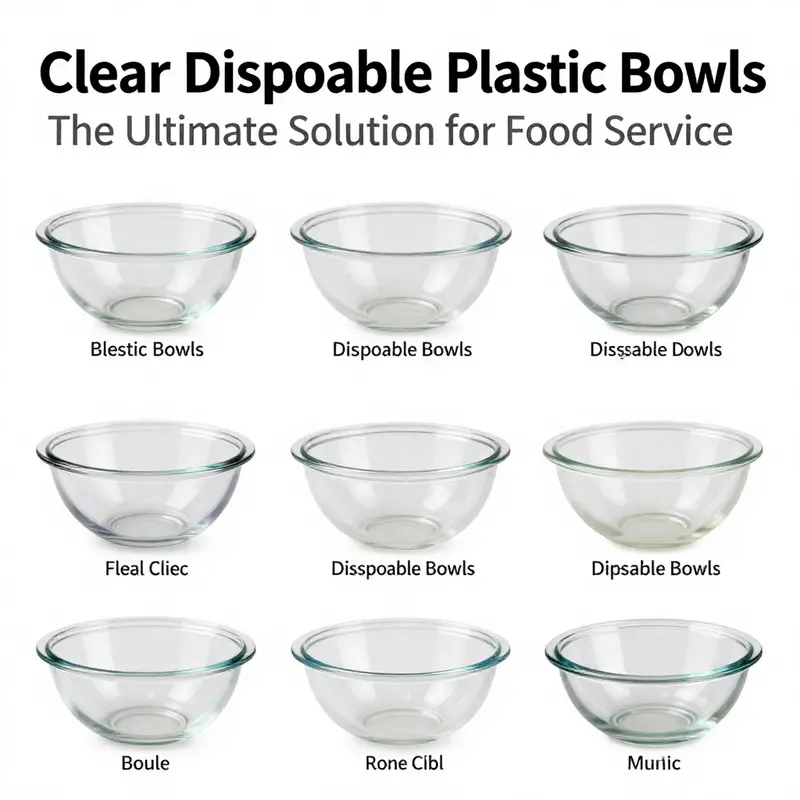
Clear disposable plastic bowls are more than a convenience; they are a deliberate choice at the intersection of presentation, practicality, and safety. In food service, catering, and home use, the way a bowl handles the moment of truth—the reveal of color, texture, and composition—often determines whether a dish is simply served or celebrated. The act of presenting a dish in a transparent vessel signals confidence in the food’s integrity and invites appreciation for its palette. This chapter covers the materials behind these bowls and how their properties translate into everyday use, from the kitchen to the dining bench or the takeout bag.
At the heart of clear bowls is the idea of visibility tempered by protection. Materials chosen must balance clarity, strength, heat tolerance, moisture barrier, and recyclability, while remaining safe for direct contact with food. The most common choices are PET, PP, PS, and HDPE. Each brings a distinct profile shaped by the intended application. The right choice is rarely about a single feature; it is about how the bowl performs under real conditions, how it is stored, transported, and disposed of, and how it aligns with the service model and brand promises. In premium displays, clarity matters as much as containment; in high-volume takeout, durability and cost take on greater weight; in cold applications, transparency may be paired with a forgiving heat profile for short warming or no heating.
PET, or polyethyleneterephthalate, is prized for crystalline transparency and robust visibility. The glassy, nearly invisible quality makes the food appear to float, letting colors and textures be seen in sharper relief. This is not only aesthetic; it influences appetite and perception. PET is strong and shatter resistant, reducing breakage during handling and transport, a meaningful advantage for events and outdoor service. It performs well for cold or room temperature foods and is commonly used for single-portion servings where the vessel’s transparency is part of the appeal.
Heat resistance distinguishes PET from some other clear plastics. It can tolerate higher temperatures, extending usefulness when a dish may briefly encounter warmth or when a cold item is stored near a warmer service area. Microwave safety with PET depends on design and additives, but many PET formats are suitable for limited microwave use. PET is recyclable in many regions, contributing to a sustainable loop if end-of-life streams exist. However, the environmental equation is complex and depends on local infrastructure and consumer behavior. The same clarity that makes PET desirable must be supported by sound recycling practices and responsible disposal.
PP, polypropylene, offers a balance of resilience and safety. It provides excellent heat resistance, often suitable for microwaving and reheating, while maintaining structural integrity at low weight. PP resists cracking under impact and supports reuse in busy settings. It is commonly available in food-grade, BPA-free formats, aligning with safety expectations. In practice, PP complements PET: PET provides premium display for cold or room temperatures, while PP handles hot applications and reheating flows.
PS, polystyrene, is the archetype of clear, economical single-use packaging. It yields good clarity and a reliable barrier for dry or low-moisture foods, which is why salads, desserts, and similar items are often presented in PS bowls. But PS has limits in heat resistance and is generally not recommended for microwave use. This shapes its role toward cold or ambient items, quick service, and display use where heat is not a factor. The economics of PS—low cost and straightforward production—continue to drive its presence, while environmental considerations push operators to weigh alternatives as recycling options evolve.
HDPE, or high density polyethylene, provides strength and chemical resistance that can support cold storage and takeout. It is a versatile option for bowls that must withstand rough handling and exposure to various foods, though it may trade some clarity, depending on the grade used. In many menus, HDPE is selected for durability and cost efficiency in high-volume contexts where the emphasis is on integrity and reuse potential.
Beyond material properties, the design of the bowl matters. Shape, thickness, and rim finish influence grip, stackability, and the perception of quality. Clear bowls often feature smooth rims and seamless construction to minimize snagging and support clean presentation. Manufacturing advances continue to optimize these dimensions to balance clarity with durability, ensuring a consistent guest experience across service channels.
The environmental dimension is central to procurement. Recyclability varies by region, and the value of recycled content depends on local facilities. Some facilities accept compostable variants certified for industrial composting, but the benefits rely on appropriate waste streams and infrastructure. In many settings, recycling remains the most practical path, so preserving material purity during use and disposal becomes critical to maintaining the integrity of the recycling loop.
Branding and display opportunities are also part of the decision process. Clear bowls offer an unobstructed canvas for logos, colors, and marketing messages, reinforcing brand identity across dine-in, takeout, and delivery. Suppliers may offer customization options that align vessel choice with broader packaging strategies, turning a simple bowl into a component of a cohesive brand experience.
From a supply chain perspective, availability, compatibility of lids, and compatibility with surge demand all shape material choice. A well-managed ecosystem of suppliers, with clear certifications and transparent disclosures, reduces risk and supports consistency in service. Lids that fit well, preserve freshness, and maintain visibility are an important companion to bowls and contribute to a seamless packing system that minimizes waste and disorganization in transport and service.
Finally, the decision to choose a particular material is driven by the service model, the nature of the food, and the values of the operation. A cold fruit cup may benefit from the brightness of PET; a hot pasta dish may require the heat tolerance and resilience of PP; a dessert could be well served in PS for its cost efficiency, while a high-volume takeaway operation might prioritize HDPE for durability. There is no single best option; there is a best fit for each scenario, aligned with safety, presentation, and environmental responsibility. For readers seeking practical guidance, many suppliers offer bundled packaging, customization, and branding options that help align vessel choice with a broader packaging strategy and a consistent guest experience.
In sum, the materials used in clear disposable bowls determine how food is seen, protected, and transported, as well as how service teams handle, store, and dispose of vessels. PET enables premium display and cold-food performance, PP offers heat tolerance and durability, PS delivers cost-effective clarity for cold items but with heat and environmental caveats, and HDPE emphasizes strength for cold storage and takeout. The optimal balance depends on the dining scenario, regulatory framework, and sustainability commitments. As the industry evolves, choices around clarity, safety, end-of-life outcomes, and branding will continue to shape both the design of bowls and the rituals of service, guiding operators toward a more transparent and responsible packaging ecosystem.
Transparent Dilemmas, Circular Solutions: Rethinking Sustainability in Clear Disposable Bowls
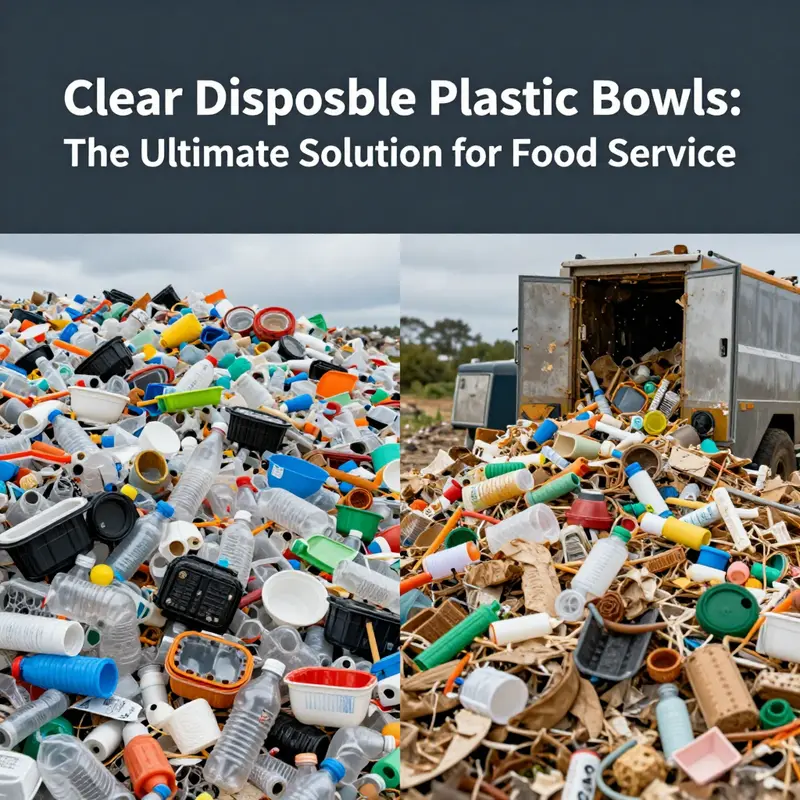
Clear disposable bowls have carved out a paradoxical niche in modern food service, catering, and home use. Their visual clarity elevates presentation by letting the colors, textures, and proportions of food take center stage. In buffets, at weddings, in takeout service, and during fast-paced event setups, the ability to see what you’re serving before you taste it is a small but powerful psychological cue that supports trust and appetite. Yet beneath the sparkle of transparency lies a suite of environmental questions that grows louder with every discarded cup, lid, or bowl. The very feature that makes these bowls appealing—their clarity—also complicates their end of life. Understanding how to reconcile form, function, and footprint is no longer optional; it has become a central axis around which manufacturers, buyers, and policymakers align their decisions.
From a materials science perspective, clear disposable bowls are typically molded from food-grade polymers such as polypropylene (PP), polystyrene (PS), or polyethylene terephthalate (PET). Each of these polymers offers a distinct set of advantages and trade-offs, shaping how a bowl performs in hot or cold conditions, how well it resists moisture, how visible the contents remain, and how readily it can be recycled or reused. PET and PP are renowned for their higher heat resistance and compatibility with microwave use, which is attractive for both home and professional environments. PS, with its crystal clarity and cost advantages, often dominates cold-item applications where heat resistance is less critical. These material choices are not neutral; they influence a bowl’s suitability for hot soups, salads, yogurts, or desserts, as well as the feasibility of recycling or composting at the end of its life.
The marketing punch of clarity is matched by a lifecycle reality. The environmental critique of single-use plastics centers on non-biodegradability, fossil-fuel dependence, and waste management challenges. PS and PP, while economical and functional, do not biodegrade in natural conditions. They can persist in landfills and ecosystems for decades or longer, contributing to litter, wildlife harm, and microplastic formation. Even the most carefully sorted recycling streams can struggle with contamination and polymer mismatches, particularly with transparent plastics that attract dirt or food residues. These issues are not merely abstract; they shape the practicalities of recycling facilities, consumer behavior, and the economics of end-of-life processing.
The supply chain for clear bowls sits at the intersection of convenience, safety, and sustainability. Food safety remains non-negotiable: reputable suppliers align with international standards, ensuring that bowls meet regulatory requirements for direct food contact. A bowl’s material choice—whether PET, PP, or PS—also informs whether it is microwave-safe, refrigerator-friendly, or suitable for hot holding. In catering and deli contexts, leak-proof lids and secure closures extend the utility of these bowls for transport and portion control, reducing spill risk and waste. The lightweight, single-use nature of many clear bowls is a deliberate feature that minimizes cleanup labor and streamlines service, yet it also magnifies the waste footprint if disposal occurs after a single use.
To translate this practical clarity into sustainability, the industry has pursued a trio of strategies: shift toward biodegradable and compostable alternatives, advance recycling technologies and systems, and embrace circular economy models that recapture value from used bowls rather than consigning them to landfills. Each strategy has its own logic, limitations, and implementation pathways, and often the most effective outcomes arise from a carefully balanced combination rather than a single fix. For example, when a bowl is designed from a plant-based polymer such as polylactic acid (PLA) or when it is made from bagasse or other agricultural residues, the expectation is that end-of-life conditions in industrial composting will render the item inert more quickly than landfill disposal. However, industrial composting infrastructure is not universally available, and home composting typically does not reach industrial standards. In other cases, innovations in recycling technology and sorting systems aim to improve material recovery rates, but success depends on consumer participation, accurate labeling, and the presence of compatible streams in local facilities.
The concrete challenge for clear bowls is magnified by their appearance. Transparency, while desirable for presentation, poses specific recycling hurdles. Clear plastics must be clean and uncontaminated to fetch higher-quality recycled streams, yet the very use case—deli salads, gravies, sauces, or dessert toppings—makes contamination a frequent risk. To aid downstream sorting, manufacturers increasingly use resin identification codes and clearer labeling so recyclers can separate PP, PET, and PS, and so consumer education can align with local recycling rules. These labeling efforts themselves are part of a broader shift toward standardized, transparent life-cycle information that helps collectors and processors make the right choices, rather than relying on guesswork.
Sustainability in this space also intersects with policy. Regulatory pressures—ranging from single-use restrictions to extended producer responsibility and packaging waste reduction targets—drive research and development toward lighter, thinner, and more efficient designs. The European Union, for instance, has intensified its focus on reducing disposable plastics, catalyzing industry-wide changes that include material innovation, improved end-of-life pathways, and better consumer guidance. The upshot is a growing recognition that environmental performance cannot be an afterthought; it must be integrated into product design, manufacturing, and distribution from the outset.
Despite these pressures, the economics of clear bowls remain a central consideration. The balance between cost, performance, and environmental impact often dictates which materials are used and how aggressively new solutions are adopted. PET and PP offer robust heat resistance and recycling potential, but PS is frequently cheaper and provides superb clarity, hatch-marked by limited recyclability in many locales. The decision to pursue alternative materials or new end-of-life strategies must account for a region’s waste-management infrastructure, consumer behavior, and the willingness of buyers to pay a premium for sustainability. In institutional settings such as cafeterias or catering operations, the opportunity to implement a circular approach—collecting bowls, cleaning them, and reusing them or returning them to a closed-loop system—has shown promise. It requires logistics, hygiene controls, and a management culture that values reuse alongside cleanliness and safety.
Across the spectrum of options, one constant remains: every choice in material, design, and disposal has downstream consequences. A more fragile, high-clarity bowl may deliver a superior dining experience but can also complicate recycling streams if it is too thin, too contaminated, or too difficult to separate from other polymers. A heavy, sturdy bowl may perform brilliantly in handling hot foods or heavy portions, yet its production footprint and disposal pathways might be less favorable if it discourages recycling or composting. The art of sustainable design, therefore, becomes the art of balancing performance with end-of-life outcomes, while acknowledging that trade-offs are inevitable and context-dependent.
In practical terms, this balance often materializes as a portfolio of options rather than a single solution. For hot and microwavable applications, PET and PP bowls remain the preferred materials for many operators because they offer reliable heat resistance and broad compatibility with available recycling streams. For cold items—salads, fruit, desserts—PS provides clarity at a lower cost, but operators must recognize the potential constraints around recyclability and diversion from landfill. The choice between single-use convenience and multi-use durability depends on the service model. A fast-casual setup emphasizing quick turnover may favor disposables with efficient end-of-life pathways, while a university cafeteria with a robust recycling and composting program can experiment with reusable systems or returnable packaging.
One practical pathway toward sustainability involves expanding the repertoire of plant-based and compostable alternatives. Bowls made from polylactic acid (PLA), corn-based composites, or bagasse (sugarcane pulp) are designed to biodegrade or industrially compost under controlled conditions. PLA, for example, can offer a clear appearance and be compostable in industrial facilities. Bagasse-based bowls often provide excellent rigidity and heat tolerance for cold or moderately hot foods. However, a critical caveat remains: industrial composting infrastructure is not universal, and mis-sorted compostable plastics can contaminate recycling streams or end up in landfills where composting conditions are not met. Communication with customers about proper disposal becomes essential in these cases, along with clear labeling that distinguishes compostable items from conventional plastics.
Advances in recycling technology address another facet of the dilemma. Mechanical recycling capabilities continue to improve, with better separation technologies, sorting accuracy, and consumer education about rinsing and sorting. Yet even with higher recovery rates, the process still faces the challenge of cross-contamination and the mixed-stream reality of consumer waste. In response, some manufacturers are aligning their product design with the realities of recycling facilities—opting for more widely accepted polymers, simpler multilayer structures, and clearer identification codes that help end users and processors categorize products correctly. The push toward thinner, lighter-weight structures also aligns with resource efficiency, reducing material usage without compromising safety or performance, though it must be balanced against the practical needs of transport, stacking, and durability.
Circular economy thinking adds a strategic layer to this discussion. In institutions and event settings, bowl recovery programs can reduce waste by reusing containers after thorough cleaning. When adopted at scale, these programs hinge on logistics, staff training, and reliable sanitation processes. The potential gains are substantial: reduced material consumption, lower disposal volumes, and a more predictable end-of-life pathway. The challenge lies in creating incentives for participants to return or reuse items, ensuring that the economic and hygienic barriers do not overshadow the environmental benefits. Collaborative models among suppliers, buyers, and waste handlers are increasingly common, with shared metrics for reuse rates, contamination levels, and overall environmental impact.
Within this landscape, the specific case of clear bowls adds its own texture. The visual appeal that makes them a core tool for presentation also complicates recycling. Contamination from sauces, oils, or toppings can render otherwise recyclable streams unusable, necessitating more stringent sorting and cleaning in processing facilities. This reality has prompted brands to adopt more transparent labeling, reduce ill-defined coatings, and pursue compatibility with common recycling streams. In parallel, there is a heightened emphasis on material identifiability—clear signals to consumers about whether a bowl should be recycled, composted, or returned in a closed-loop system. These labeling conventions, while technical, are a practical bridge between consumer behavior and facility capabilities.
Regulatory dynamics further shape how clear bowls evolve. Policies targeting single-use plastics, waste management, and product stewardship create a pull for safer, more sustainable designs and improved end-of-life outcomes. The cumulative effect is a shift toward products that are lighter, more easily recyclable, and aligned with circular economy principles. This does not eliminate the need for responsible disposal by consumers; rather, it reinforces the importance of design-for-recycling, accurate labeling, and convenient take-back or composting options. In this sense, policy acts as a demand signal that accelerates experimentation with alternative materials, novel packaging configurations, and new service models that can coexist with the practical demands of food service.
For buyers and operators trying to navigate this terrain, a pragmatic approach balances three factors: risk, cost, and opportunity. Risk encompasses regulatory non-compliance, reputation risk from mismanaged waste, and operational challenges in sorting contaminated items. Cost includes material prices, disposal fees, and the potential premium required for sustainable options. Opportunity captures the potential savings from reuse programs, the marketing value of sustainable packaging, and the long-term resilience of supply chains that are less vulnerable to feedstock constraints or policy shifts. By framing decisions through this triad, operators can design a packaging strategy that mirrors their service model, geographic context, and customer expectations.
The practical takeaway for the reader is that sustainability is not a matter of replacements alone. It is a holistic repositioning of how a product is designed, used, and finally managed after its ceremonial life in a bowl-themed dining experience ends. For example, a simple switch to an eco-friendly packaging option can be a meaningful step, but its impact is amplified when paired with clear disposal guidance, coordinated recycling or composting pathways, and consumer education. In the conversation about clear bowls, the path forward is not a single silver bullet but a spectrum of choices—each with its own benefits and constraints—that, in concert, moves the industry toward lower environmental impact without sacrificing the clarity, hygiene, or convenience that define these containers.
The integration of design, policy, and behavioral change is not merely theoretical. It translates into tangible practice in kitchens, catering operations, and event management. A kitchen that prioritizes easy rinsing, minimizes soil and food residues, and stacks bowls in a way that reduces the risk of breakage can extend their usable life or simplify sorting for disposal. A catering company that adopts reusable or returnable systems can dramatically lower material throughput, provided it has the logistics to support cleaning, sanitation, and reliable transport. At the same time, suppliers that offer transparent material specifications and clear labeling empower buyers to choose products that align with regional recycling capabilities and waste streams. When these pieces fit together, the environmental story of clear bowls becomes a story of shared responsibility and measurable improvement, rather than a one-way street from production to landfill.
In this ongoing dialogue, a useful takeaway is the emergence of hybrid strategies. Some operators adopt a best-of-both-worlds approach: lean, clear, single-use bowls made from materials with higher recycling compatibility, paired with robust consumer education and accessible recycling infrastructure. Others experiment with compostable options in contexts where industrial facilities exist, while maintaining a steady supply of recyclable PP or PET alternatives for regions with strong municipal recycling programs. The overall trajectory is toward greater alignment between the material capabilities of the bowls and the systems that manage them after use—an alignment that requires coordination across manufacturers, distributors, facilities, and end-users. The transparency of end-of-life information is as critical as the transparency of the bowls themselves, because what happens after the meal is finished ultimately determines the sustainability payoff of the entire packaging choice.
As a practical reference point for readers who want to explore concrete paths forward, some suppliers now offer branding, sizing, and packaging options with sustainability in mind. For instance, there are packaging configurations designed to minimize material use while preserving performance, and others that emphasize compatibility with both recycling streams and composting where available. The ability to tailor bowls and lids for specific applications—such as fruit salads, chilled desserts, or hot soups—also supports more efficient waste management, because operators can select the right level of rigidity, insulation, and seal integrity for a given menu item. This has a cascading effect: better portion control, reduced spoilage, improved consumer satisfaction, and a clearer route to responsible disposal. For practitioners, a practical step is to engage with suppliers who can provide end-of-life guidance, material certifications, and transparent waste-management disclosures. Such engagement helps ensure that the environmental promises made at the point of sale translate into real-world outcomes in the back-of-house and beyond.
To summarize, the sustainability narrative around clear disposable bowls is a layered conversation about materials, lifecycles, and markets. It requires embracing innovations in compostable materials where appropriate, strengthening recycling pathways, and rethinking service models to incorporate reuse and return schemes when feasible. It also demands honest communication with consumers about disposal and a willingness to invest in systems that support proper sorting. The bright, crystal-clear bowls that decorate tables and buffets can remain symbols of quality and reliability, but their true value will be measured by how thoughtfully their entire life—from creation to disposal—is managed in a world increasingly attentive to resource stewardship.
For readers seeking a concrete example of how packaging ecosystems are moving toward sustainability, there is a practical reference point in supplier-led packaging offerings that foreground environmental considerations while preserving clarity, hygiene, and performance. See the concept of eco-friendly disposable packaging boxes that are designed for fast-food and takeout contexts; these options illustrate how design can reduce material usage, enable better end-of-life handling, and support brand storytelling through clear, honest communication about disposal. eco-friendly disposable packaging boxes.
Looking ahead, the dialogue among manufacturers, venues, waste managers, and policymakers will continue to shape a future in which the plain, transparent bowl remains a familiar tool while becoming part of more sustainable packaging systems. The challenge is not to abandon clarity or convenience but to reframe them as elements of a broader, more responsible lifecycle. By weaving together material science, waste-management realities, and consumer behavior, the industry can create a practical, scalable path forward that honors both the appetite for great food presentation and the imperative to protect the environment. The journey is iterative, with incremental improvements that compound over time, but it is a journey worth taking because the bowls on our plates can symbolize a more thoughtful approach to consumption and waste alike.
External resource: Ellen MacArthur Foundation provides a broad, authoritative framework for understanding circular economy principles and how they apply to plastics, packaging, and consumer goods. This broader context helps frame the specific challenges and opportunities discussed here and offers guidance for organizations seeking to embed circularity in product design, material choices, and end-of-life strategies.
Final thoughts
Clear disposable plastic bowls represent a crucial component of modern food service, enabling businesses to offer visually appealing and hygienic dining experiences. By understanding their benefits and the materials used in their production, as well as tackling the sustainability challenges they pose, businesses can optimize their operations while being mindful of environmental impact. The key takeaway is that choosing the right disposable tableware goes beyond convenience; it reflects a commitment to quality and responsibility in serving your customers.