
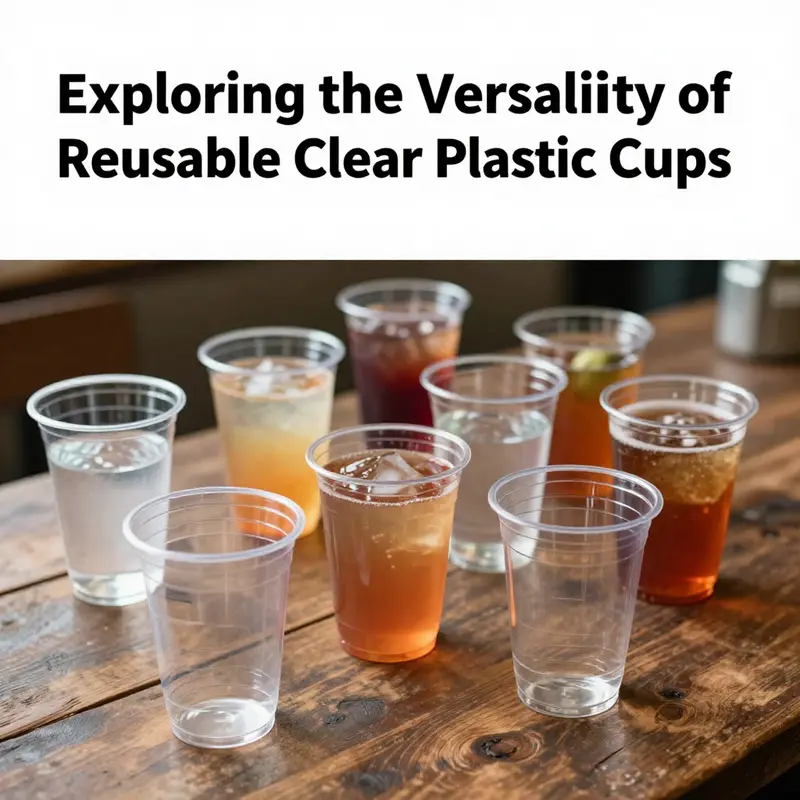
Reusable clear plastic cups have gained significant traction among beverage shops, restaurants, and event planners. These cups not only provide a practical solution for serving drinks but also cater to a growing demand for sustainability in the food industry. In the first chapter, we’ll explore the diverse applications of these cups in both outdoor and domestic settings. From picnics to corporate events, clear plastic cups add value while ensuring safety and cleanliness. The second chapter will delve into current market trends and consumer preferences, revealing insights on how these elements are shaping product offerings. Following this, we’ll take a closer look at the technical specifications and safety standards governing reusable clear plastic cups, emphasizing their adherence to health regulations. Finally, we’ll assess the environmental impact and sustainability benefits that come with using these cups, highlighting both their eco-friendly credentials and the importance of adopting sustainable practices. Together, these chapters will provide a holistic understanding of why clear plastic cups are essential for modern beverage services.
Practical Places and Smart Uses for Reusable Clear Plastic Cups: From Kitchen Counters to Weekend Campsites
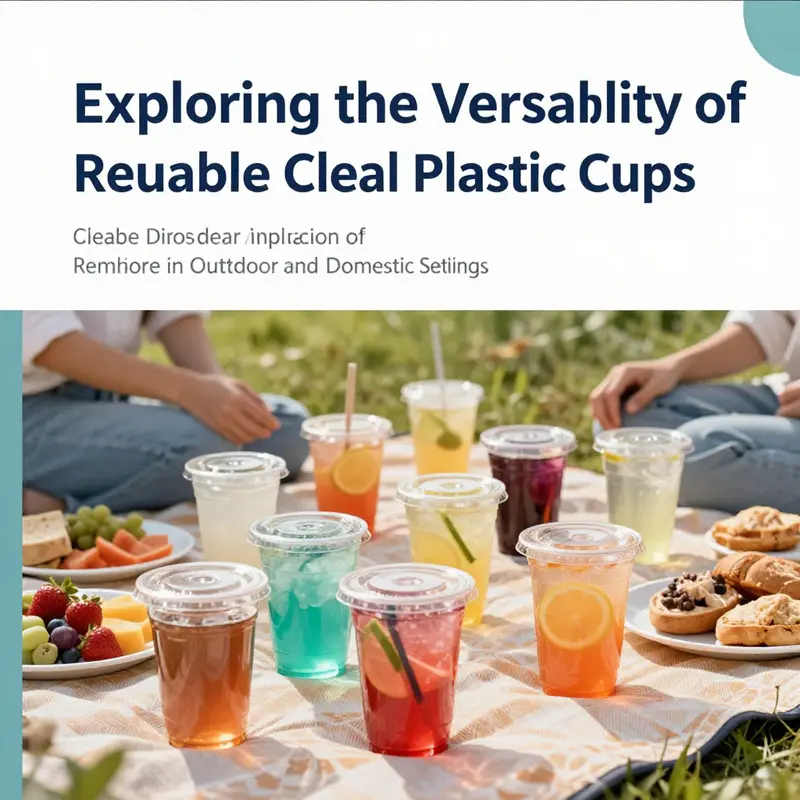
Reusable clear plastic cups move easily between home life and outdoor events. Their transparency makes drinks look appealing and lets hosts monitor contents at a glance. Their durability reduces breakage risk. Their light weight simplifies transport. This chapter explores how these cups perform in domestic routines, outdoor gatherings, and large events. It also covers material choices, hygienic practices, and practical design features that make clear reusable cups a reliable choice.
At home, reusable clear plastic cups replace one-use disposables and fragile glassware. In everyday drinking, they work well for cold beverages. Iced tea, infused water, citrus spritzes, and smoothies stay visible and inviting. Because the cups are unbreakable, they are ideal where kids, pets, or elderly family members are present. The same clarity that showcases a drink can also reveal when a cup needs washing. This visual cue supports kitchen hygiene without extra thought. Beyond beverages, these cups serve small storage roles. They hold cut fruit, utensils, snack mixes, craft supplies, and loose household items. Nesting sets save cupboard space. A few marked cups can organize a busy countertop or pantry.
Outdoors, reusable clear cups shine through their resilience. Backyard barbecues require serviceware that resists impacts and tumbles. Poolside use calls for materials that won’t shatter if dropped on concrete. At picnics and beach trips, the light weight of plastic simplifies carrying and cleanup. For multi-day outings like camping, a stackable set of clear cups cuts down on packing weight while maintaining a homey feel. Event hosts also value design features such as lids and spill-resistant tops. Dome-shaped lids with secure seals reduce splashes during movement. Flat-top lid options allow guests to stack cups or set a small plate on top.
Large gatherings and rental operations often choose clear reusable cups for cost efficiency and hygiene. When managed properly, reusable cups reduce ongoing purchase costs compared with disposable volumes. For events that require fast turnover, washing and sanitizing stations or rental arrangements simplify logistics. A consistent set of cups avoids the mismatch and waste that come with single-use alternatives. Event planners appreciate cups with universal lid designs and standard rim sizes. These features make lids, straws, and lids-with-straw adapters interchangeable across inventory. The transparency of the cup helps staff quickly spot contaminants or leftover residues during cleanup.
Material choice matters. Common options include polypropylene (PP), polyethylene terephthalate (PET), and copolyester variants known for clarity and toughness. Each material balances transparency, heat resistance, and chemical stability differently. Polypropylene offers good chemical resistance and is often microwave-safe for brief reheating. PET provides excellent optical clarity and is lightweight. Copolyester options combine glass-like clarity with higher impact resistance. Food-grade certification is essential. Look for cups meeting reputable standards to ensure safe contact with food and beverages. Certifications help confirm that materials resist leaching and meet manufacturing quality systems.
Design matters as much as material. Clear reusable cups come in shapes and thicknesses tailored to use. Thicker walls add rigidity and temperature buffering. Slight texturing on the exterior improves grip without sacrificing transparency. Stacking rims and tapered forms enable compact transport. Measurement markings help servers and home cooks portion liquids. Lids are a vital design element. Snap-fit lids with gasket seals prevent spills. Screw-top options add extra security for transport. Removable straws and straw ports accommodate cocktails, smoothies, and beverage garnishes. Consider a base design that resists tipping when set on uneven surfaces.
Cleaning and maintenance make reusable cups functional over the long term. Many reusable clear cups are dishwasher-safe, but some materials tolerate dishwashers better than others. Hand washing with mild detergent and a soft brush prevents scratches and maintains clarity. Avoid abrasive pads that can cloud the surface. Periodically inspect for hairline cracks or stress lines near rims. Replace any cup showing structural damage to preserve hygiene and safety. Proper drying avoids trapped moisture that could encourage odor or mold. Stack cups to air dry, or place them on a rack upside down for faster evaporation.
Sustainability and lifecycle cost are frequently deciding factors. Durable reusable cups reduce waste from disposables. They also spread the environmental impact of production over many uses. When evaluating sustainability, consider the cup’s expected lifespan and end-of-life options. Some reusable plastics are recyclable within existing municipal streams, while others require specialized facilities. Certifications and eco-labels can indicate materials manufactured with reduced environmental impact or from recycled feedstocks. For outdoor events, pairing reusable cups with compostable or recyclable servingware scales overall waste better than relying solely on disposables. A practical setup might mix reusable cups with eco-friendly serving trays, plates, and utensils for food service. For example, picnic and dessert packaging designed for outdoor service complements reusable drinkware and simplifies logistics when guests prefer single-use plates but reusable cups.
Hygiene practices for reusable drinkware are straightforward. Rinse cups immediately after use to prevent residue buildup. Use hot water and detergent to loosen sugars and oils. For deeper sanitation, sanitize with a dilute bleach solution or approved commercial sanitizer. Let sanitized cups air dry thoroughly before stacking. For events, color-coding or labeled cup bins reduce cross-use errors and help staff separate clean and used items. When lending cups between guests, consider issuing a clean cup per refill rather than reusing the same cup among multiple people, especially when serving large crowds.
Practical tips for selection and storage enhance everyday usability. Choose slightly thicker walls if you expect heavy use or rough handling. Select lids with secure clasps if drinks will travel. Opt for cups that nest cleanly to reduce transport volume. If aesthetics matter, look for options with subtle tinting or matte finishes while retaining enough transparency to display drinks. For hospitality settings, consider options that accept custom labeling or embossing. This supports branding and helps track inventory.
In rental or high-turnover scenarios, inventory management is key. Track sets by color, size, or marking. Regularly audit for losses and damage. Maintain a repair-and-replace rhythm rather than waiting for large failures. Durable replacements save money and reduce waste. Training staff on handling and washing routines ensures consistent service quality and extends the life of each cup.
Pairing reusable clear cups with thoughtfully chosen disposables can solve specific event needs. Sturdy disposable plates and packaging work well with reusable cups. For portable desserts or single-serve portions, clear dessert cups and food-safe boxes integrate with reusable drinkware for a cohesive presentation. For picnic-style events, lightweight trays, compostable cutlery, and disposable napkins fill roles where washing is impractical. Combining the right mix reduces overall environmental impact while preserving convenience.
Finally, consider the sensory and social factors. Transparent cups change how beverages are perceived. They showcase color, layering, and garnishes. That visual appeal can elevate a simple drink. For children, visibility helps parents monitor intake. For servers, it speeds service decisions. For hosts, clear reusable cups let the table look coordinated without fragile glass. Their balance of practicality and presentation explains why they work well across home life and outdoor leisure.
For practical accessories and packaging that pair well with outdoor drink service, explore picnic-focused containers and clear-window boxes that aid transport and presentation, such as picnic kraft paper cake boxes clear windows: https://ecocupbowl.com/product/picnic-kraft-paper-cake-boxes-clear-windows-dessert-fruit-packing-eco-friendly-food-container-home-kitchen-takeaway-party-event/.
For certifications and standards related to biodegradable and compostable products, see the Biodegradable Products Institute for guidance on eco-labeling and verification: https://bpiworld.org
Why Clear Reusable Plastic Cups Are Winning Customers: Trends, Preferences, and Practical Choices
Clear reusable plastic cups are carving a prominent niche in today’s beverage and catering landscape. Demand reflects a mix of practical needs, aesthetic preferences, and evolving environmental expectations. Buyers across households, event planners, and foodservice operators now expect containers that combine durability with visual appeal. This chapter traces the market forces behind that shift and explains what consumers and businesses prioritize when choosing clear reusable cups.
Consumers prize transparency for obvious reasons: it showcases beverages and desserts, builds trust about contents, and helps with portion control. Clear cups let colorful drinks, layered parfaits, and intricate desserts speak visually. That visibility is crucial in settings where presentation sells—food trucks, pop-up cafes, dessert bars, and catering stations. When a product looks fresh and appealing, customers are more likely to buy it. The cup itself becomes part of the display, not just a vessel.
Functionality sits alongside aesthetics. Buyers seek materials that tolerate both hot and cold liquids, resist warping, and survive repeated dishwasher cycles. Modern reusable clear cups are often made from high-grade polymers engineered for rigidity and dimensional stability. These materials deliver heat tolerance, scratch resistance, and consistent clarity over many uses. For commercial operators, those traits translate into predictable performance, fewer replacements, and lower lifecycle costs.
Durability and safety go hand in hand. Many consumers prioritize break-resistance, especially for outdoor events, family gatherings, and venues with children. A reusable clear cup that resists cracking reduces replacement frequency and improves user safety. Safety expectations also include food-grade certification and the absence of harmful additives. Certifications from recognized authorities reassure buyers that the cups meet health and safety benchmarks.
Sustainability now informs purchasing decisions more than ever. While debates continue about plastics versus alternative materials, reusable clear cups occupy a defensible position. They can reduce single-use waste when used repeatedly and managed properly. This advantage becomes especially persuasive when paired with regulatory pushes to limit disposable plastics. Businesses respond by adopting reusable programs and by communicating those choices to customers. That communication matters: consumers are more likely to support businesses that clearly show environmental responsibility.
Cost-effectiveness is another major driver. The economics of reusable cups are straightforward: a higher upfront cost can pay off across multiple uses. For restaurants and caterers, calculating cost-per-use helps justify purchases. Durable clear cups often require fewer replacements than cheaper single-use options. When breakage rates are low and washing systems are efficient, the savings accumulate. This cost calculus encourages larger purchases for institutional buyers and recurring use among household customers.
Design evolution also influences consumer preference. Clear cups today often feature practical innovations: stackable rims for storage efficiency, flat lids that allow stacking and transport, and ergonomic shapes for hand comfort. Flat lids help with presentation and enable easy labeling in catering setups. In dessert service, transparent cups with flat lids protect layered desserts while preserving visual appeal. Color accents, matte finishes, and muted tints have emerged to meet aesthetic demands while retaining the core benefit of transparency.
Material science innovations are expanding options for clear reusable cups. Recycled PET blends, food-grade polypropylene, and advanced copolymers strike new balances between transparency and toughness. Additives can improve clarity, UV resistance, and heat tolerance. Some materials are designed to withstand thousands of wash cycles without significant degradation. For purchasers, knowledge about material grade, dishwasher safety, and expected service life informs smarter buying decisions.
Regulation is another shaping force. Policies that restrict certain single-use plastics push businesses to adopt reusable alternatives. Deposit-return schemes and mandatory reusable offerings at events encourage long-term change. As regulations tighten, suppliers who can document compliance with food safety and quality standards gain a market edge. Certifications and traceable supply chains reassure procurement teams that products satisfy legal and safety obligations.
The market breakdown shows clear segments. Households choose reusable clear cups for convenience, visibility, and family safety. Event planners and caterers seek stackable, transportable solutions that preserve presentation. Offices and co-working spaces favor cups that are easy to clean and uniform in appearance. Each segment values slightly different features, but all share core expectations: durability, clarity, and hygienic performance.
Packaging and complementary items matter too. Clear cups often pair naturally with lids, stirrers, and display trays. Buyers planning events look for coordinated solutions that simplify logistics. For those seeking full-service packaging, it helps to choose suppliers with a range of compatible products. A reliable ecosystem reduces sourcing complexity and supports consistent presentation.
Marketing messages that resonate emphasize visible benefits. Instead of abstract claims about sustainability, effective communication shows tangible outcomes: number of uses to offset single-use alternatives, dishwasher compatibility, and real-world durability metrics. Visual marketing that highlights the drink or dessert inside the cup reinforces why transparency matters. Clear imagery paired with factual performance data builds customer trust.
Practical considerations influence procurement choices as much as trends. Stack height, rim design, lid fit, and base stability determine how a cup performs in real environments. A tall, narrow cup may look elegant but might tip more easily. A wide base improves stability for dessert service. For buyers, matching form to application prevents avoidable waste and dissatisfaction.
Maintenance routines shape long-term satisfaction. Reusable clear cups perform best with predictable washing systems. Commercial dishwashers, careful drying, and proper storage extend product life. Buyers should account for operational costs like water, detergent, and labor when assessing the total cost of ownership. Clear cups that tolerate higher dishwasher temperatures reduce microbial risk and speed turnover.
End-of-life planning remains essential. Repeated use reduces waste, but eventual replacement is inevitable. Choosing materials compatible with existing recycling streams improves circularity. Recycled-content options and take-back programs add credibility. Clear communication about disposal helps avoid contamination in recycling systems and preserves material value.
Aesthetic trends continue to evolve. While transparency remains the cornerstone, subtle finishes and color accents create differentiation. Transparent cups with frosted bands or colored lids allow branding without obscuring contents. Limited-edition colors or seasonal themes also appeal to retail and hospitality buyers seeking novelty. The result is a market that values both consistency and creative variation.
Looking ahead, the most successful clear reusable cups will blend proven performance with clear environmental credentials. Manufacturers that invest in durable polymers, transparent supply chains, and material circularity will win loyal customers. Buyers will reward transparency in both the cup and the company behind it. For planners assembling event kits, pairing clear cups with compatible packaging simplifies logistics—see this relevant product page for coordinated disposable clear plastic cups and accessories for outdoor events.
Overall, consumer preferences now demand that clear reusable cups do more than hold liquids. They must present, protect, and persist. They must demonstrate safety and comply with regulations. They must contribute to a measurable reduction in single-use waste when used correctly. These combined expectations drive continued innovation in materials, design, and procurement practices. As the market grows, clarity—literal and figurative—remains the decisive factor.
For a deeper dive into the technical properties, material grades, and industrial performance of clear cups and flat lids, consult this authoritative resource: https://www.example.com/science-clear-cups-lids
Clarity, Durability, and Reuse: Designing Safe, Transparent Plastic Cups
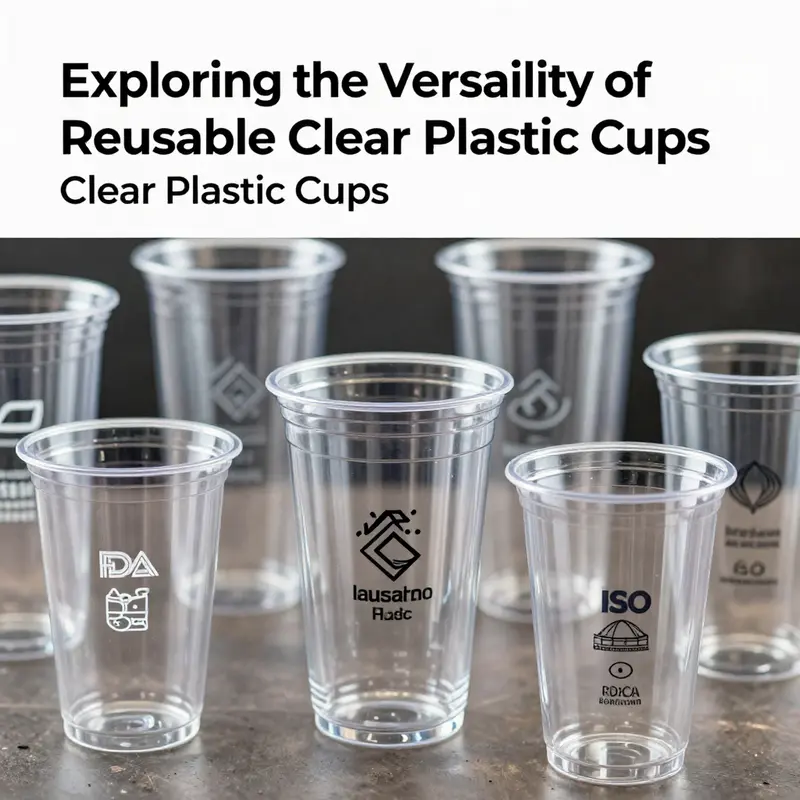
Clear reusable plastic cups occupy a practical niche at the intersection of daily use and rigorous material standards. They must stay transparent, resist impact, withstand repeated washings, and remain safe for food contact. This chapter examines the materials, processing, and regulatory expectations that shape their performance. It describes how Tritan copolyester and polypropylene are chosen for clarity, toughness, and chemical inertness, and why BPA-free formulations matter. Temperature resilience, heat transfer, and thermal shock control are discussed, along with wall geometry that distributes impact energy and enables reliable stacking. The chapter also explains how migration testing, safe colorants, and certified processing parameters translate to consumer confidence across markets. Finally, it connects these technical choices to lifecycle benefits, including reduced waste and the incentives for households and businesses to reuse rather than dispose of vessels after a single event.
Materials: The material base must be food-grade and free of substances that migrate into beverages. Tritan copolyester is often highlighted for its clarity and toughness, while polypropylene offers heat resistance and lower weight. Both are engineered to minimize haze from washing detergents and to resist staining from common drinks. The absence of BPA is part of a broader safety narrative that includes migration limits and compatibility with common cleaning cycles.
Processing and design: Injection molding and blow molding produce seamless walls with controlled thickness. Surface finishes, colorants, and UV stabilizers are selected to avoid leaching while preserving optical clarity. Dimensional tolerances enable stable stacking and reliable seal with lids and accessories. Ergonomics—rim comfort, grip, and stable base—enhance daily usability and encourage repeated reuse. Dishwasher compatibility is a central use-case driver, with top-rack ratings and temperature targets guiding manufacturing choices.
Regulatory frame: Food-contact safety regulations, migration requirements, and third-party certifications provide a baseline for market access. Standards bodies, safety panels, and governmental agencies in major regions align assessments of material safety, chemical resistance, and performance under representative conditions. The ongoing evolution of testing methods reinforces the importance of robust, independently verified data to sustain consumer trust. The chapter closes by linking safety, usability, and sustainability in a practical narrative about how design decisions support responsible reuse and environmental stewardship.
Clear Reflections: Rethinking the Environmental Footprint of Reusable Transparent Cups
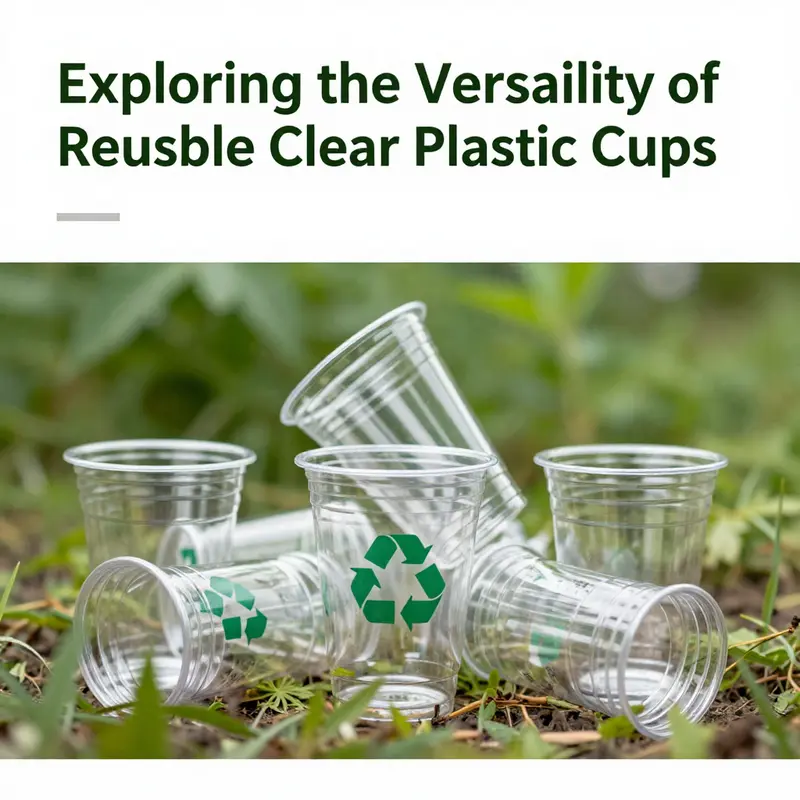
Clear plastic cups designed for reuse sit at a curious crossroads. They promise reduced waste when used again and again, yet they also carry an environmental profile shaped by the materials they are made from, the energy required to manufacture them, and the end-of-life paths available to them. This chapter follows the thread from raw materials to consumer habits, weaving together the engineering choices behind durable, transparent cups with the realities of how households and events actually use and discard them. It is not a simple tale of good versus bad; it is a nuanced study of how durability, frequency of use, and recovery systems interact to determine the true sustainability of reusable clear cups in everyday life. In doing so, it connects to the broader arc of the article, which surveys how clear, reusable cups fit into a broader shift toward more sustainable, reusable options in a world still dominated by disposables. The discussion below seeks to ground that shift in the specifics of materials science, lifecycle thinking, and practical behaviors that shape environmental outcomes as cups move through many cycles of use and eventual disposal or recycling.
At the heart of the environmental profile of reusable transparent cups lies the material choice. The most common families—PET, Tritan, and polycarbonate—are prized for their durability, lightness, and shatter resistance. These attributes are essential for a product intended to survive the bumps and dishwasher cycles of daily life, outdoor picnics, or a rowdy birthday party. From a manufacturing perspective, these plastics are produced through energy-intensive processes that rely on fossil inputs and generate greenhouse gas emissions over the life cycle. The upside is clear: a cup that lasts for hundreds of uses has the potential to cut demand for single-use disposables. The downside is equally clear: the environmental burden of making durable plastics can be substantial. In markets where food safety standards are strict, these materials are favored for their ability to resist cracks, odors, and staining, ensuring that beverages remain appealing over repeated cycles. Yet durability is a double-edged sword. It can postpone end-of-life concerns but also extend the years during which a product remains in circulation, complicating waste management when a product finally reaches its service life.
The lifecycle of a reusable clear cup hinges on a careful balance between use and recovery. If a cup is pulled from the shelf and relegated to a few uses before heading to the landfill or recycling stream, the environmental dividend of reuse dissolves. The literature on lifecycle assessments consistently emphasizes that the break-even point—the moment when reuse delivers net environmental benefits—depends on both how often the cup is used and how efficiently it is recycled or recovered at the end of life. In practical terms, hundreds of uses are often cited as the threshold where the initial embodied energy and materials become outweighed by repeated substitution of single-use disposables. But that threshold is not a universal inevitability. It shifts with the cup’s design, the energy profile of washing, and the availability of recycling programs. In environments with limited maintenance or where users replace cups at the first sign of wear, the hoped-for savings may not materialize. The reminder here is simple: the environmental success of a reusable cup is as much about behavior as it is about materials.
Beyond the factory gate, the fate of these cups is shaped by how they are disposed of when their usable life ends. Although the cups are not biodegradable, recycling streams exist for many of the plastics used, typically through programs that accept PET, certain polycarbonates, or specially formulated resins. Yet end-of-life outcomes are not guaranteed. Recycling rates depend on the physical and chemical compatibility of the cup with the local recycling infrastructure, the purity of the material stream, and consumer participation in recycling or take-back schemes. In the absence of robust recovery pathways, durable cups risk lingering in landfills for centuries, subtly but persistently contributing to waste burdens. The end-of-life question thus becomes a question of system design as much as material science: can manufacturers and policymakers close the loop so that the cup’s long life translates into high-value material recovery rather than degradation or downcycling?
A parallel concern centers on microplastics and chemical safety. Microplastic shedding can occur during washing, particularly when cups undergo high-temperature dishwashing, aggressive handling, or repeated mechanical abrasion. The release of microplastics into wastewater raises ecological and potential human health concerns, especially when particles accumulate in aquatic ecosystems or enter the food chain. On the chemical front, polycarbonate cups have drawn attention for potential leaching of bisphenol A (BPA) in some contexts, prompting a shift toward BPA-free formulations. While manufacturers increasingly emphasize food-safe, BPA-free materials, vigilance remains essential. The broader takeaway is that the environmental story of reusable transparent cups cannot be reduced to a single attribute like “reusability.” It must consider how materials perform across countless wash cycles, how stable they remain under heat and stress, and how well the product’s end life is integrated into a circular economy.
Recognizing these complexities, manufacturers and researchers have pursued strategies aimed at strengthening the sustainability profile of reusable clear cups. One clear path is incorporating recycled content into the cup itself, such as rPET, which can reduce the reliance on virgin fossil fuels and lower the overall carbon footprint of production. Another strategy is to improve design for recycling, making it easier to separate and recover materials at the end of life and to avoid blends that complicate recycling streams. Some brands and producers have explored take-back programs, which facilitate material recovery and ensure better post-use handling than what happens in a typical municipal system. These strategies share a common goal: transform durability from a one-way virtue into a driver of circularity. When consumers participate in take-back schemes or when cups are designed to be easily recyclable at the end of their life, the environmental benefits of reuse are reinforced rather than undermined by poor end-of-life management.
The social dimension of sustainability also deserves attention. Consumer behavior—how often a cup is used, how it is cleaned, and how it is stored—plays a pivotal role. A cup that languishes in a hamper, never fully utilized, may accumulate damage from improper washing or storage. Conversely, a cup that is treated as a reliable everyday companion and is paired with efficient cleaning routines can deliver meaningful environmental savings. The washing phase, often overlooked, carries its own energy and water costs. Home dishwashers and commercial washing facilities vary widely in energy efficiency and load optimization. A reusable cup that requires minimal washing cycles or that tolerates a wider range of temperatures and detergents without degrading can help reduce both water and energy footprints. The behavioral equation thus matters as much as the material choice; the best-performing cup is not the one with the strongest material alone, but the one that aligns with routine, repeatable, environmentally conscious use.
From a policy and systems perspective, the sustainability of reusable clear cups is inseparable from the structure of the waste and recycling infrastructure surrounding them. Clear, durable plastics can contribute to a more sustainable narrative if associated with robust take-back programs, clear labeling that informs consumers about compatible recycling streams, and standards that ensure consistent performance across brands and regions. Extended producer responsibility schemes, when effectively designed, can encourage manufacturers to invest in recyclability and in the development of higher-recovery value streams. In the absence of such frameworks, even the most thoughtfully engineered cups may fall short of their potential. The literature and industry practice together suggest that the environmental payoff of reusability grows strongest where design, consumer behavior, and waste management policies move in concert rather than in opposition.
The story of reusable clear cups is not a verdict on plastics versus alternatives. It is a case study in how durability, reuse, and end-of-life management intersect with the realities of household routines and municipal systems. For example, comparing a reusable cup to a disposable cup in a given setting requires more than a simple calculation of material saved per use. It requires an assessment of how many times the cup will actually be used, how much energy is required to wash and sterilize it, what portion of the cup material can realistically be recovered at the end of life, and how local recycling streams handle the specific plastic type. In places with robust recycling and efficient washing infrastructure, the environmental advantages of reuse are more likely to outweigh the upfront costs of production. In places where recycling pathways are weak or washing imposes a high energy burden, the advantage may be smaller or even negative. The key is to view reusable cups as part of a broader system—one that rewards thoughtful design, practical durability, and responsible end-of-life practices.
To connect this analysis back to practical choices, consumers and organizers of events can look for cups that emphasize recyclability and clear end-of-life information, prefer materials with established recycling streams, and support programs that reclaim and reprocess old cups. The broader packaging ecosystem offers a useful template: when products are designed for recyclability, backed by take-back programs, and paired with consumer education, reuse becomes a legitimate pathway to reducing disposable waste rather than a partial, uncertain hedge. The same logic applies to households that entertain and cook regularly, where sturdy, transparent cups can be integrated into daily routines without compromising safety or aesthetics. In this sense, the environmental narrative of clear, reusable cups is best advanced not by blanket assurances but by transparent tradeoffs, robust material choices, and practical systems that encourage sustained use and responsible disposal.
For readers seeking a practical bridge from theory to practice, it helps to consider one concrete pathway that aligns with sustainability goals without sacrificing usability. Think of a packaging approach that combines durable, transparent vessels with a clearly defined end-of-life channel—whether through a take-back program, an established recycling stream, or a municipal program that emphasizes plastics recovery. Such an approach can harmonize the benefits of reusability with the realities of waste management. It also echoes broader shifts in packaging design toward circularity, where products are crafted not only to perform well during use but to re-enter the materials loop at the end of life, preserving value and reducing environmental harm across generations.
As this discussion moves toward its next horizon, it becomes clear that the environmental case for reusable clear cups rests on an interplay of material science, lifecycle thinking, and human behavior. The questions it raises are not merely technical but practical: How many times must a cup be used to justify its initial impact? How can communities ensure that end-of-life pathways actually recapture materials? What design choices best balance durability with recyclability? And how can individuals translate this understanding into everyday habits that make reuse more than a hopeful aspiration? Answering these questions requires an integrated view—one that honors the physics of plastics, respects the realities of home and event life, and engages with the policies and infrastructure that determine what happens to a cup after its last splash.
Internal link reference for readers who want a tangible example of how packaging design can emphasize sustainability in the takeaway context: eco-friendly takeout packaging boxes. This kind of packaging approach illustrates how design decisions can streamline recovery and recycling, while still supporting user convenience and food safety. For readers seeking technical background on lifecycle assessments and broader plastic packaging implications, a complementary external resource provides a comprehensive framework: EPA – Lifecycle Assessment of Plastics.
Final thoughts
In conclusion, reusable clear plastic cups offer a range of benefits that align with the needs of modern food service businesses. Their versatility in various settings, adherence to safety standards, and positive environmental impact make them an ideal choice for beverage outlets, catering services, and event planners. By investing in these high-quality, sustainable products, businesses can enhance customer experience while also promoting eco-friendly practices. Transitioning to reusable clear plastic cups is not merely a trend; it’s an opportunity to foster a culture of sustainability and conscientious consumerism.