
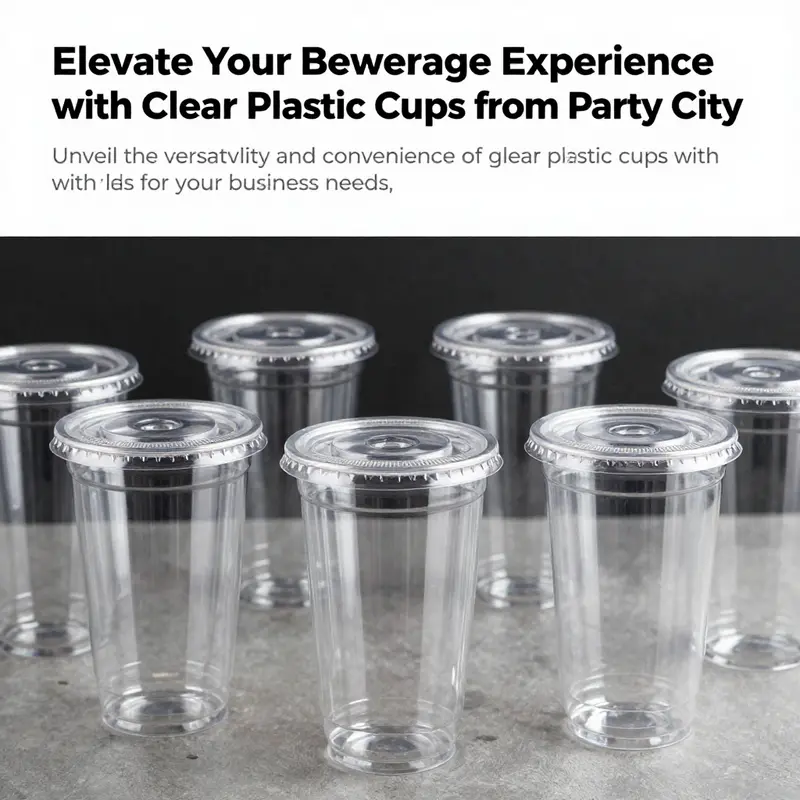
Clear plastic cups with lids are essential for businesses that serve beverages, whether you’re a bubble tea shop, restaurant, or event planner. Party City offers an extensive range of these cups, catering to all beverage service scenarios. From takeaway iced coffee to beautifully presented bubble tea, these cups not only enhance presentation but also ensure drink safety during transport. In the following chapters, we will explore the product overview, practical usage scenarios, competitive comparisons, sustainability considerations, and customer insights, tying it all back to why Party City should be your first choice for clear plastic cups with lids.
Clear Cups with Lids in the Party-Planning Toolbox: A Practical Overview

Clear cups with lids have evolved from simple vessels into essential tools for modern gatherings, blending practicality with visual clarity. In the realm of party planning and casual entertaining, these cups do more than hold beverages; they shape the flow of a gathering. Their transparent surfaces invite a quick appraisal of color, layers, and texture, turning drinks into edible art and encouraging guests to sample with confidence. The lid, far from being a mere afterthought, is a critical feature that reduces spills, preserves temperature, and simplifies takeaway for guests who move between games, music, and conversations. For hosts balancing speed and presentation, the combination of a clear cup and a reliable lid offers a dependable workflow: pour, cap, and hand off a drink with minimal interruption to the event’s momentum. In a landscape where one-size-fits-all solutions rarely suffice, the appeal of clear cups with lids lies in versatility. They can serve everything from a refreshing iced tea at a brunch to a sophisticated cold brew for an after-dinner reception, all while ensuring that beverages remain accessible and visually appealing.
Material quality matters as much as design. The most practical options use durable, BPA-free plastic, which safeguards health and preserves flavor integrity. This is important when serving a range of drinks, from citrus-forward beverages to smooth, creamy concoctions. The transparency of the plastic supports quick quality checks—an attentive host can assess the beverage level, the presence of any sediment, and the overall appearance of the drink at a glance. When people see a well-presented beverage, they’re more likely to trust what’s inside and to feel at ease about sampling it. The versatility of these cups is most evident in how they scale to different events: a small tasting session at a culinary demo, a bridal shower with colorful mocktails, or a casual backyard barbecue where guests arrive with beverages in hand and time on their side.
Sizes and configurations are not afterthoughts but central to planning. A typical assortment spans from tiny mini shooter cups, suitable for dessert samplings or tasting portions, to larger 20-ounce cups that accommodate iced coffee, smoothies, or robust fruit beverages. The smaller formats enable a refined, menu-driven experience where guests can try a selection of flavors without committing to a full-sized drink, while the larger cups provide the practical heft needed for all-day events or programs that feature longer conversations and multiple stations. The lid design is tailor-made to support these uses. Many cup-and-lid pairings include a small straw hole in the lid, a purposeful detail for cold drinks like iced coffee, juice, or bubble tea. This enables guests to sip comfortably without removing the lid, a crucial feature when people are moving between stations, socializing with friends, or listening to a speaker. It also preserves the drink’s temperature longer, helping maintain the intended sensory experience even as conversations stretch into the afternoon.
From a presentation standpoint, the clarity of the cup works in concert with the festive or thematic elements of the event. A transparent vessel showcases the beverage’s hue, whether it’s a pale lemonade with a sprig of mint or a layered smoothie that reveals gradient colors from bottom to top. The ability to see the contents adds to the perception of value, making beverages feel more premium without increasing cost. Clear cups are also easier to pair with signage and labeling at tasting stations, where a simple tag or sticker can convey flavor, ingredients, or dietary notes. This level of visibility aligns with efficient service at larger gatherings, where organizers depend on staff and volunteers to keep lines moving and guests satisfied. In this sense, the cup serves as a quiet but essential component of the overall guest experience, complementing the beverage program rather than competing with it.
In some specialized contexts, there are models designed for precision, such as those used in medical or laboratory settings that may incorporate volume markings. These are far less common in standard party supplies, but their existence highlights a broader truth: plastic cups can be engineered for accuracy when needed. For most party or hospitality applications, however, the focus remains on reliability, ease of use, and cost-effectiveness. The benefit of a lid and a clear body is not just aesthetics; it translates into practical advantages during setup, service, and cleanup. Lids reduce the risk of spills during transport from kitchen to table, at outdoor venues where wind or uneven surfaces threaten a spill, and during moments of enthusiastic toasts. They also support take-home or “to-go” service, which has become a frequent expectation at many events and festivals.
When hosts plan menus and drink stations, the degree of customization matters. Clear cups with lids accommodate a broad spectrum of beverages, from simple water infusions to more elaborate cocktail-style serves. They can be paired with fruit slices, herb sprigs, or edible garnishes that rest on the rim or float within the liquid, enhancing aroma and appearance without altering the overall service. The coverage provided by the lid ensures that garnishes stay intact and appetizing, even when the cup is carried across a busy space. The design also lends itself to promotional or branding opportunities. While most party-focused cups emphasize cleanliness and practicality rather than branding, some organizers opt for subtle labeling on lids or outer sleeves to indicate station names, flavor profiles, or allergen information. This approach maintains a clean aesthetic while delivering essential information to guests.
From a sustainability perspective, durability and end-of-life considerations influence choice. Most clear plastic cups with lids are designed for single-use convenience, which is highly valued in fast-moving events. Yet, many options are BPA-free and conform to safety standards, which is reassuring for hosts mindful of guest welfare. In planning, it helps to weigh whether a venue’s waste streams can accommodate plastic cups or if there is an opportunity to source recyclable or reusable alternatives for repeat events. Even when disposability remains the baseline, selecting a product with a robust wall thickness and reliable lid closure minimizes the chance of leaks, which in turn reduces waste and enhances overall guest satisfaction. The interplay between function and responsibility becomes a practical dialogue for planners who want to balance guest experience with environmental considerations.
Choosing the right mix of sizes, lid types, and presentation styles depends on the event’s tempo and the beverage program. A brunch with multiple stations benefits from a mix of 8- to 12-ounce cups for lighter drinks and a couple of larger options for specialty beverages. A tasting room or dessert-focused event can lean on mini cups for bite-sized portions that pair with samples, while a casual outdoor gathering might rely on larger cups for long-lasted servings and easy refills. In any scenario, the lids act as a safeguard against accidental spills when guests are moving around, chatting, or navigating a crowded space. The clear body keeps beverage diversity on vivid display, inviting curiosity and encouraging guests to sample with minimal hesitation. The practical rhythm of pour, cap, and serve becomes almost seamless, allowing hosts to maintain energy and momentum without constant interruptions.
For hosts seeking a reliable reference to a broad catalog of these items, an internal resource provides an accessible snapshot of the formats and capabilities commonly encountered in the market. This resource showcases a range of disposable clear plastic cups designed for parties, gatherings, and everyday events, and it demonstrates how a disciplined assortment can simplify both shopping and on-site management. By sampling a representative option, planners can imagine how a given cup and lid pairing might support a particular beverage strategy, whether a simple lemonade line or a more elaborate tasting menu. The consideration extends beyond the vessel to how the cup and lid interact with other elements of the service workflow—ice, garnishes, napkins, and straws—ensuring that every component contributes to a smooth, enjoyable guest experience.
In sum, clear plastic cups with lids offer a practical, visually appealing, and adaptable solution for a wide range of events. They enable hosts to deliver beverages with confidence, preserve the integrity and presentation of drinks, and support a streamlined service model from setup to cleanup. Whether hosting an intimate brunch or coordinating a large festival, the right combination of clarity, lid security, and spill resistance can transform how guests experience beverages and how organizers manage time, space, and resources. As event formats continue to evolve, these cups remain a dependable backbone of efficient, aesthetically pleasing beverage service. For further exploration of disposable clear plastic cup options and related party supplies, you can browse an example here: disposable clear plastic cup for parties. External resource: https://www.partycity.com
Seeing Through Celebration: Clear Plastic Cups with Lids at Every Event

A party moves with people and drinks, but the quiet prop that holds it together can be telling as the guests themselves. Clear plastic cups with lids do more than contain beverages; they shape the tempo of a gathering. Their transparency invites quick glances at color and clarity, inviting conversations about the contents just as much as about the people holding them. The lids, steadfast and secure, are not merely practical barriers against spills. They are enablers of flow, allowing movement and mingling without constant interruptions for refills or cleanups.
In spaces where detail matters and waste matters even more, these cups function as a quiet fulcrum, balancing hospitality with convenience, style with practicality. The best versions make the event feel effortless, even when the schedule is tight and the guest list long.
The design choice to pick a clear cup with a lid carries an unspoken philosophy: guests should see what they’re drinking at a glance, hosts should maintain order without sacrificing presentation. The beverage becomes a visible component of the scene, allowing color, texture, and garnish to contribute to the overall aesthetic. The lid preserves aroma and temperature, lending professionalism to even informal celebrations.
Practical virtues extend beyond appearance. In gatherings with kids or outdoor layouts, spill resistance becomes a quiet victory. The lid keeps wind or clumsiness from turning a drink into a spill on a dress or carpet. For hosts, fewer interruptions and stains; for guests, reduced cognitive load near a table and worry about spills while talking or dancing.
Versatility in size and function: the same palette suits casual backyard brunch or formal receptions when placed in stations. The transparent body pairs with any color scheme; sizes support beverages from iced tea to smoothies. The lid extends how these cups can be used, enabling transport between spaces, buffet lines, or outdoor lounges where guests move between shaded corners and sunlit patios.
From a catering perspective, the cups are practical for large-scale service: sturdy and stackable, easy inventory, easy storage. The lids create a secure seal that protects beverages during setup and movement, while allowing guests to reseal and carry their drinks through mingling zones, photo booths, and lounge areas. This seamless handoff (serve, seal, sip, and move on) translates into a smoother guest experience, fewer lines, and more time for enjoying the moment.
Branding and hospitality: for corporate events or school functions, a clear cup with a lid can be customized with logos, color palettes, or event motifs, subtly reinforcing the event without overpowering it. The cup supports a coherent look, whether the setting is a polished cocktail lounge near a keynote stage or a classroom fair where students are demonstrating projects. In both cases, the cup’s quiet, durable presence earns trust.
The everyday practicality of these cups also translates to settings beyond the ballrooms and backyards. Schools, libraries, community centers, and volunteer organizations value them for their straightforward use, hygienic design, and safety features. The rigid lid structure creates a dependable seal that’s comforting in busy environments where cups may be bumped, jostled, or passed along a row of desks or benches. In summer programs or after-school activities, where hydration is essential, the combination of transparency and containment stands as a quiet helper. And for those who want to reduce waste while maintaining control over serving, the disposability of these cups can be a practical compromise in events where washing facilities are limited or where turnover is rapid.
An understated but important feature concerns heat tolerance. These cups are designed to be safe for hot beverages like coffee or tea and soups, a detail that matters to planners who offer a full range of drink options. The lid’s stability reduces the risk of scalding spills and supports safe handling for guests who are moving between service points or stepping outside for a breath of air. The result is a more comfortable experience for everyone, from the person who earns a quick caffeine fix to the attendee who simply wants a refreshing iced drink with minimal fuss. In a climate where weather or venue layout can push guests to seek shade, airflow, or shelter, the ability to offer hot or cold beverages without changing the servingware becomes a quiet advantage, enabling a smoother, more responsive service.
When considering how to incorporate clear cups with lids into a broader party-planning strategy, it helps to think about logistics as part of the aesthetic. The cups’ clean lines complement modern, minimalist decor while also fitting into more exuberant color schemes with a splash of ribbon, sticker, or label restraint. They can be integrated into a self-serve station that feels both practical and welcoming, or aligned along a buffet with a consistent, polished look. The aim is not to draw attention to the vessel but to allow the beverage and the moment to take center stage. This is where the cups show their real strength: they disappear into the background as facilitators of engagement, while quietly lifting the quality of the overall experience.
For readers who want a concrete example of how these cups can be woven into a real-world setup, consider the practical pairing of a clear cup with a lid in an outdoor celebration, where temperature control, spill prevention, and easy transport combine with a visually light presence that doesn’t overwhelm the table design. A compact stack of cups near a refreshment station invites guests to help themselves with confidence, while a simple label or color-coded sticker can guide choices without clutter. The result is a space that feels organized, thoughtful, and ready for a joyful exchange of stories, laughter, and good company. This practical note reinforces that the core idea is that the cup supports the beverage and the moment, not the other way around.
Ultimately, the choice to deploy clear plastic cups with lids is a deliberate one—more than a matter of price or convenience, it is a statement about how a host values guest experience, sanitation, and the ease of celebration. The cups become an unobtrusive ally in the choreography of a gathering, letting people mingle, savor, and move freely while the beverages stay secure and presentable. In the hands of a thoughtful planner, they contribute to a cohesive ambiance that feels effortless and considerate—a small but meaningful ingredient in the larger recipe for successful events.
Clear Cups, Big Events: Navigating Lidded Plastic Cups Across Retailers and Competitors for Party-Ready Service
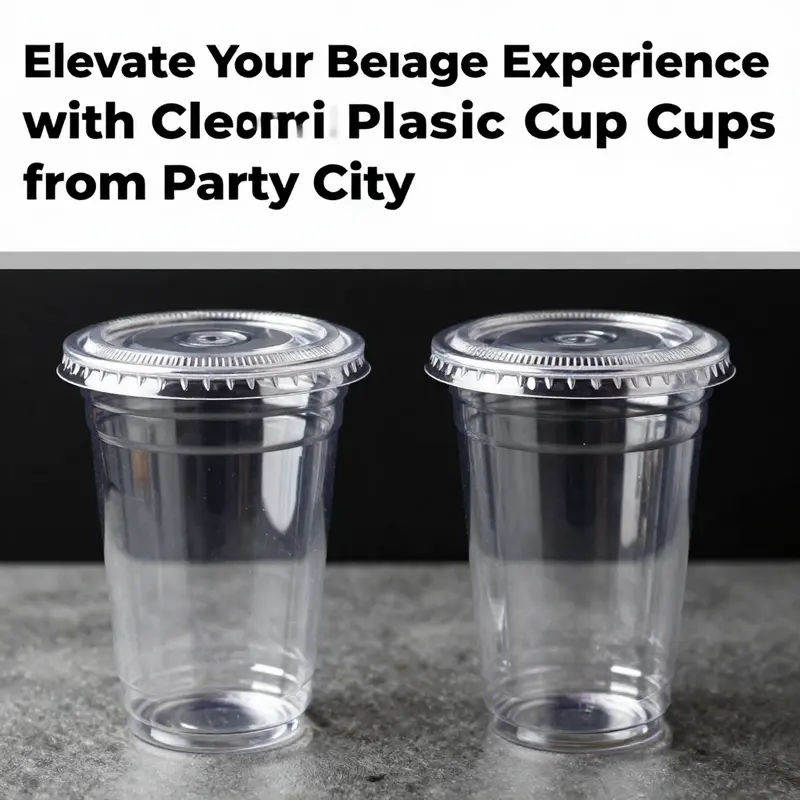
Clear plastic cups with lids occupy a surprising amount of planning for events both small and large. They balance the need for clean presentation with the practical realities of service, transport, and cleanup. A well-stocked party-supply aisle reveals a spectrum of options, from crystal-clear PET cups to slightly more flexible PP varieties, each paired with a lid in a dome or flat silhouette. This range shapes the experience from a casual backyard gathering to a coordinated wedding reception, a market stall cold-drink setup, or a corporate retreat. In that context, the chapter moves beyond brand names to explore the core choices that shape how well a cup meets a given outing, how it stacks with other tableware, and how it travels from shelf to service line.
Material quality matters, and it is one of the most visible and enduring differentiators for these everyday event items. PET cups are prized for their clarity and stiffness, which helps beverages look appealing and reduces the risk of warping when cups are stacked or jostled in transit. PP cups, by contrast, often offer superior heat resistance and a bit more flexible resilience at thin gauges, which can be an advantage for hot beverages or layered drinks that need a firmer rim to stay intact. In mainstream and wholesale channels alike, these plastics set a predictable baseline for performance: a cup that maintains its shape under pressure, a lid that stays in place during transport, and a rim that accepts a snug seal without warping. When hosts and venues align on a common material standard, it becomes easier to compare not just price but overall service quality, including how well a cup coordinates with lids, sleeves, and other disposable tableware.
Design versatility—especially lid style and rim geometry—emerges as a critical lever for shaping the serving experience. A dome lid can accommodate foamy toppings or generous ice, creating a roomy top surface that helps drinks stay appealing even when the cup is moved across busy service lines. A flat lid, with its reserved profile, tends to minimize height and simplify stacking in crowded storage or transport crates. Cup height, diameter, and capacity complete the picture. The most common serving sizes—ranging from around 8 to 16 ounces—cover most beverages at casual gatherings and formal events alike. The lid type interacts with the cup’s geometry to influence spill resistance, temperature retention, and the ease of handling by servers wearing gloves or managing long stands of cups on a serving table. The practical effect is that the same basic cup can support a wide variety of drinks—from iced coffee to lemonade to milk tea—by simply pairing it with the appropriate lid and, in some cases, a compatible straw.
Beyond these functional considerations, design versatility also encompasses customization. Some mainstream options come with branding opportunities that preserve the clean look of clear plastic while enabling logos, colors, or event themes to shine through sleeves or printed accents. In other cases, suppliers emphasize a straightforward, unbranded aesthetic that clubs and venues can tag with their own decals or labels. For event organizers who want a cohesive look—clear cups with a consistent lid style, matched with colored straws or branded napkins—the ability to mix and match lids with the same cup body is a practical convenience. It is here that the balance between mass-market convenience and more specialized, premium offerings becomes evident. While many standard options deliver reliable performance, a handful of niche goods—such as acrylic or other premium, non-polymer alternatives—offer a different aesthetic but usually require different handling and care. Those alternatives are rarely interchangeable with typical disposable cups used for most parties, underscoring that the choice hinges on the intended mood, budget, and service level of the event.
Pricing and availability shape decisions as much as material and design. The economics of clear cups occur along a continuum. Retail channels, including large retailers and dedicated party-supply stores, offer the convenience of one-stop shopping and immediate gratification. In these venues, unit prices tend to be higher on a per-cup basis when the items are prepackaged and ready to ship or pick up. For occasional hosts or small gatherings, that convenience can be worth the premium because there is less planning overhead and fewer supplier relationships to manage. For organizers with regular or high-volume needs, wholesale access to manufacturers or specialized distributors can dramatically lower unit costs and unlock opportunities for customization, packaging options, and volume discounts. The same market that sells ready-to-use cups in bulk also hosts suppliers who can tailor the product for a brand, add unique lid types, or offer distinctive packaging tailored to seasonal campaigns.
Availability and logistics are equally important. Stock levels can swing with the season, especially for popular sizes and lid configurations that perform well for outdoor events or holiday gatherings. A well-stocked supplier with robust replenishment can offer predictable shipping timelines, which is critical when a last-minute event requires a quick restock. Conversely, a buyer planning for a long calendar of events can benefit from negotiated terms that guarantee a steady supply, favorable pricing, and stable branding options. The practical takeaway is straightforward: align the choice of a cup with the event’s scale and cadence. A small neighborhood fair can be well served by readily available options, while a large festival or ongoing catering operation may justify direct sourcing from manufacturers or approved distributors to secure consistency, discounts, and branded presentation.
The decision framework extends to broader packaging considerations and sustainability. Recyclability is a common selling point, but the actual end-of-life path for a given cup depends heavily on local recycling capabilities and consumer behavior. Some cups labeled as recyclable may not be accepted in every facility, so planners should confirm local guidelines and communicate disposal options to guests. The lid adds an additional dimension: even if the cup itself is recyclable, the combined packaging often requires separate sorting. In practical terms, hosts should consider not only the physical performance of the cup and lid but also how they fit into a broader waste-management plan for an event. This integrated approach—material choice, lid design, capacity, branding options, and end-of-life considerations—defines how effectively a disposable cup can serve as a reliable, scalable element in event logistics.
As these decisions accumulate, the overarching insight becomes clear: the seemingly simple choice of a clear cup with a lid sits at the interface of material science, supply chain logistics, and design aesthetics. It is not merely a container for beverages but a small, durable system that affects presentation, handling comfort, transport efficiency, and waste outcomes. Retail channels provide speed and convenience, while wholesale and direct-manufacturer paths unlock customization and better unit economics for larger operations. The balance a buyer strikes between these options depends on event type, scale, and the probability of repeat orders. A house party expects a straightforward path to purchase; a corporate retreat or festival anticipates sustained supply and branding coordination. Each scenario tests the vendor’s ability to deliver predictable quality across multiple sizes, lid styles, and packaging formats, all while keeping the service clean, the drinks appealing, and the waste manageable.
For readers seeking a concrete example within this landscape, many event-focused suppliers and retailers list bundles that pair clear cups with compatible lids for a variety of party and beverage needs. When navigating these options, an internal reference point can be helpful: a representative product page that demonstrates how a full range of sizes and lid configurations are organized for quick comparison. This example page mirrors the kinds of decisions event organizers face and offers a practical target for evaluating what different channels can deliver. disposable-clear-plastic-cup-outdoor-picnic-pet-cup-drinking-cup-for-parties-birthdays-weddings-camping-utensils. It shows how the same fundamental cup body can be paired with a variety of lids and add-ons to meet diverse service requirements, from casual gatherings to more formal occasions.
In the end, choosing clear cups with lids is less about chasing a single best option and more about orchestrating a reliable system. The best choice rests on a balance of material integrity, lid compatibility, available customization, and the logistics of delivery. It is a reminder that the everyday items on a party table reflect a broader set of decisions about efficiency, guest experience, and environmental responsibility. The landscape continues to evolve as suppliers refine materials, expand customization options, and streamline distribution networks, but the core priorities remain steady: clear visibility of beverages, secure spill protection, easy handling, and a clear path to reuse or recycling where possible. For event planners, the decisive question is not just which cup looks right, but which combination of cup and lid delivers consistent performance across the entire event cycle, from setup to service to breakdown.
External resource: https://www.zjjiayoubiotech.com
Clear Cups, Quiet Footprints: Reassessing Event Drinkware Sustainability
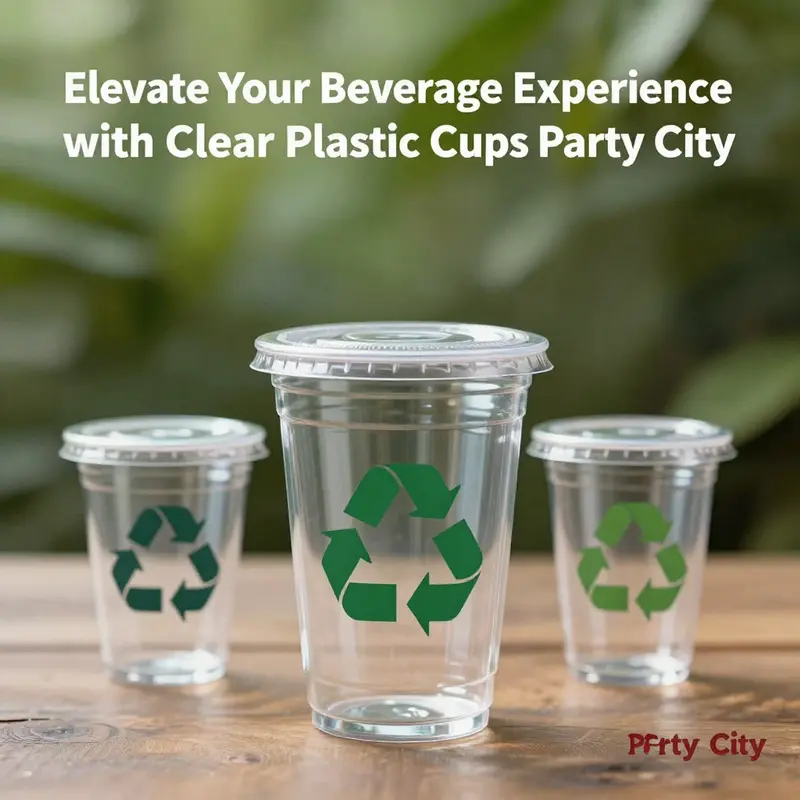
This chapter examines the environmental tradeoffs of using clear plastic cups with lids at events. It traces lifecycle considerations from resin production to end of life, including recycling challenges, contamination, energy use, and the role of consumer behavior. It discusses BPA-free labeling, compostable alternatives, and the potential for reusable systems to reduce waste when a maintenance loop exists. The aim is to provide practical guidance for planners and retailers to align choices with local waste infrastructure, rather than judging disposables in isolation. Readers will find considerations for rinsing, proper disposal, labeling, and the integration of reusable options for frequent events, along with pointers to resources that help evaluate options in context.
Clear Confidence at the Party Table: A Cohesive Look at Party City’s Clear Plastic Cups with Lids

When a party is planned, the cup is more than a vessel; it is a small stage for color, texture, and interaction. The official Party City store page that features clear plastic cups with lids underscores how these simple items anchor beverage presentation, guest experience, and convenience in one neat package. From the outset, the page highlights a practical truth: there are many sizes, forms, and affiliated lids to choose from, and the emphasis on both disposable and reusable options signals the dual role these cups play in modern celebrations. The clarity of the cups makes the color of a drink—bright lemonade, a deep iced tea, or a swirl of bubble tea—pop to the eye, which in turn influences how guests perceive the drink’s freshness and value. The lids, meanwhile, are more than a barrier to spills; they invite consideration of transport, serving style, and even the chance to stage a self-serve setup that keeps hands free for conversations and games. In this frame, the cups are not just containers; they are part of a wider party economy that blends aesthetics with ease of use.
The Party City collection, as described on the official storefront, emphasizes versatility. There are multiple sizes to accommodate everything from a quick toast to a full-length serving, and the range of colors and types widens the possibilities for coordinating with a party theme. The inclusion of transparent plastics alongside other varieties suggests a balance between showcasing the drink and maintaining a clean, simple presentation. For event planners and families alike, that balance can be decisive. A clear cup allows a host to highlight the drink’s texture—frost on a cappuccino, a gradient in a fruit-infused tea, or the hue of a lemonade fizz—without introducing extra patina or color that could clash with the decor. This alignment between form and function becomes especially meaningful when one considers the rhythmic flow of a party: guests arrive, choose a beverage, mingle, and move on. The right cup helps keep that flow smooth, reducing spillage and enabling quick rehydration between activities.
That practical thread leads naturally to the other half of the equation: lids. The product range on the official page foregrounds cups with lids as a standard feature, not a sporadic add-on. This matters for outdoor events, late-evening gatherings, or parties with a layered schedule where guests transition from one activity to another. A lid lowers the risk of drips on furniture, prevents accidental spills during a toast, and supports a grab-and-go style that some guests appreciate after a long night. The lids also facilitate the use of straws in a clean, organized way, which is a subtle but important facet of guest experience. When the party moves from desserts to social games, the cups with lids remain reliable, reinforcing a sense of order and predictability amid the lively pace of the celebration.
From a design perspective, the transparency of these cups interacts with lighting, table settings, and the mood of the event. Clear plastic cups can be paired with simple, elegant tablescapes or with bold, neon accents that enjoy a high-contrast look. The visual impact is not just about color; it is about the perception of freshness and cleanliness. A clear cup frames the drink as the focal point, inviting guests to notice the beverage’s bubbles, cream swirls, or ice shards. In turn, this can influence guests’ expectations about flavor and quality, creating a feedback loop that begins with a first impression at the tabletop and travels through to the taste experience. In settings where beverages crowd the surface of a table—buffets, dessert bars, or cocktail stations—the capability to quickly identify a drink by its appearance can reduce congestion and confusion. These small details compound into a smoother, more enjoyable social environment.
Beyond aesthetics and convenience, material composition is an undercurrent that shapes decision making. The Party City page signals a spectrum of options that include both disposable and reusable cups, which hints at a broader conversation about sustainability, cost, and reuse in party planning. While many clear cups are designed for single-use, there are instances where a host might opt for sturdier, reusable clear cups that can be washed and used again for a few events before discarding. This choice intersects with budget considerations, storage space, and the expected turnover of a guest list. Hosts who anticipate frequent gatherings may favor durable options that justify multiple uses, while casual hosts or larger scale events might lean toward the economical appeal of disposables that speed cleanup after the last dance. The lid integration becomes especially important in this calculus, as a secure lid can bolster the case for reuse by minimizing the risk of leakage during washing and handling between events.
In exploring the landscape of clear cups with lids, it is natural to consider what customers experience beyond the storefront. The research notes that explicit customer insights tied directly to Party City’s clear cups with lids are not readily available. That gap underscores a broader truth in retail and event planning: product pages can convey specifications, but they cannot alone reveal how real people interact with the items in their homes or at parties. What customers do share on review platforms can illuminate issues like clarity of the plastic, the sturdiness of the lid, the ease of stacking for storage, and the ease with which cups can be transported in a party tote. These experiential details often emerge in feedback about how the cups perform in practical settings—the moment of pouring, the friction of stacking in a crowded cooler, the way the lid seals against condensation, or how the cups withstand cold drinks without sweating or warping. Acknowledging this gap also invites a more careful approach to product selection. It invites hosts to balance the objective notes found on the Party City page with subjective experiences those who host or attend events share online, which can include observations about price, availability, and the overall perceived value of the design.
To set a broader context, it is useful to keep in mind the global supply chain frame in which these cups exist. A related supplier, Zhejiang Jiayou Biotech Co., Ltd., is noted in the literature as a manufacturer and supplier of disposable plastic cups. However, this company is not linked to Party City, and its mention serves only to illustrate the wider ecosystem of production behind the consumer-facing product. The distinction matters because it reminds readers that the visual and functional advantages highlighted on a retail page come from a complex network of manufacturers, distributors, and retailers, each contributing different quality signals, prices, and service commitments. For readers who want to explore the broader market, official retailer pages provide one lens, while independent review platforms offer another. Those sources together can yield a more robust understanding of how clear cups with lids perform in real life, which is especially relevant when planning events that aim for both efficiency and a certain stylistic coherence.
In this evaluation, an effective approach to shaping decisions blends the strength of official product specifications with the nuance of user feedback. The Party City page provides a clear baseline of what is being offered: a variety of sizes, a range of styles, and the integrated lid option, all designed to meet common party scenarios—from casual backyard gatherings to more formal celebrations. The emphasis on cold drinks and beverages such as iced coffee or milk tea aligns with the practical realities of modern entertaining, where beverages are often prepared ahead of time and served to guests who circulate through spaces that require easy, spill-resistant handling. When this baseline is combined with actual guest experiences and budgetary constraints, hosts can make more informed choices about whether to lean into disposables for speed and convenience or to invest in durable, reusable options that support sustainability goals.
Finally, the absence of direct customer insights on Party City’s specific clear cups with lids invites a deliberate, research-informed approach to decision-making. Consumers are encouraged to consult diverse sources: the retailer’s own site for precise specifications, broad review platforms for experiential anecdotes, and supplier databases for context on manufacturing quality, material safety, and compatibility with other partyware. The triangle of retailer detail, consumer narratives, and supplier background creates a more complete map of what these cups can deliver. For event organizers, researchers, and curious readers, the path is to use the Party City listing as a starting point, then deepen understanding through verified customer experiences and market context. This layered approach helps ensure that the chosen cups not only look right on paper but also function reliably in the flow of a real-world party.
Internal resource for practical context: disposable clear plastic cup for parties.
External context for market understanding: for broader context on suppliers and manufacturing networks, see this external resource: https://www.hktdc.com/
Final thoughts
Choosing clear plastic cups with lids from Party City is an investment in quality, convenience, and customer satisfaction. With a variety of sizes and styles tailored for a wide range of beverages, these cups are perfect for anyone in the beverage service industry. Their availability ensures that every drink, whether for everyday service or special events, is presented beautifully and safely. With a focus on sustainability, customers can feel great about their choices while enjoying reliable product performance. Take your beverage service to the next level today!