

Clear plastic mason jar cups have become a defining choice for beverage retailers, restaurants, and event planners looking for stylish yet sturdy drinkware. Their transparent design invites consumers to engage with the product, while the lightweight durability addresses the challenges associated with glass. This article dives deep into clear plastic mason jar cups, exploring the materials used, sourcing options, and diverse applications that cater to the needs of beverage shops, food trucks, and corporate events. Through understanding their benefits and practical uses, businesses can enhance their branding and customer experience effectively.
Crystal Clarity in a Shatterproof Form: Materials, Benefits, and the Rise of Clear Plastic Mason Jar Cups

Clear plastic mason jar cups sit at a unique crossroads between utility and presentation. They are not merely containers; they are design elements that balance weight, durability, and visibility. In the crowded space of beverage service, retail display, and event packaging, these cups offer a look that is at once familiar and contemporary. Their appeal rests on a simple truth: when the contents are plainly visible, the product feels more appetizing, more trustworthy, and more customizable. The materials that go into these cups determine not just how they perform, but how they communicate a brand’s values to diners, shoppers, and guests. This chapter moves through the core materials—polypropylene, polycarbonate, and acrylic—and the benefits they confer, from unbreakable practicality to refined aesthetics. It also considers the practical realities of sourcing, care, and sustainability, emphasizing how choices in material translate into everyday outcomes for businesses and individuals alike. The narrative here aims to connect the science of plastic with the craft of service, showing how a transparent cup can become a trusted workhorse in many settings.
Material choice shapes almost every facet of these cups. Polypropylene, or PP, is the workhorse option for many operators who need a balance of lightness, safety, and cost. PP is BPA-free, a crucial consideration for consumers wary of chemical exposure, and its heat resistance makes it reliable for cold beverages that travel or sit on tables in warm rooms. It is not, however, designed for high-heat exposure, and while it can handle chilled or iced drinks with ease, it tends to shine most in applications like iced coffee, smoothies, and slushies where the temperature remains well below the boiling point. The impact resistance of PP means fewer breakages during busy service periods, a factor that matters as much as any flavor profile in a bustling cafe or event space. This material choice also aligns with sustainability goals in many operations, because PP is widely recyclable and can be incorporated into circular product streams with proper processing.
Polycarbonate, by contrast, leans into durability with a tougher, more resilient profile. Its chemical resistance and superior strength can give a business confidence in high-volume environments that demand robust performance. PC cups can be used for both hot and cold beverages, depending on the design and the tolerances involved. The trade-off is cost and, for some customers, the ongoing consideration of potential BPA concerns. Modern manufacturing has responded with BPA-free PC formulations in many cases, but operators still weigh the trade-offs between heightened impact strength and the overall lifecycle costs of the product. For venues that host large crowds or events where breakage is a recurrent risk, PC’s sturdiness can translate into lower replacement and maintenance costs over time, which can be compelling in a total-cost-of-ownership calculation.
Acrylic rounds out the trio with a clarity that closely mimics glass while maintaining the lightness of plastic. The aesthetic appeal of acrylic is undeniable—the material offers a near-glass appearance that can elevate the perceived value of a beverage or product. Acrylic cups commonly boast excellent clarity and a smooth surface that refracts light in a way that makes colors pop. They suit environments where presentation matters as much as practicality, such as premium beverage displays, boutique shops, or carefully styled event settings. However, acrylic is typically more prone to scratching than PP or PC, and it can be more fragile than polycarbonate in certain scenarios. When chosen, acrylic is often paired with careful handling and occasional refinishing to maintain its pristine look. Each material—PP for the everyday workhorse, PC for rugged duty, and acrylic for a premium visual frame—fits different business models and service expectations.
The benefits that clear plastic mason jar cups deliver are inseparable from these material differences. Foremost among them is the unbreakable nature of modern plastics. In busy cafes, tasting rooms, and outdoor venues, the risk of shattering glass is a real concern. Plastic cups reduce that risk dramatically, enabling faster service, easier transport, and safer handling in crowded lines and bustling events. The unbreakable characteristic translates into tangible time savings for staff and a safer customer experience, minimizing the potential for costly cleanups or accident-related liabilities. In addition to durability, these cups are typically reusable and dishwasher safe, aligning with growing business commitments to waste reduction and responsible reuse. The prospect of repeatedly washing and reusing containers can lower the annual disposable footprint and contribute to a cleaner, more sustainable operation when paired with robust cleaning protocols.
Next comes the visual clarity that gives both front-of-house teams and customers a window into the product. The transparent design makes it possible to showcase the actual beverage, from the emerald greens of a matcha latte to the deep amber of a spiced tea. This transparency is not a mere aesthetic; it’s a strategic advantage for beverage branding and retail display. When customers can see the layers, colors, and ingredients, they often feel more confident about the product’s freshness and quality. The ability to display content visually also supports promotions, flavor flights, and sensory marketing where color cues and texture become part of the overall experience. In settings where branding is important, these cups become currency for storytelling—whether a shop is highlighting not only the drink, but the ingredients and the sourcing behind it.
Versatility follows closely behind the durability and clarity. Clear plastic mason jar cups are often designed to work with a range of lids, straws, and accessories that complete the service ecosystem. Matching lids and straw options are common, and there is a growing emphasis on eco-friendly choices, including paper or reusable metal straws and recyclable lids. The availability of double-wall designs adds another layer of practicality by providing insulation that helps keep cold drinks cooler longer while reducing condensation on the outside of the cup. This feature improves handling for both customers and staff and enhances the overall drinking experience by minimizing drips and messes on table tops. The packaging and display opportunities expand beyond beverages. These cups find homes in food storage, sample packaging, and retail demonstrations where the ability to clearly show contents is a core value proposition.
People often consider not just the material, but the broader ecosystem in which these cups operate. In many wholesale and bulk supply contexts, suppliers emphasize customization and branding options. Silk-screen printing, color spraying, or labeling can transform a simple cup into a portable billboard for a brand, event, or promotion. The capacity to align the cup with a campaign’s color palette, logo, and messaging makes the container integral to brand identity. This alignment matters because it helps products stand out in crowded display environments and on social media where photos of colorful beverages with clean, clear packaging perform well. It also supports a seamless consumer experience, where the packaging reinforces the beverage narrative—from the ingredient story to the sustainability promise.
A pragmatic view of sourcing reveals a marketplace that has grown adept at meeting diverse needs. Bulk suppliers, particularly those rooted in major manufacturing regions, offer sets that include cups in several common sizes, along with lids and straws. Prices can vary based on volume, material, and customization. It is not unusual to encounter price ranges that reflect the scope of the order, from smaller bundles to large factory lots. For smaller operators, entry points can be accessible, with sets designed for demonstration or pilot use. For larger brands, the efficiency of sourcing in bulk, coupled with customization options, can drive economies of scale that translate into lower per-unit costs and more consistent packaging. The decision often hinges on a blend of price, performance, and alignment with brand and sustainability goals. In the end, the chosen combination of material, design, and supplier capability defines not just the cup, but the pace and quality of service that customers experience.
The practical implications of material choices extend into care and lifecycle considerations. Dishwasher safety is an important factor for many operators. PP and PC often stand up well to repeated washing, which supports long-term use in high-traffic environments. Care guidelines—such as avoiding high-heat cycles on certain formulations or ensuring lids and straws are compatible with the cup wall thickness—help preserve clarity and structural integrity. The lifecycle costs matter too. While PC may demand a higher upfront investment, its durability can reduce replacement frequency in high-use settings. PP, with its lighter weight and lower cost, may be preferred for lower-volume operations or for disposable-focused workflows where the cups are intended for reuse but not heavy-duty abuse. The materials also intersect with environmental considerations. PP’s recyclability can align with established recycling streams when local infrastructure supports it. PC’s sustainability implications depend on the availability of recycling pathways for polycarbonate resins in a given region. Acrylic, while aesthetically appealing, introduces its own set of care and wear considerations, particularly regarding surface scratching and long-term clarity. A thoughtful decision balances impact resistance, heat tolerance, cleaning practicality, and the brand’s commitments to sustainability.
Customizing for branding and consumer engagement is a practical extension of material choice. The clear design serves as a stage for color, texture, and messaging. Silk-screen methods and printed labels can convey flavor profiles, sourcing narratives, or seasonal promotions without obscuring the beverage itself. This capacity to tell a story through packaging aligns with consumer expectations that brands are responsible, transparent, and stylish. It also integrates with broader packaging ecosystems in retail and event spaces, where a cohesive look across cups, boxes, and display elements reinforces a unified brand language. Importantly, customization does not have to come at a premium if demand is scaled through bulk production and streamlined manufacturing workflows. The economics of branding, when paired with durable materials and reliable suppliers, can support more frequent updates to campaigns and more dynamic in-store experiences.
Beyond the beverage world, these cups prove their versatility again in food storage, crafts, and display. The clear walls permit quick visual checks for freshness and portion sizes, while the wide mouths allow easy filling and scooping in kitchen and workshop settings. In DIY crafts and sample packaging, the same translucence invites creativity—think layered desserts, spice samples, or sachets of ingredients arranged in an orderly, appetizing fashion. Even corporate or educational settings can leverage these cups for demonstrations, tastings, or product samples, where the transparency of the container helps communicate quality and authenticity without distracting from the contents. The enduring value lies in the cup’s ability to be both functional and visually straightforward, a reliable stage on which beverages, snacks, and samples can perform their best.
Understanding material standards and the practical footprint of clear plastic mason jar cups also means recognizing the evolving expectations around safety and sustainability. The choices span from regulatory considerations—ensuring compatibility with food contact standards and temperature ranges—to everyday choices that reduce waste and extend the life of the product. The broader consumer and business landscape increasingly favors products that can be reused, recycled, or repurposed. In that sense, PP remains a widely accepted option for cold-beverage applications, offering a favorable combination of safety, economy, and recyclability. PC serves those who need the extra durability, and acrylic serves those who prioritize display and aesthetics while balancing care considerations. The ultimate decision rests on the service context, expected lifespans, and the brand story the container is meant to convey. In practice, a well-chosen material becomes a quiet partner in efficiency, safety, and perception—the kind of detail that can tilt a guest’s memory of an experience from ordinary to notable.
For deeper technical grounding on standards, specifications, and cross-industry applications, readers may consult industry-focused resources that compile material performance data, regulatory guidance, and best practices for use in food service and retail packaging. This broader context helps ensure that the practical choices made at the cup level align with quality expectations and sustainability commitments across the supply chain. And when brands want to translate that clarity into everywhere their products appear, the right combination of material, design, and supplier capability can turn a simple cup into a reliable part of a cohesive customer experience. One practical tip for businesses evaluating options is to prototype with a small, controlled batch that mirrors real-service conditions. This approach reveals how the chosen material behaves under the specific temperatures, handling, and washing routines of the operation. It also offers a straightforward way to compare how different designs interact with lids, straws, and branding elements, ensuring that the final setup delivers both performance and polish.
As this exploration of materials and benefits concludes, it is useful to reflect on the larger implications for customers and operators who aim to balance practicality with presentation. Clear plastic mason jar cups embody a philosophy of transparency—not only in the beverage itself but in the way packaging communicates with consumers. The choice of PP, PC, or acrylic shapes not only the cup’s physical properties but also the business’s capacity to deliver reliable service, striking visuals, and a sustainability-forward narrative. In environments ranging from fast-paced cafes to curated tasting events, these cups provide a stable platform for a moment of sensory engagement. The material choice, the design, and the supplier network together form a triad that can elevate ordinary drinks into memorable experiences. For brands seeking to weave clarity, durability, and aesthetics into a cohesive packaging story, the coffee, smoothie, or mocktail in a crystal-clear vessel can become a signature moment—one that participants remember not just for flavor but for the integrity and care reflected in the container itself. This alignment of material science with hospitality and branding is what makes clear plastic mason jar cups more than a container; they are a strategic asset in how a product is perceived and enjoyed.
External resource: Material standards and applications for plastic mason jar cups across industries can be explored in depth at the following external reference: https://www.beverageindustry.com/food-service/plastic-mason-jar-cups-bulk-material-standards-technical-specifications-and-applications-across-industries. For practical context and a broader look at an example of related packaging options, see this internal resource on disposable clear plastic cups for events and gatherings: Disposable clear plastic cup for parties and events.
Clear Path to Brand Impact: Sourcing and Customization of Clear Plastic Mason Jar Cups
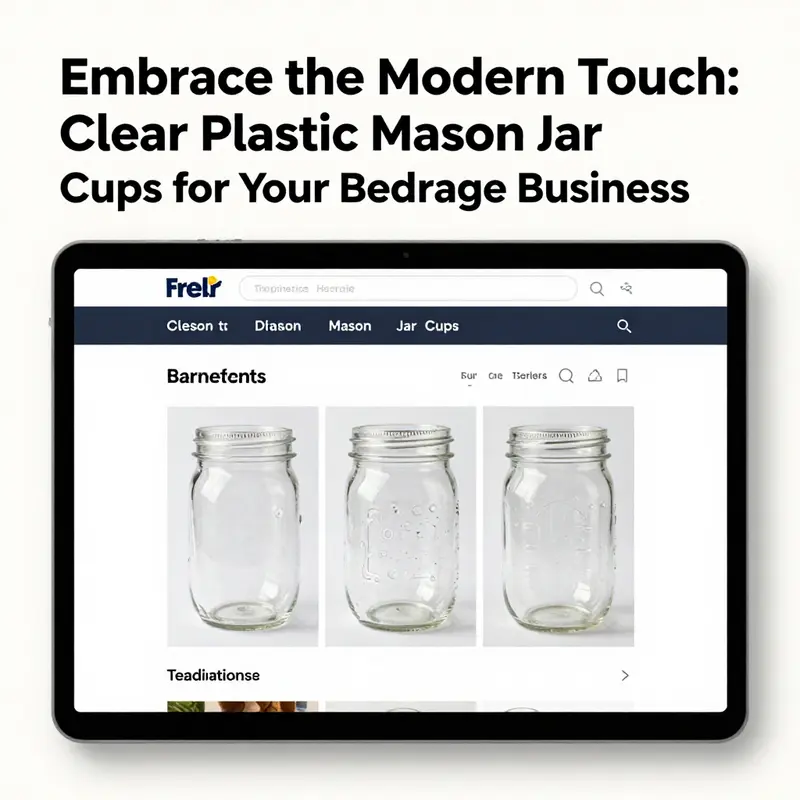
Procurement is never just a logistical step; it is a strategic act that shapes how customers perceive a brand, how efficiently a operation runs, and how sustainably a business can scale. When a cafe, beverage brand, or events team chooses clear plastic mason jar cups, they are selecting more than a container. They are selecting a canvas for visual appeal, a reliable vessel for flavor, and a durable platform for storytelling. The decision process blends an understanding of global manufacturing ecosystems with a careful eye for material safety, design flexibility, and practical logistics. The conversation begins with the reality that the best cups are the product of converters and processors who understand food contact standards as a baseline, not a bonus. From there, it is a short, deliberate journey to the ways in which these cups can be customized to reinforce a brand message from the first glance to the last sip.
In the most streamlined terms, procurement of clear plastic mason jar cups rests on three pillars: the manufacturing backbone, the customization options, and the supply chain discipline that keeps lead times predictable and quality consistent. The manufacturing backbone is anchored in specialized regions where plastics processing is deeply integrated with molding, inspection, and packaging. In many cases, those regions host clusters that manage not only the final product but also the upstream steps that influence price, lead time, and risk. For clear plastic mason jar cups, the most relevant materials are polypropylene and PET, with polycarbonate playing a smaller role in niches that demand higher heat resistance or superior optical clarity. Each material carries its own profile of safety, recyclability, cost, and performance. polypropylene (PP) is widely favored for its food-grade safety, cost efficiency, and recyclability; it is BPA-free and well-suited for cold beverages, smoothies, and desserts that require a crisp, transparent presentation. PET brings strong clarity and good barrier properties, making it appealing for multi-use or promotional packaging where visibility and a premium feel matter. Polycarbonate (PC) systems offer exceptional clarity and heat resistance but may carry concerns about BPA content and price, and thus are typically reserved for applications that require those performance traits rather than broad, everyday use. In practice, most bulk orders lean toward PP or PET to balance safety, cost, and recyclability in a way that aligns with the broader sustainability goals of many brands.
Behind these material choices lies the architectural advantage of a global supply chain that has matured around high-volume, high-accuracy production. China remains a central hub for this category, leveraging mature polymer processing technologies and deeply integrated supply chains that cover raw materials, injection molding, quality control, and export logistics in a single arc of production. The major industrial clusters—often cited in industry discourse—are centers of gravity where factories run continuously, where an order of tens of thousands of units is not an exception but an expected scale. In these hubs, manufacturers excel at translating a simple cup into many flavors of customization while maintaining consistent tolerances, which matters as much as the contents of the cup itself. The ability to manage large volumes without compromising on clarity, wall thickness, or seal integrity is what keeps brands on time and on budget when demand spikes during holidays, promotions, or seasonal campaigns.
This procurement arc, however, is not a straight line. It requires a precise alignment of specifications, testing, and supplier capabilities to ensure that each batch meets the expected safety standards and performance requirements. Buyers should insist on food-grade plastics that adhere to recognized safety standards for direct contact with food and beverages. This typically translates to documentation such as ISO certifications and laboratory tests that verify material composition, migration limits, and compliance with FDA or SGS standards. The emphasis on compliance cannot be overstated. A supplier who cannot furnish transparent documentation or who cannot provide reliable samples for pre-production testing introduces risk that can disrupt inventory plans, compromise safety, and undermine brand trust.
With the backbone in place, the customization options become the second axis of value. Clear plastic mason jar cups are a blank palette that supports a broad spectrum of brand expression. Logo printing on the cup body or lid—whether through silk screening, heat transfer, or digital printing—allows a brand to maintain a clean, uninterrupted view of the beverage while still declaring identity. The type of print is more than decorative; it influences durability and washability in reuse scenarios, and it can affect how the cup performs in a high-volume service environment. For many operators, silk screening offers durability and legibility at scale, while digital printing opens opportunities for gradient finishes or micro-detail branding that would be impractical with older methods. In addition to logos, color could be introduced beyond transparent finishes. Frosted finishes, tinted hues, or subtle gradient effects create a perceptible lift in shelf presence and can help beverages stand out on crowded service lines or in retail displays. Those color options must be weighed against the demand for recyclability and end-of-life disposition, ensuring that the chosen finishes remain compatible with standard recycling streams.
Lid and straw integration expands the utility of these cups. Pre-packaged sets that combine cup, lid, and straw—compatible with polypropylene, PET, or alternative materials—streamline service, reduce waste, and support your brand’s sustainability narrative. Materials for lids and straws range from conventional plastics to paper-based alternatives or reusable metal options. Each combination has implications for cost, sterilization, and consumer experience. A common path is to offer a standard, fully compatible accessory set that can be customized through color or labeling and then paired with packaging that reinforces brand identity. Packaging customization, in turn, becomes an extension of the same thread. Branded boxes that carry the same visual language as the cup set a cohesive impression for customers choosing a product in a retail display or attending an event. Even packaging, when designed with intention, can reduce waste by enabling better portion control and easier handling during transport and service.
In practice, a well-managed customization program will also consider eco-friendly alternatives that align with consumer expectations around sustainability. Many suppliers now offer biodegradable straws or recyclable PP cups as part of their standard lineup, alongside more traditional plastic options. The market’s appetite for greener choices does not simply reflect a trend; it reflects changing consumer behavior and a growing emphasis on lifecycle thinking—from production to reuse and end-of-life management. When a brand selects an eco-friendly path, it is not only purchasing a cup; it is committing to an entire narrative about responsible consumption and responsible manufacturing.
To navigate customization effectively, buyers benefit from structured conversations that translate design ambitions into manufacturable specifications. A typical briefing begins with the material choice (PP or PET, with PC reserved for niche uses) and a baseline design, then expands into the spectrum of finishes (clear, frosted, tinted, gradient), opening the door to branding through both surface treatment and color. The next steps involve selecting printing methods and confirming compatibility with the chosen lids and straws. Packaging decisions follow, including whether to use branded secondary packaging or eco-friendly outer packaging that reduces waste without compromising protection during shipping. Each step adds a layer of cost and lead time, so a disciplined procurement plan is essential to avoid overengineering a solution that does not deliver incremental value in market terms.
A practical approach to sourcing in this space recognizes the importance of supplier flexibility and the potential for long-term partnerships. Buyers should seek suppliers who can demonstrate not only capacity but also a track record of reliable communication, rapid sample turnaround, and iterative collaboration. Sample testing is a critical stage; it reveals how a cup performs under real-world handling, how the printing adheres to curved surfaces, how well an ink or dye holds through multiple uses, and how the packaging design interacts with shipping constraints. Transparent, proactive dialogue about quality and process significantly reduces the risk of defects that could disrupt a campaign or erode customer trust.
In many procurement programs, the process is anchored by a curated set of supplier criteria. ISO certification or similar quality management credentials provide a baseline confidence that the factory operates with consistent processes. FDA or SGS compliance offers a signal that the product is suitable for direct food contact and has undergone credible testing. A supplier’s willingness to provide samples before bulk production is a strong indicator of reliability. Another signal is responsiveness: a supplier who replies promptly with clear data, photos, and test results helps keep timelines intact, especially when new customization is being introduced or when packaging configurations are being adjusted for a seasonal push. Finally, the long-term view matters. Buyers should consider the total cost of ownership, which includes not just price per piece but also the reliability of supply, consistency in color or print, post-sale support, and the ease of reordering as demand evolves.
The procurement journey cannot ignore the realities of logistics and import management. When sourcing clear plastic mason jar cups from a global supplier, buyers should plan for transit times, lead times, and minimum order quantities that align with demand forecasts and event calendars. The best practice is to lock in forecast-based commitments that allow the supplier to plan production runs efficiently, reducing the risk of stockouts or last-minute price spikes. Packaging configuration also plays a decisive role in logistics efficiency. Bulk packaging, palletization, and shrink-wrapping strategies influence handling, shipping density, and breakage rates. In many programs, suppliers offer value-added services, such as pre-assembly of cup-lid-straw sets or bundling with branded packaging materials, which can further streamline store or event operations and reduce on-site assembly time.
A practical procurement framework emphasizes quality gates at various stages. Initial documentation and material certifications establish the baseline. Sample trials verify form, fit, and function before a formal production run. Pre-shipment inspections help catch issues that could otherwise surface after arrival, when returns and restocking costs can be significant. The framework also recognizes that product development cycles can be iterative. A well-run program allows for pilot batches to test new finishes or new pack configurations, followed by a broader rollout once data confirms the concept’s viability. This iterative approach supports brand evolution without sacrificing operational stability.
As brands weigh customization options, they should consider how the cups integrate into a broader packaging ecosystem. A single cup can be part of a cohesive line that extends to secondary packaging, merchandising displays, and consumer take-home experiences. The soft geometry of a mason jar presentation creates opportunities to tell a story about freshness, portion control, and a modern aesthetic. Consumers notice, for example, how a transparent cup reveals layers in a dessert or how the clear surface makes a smoothie look vibrant and inviting. The ability to pair the cup with a branded lid and straw adds another layer of resonance, especially at events where clean, on-brand visuals contribute to a memorable guest experience. When designed with intention, the combination of cup, lid, straw, and packaging becomes a visual and tactile narrative that supports price positioning and consumer perception.
Beyond the cap-and-crown of branding, the procurement strategy must align with sustainability commitments. Eco-friendly options—such as recyclable PP cups or compostable or biodegradable straw alternatives—present a compelling way to meet consumer expectations without sacrificing performance. Buyers should examine end-of-life scenarios and recycling compatibility for the finished packaging system, ensuring that the chosen configuration does not complicate municipal recycling streams or require specialized processing. Where feasible, suppliers can also offer programs to reclaim and reuse components or to participate in return-and-recycle schemes that reinforce a circular economy narrative. In short, the procurement decision becomes an embodiment of corporate responsibility—an operational decision rooted in practical efficiency and a philosophy of stewardship.
To illustrate how these principles come together in practice, consider the lifecycle of a typical procurement project for a mid-sized beverage program. The team begins with a specification brief that defines material choice, minimum wall thickness, and a baseline clear finish. They select a printing method compatible with curved surfaces and confirm the lid and straw configuration that will be offered as a standard accessory set. Packaging is designed to support on-shelf visibility and on-site efficiency, with branding opportunities carried through to the outer carton or display header. The procurement lead then engages a short list of vetted suppliers who can demonstrate capacity, share test results, and commit to a transparent sampling plan. After reviewing samples for clarity, print durability, and seal integrity, the team moves to a pilot run that validates production tolerances and shipping performance. If the pilot succeeds, the order scales with predictable lead times and a safety stock plan that guards against spikes in demand. Throughout, the team maintains open channels for feedback, upgrading finishes, adjusting packaging, and refining the overall configuration as consumer insights and market conditions evolve. The goal is not merely to purchase a cup; it is to establish a reliable, scalable, and brand-consistent procurement architecture that can adapt as the business expands or shifts focus.
For operators who require a hands-on reference to how these packaging choices look in action and how related packaging solutions can harmonize with the cups, consider exploring related packaging designs that complement the cup lineup. One such resource demonstrates how foldable packaging with window views can enhance product presentation at events and in retail spaces. See the concept here: foldable cake boxes with window packaging. This example illustrates how a cohesive packaging ecosystem can extend a brand story beyond a single container, delivering both practical protection and visual appeal that resonates with customers.
The procurement narrative for clear plastic mason jar cups thus becomes a story about alignment. It is about aligning material science with design ambitions, about aligning production realities with marketing goals, and about aligning supplier capabilities with organizational risk tolerance and sustainability targets. It is a narrative in which quality, consistency, and clarity are not mere attributes but core competencies. In a market that rewards quick service and memorable branding, the right cup—delivered with predictable quality, flexible customization, and responsible packaging—can become a differentiator that supports stronger customer relationships and higher lifetime value. As brands pursue growth, the procurement framework described here provides a reliable compass for navigating the complex landscape of global manufacturing, supplier partnerships, and eco-conscious packaging. The result is not just a purchase, but a scalable, brand-enhancing solution that can travel from a single storefront to a multi-city rollout with confidence.
External reference for broader supplier practices and customization capabilities can be found here: https://Alibaba.com/product-detail/Disposable-Plastic-Mason-Jar-Cups-Fancy-Plastic_1600574924286.html
Seeing Through Possibility: The Versatility and Market Impact of Clear Plastic Mason Jar Cups Across Industries
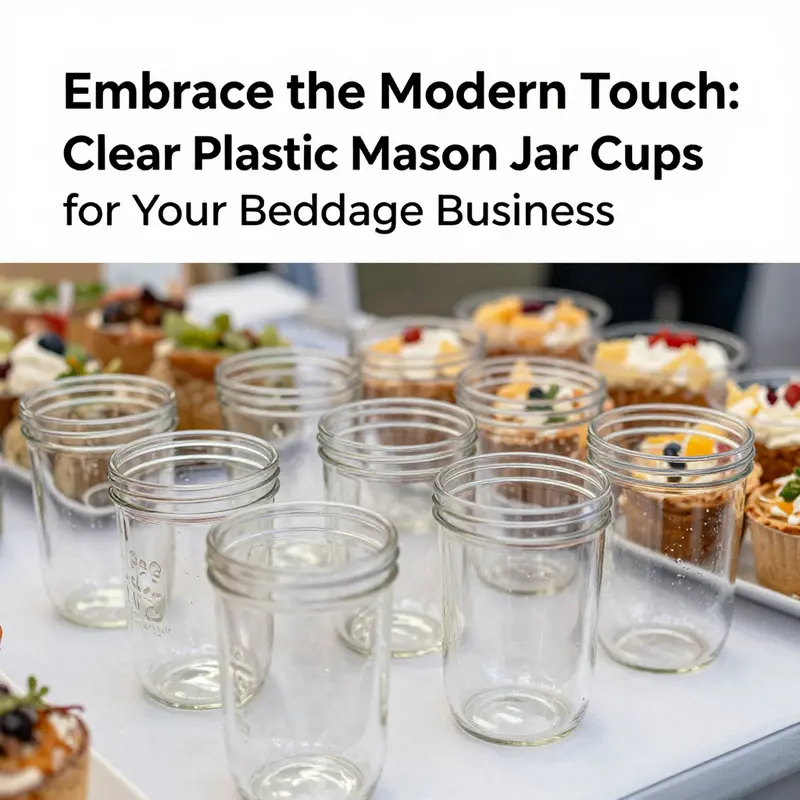
Clear plastic mason jar cups sit at a crossroads of form and function. They are not merely vessels for beverages but flexible instruments that translate a broad set of needs into a single visually honest package. The crystal clarity of the plastic makes contents legible at a glance, turning a simple drink into a curated display. The shatterproof lightweight nature of the cups reduces the risk of breakage in busy service environments and at events where speed and portability often dominate the decision calculus. In the span of a single cup lives a wider story about how consumer interactions with packaging have evolved transparency as trust simplicity as efficiency and modular design as a canvas for branding and utility. This chapter traces that story across the principal spheres where clear plastic mason jar cups have found traction in food service and beverage retail and packaging events and hospitality and the broader industrial context that shapes availability sustainability and customization. It also threads through the practical considerations that influence how a business chooses these cups how suppliers position them and how they can be leveraged to reinforce a brand narrative without compromising practicality or price.
In the realm of food service and beverages the appeal of these cups rests on more than their looks. They are designed to perform under the everyday rigors of a busy kitchen cafe or concession stand. The wide mouth is more than a convenience it is an enabler. Filling, mixing, or layering becomes straightforward when staff do not have to struggle with a narrow opening or a difficult to clean interior. Layered desserts from creamy parfaits to bright fruit compotes resting atop yogurt gain a visual allure that can drive impulse purchases. The transparent chamber acts as a stage for color texture and gradient the way a smoothie swirls from dark green to pale lime or how an iced coffee reveals cream ribbons that slowly swirl through a dark base. In a retail environment the visibility of content translates into perceived value. Consumers can assess portion size ingredients and even freshness at a glance which reduces hesitation and supports a faster decision with less service friction. For establishments pursuing fast turnover or cold display strategies the cups ability to hold cold beverages securely while remaining lightweight and stackable is a practical advantage. The dishwashing compatibility from many models further supports high volume operations where sanitation and turnaround time are critical. This combination of visibility ease of use and durability has made the cups a common choice for smoothies iced coffees lemonades slushies and even craft beers or chilled teas in certain contexts where a glass like presentation is balanced against the need for robust serviceware in fast service settings.
Beyond beverages the same clarity and seal integrity that make these cups appealing for drinks carry over into food presentation and storage. The ability to showcase contents clearly supports a broader culinary display strategy parfaits in a cafe display case yogurt and fruit layered cups in a grab and go counter or poke style bowls presented in a way that highlights color contrasts and ingredient freshness. The seal quality whether used with lids or not often translates into the capacity to store small portions of semi liquid ingredients or samples for customers and events. In retail settings this presentation value expands into cosmetics skincare samples and wellness products where the packaging becomes an extension of the branding strategy. An airtight lid a clip on seal or a simple screw on top helps keep product integrity intact on crowded store shelves or during promotional events supporting marketing initiatives that rely on freshness cues and tamper evident security.
The event and hospitality sector has also found in these cups a versatile vehicle for guest experience gift giving and tableware that travels well. Weddings corporate events and seasonal celebrations benefit from the cups light weight and portability. For outdoor receptions or festival style environments the risk of breakage becomes a key concern in that context shatter resistance takes on new importance reducing waste and enhancing safety for guests who may be navigating uneven terrain or grassy lawns. The cups can serve as elegant favors or interactive drink stations where branding elements logos color accents or taglines are applied through silk screen printing or external labeling. The ability to customize while maintaining cost effectiveness in bulk orders makes them attractive for events that require a cohesive aesthetic across long guest lists. The portable nature of these cups also supports mobile beverage programs catering at market stalls or traveling pop ups that demand reliable easy to clean drinkware that does not require fragile handling or specialized rinsing procedures.
From the perspective of industrial and manufacturing contexts the sourcing and material choices behind clear plastic mason jar cups reveal a broader story about global manufacturing ecosystems and material science. The industry often emphasizes a careful balance among performance safety and cost. Polypropylene PP is widely favored for its food grade properties cost efficiency and recyclability along with its BPA free characteristics that appeal to growing consumer expectations around chemical safety. Polycarbonate PC offers superior clarity and heat resistance but it may carry concerns about BPA and higher price points. These material choices influence not only the user experience but also the life cycle considerations that businesses weigh when selecting bulk packaging solutions. In large scale production hubs particularly in regions with well established plastic drinkware industries manufacturers emphasize consistent quality control sanitary production environments and scalable logistics to meet demand in cafes retailers and event venues. The ability to source in bulk with options for lids straws and even double wall insulation provides a modular platform that brands can adapt to different product lines or seasonal promotions. The global supply chain that supports these cups is especially prominent in manufacturing centers across Asia where the convergence of capable plastics processing tooling and distribution networks can deliver large quantities with predictable lead times. This backdrop matters for buyers who need reliable replenishment cycles predictable pricing and consistent quality as they scale operations or attempt new distribution channels.
A crucial dimension of the conversation around clear plastic mason jar cups is customization. The options extend beyond neutral transparency into a spectrum of branding tactics. Silk screen printing color spraying and labeling enable a company to imprint logos slogans or distinctive color palettes directly onto the cups or their lids. In a retail scenario such touches can turn a simple purchase into a branded experience that reinforces recognition and recall. For a cafe or beverage brand a consistent color story across cup lid and straw can improve on shelf differentiation and create a cohesive look across multiple outlets or pop up locations. The supply chain ecosystems described earlier foster these customization capabilities at scale allowing a brand to deploy limited edition designs for seasonal promotions or event specific campaigns without sacrificing the efficiency of a bulk order. The result is a flexible packaging solution that can function as both a practical cup and a brand asset. It is this dual role utility and marketing that explains why many operators view clear plastic mason jar cups not as a one off purchase but as a core component of a broader packaging strategy.
Sustainability considerations increasingly influence how businesses evaluate these cups. While plastic inherently carries environmental concerns when not managed carefully several features help mitigate impact. BPA free PP formulations address regulatory and consumer safety expectations that have grown more stringent in recent years. Recyclability of PP when responsibly collected and processed provides downstream benefits that can fit into a circular economy model. Some suppliers also offer reusable designs aimed at longer lifespans aligning with consumer behavior that favors reduce and reuse principles in food and beverage service. In addition the availability of double wall designs and robust reusable lids broadens the opportunities for long term use especially in commercial settings where daily cleanup and repurposing across menus and promotions can maximize the value of a given cup. In tandem with these material choices bulk procurement strategies often emphasize supply chain transparency quality assurance and factory grade testing to ensure that cups withstand repeated washing cycles without degrading clarity structural integrity or seal performance. For operators who want to align packaging with sustainability narratives the ability to select from a range of materials and design features while maintaining cost parity with traditional glass or other plastic options can be a deciding factor in how a brand positions itself relative to competitors and evolving consumer expectations.
The practical realities of sourcing these cups in bulk deserve careful attention. The market landscape includes suppliers that emphasize not only product quality but also customization packaging solutions and the logistics of large orders. In many cases platforms that connect buyers with manufacturers in bulk provide a convenient route to access a broad spectrum of options different capacities lid configurations straw formats and even complementary packaging sets that include matching lids and straws. The pricing can be compelling with unit costs that make the cups viable for high volume hospitality contexts or event driven distributions. For example a bulk set may be available at a price point that reflects the economies of scale achievable through mass production while still allowing a business to tailor a portion of the order with branding or color accents. The combination of affordability speed and customization potential helps explain why clear plastic mason jar cups have become a standard component in many operators portfolios. They provide a reliable scalable baseline that supports experimentation with menu concepts seasonal promotions and visual merchandising strategies without forcing an investment in more fragile or more expensive alternatives.
Another facet of their versatility lies in non beverage applications. These cups are frequently repurposed for food storage sample packaging and promotional displays. Their airtight properties when paired with appropriate lids make them suitable for storing sauces jams and spreadable condiments while their transparency provides a clear view of contents that can entice purchase or sampling at point of sale. In DIY contexts crafters and home enthusiasts reuse these jars for crafts gift packaging and display pieces where the combination of form function and the ability to customize the outer appearance with labels or painted designs supports creative experimentation. In retail and consumer goods sectors running small scale trials or sampling campaigns can leverage the same containers allowing marketers to test product concepts portion control and consumer response without incurring the higher costs typically associated with traditional glass packaging. The adaptability across contexts from kitchen to display case to promotional kit demonstrates that these cups are not a single use or niche packaging option but a flexible platform that can be dialed up or down to fit a variety of commercial models and consumer behaviors.
The practical guidance that emerges from considering these factors can be distilled into a few core considerations for buyers. First clarify the primary use case is the cup intended to showcase fresh contents and support a premium presentation or is it primarily a budget conscious workhorse for high volume service. Second align material choice with performance needs and safety concerns If heat resistance or chemical compatibility is important PC or high clarity PP formulations may be warranted provided that regulatory and safety considerations are addressed If cost and recyclability are paramount PP based options typically deliver the best balance. Third think in terms of lifecycle and replenishment how easy is it to source replacement cups lids and straws in bulk and how predictable are lead times Fourth evaluate branding potential through printing and labeling options that can scale with demand enabling consistent visuals across multiple outlets Fifth consider sustainability narratives and consumer expectations and how the packaging choices will be communicated to customers in a way that aligns with corporate values and marketing objectives.
In the broader conversation about packaging clear plastic mason jar cups serve as a case study in how form function and branding converge They illustrate how a simple well designed container can support efficient operations while offering brands a platform to reinforce identity and value They demonstrate that good packaging is not only about protecting a product but about enhancing its perceived value guiding consumer decisions and enabling versatile use across channels The market dynamics surrounding these cups bulk manufacturing global supply chains and a suite of customization options underscore a shift toward packaging solutions that combine reliability with creative potential The result is a packaging category that remains robust under price pressures adaptable to shifting consumer preferences and capable of contributing meaningfully to a brand identity.
To bring the discussion back to practical implications buyers and brand managers should approach clear plastic mason jar cups as more than a single product line They are a modular packaging ecosystem one that can be tuned for performance aesthetics and sustainability In a world that increasingly prizes clarity both literal and metaphorical these cups offer a transparent lens into how packaging decisions shape customer experience and business results They invite a design approach that is as much about clarity of purpose as it is about the clarity of the material They encourage operators to balance the cost and convenience of bulk sourcing with the opportunity to differentiate through customization and brand storytelling And they remind us that even the humblest container can become a credible ambassador for quality safety and style when chosen with intent and executed with consistency.
For readers who want to explore further the standards specifications and applications that underpin these choices a detailed resource offers a broader landscape of material standards technical specs and cross industry applications This guide provides a structured overview of what to look for when evaluating clear plastic mason jar cups for bulk purchase how to interpret material data and how to align supplier capabilities with business goals It also situates these cups within a larger ecosystem of plastics based drinkware and packaging components illustrating how markets converge around common requirements such as safety durability and branding flexibility External resource note for a deeper dive into material standards technical specifications and cross industry applications you can consult the broader guide on plastic mason jar cups bulk that situates these containers within a wider context of packaging and performance across industries This resource complements the practical insights explored here and provides a foundation for selecting testing and deploying clear plastic mason jar cups in diverse settings
As you plan next steps for a project or program that relies on clear plastic mason jar cups consider how your choice mirrors your larger communication objectives If your aim is to convey accessibility freshness and approachability the transparent container signals that your product or experience is uncomplicated and customer centric If your objective centers on premium presentation and gift ready experiences leveraging branding capabilities on the cups combined with thoughtful lid and straw options can elevate the perception of quality without increasing complexity If sustainability sits at the heart of your strategy selecting materials with strong recyclability credentials and ensuring robust end of life scenarios will help align packaging with environmental commitments In every case the cups ability to blend practical operation with vibrant presentation positions it as more than a mere vessel It becomes a proactive element in the customer journey guiding choices shaping impressions and enabling a more efficient expressive and sustainable approach to packaging and service.
For researchers and practitioners looking for a structured sense of the landscape the broader literature on plastic drinkware and bulk packaging highlights a consistent theme: success arises when design material science and supply chain logistics are aligned with real world use cases The resulting products perform reliably under the everyday pressures of busy environments while offering brands a platform to reinforce identity and value In practice that means choosing cups not solely on price or aesthetics but on a careful synthesis of performance metrics branding opportunities and supply resilience It means recognizing that a seemingly simple container can influence guest perception staff ergonomics and even waste streams And it means embracing a mindset that packaging is a living interface between product and consumer capable of enhancing reliability delight and trust across the entire lifecycle of a brand experience.
External resource note for a deeper dive into material standards technical specifications and cross industry applications you can consult the broader guide on plastic mason jar cups bulk that situates these containers within a wider context of packaging and performance across industries This resource complements the practical insights explored here and provides a foundation for selecting testing and deploying clear plastic mason jar cups in diverse settings
Final thoughts
Clear plastic mason jar cups are more than just a trending item; they represent a fusion of style and practicality that benefits various businesses in the food and beverage industry. Their unique qualities offer adaptability for numerous applications, from bars and catering events to retail displays and DIY projects. By understanding their materials and benefits, sourcing strategies, and versatile uses, businesses can elevate their offerings and enhance customer satisfaction. As the demand for sustainable and functional solutions continues to rise, investing in clear plastic mason jar cups paves the way for innovative branding and exceptional service.