
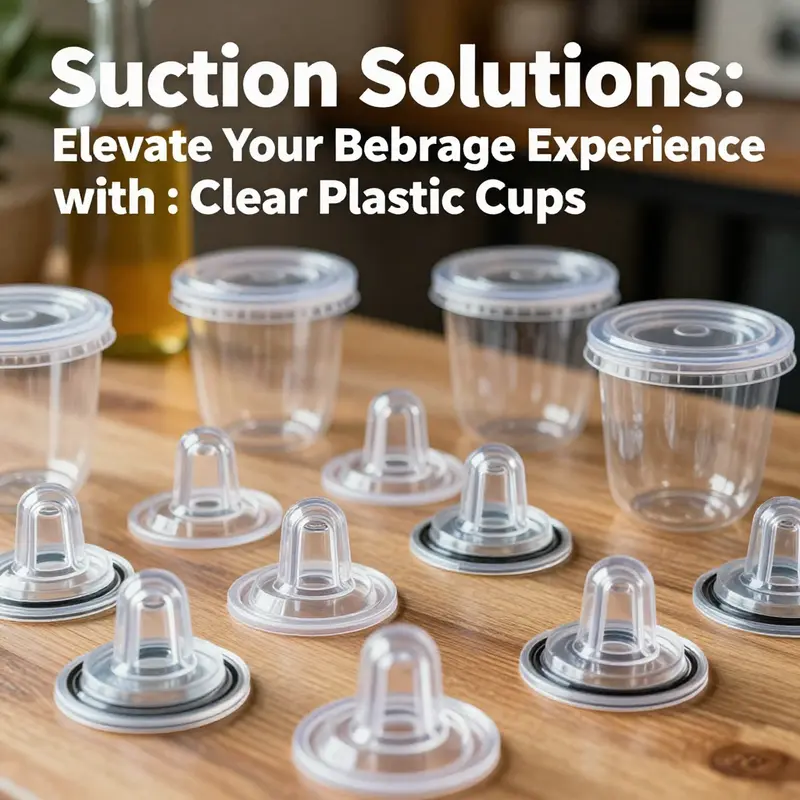
Clear plastic suction cups are more than just functional tools; they are essential for a wide range of applications in the beverage and food industries. For bubble tea shops, restaurants, food trucks, and catering services, these versatile accessories can enhance organization and display, ensuring products are showcased appealingly and practically. Event planners and corporate procurement teams will find valuable insights into how these suction cups can streamline their operations. This article delves into the various applications of clear plastic suction cups, safety and compliance standards surrounding them, custom manufacturing processes, and sourcing options to help you select the right products for your business’s needs.
Transparent Anchors, Clever Corners: How Clear Plastic Suction Cups Redefine Home Decoration and Organization
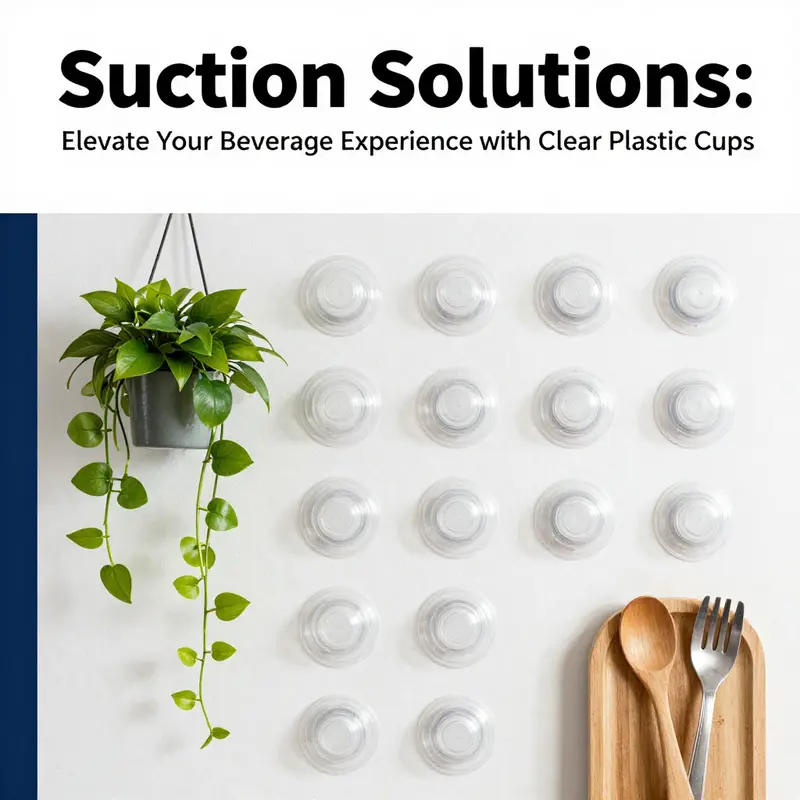
Clear plastic suction cups are understated tools with surprisingly wide-ranging influence in modern homes. They disappear into the background while performing the tireless work of keeping lightweight items neatly in place on smooth surfaces. This quiet utility is not about flashy hardware but about intelligent, reversible mounting that respects surfaces and allows for constant rearrangement. The beauty of these cups lies in their ability to combine invisibility with function. They cling to glass, tile, metal, and polished plastics, resisting the pull of gravity with a simple, small footprint. When used thoughtfully, they turn everyday surfaces into flexible canvases for organization and decoration, producing spaces that feel calmer and more navigable because everything has its place yet nothing feels permanent.
In the kitchen, these transparent anchors unlock organizational clarity that few other solutions can match. A spice rack mounted on a glass cabinet door or a tile backsplash keeps frequently used seasonings at hand while preserving counter space. Because the cups are clear, they do not visually compete with surrounding decor; they recede, letting color and texture take center stage. Utensil holders suspended from a backsplash free up drawers and keep cooking tools within reach. A compact sponge holder near the sink reduces countertop clutter and makes washing up simpler. The flexibility is especially valuable where people like to rearrange layouts for different recipes, occasions, or aesthetics. Suction cups do not damage surfaces and their temporary nature makes experimentation easy.
Bathrooms, with moist air and high humidity, might seem challenging, yet clear suction cups perform well when chosen for corrosion resistance and appropriate load. Soap dishes mounted on shower walls or glass partitions keep bars and pumps off sink edges, reducing puddling. Toothbrush holders on mirrors or tile walls streamline routines, and towel hooks in shower corners hold light towels without visible hardware. Here the aim is neatness rather than heavy loads; transparency blends with reflective surfaces and soft light, preventing visual clutter.
Beyond practical mounting, clear suction cups play an expressive role in decoration. Seasonal displays on windows become more versatile when fairy lights or garlands are suspended without drilling. Clear cups act as nearly invisible anchors for banners or small signs during holidays, letting motifs take center stage. They enable rapid setup and takedown, allowing rooms to be transformed for gatherings without traces once events end. In creative corners they support lightweight frames for art, photos, or crafts on glass doors or cabinet fronts, keeping emphasis on the objects rather than the fixings.
In workspaces and hobby rooms, clear suction cups aid craft organization. They can hold small containers of embellishments, ribbons, or scissors along the edge of a glass desk or cabinet, freeing drawer space and keeping supplies visible. For makers, cups can display miniature works or inspirational visuals on glass panels; transparency ensures focus stays on materials and textures. Designers can customize mounts via prototyping and finishing techniques—matte, mirrored, or textured surfaces, plating, painting, or laser engraving—to integrate hardware with a room’s palette, making these anchors feel bespoke.
At small scales, compact 1.2-inch cups with hooks suit seasonal decorations, jewelry hooks, or tiny frames for quick room refreshes. Tiny cups with top studs create delicate mounting points for minimalism without losing function. Modularity and portability let homeowners respond to everyday needs or celebrations, from last-minute banners to pragmatic sink-area solutions during cooking projects.
Safety and environmental considerations matter. Many cups are made for durability and resilience, with fire-retardant variants and certifications that meet regional standards. Choosing materials that are recyclable or reusable aligns with a preference for non-permanent, surface-friendly solutions. Practical selection depends on intended load, surface smoothness and cleanliness, and ambient humidity; used correctly, suction cups offer a non-destructive route to organize and decorate while respecting interiors and surfaces.
Maintenance and removal are part of their lifecycle. Regular inspection keeps cups firmly attached and free of buildup that degrades grip. Cleaning with a soft cloth and mild soap preserves transparency. If a surface loses grip, reapplying a fresh cup in a slightly different position restores the arrangement. Removal is straightforward and gentle, minimizing risk of scratching or residue on glass, tile, or metal. This reversible strength makes suction cups flexible choices for renters and designers who want adaptive spaces.
Ultimately, the appeal of clear plastic suction cups rests in an intersection of form and function. They deliver quiet, nearly invisible support that serves both practical organization and decorative storytelling. They invite experimentation with layout and materials so homes feel thoughtfully composed rather than merely furnished. In spaces defined by light, texture, and clean lines, these small anchors help keep surfaces pristine while enabling personal expression—one lightweight item, one smooth surface, one moment of rearrangement at a time.
The Clear Advantage: Transparent Suction Cups that Drive Industrial Precision and Visual Merchandising
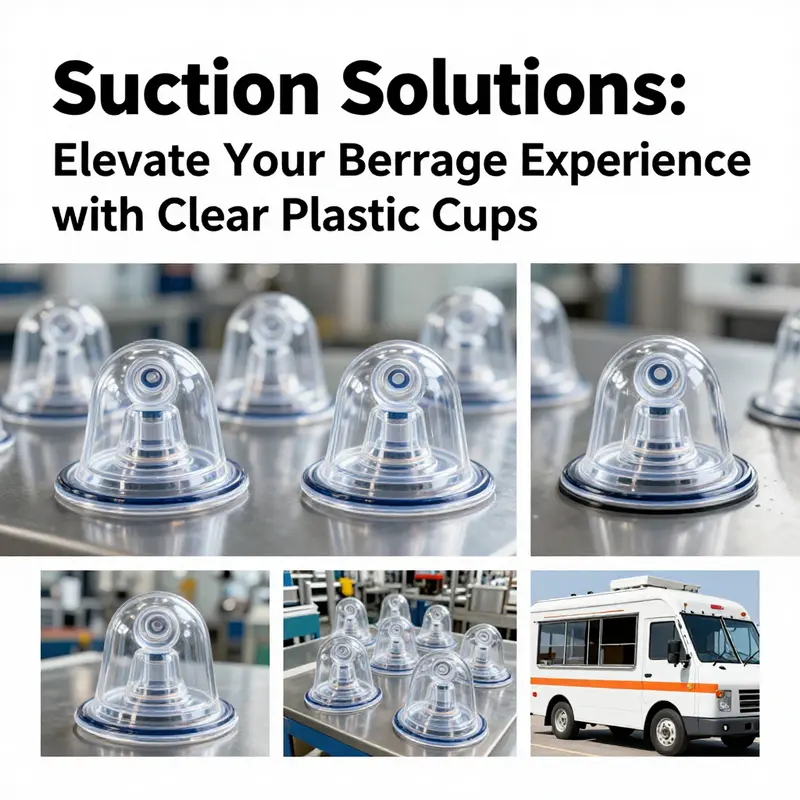
Clear plastic suction cups sit at the intersection of function and presentation, quietly enabling operations that would be difficult, if not impossible, to achieve with visible fasteners or rough adhesives. On the factory floor, in warehouses, and within the carefully lit aisles of retail spaces, these transparent components perform like invisible connectors—holding, lifting, mounting, and displaying with a precision that favors the smooth, the delicate, and the valuable. Their appeal lies not just in their grip but in their discretion. The cups themselves are clear, which means the focus remains on the object they support rather than on the mounting system. That visibility matters when the product is the centerpiece of a display or when a precision process requires a non-obtrusive hand that can nonetheless secure heavy loads. This combination of appearance and performance is what makes clear suction cups a trusted option across a spectrum of industrial and commercial contexts.
Materials used for these cups are chosen for a balance that includes clarity, strength, and environmental resistance. Polymers such as polystyrene, polycarbonate, acrylonitrile butadiene styrene, polypropylene, and polyvinyl chloride offer a spectrum of properties. The right material choice yields a cup that remains optically clear under lighting, resists impact, and endures exposure to cool, warm, or occasionally humid environments without the surface hazing that can accompany cheaper substitutes. Clarity is not merely cosmetic; it is a practical asset in display applications where the viewer’s line of sight should be unobstructed by a mounting system. In industrial settings, the same clarity translates into process confidence: operators can see the contact area and the held item, monitor alignment during lifting, and verify that no part of the workpiece is awkwardly stressed or mispositioned.
In manufacturing and handling, non-powered vacuum suction cups—those that operate without external power or compressed air—are increasingly favored for their simplicity, reliability, and low environmental footprint. They rely on the vacuum created between the cup and the surface to generate grip, a principle that becomes especially valuable when working with smooth, nonporous materials such as metal, glass, and certain ceramics. S-type non-powered cups, for example, are designed to accommodate a broad range of substrates, from metal sheets to glazed ceramic tiles, and even tempered glass. The appeal here goes beyond raw capability: they offer quiet operation, minimal energy consumption, and fewer moving parts that can wear or leak. In automated lines, this translates to reduced maintenance complexity and fewer potential points of failure, which in turn supports higher uptime and steadier throughput.
The industrial case for clear suction cups is further strengthened by their adaptability to heavy tasks. Large-scale lifting and positioning of sizable steel plates and other heavy components on ships, bridges, or fabrication yards can be accomplished with non-powered vacuum systems that operate without generating heat or exhaust. The absence of powered pumps or compressed air lines reduces both noise and emissions, which is a meaningful benefit in environments that demand quiet operation and strict air quality controls. In mechanical processing, laser cutting, and related workflows, suction cups help steady materials with a gentle maintaining grip that minimizes surface marring while keeping operators’ hands clear of moving parts. The result is a more controlled handling process, improved safety margins, and less risk of accidental slippage during critical operations.
Commercially, the same transparent classics that ease industrial handling also empower retail and display professionals. The visual integrity of a product is bolstered when the mounting hardware itself disappears into the background. Clear suction cups are ideal for mounting signs, posters, and promotional materials on glass, metal, or smooth plastics without compromising the aesthetic. The transparency of the cups ensures that lighting, color, and typography are not interrupted by clutter in the mount, which can elevate the perceived quality of a display. In packaging and premium product presentation, the combination of a clear suction cup with a high-clarity surface helps to showcase the item as it moves through rate-driven channels—cosmetics, electronics, jewelry, watches, eyewear, and even gourmet chocolates. In these contexts, the mounting hardware works as a silent partner to the product, allowing the product itself to remain the focal point of consumer attention.
Customization plays a central role in translating the capability of clear suction cups into practical purchases for both large-scale operations and boutique displays. Today’s options extend beyond mere size. The choice of mounting interface—threaded, studded, or screw-mounted, for example—opens pathways to integration with conveyors, fixtures, or modular display systems. Finishes, too, matter. Matte, mirror, or textured surfaces can be chosen to complement an overall design language, while processes such as plating, painting, or laser engraving offer opportunities to match or accent brand aesthetics. Prototyping and customization are supported by milling, additive, or vacuum-forming technologies, enabling rapid iteration from concept to functional part. These capabilities mean a single, well-suited suction cup can be tailored for medical-grade environments, food-safe workflows, or high-temperature settings, depending on the polymer selection and any required safety certifications.
The procurement story behind clear suction cups also echoes their versatility. Buyers navigate a spectrum of suppliers who offer a range of configurations, from small decorative sets to bulk industrial allocations. This is where standards and certifications become important signals for quality and safety. When selecting a cup for use near heat or in environments with potential sparks, a fire-retardant polymer option that complies with common safety and environmental considerations can be a decisive factor. In addition to assessing mechanical performance, customers will often weigh the reliability of supply, the feasibility of customization, and the availability of design support through prototyping and testing. In a global supply chain, robust documentation and clear communication about material composition, surface finish, and mounting compatibility help ensure a smooth transition from design intent to production floor or retail display.
Even the smallest details matter in professional settings. Some markets favor compact, decorative variants that provide easy, temporary mounting for events, trade shows, or seasonal promotions. Others demand rugged, long-term solutions for industrial line feeds, clean rooms, or outdoor signage where weather exposure and UV stability become the deciding criteria. The range of materials and finishes available for clear suction cups makes it possible to address both ends of this spectrum, while maintaining the visual neutrality that supports a wide array of product aesthetics. In practice, a well-chosen cup acts as a bridge between the grip strength needed to secure an item and the desire for an unobtrusive, elegant presentation on a glass storefront, showroom window, or museum-like display case.
For readers exploring how this technology intersects with real-world packaging aesthetics, consider how a clear display solution can elevate product perception without adding visual clutter. The approach is illustrated in consumer packaging and displays that emphasize visibility and cleanliness, where the mounting hardware fades into the background yet the supported item remains front and center. In this vein, the use of a transparent mounting system aligns with premium packaging concepts that rely on clarity and quality to convey value. To visualize this idea in a tangible way, imagine packaging that presents a cake or pastry within a windowed box, mounted securely yet unobtrusively; such a presentation channels a sense of craftsmanship and attention to detail that enhances consumer trust. For an example of how packaging aesthetics can integrate with display concepts, see Pure Color Foldable Cake Boxes with Window, a case that embodies the interplay between product visibility and discreet support. Pure Color Foldable Cake Boxes with Window
All these considerations—material choice, mounting interface, finishes, and environmental and safety standards—cohere into a practical framework for selecting clear suction cups that will deliver both performance and appearance on demand. The result is a tool that supports a wide variety of workflows without dominating the scene. On the production floor, this translates into smoother handling of delicate materials, reduced breakage, and safer, more predictable lift and transfer operations. In retail and commercial displays, it means signage and product presentation that remain clean, legible, and visually uninterrupted. The real utility of these components lies in their ability to disappear in the service of a larger objective: efficient operations, precise handling, and compelling product storytelling through clear, unobtrusive mounting.
As the industry continues to evolve, a steady thread remains constant: consumers and operators alike value systems that deliver reliability without drawing attention. Clear suction cups do precisely that. They do not dominate the scene; they enable the scene to be seen clearly. They support the precision that modern manufacturing demands while enabling the transparency that premium displays rely on to communicate quality. The convergence of these attributes—clarity, strength, adaptability, and understated elegance—defines why clear suction cups occupy a pivotal role in both industrial and commercial ecosystems. In the broader context of global material handling and packaging, their continued relevance is tied to ongoing innovations in polymer science, surface engineering, and supply-chain resilience. External data on trade and packaging trends helps frame this relevance against the macro backdrop of international markets and standards, reminding us that a small, clear component can influence large-scale operations and brand experiences alike. For readers seeking a broader data context on plastic packaging and related imports, external market data can be accessed here: China’s 2025 Import Trade Index data on HS4 plastic packaging & closure goods.https://www.customs.gov.cn/customs/301246/301289/301293/2752752/index.html
Meeting Safety and Compliance: How Clear Plastic Suction Cups Are Tested, Rated, and Maintained
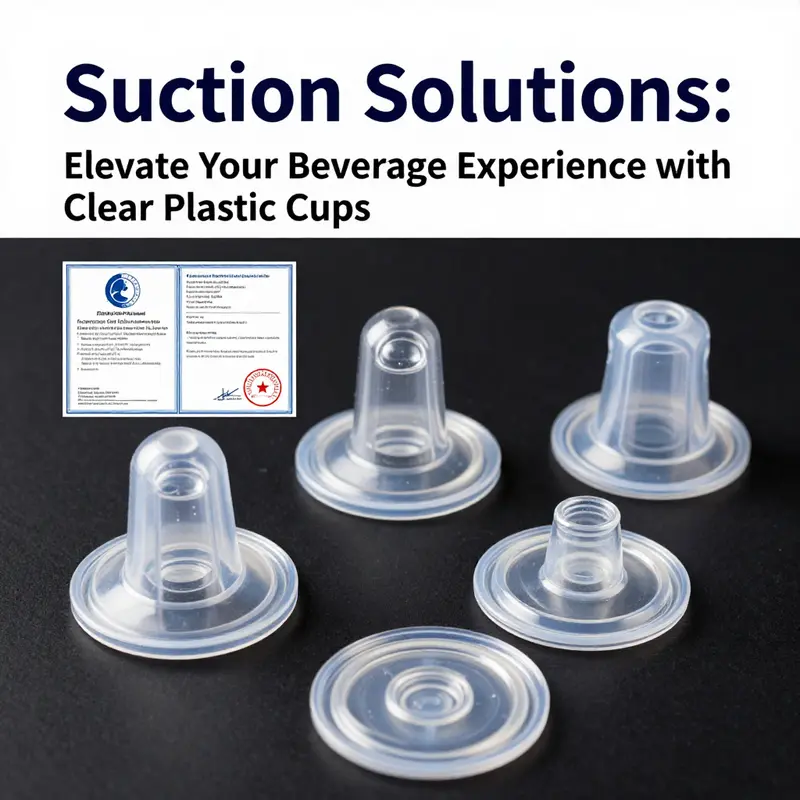
Safety and Compliance: the Practical Standards Behind Clear Plastic Suction Cups
Clear plastic suction cups are small components with outsized responsibilities. Whether they hold signage in a storefront, suspend decorations at an event, or secure equipment in an industrial setting, their safe performance depends on material choices, regulatory testing, and consistent maintenance. Understanding how these parts are certified and kept reliable helps buyers, installers, and facility managers choose the right cup for each use and avoid failures that could cause damage or injury.
The most visible safety dimension for transparent suction cups is flammability. Plastics used in suction cups, such as PVC or other thermoplastics, are often evaluated to recognized flammability standards. The North American benchmark is UL 94, a test suite that classifies materials by how they respond to small ignition sources. Ratings such as V-0 or V-1 indicate materials that resist ignition and self-extinguish rapidly. Specifying a UL 94 rating makes sense in installations near electrical equipment, heat sources, or open flames because it reduces risk of the component contributing to fire spread. When a suction cup lists a UL 94 rating, you know the base material has passed defined laboratory tests under controlled conditions.
Environmental responsibility and regulatory compliance form a second axis. Certifications that document eco-friendly manufacturing or reduced environmental impact are increasingly important. Some components carry Environmental Product Declaration or EPR-style certifications that confirm responsible sourcing, lower emissions during production, or compliance with regional waste and recycling rules. These certifications rarely speak to mechanical suction performance directly, but they matter to purchasers who must meet corporate sustainability goals or regional regulations, especially across borders where consumer goods and industrial parts cross different legal frameworks.
Beyond formal certificates, material selection determines resistance to the real-world stressors suction cups face. High-quality transparent cups use anti-aging PVC, silicone blends, or engineered rubber composites that resist UV degradation, temperature cycling, and chemical exposure. UV-stable formulations maintain clarity and flexibility over time. Temperature-tolerant materials retain pliability in cold conditions and avoid softening in heat. Chemical resistance prevents swelling or embrittlement if the cups encounter cleaning solvents, fuels, or other contaminants. Choosing a material designed for the expected environment reduces both the likelihood of sudden failure and the rate of long-term degradation.
Equally important is surface compatibility. Suction cups function by forming a low-pressure pocket against a smooth surface. That basic physics imposes limits: cups require clean, dry, nonporous, and smooth substrates such as glass, glazed tile, or specific metals and plastics. Manufacturers routinely warn against using suction cups on wallpaper, painted drywall, textured stone, or porous surfaces because these surfaces cannot sustain the airtight seal. Using suction cups on inappropriate substrates increases the risk of detachment and can damage delicate finishes. Simple rules—wipe the surface with mild soap and water, dry completely, and avoid oily residues—dramatically improve reliability.
Design variations further affect safety and compliance. Threaded studs, screw mounts, and reinforced bosses allow attachments to carry heavier loads or to interface with existing hardware. Specified mount sizes, such as M8 screw adapters, and threaded options provide mechanical interfaces that are safer for demanding applications. Some larger or reinforced cups offer notably higher holding force, which can be critical in commercial or industrial contexts. Selecting the appropriate configuration and respecting rated load limits ensures the combined system—cup, mount, and attached object—remains within safe working limits.
Routine inspection and maintenance are the practical measures that sustain compliance over time. Visual checks reveal cracks, warping, or discoloration before catastrophic failure occurs. Cleaning with mild soap and water removes deposits that can break the seal without harming the material. Periodic re-torquing of threaded attachments and testing of holding strength after environmental exposures are prudent steps. Manufacturers often provide guidance on inspection intervals and replacement thresholds; following these instructions is a simple way to keep installations within safe operating parameters.
Documentation and labeling complete the compliance picture. Safe products include clear instructions on surface preparation, maximum load capacities, environmental limits, and recommended inspection frequency. Traceability data—batch numbers, material codes, and certification references—helps procurement teams confirm that received parts match specified standards. For large purchases, minimum order quantities and production testing protocols can be negotiated to ensure consistent quality across batches. These administrative controls reduce the risk that substandard or mismatched components enter a system.
Procurement channels and supplier assurances also influence compliance outcomes. Verified suppliers that offer trade assurances, return policies, and clear certification documentation ease the buyer’s due diligence burden. For buyers sourcing in bulk, understanding minimum order quantities and the supplier’s capacity to provide consistent, certified materials is essential. Sourcing decisions should factor in both technical specifications and the supplier’s ability to back claims with test reports and conformity certificates.
When suction cups must operate in regulated sectors—medical settings, food-service areas, or public transit—additional standards and hygiene requirements may apply. Materials in contact with consumables or medical equipment may need biocompatibility or food-contact declarations. In public spaces, environmental certifications from regional authorities can influence acceptance and permit approvals. It is common to combine flammability data, environmental compliance documentation, and mechanical performance test reports when submitting components for approval.
Practical implementation demands a systems view: match the rated material and mount type to the environment and load; follow cleaning and inspection protocols; keep traceability and certificates accessible; and replace parts on a predictable lifecycle schedule. A single well-chosen suction cup can perform reliably for years when properly specified and maintained. Conversely, poor material choice, improper mounting, or neglected inspection can turn a simple part into a liability.
For purchasers and specifiers who want to review a supplier’s detailed product listing, technical specifications, and certification claims, refer to verified product pages that include test references and material data. External source with full product detail: https://www.alibaba.com/product-detail/Clear-Plastic-Glass-Vacuum-M8-Screw_1600527347759.html
For applications where visual clarity and temporary display are important, related packaging solutions such as transparent cake cups may offer insight into material transparency and food-grade handling—see transparent bakery containers for a sense of clarity and safety expectations: https://ecocupbowl.com/product/clear-cake-cups-transparent-cupcake-muffin-packaging-dessert-slice-container-for-weddings-birthdays-parties-bakery-dessert-bowl-for-fruit-pastries
Understanding safety and compliance for clear plastic suction cups means linking laboratory ratings to the intended use, selecting materials that tolerate the environment, and committing to regular inspection. When each step is respected—material testing, correct mounting, routine maintenance, and supplier documentation—the humble suction cup performs reliably and safely in a broad range of settings.
Precision and Scale: How Custom Manufacturing Shapes Clear Plastic Suction Cups
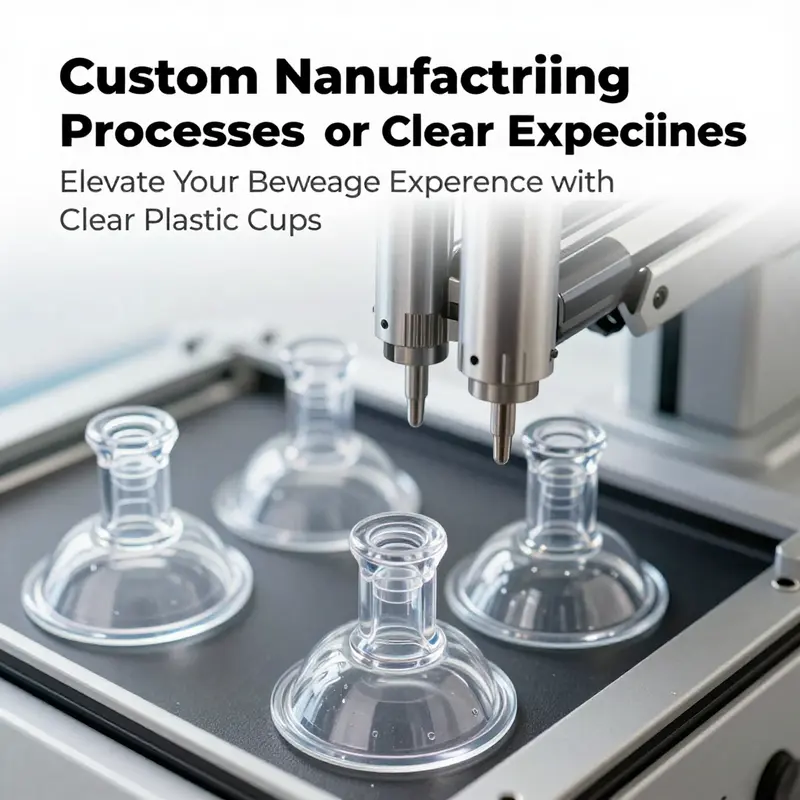
Precision and Scale: How Custom Manufacturing Shapes Clear Plastic Suction Cups
Clear plastic suction cups sit at the intersection of product design, materials science, and manufacturing strategy. Their transparency masks a surprising complexity: small changes in wall thickness, lip geometry, or material formulation can alter holding force, longevity, and surface compatibility. This chapter explores how modern manufacturing methods—ranging from rapid prototyping to high-volume molding—are combined to produce suction cups that meet strict performance and aesthetic requirements. The narrative ties design intent to production realities and explains why choosing the right process matters for everything from medical fixtures to decorative installations.
Designers begin with function: the required load, the target surface, temperature range, and the intended lifecycle. From this list, material selection follows. Flexible thermoplastics like PVC and silicone remain common because they form airtight seals and tolerate repeated deformation. Engineering plastics such as ABS, POM, or nylon appear when stiffness, wear resistance, or threaded fittings are necessary. Each material interacts differently with manufacturing techniques, and that interaction ultimately determines the feasible geometries and finishes.
SLA, vacuum forming, and CNC machining each offer distinct advantages when translating a design into a physical part. SLA shines at the front end. Stereolithography produces high-resolution prototypes quickly. Engineers can iterate on subtle features like lip radius, undercut geometry, and internal channels without the time and expense of tooling. The smooth surfaces produced by SLA help evaluate sealing behavior on glass or painted metal. SLA also enables complex hybrid shapes—thin flexible skirts paired with rigid mounts—that might be costly to tool for production but are essential to validate before committing to mass manufacturing.
When a design is validated and volumes rise, manufacturers evaluate scalable processes. Vacuum forming is attractive for medium-volume runs of lightweight suction cups. A heated thermoplastic sheet conforms to a mold under vacuum, producing consistent shapes at a low per-piece cost. This method works well for simpler profiles—domed cups, shallow trays, or flat-backed mounts—and supports fast turnaround for multiple sizes. Thickness and material choices influence flexibility and resilience, so tool design focuses on achieving uniform distribution to avoid weak points at the skirt or lip.
Injection molding becomes the logical step for high-volume production. Once tooling investment is justified, injection molding delivers tight dimensional control and fast cycle times across thousands or millions of parts. It enables multi-component assemblies too: a molded flexible cup can be overmolded onto a rigid threaded insert or a metal stud to create integrated mounts. Material variety is broader in injection molding, and additives for UV resistance, flame retardancy, or food-contact compliance can be incorporated at scale. For applications requiring fire-retardant materials or environmental certifications, engineers select compounds that meet standards while retaining sufficient elasticity for reliable sealing.
CNC machining fills a different role. It produces prototypes and small runs with mechanical properties close to those of bulk material. Machined parts are cut from solid blocks, offering excellent surface finish and dimensional accuracy. This precision is critical when suction cups interface with threaded hardware, when tolerances are tight for robotic pick-and-place heads, or when custom fixtures require exact repeatability. CNC is generally costlier per piece but invaluable when performance can’t be compromised. It also serves well for tooling masters and molds destined for vacuum forming or molding processes.
Manufacturers often use a hybrid pathway: SLA for initial design verification, CNC for final prototypes and mold masters, and injection molding or vacuum forming for production. This staged approach reduces risk and improves time-to-market. It allows teams to refine geometry based on physical tests—measuring pull-off force, evaluating hysteresis after repeated cycles, and testing in varied temperatures—before committing to expensive tooling.
Post-processing bridges functional and aesthetic goals. Mirror polishing removes micro-imperfections that could trap air and reduce sealing. Textured or matte finishes can reduce glare when suction cups are used in retail or display environments. Laser engraving adds discreet part numbers or compliance marks without affecting the sealing surface. Coatings like powder paints or plating are applied selectively to rigid mounts or decorative faces while preserving the clear, flexible skirt. These surface treatments extend product life, assist branding, and make installation or maintenance straightforward.
Customization through finishes and fittings expands the range of applications. A suction cup with a threaded insert or an M8 screw mount can attach to structural components or signage. A stud nut design simplifies assembly in industrial settings. Small variants with hooks serve temporary decorations or bathroom organization. Miniature cups adhere to smooth surfaces for lightweight fixtures. Such modularity is only possible when manufacturing tolerances and material behavior are well understood, which is why testing at prototype scale is essential.
Compliance and certifications increasingly shape manufacturing choices. For environments with fire risk or strict environmental rules, materials meeting flame-retardant ratings and regional chemical standards are mandatory. Selecting compliant compounds early avoids costly reformulation after tooling begins. In addition, suppliers who offer documented testing and traceability streamline qualification for regulated industries.
Supply chain and scalability considerations influence the mix of processes. A supplier capable of SLA, CNC, vacuum forming, and injection molding reduces handoffs and shortens lead times. It also simplifies changes between runs—shifting from a small SLA prototype batch to vacuum-formed pilot runs, then to injection-molded production, while retaining consistent geometry and performance targets. For buyers, minimum order quantities, lead times, and quality assurance protocols are key negotiation points when sourcing tens of thousands of units.
Finally, successful product development ties manufacturing strategy back to user needs. A suction cup used for temporary event signage prioritizes low cost and ease of removal. A suction cup in a medical or automated system requires certified materials, tight tolerances, and predictable mechanical behavior. By aligning process selection—SLA for rapid iteration, CNC for precision parts, vacuum forming for cost-effective midsize runs, and injection molding for high volumes—with these end uses, manufacturers deliver parts that meet both technical and commercial goals.
For readers seeking concrete examples of custom machining capabilities and supplier details, additional technical listings and production options are available from industry sources.
Internal reference: see clear cake cups for parallel considerations in clear plastic packaging design: https://ecocupbowl.com/product/clear-cake-cups-transparent-cupcake-muffin-packaging-dessert-slice-container-for-weddings-birthdays-parties-bakery-dessert-bowl-for-fruit-pastries/
External resource: https://www.alibaba.com/product-detail/High-Quality-Custom-Powerful-Industrial-CNC_1600825794744.html
Clear, Connected, and Sourced: Navigating Market Availability and Sourcing of Clear Plastic Suction Cups
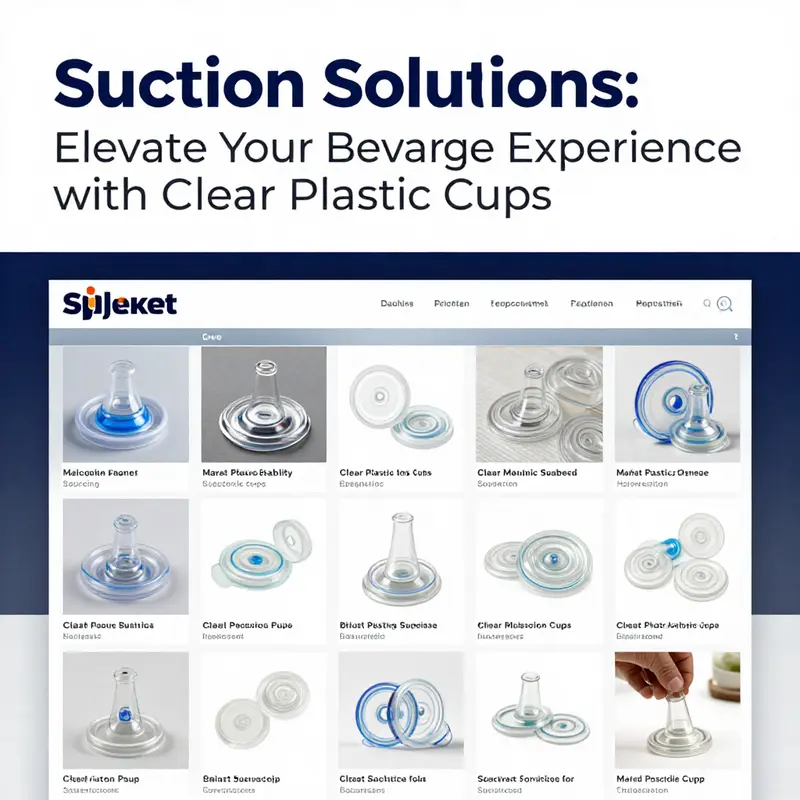
Clear plastic suction cups occupy a deceptively central role in modern mounting, organizing, and display systems. They are chosen not for novelty but for a promise: a transparent, unobtrusive anchor that can hold, hang, or position lightweight items on smooth surfaces such as glass, high-gloss plastic, or polished metal. Their appeal lies in simplicity and versatility. They can disappear visually when mounted, which makes them ideal for signage, temporary displays, museum labels, bath and kitchen organization, and home décor. Yet the story behind their availability is about more than design. It is about a global, interlinked supply chain that must balance performance, safety, environmental responsibility, and price. To understand how buyers and designers source these components effectively, it helps to trace the paths they travel from factory floor to storefront and, eventually, to user hands. The market is large, plural, and surprisingly nuanced, shaped by the willingness of manufacturers to offer a spectrum of configurations and by buyers who demand both consistency and customization from suppliers they may never meet in person.
One of the clearest signals of market maturity is the brisk activity on widely used e-commerce platforms. A typical consumer or small business will encounter a range of options—small bundles for trials and household use, and more substantial lots intended for retailers or installers. The price signals are telling. For bulk purchases, the per-piece cost can descend into a few cents, driven by size, material choice, and optional features. Even within the same general product category, unit prices can diverge because of the added value that a supplier builds into the item: a screw-mount feature, a loop for hanging, a stem that accepts a small stud, or a reinforced neck designed to resist accidental tugging. For buyers who anticipate regular demand, MOQs around the thousand-piece mark are not unusual. The logic is pragmatic: manufacturers optimize production runs, while buyers secure predictable supply and lower unit costs through scale. The resulting price range reflects this reality—low-cost variants exist for simple, home-oriented tasks, while mid-range options cater to light industrial or display applications, and high-end configurations address more demanding or specialized environments.
Surface and load considerations naturally guide product choice. A larger diameter typically yields stronger adherence on perfectly smooth surfaces, but it also increases visibility and the revealed footprint. Conversely, smaller cups fit tighter spaces or more delicate décor but offer lighter load performance. The neck design matters, too. Some variants provide an M8 screw mount or similar mechanical interfaces that convert the cup into a mountable anchor for displays, fixtures, or signage hardware. Other configurations leave the top simple and unobtrusive, relying on the suction itself for retention. Material choices often prioritize safety and longevity. Fire-retardant polymers compliant with UL 94 standards are common in environments where heat, sparks, or electrical activity are concerns. Such materials reduce risk while supporting broader applications in workshops, laboratories, and retail interiors that demand a higher safety margin. In the European context, environmental certifications and conformity marks further influence purchasing decisions, especially for buyers who must meet corporate or municipal sustainability policies. Certifications like environmental compliance schemes play a practical role, ensuring that the entire lifecycle—from material sourcing to end-of-life considerations—meets the expectations of responsible procurement.
The sourcing landscape is equally shaped by how buyers find and vet suppliers. Traditional sourcing methods still matter, but the rise of supplier directories, sourcing maps, and wholesale marketplaces has rebalanced power toward those who can demonstrate reliability, traceability, and scale. For buyers who intend to source in bulk, direct engagement with verified manufacturers often yields the most favorable terms. These direct channels enable better control over specifications, certification documentation, and lead times, while also making it easier to negotiate packaging standards and post-sale support. The global nature of manufacturing hubs means that a wide array of options exists, with many suppliers specializing in plastics and polymer components for industrial use. Importantly, a robust sourcing strategy frequently combines direct factory quotes with quotes from vetted distributors. Such a hybrid approach helps buyers compare performance data, confirm compliance with safety standards, and balance cost and availability across regions.
From the buyer’s viewpoint, a structured yet flexible procurement approach helps prevent misalignment between expectations and outcomes. Clear specifications are essential: diameter tolerances, material grade, surface compatibility, and whether a model includes a hook, a stud, or a screw-mitting interface. Sample evaluation becomes a critical step. By testing a handful of units on the intended surface type, a buyer verifies seal performance, ease of removal, and the robustness of the mounting method under realistic loads. Transparency about packaging and shipping is another important factor. Boxes or polybags should protect the cups from deformation and keep small components like hooks or screws organized. The economics of scale are visible here as well: bulk buyers benefit from economies of scale not only in the per-unit price but also in shipping efficiency and reduced handling costs. In practice, a buyer often sets a protocol that begins with a needs assessment, moves through supplier qualification, and culminates in a staged procurement that expands from a small pilot order to a full-scale rollout.
The market is not purely transactional, however. It is also highly informational. Shopping for clear plastic suction cups on major marketplaces helps buyers quickly gauge consumer reception, track ratings, and compare perceived value. High ratings and favorable feedback often signal a well-balanced combination of product performance and reasonable service terms. Yet ratings can be shallow signals for more complex needs. This is where the buyer’s due diligence matters: requesting certificates of compliance, examining material safety data, confirming UL or European environmental certifications, and asking for documentation of any fire-retardant properties or environmental compliance claims. In parallel, buyers should consider the broader ecosystem of related components. Just as a display or organization project benefits from reliable suction cups, it is often prudent to coordinate with suppliers who offer compatible hardware—such as matching screws, anchors, or decorative finishes—so that installation remains cohesive and durable. For teams thinking ahead to larger deployment, it helps to review potential packaging and logistics alignments. For instance, a procurement professional might explore sourcing channels that also handle related packaging supplies or event-ready fixtures, to streamline vendor management and maintain consistency across orders. A practical touchpoint in this regard can be found in dedicated supplier pages that describe customizable offerings for takeaway packaging and related disposable tableware. These pages, aimed at wholesale buyers, provide a useful context for understanding how suppliers organize and present capabilities for bulk buyers, and they offer a glimpse into the kinds of value-added services that accompany core product lines. If a project involves coordinating multiple components for an event or installation, this cross-functional view helps ensure that the overall solution remains coherent from order to on-site use. For example, buyers can consider exploring options such as custom takeaway packaging supplies as part of a broader procurement conversation about logistics, branding, and display integrity.
Throughout this sourcing journey, one consistent theme emerges: availability is not a single tell. It is a moving tapestry of stock levels, regional demand, and supplier capacity. Large marketplaces reflect a dynamic equilibrium where fast-moving SKUs may periodically outpace production, while more specialized configurations with unique mounting features rely on longer production cycles and targeted sourcing. Buyers who want certainty often lean on verified supplier networks that publish current pricing, stock, and lead times. They look for documentation that confirms surface compatibility and endurance under expected conditions, whether the application is a temporary exhibit or a long-standing fixture in a shop window or laboratory bench. In this context, the role of certifications, both safety and environmental, becomes a practical decision-maker. Certifications help buyers avoid missteps that could lead to regulatory or reputational risk, especially when clear plastic suction cups are used in settings where surfaces are cleaned regularly, or where products come into prolonged contact with people or delicate materials.
The market’s breadth also accommodates experimentation. Designers, hobbyists, and installers can explore a spectrum of sizes and configurations to find just the right balance between discretion and function. A 40 millimeter option with a simple neck and loop may suffice for lightweight hanging tasks, while a 60 millimeter variant with a robust mounting interface could be the preference for signage that needs to endure climatic fluctuations. The ability to source within a global framework—from major consumer channels to specialized industrial suppliers—means decisions can be modeled around estimate-driven costings, lead times, and risk management. It also means buyers must remain attentive to the realities of cross-border procurement: freight costs, import duties, and the possibility of delays in production or customs processing. The best practice is to maintain a living bill of materials and a rolling supplier list that is updated with real-time data on pricing, availability, and compliance verifications. In practice, this enables procurement teams to align product design with manufacturing realities and to ensure that the final installed solution performs as intended on the day it is deployed.
External resource: https://www.amazon.co.uk/dp/B07ZP5YV2F?th=1
Final thoughts
Incorporating clear plastic suction cups into your beverage and food service offerings can significantly enhance organization and presentation. From boosting aesthetics in bubble tea shops to providing practical solutions for catering needs, these versatile tools allow you to showcase your products effectively. By understanding their applications, safety standards, custom manufacturing options, and market availability, you can make informed decisions tailored to your business’s specific requirements. As the food and beverage industry continues to evolve, leveraging such innovative solutions will pave the way for a more efficient and visually appealing service experience.