Why Compostable To-Go Food Containers are the Future of Sustainable Dining

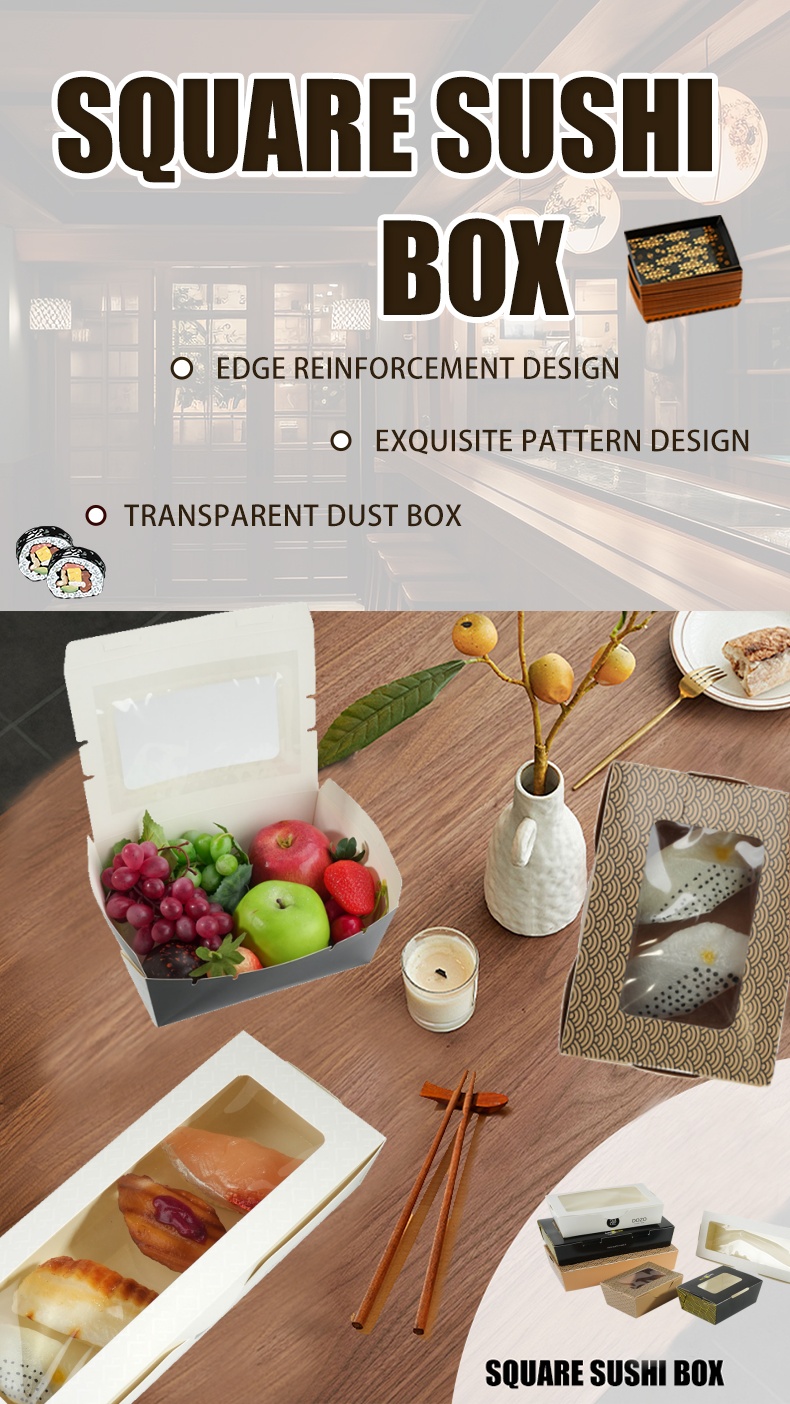
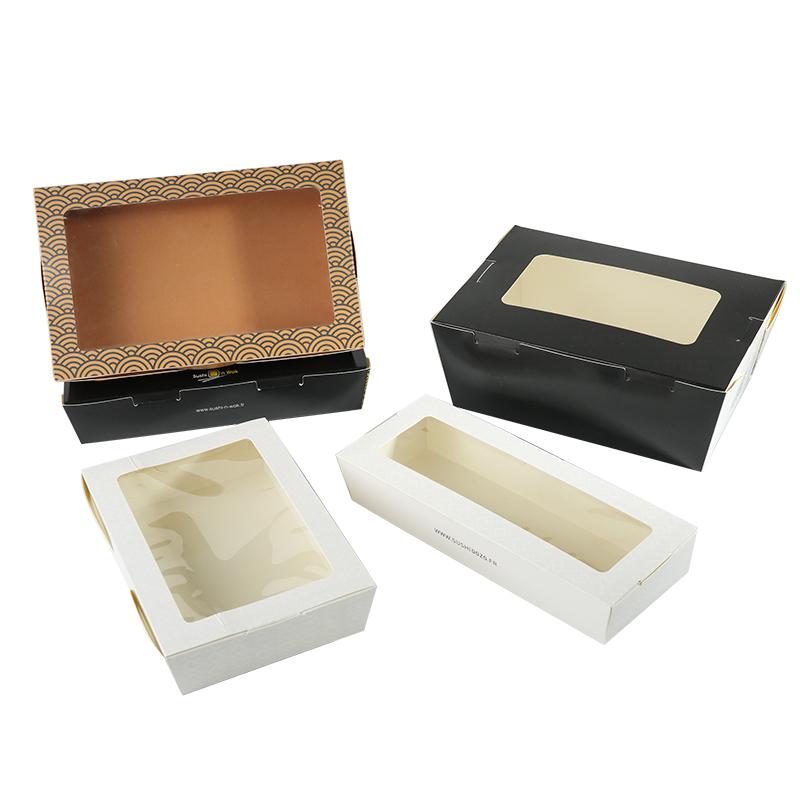
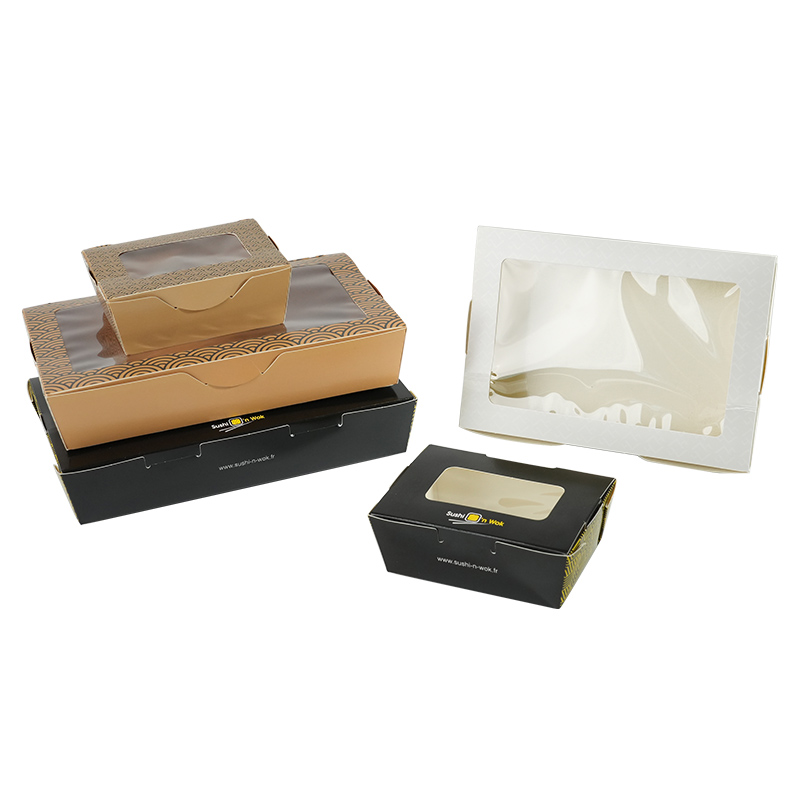
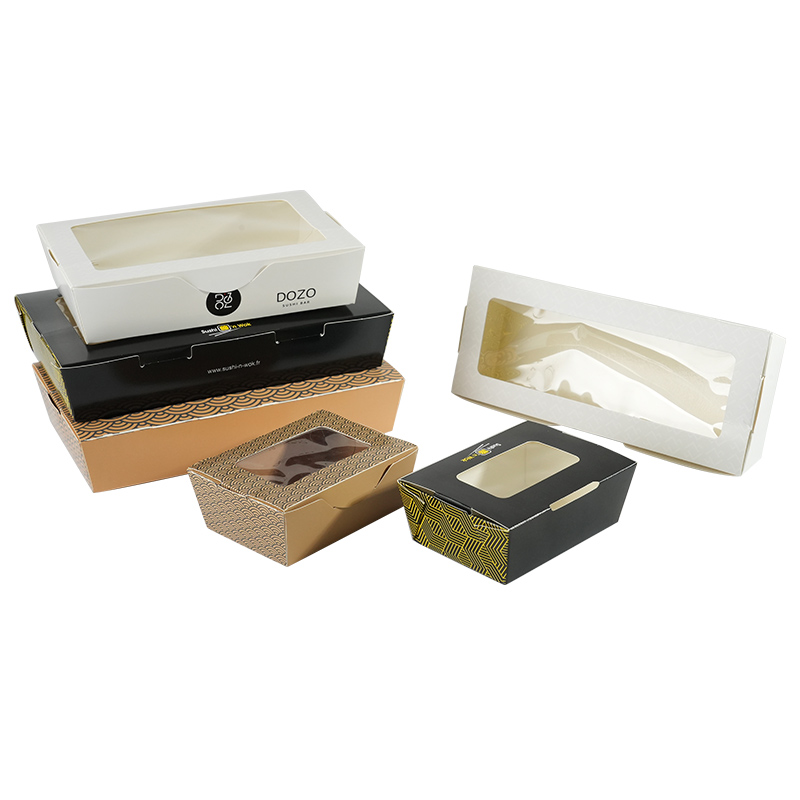
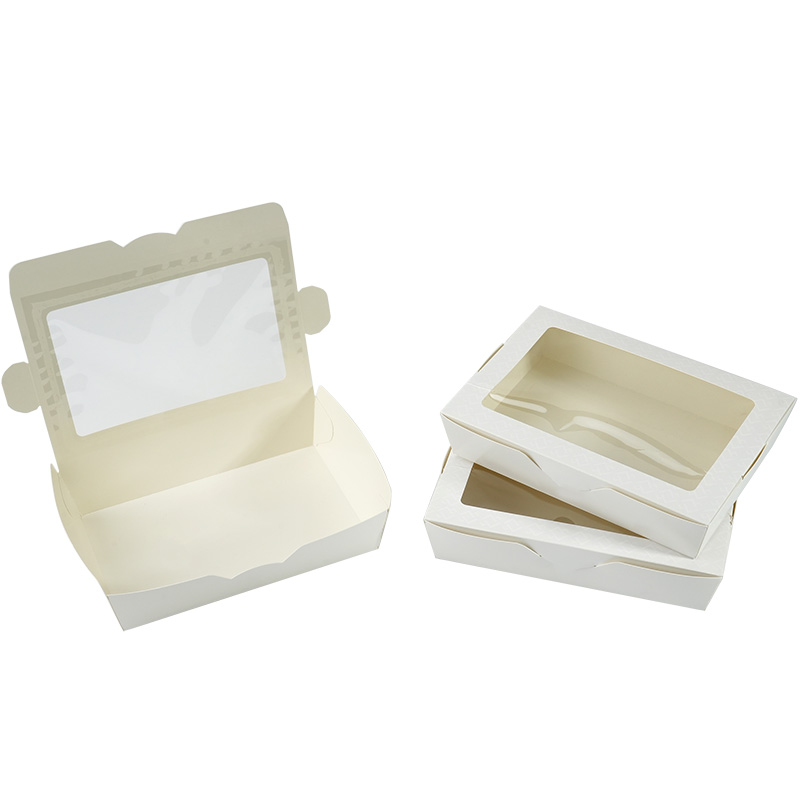
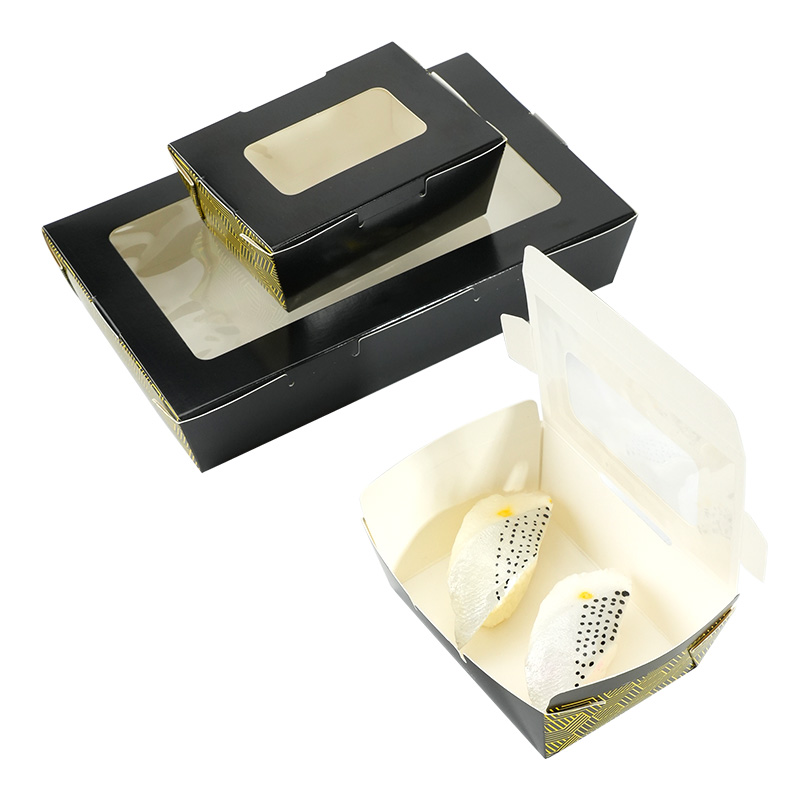
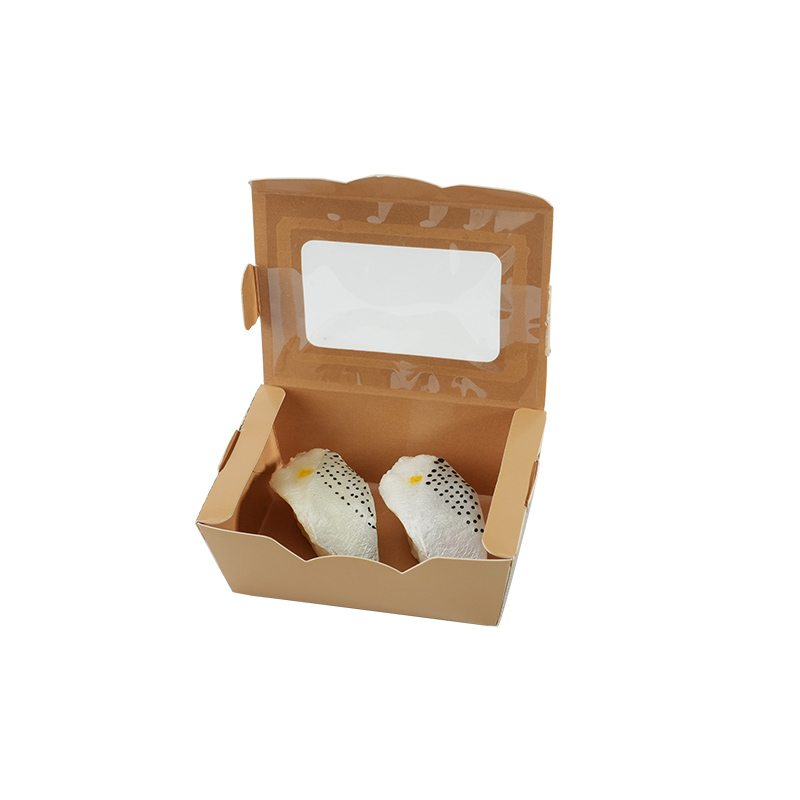
In an era where sustainability is becoming increasingly influential in the dining industry, compostable to-go food containers are rapidly gaining traction among businesses. As bubble tea shops, restaurants, food trucks, catering services, and event planners strive to minimize their environmental impact, sourcing eco-friendly packaging is essential. Compostable containers not only satisfy customer demand for sustainable practices but also demonstrate a commitment to the planet. By using these environmentally conscious products, businesses can enhance their brand image, appeal to eco-minded consumers, and help reduce landfill waste. Explore options such as our takeaway boxes tailored for different culinary needs and ensure your establishment stands out while making a positive difference.

Methodology

In this study on compostable to-go food containers, we implemented a mixed-methods approach to thoroughly evaluate the effectiveness, practicality, and sustainability of various packaging solutions. The methodology primarily focused on both qualitative and quantitative aspects, allowing for a comprehensive assessment tailored to the needs of our target audience, which includes bubble tea shops, restaurants, food trucks, and catering services.

Research Protocols

  1. Literature Review: We initiated the study by conducting an extensive literature review on compostable materials and their comparative properties against traditional packaging solutions. This included research on materials such as PLA (Polylactic Acid), CPLA (Crystalline PLA), and bagasse.

  2. Survey Distribution: To gather insights about user preferences and experiences, we designed and distributed an online survey targeting food service providers. The survey included questions about their current packaging usage, challenges faced with disposables, and openness to adopting compostable alternatives.

  3. Focus Groups: We organized focus group discussions with stakeholders from various sectors, including event planners and procurement teams. These discussions aimed to collect qualitative data regarding specific needs and potential barriers to adopting compostable packaging solutions.

  4. Material Testing: We collaborated with local laboratories to conduct performance tests on selected compostable containers. These tests evaluated durability, temperature resistance, moisture resistance, and overall user satisfaction. The results were crucial in determining which products met the safety and quality standards required by our audience.

  5. Cost Analysis: A detailed cost analysis was performed to compare the lifetime expenses of compostable containers against traditional non-biodegradable options. This included considerations for both purchasing costs and potential waste management savings, as compostable items can lead to reduced disposal costs over time.

  6. Pilot Implementation: Selected restaurants and food trucks were invited to participate in a pilot program where compostable containers were temporarily adopted. Feedback on user experience, customer responses, and operational changes were documented.

Conclusion

By integrating various methodologies, this study not only provided robust data regarding compostable to-go food containers but also aligned closely with the operational needs of our target businesses. The collaboration with real-world stakeholders ensured our findings are applicable and practical for the industry’s shift towards sustainable practices. For those interested in exploring eco-friendly lunch and takeaway options, check out our range of amazing products and see how they can meet your needs beautifully!

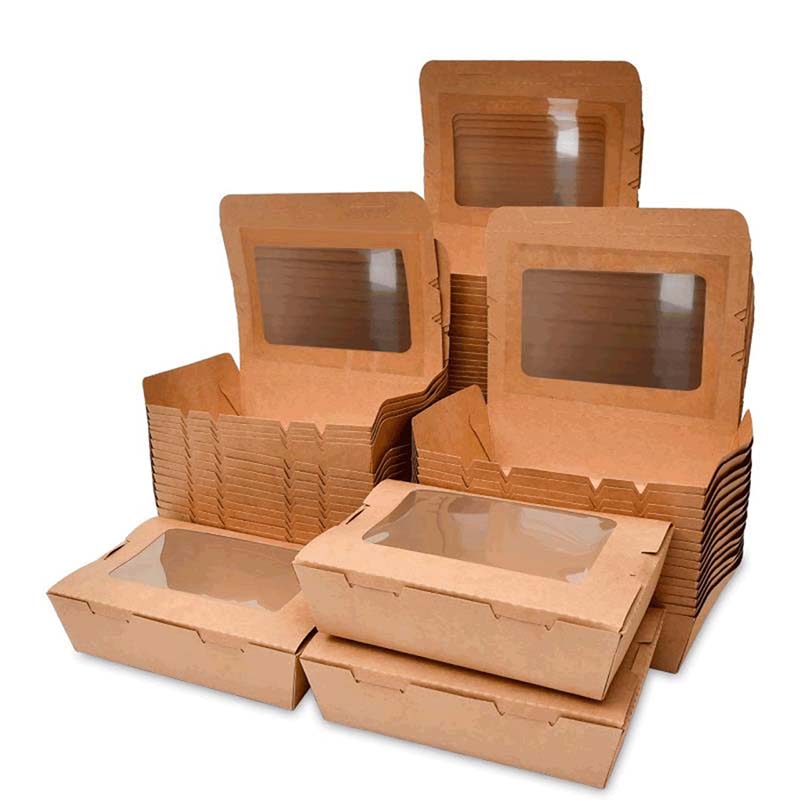
Additionally, explore more about our compostable meal and bento box options here.

Analyzing the Rise of Compostable To-Go Food Containers

The growth of compostable to-go food containers in the market signifies a larger shift towards sustainability in the food service industry, driven by consumer demand and increasing environmental awareness. Recent market forecasts indicate that the compostable packaging sector is projected to expand significantly, with estimates showing growth from USD 121.94 billion in 2026 to around USD 252 billion by 2035, at a compound annual growth rate (CAGR) of 8.4%. This speaks volumes about the urgency for businesses like bubble tea shops, restaurants, food trucks, and catering services to adapt to ecologically-friendly practices.

Market Forecast for Compostable Packaging

Significance of Consumer Preference

In recent years, there has been a remarkable shift in consumer preferences towards sustainable products, especially in the food industry. According to industry insights, the demand for compostable materials, such as PLA (Polylactic Acid) and PBAT (Polybutylene adipate terephthalate), is on the rise. Customers are increasingly inclined to choose brands that align with their eco-conscious values, making it imperative for businesses to integrate compostable to-go containers into their operations.

This demand is supported by the findings from multiple articles, which highlight that businesses are beginning to innovate their packaging methods, leading to strategic movements in launching new products that resonate with eco-friendly practices. Learn more about the latest trends in compostable packaging.

Implications for Businesses

For bubble tea shops, restaurants, food trucks, and catering services, investing in compostable to-go food containers is not just about complying with environmental regulations; it represents an opportunity to attract environmentally conscious consumers. The transition to sustainable packaging solutions like those offered by EcoCupBowl not only enhances a brand’s image but also positions businesses competitively in a rapidly evolving market that values sustainability. Additionally, companies are encouraged to explore a variety of options available in the marketplace to best suit their unique service needs, ranging from biodegradable boxes to composable cups and disposable cutlery.

In conclusion, understanding the trends and market dynamics around compostable packaging is crucial for stakeholders in the food service industry. As sustainability becomes an inherent part of customer decision-making, adopting compostable to-go food containers is a proactive step that businesses can take to contribute positively to the environment while fulfilling their consumers’ needs. Businesses that embrace these packaging solutions now will likely lead in the market as the demand for sustainable products only continues to grow.

Conclusion

In summary, compostable to-go food containers represent a promising development in sustainable packaging for the food industry. Key findings indicate that integrating these containers can substantially reduce organic waste in landfills while supporting municipal composting initiatives. Notably, research highlights the need for public awareness and infrastructure development to improve composting participation. Furthermore, the environmental benefits of compostable packaging can significantly mitigate climate change effects by promoting waste diversion from landfills. For instance, a study by Compost Connect reflects the positive impacts of compostable packaging.

Looking ahead, there are numerous areas for future research. Innovations in biodegradable materials are essential to replace conventional plastics, as emphasized in a recent review on sustainable packaging. Integrating artificial intelligence into the lifecycle assessments of packaging solutions can also provide insights into sustainability challenges. Furthermore, understanding consumer behavior trends will help guide the design of eco-friendly packaging options that resonate with customers. For detailed insights into these trends, consider checking the publication on eco-friendly food packaging from ResearchGate. This interplay between innovation and consumer preferences will be vital for advancing sustainable practices in the food industry.

Elevate Your Takeaway Game with Compostable To-Go Food Containers

When it comes to serving delicious meals on the go, sustainability should be at the forefront of your business. Compostable to-go food containers are an excellent solution for bubble tea shops, restaurants, food trucks, catering services, event planners, and corporate procurement teams. These eco-friendly options not only meet the consumer demand for greener choices but also enhance your brand’s image.

Why Choose Compostable Containers?

  1. Sustainability: Compostable containers break down into organic material, leaving no harmful residues. This is increasingly important as consumers become more environmentally conscious.
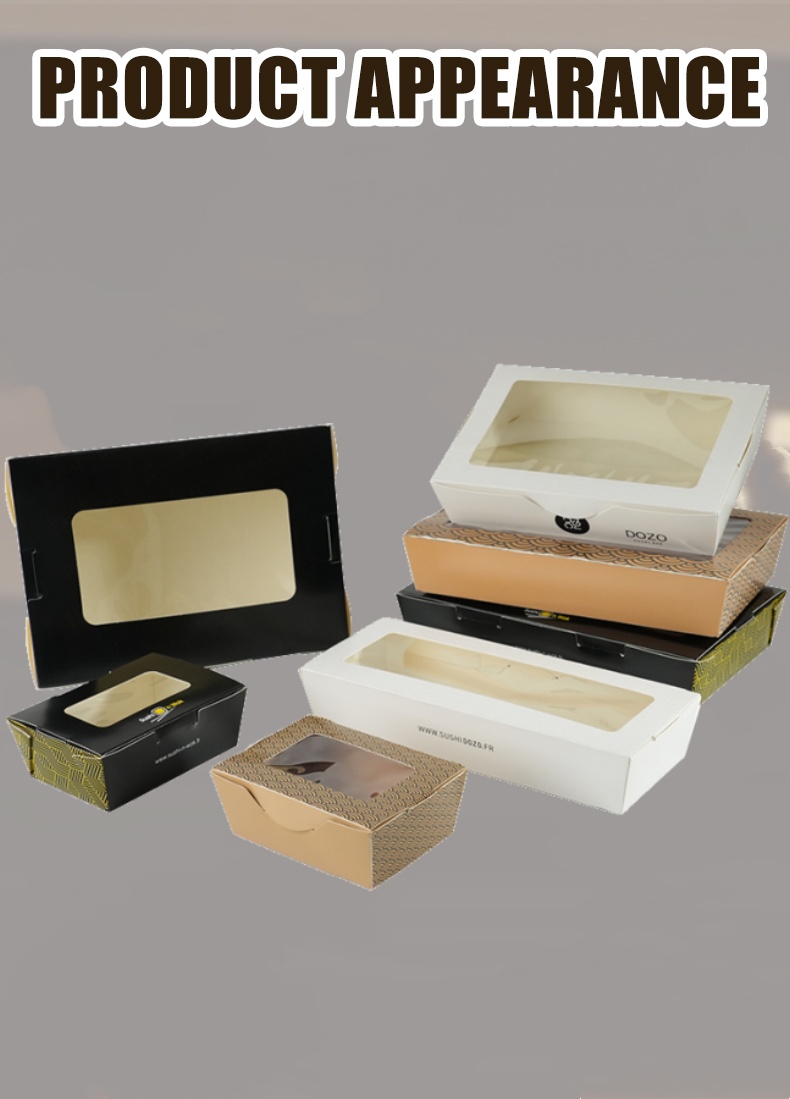
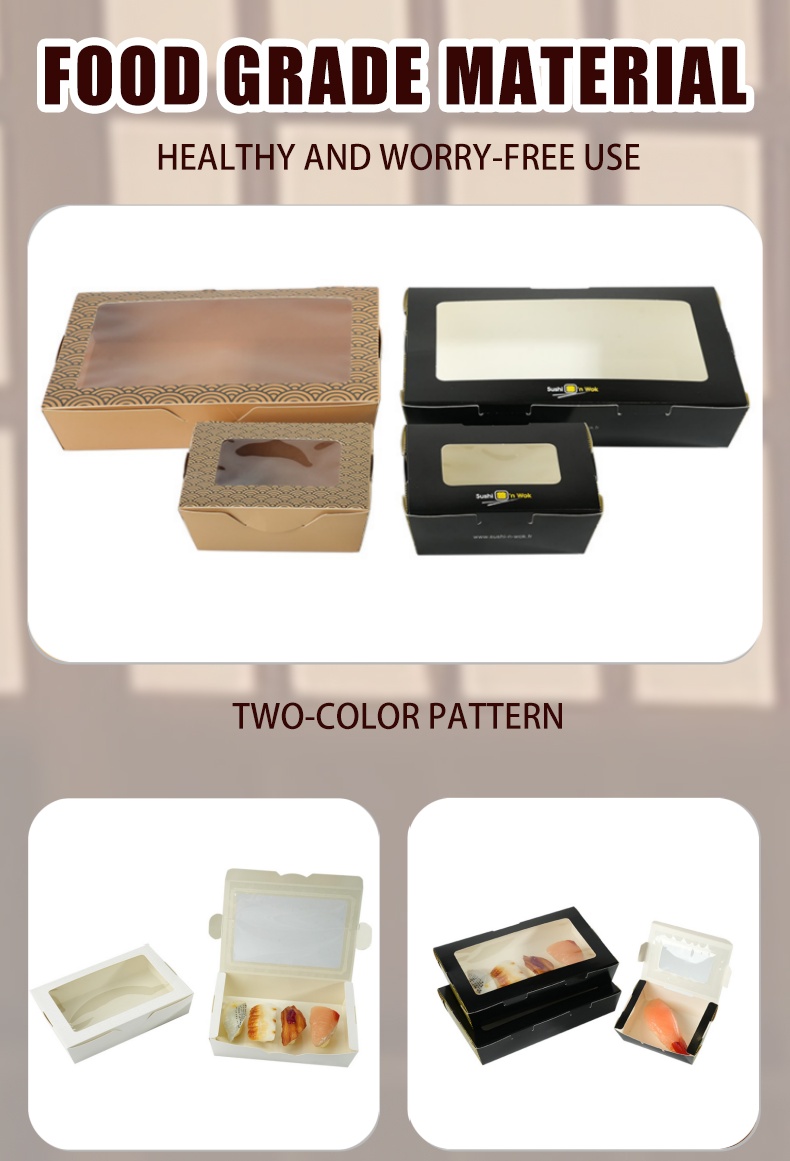
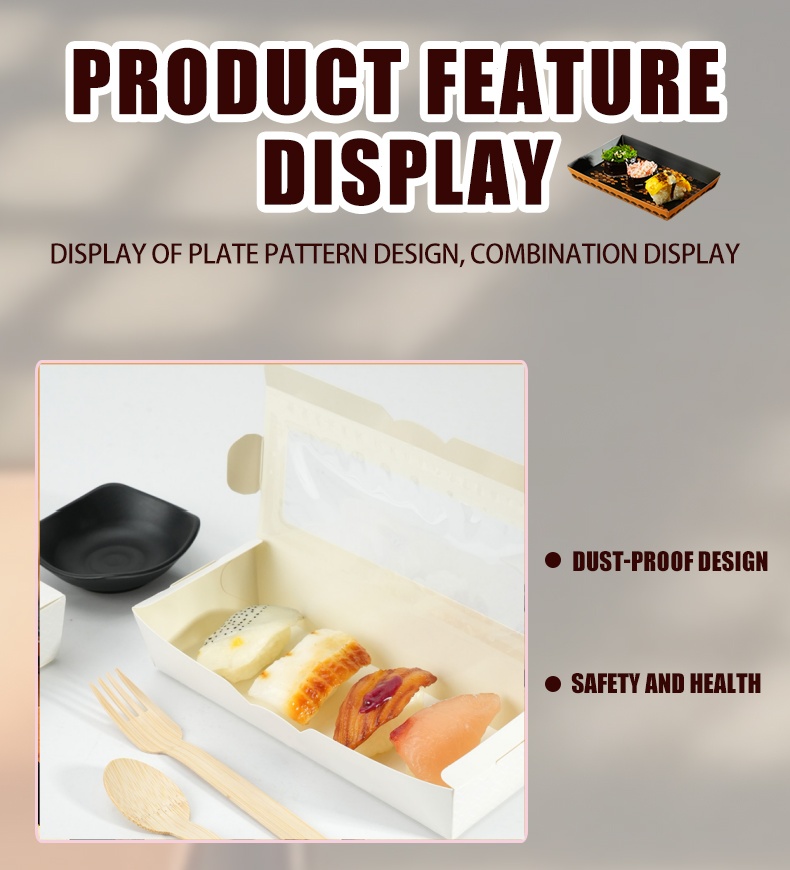
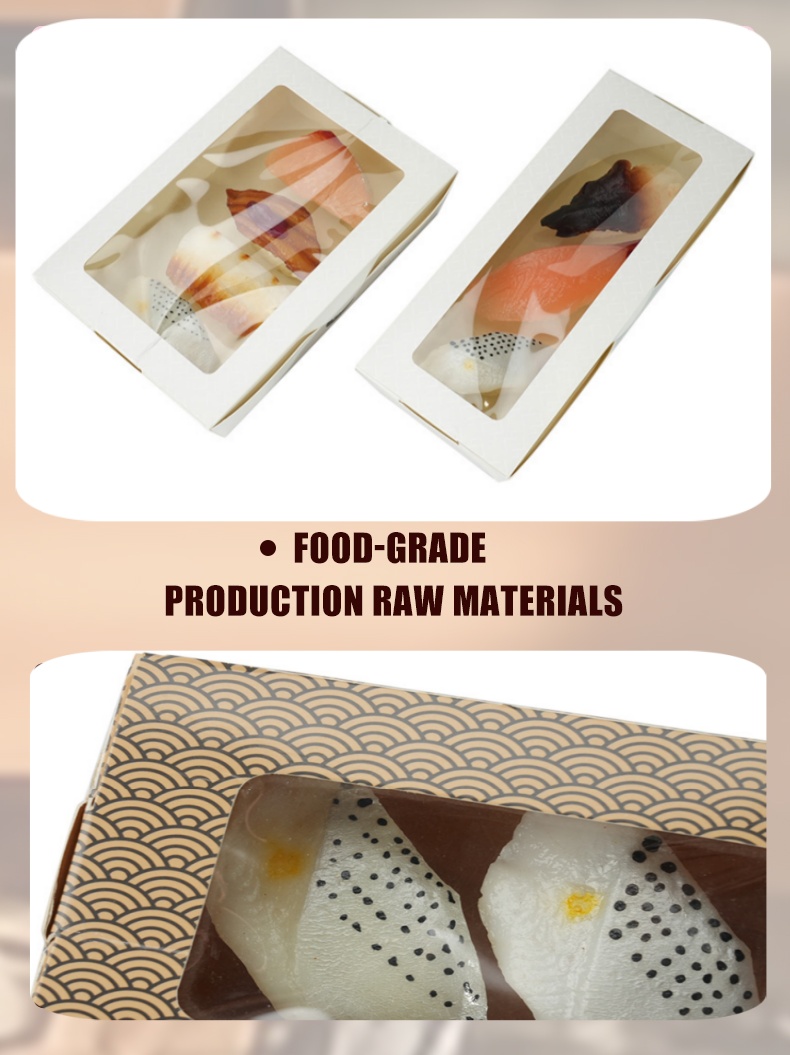
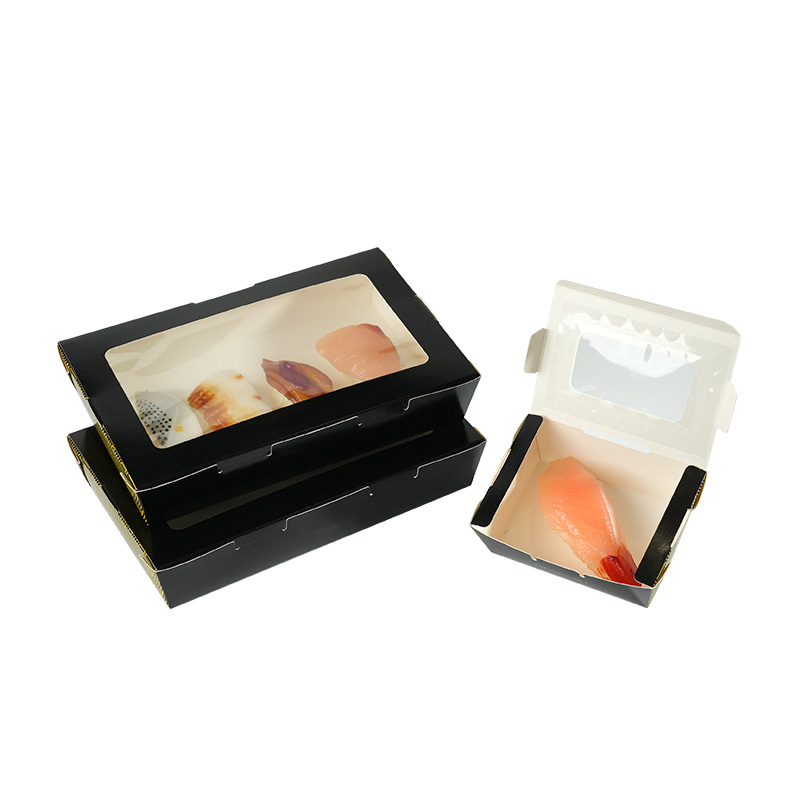
  2. Variety: Available in different sizes and styles, compostable containers can suit any type of food service-from soups to sushi. Explore our variety of boxes here.
  3. Cost-Effective: Although the initial investment may be slightly higher than traditional containers, the long-term benefits of appealing to eco-conscious customers can outweigh the costs.
  4. Brand Loyalty: By using sustainable options, you demonstrate a commitment to the environment, which can increase customer loyalty and attract new clientele.

Perfect Options for Your Business

Compostable containers are versatile and suitable for all kinds of food. Whether you are running a cafe, a food delivery service, or planning a corporate event, you can find the perfect container for your needs:

  • Bento Boxes: Ideal for meal prep and takeaway.
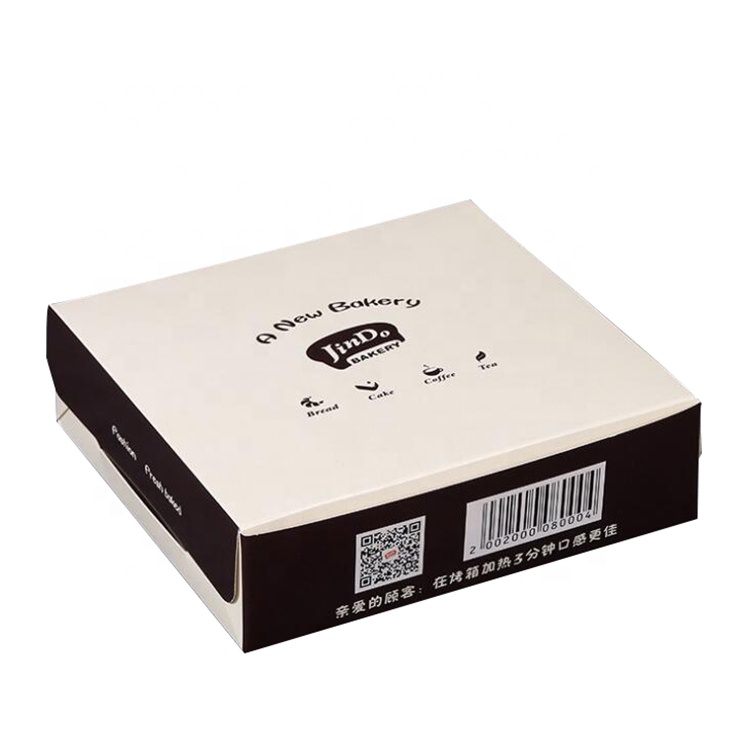
  • Bakery Boxes: Perfect for cakes, pastries, and desserts. Check out our bakery boxes here.
  • Trays and Plates: Great for serving appetizers or party platters.

Ordering Wholesale

When it comes to purchasing compostable to-go food containers wholesale, choosing a reliable supplier is key. At EcoCup Bowl, we offer competitive pricing without compromising on quality. Plus, our wide selection ensures you can find exactly what you need to keep your operation running smoothly.

Conclusion

Picking the right compostable food containers can make a significant difference in how your business is perceived. Not only do they help in reducing environmental impact, but they also build customer trust and loyalty. To begin exploring our selection, visit our product page to find the best options for your business needs.

For more information on takeaway box options, feel free to check here. Together, we can work towards a greener future for our planet!

Market Growth of Compostable Foodservice Packaging

The compostable foodservice packaging market is projected to experience significant growth in the coming years. Here’s a visual representation of the anticipated market value growth from 2023 to 2035:

Market Growth of Compostable Foodservice Packaging

Year Market Value (USD)
2023 3.1 Billion
2024 3.68 Billion
2029 5.5 Billion
2030 6 Billion
2035 9.60 Billion

Sources:

Environmental Impact Comparison

Understanding the environmental impact of compostable food containers versus traditional plastic containers is crucial for making informed choices in sustainable packaging. The following pie chart contrasts the environmental impacts:

Environmental Impact Comparison

Metric Compostable Containers Plastic Containers
Global Warming Potential Lower (produces methane over time) Higher (long-term persistence)
Land Usage Requires agricultural land for materials Varies by production methods
Toxicity Potential leaching of PFAS Known to release harmful chemicals

Sources

Literature Review on Compostable To-Go Food Containers

In recent years, there has been a significant shift towards sustainable packaging solutions, particularly compostable to-go food containers. The increasing awareness of environmental issues has driven restaurants, food trucks, and catering services to seek eco-friendly alternatives to conventional plastic.

Several studies have explored the benefits and challenges of using compostable containers in the food service industry. According to J&T Supplies, these containers not only contribute to environmental sustainability but also serve as a powerful marketing tool for restaurants. By adopting compostable packaging, businesses can enhance their brand’s reputation and foster customer loyalty, particularly among environmentally conscious consumers.

However, transitioning to compostable containers comes with its own set of challenges. A report from Meat Chef Tools highlights some of these obstacles, such as higher production costs and the absence of sufficient composting infrastructure in many regions. Businesses can struggle to find reliable composting facilities, leading to skepticism about the actual environmental benefits of compostable products.

Market trends also indicate a growing interest in compostable food packaging. A competitive analysis by Ontoplist sheds light on emerging strategies within the compostable food service packaging sector, including partnerships and innovations aimed at improving product performance and accessibility.

Additionally, the collaboration between W-Cycle and Melhoramentos to produce sustainable molded-fiber compostable containers exemplifies the commitment to advancing compostable packaging technology. As highlighted in a report by Food Drink Innovations, these containers are particularly beneficial for frozen foods, showcasing their versatility and appeal.

Benefits of Compostable Food Containers

Overall, while the shift towards compostable to-go food containers provides numerous advantages, awareness and support surrounding composting infrastructure and costs are crucial for maximizing their potential in the food service industry. As businesses increasingly prioritize sustainability, the demand for eco-friendly options will likely continue to grow, offering an opportunity for food service providers to lead the charge in environmental stewardship.

For more information on sustainable packaging options, check out our wide range of compostable food containers at EcoCup Bowl!

Reference List

  1. Compostable Packaging: The Pros and Cons in 2023
    Sifted. Read More
    This article outlines the benefits and drawbacks of compostable packaging, emphasizing its environmental advantages such as reducing landfill waste and the potential for creating nutrient-rich compost. It discusses the rising demand for compostable solutions among consumers and highlights the increasing innovative responses in the packaging industry.

  2. The Environmental Benefits of Compostable Packaging
    Compost Connect. Read More
    The article discusses how compostable packaging helps mitigate the traditional linear consumption model characterized by take, make, and waste cycles. It elaborates on how compostable materials can contribute positively to soil health and reduce environmental pollution.

  3. The Rise of Compostable Packaging in 2023
    Pandopak. Read More
    This resource highlights the growing consumer interest in eco-friendly packaging, noting that compostable packaging is increasingly viewed as a sustainable option. The trend reflects heightened environmental consciousness and a shift towards responsible packaging practices.

  4. What Are the Benefits of Compostable Packaging?
    AllPack. Read More
    This blog outlines multiple advantages of compostable packaging including its efficiency in waste management, effective containment of products, and environmental benefits. It emphasizes that compostable solutions represent a clear alternative to traditional packaging methods.

In the ever-evolving food service industry, the demand for sustainable packaging solutions is at an all-time high, particularly among businesses such as bubble tea shops, restaurants, and catering services. Compostable to-go food containers present an excellent alternative to traditional plastic options, appealing to environmentally-conscious consumers and businesses alike. These containers are made from materials like sugarcane and bamboo, often certified by composting standards such as BPI and EN 13432, which ensures they break down in approximately 90 days under composting conditions. By opting for these eco-friendly containers, companies not only contribute to waste reduction but also align their brand values with sustainability efforts. Alongside various designs suitable for hot and cold foods, vendors like EcoCupBowl provide a wide variety of takeout options tailored to meet the specific needs of food service providers. As businesses prioritize greener practices, adopting compostable packaging solutions is not just a trend but an essential step in shaping a more sustainable future for the food industry.

Peer Feedback Request

Dear Team,

I hope this message finds you well! I am reaching out to request your valuable feedback on our document regarding compostable to-go food containers for wholesale.

As you know, understanding the perspectives of our colleagues is essential for refining our ideas and ensuring that we meet the needs of our target audience, which includes Bubble Tea Shops, Beverage Chains, Restaurants, Food Trucks, Catering Services, and Corporate Procurement Teams.

Purpose of Feedback

Your constructive feedback will help us enhance the document’s clarity, engagement, and overall effectiveness. Here are a few questions to consider while reviewing the content:

  • Does the article clearly convey the benefits of our compostable food containers?
  • Are there sections that need additional information or clarification?
  • Is the tone appropriate for our target audience?

How to Provide Feedback

Please respond with your insights by [insert date]. You can highlight specific sections in the document to point out areas of improvement or share any suggestions you might have.

Thank you in advance for your time and contributions! Looking forward to your feedback to make this document the best it can be.

Best regards,
[Your Name]
[Your Position]
[Your Company]

P.S. If you’re interested in exploring our takeaway boxes or biodegradable cups, feel free to check out our products!

Shopping Cart