
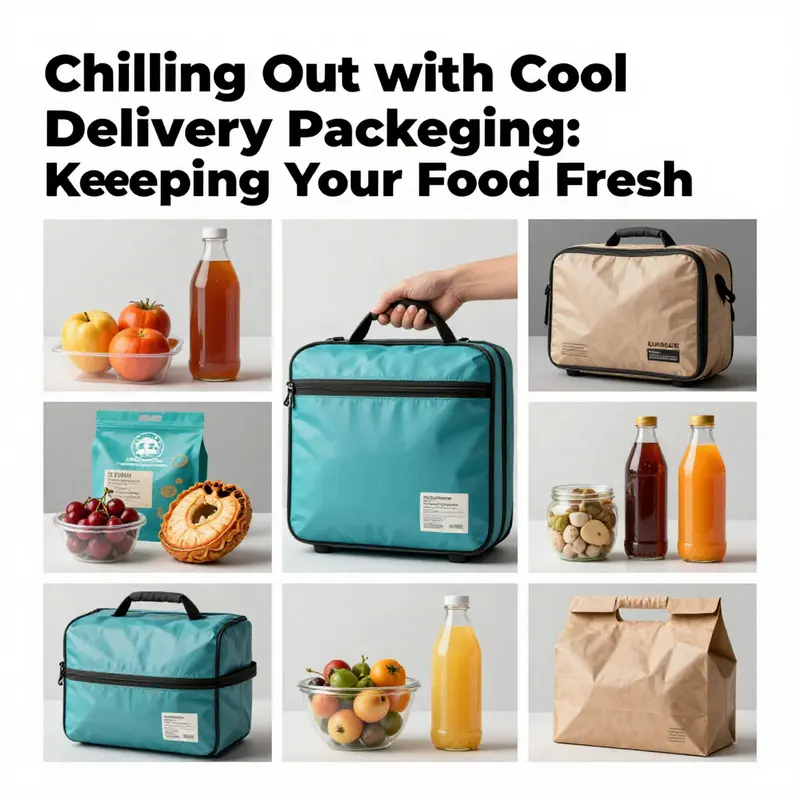
In today’s competitive food service industry, ensuring that beverages and food arrive at the perfect temperature is vital for customer satisfaction. This article delves into the critical aspects of cool delivery packaging, which is becoming a game-changer for Bubble Tea shops, restaurants, food trucks, catering services, event planners, and corporate procurement teams. Each chapter will highlight essential elements, from the materials used to advanced temperature control technologies, best practices to maintain food quality, and current market trends in this dynamic field. This comprehensive guide is designed to empower you with the knowledge needed to make informed decisions and elevate your service standards.
Guardians of Freshness: Essential Principles for Keeping Food Cool in Transit
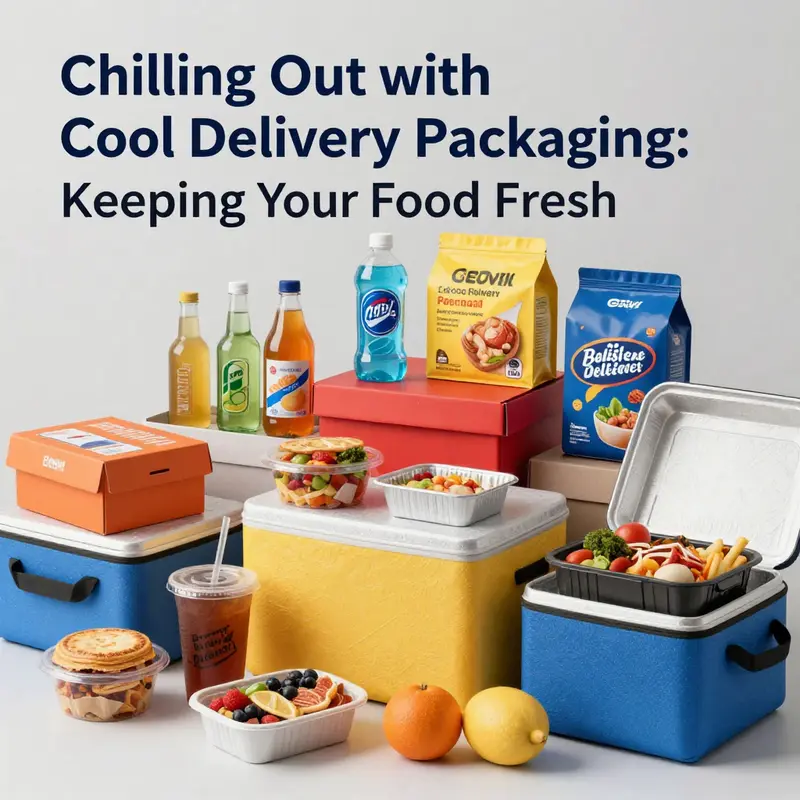
Temperature control sits at the core of any reliable delivery system for food. When groceries, dairy, meats, or ready-to-eat meals leave a kitchen, the clock starts ticking on safety, quality, and consumer trust. The essential aspects of cool delivery packaging for food are not just about a pretty outer shell; they are a carefully engineered system that slows heat transfer, stabilizes internal conditions, and provides a predictable path from supplier to customer. In practice, this means designing packaging that minimizes heat exchange with the surrounding environment, accommodates a range of product sizes, and supports visibility into condition during transit. The goal is to maintain the product at a safe and appealing temperature from the moment it leaves the point of origin until it reaches the customer’s hands, without sacrificing ease of handling, sustainability, or cost efficiency.
Temperature regulation is the first principle. Insulated packaging forms the barrier that reduces heat transfer through conduction, convection, and radiation. By minimizing heat flux, insulated walls and tight closures prevent the rapid warming of dairy items, the cooling of hot meals, or unwanted temperature excursions for items that require cold-chain integrity. The practical upshot is not only safety but enhanced texture, aroma, and moisture balance upon arrival. In many systems, phase change materials (PCMs) or gel-based packs act as thermal buffers, absorbing excess heat during peak transit periods or releasing stored cold as parcels move through warehouse hubs and courier networks. This dual action reduces the likelihood of temperature spikes that could compromise quality. The science behind these materials is straightforward: a PCM or gel pack holds latent or sensible energy at a defined temperature, offering a more stable thermal envelope than frozen water alone, and extending the window in which temperature remains within acceptable limits.
Material selection follows closely behind temperature regulation. Durable, moisture-resistant, food-safe materials form the backbone of reliable packaging. Traditional choices such as polyethylene foam and corrugated cardboard with insulating liners provide structural integrity and barrier properties while remaining relatively lightweight. The packaging must tolerate the rigors of handling, stacking, and occasional rough transit without tearing or absorbing liquids that could compromise insulation performance. Moisture management is crucial; damp or soaked materials can lose insulating capacity and become a source of cross-contamination if not properly sealed. Biodegradable or compostable alternatives are increasingly common, offering environmental relief without sacrificing performance. The industry recognizes that a balance is required: a foil-lined inner layer can reflect radiant heat and add a barrier to moisture, while outer shells might be constructed from recycled cardboard or other sustainable composites. Proper sealing and closure mechanisms are just as critical as the materials themselves. Airtight or tamper-evident seals help maintain internal temperature and prevent air exchange that could introduce ambient heat or cool air in a way that destabilizes the contents.
Design efficiency completes the triad. Packaging must fit the product snugly to minimize void space, yet allow for safe stacking and handling by drivers and restaurant staff. A compact, form-fitting design reduces air pockets that can act as thermal channels. At the same time, it should permit adequate airflow where needed to avoid moisture buildup or condensation that might undermine insulation. Real-time monitoring capabilities are increasingly integrated into packaging ecosystems. Temperature-sensitive labels or sensors can provide end-to-end visibility for logistics teams and customers. This intelligence supports regulatory compliance and ensures that any deviation from the desired temperature range is detected promptly, enabling corrective action. The value of tracing a parcel’s thermal history is not merely regulatory; it builds consumer trust by showing that the product has been cared for throughout its journey.
The selection of sizes and insulation levels is not one-size-fits-all. Packagers must analyze the range of items they deliver—from single-drip dairy jars to multi-item hot meals—and tailor packaging to accommodate both compact and bulky configurations. A dairy bottle may require a shallower, highly insulated sleeve that minimizes thermal exchange while offering easy access, whereas a ready-to-eat meal bundle might demand a more rugged, multi-layered container that withstands rough handling and keeps steam contained. For hot items, insulation focuses on retaining heat without causing excessive sweating on the packaging surface, which could create a slippery or unsafe grip. For cold items, the priority is to preserve the chill without freezing the product or creating a frost risk that could complicate handling. Phase change materials can be chosen to align with the specific target temperatures of different product categories, extending the effective protection window in varying transit conditions.
Beyond the walls and layers, the packaging ecosystem must consider the broader supply chain realities. For restaurants and food trucks, the packaging interface with drivers, couriers, and centralized distribution hubs often determines success or failure. Lightweight, easy-to-handle designs speed loading and unloading, reducing the risk of temperature exposure during transfer. Clear labeling and simple, reliable closures minimize the chance of partially opened boxes or gaps that let warm air in or cold air out at critical moments. The inclusion of temperature-tracking capabilities—whether through labels, stickers, or embedded sensors—transforms packaging from a passive container into an active participant in safety and quality assurance. Such technology supports compliance with safety standards and provides a transparent experience for consumers who want assurance that their meals traveled under controlled conditions.
The conversation about materials also overlaps with environmental responsibility. The push toward sustainable packaging does not remove the need for performance; it reshapes how performance is achieved. Biodegradable liners and recyclable outer shells are increasingly used in tandem with modern insulative techniques. Reusable components may appear in commercial settings that handle high volumes, where investment in durable, washable insulation can pay off over time. Yet reuse must be managed carefully to avoid cross-contamination and to maintain consistent insulating properties. The industry is learning to balance performance with end-of-life considerations, pursuing options that do not force a trade-off between food safety and ecological stewardship.
Size, shape, and interaction with product content also influence the consumer experience. A well-designed cool packaging system does more than keep content at the right temperature; it protects the visual appeal of the product, preserves texture, and reduces the risk of leakage that could undermine trust. The seal, liner, and inner geometry should minimize movement during transit, which helps prevent breakage, spills, and temperature fluctuations caused by shifting loads. In some cases, packaging designers have explored inserts that cradle fragile items and prevent heat-exchanging contact with the exterior. Even small design details, such as venting mechanisms or moisture-absorbing layers, can have outsized effects on both quality and user satisfaction.
For readers seeking practical benchmarks, industry guidance often emphasizes an integrated approach: combine rigid insulation with smart materials, tailor the configuration to the exact product mix, and empower frontline staff with tools to verify temperature integrity at each handoff point. This approach aligns with broader safety standards and quality control regimes while also enabling a more responsive delivery operation. The best outcomes arise when packaging decisions are informed by the nature of the product, the expected transit time, and the typical climatic conditions along the delivery route. In other words, cool delivery packaging is not a rigid template; it is a flexible system that must adapt to the realities of moving food from kitchen to doorstep.
Businesses seeking to explore concrete options might consider these practical steps: map the temperature requirements of core product groups, measure typical transit times, and design a tiered packaging strategy that uses different insulation levels for short—versus longer—haul times. Pilot programs can quantify the benefit of improved insulation by comparing spoilage rates, sensory quality after delivery, and customer satisfaction. As with any supply-chain initiative, a thoughtful combination of materials, design, and process discipline yields the most reliable outcomes. The objective remains clear: preserve safety, preserve quality, and preserve trust, one well-insulated parcel at a time.
For readers looking to see how these concepts translate into real-world options, consider exploring this page on eco-friendly takeout packaging options, which highlights sustainable containers that can be part of a temperature-controlled system: eco-friendly takeout boxes for food packaging. The choice of outer and inner materials, combined with thoughtful closure and labeling, can make the difference between a meal that travels with confidence and one that arrives greeted by disappointment.
In sum, the essential aspects of cool delivery packaging for food weave together temperature regulation, material science, and design practicality. By attending to insulation quality, moisture management, and secure closures, while embracing smart packaging and environmentally mindful choices, businesses can elevate the standard of what customers expect from delivery. The chain from kitchen to consumer becomes, not just a logistic route, but a safeguarded journey where freshness is preserved, safety is demonstrated, and trust is earned with every parcel. As the industry continues to evolve, the opportunities to refine these systems—through better materials, smarter sensing, and more coherent process integration—will only expand the potential to deliver hot, cold, and fresh foods with consistent reliability.
External resources for deeper context on cooling technologies in food delivery packaging are available here: Cooling Technologies in Food Delivery Packaging.
Materials That Guard the Temperature: How Cool Delivery Packaging Keeps Food Fresh on the Move
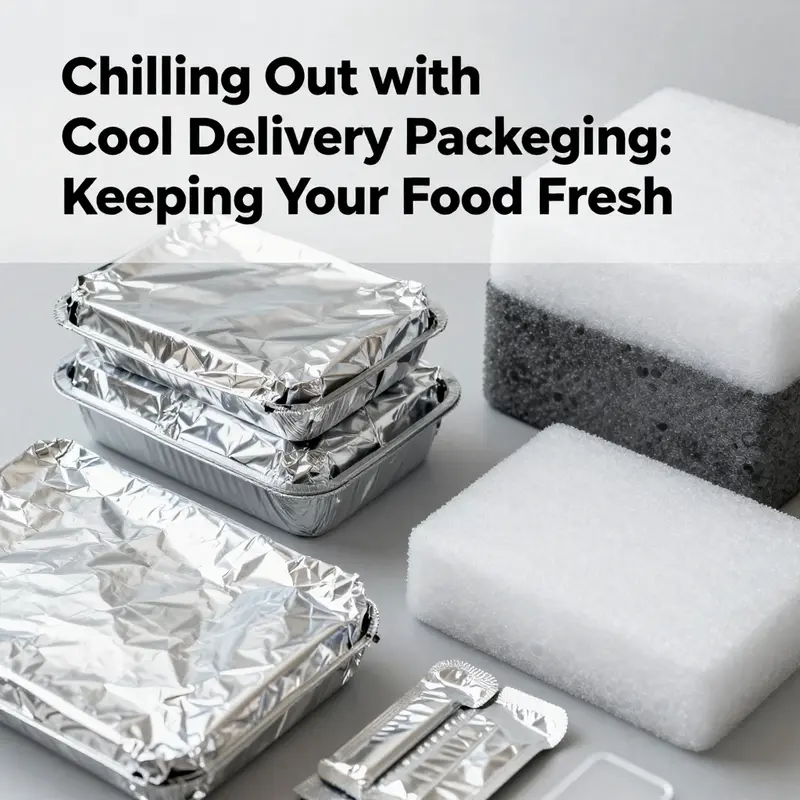
Materials that guard the temperature in cool delivery packaging are more than a toolbox of parts. They are an integrated system designed to preserve texture, taste, and safety from the moment hot or cold food leaves the kitchen to the moment it reaches the customer. The challenge is not simply to keep items cold or hot; it is to sustain a careful balance of heat exchange, moisture control, and mechanical protection as the package rides through warehouses, bicycles, cars, and doorsteps. Temperature control hinges on a thoughtful pairing of insulation, barrier layers, and inner linings. Insulation slows the rate of heat gain or loss, while barriers block radiant heat, moisture transfer, and oxygen that can degrade quality. In practice, the best solutions combine several materials into a layered stack that is tuned to the food type, transit distance, and duration. The result is a packaging envelope that preserves the integrity of the meal as it travels through a variable environment.
A foundational class of materials in this system is the family of plastics used for liners and bags, notably polyethylene and polypropylene. These plastics are lightweight, inexpensive, and offer good moisture resistance. They help minimize condensation inside the package, a crucial factor for foods that can become soggy or lose visual appeal if moisture builds up. PE and PP films are commonly used as inner liners or as part of multilayer pouches that surround the food. Their relative flexibility allows them to wrap irregular shapes while maintaining a barrier against external humidity. At the same time, the inherent barrier properties must be matched with an outer insulation layer so that moisture does not migrate inward or outward in unexpected ways. The practical outcome is a bag or liner that keeps the contents dry inside while contributing modestly to overall thermal performance.
Expanded polystyrene, or EPS, remains a staple in many cool delivery systems. EPS provides robust thermal insulation at a light weight and a relatively low cost, making it a practical choice for cooler boxes and containers designed to transport perishable items such as dairy products, meats, and frozen goods. The cells within EPS trap air, reducing heat transfer and helping to maintain a stable temperature inside the container even when the outside environment shifts. The material’s rigidity, combined with its ability to resist crushing during stacking and transit, helps protect delicate items from mechanical damage. While EPS is not the most environmentally friendly option in some contexts, its performance-to-weight ratio keeps it relevant in short to medium length deliveries where time is a critical variable and the cost of more premium insulation would be prohibitive.
For longer distances or more demanding cold-chain requirements, vacuum-insulated panels offer a different level of thermal performance. VIPs create a near-airtight barrier with very low heat transfer, enabling cold or frozen items to stay at their target temperature for extended periods. The trade-off is cost and a higher sensitivity to punctures or improper sealing. In high-end or long-distance delivery systems, VIPs can be embedded in walls of insulated boxes or used as part of modular container designs. Their superior thermal resistance means that even when ambient conditions are far outside the food’s ideal range, the interior remains within a narrow, safe window. This makes VIPs appealing for specialized services where preserving a strict cold chain is essential for food safety and organoleptic quality over time.
Aluminum foil laminates occupy a unique niche in cool delivery packaging. As part of multi-layer films, aluminum foil acts as an almost impenetrable barrier to heat, light, and moisture. Its reflective surface helps deflect radiant energy that would otherwise raise internal temperatures, while the foil layer blocks gases and moisture from penetrating inward. In practice, foil laminates are used to wrap or line containers and to form inner layers within a carton or bag. Their durability and barrier performance are particularly valuable for products vulnerable to heat gain, such as delicate dairy desserts or seafood items that must remain within a narrow temperature band. The foil layer is often paired with other materials, creating a composite shield that balances rigidity, moisture management, and cost.
Increasingly, the industry is leaning toward recycled and biodegradable materials as a way to reduce environmental impact without sacrificing performance. Molded fiber, created from recycled paper fibers, provides a sturdy, compostable alternative for outer packaging or internal supports. Compostable PLA films, derived from plant-based polymers, offer an appealing sustainability profile for inner liners and wrap films, though they may require compatible disposal streams to realize their full environmental benefits. Plant-based foams, sourced from renewable resources, also find a place in packaging systems where light weight, cushioning, and insulation are needed. The challenge with these materials is to keep pace with performance demands while controlling cost and ensuring compatibility with the food safety standards that govern packaging in the delivery sector.
An illustrative example of how these materials combine in practice appears in modern meal kit logistics. Many operations use corrugated cardboard boxes as the primary container, lined with PE or aluminum foil to create a moisture and heat shield. Dry ice or gel packs are often added to maintain a cold chain during transit. This approach leverages the low cost and durability of cardboard, the moisture control of PE, and the barrier performance of foil with a simple, effective insulation strategy. The result is a box that can be stacked, shipped, and unpacked with predictable quality at delivery. The choice of materials is guided by transit time, ambient conditions, and the specific temperature targets required by the meals inside, whether they are kept cold or kept warm for immediate consumption.
Choosing the right combination of materials also involves a careful assessment of size and insulation level. A larger box imposes greater thermal load, so insulation must scale accordingly to prevent heat transfer during delays. Conversely, overly thick insulation on short trips can add unnecessary weight and cost. The decision process weighs expected transit time, the volume of food, the sensitivity of the items to moisture and temperature fluctuations, and the likelihood of interruptions in the delivery path. Simple, well-proportioned systems can maintain quality without imposing excessive material use. In some cases, manufacturers incorporate reflective barriers or radiant foils to minimize the heat that penetrates the outer shell, especially in sunny or warm environments. The result is a robust yet economical packaging solution that can be adapted across restaurants, ghost kitchens, and mobile food operations.
Beyond performance, the materials in cool delivery packaging must consider food safety and packaging integrity. A sealed inner liner helps prevent cross-contamination and leakage, while a tight seal or pouch reduces moisture migration that can alter texture or appearance. Grease resistance is another important attribute, particularly for fried foods that tend to release oils during transit. The outer packaging should withstand stacking and handling without tearing or absorbing moisture, which could compromise insulation. Here, the structural role of cardboard, foam, and foil laminates comes into play. The packaging must be rigid enough to support contents, yet flexible enough to accommodate variations in food shape and volume as orders are assembled and dispatched.
Sustainability considerations are increasingly woven into material choices. The push toward recyclable or compostable options prompts designers to examine life cycles, end-of-life disposal, and supply chain impacts. In some contexts, recycled content in outer boxes and liners helps reduce waste, while biodegradable components support composting streams. The challenge is to maintain barrier properties and insulation while using materials that align with environmental goals. This balance often leads to hybrid solutions where a portion of the packaging is designed for reuse or responsible disposal, and another portion is optimized for performance in transit. In all cases, the primary driver remains the preservation of food quality, safety, and customer satisfaction, with sustainability serving as a meaningful, ongoing objective rather than a secondary consideration.
For organizations exploring eco-friendly options that align with a broader sustainability strategy, a practical path is to consider eco-friendly takeout packaging boxes that blend performance with responsible materials. These solutions leverage a combination of inner liners, barrier films, and outer shells that can meet cold and hot food requirements while minimizing environmental impact. They also demonstrate how the packaging ecosystem is evolving to support responsible disposal without compromising the temperature integrity of delivered meals. See for example the range of eco-friendly takeout packaging boxes available through suppliers offering compostable and recyclable options, which illustrate how material choices can support both quality and environmental commitments. eco-friendly takeout packaging boxes.
The broader context of material science in cool delivery packaging can be enriched by looking at comprehensive summaries of cooling packaging materials and their properties. A thorough external overview outlines how different materials perform under a spectrum of conditions, from short urban hops to longer rural routes. This contextual resource helps designers and operators calibrate their material selections to specific delivery scenarios and regulatory expectations. For a broader overview, see the external resource on cooling packaging materials that synthesizes insights across insulation, barriers, and sustainability considerations. https://www.foodserviceequipment.com/cooling-packaging-materials
null
null
Guardians of the Cold: Temperature Integrity, Material Strategy, and Sustainable Practices in Food Delivery Packaging
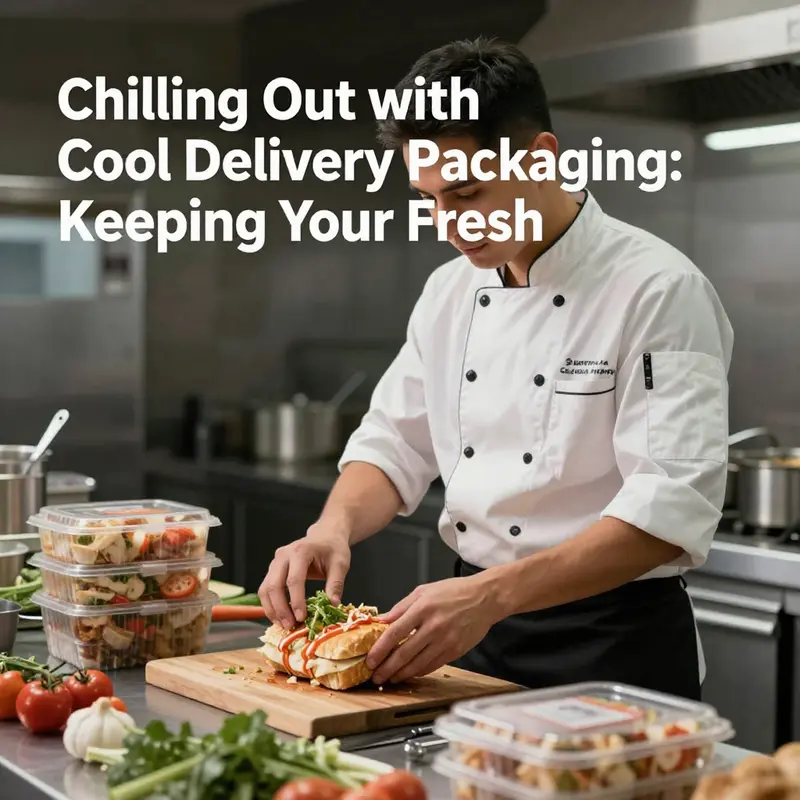
Temperature is not a single setting but a discipline that spans the journey from kitchen to doorstep. In the world of cool delivery packaging for food, maintaining strict temperature adherence across the entire cold chain demands more than a box that feels sturdy. It requires a deliberate orchestration of materials, design, and process that together resist heat when a hot item risks warming and protect cold items from warming and moisture intrusion. The central idea is simple, yet powerful: the packaging must act as a reliable barrier against the environment while enabling consistent performance in real-world transit conditions. This is where materials such as aluminum foil linings, expanded polyethylene (EPE) foam, and reflective barriers enter the narrative not as ad hoc add-ons but as integral elements of a system designed to minimize heat transfer, control humidity, and preserve texture and aroma.
Aluminum foil linings deliver a pragmatic balance of reflectivity and barrier performance. They deflect radiant heat, reducing heat gain for cold items during sunny street deliveries or when a courier pause exposes a package to warmer surroundings. For hot items, foil can help contain the outward heat, contributing to a more stable temperature inside the container. EPE foam adds a lightweight, resilient cushion that traps air and reduces convective heat transfer. Its closed-cell structure slows down both heat ingress and egress while offering dent resistance that keeps containers sealed and contents intact. Reflective barriers—often combined with foil and foam—create a layered shield that disrupts radiant heat pathways more effectively than any single material could achieve on its own. The combined effect is a predictable interior climate inside the package, a deterrent to rapid cooling or warming that would otherwise degrade quality.
But material choice is only part of the equation. Temperature control flourishes when the package design accommodates the realities of food dynamics—steam, moisture, gas composition, and the unique requirements of specific foods. For instance, foods that benefit from fermentation or marination can be sensitive to gas exchange. Some packaging approaches emphasize controlled atmosphere within the package to preserve flavor and texture, especially for fermented or marinated products. Likewise, ready-to-cook meal kits require a careful balance of gas control and moisture retention to maintain freshness while ensuring safe reheating at the destination. In practice, this means selecting packaging configurations whose barrier properties align with the product’s needs, and pairing those configurations with production and handling steps that keep the internal environment stable from packaging line to consumer hand.
Beyond the material layers, the discipline extends to how a business approaches the cold chain on the move. The concept of Temperature Control for Quality (TCQ) initiatives is a practical framework. It emphasizes consistent temperature adherence across all stages, from receiving to packing, loading, transport, and ultimately delivery. TCQ is not merely about avoiding temperature abuse; it’s about maximizing freshness, reducing product shrink, and preventing spoilage. When teams adopt TCQ principles, they aren’t just meeting a standard; they are reinforcing trust with customers who expect meals that taste as intended, with textures that aren’t softened by moisture or heat exposure. The knock-on effects are tangible: fewer complaints, higher repeat orders, and a stronger brand reputation that signals reliability rather than occasional luck in transit.
A decisive aspect of TCQ is material–application alignment. It’s not enough to stock a box with lofty claims about insulation; the size and insulation level must match the food load and the expected transit duration. Restaurants, food trucks, and delivery services each have distinct needs. A pizzeria order and a multi-dish, high-moisture meal kit require different packing philosophies. Insulation must be generous enough to maintain a steady state in longer routes, yet practical enough to avoid excessive bulk that would slow down loading or incur higher transport costs. The result is a packaging strategy that emphasizes modularity and adaptability: containers that can be scaled up or down, with inner liners and barrier layers chosen to suit the expected thermal profile of the contents.
All of this speaks to a broader practice of deliberate packaging selection. Within the research landscape, a careful evaluation of materials and configurations helps businesses avoid a one-size-fits-all approach. Instead, they adopt a spectrum of options tailored to product category, service model, and customer expectations. This is precisely where the choice of a practical packaging path becomes a strategic business decision. For example, an option exists for eco-conscious operations to balance performance with sustainability, selecting solutions that deliver necessary barrier properties while aligning with environmental goals. This is not a concession on safety or quality; it’s a route to achieving the same protective outcomes with reduced environmental impact. The practical takeaway is to view packaging as a system rather than a standalone component.
In the field, the best practice is to start with a temperature target that reflects the product’s actual needs, not an abstract standard. Then, work backward through the chain to determine material choices, insulation thickness, and container geometry that meet that target under typical conditions. It’s here that the idea of product-specific packaging emerges as essential. Fermented foods, dairy, raw seafood, marinated items, and ready-to-cook kits each bring distinct thermal and atmospheric considerations. The packaging system must accommodate these differences without creating unnecessary complexity or cost. A key design principle is to favor materials with predictable performance and minimal variability in real-world handling. Consistency in manufacturing tolerances—from liner thickness to adhesive integrity—translates into reliability on route.
From a practical standpoint, choice and application extend to the size of the container and its insulation capacity. A versatile approach uses modular packaging that can adapt to the number of items, their volumes, and their combined thermal load. Smaller modules reduce the chance of heat pockets forming near the surface of the product, while larger modules can be efficient for bulk orders but may require more aggressive insulation to achieve the same protective effect. In all cases, the goal is to minimize the time during which the product is exposed to ambient conditions. Faster handoffs, better pre-cooling or pre-warming practices, and properly nested liners can collectively shrink the thermal exposure window.
The human side of these practices should not be overlooked. Training the workforce to assemble and seal packages with the same care that went into product preparation helps close the loop between kitchen quality and delivery conditions. It’s not about overengineering; it’s about consistent execution. When staff understand the rationale behind each material choice and how it contributes to the final product experience, they become ambassadors of quality rather than mere operators of equipment. The discipline becomes part of the brand’s promise—customers receive meals that look and taste as intended, and restaurateurs and operators gain loyalty through reliability as much as through flavor.
To connect these ideas to tangible choices, imagine a scenario in which a delivery service segments its offerings by product category and route profile. The cold chain needs for a refrigerated salad kit differ from those for a hot, sauce-heavy entrée that must travel with limited condensation. The packaging system would include a foil-lined, foam-insulated inner box for the cold item and a dual-layer, reflective barrier configuration for the hot dish to curb heat exchange. For items requiring controlled atmosphere, an inner MAP approach could be implemented to preserve aromatics and texture. The overarching principle remains constant: tailor insulation and barrier choices to the product’s thermal risk, balancing cost, handling, and environmental considerations.
In making these decisions, businesses should leverage available guidance and case insights without overcommitting to any single solution. The research landscape points toward a holistic approach where materials, design, and process co-evolve to protect quality across the entire delivery journey. A practical option worth considering in the broader ecosystem of packaging is one that offers leak resistance and microwave-safe performance, reflecting the real-world needs of restaurants and takeout services seeking reliable performance without sacrificing convenience or sustainability. For readers seeking a concrete example of such packaging choices in practice, a representative option can be explored here: eco-friendly takeout boxes for food packaging.
Ultimately, the aim is not to chase a single solution but to cultivate a thoughtful packaging strategy that respects the science of heat transfer and the realities of logistics. Temperature control is a continuous commitment, built on the right materials, matched to the right foods, and supported by disciplined operations. When those elements align, cool delivery packaging becomes less about guarding against risk and more about delivering a consistent, high-quality experience that reinforces trust in every order. The chain remains as strong as its weakest link, so the emphasis must stay on aligning product, packaging, and process through every handoff, every mile, and every doorstep.
External reference for deeper guidance on these topics: https://www.foodsafetysolutions.com/9-best-practices-for-ensuring-food-safety-and-quality/.
Chill by Design: Market Currents and Material Innovations in Cool Delivery Packaging for Food
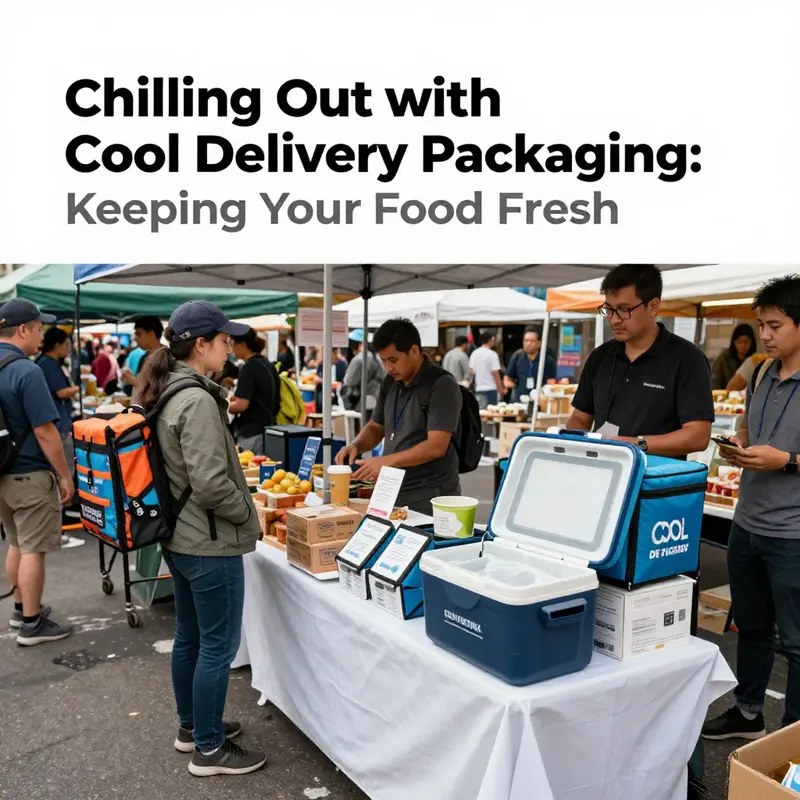
Temperature-controlled packaging has evolved from a niche feature to a strategic necessity in modern food logistics. As the cool chain extends from groceries to restaurant delivery, meal kits, and ghost kitchens, the demand for reliable, cost-efficient cold packaging grows in step with e-commerce and stricter safety standards. Global forecasts place cold chain packaging markets from 32.29 billion in 2025 to 48.93 billion by 2030, a CAGR around 8.6 percent. This growth reflects a consumer expectation that meals arrive in the same condition as they left the kitchen—maintained temperature, preserved texture, and safe handling. For designers, this adds a mandate to balance performance, sustainability, and total cost of ownership.
Materials science sits at the heart of this shift. The traditional trio of foam insulation, corrugated shells, and reflective barriers remains, but new options are changing the math. Biodegradable and bio-based films such as polylactic acid PLA are gaining traction for end of life performance, compostable facilities, and compatibility with recycling streams. Mycelium-based packaging is emerging as a lightweight, insulating alternative with potential carbon benefits. Aluminum foils and thin metallized layers continue to tame radiant heat yet require careful recovery streams to avoid waste.
Insulation technology is also evolving. The market segment for insulated packaging is projected to grow from roughly 15.5 billion in 2025 to about 21.0 billion by 2031. This expansion is not merely about thicker walls; it is about smarter, lighter designs and modular architectures that fit a range of meal profiles. Reflective barriers, vacuum insulation panels, and aerogel composites are explored for routes with space or weight constraints. Companies experiment with reusability, micro-assembly, and compatibility with reheating methods.
Practical guidance for operators emphasises tailoring insulation to load profiles, dwell times, and vehicle conditions. A tiered approach—light insulation for short trips, enhanced insulation for longer deliveries, and robust grease resistant shells—helps manage the balance of temperature stability, weight, and waste. Sustainable packaging is increasingly a baseline expectation rather than a differentiator, with compostable or recyclable shells evaluated for grease resistance and seal integrity.
Behind the scenes, the market dynamics underscore the need for supply chain transparency, credible testing data, and life cycle analyses that help buyers justify the cost of higher performing materials. The story is not about chasing a universal standard but about selecting a system that aligns with realistic transport legs, environmental targets, and end user behavior.
Looking ahead, the industry continues to converge around eco conscious options such as PLA, starch blends, and mycelium, along with advanced barrier films and thin yet effective insulation layers. Take back programs, secure post-consumer recycling streams, and standardized labeling are part of the infrastructure that makes sustainable packaging practically scalable. Ultimately, temperature control and sustainability are not competing priorities but two strands of a unified strategy that reinforces each other when chosen with a lifecycle perspective.
To translate these trends into procurement decisions, operators should view packaging as a system rather than a single component. Combine liner materials, insulating cores, outer shells, and heat interface within the vehicle to minimize heat gain or loss, block condensation, and prevent grease leakage. Consider the total cost of ownership, including material costs, weight, disposal expenses, and potential reductions in food waste. When suppliers demonstrate credible data and transparent testing, buyers gain confidence to invest in packaging that balances safety codes with sustainability goals.
Industry commentary highlights practical eco-focused examples, such as takeout boxes engineered for both performance and recyclability, and lines of packaging designed for food service contexts with minimal environmental footprints. As the market expands, operators increasingly expect packaging to support not only safe transit but also a positive brand story for customers and partners.
Further reading and forecasts point to the same arc of growth and innovation traced here, with multiple market analyses reinforcing the direction of travel for cold chain packaging in the coming years.
Final thoughts
In conclusion, cool delivery packaging plays a crucial role in the success of food and beverage businesses, ensuring that products arrive at the right temperature and maintain their quality. By understanding the essential aspects, choosing the right materials, leveraging technology, adhering to best practices, and staying informed about market trends, Bubble Tea shops, restaurants, food trucks, catering services, event planners, and corporate procurement teams can enhance their delivery services. As consumer expectations continue to rise, investing time and thought into the right packaging solutions will ensure that your offerings stand out in a crowded marketplace.