
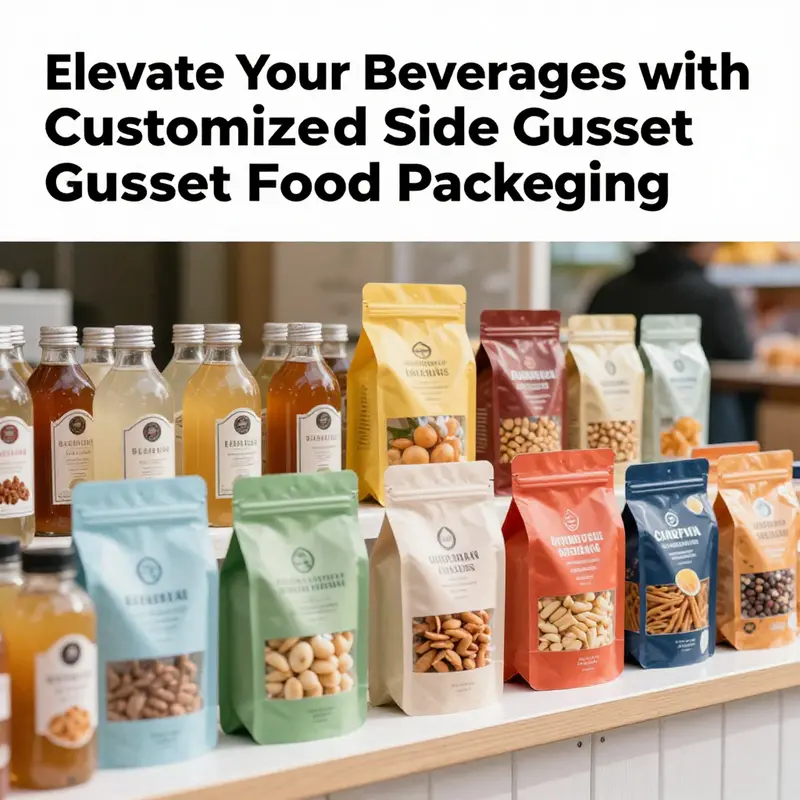
In today’s competitive food and beverage landscape, innovative packaging solutions like customized food packaging plastic bags with side gussets are becoming essential. These bags offer functionality and enhanced aesthetic appeal that can significantly impact a brand’s success. By providing standout visual real estate, optimized capacity, and superior product protection, side gusset bags cater specifically to businesses in the food industry. From bubble tea shops to catering services, understanding the benefits, customization options, manufacturing processes, and market trends associated with these bags can empower businesses to make informed decisions that resonate with their target audience. Each chapter will delve into these areas, revealing how customized packaging can play a pivotal role in branding and consumer satisfaction.
null
null
null
null
How Side-Gusset Food Bags Are Made and Delivered: Materials, Machines, and Market Flow
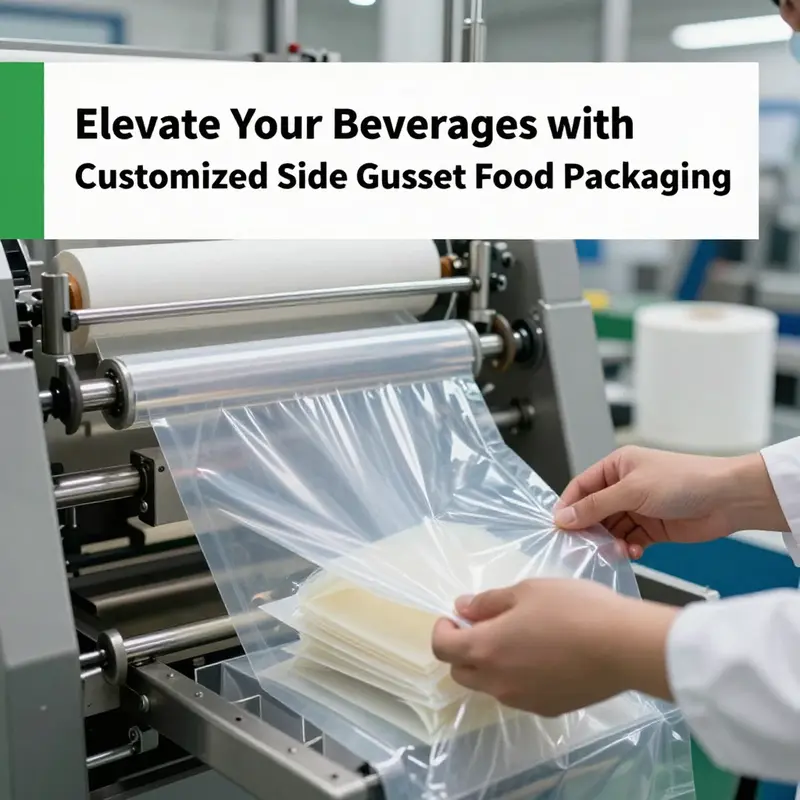
The journey from raw polymer to a finished customized side gusset food bag is both technical and strategic. It blends materials science, precision machinery, regulatory control, and logistics planning. For food brands, understanding this journey clarifies lead times, cost drivers, and the decisions that shape a package’s appearance, performance, and sustainability profile.
Material choice sets the stage. Most side gusset bags start as flat polymer films. Options include polyethylene (PE) and polypropylene (PP). These base polymers are selected for strength, sealability, flexibility, and cost. To achieve food-safe barrier properties, manufacturers build multilayer laminates. A common structure uses a polyester or nylon outer layer for printing and strength, a middle barrier layer such as aluminum foil or metallized film for oxygen and light protection, and an inner heat-sealable layer of PE. Layering is done by extrusion lamination or adhesive lamination. Each method affects recyclability, clarity, and barrier performance. Selecting the right structure depends on product moisture sensitivity, desired shelf life, and whether the package will be heat-treated or frozen.
Film production and conversion follow. Extrusion lines produce base films in wide rolls. Those rolls then pass to conversion machinery where the flat film becomes a side gusset bag. Conversion includes precise cutting to length, measured folding to form the gussets, and heat sealing to create the bottom and top seals. Modern lines use servo controls and digital sensors to maintain repeatability. Forming the gusset is a careful process. Fold depth and pleat angle determine how the bag opens, how it stands, and how product fills the volume. Small variations in fold can impact filling efficiency at high-speed packing lines.
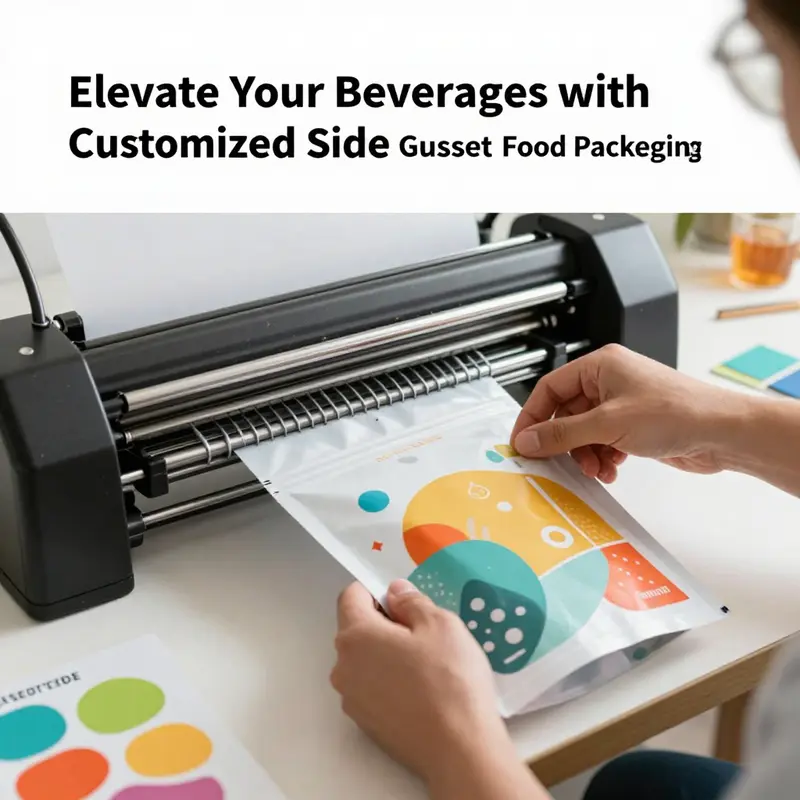
Printing and graphics are integrated early or late depending on technique. Rotogravure and flexographic presses remain common for high-volume, full-color runs. Digital printing offers fast turnaround and economical small batches. The print method determines ink compatibility and lamination choices. For instance, some inks require a barrier coat before lamination to prevent migration. When a brand requests full-bleed, high-resolution artwork, the conversion floor coordinates artwork proofs and color-matching. Proofing stages reduce costly rework and ensure on-shelf appeal.
Sealing and closures are engineered for both function and convenience. Heat seals create the bag’s structural integrity. Seal integrity is validated through destructive and non-destructive tests. Many side gusset bags include reclose features like zippers, slider zips, or fold-over closures. These are either heat-sealed into the top web or attached by cold-seal adhesives. Tear notches and laser scores are added where consumers must open the pouch cleanly. Each closure choice influences material thickness, sealing temperature, and the bag’s overall cost.
Automation and technology drive consistency and capacity. Automatic form-fill-seal machines integrate with upstream weighing and dosing equipment. Robotics may handle stacking, counting, and boxing. Digital controls reduce setup time between sizes. Inline quality systems inspect print, seals, and dimensions in real time. When defects are detected, lines can divert suspect bags for rework. This automation reduces waste and improves final quality.
Quality assurance is continuous. Food-grade packaging needs traceability and testing. Incoming raw materials are certified with food-contact declarations and batch records. Intermediate checks monitor lamination strength, barrier integrity, and print registration. Finished goods undergo dimensional checks, seal-strength tests, and visual inspections. Sampling plans follow recognized standards and often align with ISO 9001 systems. Traceability ensures a fast response when an issue arises. Manufacturers commonly retain batch samples and maintain production logs to support corrective actions.
Supply chain dynamics shape availability and lead time. Raw polymer markets are cyclic. Resin price swings affect final bag pricing. To mitigate volatility, manufacturers maintain safety stock or negotiate long-term contracts with resin suppliers. For brands ordering customized bags, lead times depend on order size, artwork complexity, and material availability. Small, digitally printed runs can ship in days. Large, rotogravure-printed orders may require weeks due to tool setup and drying times.
Geography plays a role in logistics. Many manufacturing hubs are located in regions with established polymer supply chains and conversion expertise. Yet, brands often opt for localized suppliers to reduce freight costs, lower carbon footprint, and shorten lead times. When sourcing internationally, import duties, customs clearance, and shipping schedules add complexity. For products distributed globally, manufacturers can centralize production or set up regional runs to improve responsiveness. Each approach balances cost, inventory risk, and time to market.
Customization scales with order planning. Design complexity, special inks, metallized finishes, and added features like zip-locks or degassing valves increase tooling time and cost. Brands should align production runs with market demand. Smaller brands often benefit from digital print to test packaging concepts. Larger brands can amortize tooling and plate costs across higher volumes. Minimum order quantities vary widely. Transparent communication with the supplier helps match production planning to commercial goals.
Sustainability decisions now influence material selection and supply chain routing. Recyclable mono-material constructions reduce complexity for end-of-life recycling. However, achieving equivalent barrier performance with mono-materials can be challenging. Some manufacturers blend bio-based polymers or incorporate recyclable PE layers while keeping metallized or aluminum layers to a minimum. Biodegradable options exist but require careful evaluation for composting standards and stability in supply chains. Regulatory shifts and retailer sustainability targets push brands and converters to explore these alternatives. The trade-offs include cost, barrier properties, and current recycling infrastructure compatibility.
Regulatory compliance matters at each step. Food-contact regulations differ by region and market. Manufacturers provide compliance documents and migration test results. Additives, inks, and adhesives must be suitable for food use. Cold-fill versus hot-fill processes impose different material requirements. Where frozen storage is involved, polymers must maintain toughness at low temperatures. When oxygen-sensitive products are packed, barrier levels are validated by shelf-life testing under defined conditions.
Choosing a supplier requires evaluation beyond price. Consider production capacity, quality systems, and lead-time reliability. Ask for sample kits and production references. Review how the supplier handles change orders and manages defective batches. Sites with certifications for quality and environmental management offer extra confidence. Communication cadence is important: clear artwork approval workflows and agreed turnaround times prevent delays.
Inventory and logistics strategy affect costs and agility. Brands with predictable demand can place larger orders to reduce unit cost. Those with variable demand may prefer just-in-time deliveries or regional warehousing. Some suppliers offer consignment stock or vendor-managed inventory. Packaging that arrives flat-packed and requires minimal handling reduces storage volume and inbound labor costs. When a supply disruption occurs, diversified sourcing or maintained safety stocks keep production running.
Practical tips help brands navigate manufacturing and supply chain choices. Define the required barrier level and shelf life first. Align material choices to those needs before exploring decorative finishes. Choose full-color proofs and preproduction samples to validate artwork. Factor in lead times for tooling and certification testing. Discuss sustainability goals with suppliers early, so material selections and laminations support those objectives. Finally, plan for logistics clearly, including customs paperwork if sourcing internationally.
Packaging decisions ripple through the business. A thoughtfully specified side gusset bag improves shelf presence, reduces product waste, and streamlines packing lines. But achieving that requires an integrated view. Material science and print technology must align with filling systems and distribution plans. Production partners must support quality assurance and traceability. And the supply chain must be resilient enough to deliver consistent volumes on schedule.
For a practical example of manufacturer capabilities and production scales, refer to a leading converter’s site for more technical detail: https://www.wuliu-plastic.com/
For brands exploring complementary eco-conscious solutions, consider alternatives that balance functionality with sustainability, such as paper-based takeout options. See an example of eco-friendly takeout boxes for related food packaging ideas: eco-friendly takeout boxes for food packaging.
This chapter lays out the manufacturing flow and supply chain choices specific to customized side gusset food bags. The next chapter explores design decisions and consumer-facing features that maximize shelf appeal and performance.
How Market Forces Are Reshaping Side Gusset Food Bags: Branding, Sustainability, and Smart Manufacturing
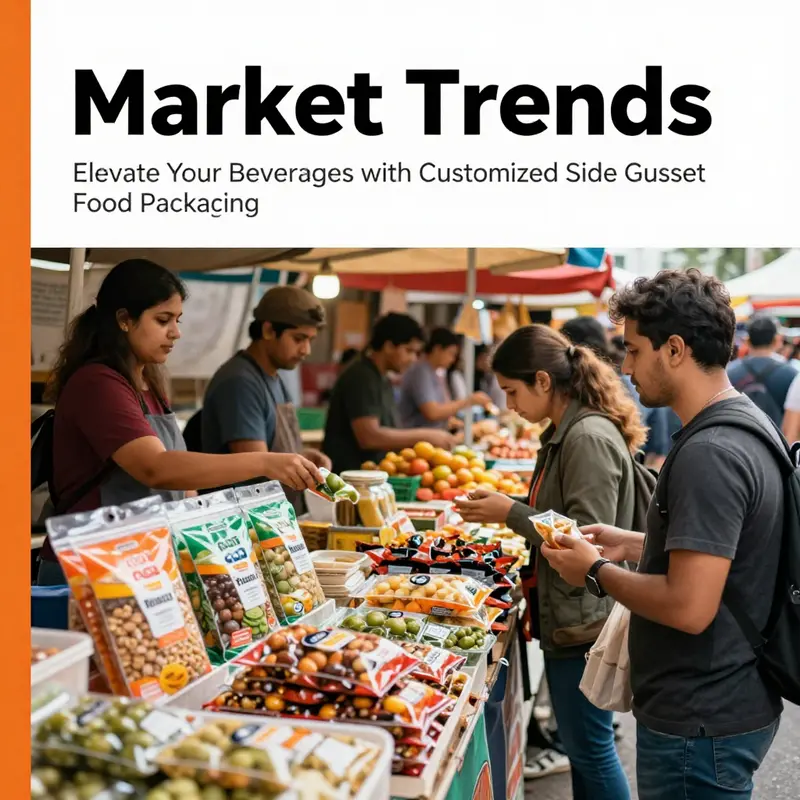
Market dynamics shaping the side gusset bag
The side gusset food bag has moved from a simple vessel to a strategic asset for food brands. Its pleated sides allow upright display and extra volume, but market forces now demand much more than capacity. Brands want packaging that sells, protects, and reflects values. Regulators require safe, traceable materials. Consumers expect eco-conscious choices and clear storytelling. Manufacturers respond with an array of innovations that fuse design, material science, and digital systems into a single package solution.
Customization has become a primary differentiator. Small and midsize brands no longer compete only on product quality. They compete on identity and narrative. A side gusset bag offers a broad, flat canvas that makes this possible. High-resolution printing lets a brand present photography, ingredient callouts, and certifications on a single panel. Custom colors and finishes create shelf presence and help retailers organize assortments. The ability to handle short runs and rapid turnarounds has become critical. Retailers demand seasonal SKUs and limited editions, while direct-to-consumer channels iterate fast. Manufacturers capable of small-batch printing and quick tooling cycles now command premium relationships with clients. This agility supports experimentation without large inventory risks.
Sustainability is rewriting material choices and supply chains. The industry still values traditional laminates for their barrier performance and cost-effectiveness. Yet buyers and regulators push for greener alternatives. Bio-based polymers like PLA and PHA are entering formulations where compostability or a lower carbon footprint matters. Post-consumer recycled content is rising in demand, too. These choices are often a compromise: high-barrier performance remains essential for oxygen- and moisture-sensitive foods. As a result, multilayer structures are evolving to combine recycled or bio-based outer layers with high-barrier inner films. This hybrid approach preserves shelf life while reducing environmental impact.
Regulatory pressure accelerates this shift. Food-contact rules compel suppliers to use certified food-grade resins and to prove minimal migration of harmful substances. Compliance adds cost, but it also reduces brand risk. Transparent supply chains and documented testing are now standard negotiation points in supplier contracts. Certifications such as quality management and environmental standards signal reliability to international buyers. Brands increasingly ask for detailed declarations, migrating from verbal assurances to documented traceability.
Functionality is where differentiation turns into practical value. Side gusset bags already offer a stable display shape and greater capacity than flat pouches. Designers add ergonomic features that matter in daily use. Resealable zippers and tear notches improve convenience and reduce waste. Fitments such as spouts are integrated for liquid or pourable products. For fresh produce, breathable films mitigate condensation while preserving firmness. For frozen foods, cold-resistant laminates prevent cracking and maintain seals. These tailored features protect product integrity across the supply chain and improve consumer experience at home.
Specialized barrier solutions extend shelf life and reduce food waste. High-barrier layers such as aluminum foil or metalized films remain common in snacks and roasted goods. However, new metallized formulations and barrier coatings achieve similar performance with lower metal content, improving recyclability. Oxygen scavengers and active packaging elements are being embedded where extended freshness is vital. When shelf life extends, retail shrink and household waste decline, and brands gain the freedom to serve wider markets.
Regional manufacturing footprints and supply chain models influence cost and speed. Key manufacturing hubs deliver advantages in scale, supplier ecosystems, and logistics. Plants near ports and material suppliers reduce lead times and transport costs. Yet the industry also sees a rise in localized, source-to-door models. These models place inventory closer to end markets, enabling faster replenishment and lower freight emissions. For brands selling across regions, choosing the right manufacturing partner is a balance between unit cost and responsiveness. Warehousing solutions that support quick replenishment are increasingly part of the offering, and they reduce the penalty for running multiple SKUs.
Technology adoption is redefining quality control and traceability. Automated visual inspection systems powered by AI improve defect detection rates while lowering manual inspection costs. Digital twin models optimize production lines, reducing downtime and waste. These tools help achieve consistent print registration and seal integrity on complex gusset shapes. Digital printing, too, changes economics. Variable data printing supports lot-specific information, batch codes, and QR-enabled campaigns without slowing production. This capability makes promotional runs viable and supports regulatory traceability.
Blockchain and serialization are emerging for provenance and recycling claims. Consumers and regulators increasingly demand proof of material origin and end-of-life pathways. Immutable ledgers record each bag’s life from resin source to recycling facility. Brands use these records in marketing and compliance. When combined with consumer-facing QR codes, blockchain increases trust and creates interactive post-sale experiences.
Market segmentation is sharpening. Premium and niche categories rely on design, texture, and storytelling. In these segments, consumers accept higher prices for perceived value. High-end confections, single-origin coffees, and artisanal snacks benefit most from bespoke gusset designs. Meanwhile, mainstream categories prioritize low unit cost and supply stability. Manufacturers that serve both segments must maintain parallel capabilities: economical, high-output lines for volume SKUs, and flexible, digitally driven lines for special runs.
The transition to greener materials complicates recycling systems. Multilayer laminates provide excellent barrier properties, but they are harder to recycle than mono-material films. The industry responds with two paths. One approach seeks to develop fully recyclable mono-material gusset bags that maintain adequate barrier performance. The other improves collection and chemical recycling infrastructure to handle complex laminates at scale. Both approaches require collaboration among brands, converters, and waste handlers. Until infrastructure catches up, transparent labeling and consumer education remain essential to prevent contamination and to ensure proper disposal.
Packaging as a marketing channel is expanding beyond visual appeal. Side gusset bags now support interactive elements that extend the brand conversation. QR codes link to recipes, sourcing stories, or loyalty programs. NFC tags enable quick reordering or authentication for premium goods. These features turn packaging into a point of engagement rather than just containment. For brands with ethical claims, proof points on the bag must be verifiable. Integration of traceability tools and certifications increases credibility.
Cost pressures push manufacturers to innovate in process efficiency. Efficient die lines, optimized film lamination, and waste-minimizing printing workflows reduce per-unit cost. Energy-efficient machinery and process automation also lower operational costs while improving environmental performance. As these gains compound, they free capital for further investment in sustainable materials or digital systems.
Looking ahead, success will hinge on balance. The ideal side gusset bag combines visual impact, proven barrier performance, regulatory compliance, and clear sustainability credentials. Manufacturers that offer speed and flexibility, while maintaining documented supply chains, will win repeat business. Brands that match materials and features to product needs will reduce waste and strengthen consumer trust.
For businesses evaluating partners, these factors matter: the ability to run small batches quickly, transparent sourcing and testing of food-grade materials, options for recycled or bio-based films, and digital capabilities for variable printing and traceability. Consider also the partner’s regional footprint and logistics options. Those offering local warehousing or source-to-door models can shorten lead times and cut freight emissions. Finally, ask about recycling strategies and consumer guidance to ensure packaging ends its life responsibly.
Sustainable choices are not one-size-fits-all. For some food lines, high-barrier multilayer laminates remain essential. For others, recyclable mono-materials or compostable alternatives will suffice. The most successful strategies layer flexible sourcing with smart manufacturing and clear communication.
Manufacturers and brands are already aligning around these principles. The market is moving toward solutions that pair functional excellence with environmental awareness and engaging brand storytelling. As adoption grows, infrastructure and regulations will continue to evolve. Businesses that invest in adaptable packaging design, documented compliance, and digital traceability will be best positioned to capture market share.
For brands exploring alternatives beyond plastic side gusset bags, it helps to see how other eco-friendly packaging performs in real applications. A practical example is the range of eco-friendly takeout boxes for food packaging, which demonstrate trade-offs between recyclability and barrier needs. See this example of eco-friendly takeout boxes for food packaging for ideas on alternative materials and design features: https://ecocupbowl.com/product/eco-friendly-takeout-boxes-for-food-packaging-stylish-food-containers-safe-microwave-craft-paper-lunch-boxes-leak-grease-resistant/.
Standards and certifications remain critical. Quality and environmental certifications provide verification and increase buyer confidence. For example, internationally recognized quality systems guide manufacturers in delivering consistent output and environmental performance. Learn more about one such standard at the ISO site: https://www.iso.org/iso-9001-quality-management.html.
Market success requires a holistic view. Side gusset bags are no longer just flexible packaging. They are multifunctional touchpoints that protect products, express brand values, and enable supply chain transparency. The companies that master this integration will set the direction for the category in the years ahead.
Final thoughts
Embracing customized food packaging plastic bags with side gussets is a strategic move for businesses in the food and beverage sector. These bags not only enhance product visibility and brand perception but also offer practical advantages such as increased capacity and product protection. As market trends continue to evolve, investing in tailored packaging solutions can set a brand apart from the competition and foster customer loyalty. By understanding the myriad benefits, customization possibilities, and manufacturing processes of side gusset bags, businesses can make informed choices that will ultimately drive their success and cater to consumer needs effectively.