

In the competitive landscape of food and beverage services, maintaining freshness while presenting an attractive storage solution is paramount. Decorative plastic airtight containers, particularly those available at Target, not only tackle everyday storage challenges but also serve as an essential element of kitchen aesthetics. As this article unfolds across five insightful chapters, we’ll explore the design aspects of these containers, their functional benefits, current market trends, eco-friendly considerations, and consumer preferences, ultimately demonstrating how they can revolutionize your food storage approach, whether in bubble tea shops, restaurants, or catering services.
Clear Walls, Quiet Craft: The Design Language of Decorative Plastic Airtight Containers for Modern Kitchens
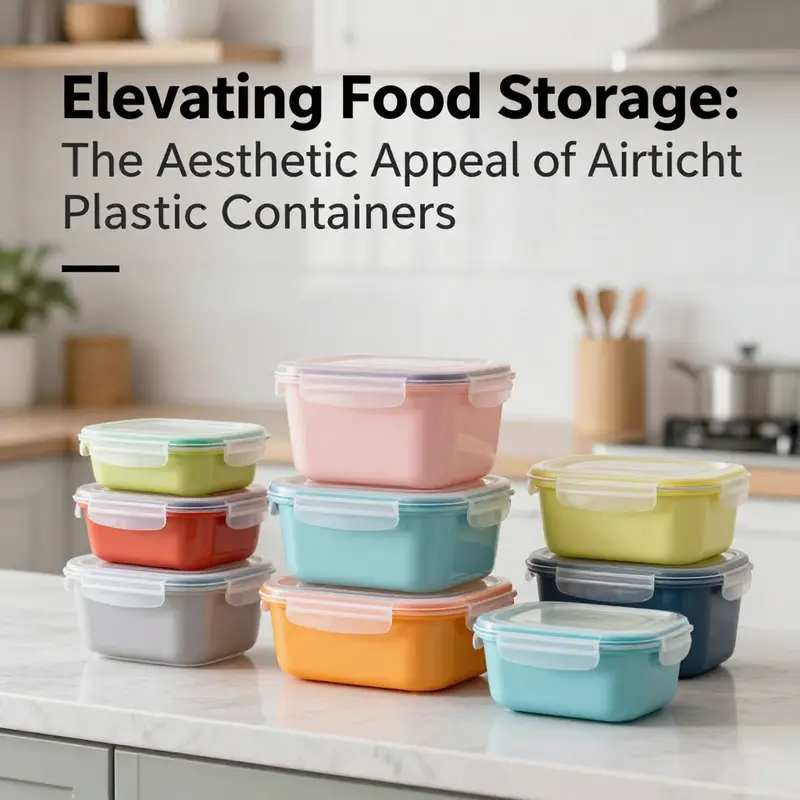
In today’s kitchens, storage is more than a practical necessity; it is a design statement that quietly shapes how we cook, eat, and even feel about our everyday routines. Decorative plastic airtight containers sit at the intersection of function and aesthetics, offering a visually calm, organized, and reliable way to manage staples while infusing the meal-prep zone with a touch of personal style. The essence of their appeal lies not just in what they keep, but how they present what they keep. They are, in effect, small architectural elements within the home, chosen not only for their contents but for the impression they impart as we pass them by, reach for a bag of flour, or search for a snack in a crowded pantry. Their design language has evolved to address the needs of busy households while inviting a more intentional relationship with food storage.
The most fundamental design attribute is transparency. A container that is clear or nearly translucent lets the user glimpse its contents at a glance. This isn’t mere vanity; it reduces the friction of daily routines. When flour, cereal, pasta, or dried beans are housed in see-through vessels, the risk of overbuying or letting good food languish in neglect drops noticeably. The choice of material for this visual clarity matters as well. Clear acrylic and high-grade plastics provide a sturdy, shatter-resistant shell that can withstand the rhythms of a modern kitchen—repeated open and close cycles, occasional drops, and frequent cleaning. The transparency also supports an instinctive sense of order. When every canister echoes the same color family, the eye travels across the shelf with less cognitive load, turning the pantry into a curated gallery rather than a haphazard collection. This sense of order is not only pleasing; it translates into practical outcomes, such as accurate meal planning and reduced food waste.
Equally central to the design is the airtight seal. The lid and body interact through carefully engineered interfaces—gaskets that compress to block air and moisture, secure locking mechanisms, or precision-fit screw tops. A dependable seal keeps dry goods fresh longer and protects against the culinary nemeses of humidity and pantry pests, especially for items like flours, sugars, grains, and spices. The seal is both sensor and safeguard: a tactile reminder that freshness is protected, and a visible cue that the container is closed and ready for storage or transport. The design challenge is to balance a tight seal with everyday usability. A gasket that is too stiff becomes a barrier to quick access; one that is too soft might wear quickly or fail to maintain a consistent seal after repeated cycles. The most successful designs employ durable elastomer compounds, subtle relief channels to equalize pressure, and lids that offer an airtight fit without requiring Herculean effort to remove.
Beyond transparency and seals, decorative elements have become more deliberate and nuanced. A lid might feature wood accents or textured surfaces that evoke rustic warmth or modern minimalism. The decorative language does not detract from the container’s purpose; it enhances it by providing tactile and visual cues that help users connect with the product. Visual appeal can influence how often the container is used, how consistently it is filled, and how carefully it is cleaned. When design accents harmonize with a kitchen’s color palette or with the overall home décor, the containers cease to be generic storage and become part of a curated living space. The balance between form and function is delicate here: ornamentation must be resilient to dishwashing, heat exposure, and everyday handling while still contributing to the user’s sense of pride in their kitchen.
Modularity and stackability form the third pillar of these designs. In compact and cluttered spaces, vertical stacking and nested configurations maximize square footage without sacrificing accessibility. Circular or rounded silhouettes often provide structural strength and even pressure distribution, which is especially important when multiple containers are stored atop one another or slid onto narrow shelves. A well-considered stack system also simplifies inventory management. When containers share standardized diameters and lid profiles, they can be mixed and matched to create a cohesive ecosystem that scales with a household’s changing needs. This modularity translates into real-world benefits: a family can tailor a set to store grains, snacks, and baking supplies while keeping the kitchen visually calm and easy to navigate. When space is at a premium, the ability to expand storage without resorting to unsightly add-ons becomes a meaningful design achievement.
User-friendly features are the connective tissue binding performance to daily life. Containers with easy-to-remove lids, ergonomic grips, and thoughtful hinge or latch mechanisms reduce friction and increase the likelihood that a family will use them consistently. Dishwasher-safe materials further simplify maintenance, a practical consideration for busy households where time is precious and cleanliness is non-negotiable. Yet, no design exists in a vacuum. There are recognized limitations—no container is truly oven-safe for direct food contact, and highly pigmented foods such as tomato sauces or curry can stain pale plastics if not properly treated. Responsible design anticipates these realities by offering cleaning guidance, surface finishes that resist staining, and clear labeling about safe uses. In doing so, the design becomes a practical advisor as well as a vessel for storage.
The conversation about decorative plastic airtight containers also touches on material choices and safety standards. Clear plastics and acrylics are prized for visibility and durability, but their formulation must align with food-contact safety, chemical resistance, and ease of cleaning. Materials are selected not only for transparency but for chemical stability, resistance to oils and acids, and compatibility with dishwashing cycles. The best designs acknowledge the lifecycle of a kitchen item, recognizing that containers will endure many cycles of filling, emptying, washing, and reusing. They balance rigidity with a little give, so that even when pressed into a crowded cabinet or dropped onto a tile floor, they resist cracking and maintain their seal integrity. The result is a family of containers that can withstand regular use while preserving the sensory and visual cues that make them feel like an intentional ingredient in the home’s aesthetic.
This synthesis of clarity, protection, adornment, and modularity resonates beyond the kitchen shelf. It reflects broader consumer desires for storage solutions that feel designed rather than merely functional. A decorative container becomes a small home project in its own right: it invites owners to curate their staples, color-code a system to suit dietary preferences, and tell a personal story through the arrangement of jars, canisters, and boxes. The design language is careful and inclusive, aiming to accommodate different cooking styles, household sizes, and cultural cuisines. A set that looks as good as it performs can encourage people to organize more deliberately, which in turn supports better nutrition and less food waste. In this way, decorative plastic airtight containers serve as a bridge between everyday practicality and a more thoughtful, aesthetically grounded daily life.
As the field evolves, designers increasingly consider how these containers interact with other kitchen objects and systems. The aesthetic vocabulary expands to include finishes that mimic natural materials, subtle color gradients that cue contents, and shapes that support ergonomic handling during busy prep sessions. The top priorities remain the same: to deliver a reliable seal, visible contents, and a durable, easy-to-care-for product that harmonizes with home décor. The ecosystem grows through thoughtful packaging, labeling, and even marketing strategies that emphasize the containers’ role in reducing waste and simplifying meal planning. When these factors align, the containers become more than storage: they become a quiet, reliable partner in creating a kitchen that feels both functional and inviting, a space where practicality and personality can coexist without friction.
The broader implication for retailers and designers is clear. Consumers are seeking storage solutions that do not force compromise between practicality and beauty. They want the ability to see inside, to trust the seal, and to enjoy a touch of decorative detail that does not overshadow performance. This design philosophy also intersects with sustainability conversations. Durable construction that minimizes replacement, clear instructions for care, and the option for timeless finishes help extend product life. In turn, households can invest in a cohesive storage system that remains attractive across seasons and changing tastes. The design impetus is not merely about making containers look nice; it is about elevating everyday routines, supporting mindful use of ingredients, and making organization an inherently satisfying part of cooking and living.
For readers who want to expand their understanding of performance standards in acrylic and airtight solutions beyond consumer products, a comprehensive reference can be found here: https://www.designs.com/acrylic-airtight-container-guide. In addition, the trend toward integrating practical storage with decorative appeal echoes broader packaging movements that emphasize both form and function across various contexts, including takeout and home food-storage ecosystems. A related example from the broader packaging landscape demonstrates how materials, seals, and user-centered design converge to deliver reliable experiences in everyday life. This interconnected view helps explain why decorative plastic airtight containers have become a staple in contemporary kitchens, how they shape daily routines, and why their evolution matters to makers, retailers, and households alike. For readers seeking more context on how these principles play out in practice, consider the broader packaging resources and case studies that address the balance of aesthetics, usability, and performance in storage solutions. And as the conversation about kitchen design continues, these containers stand as a reminder that even the simplest objects can carry thoughtful engineering and a spark of style when designed with care and intent.
Practical Elegance: How Decorative Plastic Airtight Containers Upgrade Food Storage for Retail Shoppers

Practical Elegance: decorative plastic airtight containers offer a rare blend of function and form. They preserve food while improving kitchen organization. These containers create a sealed environment that slows oxidation and blocks moisture. That seal matters most for dry staples like rice, pasta, and cereal. It also extends the life of leftovers and prepped ingredients. When air, humidity, and contaminants cannot enter, flavors hold and textures stay truer to their original state.
High transparency is another vital advantage. Clear or translucent walls let users identify contents at a glance. This reduces the need to open multiple lids. It saves time and lowers the chance of cross-contamination. Transparency also helps you spot spoilage early. If you can visually check food, you waste less and plan meals more confidently.
Hygiene is easier with smooth, seamless interiors. Molded plastics that lack hard-to-reach creases resist trapped crumbs and residue. Flat, easy-to-clean lids speed routine washing. Many decorative designs keep surfaces smooth inside while adding patterned or colored exteriors outside. That dual approach keeps containers attractive on display, while maintaining sanitation standards in practice.
Durability is a strong reason to choose high-quality plastic over fragile alternatives. Plastic stands up to drops, daily handling, and frequent stacking. It is lightweight and less likely to shatter than glass. That makes plastic a safer choice for active households, kids, and for placing on open shelving. Still, not all plastics perform the same. Look for containers made from food-safe polymers known for strength and clarity. Those materials withstand repeated use without warping or cracking.
Stackability transforms how kitchens use space. When lids and bases nest or interlock, cupboards and pantries become far more efficient. Stackable sets reduce clutter while keeping ingredients visible. The result: less searching, more usable shelf area, and a tidier aesthetic. A compact, stacked pantry also makes inventory checks quicker. This practical benefit alone lowers the frequency of expired goods and duplicate purchases.
Temperature versatility increases usefulness across meal prep. Many quality plastics tolerate fridge and freezer temperatures. Some also accept brief microwave use. Still, temperature limits vary by material. Always check manufacturer guidelines for safe heating and cooling. Properly rated containers let you freeze soups, reheat leftovers, and thaw meals without transferring food between vessels. That reduces washing and waste, while simplifying weekly meal routines.
Aesthetic appeal elevates everyday storage into a design choice. Decorative containers can come in muted tones, bright accents, or minimalist shapes. Color and pattern add personality to open kitchens. Coordinated storage looks intentional. It also makes entertaining smoother when you display foods in attractive containers. The aesthetic element encourages organization, as people tend to keep visually pleasing systems in order.
Functional features extend beyond basic sealing. Some lids use silicone gaskets, snap-locks, or press-seal mechanisms. Each design alters the airtight performance. Silicone gaskets deliver consistent seals and long-term durability. Snap-lock lids provide convenience for quick lunches and portable snacks. Press-seal lids can offer the best low-profile look for counter displays. Consider how you intend to use containers most often when weighing lid choices.
Portion control and meal prep benefit from uniform sets. When containers share the same footprint and volume increments, planning becomes effortless. You can portion proteins, grains, and sides into matched containers for balanced meals. This approach supports healthier eating and reduces single-use packaging. It also streamlines grocery shopping by helping you track how much of each ingredient is on hand.
Maintenance and longevity depend on straightforward care. Avoid abrasive cleansers that can scratch surfaces. Scratches trap food and odor. Warm, soapy water and soft sponges work well for most plastic containers. Many are dishwasher-safe on the top rack, but repeated dishwasher cycles can dull finishes. For stubborn stains, a soak in baking soda and water lifts discoloration without harsh chemicals. Vinegar rinses help neutralize lingering smells.
Odor and staining are common concerns with plastic. Oils, tomato sauce, and curry can discolor lighter plastics and leave scents. Choosing higher-grade polymers with denser surfaces reduces this risk. Also, storing strongly scented items in labeled, sealed tins or glass liners can protect the clarity of decorative plastic sets. Transparent containers are best for neutral-smelling items, while opaque or colored pieces can hide inevitable wear.
Safety and regulation matter for food contact. Select containers marked food-safe and free of harmful additives. Many manufacturers now produce BPA-free options. Still, look for clear labeling about polymer type and food-contact certification. Those details help you understand temperature limits and long-term suitability. For authoritative guidance on materials and compliance, consult established food-contact resources from regulatory agencies.
A small but useful accessory strategy improves function. Labels and erasable markers let you note contents and dates. A simple system for rotation keeps the oldest items in front. Lids with flat writeable tops serve dual purpose: they seal and they communicate. Using modular inserts or small inner cups can help portion sauces or delicate items without risking cross-flavoring. For condiment storage that pairs well with decorative sets, consider compact clear sauce jars with lids to streamline small servings and toppings.
Making smart choices when buying reduces buyer’s remorse. Check the quality of the seal by performing a water test at home. Press the lid and invert to observe leaks. Look for consistent wall thickness in the container body. Thinner plastics warp sooner. Evaluate the lid fit on multiple pieces to ensure interchangeability across a set. Finally, test how the set stacks in your actual storage spaces, not just on display.
Decorative airtight plastic containers are more than pretty boxes. They are pragmatic tools that protect food, save space, and enhance daily routines. Their transparency and durability support smarter purchasing and meal planning. Their variety of seals and materials meet many household needs. With thoughtful selection and care, these containers reduce waste, improve hygiene, and bring style to storage. For more on food-contact material safety and compliance, see guidance from the U.S. Food and Drug Administration: https://www.fda.gov/food/food-contact-materials/food-contact-materials-and-food-packaging
Airtight and Adorned: Market Currents in Decorative Plastic Food Storage Containers

Kitchens today are stages where practicality and personality share center stage. Decorative plastic airtight containers for food storage have emerged as more than mere utilitarian crates for leftovers; they now act as organizational allies and design accents. The research landscape shows a growing appetite for storage solutions that lock in freshness while doubling as part of a room’s aesthetic. This dual demand—functional performance and visual versatility—has helped propel the category into both domestic routines and commercial applications. In spaces that prize efficiency, these containers are valued for their ability to minimize waste, streamline meal prep, and reduce the number of separate containers cluttering counters and cabinets. Yet the most compelling stories behind their rise are not only about convenience; they reflect a broader shift toward products that can be displayed with pride, rearranged to suit changing decor, and reused across meals, weeks, and seasons without sacrificing reliability. The market, therefore, rewards containers that can perform under regular use while offering an adaptable, designer-friendly look that resonates with contemporary kitchen culture. This convergence of form and function is what keeps the category growing as households seek smarter, more flavorful ways to manage food.
At the heart of the market’s momentum lies a clear preference for eco conscious packaging solutions. Traditional plastic containers, with their proven durability and cost efficiency, still command a substantial share—one projection estimates a dominant portion of the global food storage container market in 2026. Yet a discernible movement toward biodegradable and recyclable materials is taking hold, driven by consumers who want performance without compromising the planet. This shift is reinforced by regulatory frameworks that emphasize environmental responsibility, including Extended Producer Responsibility standards adopted in parts of Europe. Germany and France, for example, have established certifications and guidelines that encourage framing packaging decisions around lifecycle thinking, recyclability, and end of life impact. In response, manufacturers are experimenting with sustainable plastic alternatives, smarter resin blends, and lighter, more transparent designs that maintain strength and seal integrity while reducing material usage. The result is a market where environmental considerations are not peripheral add-ons but core criteria that influence product development, supplier selection, and consumer trust. Even as the old plastics persist due to known durability and cost advantages, the long game is shaping up as a balance between time-tested performance and more responsible, resource-efficient options that still deliver a premium look.
The second pillar sustaining growth is aesthetic customization. Consumers increasingly want containers that do more than store; they want pieces that express personality, coordinate with color schemes, or even tell a story about the user’s tastes. Decorative features such as adjustable color palettes, floral or abstract motifs, and engraving options are becoming standard differentiators across the supply chain. For retailers and manufacturers, customization translates into higher perceived value, giftability, and cross selling opportunities. When a family buys a single set, they often end up purchasing complementary pieces that vary in hue, pattern, or size to fit different storage needs and display preferences. In the age of social media, the container is part of a visual narrative, a way to present a tidy, styled kitchen. This trend has spurred collaborations and design-forward lines that emphasize not just how well the container seals but how well it integrates with the room’s personality. Suppliers see opportunities in personalized designs that can be tailored for gifting occasions, themed sets for subscription services, and limited editions that create a sense of collectability, much like other lifestyle products that blur the line between home organization and personal expression.
Functionality remains the foundation of demand. Airtight containers are recognized as a highly effective means to preserve freshness and prevent contamination, a point underscored by their market prominence in Europe. Key performance attributes continue to be essential: materials that are microwave and dishwasher safe, the ability to resist shattering, and reliable moisture seals. For busy households and meal-prep enthusiasts, these traits reduce friction and enhance everyday usability. But functionality is not a static target. Odor absorption and staining from strongly colored foods have persistently challenged manufacturers, prompting ongoing material innovation. The industry responds with improved seal geometries, silicone gaskets, and coatings designed to resist staining while keeping odors at bay. The aim is to deliver a durable, easy-to-clean product that performs consistently across a spectrum of foods—from soups and stews to vibrant sauces and root vegetables. The balance between airtight performance and ease of cleaning, plus resistance to staining and odor transfer, shapes the ongoing evolution of these containers. In a fast-paced kitchen, every improvement in seal integrity or dishwasher resilience translates into less daily maintenance and more confidence in stored items.
Market outlook projections reinforce what many in the field already sense on the showroom floor. A compound annual growth rate in the mid-single digits is anticipated over the coming years, reflecting a market that is expanding steadily but thoughtfully. Regions with high disposable income and a pronounced emphasis on lifestyle branding appear especially ripe for growth. This is not merely about selling more containers; it is about offering a flexible ecosystem of storage options that integrates with varied culinary habits, decor preferences, and sustainability expectations. The opportunity space widens as retailers and manufacturers explore how best to present decorative storage as a lifestyle choice rather than a single utility. In practice, this means multi-piece sets, color-coordinated assortments, and design-forward packaging that invites everyday use and easy rotation within kitchen environments. The result is a category that matures into a familiar, reliable part of the kitchen, continually refreshed by new textures, colors, and forms that still meet the core criteria of freshness preservation and food safety.
Retail channels play a crucial role in how this narrative unfolds. The appeal of decorative yet sturdy storage solutions translates into a robust demand through both physical and online marketplaces. The visual appeal of a well-organized pantry or a neatly labeled refrigerator can act as a catalyst for purchase, while practical features reinforce repeat buying. In this context, the opportunity to align with giftable packaging, seasonal sets, and home organization kits creates a powerful cross selling dynamic. A container collection that looks cohesive on a kitchen shelf can also function as a hub for meal prep, batch cooking, and portion control, thereby reducing waste and encouraging planning. For designers and marketers, the challenge is to present storage as a seamless extension of daily life—one that enhances routine tasks while adding a touch of character to the space.
Within this evolving landscape, a notable avenue for inspiration and demonstration of design possibility is found in the broader packaging ecosystem. The trend toward decorative, customizable, and durable storage resonates with lines that emphasize striking visual appeal alongside practical properties. Aiding this alignment are examples of packaging that combine color, transparency, and form to create an inviting user experience. It is in this vein that a topic of interest emerges: the way design-conscious packaging can bridge home organization with gifting and experiential retail. This approach supports not only bringing products to market but also shaping consumer behavior around storage, sustainability, and style. For readers who want to explore concrete design ideas, a sample of accessible options is visible in product lines that emphasize color, windowed presentation, and adaptable sizing that fits multiple food categories. To see an example of how visual design can accompany practical packaging, consider this sort of offering that blends aesthetics with function in a tangible way: Pure Color Foldable Cake Boxes with Window Bakery Boxes (https://ecocupbowl.com/product/pure-color-foldable-cake-boxes-with-window-bakery-boxes-pastry-box-for-cake-chocolates-cupcakes-gift-packaging-paper-boxes/). This kind of item demonstrates how an appealing exterior can complement the internal performance, encouraging buyers to view storage as part of daily life rather than a chore.
As the market for decorative plastic airtight containers for food storage evolves, one can also glimpse the broader implications for supply chains and sustainability strategies. With environmental considerations becoming more central to packaging decisions, producers are increasingly evaluating end of life scenarios and recyclability alongside performance metrics. Partnerships with recyclers, investments in lightweight materials, and design-for-recycling principles are becoming essential features of new lines. The dialogue between durability, aesthetics, and ecological responsibility is shaping product roadmaps and retailer assortments alike. The ultimate goal is to provide containers that meet the everyday needs of households and businesses while aligning with broader commitments to waste reduction, resource stewardship, and responsible manufacturing practices. In this sense, decorative storage is not a narrow category but a prism through which modern kitchen behavior, consumer values, and sustainability standards converge, guiding choices that next year and the year after will continue to refine.
For readers seeking a concrete touchstone within this narrative, consider how design and packaging choices interact with consumer expectations. In an era that prizes both convenience and beauty, the best containers are those that vanish into the background of daily routines while quietly elevating the moment of storage. They seal with confidence, resist stains, and invite repeated use as part of a thoughtfully organized kitchen. They also serve as subtle ambassadors of a lifestyle—one that values order, clarity, and a sense of craft in ordinary tasks. As the chapter on market trends closes its circuit, it points toward a continuing dialogue about how form and function, ethics and aesthetics, can coexist in a single, practical product line. This conversation will likely shape the next wave of offerings, steering designers toward solutions that are not only reliable but also expressive, not only durable but also desirable, and not only effective but also elegantly simple to integrate into everyday life.
External resource for broader context on packaging trends and environmental considerations accompanies this chapter: RUNY RY032344 Tin Container on Alibaba, illustrating how customizable and eco certified packaging solutions are expanding beyond traditional formats and inspiring new possibilities in the market. https://www.alibaba.com/product-detail/RUNY-RY032344-Tin-Container-Multi1600548777245.html?spm=a2700.galleryofferlist.pyjy6.1.1b5c5e3dQxUZlK
Internal link reference for readers exploring design oriented packaging options: Pure Color Foldable Cake Boxes with Window Bakery Boxes article that showcases a visually appealing packaging concept aligned with decorative storage trends. https://ecocupbowl.com/product/pure-color-foldable-cake-boxes-with-window-bakery-boxes-pastry-box-for-cake-chocolates-cupcakes-gift-packaging-paper-boxes/
Sustainable Choices for Decorative Plastic Airtight Food Containers: Materials, Lifespan, and Certification

Balancing aesthetics with sustainability requires informed choices. Decorative plastic airtight food containers can be both beautiful and responsible when design, material selection, and lifecycle planning work together. Consumers looking for attractive storage solutions should weigh the environmental trade-offs of plastics and prefer options that extend product life, simplify end-of-life handling, and lower overall resource use.
A core consideration is material type. Modern food storage containers commonly use food-grade polypropylenes (PP), polyethylene terephthalate (PET), and thermoplastic rubbers (TPR) for seals. These materials are chosen for durability, chemical resistance, and safety. When marketed as BPA-free and made from recyclable or bio-based feedstocks, containers reduce long-term health and environmental concerns. Yet labels matter: “BPA-free” speaks to one chemical, not to the whole lifecycle. Look for clear material identification and recycling codes. That detail tells you whether local recycling systems will accept the item.
Durability multiplies sustainability. A container that lasts several years displaces dozens of single-use alternatives. Durable lids, robust hinge systems, and effective silicone gaskets matter more than trendy trim. Seek products that resist warping, cracking, and staining. Lighter-weight designs can reduce raw material use and transport emissions. For example, engineering that trims weight by 15–25% while keeping strength lowers production impacts and shipping footprints. Good design also minimizes waste at the household level: stackable shapes and nested sets save kitchen space and reduce redundant purchases.
Function-driven design features help prevent food waste, which is itself a major environmental issue. Containers with clear measurement markings or graduated volumes make portioning and meal prep easier. A visible labeling area or removable sticker strip helps users record contents and dates. These small conveniences reduce guesswork and spoilage. When aesthetic additions are considered, choose finishes and colors that don’t degrade recyclability. Avoid metallic paints, multi-layer decorations, or glued-on embellishments that make separation and recycling difficult.
Recyclability is not universal. PET and PP are widely recycled in many places, but local curbside programs vary. Rigid plastic containers without mixed materials are easier to reclaim than units with integrated foam, metal clips, or multi-material lids. Some containers combine a hard plastic body with a soft TPR gasket. While this improves sealing, it can complicate recycling unless the parts are separable. Products designed for disassembly, with removable seals and snap-off components, help recycling streams accept each material. Manufacturers that provide clear guidance on disassembly and disposal reduce contamination at sorting facilities.
Bio-based and compostable plastics offer promise but need scrutiny. A container made from plant-based feedstocks may cut fossil-fuel dependence. However, many bio-based polymers do not break down in home compost piles. Even industrially compostable materials require specific conditions. Therefore, a bio-based label alone does not guarantee environmental benefit. Compare expected product life, intended use, and end-of-life pathways before choosing a compostable alternative for regular, long-term food storage.
Certifications and third-party testing provide critical assurance. Trusted marks from recognized regulators indicate that materials meet food-safety standards. International certifications, such as recognized food-safety approvals and quality-management standards, signal compliance with strict manufacturing practices. Certifications relating to environmental management are equally telling. They document whether manufacturers monitor resource use and emissions during production. Prefer products that disclose testing results or link to third-party certification statements.
Transparent manufacturing and packaging choices add further signal. Minimalist packaging reduces waste and shipping volume. Refillable or modular packaging concepts, like returnable liners or reduced plastic outer boxes, lower embodied carbon. Likewise, supply-chain transparency—clear country-of-origin information and statements about recyclable packaging—allows buyers to judge the overall impact of a purchase.
Consider the practicalities of daily use. Dishwasher- and microwave-safe labels extend container utility, but follow manufacturer guidance. Repeated heat and cleaning cycles degrade polymers and seals. Choose containers rated for high-use scenarios if you plan frequent heating. For long-term sustainability, select items with replaceable parts. Some manufacturers offer replacement gaskets or lids. That option prevents full-unit disposal due to a single failed component.
End-of-life planning deserves attention before purchase. If a container is unlikely to be recycled locally, plan for reuse, donation, or specialized collection. Reuse maintains value even after the primary owner discards items. Creative second-life uses include organization for crafts, hardware storage, or as planters. When products are no longer serviceable, check whether specialized recycling programs accept them. Some retailers and community centers run take-back or hard-to-recycle programs for kitchen plastics. If a product’s manufacturer offers a take-back scheme, that is a strong sustainability indicator.
Understand trade-offs. Lightweighting reduces material use, but ultra-thin walls can lower durability. Decorative finishes can boost desirability and lengthen product life by encouraging reuse, yet some finishes hinder recycling. Multi-component designs maximize seal performance, but they can complicate end-of-life separation. The best choices balance these tensions: favor designs that last, are easy to maintain, and are simple to disassemble.
Practical steps for shoppers help translate principles into choices. Inspect labels for resin codes and “food-grade” phrasing. Prioritize BPA-free polymers with clear recycling information. Select containers with removable gaskets and replaceable parts. Favor simple, single-material bodies where possible. Choose finishes that are printed, not metallized or glued. Look for containers with measurement marks and labeling areas to reduce food waste. Finally, ask retailers or manufacturers about certifications and take-back options.
A decorative container’s role in a sustainable kitchen is broader than material alone. Its real value comes from long-term use, reduced food waste, and mindful disposal. Consumers who pair attractive designs with materials that are durable, separable, and certified can enjoy both form and function. Thoughtful choices at purchase influence the product’s environmental footprint across its entire life.
For consumers seeking complementary eco-friendly packaging options for gatherings or takeaway, consider eco-friendly disposable 3-compartment food-grade packaging box products that emphasize compostable materials and responsible sourcing: https://ecocupbowl.com/product/eco-friendly-disposable-3-compartment-food-grade-packaging-box-for-fast-food-high-quality-takeout-boxes-for-fried-chicken-french-fries-packaging/. For a practical reference on manufacturers using sustainable polymer blends for large-capacity airtight containers, see an example of a 4L container made from sustainable PET+TPR at the following external page: https://www.alibaba.com/product-detail/4L-large-capacity-airtight-food-storage_1600839795735.html
What Buyers Really Want from Decorative Plastic Airtight Food Containers

Practical performance anchored in pleasing design
Buyers choose decorative plastic airtight containers because they expect both reliable preservation and a positive visual presence in the kitchen. At the base of every purchase decision lies airtightness. Consumers want seals that consistently block air and moisture. They want lids that lock without fuss. When these functions work, food stays fresher, odors remain trapped, and confidence in stored food rises. That dependable performance gives decorative features permission to matter.
Material integrity and safety follow closely. Shoppers scrutinize plastic choices for durability and for assurances about food-grade safety. They prefer plastics that resist cracking, warping, and staining. Clear panels or fully transparent bodies are valued because they let users identify contents instantly. This transparency reduces waste and speeds meal prep. People also expect measurement markings, so a container can double as a temporary measuring cup during cooking. Markings that are durable and easy to read are a quiet but powerful convenience.
Visual appeal has evolved beyond mere color. Containers bought primarily for storage are now part of home expression. Consumers favor clean lines, pleasing proportions, and sizes that image well on open shelving. Color accents—muted pastels, deep jewel tones, or matte neutrals—bring personality without clashing. Subtle textures and soft-touch finishes add tactility and elevate perceived quality. For many, a set of containers is not just functional; it is a curated element of the kitchen.
Ease of use is non-negotiable. Lids should open and close with minimal effort. Locking mechanisms must be intuitive. Ergonomic considerations like thumb grips, easy-to-lift tabs, and handles improve the everyday experience. People also want stackability. Containers that nest when empty save cabinet space. When full, they should stack securely to avoid toppling. Sets that are modular and compatible across sizes earn praise because they allow consumers to grow and reconfigure their storage systems.
Think beyond simple lids. Consumers appreciate smart features that reduce friction in food routines. Removable silicone seals that are dishwasher-safe and easy to replace rate highly. Integrated vents for microwave reheating, snap-in measuring cups, and lids with clear viewing windows make a container more versatile. Visible quantity indicators or translucent bands that show fill level prevent mid-recipe surprises. Cleverness that solves a small daily pain point often determines loyalty.
Customization and variety are important, too. Shoppers often look for multi-piece sets that cover different needs. Small containers for sauces, medium for leftovers, and large for batch-cooked food satisfy diverse habits. A set that includes several shapes—square for efficient use of pantry space, round for soups, shallow for pastries—feels more complete. Color-coding or removable labels improve organization. When a set adapts to a household’s rhythm, it becomes indispensable.
Environmental considerations increasingly shape choices. While many buyers still prefer the convenience of plastic, they are sensitive to sustainability claims. Recycled plastic content and clear recycling instructions make a product more attractive. Some consumers are willing to pay more for containers made with post-consumer recycled materials or designed for easy end-of-life recycling. The perceived trade-off between sustainability and practicality has narrowed; people expect responsibly sourced plastic without sacrificing performance or design.
Aesthetic signals can influence perceived sustainability. Products that show quality through material finish and thoughtful design can reduce the impulse to replace them. If a container looks premium, buyers assume it will last. This perception supports the case for durable plastics with recyclable credentials. Retailers that pair decorative plastic containers with complementary eco-friendly packaging tap into this mindset. For those who frequently entertain or host, decorative design plus responsible materials creates a compelling buy.
Hygiene and maintenance are central, especially given heightened attention to cleanliness. Consumers prefer containers that disassemble easily for cleaning. Dishwasher-safe components, seals that detach for hand-washing, and plastics that resist stains and odors score points. Clear guidance on safe temperatures for microwave and dishwasher use reassures buyers. Labels that confirm material is food-safe, BPA-free, or compliant with relevant standards support trust.
Price and perceived value shape purchasing paths. Shoppers weigh initial cost against long-term durability and versatility. Affordable sets that include a range of sizes can win converts if they demonstrate robust sealing and consistent fit. Conversely, premium-priced sets must justify their cost through superior materials, standout design, and extras like complete modular systems or lifetime guarantees. Promotions and multi-piece discounts encourage buying larger sets at once, which also improves kitchen organization outcomes.
Retail presentation influences expectation. Shoppers often discover these containers on shelves or online through lifestyle imagery that shows them in real kitchens. Displays that highlight color combinations, stackability, and interior visibility make benefits tangible. Clear product descriptions that list seal type, material composition, and usage limits reduce post-purchase dissatisfaction. Packaging that balances protection with a reduced environmental footprint supports both practical and ethical buying motives.
Designers and product teams can meet demand by blending airtight engineering with design-led thinking. Prioritize reliable sealing systems and user-friendly lids. Offer a consistent range of sizes that work together visually and functionally. Use materials and finishes that read as durable and attractive. Incorporate features that make life easier, like measurement markings, modular stacking, and dishwasher-safe seals. Communicate sustainability steps transparently, including recycled content and end-of-life guidance.
Finally, consumers appreciate options that pair plastic performance with eco-aware choices. For kitchens aiming to reduce waste, complementary solutions exist across categories. Retailers who showcase these choices together create a narrative that resonates with modern buyers. For example, when shoppers seek sustainable alternatives, clear displays of recyclable or biodegradable packaging provide context and inspire confidence in the overall purchase.
For those interested in sustainable coves of kitchen storage, related eco-focused packaging options are useful to explore, such as eco-friendly takeout boxes for food packaging: eco-friendly takeout boxes for food packaging.
Additional technical and regulatory guidance on food-contact materials is available from the U.S. Food and Drug Administration: https://www.fda.gov/food/packaging-food-contact-substances-fcs
Final thoughts
Decorative plastic airtight containers represent more than just functional items; they embody a blend of style, practicality, and sustainability. As businesses in the food service sector look to enhance their operations, investing in these storage solutions can lead to better food preservation and an improved aesthetic in displays. Whether it’s a bustling bubble tea shop or a catering service preparing for an important event, these containers can elevate not only storage practices but also improve overall customer experience. The key takeaway is clear: stylish and functional food storage solutions are essential for businesses looking to thrive in today’s competitive marketplace.