
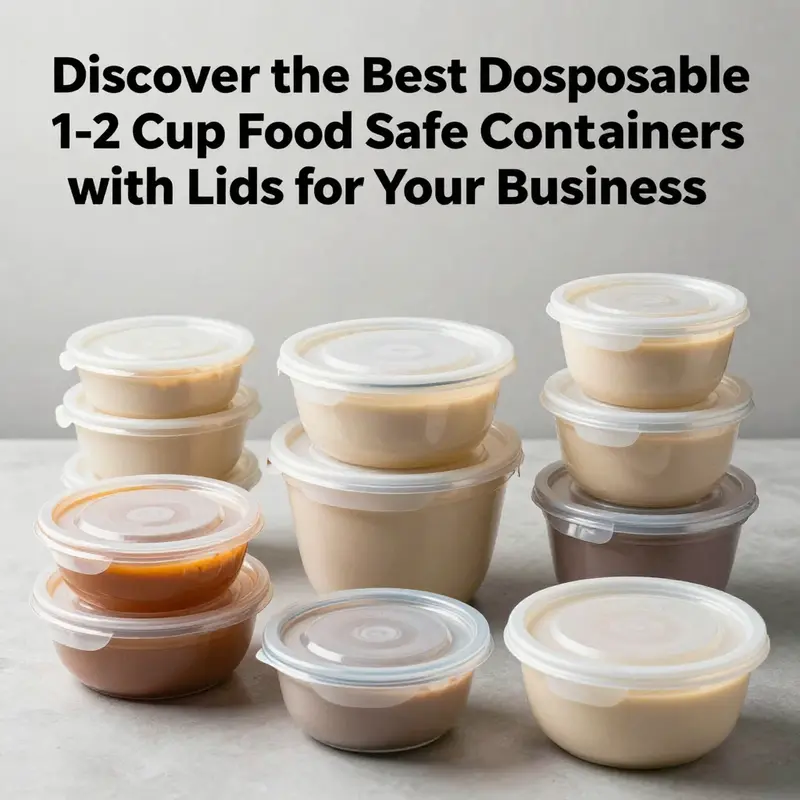
In today’s fast-evolving food and beverage industry, the importance of proper packaging cannot be overstated. For bubble tea shops, restaurants, food trucks, catering services, event planners, and corporate procurement teams, selecting the right disposable containers is crucial for both safety and customer satisfaction. This guide explores the essential aspects of disposable 1-2 cup food safe containers with lids, including their material types and safety certifications, practical applications, procurement information, and reliable sources. With insights from each chapter, businesses can make informed decisions about their packaging needs, ensuring both quality and compliance with safety standards.
材料抉择与安全边界:一次性1-2杯带盖容器的材料分析与应用启示
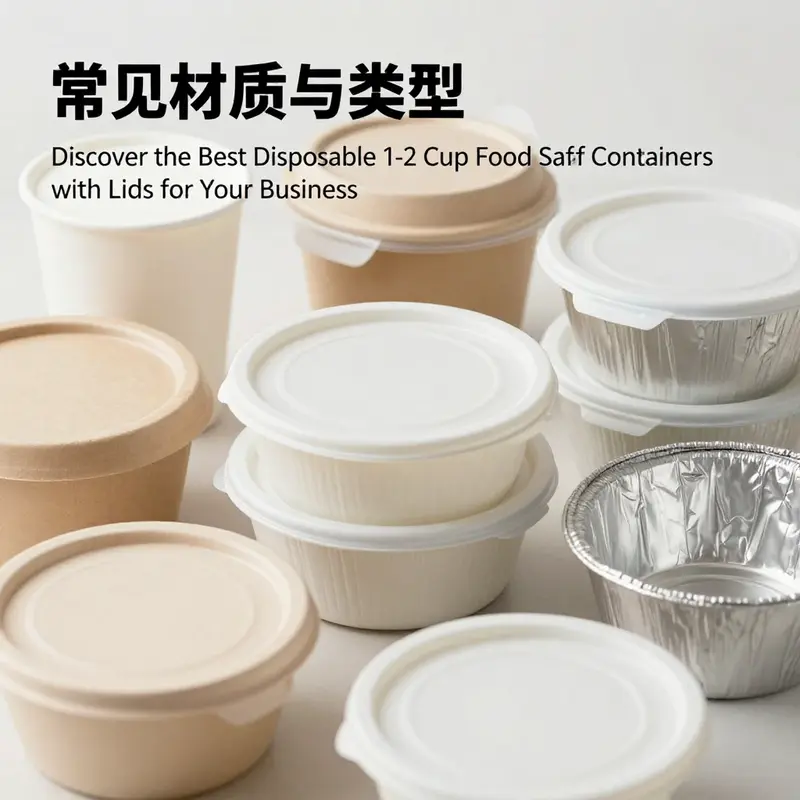
在日常生活和商业供给链中,一次性1-2杯食品级带盖容器扮演着极为重要的角色。它们不仅承载餐食的味道与新鲜,更通过材质、工艺与认证决定了在微波炉、冷藏、冷冻、甚至高温加热过程中的安全性与稳定性。要理解这类容器的选择,需从材料本身的性质出发,结合使用场景的需求、法规与检测标准,以及采购成本的现实考量。材料的差异不是简单的外观差别,而是对食品安全、环境影响与用户体验的系统性影响。以此为导向,可以在不同情境中做出更明智的取舍,确保容器在包装、携带、加热与再利用的整个生命周期中,既符合规范,也满足消费者的期望。
Safe Seals, Hidden Risks: Evaluating Safety, Performance, and Truth in Disposable 1–2 Cup Containers with Lids
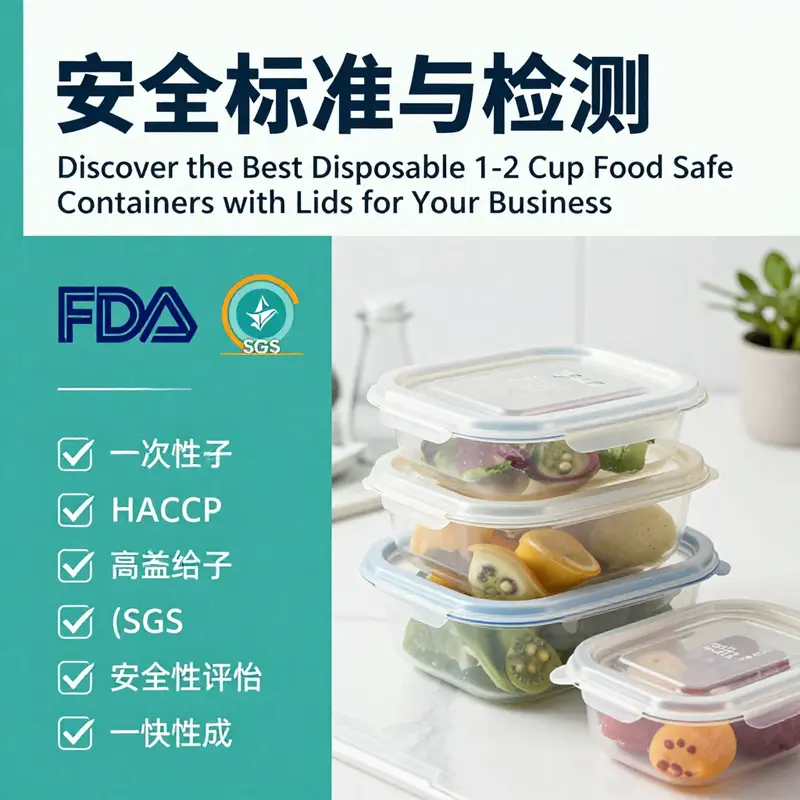
A simple lid can make or break a packaging choice, especially when you are dealing with disposable 1–2 cup containers intended for everyday use—from cold salads and sauces to hot soups and desserts. In practice, the phrase food safe is more than a label; it is a claim built on material science, manufacturing controls, and independent verification. The landscape is diverse: plastic, paper, and metal-based designs each claim certain strengths, and each carries distinct safety profiles and performance trade-offs. The public health context is equally layered. Standards bodies, national regulatory frameworks, and third‑party certifications work in concert to minimize migration of substances from container to contents, while also ensuring the containers perform under practical conditions—refrigeration, microwaving, sealing, and stacking in crowded kitchens or during travel. All of this matters not only to the consumer at home but also to the operators of restaurants, catering services, and event organizers who rely on predictable, compliant packaging to safeguard food quality and protect brand trust over dozens or hundreds of meals a day.
Material choice remains the most visible starting point. Plastic variants, often made from polypropylene or polyethylene, dominate the segment for their light weight, clarity, and low cost. They are typically marketed as BPA-free and microwave‑ or freezer‑friendly, features that strongly align with day-to-day convenience. Paper-based cups and bowls, sometimes with a water-repellent or compostable coating, respond to the growing demand for more sustainable packaging. Aluminum foil-based containers offer superb heat resistance and robust barrier properties, which can be advantageous for hot foods or high‑heat handling. Each material class has a set of thermal, mechanical, and chemical behaviors that translate into real-world outcomes: how well the lid seals, how the container withstands pressure during transport, and whether any substances migrate into the food under normal use.
What makes a container genuinely safe goes beyond the material itself. In many markets, the safety story is anchored in migration testing, where the question is how much of a given substance might migrate from the container into the food under specified conditions. A familiar benchmark often cited in consumer guidance is a migration limit in the neighborhood of 0.5 milligrams per square inch under defined test conditions—a standard that traces its lineage to FDA guidance and related regulatory frameworks. Yet real life adds nuance: how often is the product exposed to heat, what pH levels are typical in the stored food, and how long does the contact last? The core idea is straightforward—credible safety depends on the entire system, not just the base material. The most reliable purchases come from products that carry well-known certifications, such as FDA compliance, HACCP‑based processes, or SGS verification.
Recent comparative findings from a major consumer protection body in a large city illustrate both the strengths and the gaps in current market offerings. Across forty samples of disposable 1–2 cup containers—spanning paper, plastic, and composite constructions—most products performed well on standard safety metrics. The majority did not exhibit concerning levels of heavy metals or unwanted migrants, and their mechanical properties—leak resistance, compressive strength, and insulation performance—held up to practical expectations. This is encouraging: it means a broad swath of the market can deliver safe, functional packaging that supports the food service and households alike. Nevertheless, the same study highlighted two critical red flags that deserve attention from buyers and regulators.
The first flag concerns a single sample that carried a markedly higher level of a processing additive. Specifically, a cup labeled for ready‑to‑drink use was found to exceed the national limit for a chlorinated diol by a factor of three. This chemical has been classified as a possible human carcinogen by an international agency and is known to affect hormonal systems and immune function. While this isolated instance does not condemn the entire category, it raises the stakes for vigilance. The finding underscores the importance of sourcing from manufacturers that publish transparent test results and maintain auditable HACCP records. It also serves as a reminder that even widely available products can deviate from safety expectations if supply chains allow poorer controls to slip through.
The second flag addresses the environmental narratives that often accompany disposable cups and cups-with-lids. A number of products marketed as “biodegradable” or “compostable” did not demonstrate practical degradability under simulated industrial composting conditions. In some cases, the samples did not break down within twenty days in a controlled composting environment, suggesting the presence of nonbiodegradable components such as undetected plastic resins. The implication is not merely an environmental concern, but a misalignment between marketing claims and real-world performance. If a package is sold as an eco‑friendly option but requires specific industrial conditions to degrade, then consumers could be misled about its ultimate environmental impact. These findings emphasize the need for robust, independent verification and clear labeling that distinguishes home compostability from industrial processes.
The third takeaway is more reassuring. Across the same cohort, a substantial majority of products met or exceeded safety expectations for a suite of other indicators. Lead, arsenic, and various migration metrics aligned with national standards for food contact materials, and general performance measures—such as preventing leakage, resisting crushing during stacking, and maintaining insulation when needed—were consistently solid. These results illustrate that, while the market harbors riskier products, the overall field remains capable of delivering safe, practical containers when proper controls are in place. The practical implication for buyers is clear: do not assume safety from appearance or price alone. Seek verifiable certifications and look for explicit test reports that confirm compliance with recognized standards such as GB 4806.8-2022, which governs plastics intended for food contact in many jurisdictions.
From a user’s perspective, the decision matrix tightens around two axes: safety verification and scenario fit. For households seeking to store salads, fruit, or desserts, a predominantly plastic or paper container with a reliable seal and microwave tolerance can deliver convenience without compromising safety. For hot foods or foods that require reheating, the case for heat‑resistant metals and high‑temperature plastics grows stronger. In both cases, the lid design matters as much as the material. A well-fitting lid with a robust seal can prevent spillage in transit and can limit volatile migration during heating. Conversely, a loose lid or a lid with only a basic snap may be convenient but increases the risk of leakage or contamination during handling, especially in crowded takeout and catering contexts.
To navigate these choices responsibly, consumers and professionals alike should draw on a framework that prioritizes credible certification over marketing gloss. The strongest signals are independent third‑party test reports, documented compliance with recognized standards, and a clear supply chain traceability. In practice, this means favoring products that display or provide access to FDA, HACCP, or SGS validation, along with accessible migration data and clear guidance on heating, freezing, and disposal. For those seeking practical references tied to packaging options with lids, the following resource offers a concrete look at the kinds of disposable container formats that are commonly used in takeout and home meal preparation. It highlights kraft paper solutions that can withstand cold and warm foods while maintaining a reliable seal: disposable kraft paper soup containers with lids.
Yet the safety conversation cannot end with a single test or a single material choice. It must be understood within a broader ecosystem of manufacturing controls, regulatory oversight, and ongoing scientific evaluation. The Shanghai study, for instance, provides a sobering reminder that even well‑intentioned packaging can harbor risks if suppliers cut corners or if regulatory scrutiny loses tempo. For readers seeking a more formal, official treatment of the topic, a detailed public report by the local consumer protection authority outlines both the testing protocol and the interpretation of results. This document underscores three realities: the protective value of standardized testing, the possibility of noncomformant products entering the market, and the necessity of vigilant procurement practices. The report can be accessed for a deeper dive into the specific findings and their implications for policy and practice. For a detailed official report, see the Shanghai consumer study linked in the reference section of this chapter’s broader materials.
In sum, the chapter’s thread winds through choice, verification, and responsibility. The ubiquity of disposable 1–2 cup containers with lids makes them a practical staple in eateries, workplaces, and homes. Their safety, however, is not guaranteed by a glossy exterior or by a price tag alone. It rests on the integrity of the materials, the rigor of the manufacturing process, and the transparency of the testing that accompanies the product pallet. When a buyer inspects packaging options, a few core questions should guide the decision: Is there credible certification for the material and the finished container? What does the migration data say under realistic use conditions? How does the lid perform in terms of sealing and heat retention? Is the environmental claim supported by independent degradation tests, or is it promotional rhetoric? And finally, can the supplier provide accessible test reports and traceability data that verify compliance with national standards?
These questions are not academic. They affect how a family stores a meal, how a café ensures consistency across hundreds of orders, and how a festival service plans for safe, reliable packaging at scale. The answers reveal a marketplace that is both capable and imperfect. The path forward lies in strengthening supplier diligence, expanding independent testing, and sharpening the labeling that guides consumer choices. The science and the policy converge in practical terms when a company can show a transparent certification trail and a demonstrable commitment to food safety at every stage—from raw material sourcing to final disposal. As the sector evolves, informed buyers will drive demand for packaging solutions that honor safety, performance, and environmental integrity in equal measure. For those who wish to explore broader packaging options with a similar lid‑based design, a curated set of related product pages offers additional context on disposable formats, including various lid configurations and material combinations that balance convenience with safety.
For readers who want a broader context on the environmental and health dimensions of disposable cups with lids, the Shanghai study and its referenced materials provide a rigorous baseline from which to assess both the hype and the reality. The chapter’s takeaway is not to dismiss single‑use containers outright, but to approach them with a critical eye toward verified data and credible standards. In practice, this means choosing products with clear safety data, avoiding those that rely solely on marketing language, and maintaining an ongoing dialogue with suppliers about ongoing testing, batch tracing, and compliance. By anchoring purchasing decisions in evidence, food operators and home users alike can enjoy the convenience of disposable packaging without compromising safety or integrity.
External reference: For a detailed official report and testing context, consult the Shanghai consumer protection study at https://www.shmuyuan.com.cn/zhengce/20260210/22587.html.
Versatility in a Lid: Everyday Roles of 1-2 Cup Food-Safe Disposable Containers
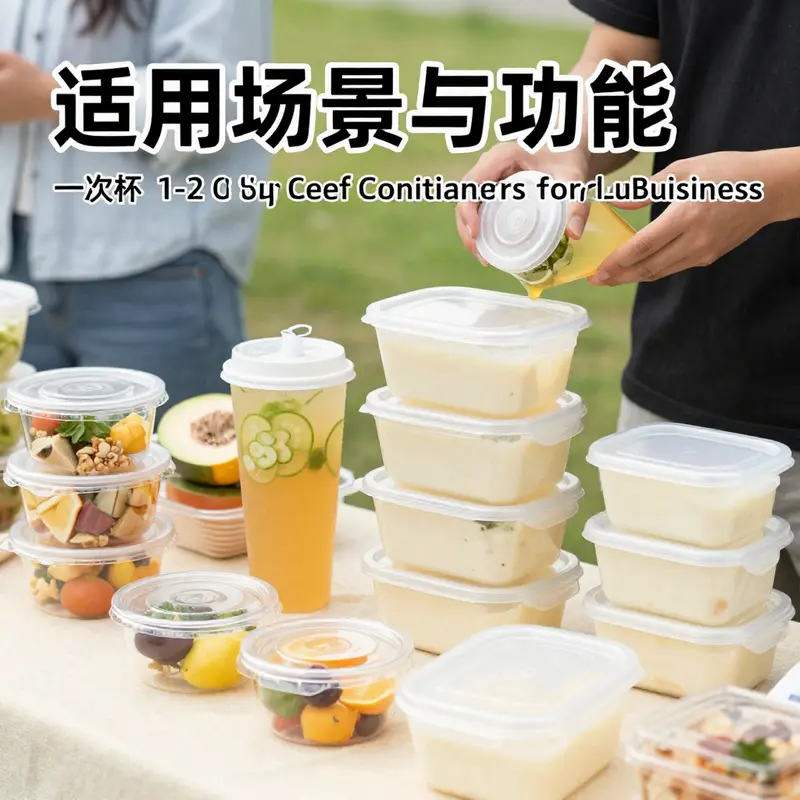
In food service, catering, and home meal management, the 1-2 cup disposable container with a lid plays a central role. It is a small item with outsized influence on how food is stored, transported, heated, and shared. The design must be hygienic, reliable, and easy to use, performing across temperatures and settings. The result is a balance of material science, comfort, and safety that matters to operators and households alike.
The materials story typically centers on polypropylene (PP) or polyethylene (PE) plastics, often BPA-free and treated to resist moisture and grease. These plastics offer light weight and cost efficiency, while varying grades and thicknesses affect heat tolerance and sealing. For microwave reheating, containers must withstand the task without warping or leaching while remaining safe for reuse or disposal. In many kitchens, the same family of containers covers prep, service, and transport, tying resilience to speed and safety.
Paper-based options add another thread. Food-grade papers with moisture- and grease-resistant coatings can provide strong barrier properties and a more sustainable image. Coatings must be food-safe and stable under brief reheating if that is in scope. Paper cups and bowls are popular where recyclability or compostability is prioritized, especially when coatings are certified for end-of-life pathways. The choice between plastic and paper hinges on use: leak-proof, reusable plastic may win for fast-paced takeout; paper can be preferable for lower environmental impact in short-term use.
Aluminum foil containers form a third major category. They resist heat and moisture well, making them common for takeout that must be heated in ovens or kept hot for long periods. Their metal barrier protects delicate fillings, and tight lids help prevent leaks. Environmental considerations focus on end-of-life options and aluminum recycling; ongoing efforts aim to improve circularity in metal packaging.
Lids themselves matter as much as the base. A well-sealed lid helps prevent leaks, preserves moisture and aroma, and reduces cross-contamination in crowded service. Venting can be important for steam-heavy foods. A good lid fits evenly and can be removed without compromising the food, enabling confident transport and simple consumer use. For operators, reliable lids cut waste and streamline logistics across shifts, events, and takeaway lines.
Finally, choices should match the intended use. In fast-casual settings, containers should present well, stack securely, and withstand busy service. For at-home use, factors like microwave safety, freezer durability, and recycling or compostability come into play. Across contexts, the guiding principle is clear: select containers that protect safety, preserve quality, and align with operational realities.
From Margins to Meals: Navigating the Market for One-to-Two Cup Food-Safe Containers with Lids
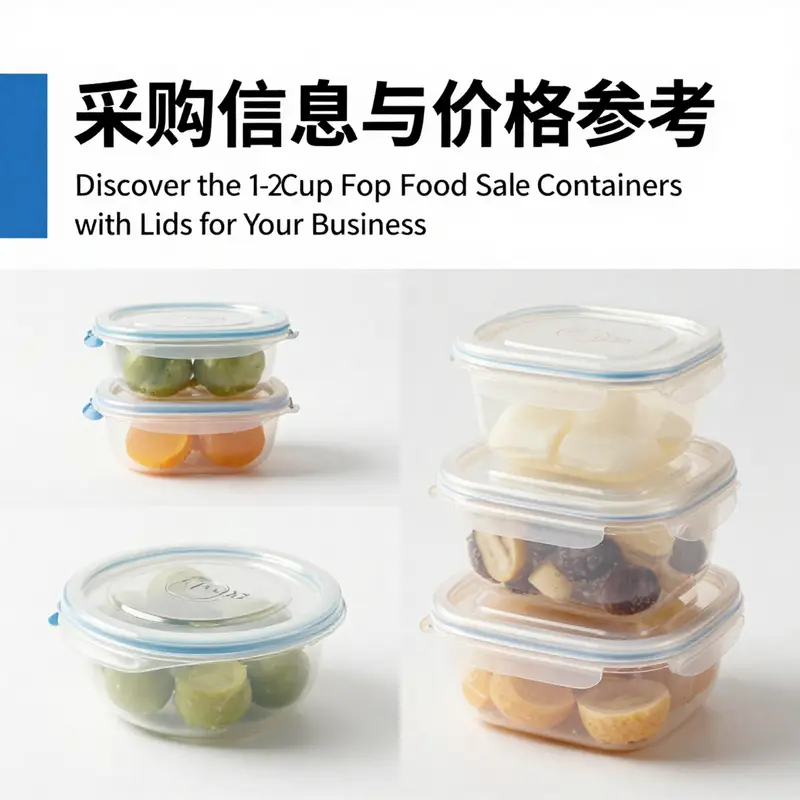
A single takeout order, a meal-prep kit, or a refrigerated snack can hinge on the humble container that carries it. The market for disposable, one- to two-cup food-safe containers with lids has evolved from a simple packaging niche into a dynamic throughput system that supports speed, safety, and sustainability across food-service and home-use channels. From the back-of-house to the catering table, these small vessels play a disproportionate role in how a dish travels, how long it stays fresh, and how a brand is perceived. The present market, as of early 2026, reveals a layered landscape where demand is driven not just by volume but by how a container aligns with evolving consumer expectations, regulatory guardrails, and corporate responsibility goals. In this context, buyers face a spectrum of choices shaped by material science, certification regimes, and the economics of scale, all of which feed into the final decision about which container best suits a given application.
The core driver behind the current market surge is the twin force of a robust takeout economy and a broader push toward greener packaging. In regions where food-delivery ecosystems expanded rapidly between 2023 and 2025, the volume of single-serve and dual-serve packaging surged. Demand is not simply for a cheaper, passable box; it is for a box that can endure microwaving, refrigeration, transport, and the occasional long-haul journey without compromising safety or taste. The research community highlights a notable shift in material structure: traditional plastics—long the backbone of disposable containers—are seeing their market share eroded as buyers pivot to eco-friendly alternatives that better align with sustainability targets and consumer sentiment.
In practical terms, this means a packaging mix that increasingly includes bio-based and plant-derived plastics, paper-based options with certified food-contact coatings, and aluminum foil containers that excel in high-temperature applications and strong barrier performance. The bioplastic segment, including PLA-based containers, has shown a high growth rate. Its expanding footprint reflects both consumer willingness to pay a premium for compostable features and brands’ desire to demonstrate environmental stewardship, especially for premium or CSR-conscious lines. Paper-based containers, too, have gained traction, thanks to innovations in barrier coatings that preserve heat and moisture resistance while maintaining compostability credentials. Finally, aluminum foil containers, with their superior heat resistance, sealing reliability, and robust barrier properties, are increasingly leveraged in higher-end or heat-intensive contexts, where premium performance justifies higher unit costs.
For the practitioner, the material choice must be anchored in the intended use-case. If heating in a microwave is common, the container must withstand the temperature profile without deforming or leaching. If the product is a delicate sauce or salad with a high moisture content, a tight seal and leak resistance become non-negotiable. If the operation emphasizes a green image or adherence to regulatory mandates, reduced plastic usage or fully compostable formats can be decisive. The decision matrix becomes more complex when price competes with performance and sustainability goals. The market data show price bands that reflect this complexity. Basic plastic options tend to cluster in the lower end of the price spectrum, while PLA-based formats command higher unit costs due to feedstock, processing intricacies, and end-of-life considerations. Paper-based options fall between these extremes, offering a middle path that appeals to brands seeking a balance between ecological messaging and cost containment. Aluminum foil containers sit at the higher end, reflecting their raw material costs and the premium performance they provide. In a practical procurement context, buyers must translate these abstract price bands into per-use costs that account for yield, shrinkage, and the potential savings from reduced waste or enhanced customer satisfaction.
To understand the market more concretely, it helps to consider how consumer and corporate buyers shape demand through specifications and standards. The safety narrative remains central: every container must be food-safe and capable of maintaining integrity under typical use conditions. Across jurisdictions, the strongest baseline is formed by recognized certifications and testing regimes. In the United States, the FDA grants validation of materials that meet specific safety criteria for food contact, while HACCP frameworks drive the manufacturing process toward critical control points that minimize contamination risks. Third-party verification bodies such as SGS further reassure buyers that the product meets established benchmarks. In addition, many manufacturers reference local and international guidelines, including national food-contact material standards (for example, GB 4806 series in certain markets), to demonstrate that products have been evaluated for long-term safety and regulatory compliance.
From a supply-chain perspective, the one-to-two-cup format sits at an intersection of demand density and operational practicality. In food-service settings, these containers enable kitchen staff to portion, seal, and label meals rapidly, facilitating a smooth handoff from kitchen to courier or dining table. The convenience factor extends to households and events, where users appreciate leak-resistant lids, stackability for storage, and the ability to reclose containers for later consumption. The market data drawn from recent years show a steady shift toward containers that pair ease of use with sturdy performance. Vendors report growing interest in designs featuring secure latching mechanisms, reinforced rims to resist deformation during transport, and coatings that reduce moisture transfer without compromising recyclability or compostability. These design dimensions, while seemingly modest, can significantly influence both customer satisfaction and product waste.
Economic realities also shape material choice. The price landscape, influenced by raw-material costs, scale, and customization, indicates a tiered market. Conventional plastic formats, often based on PP or PE, remain the most economical option for high-volume users. Their cost-per-unit typically lands in a low range, making them attractive to cost-sensitive operations such as high-volume takeout chains and meal-prep services with tight margins. In many cases, the plastic option will be the default starting point for a new procurement. Yet, even within the plastic family, there is a spectrum: the simplest, unbranded, uninscribed forms are the most affordable, while branded or feature-rich variants—such as those with precise microwave compatibility, enhanced leak resistance, or integrated dividers—command higher prices.
Bio-based plastics and paper-based containers occupy a premium position in the market. PLA-based containers, derived from renewable feedstocks, command higher unit costs due to feedstock price volatility and the more complex processing required to achieve the same performance as standard plastics. While these formats offer environmental appeal and respond to packaging regulations that restrict conventional plastics, buyers must weigh the premium against potential brand value, consumer demand signals, and waste-management infrastructure in their region. Paper-based containers, especially those with certified food-contact coatings, provide a compelling middle path. They can deliver respectable moisture resistance and heat tolerance while signaling environmental responsibility. Their price bands sit between conventional plastics and higher-end bioplastics, though raw-paper costs and coating formulations can push prices upward during supply disruptions or seasonal demand spikes. Aluminum foil containers, with their robust barrier properties and heat retention, occupy the high end of the price spectrum. Their ability to withstand high-temperature re-heating, deliver consistent insulation, and preserve flavors makes them a go-to option for premium meals, catering, or events where presentation and performance are paramount. The higher unit costs are often offset by reduced waste leakage, enhanced food safety margins, and the potential for premium pricing.
Market structure and price dynamics are further shaped by scale and procurement strategy. Small-batch or pilot purchases inevitably bear higher per-unit costs, as manufacturers amortize setup and sampling expenses. In contrast, large-volume orders unlock significant unit-cost reductions, with bulk buyers benefiting from favorable terms, shorter lead times, and more predictable supply. The capacity to tailor specifications—whether through precise lid geometry, sealing profiles, or branding—adds another layer to price differentiation. For many buyers, the decision is not simply about the cheapest option but about the best value over the product’s life cycle: how well the container preserves the product, how easily it handles during transit, whether it aligns with sustainability goals, and how it supports the brand’s narrative around safety and responsibility.
The contemporary market also reflects strategic shifts in materials composition. The most telling trend is the gradual decline of traditional plastics in favor of alternatives that better align with environmental targets. Data from the broader packaging landscape show plastic’s share receding from roughly the mid-50s percentile toward the upper 40s in some markets by 2025, while bio-based and paper-based formats command a growing share. PLA’s notable growth—driven by both policy impetus and consumer demand for compostable packaging—highlights how regulatory environments and corporate social responsibility programs intersect with price and performance. Paper-based containers benefit from brand-led substitutions by food-service chains and the needs of fresh and cold-chain logistics, expanding their market reach and reinforcing the need for coatings that balance barrier properties with recyclability. Aluminum containers, with their high-performance credentials, increasingly appear in high-end meal solutions and pre-cooked dishes that must travel well and reheat reliably. In short, the market is moving toward a more nuanced material mix, where cost is increasingly weighed against environmental impact, regulatory alignment, and the opportunity to differentiate through packaging design.
For procurement decision-makers, several practical guidelines emerge. If cost dominates, and the use-case involves standard storage or basic reheating, conventional plastic or basic paper options offer a defensible value proposition. If environmental branding matters, and the brand seeks to communicate a genuine commitment to sustainability, evaluating biobased alternatives or certified compostable options can be worthwhile, provided the end-of-life infrastructure in the target market supports composting or appropriate disposal. For segments that require robust heat resistance, leak-proof performance, or premium presentation—such as high-end ready meals or corporate catering—aluminum containers may justify the higher unit price when their performance translates into reduced waste, better customer experience, and stronger perceived value. Across all segments, it is essential to ensure that the selected containers comply with applicable food-safety standards and that suppliers can furnish traceable testing reports. The baseline validation should include certifications such as FDA, HACCP, and SGS, as well as region-specific standards that ensure materials do not release harmful substances under expected conditions of use.
In addition to safety and performance, buyers can leverage supplier ecosystems that emphasize reliability and service. Bulk procurement often unlocks the deepest discounts and the most favorable terms, but this must be balanced against storage capacity, lead times, and supplier risk. A robust supplier relationship can also support customization needs, such as precise lid tolerances, improved seal geometries, or branded printing that strengthens the consumer-facing impression of safety and quality. For readers seeking concrete pathways to align with sustainability goals without compromising functionality or cost, a practical middle ground exists: select containers that demonstrate credible environmental credentials and provide verifiable life-cycle data, while ensuring compatibility with the operational realities of the business—from warehousing and cold-chain handling to front-end packaging and consumer use.
To connect this analysis to the broader ecosystem, consider the continuum from raw material to end of life. The market’s current trajectory suggests a continued emphasis on performance, safety, and environmental responsibility, with a premium placed on materials that can deliver reliable barrier properties, stable thermal performance, and predictable disposal pathways. The decision framework should start with use-case validation—will the container be microwaved, refrigerated, or shipped long distances?—and proceed through regulatory alignment, material selection, and supplier capability. In doing so, buyers can craft a packaging strategy that not only safeguards the product but also communicates a consistent message about safety and care for the environment, a value proposition increasingly important to both consumers and investors.
For readers seeking additional context on packaging safety and testing practices, a reputable external resource provides a detailed examination of material safety assessments and regulatory benchmarks. See the Hong Kong Centre for Food Safety report on ready-to-eat cup noodles containers for a rigorous overview of how material selection, migration testing, and risk assessment translate into practical safety conclusions. This external resource complements the market-oriented perspective presented here by grounding it in standardized safety evaluation methods that underlie every purchasing decision. Hong Kong Centre for Food Safety report on ready-to-eat cup noodles containers.
Within the practical realm of sourcing and design, a single referent stands out as a helpful anchor for teams exploring eco-conscious options without sacrificing function: a broad, well-curated range of takeout packaging that emphasizes environmental responsibility while delivering reliable performance. For readers exploring supplier options that balance aesthetics, functionality, and sustainability, one representative pathway is found in the broader ecosystem of eco-friendly takeout boxes designed for food packaging. These offerings emphasize leak resistance, microwave compatibility, and compostability credentials where applicable, and they can serve as a starting point for evaluating how a given material choice translates into user experience and brand perception. To explore such options, this reference point offers a concrete example that demonstrates the type of packaging features that matter most in today’s market. eco-friendly takeout boxes for food packaging.
In sum, the one-to-two-cup food-safe container with lid sits at the intersection of safety, performance, and value. The market’s evolution toward diverse materials, supported by clear certifications and rigorous testing, reflects broader shifts in consumer expectations and regulatory landscapes. Buyers who align material choice with use-case, sustainability goals, and cost pragmatics are more likely to secure containers that protect product integrity, enhance the dining experience, and reinforce a brand narrative committed to safety and responsibility. As supply chains continue to adapt to post-pandemic realities and the ongoing push for greener packaging, the appetite for well-designed, certifiable, and scalable packaging solutions will only grow. The challenge remains to balance cost with performance and public perception, ensuring that each container not only carries food safely but also travels with confidence through a complex, increasingly conscious marketplace.
Two-Portion, One Package: Understanding the Safety, Materials, and Practical Science of Disposable 1–2 Cup Containers with Lids
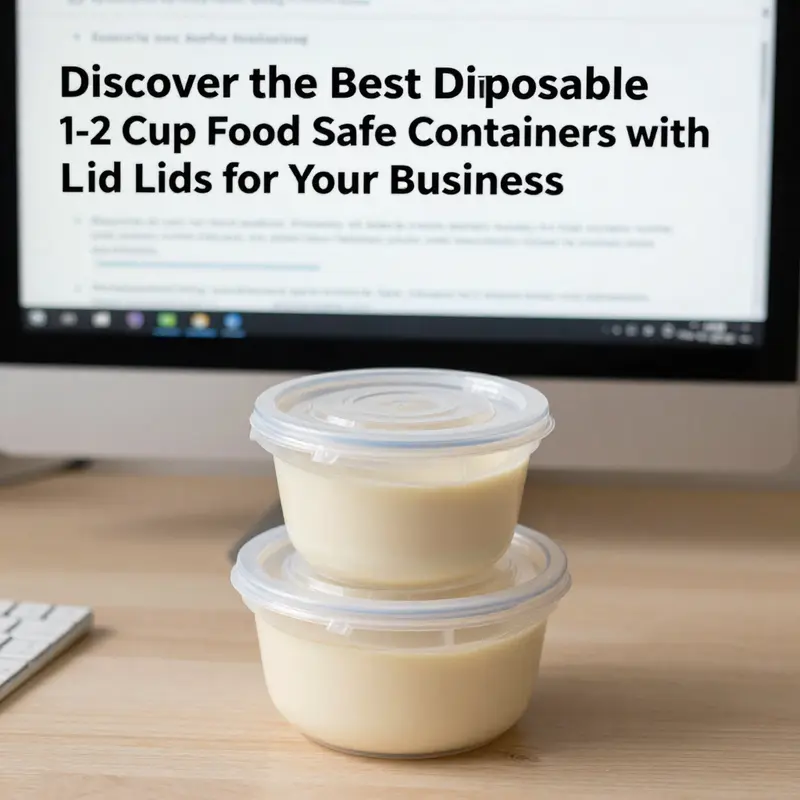
When a kitchen asks for grab-and-go convenience, the humble disposable container with a lid becomes a silent workhorse. For many caterers, cafes, and homes, a single package that holds one to two servings, around 240 to 500 milliliters, is the sweet spot between portion control and portability. The chapter that follows weaves together material science, safety standards, and real-world use to explain why these containers matter beyond their plastic sheen. In doing so, it connects the everyday act of packing a meal with the larger questions of safety, sustainability, and supply chain reliability that underlie every bite that travels from kitchen to customer.
Material choices matter because they determine how the container behaves under refrigeration, in the microwave, and during transport. Plastic options commonly used are polypropylene and polyethylene. They are lightweight, inexpensive, and can be engineered to resist leaks. For food safety, many of these plastics are marketed as BPA-free and designed to withstand both freezing and microwaving. Yet safety is not just about the material; it is also about how the material interacts with the specific use case, the conditions of storage, and the standards that regulate packaging meant for food contact. The best guidance comes from regulators and independent labs that test for migration and extractables under realistic scenarios. Stronger assurance often translates into greater consumer trust and fewer post-sale concerns about leaching, odors, or staining.
Industrial safety testing shows that the migration of substances from a container to food remains well within regulatory limits when products are properly used. In studies conducted by a respected food-safety authority in a major city, the total migration from common ready-to-eat cup containers stayed far below the U.S. FDA limit of 0.5 mg per square inch under typical usage. That kind of data underscores that, when trusted, standard materials and design practices can deliver safety without sacrificing convenience. It is a reminder that the yardstick is not only what the container is made of, but how it is manufactured, labeled, and tested before reaching the consumer. This interplay of material science and regulatory compliance helps explain why many buyers prioritize containers that carry recognized certifications and transparent documentation.
Paper-based options are another path. Food-grade paper, often with a bio-based or grease-resistant coating, provides a different balance of comfort and sustainability. These are popular for soups, desserts, or cold meals. They are lighter in weight and can be compostable or biodegradable, offering a lower environmental footprint when properly managed at end of life. For events or vendors aiming to reduce plastic use, coated paper containers with tight-fitting lids offer a credible alternative that still supports a reliable seal. The trade-offs, of course, include occasional compromises in moisture control and stiffness, especially when stacking heavy meals. Yet in the right context, paper variants can meet safety requirements while aligning with corporate or event-level sustainability goals.
Aluminum foil containers, built from food-grade alloys, are the other major branch. They are rigid, have excellent barrier properties against light and air, and tolerate high temperatures, making them ideal for heated meals or oven-to-table service. A sealed lid helps prevent leaks during transit. Federally recognized safety standards such as FDA, HACCP, and SGS certifications apply here as well, ensuring that the materials do not release harmful substances when used as intended. The metallic character of these containers also makes them less suited to long-term reheating in microwaves, so users must heed labeling. For some operators, the durability and heat tolerance of aluminum trays justify their slightly higher per-unit cost, especially where fragile sauces or gravies are involved.
Whether plastic, paper, or metal, the practical question centers on the intended use. If the goal is everyday meal storage, many households reach for a sturdy plastic or paper version that can go from fridge to freezer and back to the table. If the need is for a hot meal that travels, the lid design and snug seals become a deciding factor. Two-compartment designs are common in commercial packaging, letting two food items stay separate yet fit within one compact footprint. For suppliers and retailers, the choice is not only safety and price, but also the user experience — how easy the lid is to open, how reliably the seal holds, and how well the container stacks with others on a shelf. A well-designed lid works with the geometry of the container to prevent leaks even when bags are jostled during transit, and it should be intuitive enough for casual cooks and professional staff alike.
From a safety perspective, the products that win trust are those aligned with recognized certifications. FDA approval marks indicate compliance with U.S. food packaging rules. HACCP certification reflects a hazard-analysis framework that covers the entire supply chain from raw material sourcing to final packaging. SGS labeling points to independent third-party testing for toxic migration, durability, and labeling accuracy. When a supplier advertises these credentials, it signals that the container has undergone standardized checks rather than relying on marketing gloss alone. The practical implication for buyers is straightforward: verify the certifications, request the technical data sheets, and confirm that the material grade aligns with the intended temperature exposure and handling conditions. In the kitchen, these details translate into consistent performance, fewer surprises during service, and greater confidence in safety statements.
The price and procurement landscape is shaped by scale. In small retail or home use, basic single-serving containers may run a few cents per piece in bulk. Primary packaging from major material families can be purchased in dozens or thousands of units with tiered pricing. Margin and lead times depend on the material, volume, and customization level. For instance, plastic ones that advertise microwave safety and leak resistance are often the most affordable for high-volume repeat purchases. Paper variants are similarly economical, especially when ordered in bulk, though some event organizers prefer counts that reduce waste by choosing compostable coatings. Aluminum boxes, with the right specifications, can offer robust performance at a similar price point when ordered in large quantities, with additional value in heat tolerance and transport stability. The economics are not just about the per-unit price; they also hinge on reliability, the speed of replenishment, and the availability of compatible lids and seals across a supplier’s catalog.
The choice becomes a matter of scenario and strategy. A restaurant that plates warm meals and relies on efficient delivery might choose a two-compartment plastic container with a secure snap lid. A cafe offering soups and desserts to go, especially in warm weather, might lean toward coated paper cups with lids to minimize plastic waste. A takeout service that must withstand international shipping or long-haul flights could opt for aluminum trays that preserve heat and mold resistance. In each case, the lid is not a mere afterthought; it is a functional barrier that prevents spills, preserves aroma, and maintains the product’s integrity under variable temperatures and jostling during transport. The design choices extend beyond aesthetics: they influence how a customer perceives value, whether the container feels sturdy enough to protect a fragile pastry or whether a steaming soup remains inviting after a long ride.
This is where sustainability threads into the discussion. The environmental footprint of disposable packaging is a constant concern for operators who want to reassure customers that convenience does not come at the planet’s expense. While plastics often carry the highest recycling rates in certain markets, paper-based and aluminum options offer routes to lower waste footprints when reclaimed and recycled properly. Recyclability or compostability depends on local waste streams, labeling clarity, and consumer behavior. The lifecycle conversation is ongoing, with many suppliers offering compostable or recyclable variants and with policies that encourage better separation of materials at the point of disposal. In many places, consumer education about proper disposal is as important as the material choice itself.
From a safety and practical standpoint, one chapter of the story concerns the use of these containers in food preparation spaces and transport ecosystems. Food service operations must manage hygiene, labeling, allergen controls, and temperature risk. For instance, correctly sealed containers minimize cross-contamination between sauces and ready-to-eat components. The design should accommodate easy stacking, clear rim locks, and labeled date codes so staff can rotate stock. These considerations reduce waste by extending storage life and ensuring the contents remain safe for consumption. The packaging then becomes a silent partner in a larger food safety plan rather than an isolated accessory.
When consumers begin to reflect on what they purchase and how they use it, the conversation moves from simple utility to trust. A container might look modest, but it carries a packet of expectations about safety, cleanliness, and reliability. The decision to opt for food-grade materials, to check for recognized certifications, and to understand usage limits is a form of informed purchasing. The real world often tests these products under stress: hot meals, travel, and the vagaries of weather. The best containers resist leaking even when pressure builds or when placed sideways in a bag. They also withstand repeated freezing and thawing, a common cycle in home meal-prep scenarios.
In curating a credible supply chain for disposable 1-2 cup containers with lids, buyers should also be mindful of supply availability and the global trade environment. The recent growth of international sourcing has made it easier to compare specifications and buy in bulk from reputable suppliers worldwide. Transnational catalogs frequently provide technical sheets that detail material grade, temperature tolerance, and compatibility with microwaves, ovens, or freezers. For buyers, a thorough review of these details helps prevent mismatches between product promises and real-world performance. A good supplier will publish clear guidance on safe handling and cleaning practices, which further bolsters user safety and prolongs container life.
To bring the discussion to a practical note, imagine a scenario where a small caterer needs to assemble a lunch package for a corporate event. A two-compartment container allows the main dish and a side to travel without mingling flavors. A sealed lid prevents leaks during transit, while a modest weight keeps the payload manageable for delivery staff. The container’s performance under refrigeration, thawing, and mildly heated serving conditions becomes a measurable variable in customer satisfaction. When a container performs reliably, the event runs smoothly, and staff can focus on the presentation and the food rather than on messy packaging.
In sum, the landscape of disposable 1-2 cup food-safe containers with lids is marked by material diversity, safety assurance, and practical versatility. The decision tree is not simply plastic versus paper; it is a nuanced matrix of usage, temperature exposure, end-of-life considerations, and regulatory alignment. A good starting point for buyers is to seek products with established credentials such as FDA, HACCP, and SGS marks, and to verify that the chosen material aligns with how the container will be used. For everyday cold storage, microwave-friendly plastic or coated paper can be sufficient and cost-effective. For hot meals or high-temperature transport, aluminum variants may be the best option. Each material brings a different balance of performance, environmental impact, and cost, but all share a common goal: to preserve food quality while delivering the convenience that modern eating occasions demand.
The broader takeaway from this inquiry is that a constructor of menus, events, or home routines should approach packaging as an integrated element of food safety and customer experience. The right container upholds quality, helps prevent waste, and communicates a commitment to consumer well-being. In a world where meals travel, portions matter as much as flavors. The duel between safety and convenience is resolved not by myth but by careful choice, verified by credible testing and an understanding of what the end user actually needs. Thus, the seeker should always map the journey of a package from supplier to plate, ensuring that every step reinforces trust and minimizes waste. For those who want to explore a concrete product listing that mirrors the two-compartment concept, see the following supplier page: disposable-sauce-box-sauce-cups-transparent-conjoined-plastic-box-with-lids-kitchen-home-supply.
External reference: https://www.alibaba.com/product-detail/High-Quality-Durable-PP-Plastic-Double-Compartment_1600879544318.html?spm=a2700.1.wl-pdp.1.7b2c7a4e9a7c6p&productId=1600879544318
Final thoughts
Selecting the right disposable 1-2 cup food safe containers with lids is essential for businesses involved in the food and beverage industry. By understanding the various materials, safety standards, practical applications, procurement strategies, and credible resources, businesses can enhance their service while ensuring consumer safety and satisfaction. With the right information at hand, you can confidently choose containers that best fit your operational needs and elevate your service quality.