
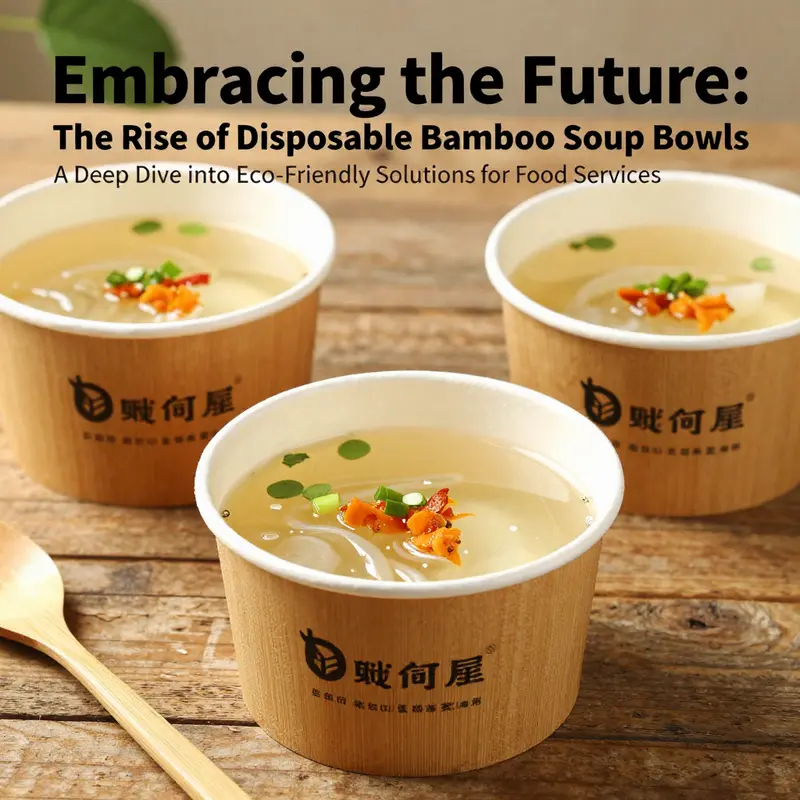
As sustainability becomes a pivotal focus in the food industry, disposable bamboo soup bowls are gaining traction among businesses that prioritize eco-friendly practices. These innovative bowls not only provide a fresh take on traditional serving options but also align with consumer demand for greener choices. This article will explore various dimensions of bamboo soup bowls—from their sustainability and manufacturing processes to market trends and consumer acceptance—offering insights that cater specifically to bubble tea shops, restaurants, food trucks, catering services, event planners, and corporate procurement teams. By navigating these interconnected themes, you’ll gain a comprehensive understanding of how integrating bamboo soup bowls into your offerings can benefit both your business and the environment.
Measuring the Green: The Environmental Reality of Disposable Bamboo Soup Bowls
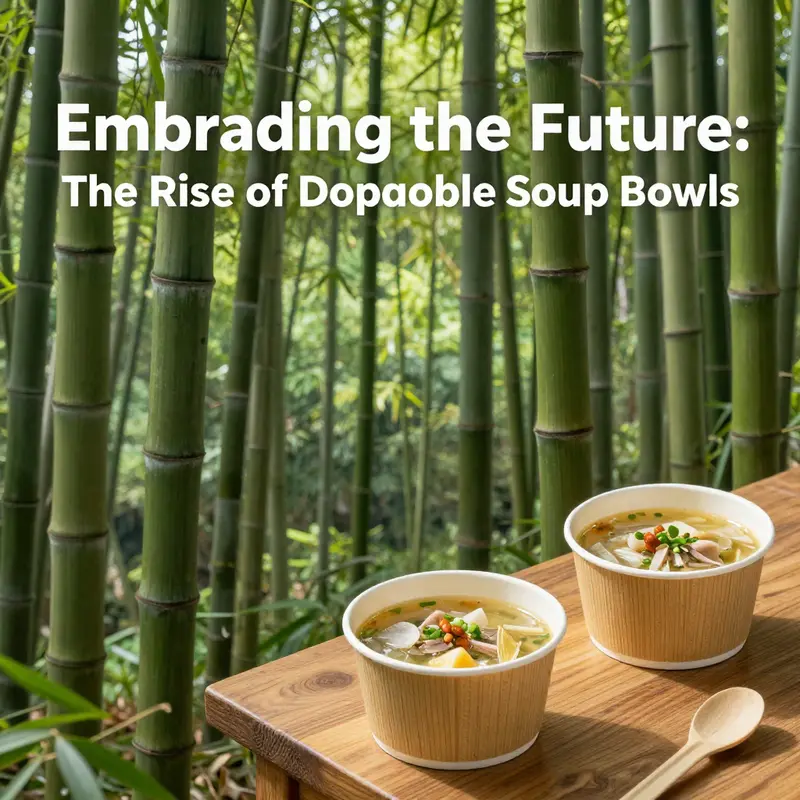
Disposable bamboo soup bowls have emerged as a popular alternative to plastic and traditional paper disposables. Their appeal goes beyond appearance. They promise lower environmental impact, renewable sourcing, and practical performance for hot foods. Yet the full sustainability picture is nuanced. This chapter walks through the life of a bamboo bowl, explains where environmental wins occur, and highlights the trade-offs buyers must weigh.
Bamboo starts with a distinctive advantage: it is a fast-growing grass. It regenerates without replanting and matures far faster than typical trees. This short growth cycle reduces pressure on forests and helps maintain biodiversity when managed responsibly. Bamboo also requires little to no irrigation and typically grows without pesticides. Those two facts translate into a lower burden on water resources and fewer agrochemical inputs compared with many conventional fiber crops.
Turning raw bamboo into a disposable bowl involves mechanical and thermal processing. Fibers are separated and formed into pulp. Natural binders, often starches or water-based adhesives, hold the structure together. In many products, a thin water-resistant coating is applied to protect hot and liquid foods. Coatings can be bioplastic based, such as PLA, or petroleum-derived like PE. The choice of coating strongly affects end-of-life outcomes. Bowls made with fully compostable coatings remain much closer to truly biodegradable products. Those with conventional plastics can resist degradation and undermine composting claims.
From a lifecycle perspective, bamboo disposables typically score well on several metrics. Bamboo’s rapid growth sequesters carbon quickly during its life. Manufacturing bamboo pulp usually consumes less energy than producing petroleum-based plastics. The finished bowls are lightweight, which reduces emissions during transport. And because the raw material comes from a renewable source, the overall greenhouse gas footprint tends to be lower than that of single-use plastic bowls.
However, lifecycle advantages are not automatic. Energy used in processing, the distance between plantation and factory, and the type of coating all influence the final footprint. Lower-quality items may include synthetic resins or hidden additives. Those materials reduce biodegradability and can negate some environmental benefits. Higher standards in sourcing and manufacturing are essential to unlock bamboo’s potential.
A crucial point is biodegradability and composting. When bowls use compostable binders and coatings, they can break down effectively in industrial composting facilities. Under controlled conditions, they decompose in a matter of months. In contrast, conventional plastics can persist for centuries. Still, industrial composting access varies by region. Home compost piles often do not reach the temperatures and microbial activity needed to break down some compostable coatings. For consumers and businesses, this means that a bowl labelled biodegradable may still require municipal or industrial composting to realize that advantage.
Certifications play a practical role. Labels from recognized bodies indicate third-party testing for compostability and biodegradability. Look for accredited marks that reference industrial composting standards. Certifications also reduce the risk of greenwashing. Without them, sustainability claims are harder to verify. Choosing certified bowls helps ensure the product behaves as promised at end of life.
When comparing bamboo bowls to paper options, context matters. Paper products sourced from virgin tree fiber can be renewable, but their production often involves intense chemical and water inputs. Recycled paper is better, but quality constraints may limit heat resistance. Bamboo pulp can offer superior heat performance and a sturdier feel, often matching ceramic aesthetics without washing. Compared to plastic, bamboo wins on renewability and shorter persistence in the environment. However, the extra cost of bamboo compared with plastic or generic paper remains an important trade-off for many buyers.
Practical disposal pathways determine the actual environmental outcome. For events or foodservice operators, providing clear signage and waste streams makes a difference. Separating compostable bowls into a dedicated bin routed to industrial composting facilities ensures decomposition. Sending bamboo bowls to landfill, where oxygen is limited, reduces the benefits. In landfill conditions, organic materials can produce methane, a potent greenhouse gas. A composting route or anaerobic digestion with methane capture is preferable.
Businesses should also consider the broader circularity of their packaging systems. Pairing bamboo soup bowls with compatible lids and ancillary packaging avoids contamination. Using recyclable or compostable side packaging simplifies waste handling for customers. For matching pack-out options, consider disposable kraft paper soup containers that complement compostable setups: https://ecocupbowl.com/product/disposable-kraft-paper-soup-containers-with-lids-ready-bulk-takeaway-bowls-noodle-soup-container/ . Thoughtful combinations help maintain the integrity of compost streams and reduce mixed-waste disposal.
There are sensible ways for buyers to maximize the environmental gains. First, insist on transparent sourcing. Ask suppliers about plantation management and certification. Second, verify the coating material and compostability certificates. Third, map local composting capacity before committing to large purchases. If industrial composting is unavailable, investigate municipal programs or private compost collection services. Fourth, favor products with minimal additional packaging to cut embodied energy.
For event planners and foodservice managers, operational choices matter. Staff training on waste segregation increases diversion rates. Customer-facing communication encourages correct disposal. Contracts with composting vendors or waste haulers streamline logistics. Over time, these steps can offset the higher upfront cost of bamboo bowls through waste-fee savings and brand value tied to sustainability.
Limitations remain. Bamboo bowls may not tolerate extremely high temperatures. Prolonged exposure to boiling liquids or direct flame can cause warping. For such uses, heavy-duty alternatives or reusable vessels may be safer. Also, the economics of bamboo products can be challenging for high-volume, low-margin operations. But as demand grows and supply chains mature, prices are likely to stabilize.
Finally, the environmental case for disposable bamboo soup bowls is strongest when several conditions align. Sustainably managed bamboo sources, low-impact manufacturing, certified compostable coatings, and proper waste infrastructure together create a clear advantage over single-use plastic. When any of these elements are missing, the benefits may be reduced. Choosing bamboo thoughtfully, and backing that choice with practical waste planning, delivers both environmental improvement and a pleasing dining experience.
For a concise overview of bamboo’s environmental properties from a regulatory perspective, refer to the EPA discussion on bamboo as an eco-friendly alternative: https://www.epa.gov/sustainable-management-plastics/bamboo-eco-friendly-alternative
From Bamboo Fiber to Soup-Ready Bowls: The Manufacturing Journey of Disposable Bamboo Soup Bowls
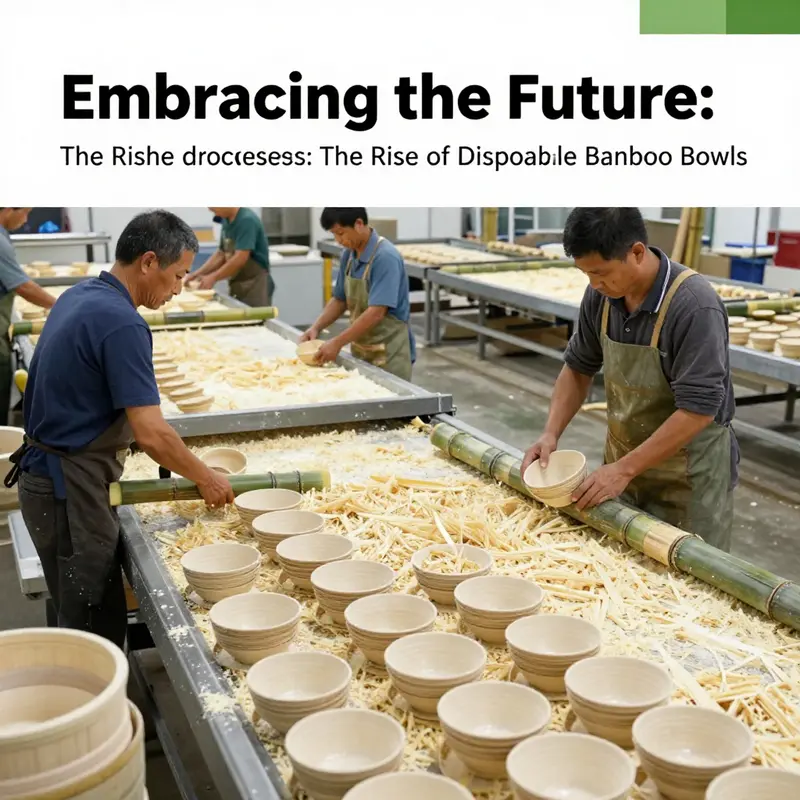
The making of disposable bamboo soup bowls blends traditional fiber processing with modern molding techniques. This single narrative follows raw bamboo through pulping, forming, drying, finishing, and packing. It explains how each stage shapes performance, food safety, and environmental credentials.
It starts with material choice. Bamboo is selected for fast growth, renewability, and strong cellulose fibers. Manufacturers prioritize mature stalks with consistent fiber quality. Once harvested, the bamboo is cleaned to remove soil and debris. Cleaning prevents blemishes and reduces contaminants that can weaken the final bowl. After washing, bamboo is chipped into small pieces. These chips are easier to cook and break down in the pulping stage.
Pulping transforms rigid plant tissue into a malleable fiber mass. Two common approaches are mechanical and chemical pulping. Mechanical pulping grinds chips into fibers using physical force. It preserves most of the plant structure and yields a high fiber yield. Chemical pulping uses alkali or sulfite systems to dissolve lignin and free the cellulose. That produces purer fibers and stronger end products. Some producers combine both methods to balance yield, strength, and cost. The pulping stage also removes impurities and short fibers that could create weak spots.
Once fibers are freed, they are washed and screened. Washing reduces residual chemicals and soluble substances. Screening removes oversized particles and shives. The cleaned fibers are then beaten and refined to achieve the right fiber length and bonding characteristics. Refining affects how well fibers interlock during molding. Proper refining improves wet strength and reduces porosity in the finished bowl.
The refined pulp is mixed with water to make a slurry. Consistent slurry viscosity matters. Too thick, and the mold won’t form an even wall. Too thin, and the bowl will be weak. Additives may be introduced at this stage. Food-grade binders enhance wet strength. Natural fillers adjust stiffness and surface texture. Colorants are rarely used; the natural, rustic look of bamboo is often a selling point. Manufacturers may also incorporate small quantities of recycled fibers to improve sustainability metrics, but they must balance recycled content with hygiene and performance requirements.
Molding is where the bowl takes shape. A typical process uses a shaped mold and vacuum-forming or pressure-assisted filtration. The slurry is delivered onto the rotating or static mold. Vacuum draws water through a porous mold surface, leaving a compacted fiber layer that conforms to the cavity. This vacuum-based filtration yields uniform wall thickness and consistent rim geometry. For high-speed production, automated cup and bowl machines can form hundreds or thousands of bowls per hour. They control dwell time, vacuum pressure, and slurry feed rate to maintain quality.
After forming, the wet bowls remain on the molds for initial drainage. Excess water is removed, and the fiber network consolidates. At this point, some manufacturers perform a pre-press step. Pre-pressing removes more moisture and compacts the fiber sheet to reduce drying time. It also smooths the interior surface, making the bowl more visually appealing and easier to coat later.
Drying and curing are critical for strength and dimensional stability. Dried too quickly, fiber bundles can crack or warp. Dried too slowly, production bottlenecks appear. Many facilities use forced-air ovens with controlled temperature and humidity. Some apply infrared or steam-heated drying for faster throughput. Controlled drying ensures the cellulose matrix bonds evenly, producing a rigid structure capable of withstanding hot soups and broths. During curing, thermal energy completes any binder crosslinking and locks in mechanical properties.
Moisture resistance is a defining feature for soup bowls. Untreated paper-like bowls would absorb broth and lose integrity. To solve this, manufacturers apply a thin, food-safe barrier. Options include biodegradable coatings such as polylactic acid (PLA), or very thin polyethylene layers for specific markets. Choice of coating depends on the intended disposal route and regulatory environment. Biodegradable coatings maintain compostability under industrial conditions. Plastic coatings can improve shelf life and leakproof performance but complicate composting. The coating step uses spraying, curtain coating, or lamination, and it must maintain a uniform film without blocking breathability where needed.
Quality control is woven through every stage. Incoming bamboo is sampled for moisture and fiber content. Pulp batches are tested for consistency, pH, and residual chemicals. During forming, automated cameras and sensors detect thin walls, pinholes, and shape deviations. Finished bowls are inspected for leaks, rim smoothness, and dimensional accuracy. Random lab tests measure heat resistance, flexural strength, and leakproof performance. All coatings undergo food contact testing to meet regulatory limits for migration and safety.
Sustainability considerations influence process choices. Water used in pulping is often treated and recycled. Closed-loop systems capture and reuse process water, reducing freshwater demand. Solid residues from pulping, including lignin and fines, can be redirected as energy feedstock or composted where permitted. Some manufacturers invest in energy-efficient drying technologies to lower the carbon footprint. Traceability systems document bamboo sources to ensure responsible harvesting and to support sustainability claims.
The production environment also affects final cost and availability. Capital equipment for vacuum molding and controlled drying requires investment. Smaller runs and custom shapes raise unit cost compared with commodity paper bowls. That explains why bamboo bowls often carry a premium. Still, many customers accept higher prices for perceived quality and environmental benefits. Manufacturers balance price, durability, and compostability to meet market expectations.
Finally, packaging and logistics finish the journey. Bowls are nested and boxed in bulk, often with protective liners to keep moisture out. Packaging design aims to minimize materials while protecting product integrity. Suppliers may use recycled cartons and printed labels with basic recycling or composting instructions. For food service customers, consistent supply and uniform dimensions are crucial to integrate with lids and automated dispensers.
Throughout this process, incremental improvements continue. Research into coating chemistries, lower-energy drying, and faster pulping methods aims to reduce cost and environmental impact. Advances in process control increase yield and reduce defects. As industrial composting infrastructure grows, producers adapt coatings and materials to match end-of-life pathways. For businesses looking for alternatives to plastic or conventional paper bowls, these production realities determine performance, price, and sustainability.
For a similar takeout option with quick availability and compatible sizing, consider exploring disposable kraft paper soup containers with lids for bulk orders and paired packaging solutions: https://ecocupbowl.com/product/disposable-kraft-paper-soup-containers-with-lids-ready-bulk-takeaway-bowls-noodle-soup-container/
On Trend and on Budget: Market Trends and Economic Viability of Disposable Bamboo Soup Bowls
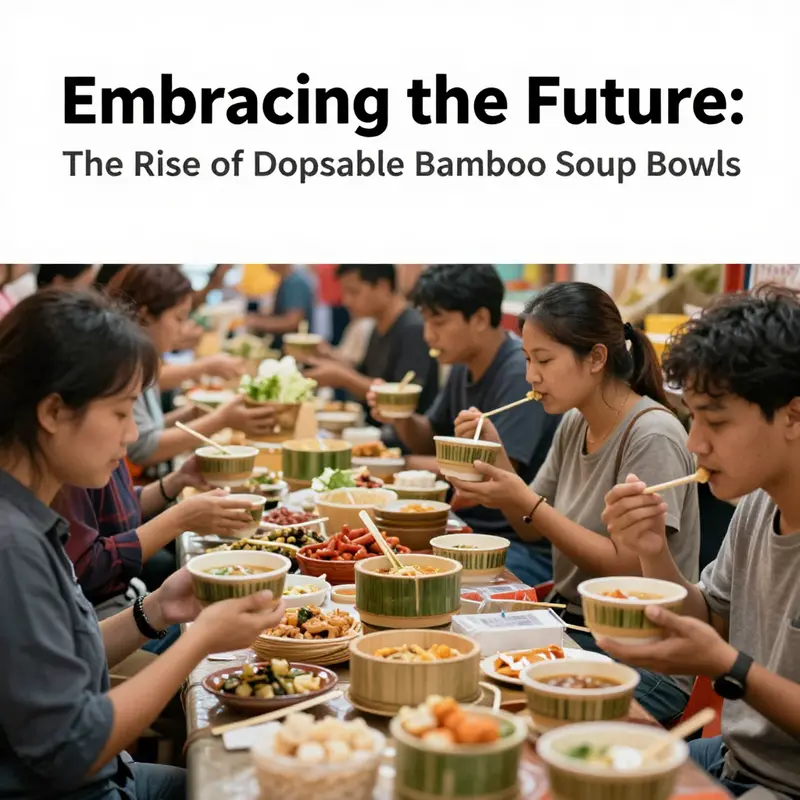
A market that once lived in the margins of sustainability is now quietly shaping how communities eat on the go. Disposable bamboo soup bowls sit at the intersection of environmental responsibility and practical convenience, and their ascent is not a fluke of fashion but a response to a confluence of consumer demand, policy shifts, and institutional adoption across the food-service landscape. The global bamboo disposable tableware market is moving from a niche option to a mainstream choice, with projections indicating growth and renewed interest well into the next wave of green packaging. Industry analyses have estimated that the market could reach around $65 million by 2025 and could sustain a compound annual growth rate in the mid-single digits through 2028. That trajectory matters not just for manufacturers but for restaurants, caterers, and retailers weighing the true cost and value of sustainable serving ware. The story behind these numbers is more than a ledger of dollars and cents; it reveals how today’s diners are voting with their preference for materials rooted in renewal, how cities and regions are regulating single-use plastics, and how brands seek not only to reduce waste but to tell a credible story about responsibility.
The advantages of disposable bamboo bowls are numerous and directly feed into their market appeal. They are biodegradable and compostable in commercial facilities, aligning with waste-management infrastructures that many municipalities are expanding or upgrading. The materials—bamboo pulp fiber and related renewable inputs—are sourced from ecosystems that regenerate, rather than deplete, which makes the product attractive to brands aiming to publish sustainability metrics alongside menu items. In practice, the bowls can handle hot and cold liquids with little risk of leaking, and their structural integrity is reinforced by thicker walls designed to hold chunky soups, stews, and curries without warping or sagging under pressure. This durability is crucial for takeout and delivery scenarios where a dish may travel in transit before arriving at the consumer’s table or doorstep. Of course, performance also depends on coatings such as water-resistant layers that help preserve form and minimize moisture-related seepage, a feature that feeds into the broader conversation about safe, low-toxicity packaging for hot foods.
Customization adds another layer to the market’s appeal. Food-service operators can brand these bowls with logos, colors, and patterns, turning disposable ware into a lightweight marketing tool. In an era when a restaurant’s packaging becomes part of the customer experience, the ability to imprint a brand on a compostable vessel can translate into stronger recognition and a more cohesive sustainability narrative. This is especially valuable for venues that rely on takeout, catering, or event service, where the packaging is a bridge between the kitchen and the consumer’s perception of the meal. The aesthetic—earthy, natural, and tactile—also complements the growing interest in rustic, responsible presentation that resonates with diners who value authenticity as much as convenience.
Economic viability hinges on a set of interlocking forces that extend beyond the price tag printed on a carton bag. The market’s growth is propelled by environmental awareness, regulatory pressure on single-use plastics, and the increasing prevalence of green certifications within food-service operations. Consumers today are more likely to seek out brands that demonstrate a commitment to sustainability, and many operators are pursuing certifications or third-party verifications to substantiate their claims. For businesses, the appeal is twofold: first, a reduced environmental footprint appeals to value-conscious customers; second, certifications can unlock preferred supplier relationships, grant access to specific procurement programs, and improve eligibility for sustainability-focused advertising or government incentive programs.
The regulatory environment plays a decisive role in accelerating adoption. Across many jurisdictions, the path to approval for sustainable alternatives has become clearer as lawmakers push toward reduced plastic waste and more responsible end-of-life management. This policy backdrop creates a predictable demand curve for bamboo-based tableware, which in turn supports supply chain investments in scaling up production, improving coatings, and expanding distribution networks. Brands and manufacturers report that customers in hospitality, corporate cafeterias, and event venues are increasingly pursuing green certifications or public recognitions that can help differentiate offerings in crowded markets. The result is a momentum that blends consumer preference with policy-driven incentives, creating a healthier economics for producers and buyers alike.
From the producer’s perspective, the economics of bamboo bowls hinge on balancing material costs, processing efficiency, and the added value of branding opportunities. Bamboo pulp fiber, while renewable, requires careful sourcing and handling to ensure a consistent supply and stable pricing. The ability to leverage post-consumer recycled inputs or to incorporate kraft paper into the container architecture can dampen raw material costs and improve overall life-cycle performance. At scale, manufacturers can exploit economies of scale in molding processes, coating applications, and printers for branding. The advantage of a durable, leak-resistant, and heat-tolerant product is a compelling argument for higher-tidelity packaging strategies that protect the integrity of hot foods without compromising compostability or safety standards. For operators, the economics are most persuasive when the packaging supports efficient service—fast turnarounds in takeout lines, reliable containment during delivery, and an appearance that aligns with the restaurant’s or brand’s sustainability promise.
Yet, the story is not without its caveats. There are legitimate considerations that influence purchasing decisions and the real-world viability of bamboo bowls. First, high-temperature exposure can sometimes cause warping if the bowls are pushed to extremes, especially in very hot dishes or extended heat exposure. This practical limitation invites buyers to balance performance with expected use cases, selecting bowls with thicker walls and robust coatings to withstand routine thermal demands. Second, while many suppliers market biodegradability and compostability, the fate of these bowls in consumer ecosystems depends on industrial composting facilities. Home composting may not yield the same results, which means the environmental benefits hinge on local infrastructure and program participation. Third, price remains a factor. Disposable bamboo ware generally commands a premium relative to conventional plastic or paper options, which means operators must weigh the environmental and branding benefits against budgetary constraints, especially in high-volume environments like quick-service restaurants and large events.
These dynamics shape how different market players approach the question of viability. Fast-service chains and quick-casual brands, for instance, are drawn to bamboo bowls not only for their environmental story but for the packaging performance that supports hot food without compromising on user experience. Caterers and event planners, who seek a combination of reliability and visual appeal, find that bamboo bowls can elevate the dining moment while keeping waste within manageable boundaries when paired with composting strategies. Convenience-store settings and micro-fulfillment operations can leverage bamboo bowls to signal a commitment to sustainability without sacrificing speed or cost controls, particularly when bundled with other eco-friendly packaging options. Across these sectors, the opportunity to co-brand or to embed a message about environmental stewardship within the packaging itself becomes a differentiator, especially for brands that want to demonstrate tangible action rather than rhetoric.
For readers seeking a practical sense of how this translates into strategy, consider the availability of packaging solutions that integrate sustainability with operational efficiency. A notable option for brands aiming to communicate a robust sustainability story is the eco-friendly disposable 3-compartment packaging box for fast food, which demonstrates how a modular approach to takeout packaging can extend beyond bowls to a cohesive ecosystem of compostable containers. This kind of packaging can help restaurants manage different components of a meal—soup, side, and sauce—without sacrificing the alignment of material choices with environmental goals. The potential for customized branding across multiple components strengthens the case for investing in a comprehensive, brand-consistent packaging suite rather than a series of one-off items. See the example here: eco-friendly-disposable-3-compartment-food-grade-packaging-box-for-fast-food-high-quality-takeout-boxes-for-fried-chicken-french-fries-packaging.
As the bamboo disposable tableware market continues to mature, the mix of consumer demand, policy realities, and corporate commitment will likely determine which segments grow the fastest and which will settle into more specialized roles. The broader economic picture—driven by industry adoption of green certifications and the push to replace single-use plastics—suggests a favorable environment for bamboo-based solutions. Companies that invest in robust supply chains, transparent life-cycle data, and credible third-party verifications will likely outperform rivals in markets where buyers require proof that sustainability goes beyond marketing and into measurable practice. The macro trend toward responsible packaging—one that acknowledges the trade-offs between performance, cost, and end-of-life outcomes—appears to be aligning with the capabilities of bamboo-based bowls and their associated products.
For readers who want a wider sense of the context, a comprehensive external resource offers a broader market overview and sustainability standards that complement this discussion. External resource: https://www.researchandmarkets.com/reports/578945/bamboo-disposable-tableware-market-global-industry-analysis-and-forecast-2023-2028
Sustainable Serveware in Focus: A Thorough Look at Disposable Bamboo Soup Bowls versus Traditional Bowls
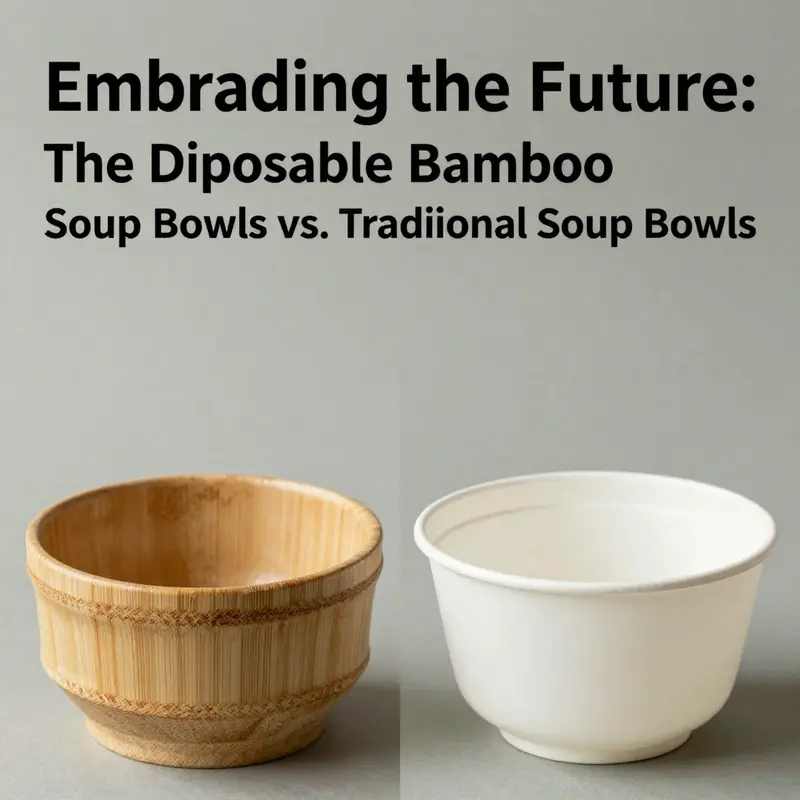
The arc from forest to feast has grown more intentional in recent years, and this is nowhere more evident than in the quiet revolution of disposable serveware. A bowl made from bamboo pulp fiber carries a story that rises above mere convenience. It steps into the spotlight as a material choice that promises renewability, safety, and a visual language that resonates with guests who want their meals to feel thoughtful, even when they’re eating on the go. This chapter takes a close, cohesive look at how disposable bamboo soup bowls compare with traditional options, not as a simple head-to-head tally but as a narrative about how material science, consumer expectations, and environmental responsibility intersect at the point of service. The goal is not to sanctify one option over another, but to illuminate the trade-offs, the contexts in which bamboo shines, and the compromises that still challenge all disposable tableware. In doing so, it connects the broader themes of sustainable packaging to practical decisions faced by eateries, caterers, and event organizers who must balance taste, cost, and footprint in equal measure.
Material composition begins the story. Bamboo bowls are typically crafted from natural bamboo fiber, a rapidly renewable resource that regrows with minimal intervention. This is a significant contrast to many traditional disposables, which hinge on fossil-based plastics or composite papers. The bamboo path offers true biodegradability and, under the right disposal conditions, compostability. Importantly, these bowls are often free from commonly questioned chemicals like BPA and phthalates, which matters for food contact safety and for consumer confidence. Yet even as bamboo seems to check many sustainability boxes, the reality of end-of-life disposal remains nuanced. Industrial composting facilities play a pivotal role in enabling biodegradation, while home composting systems, varied as they are, frequently fall short of delivering the same outcomes. This nuance matters for operations that rely on local waste streams and for customers who care about the entire lifecycle of a container. The environmental weight of bamboo is further amplified by its renewability profile: bamboo grows quickly, harvesting cycles can be shorter than those of other trees, and the material can be processed with relatively modest inputs. All of this helps explain why bamboo bowls are increasingly perceived as not just a green option, but a credible, scalable alternative in a market increasingly alert to single-use waste.
When it comes to performance, bamboo bowls offer strengths that align closely with user expectations for hot foods, while also presenting some boundaries. In everyday use, they provide robust heat tolerance and stable handling characteristics. They are designed to withstand hot liquids and foods without losing structural integrity, and many are engineered with a water-resistant coating—often plant-based, such as a wax or resin—that helps prevent leakage and extends shelf life during service. This coating is a critical hinge between sustainability and practicality: it enables the bowl to perform without compromising safety or taste, yet the choice of coating and its own end-of-life implications deserve scrutiny. The coating can influence heat transfer, moisture resistance, and even aroma retention, all of which shape the dining experience. Bamboo bowls typically fall into a middle ground for heat retention. They keep soups warm enough for a comfortable dining experience, while not claiming the insulating performance of thicker foam or double-wall plastics. That balancing act matters for operations that want to preserve temperature through delivery or easy pick-up while also avoiding the energy costs and material weight of more thermal-heavy options. In terms of durability and leakage, these bowls generally resist warping far better than some paper-based or foam alternatives. They maintain form under normal use, although prolonged exposure to very hot liquids can lead to gradual degradation. The practical takeaway is clear: bamboo bowls excel in presenting a premium, rustic aesthetic with reliable performance for most hot soups and stews, but they are not invincible under extreme, repeated heat exposure.
Aesthetics and brand storytelling form another important layer. The natural grain, the organic texture, and the warm tones of bamboo bring a tangible, human touch to the dining experience. This is not mere decoration; it is a signal about values. Consumers increasingly associate bamboo with sustainability, artisanal quality, and responsible sourcing, and that alignment can become a competitive differentiator for restaurants and events seeking to convey eco-conscious priorities. In contrast, traditional plastic or foam options tend to convey a more clinical, uniformly manufactured impression. Paper bowls can evoke a handmade or eco-friendly vibe when chosen carefully, but the visual language of bamboo—rooted in nature and craft—often lands more convincingly with audiences that prize authenticity. The upshot is that bamboo bowls can function as a subtle but powerful brand instrument. They tell a story about care, about reducing waste, and about choosing materials that feel connected to the source of the food itself.
Economics and scalability also shape how decisions are made in practice. Bamboo bowls typically carry a higher per-unit cost than conventional plastic or foam. The premium reflects the material, processing requirements, and the current state of supply chains. Yet, bids for volume and consistency tend to improve with scale. And as consumer demand for sustainable options grows, the price gap can narrow over time, especially when manufacturers optimize processes or secure longer-term supply agreements. For food-service operators who weigh cost against brand reputation, the higher upfront cost can be recouped through enhanced guest satisfaction, stronger compliance with emerging regulations, and the ability to command premium on menus that emphasize responsible sourcing. The cost calculus also intersects with regulatory trends. Governments around the world are tightening the screws on single-use plastics and less sustainable disposables, pushing operators toward compostable or biodegradable alternatives. Bamboo bowls align well with this trajectory, offering a pathway to compliance without sacrificing performance. The broader market outlook supports a continued shift toward eco-conscious disposable ware, as consumer expectations and policy levers incentivize greener choices.
Operational practicality matters as well. The disposition of bamboo bowls depends on the waste infrastructure in a given region. Industrial facilities that can process bamboo composites into compost streams are essential for realizing the full environmental benefits. Without accessible composting, the end-of-life impact hinges on whether facilities accept compostable packaging or whether take-back or curbside programs exist. This reality means that a one-size-fits-all assessment is less useful than a contextual evaluation—one that considers local waste ecosystems, municipal regulations, and consumer behavior. For instance, a restaurant in a city with robust organic recycling may find bamboo bowls especially advantageous, while another market with limited composting opportunities might rely on careful waste sorting to optimize outcomes. These dynamics underscore the value of education for staff and guests. If customers understand how to dispose of bamboo bowls properly, the cross-cut between product design and waste systems becomes a more seamless, more effective loop. The dialogue around end-of-life is not a sidebar; it is a central thread that determines whether the bamboo option delivers genuine environmental gains or merely a better-looking badge.
The chapter would be incomplete without considering how bamboo bowls fit into broader packaging ecosystems. A practical approach for many operators is to view bamboo bowls as part of a hybrid solution. For some applications, bamboo bowls pair with other compostable elements—like lids and sleeves or paper-based accessories—to create a cohesive takeout package that meets both performance and environmental goals. The idea is not to abandon traditional options entirely but to choose the right tool for the right job, guided by a clear understanding of the trade-offs involved. In this light, bamboo bowls become a strategic piece in a menu of sustainable servesware rather than a solitary fix. They offer a meaningful, aesthetically resonant option for events, festivals, and brand-forward takeout programs seeking to demonstrate responsibility without compromising on quality or guest experience. A reader exploring these choices might also consider the broader packaging family, including carton-like takeout boxes and coated paper products, and weigh how each element contributes to a consistent sustainability narrative. The resulting decision framework emphasizes not only material properties and cost, but also alignment with waste management realities, customer expectations, and regulatory currents.
To bring this into sharper focus, consider how a typical operation could present bamboo bowls to guests as part of a responsible dining story. The bowls can be positioned as vessels that honor natural materials while still delivering the reliability customers expect for hot soups. Culinary teams can design menus around seasonally inspired, comfortably rustic presentations that echo the earthy character of bamboo. Staff training emphasizes disposal pathways, helping guests participate in responsible waste practices without feeling burdened by complexity. In practice, customers appreciate the tactile warmth of the bowls, the confidence that the container won’t leak when filled with a hearty broth, and the sense that their choice supports a broader environmental commitment. Such factors—taste, texture, and transparency about disposal—collectively shape guest satisfaction and loyalty, often more enduring than any promotional line.
From a strategic standpoint, the conversation around disposable bamboo soup bowls reaches beyond a single product choice. It touches on the values a business conveys and the regulatory environment in which it operates. It speaks to supply chain resilience, where renewables and responsible sourcing intersect with reliable production capacity. And it speaks directly to consumer trust—an asset that can be cultivated when a brand consistently demonstrates environmental stewardship through its packaging decisions. Within this evolving landscape, bamboo bowls stand out as a material option that can support both performance expectations and sustainability objectives, especially when paired with a thoughtful end-of-life plan and careful consideration of regional waste infrastructure. The result is not a simple substitution but a carefully choreographed approach to serving warmth and flavor in a way that respects the planet as much as the palate.
For readers seeking a concrete example of related packaging infrastructure, consider the broader family of disposable containers designed for hot foods, which includes kraft paper-based options that can be used alongside bamboo bowls in a hybrid system. This pairing can offer operational flexibility and a narrative of eco-conscious production that resonates with guests. Explore further with one practical example of this approach: disposable kraft paper soup containers with lids ready for bulk takeaway bowls. The link points to a category that supports a cohesive, sustainable takeout strategy without sacrificing the warmth and presentation that bamboo bowls bring to the table. The aim is not to select a single best path but to weave a consistent, values-driven approach to disposable tableware that aligns with both practical requirements and evolving expectations about waste and stewardship.
In sum, disposable bamboo soup bowls offer a compelling, context-rich alternative to traditional disposables. They deliver a compelling blend of renewability, safety, and aesthetic appeal, bolstered by credible performance in everyday service. Yet they require thoughtful handling of end-of-life disposal, awareness of heat-management limits, and an eye toward cost and supply dynamics. When embedded within a thoughtfully designed waste stream and a clear sustainability narrative, bamboo bowls can become more than a packaging choice; they can become a signal of responsibility that reinforces a brand’s larger commitments to the environment and to the guests who trust it.
External reference: https://www.ebay.com/itm/10-Oz-Bamboo-Disposable-Bowls-For-Hot-Soup-100-Pack/195784864591
Rising Plates, Responsible Choices: Consumer Acceptance and the Societal Shift Toward Disposable Bamboo Soup Bowls
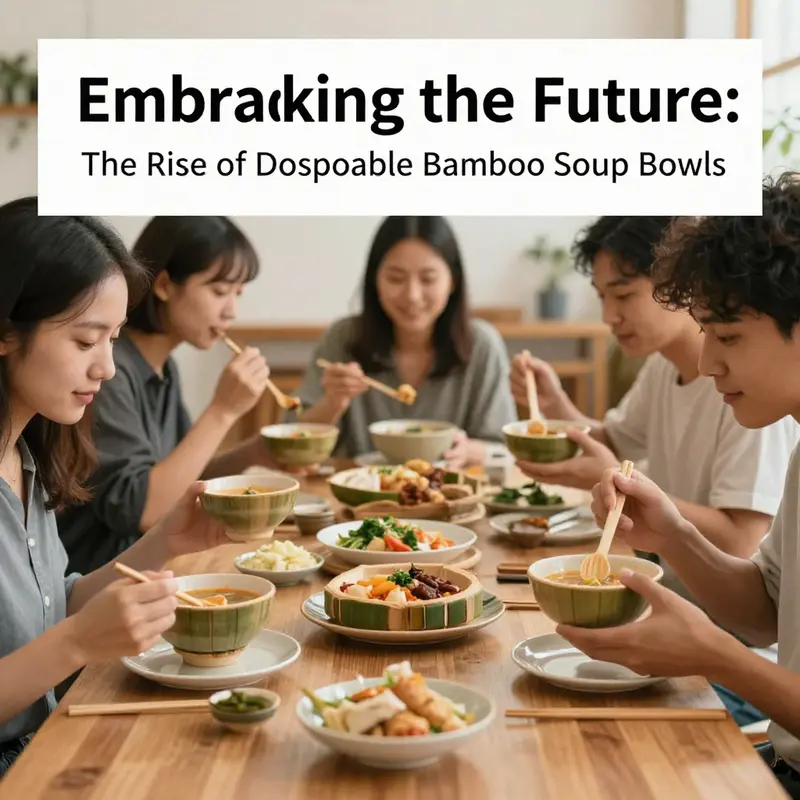
The move toward sustainability has settled into the everyday choices of diners, takeout customers, and the operators who serve them. What once seemed like a niche concern—whether a container could biodegrade in a reasonable timeframe or whether a brand’s packaging told a trustworthy story—has become a baseline expectation. In this environment, disposable bamboo soup bowls sit at the intersection of practicality and principle. They promise not just a functional vessel for hot soups, noodles, or stews, but also a narrative—a tangible symbol of a business’s commitment to renewable materials and responsible waste management. As consumers increasingly connect purchase decisions to values, the appeal of bamboo-based disposables extends beyond mere performance. It blends design with ethics, and in so doing, influences how brands craft their menus, their events, and their takeout experiences. The shift is not merely about replacing plastic or paper; it is about aligning operational choices with a broader social contract around sustainability, transparency, and accountability.
The environmental rationale behind bamboo bowls rests on recognizable advantages: rapid renewability, strong supply chain signals, and end-of-life options that move away from landfill dependence. Bamboo pulp fiber offers a cleaner narrative than fossil-based plastics, and when the bowls are designed to be biodegradable and compostable in commercial facilities, they become part of a waste system that values recovery and reuse. Yet consumers do not adopt products on ecological intent alone. They weigh a suite of practical factors—price, availability, reliability, and the user experience. A well-made bamboo bowl must hold up under hot food without warping, resist leaks with a dependable coating, and fit into a busy service workflow where speed and consistency matter. The best designs achieve a rare balance: environmental virtue without sacrificing the performance standards customers expect from a modern takeaway or dine-in experience.
Market dynamics reinforce this balance. The bamboo bowls market is expected to witness sustained global growth, driven by innovation, digitization, and rising participation from emerging economies. This is not merely a regional trend; it is a global reorientation toward materials that are renewable and circulable within contemporary foodservice ecosystems. For operators, that translates into a growing array of options that can be scaled, sourced, and customized to reflect brand identity while maintaining a sustainability narrative. The visibility of this trend is reinforced by market analyses that point to increasing consumer willingness to pay a premium for eco-friendly packaging when the product delivers on performance and aesthetics. In other words, people are not simply choosing bamboo bowls because they feel morally compelled; they are choosing them because they work, look authentic, and reinforce a credible sustainability platform for the business behind the bowl.
A central pillar of consumer acceptance is alignment with lived values. People want to see that a brand walks the talk: renewable inputs, responsible production, and clear communication about end-of-life options. Bamboo bowls answer this call in multiple ways. They are rooted in natural textures and earthy tones that resonate with health-focused cafes, juice bars, and food trucks seeking an authentic, sustainable identity. The visual language of bamboo—a harmonious blend of warmth and simplicity—complements menus that emphasize freshness, local ingredients, or plant-based concepts. When customers encounter these bowls in service contexts, the pairing of form and function reinforces a brand story: a commitment to reducing single-use plastics without compromising convenience. This is not merely about packaging it is about packaging that communicates a philosophy of care and stewardship.
Nevertheless, acceptance is not unmediated. Price remains a salient consideration. Bamboo bowls are often positioned as premium eco-options, and their cost can be higher than conventional plastic or paper alternatives. Consumers notice, even if they also notice the environmental rationale behind the price. Over time, as production scales and supply chains mature, the price gap tends to narrow. The trajectory of cost is tightly linked to manufacturing efficiencies, the degree of automation in pulping and forming, and the availability of sustainable coatings that balance leak resistance with compostability. For operators, this means a careful calculation of total cost of ownership, including disposal costs, potential wastewater or composting requirements, and any municipal incentives for sustainable packaging adoption. When these factors align, bamboo bowls can deliver a compelling value proposition—reliable performance, a robust sustainability story, and a design that differentiates a brand in a crowded market.
Durability and user experience also shape acceptance. The practical reality is that the bowls must withstand the demands of real-world use: heat, moisture, and the rhythms of busy service. Consumers expect a vessel that can hold hot liquids without leaking, without soaking through, and without creating a mess during transport. The coatings used to achieve water resistance—whether plant-based biopolymers or recognized food-grade barriers—need to maintain integrity over time and across diverse foods. In parallel, microwavability and refrigeration compatibility are valued attributes in many consumer contexts, particularly in casual dining or meal-prep settings. If a bowl can transition smoothly from counter to microwave to fridge, it reinforces a perception of reliability and modern practicality. This convergence of performance and environmental benefit is what nudges consumer acceptance from “possible” to “preferred.”
The social dimension of sustainability—how packaging choices signal responsibility to others—plays a decisive role in shaping behavior. Consumers increasingly expect brands to be explicit about material life cycles, including whether composting facilities exist locally and whether industrial processing is required for end-of-life recovery. This transparency builds trust and reduces the ambiguity that sometimes accompanies “green” claims. When a restaurant or takeout service communicates clearly about composting options and aligns its operations with those facilities, it creates a coherent ecological narrative that extends beyond the plate. The bowls become not just containers but ambassadors of a practice—the idea that everyday actions can contribute to a larger system of waste reduction and resource stewardship.
From a design and branding perspective, the natural, tactile aesthetics of bamboo can elevate the presentation of meals. The rustic warmth of the material can complement menus that emphasize freshness, clean labeling, and minimal processing. For many operators, the visual and tactile cues of bamboo reinforce a health-oriented, environmentally conscious brand image. In a market where consumers increasingly equate packaging with brand ethics, these cues can translate into stronger brand affinity, repeat business, and positive word-of-mouth. It is a subtle but meaningful form of differentiation that aligns with broader consumer expectations around sustainability, health, and transparency. The effect is amplified when packaging choices are integrated with other sustainability initiatives—reusable or return programs, waste-sort guidance for customers, and clear documentation of supply chain ethics.
For those exploring the practical landscape of sustainable takeout packaging, examining examples of eco-friendly options can illuminate pathways for implementation. See how designers and operators reference the same underlying goals—performance, beauty, and responsibility—through concrete packaging choices like kraft-paper or similar renewable materials that convey a sustainable story. For readers seeking concrete precedents, one practical resource highlights a range of options in the realm of eco-conscious takeout packaging. You can explore a representative example of kraft-paper soup containers with lids to understand how design, functionality, and sustainability converge in real-world use. disposable kraft paper soup containers with lids
Despite the optimistic outlook, there are genuine limitations that shape consumer decisions and business strategy. A crucial factor is heat tolerance. Bamboo bowls can warp if exposed to excessively high temperatures or long durations of heat. This technical constraint means operators must optimize serving conditions, perhaps by advising customers on appropriate temperature ranges or by pairing bowls with lids or sleeves that reduce direct heat exposure. In addition, although bamboo bowls are marketed as biodegradable or compostable, the end-of-life outcomes depend on industrial composting facilities. Home composting may not realize the same benefits, which means the environmental advantage hinges on the accessibility and utilization of municipal or commercial composting infrastructure. Finally, while the sustainability narrative is compelling, cost sensitivity remains real. In markets where disposable plastics and papers are deeply entrenched, premium packaging may be perceived as an unnecessary expense. The pace at which costs decline will influence mainstream adoption, especially as consumer demand grows and production scales up globally.
Within this evolving landscape, consumer acceptance is inseparable from the broader societal shift toward sustainability. It is not a single decision but a tapestry of values—environmental stewardship, health consciousness, brand authenticity, and economic feasibility. When restaurants, cafes, and event organizers weave these threads into their packaging choices, they create a cohesive experience that resonates with customers who want to align appetite with responsibility. The result is a more conscientious foodservice culture, one that treats packaging not as an afterthought but as a meaningful component of the dining experience. In this sense, disposable bamboo soup bowls are less a temporary trend than a durable feature of a refreshed approach to how people eat on the go and how brands communicate their commitments to the world.
For readers who want to see how this approach translates into actual packaging portfolios, consider the broader catalog of sustainable options referenced in industry discussions and product ranges. These options collectively demonstrate that performance and sustainability can coexist in a single, cohesive solution. By embracing bamboo-based disposables, operators can offer an authentic, earthy aesthetic that reinforces their commitment to the planet while delivering the reliability customers expect for hot foods and takeout. The challenge—and the opportunity—lies in balancing cost, supply, and composting infrastructure, then communicating clearly with customers about what happens to the packaging after it leaves the counter. When done well, the result is a story customers not only buy but also believe—and that belief translates into loyalty, advocacy, and a more sustainable foodservice ecosystem for the future.
External context helps frame this ongoing transition. For a broader, data-informed perspective on how these market dynamics are evolving, see commentary on the Bamboo Bowls Market Innovation and Environment Analysis from 2026. This external resource offers insights into growth drivers, technology advances, and the global reach of sustainable disposables, underscoring how consumer sentiment and industry practice are converging toward greener, more resilient packaging solutions. Bamboo Bowls Market Innovation and Environment Analysis (2026)
Final thoughts
The integration of disposable bamboo soup bowls into your food service offerings is not merely a trend; it represents a significant step towards a more sustainable future. By choosing these eco-friendly bowls, you align your business with consumer values while making a positive environmental impact. The benefits extend beyond just the product itself; they resonate with your clientele, creating a more compelling narrative for your brand. Embracing bamboo soup bowls showcases your commitment to sustainability and positions you competitively within the market, appealing to a growing demographic focused on environmentally responsible choices. Make the switch today and be part of the movement shaping sustainable practices in the food industry.