
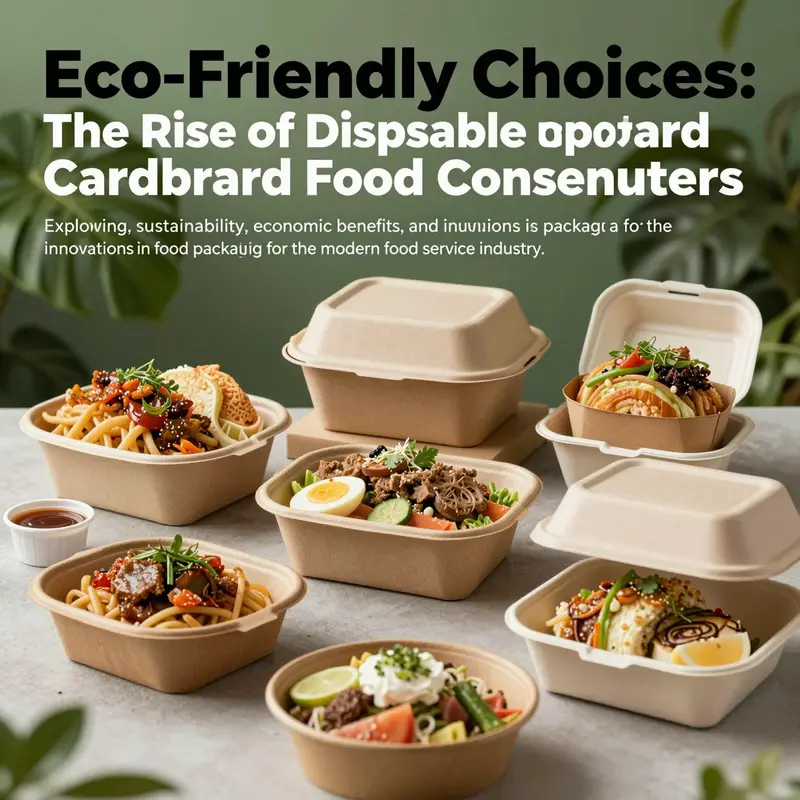
As the food service industry continues to evolve, the adoption of disposable cardboard food containers has become increasingly relevant. These containers play a vital role in enhancing convenience and sustainability for businesses such as bubble tea shops, restaurants, food trucks, and catering services. This article dives deep into three key chapters that highlight the sustainability aspects, economic impact, and technological innovations surrounding these versatile packaging solutions. Through this exploration, stakeholders in food service will find actionable insights into how disposable cardboard food containers can enhance service, align with environmental goals, and boost operational efficiency.
Turning the Takeout Box Green: A Cohesive Sustainability Narrative for Disposable Cardboard Food Containers
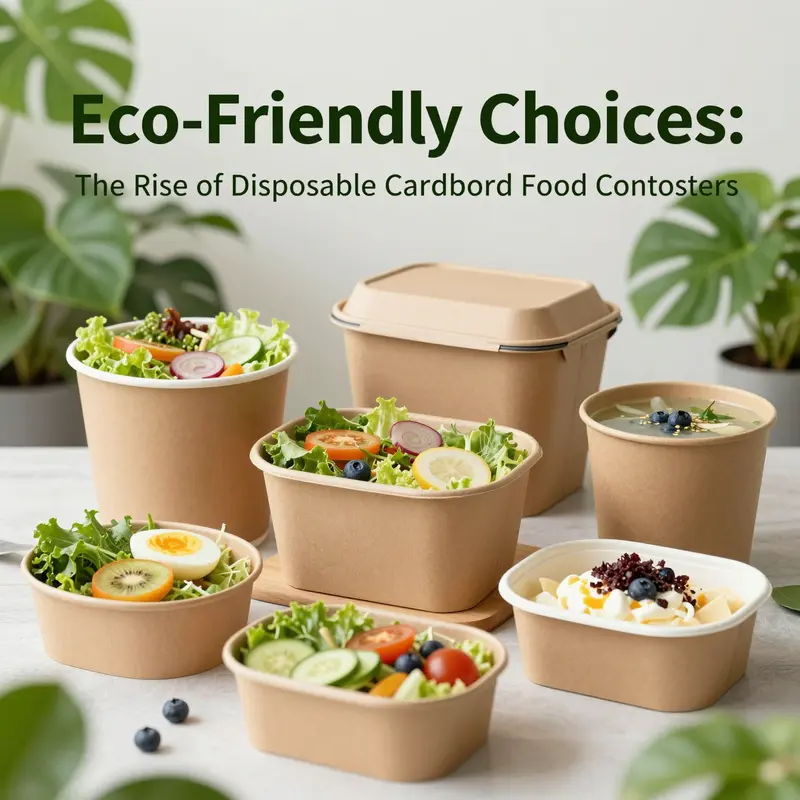
The rise of takeout culture and home meal prep has quietly reshaped a familiar, often overlooked object: the disposable cardboard food container. What began as a convenient repository for hot coffee and cold salads has evolved into a nuanced chapter in the story of sustainability. The container is no longer merely a byproduct of an order; it is a crafted system, a modular component of a circular economy that seeks to balance user convenience, operational efficiency, and the planet’s long-term health. In this chapter, the sustainability of disposable cardboard food containers unfolds as a narrative of materials, design, life-cycle thinking, and practical trade-offs that businesses and communities navigate every day. The focus is not only on what keeps food intact and ships well but also on how the packaging itself travels through the system—from forest to factory floor to landfill or composting facility—and what choices shape its ultimate fate.
A primary driver behind the popularity of cardboard containers is their biodegradability. Unlike many plastics that persist for centuries, cardboard breaks down more readily under appropriate conditions, contributing less to long-term landfill burden. This attribute aligns with a global movement toward reducing plastic pollution and embracing circular economy principles. But biodegradability alone does not tell the full sustainability story. The life cycle of a disposable cardboard container encompasses raw material sourcing, manufacturing energy, transportation, use, and end-of-life management. Each stage influences the container’s environmental footprint and its ability to close the loop in a practical, scalable way.
At the sourcing stage, the raw materials for most cardboard containers are renewable by design. Paperboard and corrugated substrates often originate from responsibly managed forests or from agricultural byproducts such as bagasse, the fibrous residue of sugarcane. Using renewable resources reduces reliance on fossil fuels and helps to lower greenhouse gas emissions associated with material production when compared with many plastic alternatives. The fiber streams used in these containers can, in principle, be replenished or repurposed, provided that forest management and agricultural byproduct utilization follow robust environmental standards. This is not a vague aspiration but a concrete approach that several manufacturers are adopting in tandem with third-party certification schemes and life-cycle assessment tools that quantify impacts across the supply chain.
The lightweight nature of cardboard offers a second, often overlooked sustainability advantage: reduced transportation energy. Heavier packaging means heavier loads, more fuel burn, and higher emissions per shipment. In logistics terms, lighter containers typically enable more efficient vehicle utilization and can lower overall carbon footprints for food service operations, particularly when many individual orders are transported in the same vehicle. The cumulative effect of lighter packaging becomes meaningful when scaled to the thousands or millions of meals moved daily by global food-service networks. Yet weight alone does not guarantee sustainability; it must be coupled with responsible material sourcing and end-of-life options.
To ensure that the practical performance of these containers remains compatible with modern food handling, manufacturers frequently incorporate moisture- and grease-resistant coatings. The coatings are sometimes plant-based or designed to be recyclable or compostable within compatible systems. These coatings help the containers survive the rigors of hot, oily, or moist foods without softening, leaking, or losing structural integrity during transport. They also preserve the feasibility of recycling streams by allowing the base substrate to retain its form and be processed efficiently. The key is to design coatings that perform under real-world use while not obstructing end-of-life pathways. When coatings are overly aggressive or based on non-recyclable additives, they risk compromising the container’s suitability for composting or recycling. In practice, many modern designs strike a balance by using coatings that are compostable or recyclable in appropriate facilities and that avoid introducing persistent plastics into recycling streams.
Another dimension of sustainability lies in material diversity. While standard corrugated and kraft-based boxes remain common, some designs explore fiber blends or byproduct-derived substrates that extend the resource base while maintaining the container’s integrity. The availability of bagasse, agricultural residues, and other renewable fibers broadens the options for creating sturdy, leak-resistant containers without needing virgin plastic coatings. This diversification supports resilience in supply chains, enabling producers to adapt to seasonal variations in material availability and price while maintaining a consistent environmental narrative.
From a design perspective, the optimization of space within warehouses and across delivery routes matters as well. Efficient nesting and interlocking features reduce storage needs and enable more compact loading. This design efficiency translates into fewer trips and less warehousing space, which in turn lowers energy use and greenhouse gas emissions tied to storage and distribution. In practical terms, interlocking and nesting can cut storage requirements by significant margins—figures cited in industry discussions suggest potential reductions of up to about 60 percent in some scenarios when containers are designed to nest efficiently when empty and stack securely when full. Those gains compound with scale, contributing to a reduced environmental footprint across the entire lifecycle.
A further element of sustainability is consumer and institutional behavior around end-of-life management. Since cardboard is ultimately a paper product, it is naturally aligned with recycling streams when properly separated from contaminants. In many regions, compostable designs are promoted for facilities equipped to handle the composting of food-soiled cardboard, closing the loop on the organic waste pathway. Certification schemes and labeling play critical roles here, guiding businesses and households toward compatible end-of-life options and helping prevent contaminated streams that undermine recycling or composting efforts. The underlying message is that sustainability is a system property; it requires compatible materials, processes, and users across the lifecycle and across geographies.
In practice, the market for disposable cardboard food containers supports customization and branding in ways that also influence sustainability outcomes. Customization options, including printing logos and branding in multiple colors, enable brands to reinforce identity while the containers perform their functional roles. However, customization must be balanced with environmental considerations. The most sustainable choices arise when branding does not compromise recyclability or compostability and when colors, inks, and coatings are selected with lifecycle impacts in mind. Suppliers often offer a spectrum of options, from plain, uncoated substrates to coated or laminated versions designed to meet specific use cases. The trade-offs between barrier performance, appearance, cost, and end-of-life performance require careful evaluation by each food-service operation.
When examining the economics behind sustainable cardboard containers, the market reveals a broader, pragmatic story. Bulk production and scalable supply chains enable competitive unit costs that make sustainable packaging attractive for restaurants, caterers, and food-service providers. For example, bulk kraft paper boxes and related containers are widely available at competitive price ranges, with low minimum order quantities that support pilots and rollouts. These commercial realities are essential to the sustainability narrative because they determine whether eco-friendly options are accessible and how quickly facilities can transition away from less sustainable packaging. Even as the conversation emphasizes end-of-life and materials, it is the convergence with cost, reliability, and supplier capability that determines whether sustainable options become standard rather than exceptional.
To illustrate how these considerations come together in the marketplace, consider the breadth of configurations available. Containers come in varied sizes, with or without lids, with divided compartments, or with microwave-safe features to support different stages of food handling. Some advanced models incorporate food-grade aluminum or other metal components to optimize heat retention, though such designs remain less common in the standard disposable cardboard packaging landscape. The inclusion of aluminum—while offering enhanced thermal performance—adds a layer of complexity to end-of-life handling and may constrain recyclability in mixed streams. In practice, this highlights a core sustainability lesson: the most durable, widely adopted solutions are those that maintain compatibility with robust recycling and composting systems and avoid introducing materials that create end-of-life bottlenecks.
An important axis of improvement is the lifecycle approach itself. Lifecycle thinking asks practitioners to look beyond a single attribute—biodegradability, recyclability, or compostability—and consider how each attribute interacts with the others across the product’s journey. For instance, a coating that improves moisture resistance may hinder recycling if it uses non-recyclable additives or if it introduces contaminants. Conversely, coatings derived from plant-based sources can support compostability and reduce reliance on fossil-based resources, provided they are compatible with industrial composting or home composting where appropriate and do not compromise the recycling stream for the base fiber. In other words, sustainability is an integrated design problem rather than a single-performance rubric.
This integrative view also invites reflection on the regionality of end-of-life infrastructure. In some places, curbside recycling and mechanical pulp processes readily accommodate fiber-based packaging with minimal coatings. In others, composting facilities are expanding or evolving to accept food-soiled cardboard. The effectiveness of any cardboard container as a sustainability vehicle depends on the match between the container’s design and local waste-management capabilities. There is a practical dimension here: packaging designers must anticipate how a container will be collected, processed, and ultimately disposed of in real-world systems that vary widely by city, country, and even neighborhood. The better the alignment between design intent and local infrastructure, the closer a container comes to fulfilling its environmental promise.
A useful way to frame these dynamics is through the lens of the lifecycle, from source to end of life. The forest-derived feedstock, if managed well, supports carbon sequestration during growth and provides renewable fiber that, when recycled or composted, can re-enter the materials system rather than becoming long-lived waste. The manufacturing phase consumes energy; efficiency here matters. Advances in process optimization—improved drying, reduced water use, and the use of renewable energy—further tilt the lifecycle in favor of sustainability. Transportation, too, matters. Given the distributed nature of food-service operations, a lighter, compact container can yield tangible emissions savings in distribution networks, especially when paired with optimized packaging design that minimizes empty space and supports efficient stacking.
Within this broader frame, the end-of-life story becomes the hinge on which sustainability turns. The appeal of compostable and recyclable cardboard containers lies not only in their potential downstream benefits but also in the practical reality that many takeout venues generate both packaging waste and food waste. When compostable packaging can be collected with organic waste and processed in appropriate facilities, the container can contribute to nutrient recovery and soil health rather than occupying landfill space. When recycling streams are robust, high-quality fiber can be recovered and reintroduced into paper products. In both cases, the container earns its keep by becoming part of a cycle rather than becoming a legacy waste problem. This is where third-party certifications and standardized end-of-life labeling become critical, guiding businesses toward choices that actually deliver on promised environmental benefits rather than simply enabling marketing claims.
In the marketplace, the balance between performance, cost, and environmental impact remains dynamic. Advances in materials science and circular-economy thinking continually reshape what is possible. For instance, coatings and laminates may be designed to be fully recyclable or compostable, while maintaining impermeability to oils and moisture. Some suppliers have explored renewable fiber blends or post-consumer fibers that can reduce the environmental burden associated with virgin materials. The interplay of these innovations with consumer expectations and regulatory developments matters. As regulations tighten around single-use plastics and as consumers increasingly demand responsible packaging choices, the pressure to optimize life-cycle performance grows more intense. Yet the path to sustainability is not a straight line; it requires careful navigation of trade-offs that reflect the realities of food safety, shelf life, logistics, and local waste-management capabilities.
Consider the practical implications for a typical food-service operation. The sustainability calculus affects procurement decisions, supplier relationships, and daily operations. A restaurant may weigh the benefits of a lighter, more recyclable container against the need for a stronger barrier against leaks when serving hot soups or oily foods. It may value nesting and interlocking for efficient storage in small kitchens or for fleet operations. It may also seek designs that support branding while remaining compatible with local composting or recycling streams. In each case, the decision is anchored in lifecycle thinking: does this container reduce overall environmental impact when all stages are accounted for? Will its end-of-life pathway be accessible and reliable in the locations where the business operates? Will the material choices align with local regulations and customer expectations? These questions are not abstract; they shape the everyday choices that collectively influence the packaging landscape.
The market evidence supports a pragmatic optimism. Disposable cardboard containers are widely recognized not merely as a convenience but as a practical, scalable packaging solution that can align with sustainability goals. Customization options—printing, branding, and even color choices—are not inherently at odds with environmental performance when designed thoughtfully. The key is to integrate material selection, coatings, and format with a clear end-of-life strategy and to avoid configurations that complicate recycling or composting streams. In other words, sustainability gains are most meaningful when they are embedded in design decisions from the outset, not retrofitted after the fact. The result is a packaging solution that can be both functionally robust for hot and cold foods and aligned with the broader objective of reducing waste and conserving resources across the supply chain.
For readers who want to explore a more technical articulation of these principles, one can consult industry-backed synthesis on cardboard food containers that emphasizes responsible design and end-of-life considerations. Such sources summarize how renewable feedstocks, process efficiencies, and modular designs contribute to a more sustainable packaging ecosystem. They also illuminate the complexity of balancing barrier properties, mechanical strength, and recyclability, highlighting that the most sustainable outcomes are achieved when the container design supports efficient separation and processing in existing waste-management infrastructure. The overarching message remains clear: sustainable cardboard containers are not a single feature but an integrated system where material choices, manufacturing practices, logistics, and consumer behavior converge to determine real-world impact.
From a practical standpoint, the transition toward more sustainable cardboard food containers often proceeds through staged improvements. A facility may first adopt containers with greener coatings that still perform under typical food-service conditions. Over time, it may shift toward substrates derived from certified sustainable forestry programs or from agricultural byproducts, expanding options for use with a wider array of foods. At the same time, investments in interlocking or nesting designs can yield meaningful storage and transport efficiencies, enabling both small takeout shops and large-scale caterers to slash energy use and emissions in line with their sustainability targets. And as end-of-life infrastructure—recycling and composting facilities—matures, the upside potential of cardboard containers grows correspondingly, allowing more paths for recovery and reintegration into material cycles.
In sum, the sustainability of disposable cardboard food containers rests on three connected pillars: responsible material sourcing and processing, end-of-life compatibility, and intelligent design that supports logistics efficiency. When these pillars are aligned, cardboard containers can deliver reliable performance for a diverse array of foods—from salads to soups to desserts—while also contributing to environmental objectives. They can be robust enough to resist leaks, light enough to reduce transport energy, and adaptable enough to accommodate branding and consumer preferences. They can be recycled or composted where infrastructure exists, and they can be improved through ongoing research into plant-based coatings, fiber blends, and smarter nesting configurations. The outcome is not a single, perfect solution but a set of aligned choices that, taken together, advance sustainability across the food-service sector.
The conversation around sustainability is not static, and neither is the toolkit available to practitioners. As regulations evolve and consumer expectations shift, manufacturers and buyers alike are urged to evaluate packaging through a lifecycle lens, balancing material science with practical logistics. The most enduring advancements will likely arrive where end-of-life performance, supply-chain resilience, and consumer demand intersect in predictable, reliable ways. In that space, disposable cardboard food containers can continue to evolve—from simple, single-use tools to well-integrated components of sustainable operations that respect the planet without sacrificing the efficiency and experience that make takeout and meal prep so convenient. To stay ahead, stakeholders will need to maintain a steady dialogue among material suppliers, waste-management providers, and food-service operators, ensuring that lessons learned in one region or sector can inform improvements elsewhere. On this front, the broader narrative remains hopeful: with thoughtful design and responsible sourcing, cardboard containers can be champions of sustainability in a world that still relies on practical, scalable packaging solutions.
For readers seeking a tangible example of how these ideas translate into real-world choices, the market offers a spectrum of formats and configurations. See the range of kraft-paper-based options and the specific designs that have been developed to meet various food-handling needs, including heat resistance and leakage control, while maintaining a pathway to recycling and composting where available. The importance of linking design to end-of-life infrastructure cannot be overstated. When a container arrives at its destination, it enters a system that will decide its ultimate fate—the fate that will determine whether the container simply serves its immediate purpose and then vanishes into a landfill or becomes part of a longer, more restorative cycle. In this sense, the cardboard takeout box embodies a microcosm of modern sustainability: a practical object in daily use that, through careful design and responsible management, contributes to a more circular economy rather than contributing to a linear waste problem.
For those who want to explore one concrete example of a sustainability-first approach in packaging, consider the breadth of options within the kraft-paper family. These options illustrate how a single substrate family can support a wide range of use cases—from simple snack boxes to more complex, multi-compartment meal containers—while maintaining compatibility with established recycling streams and, where possible, composting programs. The path forward is less about chasing a single universal standard and more about cultivating robust, regionally appropriate solutions that align with waste-management realities and climate goals. In the end, the success of disposable cardboard food containers rests on the clarity and consistency of the choices made by designers, manufacturers, restaurateurs, and households alike. When everyone in the chain embraces lifecycle thinking, the box that carries today’s meal can become part of tomorrow’s resource loop, rather than today’s disposable waste.
External reference for further reading: https://www.sustainablepackaging.org/insights/cardboard-food-containers
Internal link example (for cross-reference within the article): For a practical view of a specific kraft-paper soup container design that supports bulk ordering and reliable performance, see the selection of disposable kraft-paper-soup-containers-with-lids-ready-bulk-takeaway-bowls-noodle-soup-container. This example demonstrates how a well-designed container can balance barrier properties with end-of-life considerations, a balance that is central to the sustainability narrative described above.
From Box to Balance Sheet: The Economic Footprint of Disposable Cardboard Food Containers in Food Service
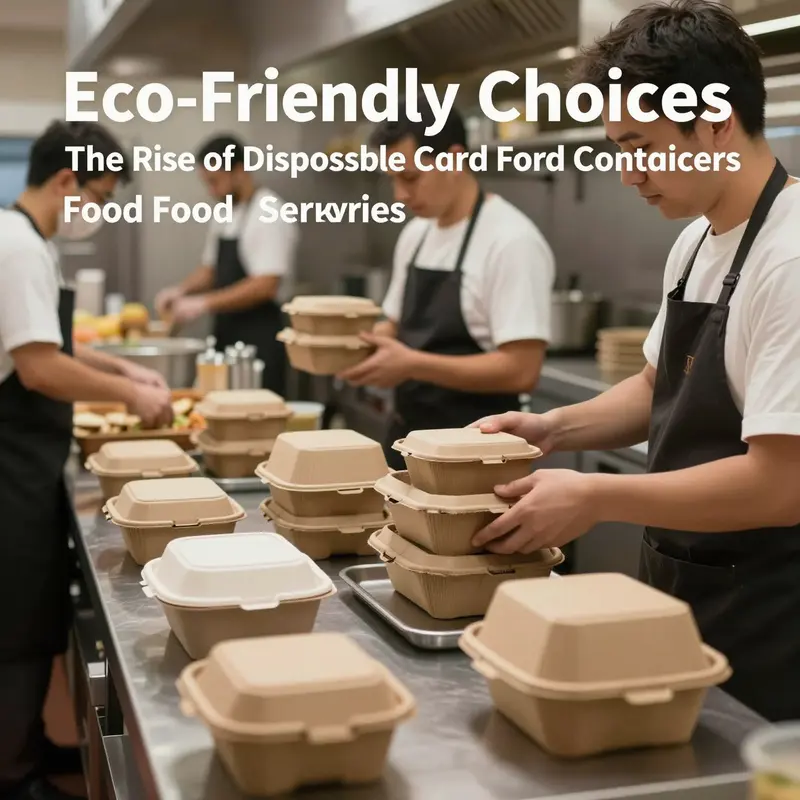
The rise of disposable cardboard food containers has quietly reshaped the economics of food service, moving beyond a mere packaging decision to become a strategic lever that touches costs, operations, branding, and sustainability. In a landscape where margins are tight and customer expectations are evolving, these containers function as more than conveyances for meals; they influence the velocity of service, the reliability of a kitchen, and the longevity of a brand’s relationship with its patrons. To understand their economic impact, it helps to trace how material choices ripple through the chain—from raw materials and manufacturing to distribution, usage, and end-of-life processing—and how those ripples translate into cost structures, risk allocations, and strategic opportunities for operators at scale and those serving occasional gatherings alike.
At the heart of the cost story is price per unit and the economies of scale that accompany mass production. As of 2025, disposable cardboard food display packaging containers command a price range from roughly US$0.33 to $2.00 per piece. The spread reflects variations in size, construction, coatings, and finish, as well as differences in supplier capabilities and geographic sourcing. A key economic reality is the minimum order quantity, often around 50,000 pieces for many manufacturers. This MOQ embodies the economies of scale that drive unit costs downward but also constrains smaller operators or seasonal players who may struggle to justify or mobilize such volumes. Yet, for large-scale kitchens, caterers, and multi-site operators, the MOQ can unlock favorable unit economics and more predictable budgeting over time. In practice, these dynamics push many operators toward longer planning cycles and standardized containers across menus, which, in turn, reduces warehousing complexity and procurement variability.
The cost narrative is inseparable from material choice. Cardboard containers are typically built from corrugated cardboard or kraft paper, materials that derive in part from renewable agricultural waste streams. The shift away from petrochemical-based packaging toward renewable inputs helps attenuate raw material exposure to volatile plastics markets while aligning with broader sustainability goals that often carry their own financial implications, including potential incentive programs and favorable regulatory treatments. When these materials are coupled with coatings designed for grease resistance and leak prevention, the price picture can become more nuanced. A grease- and oil-resistant coating adds to production costs but can significantly reduce food spoilage and exterior staining, thereby preserving product quality during transit and on display. This, in turn, lowers the cost of lost or compromised product, a subtle but meaningful lever on the total cost of ownership for takeout operations and catered events.
From an operational standpoint, the structural design of these containers—especially double-wall corrugated configurations—provides enhanced durability and thermal insulation. The implications for cost are tangible. Improved structural integrity reduces the likelihood of crush damage during handling, stacking, and transport. It also minimizes spillage and leakage, which translates into lower waste, fewer staff interruptions, and less time spent on re-packaging or cleaning—each a small but cumulative reduction in labor costs and product loss. For high-volume events, where tens of thousands of meals may move through a single service window, those small gains compound into meaningful bottom-line benefits. Temperature stability is another critical factor. While not all cardboard containers are microwave-safe, certain designs and coatings enable more stable temperature profiles over longer periods. This is particularly valuable for buffets, cold-seated salads, and desserts where temperature control correlates with consumer satisfaction and the perceived value of the service. The ripple effect is clear: better packaging quality elevates service reliability, reduces waste, and supports a smoother handoff from kitchen to customer.
The economic calculus also includes the channel and context in which these containers are deployed. Cardboard solutions have become widely accepted across a spectrum of settings, from casual takeout to formal catering and corporate events. In each scenario, the packaging choice communicates a brand promise—one of practicality, responsibility, and modern efficiency. As consumer demand grows for environmentally friendly packaging, operators increasingly view cardboard containers not just as cost centers but as strategic branding tools. An eco-conscious image can influence willingness to pay, customer loyalty, and repeat business, particularly in environments where packaging is visible and part of the total experience. The branding potential is enhanced by the ability to customize, with options like multi-color logo printing and bespoke graphics. The capacity to print up to six colors can help transform a disposable container into a visible extension of a brand, reinforcing recall and perceived quality with a relatively modest incremental cost per unit. In practical terms, this means a restaurant or caterer can strengthen its market position without a significant capital outlay for new equipment, while also signaling environmental stewardship to a growing segment of consumers who factor packaging choices into their purchasing decisions.
Customizability is not merely cosmetic; it can be a meaningful contributor to operational efficiency and customer perception. Packaging that carries consistent branding and clear labeling reduces the cognitive load on staff and customers alike. For example, containers that bear consistent, legible branding can streamline order fulfillment and reduce mix-ups in busy service lines. They can also support compliance and traceability in large organizations where color codes or logos assist staff in quickly identifying container types for different food items, temperatures, or dietary considerations. In this regard, the shift toward branded, standardized packaging intertwines operational discipline with marketing strategy, yielding both cost containment and revenue protection through improved service quality and customer trust. The opportunity to partner with manufacturers that offer streamlined, scalable customization—such as bulk printing capabilities or co-branded packaging programs—can further optimize the financial equation for operators who must balance aesthetics, function, and cost in a crowded market.
Sustainability considerations add a further layer to the economic story. Cardboard packaging is frequently highlighted for its potential to be compostable or recyclable, aligning with rising environmental regulations and consumer expectations. The life-cycle perspective matters here because the environmental profile of packaging can influence regulatory costs, waste disposal fees, and eligibility for government incentives tied to sustainable practices. While the recyclability or compostability of cardboard depends on coatings and adhesives, improvements in greaseproof films and inner liners have expanded the range of foods that can be packaged with minimal compromise to end-of-life outcomes. The upshot for economics is twofold: potential reductions in waste disposal costs and the possibility of eligibility for sustainability-linked incentives or credits. For operators, this translates into a reduced risk of future regulatory volatility and a clearer pathway to align packing practices with corporate social responsibility goals without sacrificing financial performance. The narrative, therefore, becomes a balance—leveraging the natural cost advantages of renewable materials while managing coatings, adhesives, and design choices to preserve recyclability and compostability where possible.
Quantifying the long-term financial benefits requires considering the total cost of ownership, not merely the purchase price. When cardboard containers support longer product shelf-life in real-world conditions and minimize spoilage, they contribute directly to reduced waste costs. In food service, waste is not only a cost item on the income statement; it also signals process inefficiencies and can influence supplier contracts, inventory turns, and staffing needs. Containers that maintain integrity during transit and service reduce the need for emergency substitutions, which in turn stabilizes labor scheduling and supplier relationships. For operators managing multiple sites, standardized packaging can simplify logistics, reduce the complexity of stockkeeping, and simplify training for front-line staff. Over time, these efficiencies can translate into higher operating margins, better budgeting accuracy, and the potential for scalable growth without proportionate increases in packaging expenses.
One must also consider the procurement landscape that supports these containers. Global manufacturing hubs, especially in major ports, enable scalable supply at competitive prices but introduce exposure to supply chain disruptions, lead time variability, and currency risk. The ability to secure reliable supply at predictable costs hinges on supplier relationships, demand forecasting, and the agility to switch between sizes, coatings, or formats as menus and service models evolve. For many operators, leveraging a diverse supplier base and maintaining safety stock in a non-traditional packaging category can mitigate risk while preserving cost control. Suppliers often offer sample orders at minimal cost, providing a practical means to assess fit with product quality and operational needs before committing to larger scale buys. This risk management approach protects capital and helps ensure that packaging decisions align with broader procurement strategies and the organization’s financial tolerance for volatility.
Another dimension of the economic impact lies in the potential for government incentives and regulatory alignment. As single-use plastics regulations tighten globally, cardboard-based solutions frequently emerge as preferred alternatives. Compliance advantages can include eligibility for grants, tax incentives, or favorable labeling requirements, all of which contribute to the broader financial calculus of choosing disposable cardboard containers. These incentives can support capital investments in more advanced manufacturing capabilities, such as improved coatings or more efficient production lines, thereby driving additional cost savings and throughput improvements over time. In regulatory environments that privilege compostable designs, firms that invest in cardboard packaging with end-of-life advantages may also gain reputational capital that translates into customer preference and loyalty—an intangible but real economic asset.
To ground these observations in a concrete data point, consider the experience of large-scale takeout and catering operations that standardize on a specific class of containers. The consistency of container sizing, the reliability of coatings, and the predictability of procurement metrics enable such operations to forecast monthly packaging spend with greater accuracy. The predictability reduces the variance in cost per meal, which can be especially valuable in contract catering and corporate events where budgets are tightly constrained and margins compressed. When combined with branding opportunities and the perception of sustainability, these factors collectively influence the willingness of clients to engage in longer-term partnerships, thereby stabilizing revenue streams and supporting ongoing investment in service quality and expansion. The economic narrative thus converges on a central insight: the right disposable cardboard packaging strategy blends cost control, operational efficiency, and brand value into a coherent and scalable business model.
To illustrate how these threads come together in practice, it is helpful to reflect on the lifecycle of a typical takeout order. The journey begins with procurement, where price per unit, MOQ, and supplier reliability shape the base costs. Moving to service, double-wall designs and greases-resistant coatings reduce waste and spoilage, while allowing for safer handling and more consistent temperatures. During transport, the container’s integrity translates into fewer incidents of leaks, stains, and customer complaints, all of which carry downstream costs in the form of refunds, replacements, or reputational harm. Instore and post-service processing, including recycling or composting, depend on coatings and materials chosen, and they can influence disposal fees or eligibility for recycling programs. Each stage contributes to the total cost of ownership, while simultaneously delivering revenue protection through improved customer satisfaction and brand alignment with sustainability. The net effect is that a well-executed packaging strategy becomes a strategic asset rather than a mere expense line item.
In mapping these economic dynamics, one practical takeaway for operators is the importance of aligning packaging choices with menu strategy and service models. For instance, a restaurant that emphasizes casual, rapid-service takeout may prioritize highly scalable, grease-resistant, and temperature-stable containers that streamline assembly and handoff. A caterer focusing on events with longer transport legs or more elaborate service setups might favor stronger insulation and leak resistance to minimize food spoilage during longer delivery windows. In both cases, the capacity to customize packaging, including branding and color-coding, supports a cohesive customer experience while enabling operational standardization that reduces variance and cost per unit over time. The synergy between functionality, cost discipline, and branding is the fulcrum on which the economic case for disposable cardboard containers rests.
The economic narrative would be incomplete without acknowledging potential trade-offs and risk factors. The very coatings and adhesives that confer grease resistance and leak prevention can, in some instances, influence end-of-life outcomes. Some coatings may complicate recycling or compostability unless properly managed within local waste streams. This introduces a cautionary note for procurement teams to balance performance with end-of-life goals and regulatory constraints. Likewise, while aluminum-enhanced thermal performance is possible in certain advanced designs, these options are less common and can alter the cost-benefit calculus. Operators must weigh the incremental thermal advantages against higher material costs and potential impacts on recyclability. The prudent path is to adopt a design philosophy that emphasizes performance in the most critical food categories while preserving end-of-life flexibility where possible. In this sense, packaging decisions become a collaborative exercise across procurement, operations, sustainability, and finance, ensuring that every dollar spent on containers reinforces the enterprise’s strategic priorities rather than complicating them.
Finally, the broader market dynamics merit attention. The container market is increasingly characterized by a move toward standardized, scalable formats that can be produced in bulk and distributed across diverse geographies. As demand from large platforms and food service operators grows, suppliers are investing in capacity, customization capabilities, and logistics networks that shorten lead times and reduce costs. This intensification of supplier competition tends to push unit prices downward while offering more advanced features, such as better coatings, clearer labeling, and more robust printing options. For operators, this translates into greater bargaining power and the opportunity to optimize the mix of container types by investing in the most impactful formats for their specific service models. The net result is a packaging ecosystem that rewards efficiency, reliability, and sustainability, while enabling food service businesses to concentrate resources on core competencies—cooking, service, and guest experience.
To anchor this discussion in practical terms, consider the following takeaway: the economic impact of disposable cardboard containers arises not from any single attribute but from the orchestration of material science, design engineering, supply chain logistics, and strategic branding. When these elements align, operators gain a cost structure that supports competitive pricing, reliable service, and responsible stewardship of resources. The value is not simply in saving money on packaging but in enabling a more predictable operating model, a stronger brand narrative, and a future-ready approach to waste management. In a market where sustainability and efficiency increasingly define success, disposable cardboard containers emerge as a practical, scalable, and increasingly essential component of modern food service. The conversation, then, moves beyond the initial purchase and toward a holistic, long-term strategy that treats packaging as an integrated part of operational excellence and financial resilience.
Internal link reference: As packaging strategies evolve to support branding and takeout efficiency, operators often explore customizable options that align with event design and themed experiences. See more about adaptable packaging choices at the following resource: custom-takeaway-packaging-supplies-disposable-tableware-for-theme-party.
External data source: For a compilation of market data, pricing, and production scalability related to disposable cardboard food containers, see the following external source: https://www.alibaba.com/product-detail/Disposable-Cardboard-Food-Display-Packaging_1600789464659.html
From Coatings to Intelligence: The Tech Revolution in Disposable Cardboard Food Containers
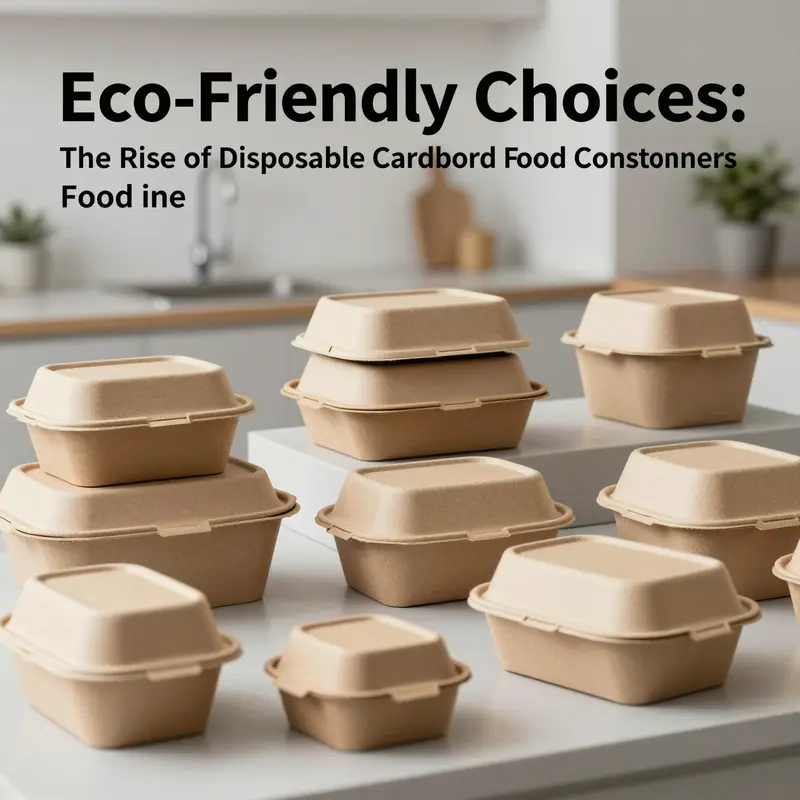
In the world of food service, the cardboard box has long carried a reputation for being a humble workhorse: cheap, light, disposable, and seemingly simple. Yet beneath that simplicity lies a rapidly evolving field where material science, packaging engineering, and sustainability converge. Disposable cardboard food containers are no longer a single-purpose, one-size-fits-all solution. They have become a platform for performance, safety, and experience—designed to handle a spectrum of foods from leafy greens to creamy soups, from delicate desserts to hearty hot entrees—while addressing growing environmental concerns and shifting consumer expectations. The chapter that follows traces how this transformation is taking shape, focusing on the most consequential technological shifts and the implications they hold for restaurants, caterers, and households alike. It is a story of interfaces and materials, of coatings and composites, of the subtle choreography that keeps foods fresh, intact, and ready to enjoy, all within a package that can be disposed of responsibly.
The core driver behind these innovations is the same concern that pushes many packaging decisions today: reducing environmental impact without sacrificing usefulness. Cardboard, in its corrugated and kraft forms, is inherently recyclable and compostable in many municipal settings. But to compete with plastics on leak resistance, heat handling, and shelf stability, cardboard must be engineered—coated, layered, and sometimes embedded with active features—so that it behaves like a better plastic while still offering end-of-life advantages. The result is a family of containers that can be tested for microwave safety, designed to resist oil and moisture, and equipped to communicate the condition of the contents through smart indicators. In practice, this means that what used to be a single-use liner now exists as a sophisticated, multi-functional packaging option that can be customized for branding, temperature control, and even product integrity.
One of the most foundational advances in this space is the use of PLA-coated cardboard. PLA, or polylactic acid, is a biodegradable polymer derived from renewable resources such as corn starch or sugarcane. When applied as a coating to cardboard, PLA forms a barrier against water and grease. This barrier is not merely a protective layer; it preserves the appearance and integrity of the food inside. For soups and sauces, the coating helps prevent seepage and sogginess, while for salads and dry foods it helps maintain a crisp texture. Crucially, PLA-coated cardboard remains compostable in facilities designed to process bioplastics, aligning with broader goals to reduce single-use plastics and their environmental footprint. The trade-off—if it can be called that in this context—is a careful balance of heat tolerance and composting compatibility. PLA behaves differently from conventional polyethylene or other petroleum-based coatings, especially under high heat or industrial composting conditions. Yet the trajectory is clear: a coating that preserves performance while preserving the option for composting at end of life.
Beyond coatings, the integration of active packaging features represents a meaningful leap in how cardboard containers protect and extend the freshness of food. Modern designs increasingly embed functional components that manage the internal microclimate of the package. Oxygen scavengers can consume residual oxygen inside the container, reducing oxidation and slowing spoilage for products with a shorter shelf life or more delicate produce. Moisture absorbers help guard against condensation that can cause sogginess or moisture-related quality degradation, especially for moist dishes or cushions of sauce that might migrate under pressure. Antimicrobial coatings or surface treatments provide an additional layer of protection against surface contamination, a consideration that has grown in importance amid heightened food-safety expectations. Perhaps most compelling for the consumer is the advent of time-temperature indicators (TTIs). These tiny sensors, embedded within the packaging, deliver a simple, visible signal if the product has been exposed to unsafe temperatures during transit or storage. For takeout and delivery services, TTIs can become a concrete, trust-building feature, offering a tangible assurance that a meal has not spent excessive time in the temperature danger zone.
The impact of these technologies is felt across the lifecycle of the container, from manufacturing to disposal. Composite cardboard materials, another major strand of innovation, represent a more robust response to the demands of modern food service. By layering recycled paperboard with carefully selected adhesives and reinforcing structures, manufacturers can produce containers that resist deformation under heat and pressure. These composites are engineered to accommodate hot foods and, in some cases, are designed for microwave-safe use. The aim is not merely to survive heat, but to do so without compromising recyclability or compostability. The resulting products provide a reliable shape under load, maintain seal integrity with lids or dividers, and retain their mechanical properties in the face of accidental bumps during transit. In addition to performance, these materials respond to the practicalities of bulk production: they can be manufactured at scale, meet stringent safety standards, and be offered in a family of sizes and configurations that align with different menu formats.
R&D in this field has become more interdisciplinary and more data-driven. Sustainable packaging research, including studies in scholarly journals, continues to explore new material combinations and processing methods that optimize performance while reducing environmental footprint. The aim is to close the loop between functionality and end-of-life options, ensuring that customers can dispose of containers through recycling streams or composting facilities without extensive processing or contamination. This research also addresses lifecycle trade-offs, such as the energy footprint of coatings, the recyclability of multi-layer substrates, and the compatibility of adhesives with recycling systems. The broader objective is to deliver packaging that behaves like a modern plastic in everyday use—waterproof, grease-resistant, heat-tolerant, and durable—while offering a cleaner, more responsible end-of-life story. For readers who want to dive deeper into the latest design strategies for takeaway packaging, contemporary literature in sustainable design offers a rich, citable resource that complements the practical innovations observed in the field.
Within the business landscape, these technological shifts translate into tangible opportunities and constraints. The market recognizes the value of packaging that can handle diverse food formats, provide reliable performance during delivery, and align with sustainability goals. This has opened doors for brands to offer customization beyond simple branding. Printing capabilities now extend to multiple colors, enabling a cohesive brand experience that travels from counter to consumer hands and back into waste streams with a clear identity. Customization is not only about aesthetics; it is increasingly about function. Designers are experimenting with printed internal dividers, labeling that communicates freshness cues, and forms that support easy stacking and storage in crowded kitchens. Yet every added feature invites trade-offs. More complex coatings, additional layers, or embedded indicators can affect recyclability or compostability, so engineers are balancing user experience with material compatibility and end-of-life outcomes. In practice, this means a careful product development process that evaluates performance under both dry and wet conditions, assesses heat exposure in transport, and confirms compatibility with local waste management infrastructure.
For the operators who rely on these containers, the economics matter as much as the engineering. Bulk manufacturing of kraft or corrugated boxes with coatings or composites can be economical at scale, with options for customization and branding via color printing, embossing, or windowed designs. It is not unusual to see minimum order quantities in the tens of thousands, with per-unit pricing in a range that reflects material choices, coating types, and the thickness of layered constructions. The numbers reflect a pragmatic calculus: the container must be affordable enough to be used as a disposable solution, yet robust enough to protect a valuable product and sway a customer toward repeat ordering. In addition, the possibility of procuring samples at negligible cost—potentially a few cents per piece—allows food-service providers to test performance and aesthetics before committing to larger purchases. The result is a packaging ecosystem that rewards choices aligned with menu needs, delivery expectations, and sustainability commitments.
As technology reshapes what is possible, it also reframes how we evaluate success in packaging. If a container fails, the consequences ripple through food quality, customer satisfaction, and brand reputation. A leaky lid can ruin a fragile dessert; a container that sags under a hot curry can topple a takeout bag and spoil the experience. These incidents are not merely nuisances; they represent lost trust and potentially higher costs from returns or complaints. The innovations described—PLA coatings, active packaging components, and composite materials—are designed to minimize such risks. They enable the packaging to hold up under the rigors of takeout and delivery, to support a broader range of textures and temperatures, and to maintain their performance across the varying conditions that characterize modern takeout logistics. In other words, the packaging becomes a partner in the culinary journey rather than a passive vessel.
The discussion also needs to acknowledge the end-of-life realities that accompany these innovations. Compostable coatings, such as PLA, are not universally accepted by every municipal program. Some facilities handle bioplastics with the same protocols as conventional plastics, while others require dedicated streams or specific industrial composting environments. The same complexity applies to multi-layer composites that blend paper with barrier coatings or adhesives. Recyclers may face challenges when adhesive residues or mixed materials complicate separation. The industry response has been to push toward designs that preserve recyclability or compostability in common waste streams while communicating clearly to consumers how to dispose of the container properly. In practice, this means packaging that can be disposed of with minimal sorting if local facilities permit, as well as clear labeling that helps users understand whether a given product belongs in the recycling, compost, or general waste stream. These considerations underscore an ongoing collaboration among packaging technologists, waste management professionals, and policymakers to align product design with what happens after the meal is finished.
A crucial takeaway from the current trajectory is that the cardboard container is not merely a substitute for plastic—it is a platform for a more nuanced approach to sustainability and performance. The design space is expanding in ways that enable restaurants to meet a broader set of operational needs. Labels and structural features now enable compartments for sauces, separate sections to prevent cross-contact in allergen-conscious kitchens, and lids that maintain heat while reducing the risk of leaks. Designers are exploring windowed panels for visual appeal without compromising seal integrity, reinforcing the idea that form and function can reinforce each other. The broader industry narrative is moving toward containers that can be adapted quickly to seasonal menus, promotional events, or special dietary considerations, while remaining true to the central goals of environmental stewardship and consumer safety.
In terms of practical implementation, one can observe the convergence of three threads: material science, manufacturing processes, and supply-chain logistics. Material science provides the foundation—coatings, composites, and active elements that deliver specific properties. Manufacturing processes translate those materials into scalable products—coating techniques, bonding methods, and quality control measures that guarantee uniform performance across millions of units. Supply-chain logistics ensure that these products reach kitchens efficiently, with options for quick customization and reliable delivery schedules. It is within this triad that the true value of technological innovation in disposable cardboard containers emerges. The packaging becomes not only a container but a facilitator of operational efficiency, a vehicle for brand expression, and a contributor to environmental objectives that increasingly influence purchasing decisions.
In the broader picture, the technology within disposable cardboard food containers is moving toward a future in which performance is seamless and predictable. Consumers want their meals to arrive hot, intact, and ready to enjoy, while environmental concerns demand that packaging materials can be recovered or recycled with minimal impact. The developments described—PLA coatings that respect compostability, active features that extend freshness, and robust composites that withstand heat and handling—offer a compelling path to meet these dual expectations. The potential for further breakthroughs remains, including smarter packaging that communicates real-time status of the contents, more energy-efficient manufacturing methods, and coatings that degrade more predictably in diverse waste streams. Each step forward is not merely a technical achievement; it is a strategic alignment of product design, consumer experience, and planetary stewardship.
As readers move through the landscape of takeaway packaging, a practical image begins to emerge. Imagine an array of containers designed to accommodate a spectrum of foods, each with a tailored coating or composite that optimizes its particular use case. A hot entrée in a heat-resistant composite, a salad in a PLA-protected box that resists moisture while remaining compostable, a dessert cup with a light barrier to prevent leakage, or a multi-compartment box that keeps flavors separate while presenting a cohesive brand story. The integration of active packaging features could provide reassurance to customers about freshness during long commutes or delays, while time-temperature indicators offer a simple, actionable cue for safe consumption. These are not speculative fantasies; they are present-day possibilities built on the progressive science of materials, the ingenuity of packaging design, and the pragmatic realities of scale manufacturing.
For practitioners, the path forward involves balancing performance, cost, and end-of-life outcomes while staying responsive to customer preferences. The opportunities extend beyond the kitchen to the broader environment, offering a tangible way to reduce waste and improve efficiency without compromising the dining experience. The chapter you just read is not a catalog of labels and coatings; it is a narrative about how cardboard, once dismissed as a disposable convenience, is being transformed into a sophisticated platform capable of supporting the future of takeout and ready-to-eat meals. The evolution is ongoing, shaped by ongoing research, evolving regulations, and the changing expectations of customers who care about both what they eat and how it is packaged. In that sense, the humble box is becoming a blueprint for a more sustainable, more resilient, and more intelligent food ecosystem.
As with any emerging technology, stakeholders must remain attentive to the practicalities—how coatings interact with a range of foods, how adhesives are managed within recycling streams, and how consumer instructions influence disposal behavior. But the overarching trend is clear: disposable cardboard containers are not a static convenience. They are a dynamic class of packaging that adapts to the demands of modern food service, from the kitchen to the curbside to the waste stream. The result is a packaging system that can be both kinder to the environment and more aligned with the realities of contemporary dining—one that supports speed, safety, and satisfaction while keeping a careful eye on the life after the meal is done.
Internal link reference for further reading on a practical, eco-conscious option in the multi-compartment category: eco-friendly three-compartment takeout boxes.
External reading for broader context on innovative takeaway packaging design and sustainability: see the scholarly discussion on design approaches and material innovations in takeout packaging at the following resource: https://www.mdpi.com/2076-3417/13/8/4567
Final thoughts
Disposable cardboard food containers are increasingly becoming a vital element in the food service sector. Their eco-friendly nature, cost efficiency, and continuous technological advancements make them an optimal choice for businesses serious about sustainability and quality service. As trends continue to shift towards environmentally responsible practices, adopting these containers can significantly enhance operational capabilities while meeting consumer demand for sustainable options. Thus, making the switch to disposable cardboard food containers is not just beneficial—it’s essential for forward-thinking enterprises aiming for success in a competitive landscape.