
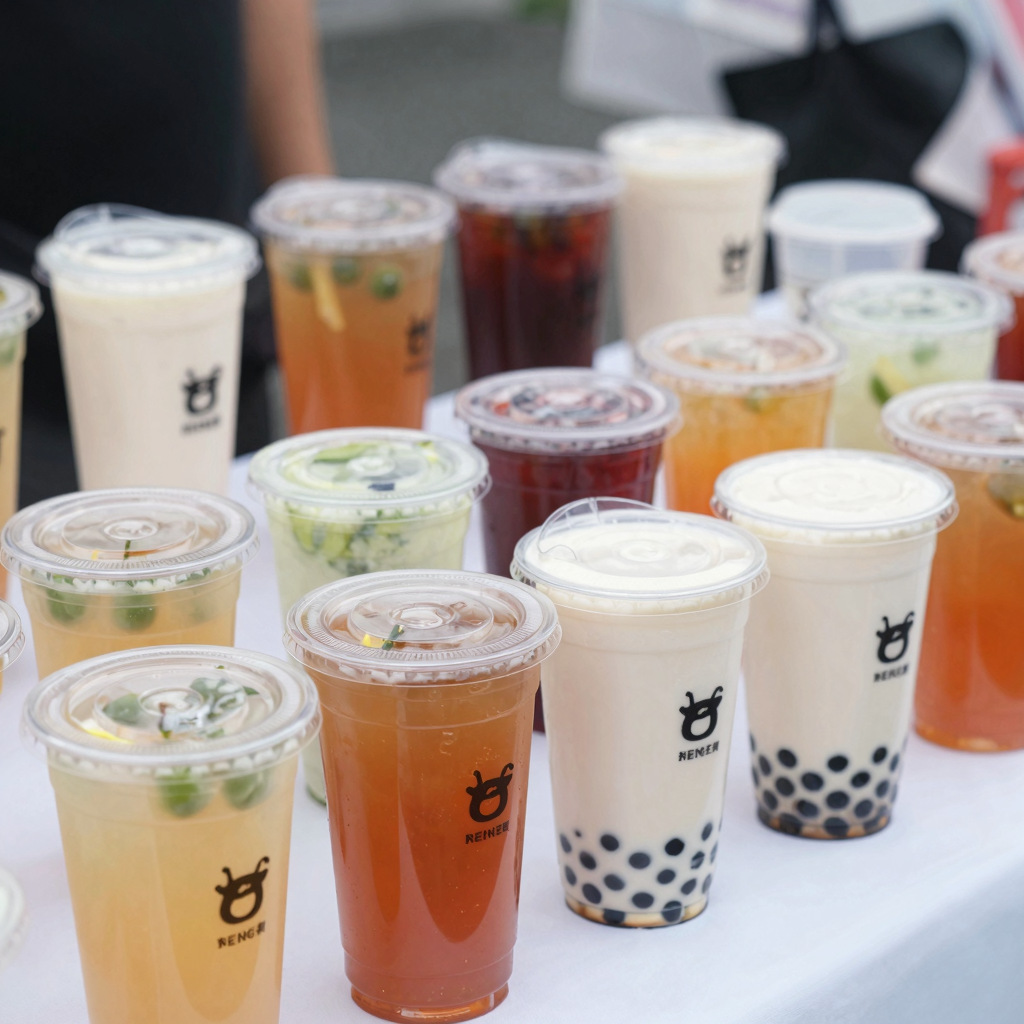
In the bustling landscape of the beverage industry, disposable clear plastic cups with lids have emerged as one of the most sought-after products among beverage chains, bubble tea shops, and restaurants. Their growing popularity can be attributed to their versatility and functionality, making them an essential item for businesses catering to on-the-go customers. Whether it’s a refreshing iced tea, a colorful bubble tea or smoothies packed with fruits, these cups provide not just convenience but also a way to showcase the vibrant beverages they hold. Their secure lids prevent spills, making them ideal for outdoor events, food trucks, and busy catering services where mobility is key. Furthermore, with a myriad of sizes and styles available for wholesale purchase, these cups are a perfect fit not only for everyday use but also for special occasions and celebrations. As the demand for takeout options continues to rise, embracing the trend of using clear plastic cups can elevate a brand’s image while ensuring a more sustainable approach, especially when considering options that minimize environmental impact. For more related products, check out our extensive selection of delivery essentials that can enhance your customer experience at every event.
Benefits of Using Disposable Clear Plastic Cups with Lids
Using disposable clear plastic cups with lids offers several advantages for businesses such as bubble tea shops, catering services, and restaurants. Here’s a list of key benefits:
- Convenience: These cups are lightweight and easy to stack, making them a breeze to transport and store.
- Safety: Lids help prevent spills and reduce the risk of accidents, ensuring that beverages remain safe for customers while on the go.
- Cost-Effectiveness: Economically priced, these cups provide an affordable solution for serving drinks without compromising quality.
- Visibility: The clear design allows customers to see the contents, enhancing the appeal of colorful beverages and making it easier to promote cold drinks.
- Eco-Friendliness: Many clear plastic cups are made from recyclable materials, and businesses can opt for biodegradable alternatives, reducing environmental impact. For instance, cups made from sugarcane bagasse reduce carbon emissions by up to 60% compared to traditional plastic options (learn more about sustainable cups).
- Versatility: Suitable for various drinks, these cups can handle both hot and cold beverages, catering to a wide range of customer preferences.
Comparing Different Types of Clear Plastic Cups
When it comes to choosing the right disposable clear plastic cups for your business, options abound. Here’s a comparison of three popular types based on key characteristics like sizes, materials, price ranges, and lid compatibility:
| Type | Sizes | Material | Price Range | Lid Compatibility |
|---|---|---|---|---|
| Crystal Clear Plastic Cup | 8 oz, 16 oz, 32 oz | PET, PP, PLA | $0.10 – $0.30 each | Compatible with standard PP lids |
| Eco-Friendly PLA Cup | 16 oz, 20 oz | PLA | $0.24 – $0.70 each | Special PLA lids available |
| Classic Polypropylene Cup | 10 oz, 12 oz, 20 oz | PS, PP | $0.15 – $0.50 each | Standard lids only |
Material Insights:
- PET (Polyethylene Terephthalate): Known for clarity and strength. Ideal for hot and cold liquids.
- PP (Polypropylene): Offers temperature resistance, perfect for coffee or hot beverages.
- PLA (Polylactic Acid): Biodegradable plastic made from renewable resources, suitable for environmentally conscious businesses.
Price Points:
- Crystal Clear Plastic Cups are often the most affordable with diverse sizes.
- Eco-Friendly Cups might be slightly higher in cost but attract eco-friendly consumers.
- Classic Polypropylene Cups pricing varies based on sizes and provide durability at a competitive price.
Choosing the right type of cup can enhance your customer experience and align with your business values. For additional options, you might want to check our various cup selections.
The Importance of Safety Standards in Disposable Tableware
In the food and beverage industry, particularly for businesses such as bubble tea shops, restaurants, and food trucks, the importance of safety standards in disposable tableware cannot be overstated. Regulatory bodies, including the U.S. Food and Drug Administration (FDA), mandate that disposable items like cups and containers comply with strict safety standards to prevent harmful substances from leaching into food and beverages. When materials such as plastics are under conditions of heat or acidity, there is a risk for chemical migration that can lead to health hazards, including endocrine disruption caused by substances like bisphenols and phthalates.
Moreover, the European Union enforces similar regulations such as Regulation (EC) No 1935/2004, which emphasizes that all materials used in disposable tableware must not transfer hazardous substances to food. Compliance with these safety standards helps businesses mitigate risks associated with product recalls and potential legal issues, reinforcing consumer trust and loyalty. For instance, strict adherence to safety protocols not only protects public health but also enhances a company’s reputation in a highly competitive market.
Businesses must prioritize compliant disposable products, as the consequence of using non-compliant tableware can include not only health risks for consumers but also financial repercussions. Companies found in violation of safety regulations face penalties and sanctions, which can significantly impact their financial standing. Hence, investing in safety-compliant disposable tableware is crucial for businesses aiming for long-term success and consumer satisfaction.
Market Demand for Disposable Plastic Cups
The market demand for disposable plastic cups, particularly in the bubble tea and broader beverage sectors, is witnessing significant growth fueled by various consumer trends and lifestyle changes.
Key Statistics:
-
According to Grand View Research, the global disposable cups market was valued at over $15.88 billion in 2025, with projections to grow to $27.38 billion by 2035, reflecting a compound annual growth rate (CAGR) of approximately 5.6%. This growth is driven by urban living, increasing demand for takeaway food, and the restaurant industry’s reliance on convenient packaging.
-
A report from Statista indicates that the global disposable plastic cup market size was $17.41 billion in 2024 and is expected to expand at a CAGR of 3.7%, reaching around $23 billion by 2030. This surge is notably supported by the beverage industry, with significant contributions from non-alcoholic drinks such as bubble tea, coffee, and juices.
-
Additionally, insights from the 2026 Bubble Tea Plastic Cups report reveal that bubble tea has become a central consumer trend, serving as a key driver of market demand. Aesthetic packaging and sustainable options are increasingly important to young consumers, who value customizable and eco-friendly solutions.
This growing market presents excellent opportunities for businesses involved in the wholesale supply of disposable plastic cups, particularly those targeting beverage chains and bubble tea shops as they seek to meet consumer demands for convenience and sustainability.

Conclusion
In today’s fast-paced market, businesses that prioritize quality and reliability in their packaging choices stand out. Disposable clear plastic cups with lids not only enhance the presentation of your beverages but also ensure seamless service and satisfaction among your customers. Whether you run a bubble tea shop, restaurant, food truck, or cater events, these cups offer unmatched convenience, cleanliness, and versatility.
By partnering with a trusted wholesale supplier like Eco Cup Bowl, you gain access to a wide range of eco-friendly options that cater to various needs. Our selections, which include everything from standard 9 oz cups suitable for iced coffee to customizable options for specialty drinks, are designed to elevate your service while ensuring you meet your sustainability goals. Check out our in-stock cups and lids for immediate availability.
Moreover, with competitive pricing and the opportunity for bulk purchases, you can effectively manage your costs while enhancing your brand’s image. Our products have been crafted to meet high-quality standards, ensuring compliance with industry regulations and customer expectations. For businesses looking to elevate their service and streamline operations, partnering with us for reliable solutions is a step in the right direction.
Don’t wait any longer! Enhance your beverage service today by ensuring that your customers receive their drinks in style and convenience. Contact us now to discover more about our offerings and how we can support your business needs!
Customer Testimonials
“We have been using EcoCupBowl’s disposable clear plastic cups for our bubble tea shop, and I couldn’t be happier! The quality is exceptional, and they hold up perfectly with our drinks. Plus, their customer service is top-notch. They always deliver on time and are incredibly helpful! Highly recommend!”
- Sofia P., Owner of Bubble Bliss Tea Shop
For more quality products, check out our Cups and Sleeves!
Growth in Bubble Tea Consumption

Projected Bubble Tea Market Value (2020-2027)
Here is a chart illustrating the projected growth in bubble tea consumption and market value from 2020 to 2027:
| Year | Projected Market Value (USD) |
|---|---|
| 2020 | $2.0 billion |
| 2021 | $2.5 billion |
| 2022 | $3.0 billion |
| 2023 | $3.47 billion |
| 2024 | $4.0 billion |
| 2025 | $4.75 billion |
| 2026 | $5.5 billion |
| 2027 | $6.4 billion |
This data indicates that the global bubble tea market is experiencing substantial growth, particularly as consumer demand continues to rise.
For those involved in the bubble tea industry, using disposable clear plastic cups with lids can be a great way to cater to an expanding customer base looking for convenient and attractive packaging options.
Frequently Asked Questions about Disposable Clear Plastic Cups
1. What materials are disposable clear plastic cups made from?
Disposable clear plastic cups are typically made from two types of plastic: Polyethylene Terephthalate (PET) and Polypropylene (PP). PET cups are known for their clarity, strength, and suitability for cold beverages, while PP cups are more flexible and are often used for hot drinks. Both materials are food-safe and recyclable. You can check out more options for disposable cups and sleeves here.
2. Are disposable plastic cups safe for food and drink?
Yes, disposable plastic cups are designed to be safe for food and beverages. They are manufactured to meet safety standards set by organizations like the FDA. Ensure that you purchase BPA-free options to protect consumer health. For more on materials and safety, refer to this guide on eco-friendly products.
3. What sizes do disposable clear plastic cups come in?
Disposable clear plastic cups come in various sizes, typically ranging from 8 oz to 32 oz. Popular sizes include 12 oz and 16 oz, which are often used in bubble tea shops and cafes. Larger sizes are beneficial for events and catering services.
4. Can disposable cups be customized?
Absolutely! Many suppliers offer customization options for disposable plastic cups, including printing your logo or design. Minimum order quantities (MOQ) for printed cups may start at around 50,000 pieces, depending on the supplier. For example, you can learn how to request a quote for these services here.
5. What is the environmental impact of disposable plastic cups?
The environmental impact of disposable plastic cups is a significant concern. While PET and PP are recyclable, many cups end up in landfills. Switching to biodegradable options, such as PLA cups, can be an eco-friendlier choice since these break down over time in suitable conditions. However, many facilities may not be equipped to process them effectively, so understanding local recycling capabilities is crucial.
6. How should disposable cups be disposed of?
It’s best to recycle disposable plastic cups wherever facilities allow. If recycling is not an option, they should be disposed of in a waste bin. Some communities may have specific guidelines for both plastic and biodegradable materials.