
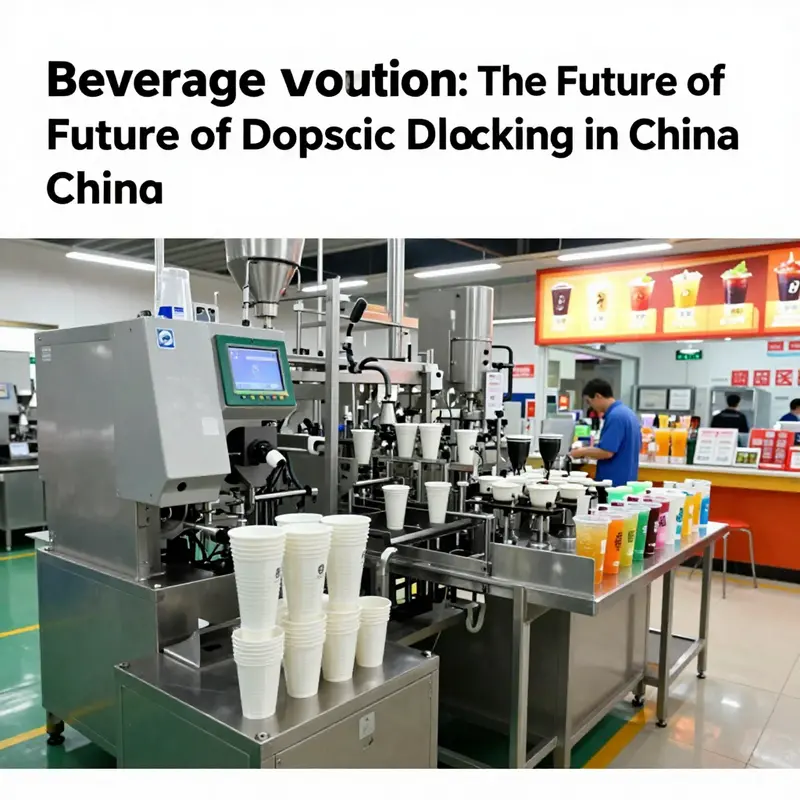
In the bustling food and beverage industry, disposable plastic cup making machines in China play a crucial role, catering to bubble tea shops, catering services, and restaurants alike. As the demand for high-quality disposable cups surges, understanding the innovations in manufacturing, the economic significance of production, and the urgent environmental challenges is essential. This article explores these dimensions, offering insights that can help businesses make informed decisions in a competitive marketplace. Each chapter dives into a critical aspect of production, highlighting how these machines aid in creating not just a product, but a sustainable future.
null
null
The Dragon Cup Economy: How China’s Disposable Cup Machinery and Manufacturing Reshape Global Markets
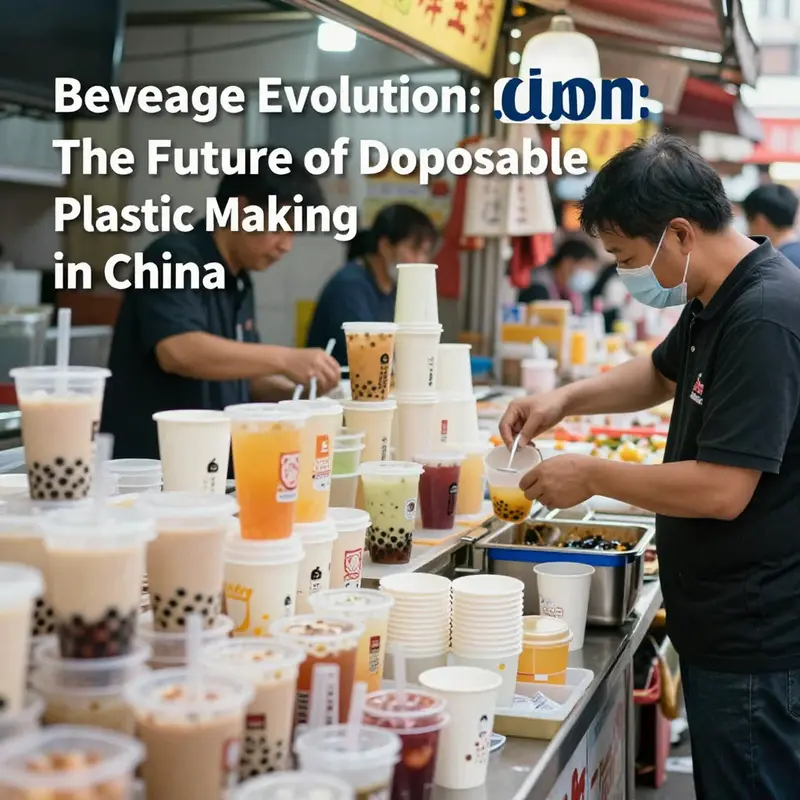
Across the vast landscape of modern manufacturing, China has consolidated a position as the indispensable hub for disposable cup production, a role cemented by a dense network of specialized suppliers, tightly knit regional clusters, and a relentless drive toward automation and customization. The chapter that follows traces not merely a set of numbers or a snapshot of machines, but a living dynamic in which scale, technology, labor, and policy intersect to shape a global supply chain. In this story, the disposable cup is both a product and a signal: a marker of how a national manufacturing ecosystem translates into price discipline, product variety, and the capacity to respond to shifting consumer preferences and regulatory expectations around the world. The narrative centers on the electricity of three recurring themes—the economies of scale, the adaptable cost structure, and the regulatory and environmental pressures that redirect investment—from which emerge a portrait of a sector that, while rooted in everyday utility, has outsized influence on global trade, industry standards, and sustainability trajectories.
From the moment one steps into the discourse around China’s disposable cup machinery, it becomes clear that the country’s advantage rests on more than cheap labor. It rests on a sophisticated and scalable capability to convert design into finished products at astonishing throughput. The industry benefits from well-developed industrial clusters concentrated in coastal regions and inland hubs alike. In Zhejiang and Guangdong, for instance, producers have long embraced a spectrum of equipment from basic hydraulic forming lines to highly automated systems that integrate forming, material handling, and downstream functions like packaging and printing. The capacity to mix and match lines—an entry-level machine for a given cup type and a high-end automated line for its premium variants—gives buyers a ladder of choices that can be scaled up as demand grows. This modularity is not incidental. It reflects a broader strategic pattern: a national supply chain built to absorb demand shocks, absorb new feedstocks, and accommodate customization without triggering the procurement bottlenecks that can paralyze a smaller, less integrated ecosystem.
The economic logic of scale is vividly visible in the per-unit cost structure offered by suppliers for large-volume orders. The numbers, though they vary with feedstock prices, labor markets, and energy costs, reveal a rough band of astonishing affordability. For bulk orders—tens of thousands of pieces—the marginal cost per cup hovers around a few cents, with industry players reporting quotes in the range of roughly one to four and a half U.S. cents per unit. What makes these figures compelling is not merely the raw price, but the accompanying assurances about reliability, consistency, and long-term supply contracts that accompany such orders. The cost advantage emerges from a confluence of factors: economies of scale in tool and mold production, highly efficient injection molding ecosystems, the use of standardized components that can be shared across multiple lines, and a mature supplier base that has learned to optimize energy use and waste streams in a continuous-flow manufacturing model.
No discussion of costs would be complete without considering the labor and energy calculus that underpins price discipline. Labor in certain coastal and inland regions of China remains significantly less expensive than Western benchmarks, a gap that is often cited as a key driver of competitive pricing. More importantly, the cost structure benefits from an established culture of process optimization, with continuous improvement cycles that reduce cycle times, minimize scrap, and increase throughput without compromising tolerances. The result is a robust platform for mass production, one that is capable of sustaining high-volume exports while maintaining margins that are attractive to large-scale buyers in the foodservice and retail sectors. Yet this is not a static advantage. The industry is increasingly responsive to energy efficiency standards and waste reduction directives that can alter the calculus of operating costs. In this sense, the economic narrative is a moving target, reflecting both global demand for low-cost disposable cups and the evolving constraints that accompany environmental stewardship and regulatory compliance.
Customization sits at the heart of demand in the disposable cup market. Buyers seek cups that do more than hold, insulate, or contain a beverage; they want design flexibility, branding opportunities, and materials that align with sustainability goals. The domestic ecosystem in China excels at delivering tailored solutions—from transparent polypropylene cups that showcase product visibility to double-wall designs intended for temperature retention and extended consumer experiences. In practice, customization translates into extended production runs that leverage shared tooling, enabling a single plant to switch between cup shapes, sizes, and branding schemes with minimal downtime. Printing options, whether for corporate logos or seasonal campaigns, are often integrated into forming lines, reducing handling steps and improving overall workflow efficiency. As a result, manufacturers can offer a spectrum of SKUs that cater to foodservice, retail, beverage, and even medical packaging applications, while keeping unit costs competitive.
This capacity to blend standardization with customization is inseparable from the regional dynamics that underpin China’s manufacturing prestige. Guangdong’s industrial ecosystem—long associated with a dense network of suppliers and an orientation toward export markets—stands alongside Zhejiang’s proven track record of engineering discipline and precision in molding and automation. But the most telling sign of a mature sector is the capacity for expansion, with new production facilities arising in strategic districts designed to harness synergies across supply chains. The Wuhan region, for example, has become a focal point for capacity expansion in recent years, with manufacturers scaling up to meet domestic demand while maintaining export readiness. The geographic spread of these clusters reduces single-point failure risks, builds redundancy into the logistics network, and reinforces the country’s ability to respond to global demand surges during peak cycles in health, travel, or hospitality industries.
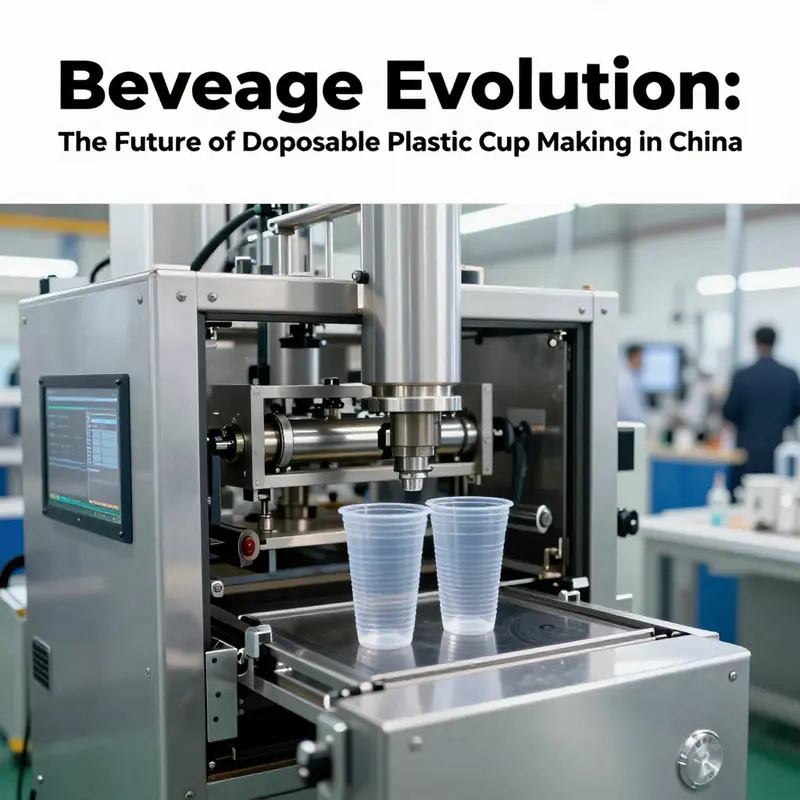
A critical dimension of the economic picture concerns the varied configurations of equipment on offer. For buyers seeking more traditional, high-volume production, hydraulic-forming lines equipped with servo- or motor-driven extension systems deliver reliable throughput and consistent wall thickness. For those prioritizing precision and repeatable accuracy, servo-assisted stretching and clamping systems, coupled with closed-loop control and advanced servo drive trains, promise tighter tolerances and more uniform products across batches. The spectrum also includes lines that combine forming with downstream handling, packing, and even printing capabilities, enabling a more turnkey approach to cup production. Although the precise model names and supplier identities are not the focal point here, the underlying takeaway is that the market provides a continuum of automation levels. Buyers can begin with a scalable setup and gradually incorporate more automated features as their volumes rise and their need for speed-to-market intensifies.
In parallel with the push toward automation and customization, the economics of production are increasingly intertwined with environmental and regulatory considerations. The disposable cup sector, by its very nature, sits at the confluence of consumer convenience and waste management. The sheer scale of output—a single region’s cluster can yield millions of cups weekly—confronts policymakers and manufacturers with the imperative to mitigate environmental impact. The global conversation about plastic waste has sharpened focus on biodegradable materials, recyclability, and the efficiency of end-of-life processing. In China, producers have begun to respond by investing in sustainable feedstocks, exploring compostable and bio-based options, and expanding recycling infrastructure to handle the deluge of cups that are used for a brief moment and discarded. While these shifts can raise unit costs in the near term, they also unlock new market opportunities among environmentally conscious buyers and corporate clients seeking to bolster their sustainability credentials. The transition is more than a compliance exercise; it is a strategic reallocation of capital that can yield long-run competitive advantages as brands align with evolving consumer expectations and regulatory climates worldwide.
The broader market transition has tangible implications for capital allocation and strategic investment. On the one hand, the transition toward eco-friendly materials and recycling infrastructure tends to elevate production costs in the short run. On the other hand, it creates new demand channels for premium, sustainable cups, and it broadens the audience of clients who are willing to pay for green credentials. Companies with established plant footprints and robust supplier networks can experiment with novel feedstocks and processes with less risk, leveraging existing logistics and manufacturing know-how to integrate circular economy principles into their core operations. The integration of lifecycle considerations—material sourcing, manufacturing footprint, and end-of-life management—into the product development pipeline becomes a differentiator rather than a compliance checkbox. In essence, the perceived trade-off between cost and sustainability begins to tilt as buyers recognize total cost of ownership that encompasses disposal and environmental impact as well as initial price.
Another layer of the economic story concerns the shape of the production ecosystem as a whole. The industry’s capacity to deliver turnkey lines—integrating forming, packaging, and sometimes printing—speaks to a broader trend toward consolidation and vertical integration. A single equipment suite can carry through from raw material to finished goods, enabling a more streamlined supply chain and shorter lead times. This integration also reduces the complexity that buyers face when coordinating multiple vendors, a benefit that is particularly meaningful for mid- to large-sized buyers with complex production calendars. In practice, suppliers market a range of line configurations that vary in automation level, speed, and packaging capabilities, allowing buyers to tailor investments to their precise needs. The promise of turnkey systems is not merely operational convenience; it also offers a clear path to scale. As demand grows and margins compress under competitive pressure, the ability to increase output without a disproportionate rise in transaction costs becomes a critical strategic advantage.
The economic implications of China’s disposable cup machinery extend beyond the shop floor and into the architecture of international trade. This sector’s global footprint is reinforced by a historical strength in exported products, a tendency to price aggressively on unit costs, and a willingness to embrace continuous improvement in process efficiency. The net effect is a global market where purchasers—ranging from international restaurant chains to regional bottlers and distributors—can source a wide array of cups and related packaging at predictable prices and with reliable delivery timelines. The upside for buyers is clear: access to a broad catalogue of configurations and finishes, a proven track record of quality consistency, and a supplier ecosystem that can adapt to changing regulatory and environmental requirements. The downside, inevitably, comes in the form of heightened scrutiny over plastic waste and a demand for sustainable alternatives that could alter both product mix and material costs in the years ahead. Yet the very breadth of capability—the capacity to produce standard cups at razor-thin margins while offering bespoke, branded, and eco-friendly variants—positions Chinese manufacturers as indispensable partners for buyers who need both cost containment and creative flexibility.
In contemplating the future, several threads stand out. First, the continued emphasis on economies of scale will persist, reinforced by investments in automation and process optimization. Second, customization will become more nuanced, with brands seeking not only branded printing but also innovations in material science that improve insulation, durability, and recyclability. Third, the environmental and regulatory narratives will no longer be ancillary, but will actively shape investment choices, supplier rankings, and product portfolios. The industry’s capacity to respond to these shifts will determine whether it maintains its global leadership or cedes ground to emerging centers of excellence elsewhere. And finally, the interlocking of forming, packaging, and printing in a single line will increasingly define not just productivity, but resilience. In a world where supply chains are tested by disruption, the ability to minimize transfer points, reduce handling, and shorten time-to-market becomes an operational creed as much as a competitive edge.
For readers who wish to explore a practical catalog of disposable cups from the broader packaging landscape, a representative page dedicated to disposable clear plastic cups—targeted at parties, events, and casual gatherings—offers a direct window into the types and finishes that buyers often chase. This resource serves as a concrete illustration of how the same machinery and process logic support a spectrum of final products, including cups designed for temperature retention, branding opportunities, and consumer convenience. See: disposable clear plastic cup for parties and camping.
The chapter’s overarching argument is that China’s disposable cup manufacturing ecosystem—anchored in regional clusters, supported by scalable machinery, and responsive to global demand for both low-cost and customized solutions—continues to be a dynamic engine for the world’s disposable packaging market. It operates within a broader narrative of industrial upgrading and environmental responsibility. As new facilities come online, as regions deeper inland expand capacity, and as global buyers demand more sustainable packaging solutions, the sector’s trajectory will be shaped by the balance between price discipline and value creation through innovation. The economics of scale will remain a central pillar, but the emphasis on lifecycle thinking and circularity will increasingly redefine what “value” means in this industry. The result is a marketplace that can deliver affordable, high-quality cups at scale while also responding to a universal call for more responsible packaging, a call that China’s manufacturers are answering with both speed and seriousness.
External resource: https://www.alibaba.com/product-detail/China-OEM-Disposable-Plastic-Cup-for-Cold-Drinks_1600848215337.html?spm=a2700.19100001.0.0.2c8d7f2bTjZUkY
Footprints in the Market: Environmental and Social Currents in China’s Disposable Cup Machinery Industry
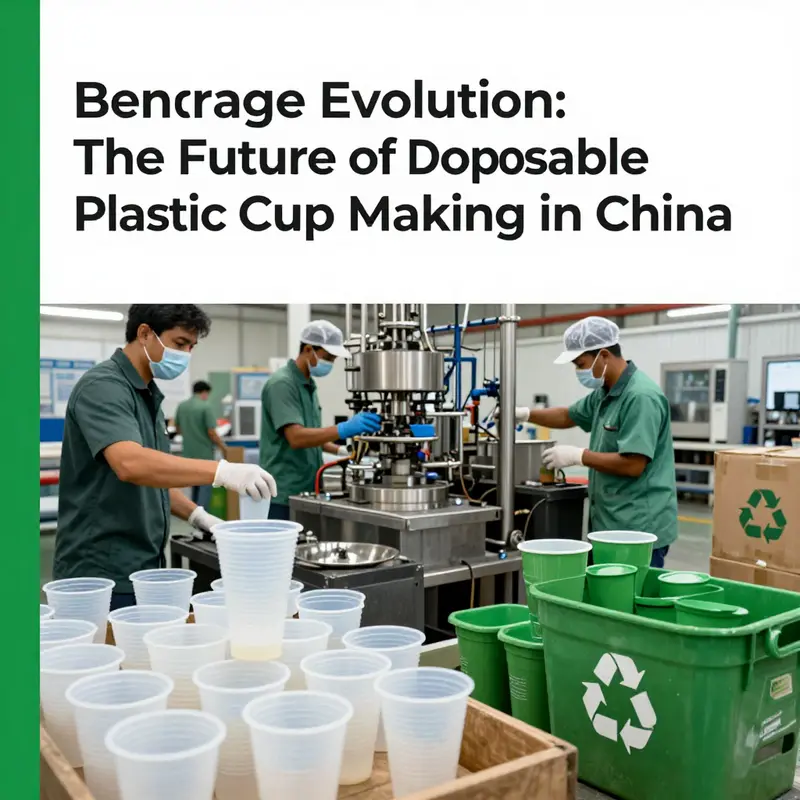
The story of disposable plastic cup manufacturing in China unfolds at scale, speed, and consequence. It plays out in regions where injection molding and thermoforming lines form the heartbeat of local economies. Yet behind the abundance of cups lies a web of environmental pressures, social considerations, and regulatory questions that press the entire supply chain to evolve. China’s role as a global hub for drinkware production has driven down costs and broadened access, but it has also intensified plastic waste and resource use. In turning raw materials into millions of cups each day, the industry exports not only products but a particular approach to consumption, logistics, and value creation. The chapter that follows traces these currents with care, foregrounding conditions that shape both production realities and the longer arc toward more sustainable packaging futures. It is a narrative that seeks clarity about responsibilities shared by manufacturers, regulators, buyers, and consumers alike.
A central feature of China’s disposable cup landscape is its remarkable clustering. In coastal and inland provinces alike, a dense network of suppliers, machine builders, and finishing stages coexists near major ports and rail hubs. The regional advantage is both geographic and technological. Modern lines built around hydraulic or servo-driven thermoforming deliver consistent cycle times and tight tolerances, enabling high-volume output with relatively predictable energy and material use. Such maturity reduces unit costs and lead times, making China an attractive source for global buyers seeking reliable supply chains. But clustering also concentrates risk. When thousands of facilities operate close to one another, weaknesses in environmental management, waste handling, or energy efficiency can become systemic. Even modest differences across dozens of plants can multiply the aggregate footprint, increasing the potential for leakage of plastics into soil, rivers, and urban runoff paths.
The environmental dimension begins with the basic materials—PP and PET resins—that create cups sturdy enough for beverages and easy to transport. These polymers are durable by design, yet this durability complicates end-of-life outcomes. In many urban and rural landscapes across the country, recycling infrastructure has not kept pace with demand, and the capacity to sort, collect, and process post-consumer cups remains uneven. A sizable fraction ends up in landfills or informal waste streams that burden municipal systems. The energy intensity of production compounds the picture. Hydraulic and servo-driven machines are precise, but they still require substantial electricity for heating, molding, and cooling. Across tens of thousands of units per day, the energy and material footprint adds up in meaningful ways.
From a broader ecological standpoint, the industry intersects with concerns about microplastics and persistence in the environment. Even when cups are labeled single-use, their journey does not end there. Small fragments can break away during use, disposal, or weathering in landfills and waterways. Microplastics can migrate through soil and water, potentially entering food chains and affecting aquatic life and human health over time. In this frame, manufacturers and policymakers are asking whether single-use packaging can be disentangled from broader systems that aim to reduce material input, improve recyclability, and promote more responsible consumer behavior.
Societal implications run in parallel with environmental ones. The scale of production supports millions of jobs across cities—from interior manufacturing belts to export hubs. In places with deep molding expertise, vertically integrated facilities offer end-to-end capabilities: resin handling, extrusion or injection molding, cooling and trimming, quality control, packaging, and sometimes on-site labeling. This integration stabilizes employment, fosters skills development, and stimulates demand for logistics and maintenance. Yet the gains are not always evenly shared. Labor conditions in some sites reflect competitive mass-production pressures, with long shifts, high output targets, and safety concerns that require vigilant oversight. The human dimension—worker health, job security, fair wages, safe environments—remains central to any assessment of the industry’s long-term viability.
In many corridors, proximity to resin suppliers and ports facilitates a smooth flow from material to finished cups to global markets. Proximity reduces logistical friction and helps keep prices stable for buyers, while enabling firms to experiment with process improvements, from energy-efficient heating and cooling to tighter tolerances that minimize scrap. The resulting ecosystem values automation, quality assurance, and traceability, but it also places a premium on compliant practices across a sprawling network of manufacturers, sub-suppliers, and contractors. Standardizing practices is challenging, but increasingly urgent as buyers demand transparency and responsible sourcing.
Regulatory challenges illuminate how environmental and social concerns translate into enforcement. The shift toward materials viewed as safer for food contact—BPA-free claims and food-grade certifications—reflects evolving consumer expectations and global norms. Yet the patchwork of rules across provinces creates a complex compliance landscape. Robust auditing, traceability, and documentation are necessary to ensure that every plant meets consistent safety standards. Certification schemes, third-party verifications, and ongoing risk assessments are not luxuries but necessities in a market where buyers operate under strict requirements for overseas and domestic markets. For manufacturers, the challenge is to build a culture of compliance that travels with the product from resin to cup to consumer.
As awareness grows, many firms acknowledge that the future hinges on sustainability beyond regulatory compliance. The industry is exploring bio-based materials and compostable options while seeking easier-to-recycle designs. Plastic remains economical for many uses, but a growing share of producers is testing alternative materials and end-of-life pathways that could lower net environmental impact. This transition is not about replacing conventional plastics overnight but about diversifying the material portfolio and reimagining product design. Practically, this means exploring recyclability-focused additives, multilayer structures that separate cleanly in recovery streams, and partnerships with waste managers to close loops where feasible.
A key thread is procurement and supplier evaluation. Buyers now require more than cost comparisons; they seek evidence of environmental certifications, robust QA processes, and clear supply chain transparency. Due diligence includes EMS certifications, product safety attestations, and traceability data that verify the path from resin to cup to consumer. Supplier directories and procurement platforms thus become risk-management tools that help buyers assess capabilities, compliance history, and remediation commitments. The most credible suppliers demonstrate consistent performance data, transparent sub-supplier relationships, and proactive communication about deviations or incidents. Buyers who embrace these practices are better positioned to mitigate risks—from penalties to reputational damage—while fostering a more accountable, resilient supply chain.
Within this complex milieu, the consumer’s role is catalytic. Demand for sustainable packaging grows when end-users, retailers, and food-service operators prioritize environmental criteria and ethical labor practices. Public discourse around plastic waste has become more nuanced as stakeholders weigh convenience, safety, and sustainability. The industry’s path forward depends on aligning incentives across policymakers who craft recycling and composting frameworks, manufacturers who innovate, buyers who insist on verifiable compliance, and consumers who choose packaging aligned with their values.
An important practical implication is credible life-cycle thinking. If a cup enters the waste stream, what fraction can realistically be recovered? How much energy and water are consumed in production and transport? How long does it persist, and what are the risks of fragmentation? Answering these questions requires data, standardization, and collaboration. Industry associations, government agencies, and research institutions are urged to develop shared metrics for environmental performance and social responsibility, supporting better labeling, consumer information, and smarter procurement decisions. The goal is to create a framework where improvements accumulate across stages of the value chain and across time.
The practical path toward a more sustainable trajectory is collaborative. It begins with energy-efficient upgrades to production lines, continues with investment in recycling and recovery infrastructure, and extends to circular design and corporate strategy. Firms can experiment with bio-based or compostable alternatives where appropriate, and design cups for easier disassembly and recycling, while maintaining rigorous safety standards. The broader objective is to balance performance, safety, and environmental stewardship, rather than to champion a single material.
For buyers and policymakers, actionable insights include thorough supplier evaluation that emphasizes environmental certifications, quality assurance, and supply chain transparency. It also means understanding regional capacity and constraints—where recycling streams exist, where they are underdeveloped, and how transit and storage practices influence material integrity. Publicly available supplier guides and industry benchmarking tools can illuminate which suppliers demonstrate responsible practices and which still have work to do. The overarching aim is to cultivate a market where price signals and regulatory expectations align with environmental goals and social fairness.
One accessible way to visualize smarter sourcing is to examine product pages that highlight recyclability and safety. A representative disposable cup product page can illustrate design choices oriented toward recyclability, material compatibility, and risk mitigation, serving as a tangible reference point for buyers who want to align procurement with sustainability goals. The broader takeaway is that responsible packaging demands clarity and collaboration across the ecosystem, from resin suppliers to end-users.
In the end, the environmental and social footprint of disposable cup manufacturing in China will be judged not only by raw production volumes but by the honesty and rigor with which the industry confronts waste, labor rights, and resource use. Progress will come as stakeholders commit to measurable improvements—higher recycling rates, reduced leakage, and safer working conditions. The story is ongoing, and the road ahead requires sustained investment in innovation and governance. It calls for a shared sense of accountability among producers, buyers, regulators, and citizens, each contributing to a more sustainable future for packaging ecosystems that travel far beyond the factory floor.
External resources for deeper regulatory context and supplier evaluation frameworks can illuminate best practices, benchmarks, and practical steps for continuous improvement.
Final thoughts
As the demand for disposable plastic cups continues to thrive, businesses must navigate the innovative technologies, economic considerations, and environmental impacts that come with such production. By staying informed about advancements in manufacturing and exploring sustainable practices, shops, restaurants, and food service providers can contribute to a more responsible and efficient future. Through collaboration and strategic insights, the plastic cup industry in China can flourish while addressing critical challenges related to sustainability and society.