
Disposable plastic shot cups are more than just simple containers; they are indispensable tools that cater to diverse businesses from bubble tea shops to event planners. Used for serving everything from spirits to food samples, these small but mighty cups offer convenience and adaptability in high-paced environments. However, their impact isn’t just limited to functionality; it extends to environmental considerations, market dynamics, and cultural significance. This article delves into the environmental impact of disposable plastic shot cups, sheds light on prevailing market trends, showcases design innovations, and explores their cultural importance, offering insights relevant to bubble tea shops, beverage chains, restaurants, food trucks, catering services, and event planners.
Waste in a Quick Toast: Unpacking the Environmental Cost of Disposable Plastic Shot Cups
Disposable plastic shot cups are among the most ubiquitous, quietly pragmatic tools of modern social life. In bars, at festivals, in university events, and during all-night celebrations, these tiny vessels promise convenience, portability, and a clean slate for countless small servings. Their role is straightforward: a quick, sanitary way to offer a sample, a highlight in a tasting flight, or a neat, single-serve portion of a sauce or condiment. Yet beneath that simplicity lies a complex web of environmental consequences tied to the life cycle of the cups themselves. Most of these cups begin as petroleum-based plastics, and their short-term utility does not automatically translate into short-term waste. The more they are used, the more opportunities arise for mismanagement, litter, and unintended environmental release. In the long arc of material life, a single cup can persist in the landscape for decades, if not centuries, especially when it ends up in a landfill or the natural environment. The result is a foreground of everyday convenience that often blends into a background of environmental harm, a paradox that invites careful examination rather than easy answers.
The core materials often used for disposable shot cups—polypropylene (PP) and polystyrene (PS)—offer low cost, light weight, and a humidity- and temperature-tolerant performance that suits fast-paced service. They can be produced in a range of sizes and dispersions, from clear, simple designs to colored, logo-branded variants that double as marketing pieces. In the rush of event logistics, such features can tilt decision-making toward cost efficiency and speed, sometimes at the expense of end-of-life considerations. The environmental footprint of production for these cups starts with the raw fossil-fuel feedstocks and extends through energy-intensive manufacturing processes. The energy demands are not trivial; even with improvements in efficiency, the energy mix for plastics production often relies on fossil fuels, contributing to greenhouse gas emissions and resource depletion. Moreover, the sheer volume produced for mass events means a cumulative impact that scales with demand, not just with individual choices. Every stage—from resin refinement to molding, from shipment to disposal—adds a layer to the cup’s environmental profile.
A broader concern emerges once these cups complete their service life. The digital age’s convenience hinges on a throwaway norm, and once patrons finish their drinks or samples, cups become litter or waste unless effectively captured by recycling streams. In real-world settings, improper disposal and poor recovery rates lead to landfilling or environmental dispersal. As these plastics break down, they fragment into microplastics that infiltrate soils, waterways, and ecosystems, earning their stead in the food chain and sometimes returning to humans through exposure pathways. The risk is not merely aesthetic or presentational; microplastics carry a suite of contaminants and can alter the behavior of soils and sediments, with uncertain but increasingly scrutinized implications for wildlife and human health alike. The scale of this problem grows with the number of events, the density of waste, and the uneven access to proper waste management infrastructure.
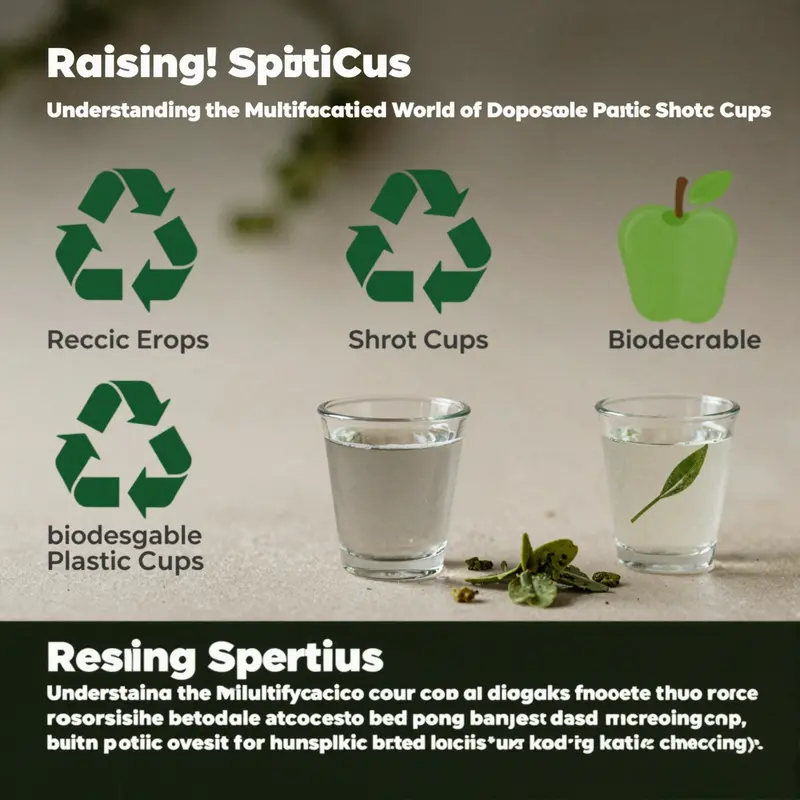
A pivotal study conducted in Germany in 2025 deepens this analysis by examining life-cycle impacts when choices shift between PP and a plant-based bioplastic commonly marketed as biodegradable. The results challenge a popular assumption: switching to a bioplastic does not automatically produce a net environmental gain across key categories, including climate change, resource depletion, and overall toxicity. The study highlights that biodegradability alone does not guarantee reduced harm if the material cannot reach appropriate industrial composting facilities. In other words, a cup labeled as biodegradable may still contribute to pollution if it remains unrecovered or if composting infrastructure is unevenly distributed or inaccessible. This finding underscores a crucial reality for event organizers and manufacturers: end-of-life outcomes depend as much on the waste-management system as on the material choice. Without a robust recycling or composting network, the apparent environmental advantage of certain materials can dissolve into a comparable or even greater footprint. The Germany study thus reframes the conversation from “biodegradable equals better” to “life-cycle context plus system availability equals better outcomes.” It invites a more nuanced evaluation of materials, processes, and the infrastructure that governs their fate after use.
Beyond end-of-life considerations, the production of both conventional plastics and bioplastics involves energy-intensive processes tied to fossil fuels or agricultural feedstocks. The emissions associated with resin manufacture, polymerization, and shaping are not trivial in a single-use context; they accumulate across millions of cups manufactured annually. The environmental footprint thus extends to land and resource use, as agricultural feedstocks for some bioplastics compete with food crops and land for grazing, among other demands. The energy intensity of these transformations compounds the climate impact, especially when powered by fossil-fuel-based electricity. Recycling infrastructure adds another layer of complexity. Even when municipal programs accept materials like PP or PS for recycling, contamination from food residues and the sheer volume of cups can overwhelm the system, leaving cups that could have been recycled either downcycled or incinerated instead. This reality spotlights a challenging barrier: recycling is not a universal, seamless option, and the effectiveness of any end-of-life strategy depends on local capabilities, public participation, and the efficiency of collection streams. A cup’s fate, then, is a function of design choices paired with the political and logistical will to manage waste responsibly.
To mitigate these environmental risks, several strategies emerge, each addressing a different link in the chain from production to disposal. First, promoting reusable cups offers a path to substantial waste reduction, provided the adoption is sustained and the associated logistics are well-managed. Reuse requires durable materials, efficient washing protocols, and reliable return or exchange systems to make the practice practical at scale. The environmental savings from reuse can be dramatic when cups are used hundreds or thousands of times, but the upfront costs, cleaning water and energy use, and potential health considerations must be weighed. A second approach centers on responsible disposal education. Clear guidance during events about how to sort and dispose of cups can improve recycling rates and reduce contamination. This is not a one-size-fits-all fix; it depends on local infrastructure, signage, and staff training. Third, there is a push toward circular economy models that incentivize material recovery, repair, and reuse rather than linear consumption. Such models encourage producers to design for end-of-life outcomes, implement take-back schemes, and align pricing with the true costs of waste management. These approaches are not mutually exclusive; they can be combined in a layered strategy that tailors choices to event size, location, and available waste-management networks.
The practical realities of implementing these strategies are nuanced. Reusable systems require investment and ongoing management, which can be daunting for small venues or ad hoc events. In some contexts, the investment pays off quickly through reduced disposal costs and improved brand perception tied to sustainability commitments. In others, small-scale organizers may find it impractical to maintain a rental or return system, making enhanced recycling or composting systems a more viable near-term step. The balance between reuse and recapture depends on factors such as event duration, serving intensity, and the expected turnover of attendees. Even marketing teams must recognize that a “green” label is most credible when it is backed by verifiable end-of-life performance, not merely by the absence of a sticker or claim. The consumer-facing narrative around these cups therefore benefits from transparency about the full lifecycle, including production emissions, transportation, and the realities of disposal facilities in the event’s geography.
An internal perspective on product design complements this lifecycle thinking. While it is essential to push for better end-of-life outcomes, it is equally important to design for practicality and safety during use. The cups should retain grip, stability, and food-safety integrity in varied environments, from outdoor festivals to crowded bars. Efficient production processes, the use of recycled-content resins where feasible, and the potential for post-consumer recycling streams are all elements of responsible design. Yet the reality remains that not every facility can handle every plastic type, and not every community has industrial composting available. In this sense, the conversation about disposable shot cups aligns with a broader discussion about disposable packaging as a whole: utilities and conveniences should not eclipse accountability for waste and the environment. The journey from product choice to environmental outcome is a chain of decisions, each with ripple effects across ecosystems, economies, and communities.
For readers who want to explore a concrete example of a disposable cup’s practical availability and usage, a product page for a clear disposable cup used in events offers a lens into current market offerings and the language of marketing those items. This page illustrates how such cups are positioned for ease of procurement and event-ready service, highlighting features like clarity, grip, and single-use convenience. It also demonstrates how the packaging and labeling often emphasize hygienic design and event-specific utility, which are essential to people planning celebrations and tastings but can obscure end-of-life considerations. The tension between utilitarian design and environmental responsibility is a recurring theme in this chapter and will continue to shape subsequent discussions about packaging alternatives, lifecycle metrics, and policy reforms. See the disposable clear plastic cup product page for a sense of the market framing, and consider how similar pages frame sustainability claims in relation to practical needs.
In the broader arc of this article, the environmental assessment of disposable plastic shot cups invites readers to consider both material choices and the systems that manage waste. It is not enough to declare a material “biodegradable” or “recyclable” without addressing whether the local infrastructure can actually realize those claims. The German study’s nuanced finding—that bioplastics may not yield net environmental gains without adequate composting facilities—serves as a caution against premature optimism. It also emphasizes the need for cross-sector collaboration among producers, policymakers, waste managers, and event organizers to align product design with end-of-life capabilities. A meaningful shift toward sustainability may require blending approaches: embracing reuse where feasible, enhancing recycling where possible, and expanding composting capacity where appropriate, all while maintaining user-friendly service at events.
External resource: https://www.sciencedirect.com/science/article/pii/S235214652500087X
From Convenience to Conscious Choice: How Market Trends Redefine Disposable Plastic Shot Cups
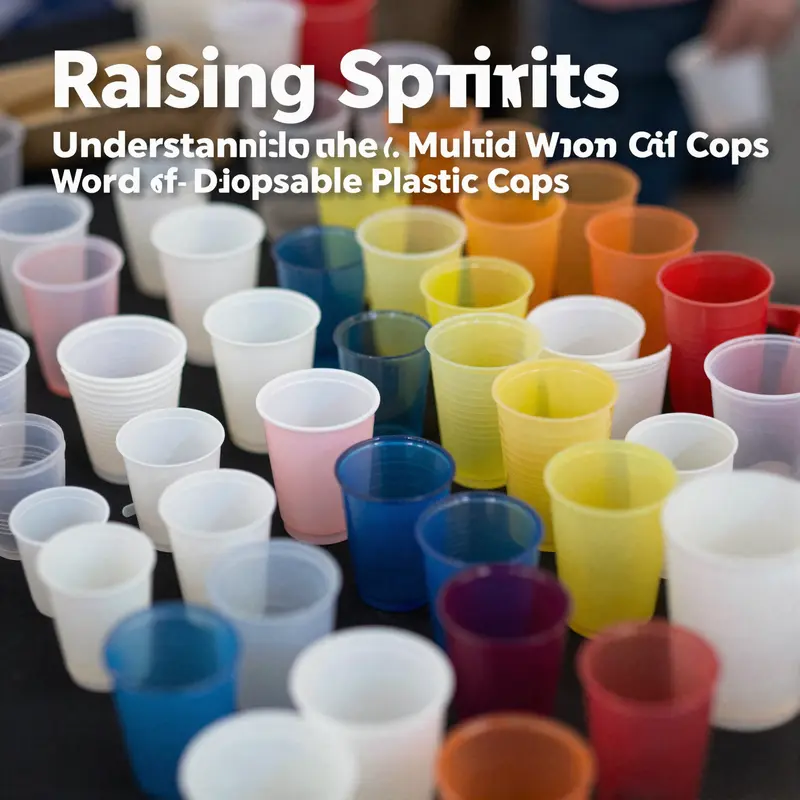
Disposable plastic shot cups have long been the quiet workhorses of events, bars, and promotional moments. They are small, light, and disposable, designed to streamline service and minimize contact between guests and shared serving surfaces. Traditionally crafted from materials like polystyrene or polypropylene, these cups offered a simple equation: low cost, reliable performance, and the flexibility to scale for large gatherings. But as the market threads through a changing social and regulatory fabric, the very idea of a throwaway cup is being rewritten. The cups remain essential for serving spirits, tastings, food samples, and sauces, especially in busy environments where hygiene, quick turnover, and portability matter. Yet behind the convenience lies a set of evolving expectations—about sustainability, aesthetics, and supplier reliability—that are reshaping how brands design, source, and deploy these humble vessels.
At the core of the shift is sustainability, a term that has moved from a vague aspiration to a practical filter for every procurement decision. The public conversation around disposable plastics has sharpened to focus on end-of-life outcomes, recyclability, and the broader footprint of material choices. In response, manufacturers are expanding lines beyond traditional PS (polystyrene) and PP (polypropylene) to embrace biodegradable and compostable alternatives. Plant-based polymers such as polylactic acid (PLA) and polybutylene adipate terephthalate (PBAT) are being developed to deliver similar stiffness, clarity, and rigidity while offering a more favorable profile in terms of carbon impact and degradation potential under industrial composting conditions. The promise of these materials is not merely a theoretical benefit; it aligns with regulatory pressure in major markets and with the growing consumer demand for brands that can demonstrate responsible choices without sacrificing performance. This is not a single fork in the road but a pathway with multiple branches: some producers optimize compostable formulations that break down under controlled conditions, while others pursue recyclability through compatible packaging ecosystems. In practice, this means that the design brief for a disposable shot cup now often includes a lifecycle consideration, asking whether the cup can be collected with other recyclable streams or if it should be sourced from a bio-based, end-of-life friendly material. The result is a more nuanced product lineup that preserves the advantages of single-use solutions while addressing the environmental concerns that increasingly shape purchasing decisions.
Design is the second axis of transformation. The old stereotype of a plain, transparent, one-size-fits-all plastic cup is giving way to cups that contribute to the visual and tactile experience of the event. In today’s market, even disposable items are expected to offer a sense of completeness for branding and presentation. This shift is evident in the way cups are engineered for grip, stability, and ergonomic handling, with features like spiral textures, rounded rims, and precise lip thickness designed to improve user comfort and reduce mishandling. Clear, high-clarity cups project a premium look that enhances the perception of the beverage, while colored or frosted options support mood-setting and branding without imposing heavy tooling costs. For organizers and marketers, the cup becomes part of the event’s overall branding tapestry, a small but meaningful touch that reinforces a theme or message. Advances in manufacturing technology enable sophisticated customization without prohibitive investment. Sublimation, laser engraving, and high-quality in-mill printing enable logos, gradients, or event-specific artwork to be applied directly to the cups or to compatible sleeve or lid systems. The result is a product-as-experience approach, where the serving vessel is not just a container but a woven extension of the brand narrative. In practice, this means event planners and vendors increasingly seek suppliers who can deliver design flexibility, rapid prototyping, and scalable production—without forcing clients to shoulder excessive tooling costs or long lead times.
A third trend, closely tied to the other two, is supply-chain resilience and sourcing strategy. The global production landscape for disposable tableware remains heavily weighted toward a handful of manufacturing hubs that benefit from integrated ecosystems of material supply, tooling, and logistics. Lead times for standard items can be short, while custom orders may require several weeks. For buyers planning large-scale distributions or time-bound promotions, the ability to navigate lead times, ensure consistent quality, and manage risk becomes a competitive advantage. In this context, the most capable suppliers operate with transparent, end-to-end operations: clear communication on material composition, certifications for safety and compliance, and a logistics network that can move products efficiently through major ports. The value proposition for buyers is not just cost—it is reliability, predictability, and a partner with the capacity to scale alongside an event calendar or marketing push. The convergence of design capabilities and sourcing resilience is what enables brands to implement cohesive, high-impact campaigns that rely on disposable servingware to maintain speed and staff safety without compromising on aesthetic or environmental commitments.
These currents do not run in isolation; they intersect in practical ways that affect everyday decisions for events, venues, and retail environments. For example, the decision to offer a clear, spiral-designed cup may seem purely cosmetic, yet it can influence handling confidence at a crowded bar or a bustling festival booth. The spiral texture is more than a grip aid; it contributes to a perception of quality and control, helping staff serve with steadier hands and reducing spills that can create safety hazards or waste. Such design choices fit into a broader trend of treating packaging as part of the customer experience rather than as a disposable afterthought. Suppliers in major manufacturing regions are recognizing this, investing in capabilities that support both high-clarity aesthetics and robust customization workflows. Where tooling once dictated the pace of customization, modern production lines now enable relatively quick turnarounds for logo placement, color variants, and even textured finishes that catch the eye under event lighting. This aligns with a shift toward “product-as-experience” thinking across industries, where even single-use items are expected to contribute to the narrative of a brand or event.
At the same time, the industry is paying closer attention to the end-of-life story of these cups. Circular economy concepts—designing for recyclability, enabling better waste sorting, and encouraging reuse or composting where feasible—are being integrated into procurement conversations. Brands that adopt transparent sustainability claims—backed by third-party certifications and traceable supply chains—are in a stronger position to win trust with consumers and event organizers who are increasingly mindful of environmental impact. The practical implication is that buyers now evaluate not only price and performance but also the supplier’s environmental credentials, including claims about recyclability, compostability, and the availability of take-back or recycling programs. In regions where regulations tighten, such as certain EU markets and parts of Asia, the pressure to demonstrate responsible practices can influence supplier selection and product development trajectories. The result is a market where sustainability and design prowess are not competing priorities but complementary strengths that broaden the appeal of disposable shot cups beyond their traditional functional role.
All of this points to a future where the disposable cup represents a calibrated decision rather than a default option. For brands seeking to balance cost with impact, the key lies in choosing material systems that fit the event’s needs and the audience’s values. A plant-based, industrially compostable cup can deliver on environmental promises if the waste stream is properly managed and if the event’s organizers provide clear guidance to attendees about disposal. A high-clarity, grip-optimized design can enhance service speed and reduce spill risk, which matters in high-volume settings where staff and guests interact rapidly. And a reliable supply chain ensures that even large productions stay on track, enabling brands to meet tight deadlines and maintain consistency across multiple venues or regions. In this context, the supplier ecosystem becomes as important as the product itself: partners who can provide flexible options, schedule dependability, clear certifications, and shared values around sustainability and brand integrity.
What does this mean for the future of disposable shot cups in practice? First, the emphasis will likely continue to shift toward customization and branding opportunities that enable organizers to weave the cup into the event’s storytelling. Second, environmental stewardship will push brands to favor materials and processes that align with waste-management realities in their markets, while still delivering the reliability and performance that users expect. Third, supply-chain agility will become a distinguishing factor, with leading suppliers offering shorter lead times for standard items and transparent, scalable options for customized runs. For buyers, success will hinge on balancing three axes: the sensory and tactile experience of the cup, the environmental footprint of the material choice, and the operational reliability of the supplier network. The dialogue among brands, suppliers, and event organizers will thus revolve around a shared goal: delivering memorable, well-managed experiences that honor both practical needs and responsible stewardship.
In this environment, the cup is less a disposable afterthought and more a strategic touchpoint. It must support quick-service realities while contributing to a perception of care and quality. The way a cup feels in the hand, the clarity of the beverage it contains, the confidence of the staff using it, and the clarity of disposal guidance at the end of an event all feed into a cohesive experience. The market’s trajectory suggests that the most successful offerings will blend robust performance with responsible material choices and adaptable design capabilities. For event professionals and brand teams, this means partnering with suppliers who can deliver not only the right material and volume but also the vision to help the cup become a deliberate element of a larger experience. As markets evolve, the cups that once symbolized convenience may increasingly symbolize a brand’s commitment to sustainability, aesthetics, and reliability—turning a simple, disposable item into a deliberate, enduring signal of value.
For readers seeking a practical doorway into these shifts, consider how customization and thematic packaging can extend beyond the cup itself. A single internal link illustrates the broader potential of aligning disposable tableware with event branding and take-away packaging strategies. By collaborating with suppliers who offer themed, customizable solutions, organizers can extend a cohesive look and feel across cups, lids, sleeves, and related packaging, reinforcing the event’s narrative from first glance to final disposal. This holistic approach helps ensure that the disposable element does not feel like an afterthought but rather a deliberate component of the overall guest experience. custom takeaway packaging supplies for theme party.
As the landscape continues to evolve, so too will the considerations that guide purchasing decisions. The convergence of sustainability, design, and supply-chain resilience offers a path to maintain the benefits of disposable cups—speed, hygiene, and flexibility—while addressing the ethical and environmental questions that increasingly accompany modern consumption. In practice, brands that adopt this integrated approach will be better positioned to navigate regulatory shifts, satisfy consumer expectations, and execute complex, high-volume events with confidence. The cup, in short, becomes a microcosm of a brand’s broader commitments: to quality in the moment, and to responsibility beyond it.
External reference: https://www.amazon.cn/dp/B003FWE7SQ
Grip, Glow, and Green Choices: Design Innovations in Disposable Plastic Shot Cups
Design innovations in disposable plastic shot cups have quietly redefined what many assume to be a throwaway item. What appears to onlookers as a simple, single-use vessel reveals a complex blend of engineering, material science, and brand storytelling. Across busy bars, festival lines, wedding receptions, and corporate events, these small cups carry a big payload: they must be easy to grip, reliable in pour, visually appealing, and affordable enough to be used in bulk without slowing service. The evolution of these cups mirrors a broader shift in how industries balance practicality with user experience and, increasingly, environmental accountability.
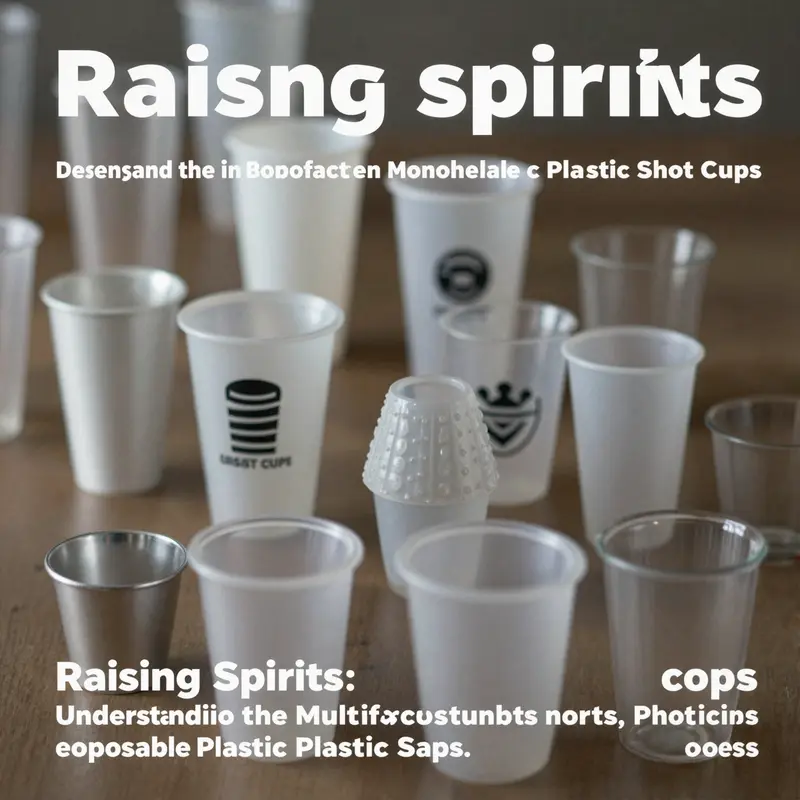
From the moment a server picks up a tray, the cup must perform under pressure. Ergonomics sits at the heart of modern designs. A cup might be shaped with a subtly bulbous base to center weight and prevent tipping, a narrowed midsection to improve finger grip, or a tapered rim that guides a smooth pour while reducing the chance of dribble during transfer from the glass to the patron’s lips. In high-volume settings, these features translate into measurable efficiency: fewer spills, quicker handoffs, and a more confident service rhythm. Some iterations even explore a spiral or textured exterior. The spiral grip design, for instance, offers a tactile assurance that a busy hand can secure a hold when knives of motion and momentum collide in a crowded service line. The result is a cup that feels sturdy in a crowded hand, not fragile in the glare of stage lighting or the rush of a crowded room.
Durability has also transformed. The shift toward heavyweight plastics—chiefly polystyrene (PS) and polypropylene (PP)—is not about bulk alone. It is about resisting chips and cracks when cups rattle through transport crates, slide across trays, or pile up in a stack during breaks in service. The durability is especially valued for events where cups are carried to distant tables or stacked for quick restocking. In such contexts, a shatter-resistant profile provides peace of mind to caterers and venues alike, minimizing the risk of fragile, leak-prone moments that can disrupt service flow and guest experience. Yet designers are mindful that strength must be tempered with flexibility. Cups that feel too rigid can be uncomfortable to hold during long sessions; cups that are too soft invite deformations that complicate pouring. The art is in achieving a balance where rigidity supports stability and resilience without compromising tactile comfort.
Aesthetics remain a powerful force in this category. Clear cups showcase the color and clarity of the beverage itself, letting the liquid’s hue take center stage. This is especially valuable for tasting flights, where the visual spectrum of a drink is part of the experience. At the same time, colored variants provide a simple, effective method to differentiate beverages or designate categories at a glance. Beyond color, brands and event planners increasingly leverage printability to a degree that feels almost bespoke for disposable vessels. A cup can carry logos, event themes, or seasonal graphics, turning a disposable item into a portable brand touchpoint. The ability to print or label cups aligns well with marketing goals for weddings, corporate gatherings, or promotional tastings, where every guest encounter is an opportunity to reinforce a message or theme. In recent cycles, designers have embraced not only the print surface but also the optical play of light and liquid. Clear cups can maximize the drink’s color spectrum under varied lighting, while frosted or lightly tinted cups introduce subtle texture and depth that elevate the overall presentation.
Material science has widened the horizon further by addressing both performance and sustainability. The most common disposable shot cups rely on PS or PP, chosen for their clarity, rigidity, and cost-effectiveness. However, the industry’s growing environmental scrutiny has accelerated exploration of more sustainable materials. Polylactic acid, or PLA, made from plant-based sources such as cornstarch, has emerged as a biodegradable option that maintains noticeable performance characteristics. PLA-based cups can offer adequate rigidity and heat handling for cold drinks and sampling, while presenting a clearer environmental narrative to consumers who are increasingly sensitive to waste streams. Yet the real-world application of PLA often hinges on local composting infrastructure and recycling streams. Not every facility can process PLA as a compostable material, and some systems may mix PLA with conventional plastics if diverted into standard recycling. The net effect is a nuanced calculus: sustainable in intent, but contingent on the broader waste-management ecosystem. This complexity has encouraged designers to pursue a lifecycle approach, weighing the benefits of reduced fossil fuel dependence against the realities of disposal, reuse, and end-of-life processing.
Alongside PLA, some manufacturers have explored re-engineering existing plastics to incorporate post-consumer recycled content or to optimize derisked recycleability. In practice, this means pushing for higher clarity and stability even when recycled stock is used, or adopting molding processes that minimize extraneous waste. Injections molded cups can achieve a high degree of dimensional stability and gloss, contributing to a premium feel that supports branding while maintaining price points that suit event-driven volumes. The production workflow itself evolves as new materials enter the scene. Process controls tighten to ensure consistent wall thickness, which in turn influences how a cup handles temperature and still maintains a clean pour line. Shrinkage, warping, and surface imperfections from molding are managed through precise temperature controls and mold design that balance speed with quality. All of these factors converge to shape a disposable cup that is not merely cheap to produce, but reliable in performance and capable of delivering a consistent guest experience across hundreds or thousands of uses in short time frames.
In terms of usability, the geometry of the cup rim matters more than is often supposed. A slanted or slightly angled rim can help guide liquid toward the center of the mouth, while a more pronounced taper at the lip can reduce spillage during quick pours or when cups are jostled on a crowded tray. Such features reflect a careful understanding of real-world dynamics: servers navigating through tight spaces, guests tipping slightly as they sample multiple beverages, or the occasional swerving motion of a hand carrying a full tray. The best designs anticipate these moments and respond with form that minimizes disruption without demanding additional effort from the user. The visual profile of the cup—whether sleek and transparent or boldly colored—also communicates a sense of quality and purpose. Even at a glance, a guest can infer whether the cup is designed for a casual tasting, a formal reception, or a branded promotional moment.
Customization remains a strategic lever for operators hosting events that blend spectacle with practical service. The ability to print logos, event themes, or color palettes onto the cup enhances cohesion between the drink experience and the broader design language of the gathering. For many organizers, a simple, coordinated look—tray liners, napkins, signage, and cups that echo a color scheme—creates a remembered impression that outlasts the evening. The economic dimension is not trivial. While customization adds upfront costs, it can produce downstream value by increasing guest recall and reinforcing sponsorship messages. The decision matrix here weighs incremental spend against the perceived lift in event branding and guest satisfaction. In the planning phase, teams often evaluate whether the same design language can be extended beyond the cup to other disposables—sauces, samples, or small packaging components—to sustain a unified aesthetic across all service touchpoints. The potential for cross-category consistency is precisely why brands and venues invest in suppliers who can offer both dependable performance and flexible customization.
As sustainability becomes a more explicit criterion for procurement, the environmental dialogue around disposable shot cups continues to mature. The debates extend beyond the material choice to the broader system of use. Short-term, high-volume applications benefit from the low per-unit cost of disposable options, reducing labor costs and minimizing breakage-related losses. Yet this is exactly the context in which waste accumulation becomes a concern. The industry, including producers and buyers, is increasingly transparent about the trade-offs between convenience and end-of-life impact. The conversation has shifted away from a binary choice between disposables and reusables toward a more nuanced spectrum that includes recyclable, compostable, and bio-based options, each with distinct performance profiles and compliance requirements. In practice, this has led to a bifurcated strategy: preserve the advantages of disposable service for fast-paced environments while offering greener alternatives where feasible, such as PLA-based cups for settings with robust composting or recycling streams, or cups that incorporate recycled content without sacrificing clarity and rigidity.
The design trajectory also aligns with broader logistics and supply considerations. The push to produce in bulk at scale means engineers and product teams optimize for stackability, crash resistance during transit, and ease of packaging. A cup that nests efficiently within a tray or a stack of other cups reduces shipping volume and storage space, delivering incremental savings for distributors and venues. The production line benefits from standardization across sizes and tolerances, enabling faster turnover and lower unit costs without compromising performance. In the end, the most successful innovations are those that feel almost invisible to the guest. A guest should notice neither the cup’s engineering nor its sustainability credentials; they should simply experience a comfortable grip, a confident pour, and an unobtrusive visual presentation that respects the occasion.
For brands and event planners seeking to align disposables with a specific theme or branding narrative, there is a practical route worth considering. The idea is to pair the aesthetic and tactile qualities of the cup with other themed elements in the service environment. By selecting a cup that harmonizes with the venue’s color story, lighting, and signage, organizers can create a more immersive tasting or sampling experience. And when the cup carries a logo or motif, it becomes a compact, portable reminder of the brand or sponsor behind the moment. For those exploring such options, a resource on custom takeaway packaging and disposable tableware for theme parties offers a pathway to cohesive design language across all disposable components. This approach can extend beyond the cup to sauces, samples, and small serving receptacles, ensuring that every touchpoint echoes the chosen theme. custom takeaway packaging and disposable tableware for theme parties
The story of these cups, then, is a story of balancing three intertwined aims: practicality in fast-paced environments, visual and tactile appeal that elevates the guest experience, and responsibility toward the environment. Each design decision—whether it involves grip, rim geometry, material selection, or printability—contributes to a product that must perform reliably in moments of high demand while also signaling a thoughtful consideration of waste. The evolving landscape invites ongoing experimentation: new blends of polymers that increase toughness and heat resistance, or margins of clarity that preserve the appearance of the drink even as the cup ages in a busy service line. It invites operators to rethink the disposable as not merely a cost center but a point of contact with guests that can reinforce a brand’s values and narrative.
Ultimately, the innovations in disposable plastic shot cups reflect a broader industry pattern: the desire to deliver convenience without compromising quality, to empower servers with tools that feel deceptively simple yet are engineered for resilience, and to offer brands a canvas for expression that does not vanish after a single use. As events vary—from quiet tastings to large-scale celebrations—the cup remains a small but meaningful mediator between the beverage, the guest, and the moment. And as consumers increasingly scrutinize the lifecycle of disposables, the path forward will likely involve smarter material choices, smarter use, and smarter end-of-life solutions that keep pace with the expectations of guests and the responsibilities of hosts. External research and case studies continue to enrich this dialogue and push the field toward solutions that honor both performance and planet.
External reference: https://www.amazon.com/GUSTO-Portion-Cups-Lids-Containers-Salad/dp/B08KJZ9B1F
Tiny Vessels, Big Moments: The Cultural Pulse of Disposable Plastic Shot Cups
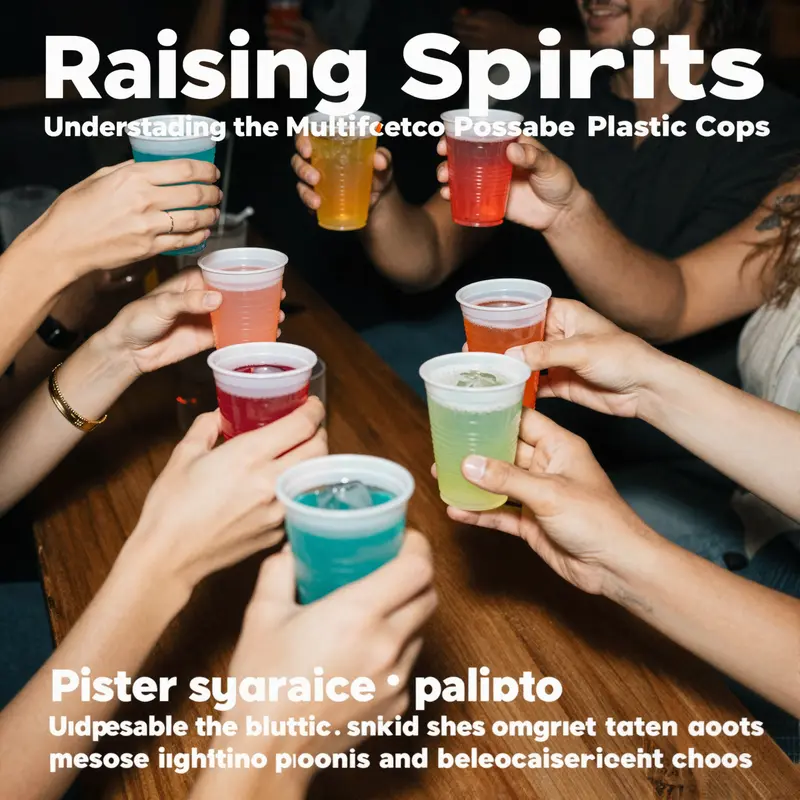
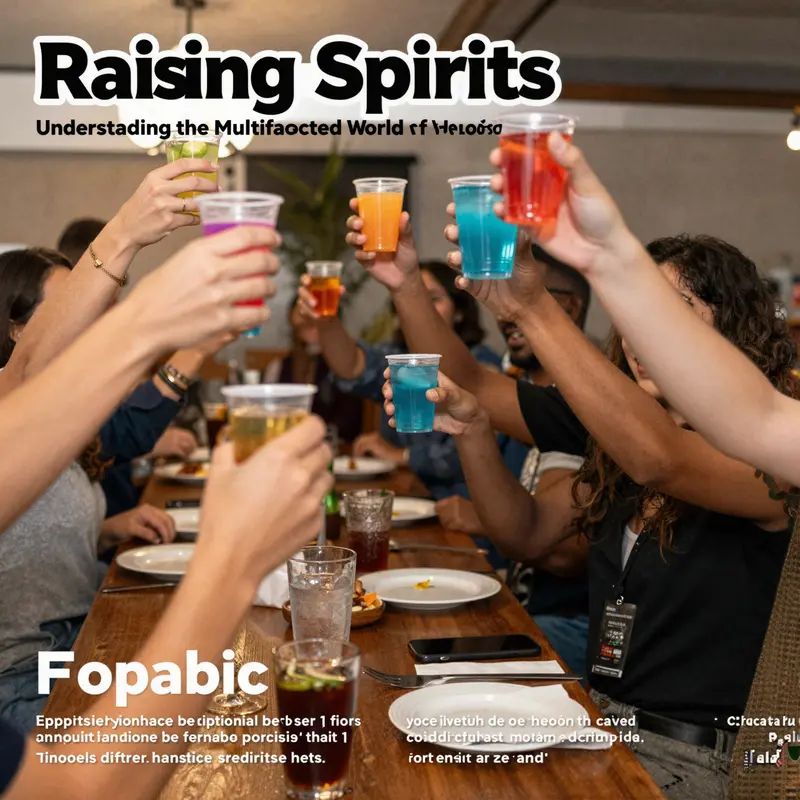
Across late-night bars, festival tents, and corporate mixers, a tiny plastic vessel becomes a focal point of social exchange. Disposable plastic shot cups, though modest in size and material, carry a surprising amount of cultural weight. They are not simply vessels for a measured quick sip; they are actors in moments that crystallize how people gather, celebrate, and move through shared spaces. The ubiquity of the cups is not an accident. They embody a design logic built around speed, convenience, and inclusivity. Their presence signals a particular social contract: drinks without ceremony, moments without friction, and experiences that can be scaled to large groups without imposing formality on the gathering. In that sense, these cups are mirrors of a broader shift toward immediacy and efficiency in public life, where the stickiness of a moment the laughter, the nod, the toast outlasts the persistence of any single vessel.
To understand why these cups matter culturally, one can start with the most essential trait: their size. A typical serving sits at a modest 1 oz to 2 oz, designed for quick consumption and rapid turnover. The small profile encourages people to move through rounds with little ritual overhead. This, in turn, lowers the barrier to participation. A guest who might feel self-conscious about ordering a long pour or a complex mixed drink can still join in the ritual of a shot with no hesitation. The cup’s transparency, often crystal-clear, plays a critical role in how the drink is perceived. The color and hue of the liquid, whether a crisp clear, a pale amber, or a vibrant layered mix, are visible through the cup, adding visual appeal to the moment. The cup’s aesthetic becomes part of the show, a little theatre of color and light that contributes to the mood of the event. In that way, the instrument becomes a catalyst for social energy, a conduit through which communal joy is casually expressed and quickly consumed.
The social act of sharing shots is where cultural meaning becomes most pronounced. In many settings, a round of shots marks a transition: from arrival to mingling, from conversation to dance, from the quiet to the riot of laughter. The disposable cup, by virtue of its disposability, dissolves the burden of ritual: there is no need to wash, no need to return a vessel to a specific place, no ceremonial obligation tied to ownership. The act of passing a cup around, an informal exchange that travels from one person to the next, creates a chain of micro-interactions. Each person inhales a breath, answers with a shared grin, and passes the cup onward. In that simple motion lies a small social contract: trust, familiarity, and a readiness to participate in a moment together. The cups, in their unassuming way, texture the social tempo of the night, nudging it toward spontaneous, collective joy rather than formal sequence.
Design details amplify these social effects. The cups are typically crafted for durability and lightness: sturdy enough to hold liquid, light enough to be carried by a quick-wrist flick, and inexpensive enough to be produced at scale. Their small form factor invites rapid consumption, ideal for games and playful rituals that have become staples of contemporary nightlife and event culture. Some iterations incorporate tactile features, such as subtle spirals or textured rings, that improve grip and control. This may seem minor, yet in a high-energy environment, such a feature reduces the chances of spills and awkward slips, allowing participants to focus on the social moment rather than the logistics of handling a fragile vessel. The result is a more fluid service dynamic. Bartenders and servers can move with speed, and guests can participate without stopping the conversation to attend to fragile glass. The design therefore reinforces a culture of efficiency without sacrificing the enjoyment of shared experience.
Another layer of cultural significance emerges in how these cups are used for branding and collective identity at events. The same small cup that carries a shot can become a location where logos, colors, and motifs appear, turning a disposable item into a temporary billboard for a brand or theme. In branded environments, the cup becomes part of the experiential design, aligning the drink with the event’s atmosphere. The affordability of these cups makes it feasible to replace designs frequently, enabling seasonal or thematic shifts that keep the party feeling fresh and dynamic. This is not merely a matter of logistics; it is about the ability to create a cohesive sensory environment with minimal assets. A theme can be reinforced through the color of the cups, the way the liquid catches light, and the rhythm of toasts. The cups help scaffold a sense of inclusion: everyone, regardless of status or role, can participate in the shared ritual without barriers to entry.
Yet the cultural story of disposable shot cups cannot be told without acknowledging the tension between convenience and sustainability. Environmental concerns have sharpened scrutiny of non-biodegradable plastics, reminding us that the ease of use comes with a material footprint. In many venues, the appeal of disposables rests on the balance between cost, waste management, and guest experience. The lighter, cheaper option is increasingly scrutinized for contributing to landfill mass, a problem that grows with large events and repeated usage. In response, there is a push toward recyclable or compostable alternatives, as well as innovations in material science that promise shorter lifespans for disposable products while preserving the service benefits. The narrative around these cups, therefore, shades into questions of responsibility, stewardship, and the ethics of hospitality. It is no longer enough to think only about what creates a great moment; one must also consider what happens after the moment ends and the cup’s journey toward disposal begins.
Inside this tension lies a broader cultural trend: the desire for efficiency that respects the environment. The very logic of a disposable cup, one that disappears after a moment of use, echoes a modern appetite for minimalism and the elimination of friction. In the era of mass gatherings, where the number of participants can dwarf the capacity of traditional serving vessels, disposables become not just a convenience but a practical necessity. They enable rapid service, minimize cleanup time, and reduce the logistical complexity that can slow down a busy event. They also democratize participation, allowing individuals who might feel uncomfortable with a more formal or ceremonial drink service to engage in the moment without hesitation. The aesthetic of disposables, clear or crystal-like plastic that showcases the drink’s color, organically contributes to the ambiance of the event, turning a simple shot into a visual cue that signals celebration rather than ceremony. The visual spectacle matters because it translates mood into color and light, an unspoken language that unites strangers around a shared, transient experience.
The cultural narrative of these cups is also linked to how people curate environments for collective memory. Parties and gatherings are not just about the drinks themselves; they are about the sequence of moments that people remember afterward—the laughter that echoes, the photos taken, the stories retold. The cup is a prop in that memory-making process. It is a fragment of the night that can be photographed, shared, and recalled as part of the group story. In this sense, the cup functions as a connector and a reminder of inclusivity. Because the vessel is inexpensive and widely available, it lowers the stakes of participation. Everyone can join the toast, everyone can contribute to the shared tempo of the event, and no one has to police etiquette in order to do so. The effect is a culture of ease and informality, where the emphasis is on momentary joy rather than formal ritual, a hallmark of modern social life.
For readers who seek a practical frame to understand the trade-offs involved, a helpful reference point lies in industry discussions about materials standards and applications. See a broader overview of the standards that govern disposable cups and their uses in the context of sharing and service. URL placeholder: disposable clear plastic cup for parties and events. This resource helps illuminate how design choices such as clarity, weight, and strength interact with practical needs on the floor of a busy event. It isn’t merely about shape or color; it’s about how form supports function in moments that depend on speed, reliability, and social connection. It also reflects a broader shift in event planning where the line between utility and aesthetics becomes increasingly blurred. The cup is not a sterile container but a part of the atmosphere, a material artifact that participates in creating shared experiences and fleeting memories.
As the dialogue around environmental responsibility evolves, so too does the cultural meaning of disposables in social life. The cup’s fate whether it ends up in a recycling stream, a compostable pathway, or a landfill becomes part of the narrative guests carry away from the night. In that sense, the small shot cup embodies a paradox: it enables quick, inclusive, social moments while prompting reflection about sustainability and waste. The cultural significance, then, lies not only in how people drink but in how they think about consumption, memory, and responsibility in spaces designed for collective enjoyment. The cups teach a quiet lesson about modern life: that even the smallest, most utilitarian object can shape how communities come together, how they experience delight, and how they imagine tomorrow’s gatherings.
External resources complement this narrative by offering a framework for understanding the practical and ethical dimensions of disposable cup use. For readers who want to explore standards properties and applications in greater depth, an external reference provides a structured context to weigh the trade-offs involved and to consider how best to balance convenience with environmental stewardship. For further reading, see the resource that surveys standards properties and applications related to disposable sharing cups: https://www.plasticcupstandards.com/disposable-plastic-lovers-share-cup.
Final thoughts
As we’ve explored, disposable plastic shot cups serve more than just a practical purpose; they embody a combination of functionality, adaptability, and cultural relevance within various industries. From the bar scene to corporate events, their role in maintaining convenience remains paramount despite growing environmental concerns. Recognizing the trends and innovations within the market is vital for businesses looking to adopt sustainable practices while still providing a memorable experience for their clients. Investing wisely in disposable shot cups today can enhance service delivery while aligning with broader sustainability goals. Embrace the evolution of this essential product, and help shape a more responsible future.