
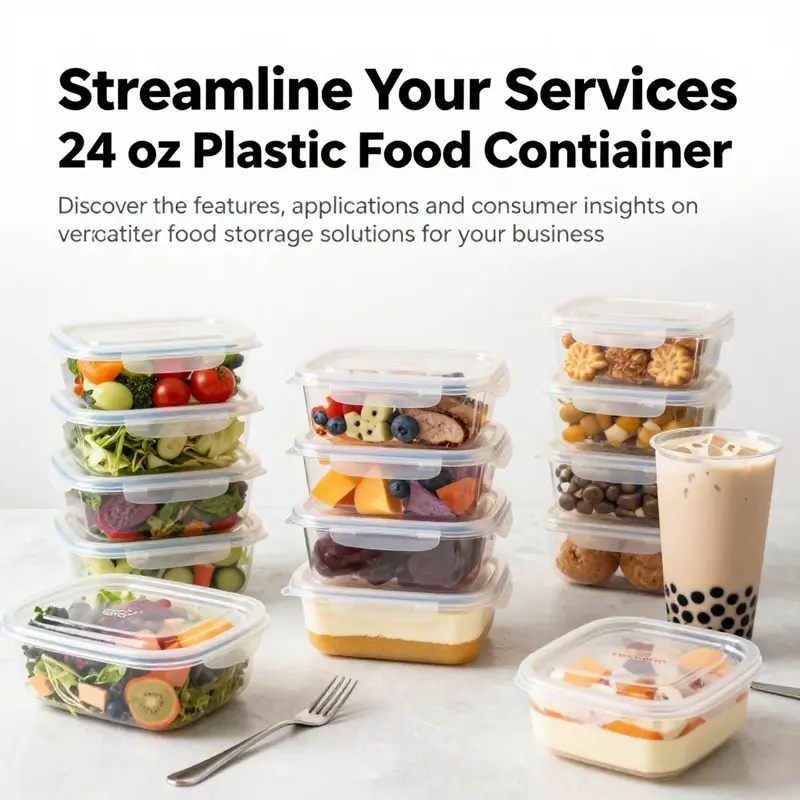
When running a beverage shop, restaurant, or catering service, having efficient and reliable food storage solutions is essential. Dixie 24 oz plastic food containers not only stand out for their functionality but also for their safety, making them ideal for a variety of food service environments. This article will delve into their features and benefits, explore different uses and applications, examine material safety, gather consumer feedback, and check pricing options and availability. By the end of this article, you will gain a comprehensive understanding of how Dixie food containers can enhance your operations.
Dixie 24 oz Plastic Food Containers: From Fridge to Table, a Quiet Brilliance in Everyday Meal Management
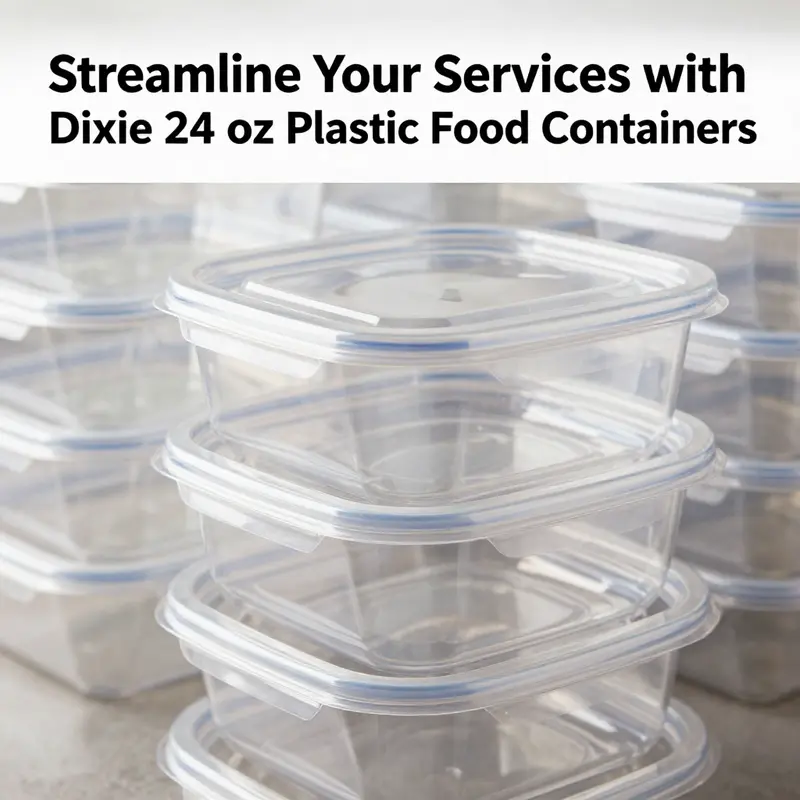
In the rhythm of daily meals, the smallest design choices often have the loudest impact. The Dixie 24 oz plastic food containers sit quietly between the fridge and the microwave, yet they shape how easily a family moves from leftovers to fresh plates with minimal fuss. These containers are not merely vessels for holding food; they are thoughtfully engineered tools for storage, transport, and reheating that align with the tempo of modern life. A square, compact silhouette makes them inviting for stacked shelves, while a clear interior offers a quick glance at what’s inside. The result is a practical, almost unglamorous efficiency that supports meal planning, reduces waste, and invites consistency in portion control and organization. When you consider how leftovers or prepped meals move through a household, these containers emerge as an essential link in the chain from preparation to plate.
Central to their usefulness is the microwaveable design. The ability to reheat directly in the container saves minutes that quickly accumulate into a more relaxed, predictable routine. In busy households, every minute saved in the kitchen translates into more time for family, work, or study, and the convenience of avoiding a transfer from dish to plate reduces the chances of spills and misplacing lids. The containers are designed to withstand heat without deforming, which is crucial when the task is to reheat sauces, soups, or stews that would otherwise require a separate microwave-safe dish. This capability does not just streamline cooking; it also simplifies cleanup. Fewer dishes mean less sorting, rinsing, and drying, which frees up counter space for the next meal preparation cycle.
An equally important feature is the built-in air vent system that accompanies many of these containers. The vented design is a small but vital safeguard during microwaving. Steam needs somewhere to escape, and without an outlet, pressure can build up beneath a lid, potentially causing spills or lid displacement. The vents allow for controlled airflow, releasing steam in a way that preserves the integrity of the lid and keeps the contents from splattering. This practical detail reduces the cognitive load on the user: there’s no need to guess whether a container is safe to microwave or worry about an unexpected burst of heat lifting the lid. It is a little engineering that pays off in consistent reheating results and peace of mind.
The secure-fitting lids are another cornerstone of the product’s reliability. They clamp down to maintain freshness and prevent leaks during transport, which is especially valuable for meal-prep routines, school lunches, or a quick grab-and-go option on the way to work. When lids stay put, foods stay contained, odors stay in, and the risk of accidental spills—whether in a bag, in a car, or on a kitchen shelf—significantly diminishes. This reliability matters most for families juggling multiple meals and ingredients. The lids also contribute to portion control by creating a consistent seal around a known volume, which helps keep meals predictable and aligned with planning goals.
Durability is the quiet backbone of the Dixie 24 oz line. The plastic construction is designed to hold its shape under both hot and cold conditions, a deliberate choice when dealing with the realities of daily life. Food can come straight from the fridge, be reheated in the same container, and then stored again without losing form or inviting deformation. This durability is part of a broader philosophy: containers that resist cracking or warping reduce the likelihood of leaks and spills during transport and storage, and they provide a stable base for stacking in the fridge or freezer. The square geometry, rather than a round profile, further enhances stability. It makes the most of vertical space and minimizes wasted room when containers are stored side by side or nested, offering a quiet efficiency that adds up across weeks of meal prep.
Versatility is another hallmark. The same container handles a spectrum of foods, from hearty stews to delicate sauces, from hot rice dishes to cold salads. The material is selected for resilience, so foods with varying densities and temperatures can be accommodated without compromising the user’s confidence in safety and cleanliness. This versatility supports a modern kitchen ethos: fewer specialized tools, more adaptable solutions. By accommodating both hot and cold items, the containers invite a wider range of meal-prep strategies, food-prep routines, and even spontaneous, on-the-go dining when plans change at the last minute.
From an organizational perspective, the packaging and visibility of contents matter. The containers’ clear plastic allows quick identification of what’s inside, eliminating the need to open several containers to locate the right item. This visibility is especially valuable in households where leftovers wind up buried in a drawer of similar-looking containers. It also supports better inventory management; it is easier to see how much remains and plan the next cooking session accordingly. Even the packaging design, with its simple, straightforward aesthetics, reinforces a user experience built on clarity and ease rather than complexity. This is not a marketing flourish; it is a practical benefit that translates into less time spent rummaging and more time enjoying meals in a predictable rhythm.
The 24-ounce capacity hits a sweet spot for many households. It is large enough to hold a substantial portion, making it suitable for lunch servings, multi-day leftovers, or a family-sized side dish, yet compact enough to fit neatly in most refrigerators, lunch bags, and car cup holders. In a world where portion control and balance are increasingly emphasized, having a reliable, clearly sized container makes it easier to manage meals as a daily practice rather than a weekend project. The 5-count pack often becomes the practical starting point for households looking to streamline routines: it is enough to cover a few days of meals, a few batch-cooked dishes, or several lunches for a single individual. The strength of such a set lies in its ability to scale along with life’s fluctuating pace, from quiet weeks of home cooking to periods of intense activity when meals must be prepared well in advance and transported with confidence.
In sum, the advantages of the Dixie 24 oz plastic containers lie not in flashy innovations but in thoughtful, dependable design that aligns with real-world behavior. They support convenience without demanding compromises on safety or reliability. They enhance freshness through secure seals, reduce waste through clear visibility and sturdy construction, and simplify daily routines by enabling seamless transitions between fridge, microwave, and table. The containers become, in effect, a small yet essential interface in the broader system of domestic food management. They invite users to plan ahead with less friction, to pack meals with confidence, and to reheat with the assurance that the meal will arrive at the plate as intended. In kitchens that value practicality as much as performance, these containers demonstrate how a well-executed, purpose-built product can quietly elevate everyday experiences without shouting for attention.
For readers exploring how modern packaging supports efficient meal routines, understanding the core features and benefits offers a lens into the broader design philosophy behind practical kitchen tools. The emphasis is on safety, convenience, and enduring usability. A microwaveable form that accommodates venting, a secure lid that guards freshness, durable plastic that withstands repeated heating, and a shape that optimizes storage and transport—all of these elements come together to enable a smoother, more confident approach to food storage and reheating. In a sense, the Dixie 24 oz plastic containers become a reliable backstage crew member of daily meals: unobtrusive, dependable, and essential to the flow of family life. Their value is measured not by spectacle but by performance, by the quiet steadiness they bring to the work of feeding people with consistency and care.
External reference for further reading and official specifications: https://www.dixie.com.
Versatile 24-Ounce Square Plastic Food Containers: Safety, Convenience, and Everyday Organization

The containers that hold our meals and misadventures in kitchen organization are rarely flashy, yet they quietly shape how we plan, store, and reheat. A 24-ounce square plastic container does more than contain food; it acts as a compact system for how we approach portions, safety, and time. In kitchens large and small, from bustling catering operations to weekday home routines, these vessels prove their value not just in what they hold, but in how they fit into the flow of cooking, serving, and saving. Their square footprint maximizes real estate in the fridge and the freezer, transforming cramped shelves into orderly spaces where five or ten containers stack neatly, ready for use. The shape matters as much as the contents; corners align with shelves, and sides rest snugly against each other to reduce wasted space. In a landscape where every square inch counts, this is not a small advantage, especially when meal prepping punctuates the week and leftovers become tomorrow’s lunch rather than yesterday’s waste. The design prioritizes usability in everyday life, so that a busy family, a foodservice professional, or a solo diner can retrieve the right portion without rummaging through mismatched lids and mismatched shapes.
Foremost among the practical virtues is the vented, microwave-safe concept. A vented lid design preserves the integrity of the seal while allowing steam to escape during reheating, reducing the risk of splatter and uneven heating. This feature is not a luxury; it’s a functional safeguard that supports safety and convenience when meals are heated directly in the container. Reheating in the same vessel that stored the meal eliminates extra transfers, a small step that adds up in time saved and in the reduction of hazardous handling steps. It also helps preserve the texture and moisture of the food, since the lid’s venting prevents pressure build-up that can lead to soggy edges or dried-out centers. The result is a reheated dish that tastes closer to its freshly cooked form, which is particularly valuable for soups, stews, sauces, and pasta dishes where moisture and heat must be carefully balanced.
Durability is another hallmark of these containers. The plastic is designed to withstand typical kitchen temperatures, including the heat of microwave reheats and the chill of refrigeration and freezing. This resilience supports a broad spectrum of uses—from hot soups to cold salads and sides—without fear of warping, melting, or distortion. In professional settings, this reliability translates into predictable performance during service, transport, and on-the-go meal delivery. Food trucks, cafés, catering operations, and buffet setups benefit from containers that can move through the service cycle with minimal fuss, preserving the appearance and integrity of the food while simplifying cleanup afterward. The robustness of the container also extends to its ability to hold up under repeated daily use when employed as a reusable component within a broader meal-prep system, even as many kitchens opt for disposable options in certain service contexts.
This 24-ounce square format is especially well-suited to a wide array of foods and service styles. In commercial kitchens, it serves as a reliable vessel for soups and chowders, hearty salads, stacked portions of pasta, rice bowls, and side items like mashed potatoes or roasted vegetables. The square shape supports efficient packing on trays, in insulated carriers, and within stackable storage bins, enabling a cleaner, faster service flow from kitchen to counter. The same containers also excel in cold-line applications, where plated items, dressings, and small entrees are portioned and stored for later pickup or delivery. In buffet settings, a combination of the containers with vented lids helps maintain heat and freshness while enabling quick replenishment of items without sacrificing food safety or presentation. In a takeout scenario, clear visibility is often a key factor for both staff and customers; the transparency of the container makes the contents easily identifiable, speeding up service and reducing the likelihood of mix-ups during busy periods.
From the perspective of food safety, the containers align with essential requirements for handling hot and cold foods. They are designed to be BPA-free and to comply with standard food-contact regulations, ensuring that meals are served in a manner that minimizes exposure to potential contaminants. This compliance matters whether the containers are used to store leftovers, prepare meals in advance, or transport freshly prepared dishes to a customer or a guest. When reheating is involved, the combination of BPA-free materials and vented lids supports a safer, more controlled reheating process. The container maintains its integrity while the lid vents, and the clear plastic allows cooks and servers to verify that the container is properly closed before moving on to the next step. In this way, the practical enterprise of daily cooking—planning, storing, reheating, and serving—benefits from a simple, well-considered design that reduces the risk of mishaps and enhances food safety.
Home kitchens also find meaningful value in these containers. They are a versatile tool for portion control and meal planning, helping households transition from improvisation to intentional eating patterns. The 24-ounce capacity lends itself to standard meal portions, which makes it easier to portion out lunches for work or school and to prepare multiple days of meals in one session. When leftovers accumulate, these containers offer a clean, organized solution for sequencing meals, with a lid that remains secure enough to prevent leaks while still allowing quick access. The ability to move from freezer to fridge to microwave with minimal transfers is a distinct convenience, reducing the friction that can derail a plan to eat well. The containers also fit neatly into dishwashers, which makes cleanup more straightforward after a week of cooking and storage. This compatibility matters for households that prioritize efficiency and want to minimize the cognitive load of everyday kitchen tasks.
Beyond practical performance, there is a broader philosophy at play. The existence of a dependable, standardized container fosters mindfulness around waste reduction. When meals are portioned accurately and stored properly, leftovers are more likely to be saved rather than discarded. The containers offer a reliable, accessible way to implement a more thoughtful approach to meal planning, which resonates with sustainability-oriented cooking practices that emphasize reuse, careful portioning, and mindful preparation. The potential impact is meaningful: fewer spoiled foods, reduced waste, and more predictable grocery planning, all of which contribute to a lifestyle that respects resources while still delivering variety and nourishment in daily meals. The broad utility—encompassing home cooks, meal-prep enthusiasts, and professional operators—demonstrates how a well-designed container can weave into routines without demanding a new workflow or specialized equipment.
In the end, the value of a 24-ounce square plastic container rests not only in what it holds, but in how it integrates with everyday life. It is a compact, versatile tool that supports a spectrum of uses—from the precise choreography of a catering service to the personal discipline of a well-planned week of meals. Its design reduces friction, enhances safety, and invites a more organized, less wasteful approach to food. The result is a practical reliability that allows cooks to focus on flavor, balance, and presentation, rather than on the logistics of storage and reheating. For anyone seeking a straightforward yet powerful way to structure meals, leftovers, and takeout, a sturdy, vented, 24-ounce square container offers a quiet resilience—a dependable partner in the ongoing work of feeding ourselves and others with care.
External resource: https://www.ebay.com/itm/356484519444
From Polymer to Plate: How Material Choices Shape the Safety and Everyday Reliability of 24 oz Microwave-Ready Food Containers
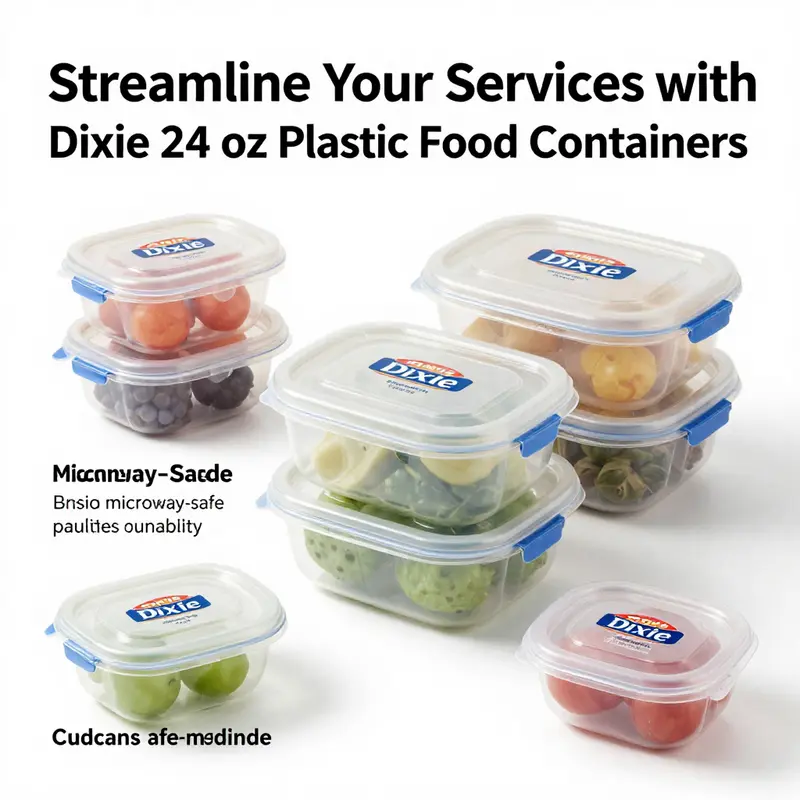
The everyday act of storing and reheating food hinges on a silent partner in the kitchen: the plastic container. What might seem like a simple box is, in fact, a carefully engineered combination of polymer science, food safety standards, and practical design. At the heart of the 24-ounce vented, microwave-ready containers widely used in households and small-food-service settings lies a material choice that balances heat resistance, safety, and usability. Most of these containers rely on virgin polypropylene, a durable plastic known for its ability to handle hot foods and frequent heating cycles without losing shape or integrity. Polypropylene’s reputation as a workhorse in food service comes from a straightforward blend of properties: a high melting point relative to everyday kitchen temperatures, good dimensional stability, and a chemical resistance profile that keeps flavors and textures intact during storage and reheating. The decision to use virgin material, as opposed to recycled polypropylene, is more than a cost or aesthetic preference. For food contact applications, virgin polymers offer a higher degree of predictability. They exhibit fewer impurities that could migrate into food and are less prone to yellowing, warping, or becoming brittle with heat. In a practical sense, this means a container can cradle a hot soup, a stew, or a reheated grain bowl without warping or releasing off smells that might accompany lower-grade plastics. It also coincides with the common consumer expectation that reheating in the same vessel should be safe, quick, and hassle-free. Consumers frequently want to reheat meals directly in the container, and here the material’s heat tolerance becomes almost as important as the design features that prevent splatter and spillage. The combination of a robust heat resistance and a relatively low risk of chemical migration under typical heating conditions makes virgin polypropylene a sensible baseline for a product intended to survive multiple reheating cycles. Yet, the material choice must work in tandem with the container’s real-world features. A 24-ounce vessel is large enough to accommodate a hearty portion, yet compact enough to fit into standard microwaves and lunch bags. When paired with a vented lid system, the container can release steam efficiently during reheating, reducing pressure buildup and the chance of steam-induced burns upon lid removal. The venting mechanism is not merely a convenience; it is a safety feature born from understanding how heat and moisture behave inside a closed container. A well-engineered vent reduces the risk of bloating, lid popping, or sudden steam release, which could scald hands or contaminate a meal. The hardware of the vent—its seal, its airflow path, and its compatibility with the plastic’s heat behavior—must be designed to perform consistently under repeated use. Consistency, in turn, depends on material stability. Polypropylene’s optical clarity in certain grades helps manufacturers produce a container that is easy to inspect for cleanliness and residue, while the opaque or translucent finishes can mask minor wear that might otherwise mislead a user about a container’s performance. The aesthetic and practical aspects of the container thus intertwine with the material’s chemistry to produce a product that is both dependable and predictable. This predictability matters because households use these vessels in a variety of ways—some for hot soups and sauces, others for leftovers or meal-prep portions that may sit in the fridge for days. The container must hold liquids without leaking, manage fats that can soften plastics, and tolerate the occasional nudge into a freezer or a refrigerator without cracking or losing shape when reheated. In many markets, regulatory bodies scrutinize materials intended for contact with food. In the case of virgin polypropylene, the safety profile is well established: it is widely recognized as suitable for food contact, with regulators emphasizing that it does not inherently release harmful substances under typical temperatures encountered in microwaves. For manufacturers, this translates into labeling and compliance steps that reassure both food service operators and home users. The labeling typically advises on microwave use, including any limitations like maximum heating times or recommended venting practices. It is important for users to note that while polypropylene containers are microwave-tolerant, they are not universal across all polypropylene products. Specific product labeling should be consulted to confirm microwave instructions, as variations can exist between batches or design iterations. The size of the container—24 ounces—also subtly shapes safety considerations. A larger vessel concentrates more heat in a given period, and the vented lid must accommodate that heat while maintaining a secure seal when closed. The design challenge is to balance a robust, leak-resistant seal with a vent that opens enough to prevent pressure buildup, yet remains easy to operate, even for children or individuals with limited hand strength. In sum, the material choice—virgin polypropylene—emerges as a rational foundation for a container that aims to deliver reliable performance across cold storage, hot reheating, and everyday use. The material’s resistance to heat, its relative chemical inertness, and its compatibility with food-contact regulations collectively enable a product that many families rely on for efficient meal planning and leftovers management. Still, the actual consumer experience depends on a careful alignment of material properties with product design. A container may excel in heat resistance and safety, yet falter if the venting mechanism becomes stiff or if the lid’s seal degrades after several cycles. Likewise, packaging decisions—such as choosing to use virgin material—have ripple effects beyond immediate safety. They influence recyclability, consumer perception of quality, and the product’s environmental footprint. The dialogue between material science and everyday practicality is ongoing. Manufacturers continually refine the balance between rigidity, flexibility, and clarity to ensure that a 24-ounce container remains easy to handle when full of hot liquids, easy to stack for storage, and safe to reuse for weeks or months under normal kitchen conditions. The consumer’s role in this ecosystem should not be overlooked. Proper use begins with reading the guidance on reheating and storage. While the base material offers a safety margin, it does not override the practical rules of safe food handling: avoid overheating, avoid storing highly acidic or salty sauces for extended periods in certain plastics, and always inspect the container for cracks, discoloration, or warped lids before reuse. The nuances of material science intersect with daily routines in a way that is both technical and tangible. The right polymer, paired with a thoughtful vented lid and a sturdy, impact-resistant body, creates a container that can be trusted to carry hot meals from a stove to a microwave to a lunch bag, without compromising safety or convenience. As with any kitchen technology, the strongest arguments for its value lie in how well it integrates with real-world behavior: a product that holds up after a week of meal-prep cycles, remains clear enough to see contents without opening, and cleans easily without absorbing odors. In this sense, the material choice functions as an invisible baseline—one that supports a user’s routines rather than drawing attention to itself. For analysts and conscientious consumers alike, the information on material composition and safety certification is a map of what to expect: predictable performance, a strong safety profile, and a design that respects the heat and habit of modern life. When these elements align, the everyday act of storing leftovers and reheating meals becomes a smoother, safer, and more satisfying part of the routine. For those seeking a grounded reference to market availability and product labeling, readers can consult a widely circulated listing that discusses related containers in the same category. External reference: https://www.ebay.com/itm/186037993828
Ventures in Microwave Convenience: Consumer Insights on the 24-Ounce Vented Square Plastic Food Container

In kitchens around the world, a particular kind of container has quietly become a daily helper. It is a 24-ounce, square vessel designed to hold a complete meal, with a vented lid that stays in place during heating. The promise is simple: heat quickly, with minimal mess, and then eat without switching containers or tools. Packaged in a five-count set, these containers fit the rhythms of busy families, individuals managing leftovers, and anyone who values portion control and portability. The narrative around them is not just about material and form; it’s about how a small design choice can reshape how people plan, store, reheat, and finish meals. The core features that shape user experience—capacity, venting, and a clear lid—connect in a way that many home cooks and office workers recognize instantly. They offer a practical bridge between refrigeration, microwave convenience, and daily eating habits.
From a materials perspective, consumer confidence rests on safety and clarity. Most of these containers are described as food-grade, often made from polypropylene or polystyrene, and labeled as microwave-safe. That labeling matters, because heat is not merely about warming; it’s about safety, flavor preservation, and the avoidance of unwanted byproducts. The vent mechanism is not decorative—it is functional. It permits steam to escape while preventing a vacuum from trapping heat or causing lid pops. For many users, the ability to heat directly in the container without removing the lid is a recurring time-saver, especially during frantic mornings or after long workdays when every minute counts.
The swirl of consumer feedback tends to tilt positive on several fronts. Convenience sits at the top: the container is ready to go for portioned meals, reheats, and on-the-go lunches. The snug lid reduces leaks, and the clear plastic helps people see what’s inside without opening the box, which supports quick organization in the fridge and the office cooler. The square shape is often praised for space efficiency; it stacks neatly on a shelf or in a lunch bag, maximizing storage while keeping a tidy footprint. In kitchens crowded with gear, that sense of order matters as much as the actual heat performance.
People frequently note how the vented design translates into less spatter and more predictable reheating. A dish with sauces, gravies, or brothy components benefits from the vented lid because steam escapes, yet liquids stay contained. For parents packing a child’s meal, the dual benefits—less mess and clearer contents—are a welcome combination. The five-count pack is seen as a reasonable balance between variety and inventory management. It feels like a practical investment rather than a single-use bet, especially for households that routinely portion meals or batch-cook for the week.
Yet the conversation is not without caveats. A portion of users brings attention to durability. While the label promises microwave tolerance, repeated heating, especially at higher settings, can cause subtle warping or edge softening. The warnings on the packaging about heating times are not simply bureaucratic: they reflect a real user pattern where heat exposure can influence the container’s shape and that, in turn, can impact seal integrity. The ongoing trade-off between convenience and resilience appears in discussions about how long these containers last and under what conditions they perform best.
Environmental considerations also surface in consumer discourse. Disposable plastics carry an inherent tension: the very feature that enables quick meals and easy cleanup creates a waste footprint that some buyers find troubling. Reviewers often acknowledge that convenience must be weighed against sustainability goals. This tension drives interest in recycling opportunities and in the broader conversation about reusable alternatives for everyday use. Some shoppers describe a deliberate pattern—using the containers for quick, short-term needs and then seeking more durable, reusable options for daily meals. Others explore local recycling streams, hoping to align fast, practical food storage with responsible disposal.
In terms of usage, the spectrum is broad. For households, the containers function as precise vessels for leftovers and for pre-portioning meals, reducing guesswork during busy weeks. In offices and schools, they offer a compact solution for transporting a home-cooked meal or a prepared lunch. For small-scale food services or takeout scenarios, the 24-ounce capacity provides a reliable portion size that can be reheated without a transfer to another dish. For social settings—picnics, potlucks, or casual gatherings—the containers help keep things organized, allowing a host to prepare in advance and reheat without meddling with multiple lids and bowls. The ability to see the contents at a glance supports quick service and minimizes food waste, a practical benefit in busy environments.
Design and packaging choices also influence how people feel about these containers. The clean, almost clinical transparency given by the clear plastic aligns with hygiene expectations. The packaging that groups five units together signals a balance between readiness and practicality—enough for a family week, enough for a small office cohort, without inviting excessive waste. This balance resonates with buyers who value efficiency but still prefer orderly food storage. The result is a product identity that brackets everyday needs with basic but essential design choices: a dependable seal, a gentle curb on spills, and a lid that fits securely enough to tolerate transport without frequent adjustment.
Consumer insights reveal a nuanced relationship with the container’s core function—heat, seal, and visibility—and how that trio governs daily behavior. The vented feature is a small but telling signal that ease of use is a priority. It communicates that the design anticipates steam and wants to keep meals intact rather than allowing pressure to build. The see-through lid offers a simple, almost universal advantage: it makes the decision about what to eat easier and more efficient. In practice, that translates to more consistent meal choices, less confusion in the fridge, and fewer excuses to skip a meal because the contents were unclear or disorganized.
Looking ahead, the consumer conversation hints at opportunities for improvement without discarding the benefits that already drive satisfaction. Many buyers express openness to enhancements that preserve convenience while addressing environmental considerations. Ideas include integrating more recycled content or expanding the range of reusable accessories that extend the container’s life. There is also interest in clearer, more accessible heating guidelines and better odor control for sensitive users. These themes align with broader shifts in consumer behavior toward sustainability, healthier materials, and more predictable performance across households with varied microwaving practices.
Across the spectrum of use, the containers become a quiet proxy for how modern households manage food, time, and waste. They illustrate a broader pattern where design choices—how a lid vents, how the container stacks, and how contents remain visible—shape not just meals, but the rhythms of daily life. The narrative in reviews suggests that the right balance of these features converts a simple plastic box into a dependable daily ally. In practice, that means fewer disruptions to mealtime routines, less reorganization after refrigeration, and a more predictable reheating experience.
Finally, as readers anticipate the next installment in this series, the takeaway is not a verdict about perfection but a snapshot of a consumer ecosystem in motion. The 24-ounce vented square container embodies a pragmatic approach to modern eating: it is a tool built for speed, safety, and clarity, yet it sits within a larger conversation about sustainability, personal health, and the evolving expectations of both households and small food operations. The guidance embedded in user feedback—follow heating instructions, evaluate your specific use case, and consider local recycling options—emerges as a practical compass for navigating choices in a marketplace that prizes convenience and responsible stewardship in equal measure. External reference: https://www.amazon.com/dp/B08XQZ9KZJ
Smart Budgeting for Leftovers: Pricing, Availability, and Everyday Value of 24-Ounce Microwave-Vented Plastic Food Containers
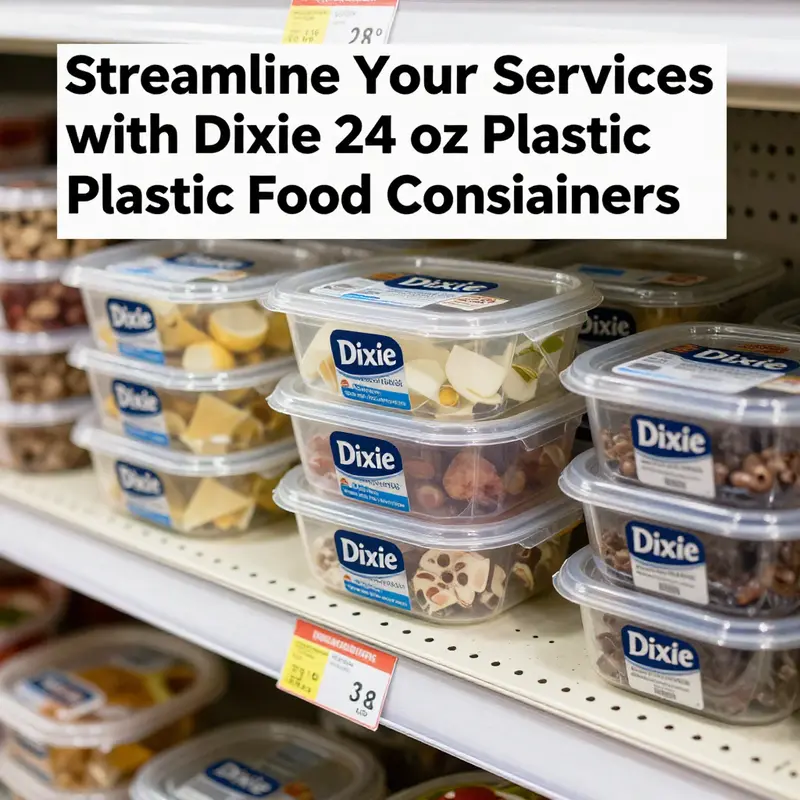
Leftovers have a way of multiplying in busy households, and the right storage solution can turn a chaotic fridge into a calm, organized space. The 24-ounce, square plastic containers with a vented, microwave-safe design are often the quiet workhors of everyday kitchens. They cater to a spectrum of needs—from batch cooking for the week to quick lunches on the go—and their value is judged as much by price and availability as by their build and performance. When shoppers consider these containers, they do not just weigh the upfront cost; they weigh the long arc of use, durability, and how readily a given pack fits into their routines. A typical five-count pack represents a balance between affordability and practicality. It offers enough units to portion several meals, while keeping the per-unit price within a reasonable range for families and individuals who prepare meals in advance or who consistently repurpose ingredients. The square shape, with its clean lines and compact footprint, adds to the equation of value by occupying less storage space and, crucially, by stacking neatly in the pantry, the fridge, or a lunch bag. The design is more than cosmetic; it is a purposeful approach to everyday efficiency. A clear, unobstructed view of the contents through the container walls helps reduce the time spent searching for meals in a crowded fridge, a small but meaningful improvement in daily rhythm that translates into less food waste and more predictable meal planning. The vented lid, a distinctive feature of this category, is not merely a convenience but a safety feature for reheating. It allows steam to escape, which minimizes the risk of pressure buildup and splatter, while enabling faster warming in the microwave. This practical aspect matters to anyone who has learned the hard way that reheating in a sealed container can ruin textures and flavors or, worse, lead to unsafe handling. The overall experience of buying, using, and reusing these containers hinges on a simple truth: the right combination of price, availability, and performance lowers the friction of daily meals and makes leftovers feel less like a chore and more like a dependable part of a routine. Price is not a single number but a spectrum that shifts with channel, season, and stock. In online marketplaces and big-box retailers alike, the same five-count pack can appear at different price points, sometimes reflecting promotions, bulk discounts, or shipping strategies that alter the total cost of ownership. Consumers who approach the decision with a clear sense of the total cost—unit price, shipping when ordering online, and any applicable taxes—make choices that align with long-term use. A low sticker price might tempt immediate purchase, but not if it comes with compromised lids, inconsistent venting, or a fragile wall thickness that fails after a few reheats. Conversely, a higher price can be justified when it signals durable construction, reliable seals, and a consistent performance across many reheats and different food types. Availability, too, weaves into the price narrative. In high-demand periods—think back-to-school lunches, holiday meal prep, or post-holiday stock refresh—supply can tighten. Stock levels fluctuate on major e-commerce platforms and at large retailers, influenced by manufacturing cycles, supplier forecasts, and even the logistics that ferry goods from factories to store shelves or warehouses. For a shopper watching budgets, the moment of availability matters almost as much as the price itself. A container that is perpetually out of stock or marked as “low in stock” can derail a meal-prep plan just as effectively as a higher price. This reality nudges shoppers toward a simple, steady habit: set price alerts when possible, compare the per-unit cost between a five-count pack and larger bundles, and consider whether a repeat purchase aligns with the size of their household and the frequency of leftovers. The five-count pack is especially appealing because it is compact enough to manage, easy to rotate into a meal-prep schedule, and flexible enough to be used for snacks and small meals without overcommitting on inventory. Yet, the calculus does not end there. The container’s design—lightweight yet sturdy, with a square footprint that fits neatly on a shelf—creates a sense of reliability that can justify a modest premium. This is not merely about how much something costs today; it is about how readily it serves in future meals. A container that resists cracking after repeated reheats, maintains a secure lid seal, and remains dishwasher-friendly (where applicable) can yield savings by reducing the frequency of replacements. Durability, in this sense, has a direct impact on the total cost of ownership. It is also worth considering compatibility with practical routines: how easy it is to store multiple containers, how well their lids stack with the bases, and whether the vented mechanism remains effective after multiple uses. These factors influence whether the product earns a place in the long-term rotation of kitchen tools. Availability is shaped not only by stock but by how these containers are marketed and sold. Online shopping, with its real-time stock indicators and price tracking, can be a boon for budget-conscious shoppers who want a steady supply without sacrificing reliability. In-person purchases at larger retailers add the benefit of immediate ownership and the ability to inspect the packaging for any visible defects. For families who rely on batch cooking, the choice often hinges on consistent access across both channels. The decision framework that emerges from price and availability also interacts with broader consumer values. Some shoppers prioritize durability and reusability as a means to reduce waste, aligning cost with environmental considerations. Others focus on convenience, where the time saved in reheating and portioning justifies a slightly higher price per container. In either case, the five-count pack offers a pragmatic middle ground. It strikes a balance between risk and reward: enough units to meet a week’s worth of meals without inviting storage clutter or heavy upfront investment. The square shape magnifies this benefit by enabling neat stacking and tidy organization, which in turn reduces the cognitive load of meal planning. The vented lid, beyond its immediate functional advantage, contributes to a smoother daily routine. Recipes can be prepared in bulk, ingredients portioned into the five-count containers, and meals reheated quickly without dithering over whether the container will vent properly or spill. The result is a kitchen that feels manageable rather than overwhelming—an outcome that resonates strongly with families and individuals who prize efficiency as a form of intentional living. When price and availability align with this sense of ease, the perceived value of the container increases. Shoppers are more likely to reuse and repurpose the containers for a variety of foods, from soups and stews to grain bowls and salads with dressings on the side. The versatility becomes a self-reinforcing loop: reliable performance invites continued use, which in turn justifies maintaining a stock of the containers in reach. In presenting this topic, it is essential to acknowledge the practical realities of the market while avoiding hype. The best approach for a shopper is to compare apples to apples: a five-count pack of 24-ounce, square, vented, microwave-safe containers versus similar options in the same category. Notice how the differences in lid quality, vent mechanism, and wall thickness translate into real-world consequences—how quickly you can reheat without scorching, how easily you can seal and stack, and how many cycles of use the product can withstand before noticeable wear. The price tag, then, is a signal of value rather than a sole determinant. Availability becomes a narrative of reliability: can you count on having a steady supply when you need it most? The interplay between these factors shapes not just a purchase decision but a broader relationship with one’s kitchen gear. In the end, the right container for one household might differ from the right container for another, but the underlying logic remains consistent: seek a balance of favorable price per unit, dependable availability, and design features that support a smooth, practical cooking and reheating routine. For anyone who leans into meal prepping or regular leftovers, that balance translates into fewer last-minute purchases, less waste, and more predictable, satisfying meals throughout the week. External resources can help illuminate current market conditions, price trends, and stock levels across major retailers, offering a practical reference point as decisions evolve over time. External resource: https://www.amazon.com/Dixie-Ware-Count-Pack-Plastic-Containers/dp/B07XQVZ6JN
Final thoughts
Dixie 24 oz plastic food containers present an excellent solution for food service businesses seeking reliability, versatility, and safety in food storage. Their design caters to various applications, from bubble tea shops to catering services, while consumer insights affirm their quality and satisfaction. As a cost-effective choice available across retailers, these containers can streamline your operations and improve customer service. Investing in Dixie containers means choosing a product that complements your needs and supports your business’s growth.