
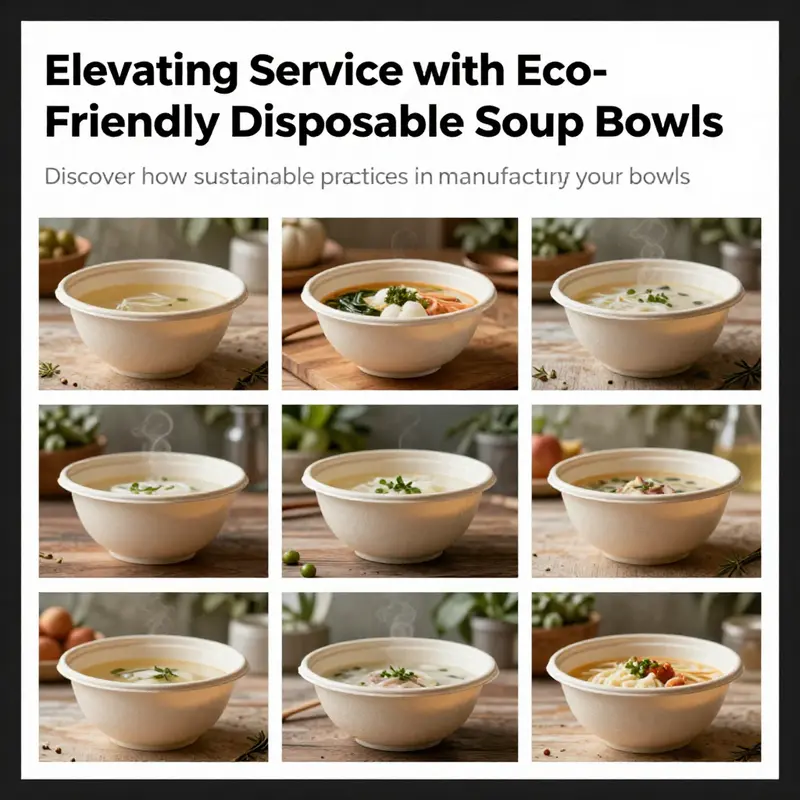
As eco-conscious consumers become more prominent, businesses are increasingly recognizing the value of sustainable practices, particularly in the food industry. Disposable soup bowls, once considered mere convenience items, have now evolved into essential products that reflect a brand’s commitment to environmental responsibility. This article explores the sourcing of sustainable materials, the efficient production processes, and the latest market trends in disposable bowls, making it essential reading for bubble tea shops, restaurants, food trucks, catering services, and corporate procurement teams. Each chapter will delve into how adopting these eco-friendly solutions can not only enhance operational efficiency but also attract environmentally aware clientele.
Material Choices and Procurement Strategy for a Sustainable Disposable Soup Bowl Factory
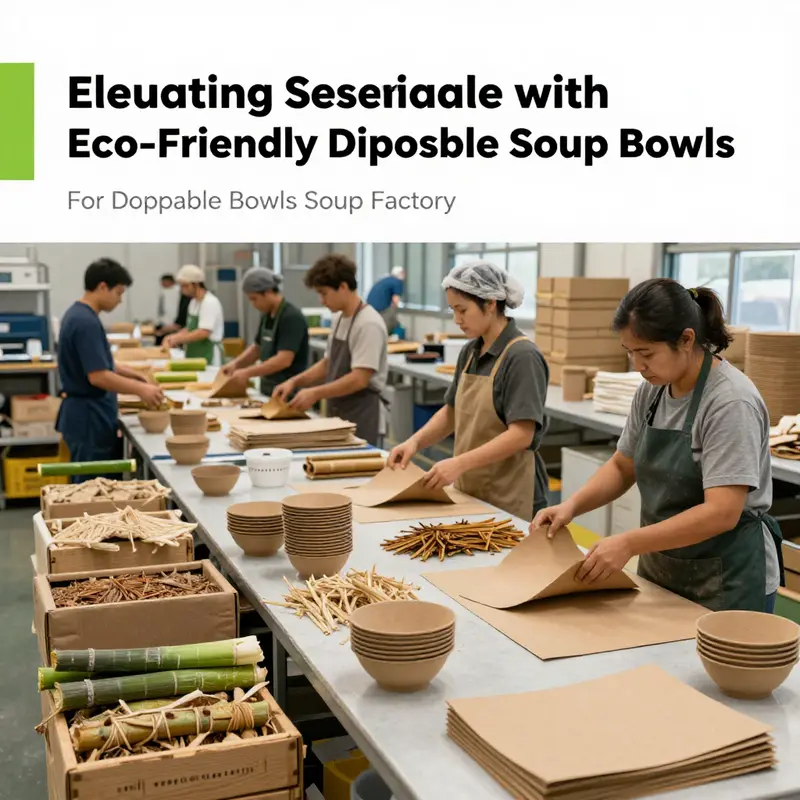
Sourcing sustainable materials for a disposable bowls soup factory is both a technical task and a strategic advantage. Choosing the right raw substrates shapes product performance, regulatory risk, brand promise, and the factory’s carbon and waste profile. The material decision must balance heat resistance, leak and grease protection, compostability or recyclability, cost, supplier reliability, and the downstream infrastructure available to customers. This chapter walks through the pragmatic considerations procurement teams and factory managers need when building a resilient supply chain for eco-friendly soup bowls.
At the core of any sourcing strategy is clarity about what the product must deliver. For soup bowls that will hold hot liquids, the base requirements are straightforward: structural integrity under heat and liquid load, oil and leak resistance for broths and emulsions, lid compatibility to prevent spills in delivery, microwave safety for reheating, and food-contact compliance. Beyond performance, sustainability attributes are often prioritized differently by customers: some want fully compostable packaging; others require recycled content or certified bio-based materials. Those differences determine the material families worth evaluating.
One family of materials to consider is molded natural fiber—products pressed from agricultural byproducts such as bagasse (sugarcane fiber), wheat straw, or bamboo pulp. These substrates are inherently compostable, can withstand high temperatures, and often come with the mechanical strength needed for takeaway and delivery. Factories sourcing molded fiber should ask suppliers for thermal resistance data and grease migration tests. Practical advantages include microwave safety and good stacking behavior during shipping. But buyers must confirm sourcing practices: ask whether fibers come from true agricultural waste streams and whether processing uses minimal chemicals and closed-loop water systems.
A second viable pathway is plant-based bioplastics such as polylactic acid (PLA). PLA provides a familiar feel and can be thermoformed into smooth, printed bowls with strong barrier properties for short-duration hot food service. However, PLA’s compostability depends on industrial composting conditions; it will not reliably break down in a home compost pile. Procurement must therefore consider the customer base and end-of-life infrastructure. If the market lacks industrial composting facilities, PLA may create consumer confusion and contamination in recycling streams. When evaluating PLA suppliers, insist on third-party compostability certifications and full disclosure of resin grades, melting point, and food-contact migration testing.
Paperboard with coatings is another widely used option. Uncoated paperboard alone lacks sufficient grease and leak resistance for many soups; coatings or linings are a necessity. Traditional polyethylene (PE) coatings improve barrier performance and heat resistance, but they reduce compostability and complicate recycling. Newer bio-based or recyclable coating technologies provide a compromise. Procurement teams should verify that coated paperboard meets applicable food-safety regulations and request information on the recyclability of the composite. For businesses targeting municipal recycling streams, the ability of local systems to sort and process coated board is a critical question to resolve before committing to high volumes.
A less conventional but increasingly attractive material is areca palm leaf, a natural fiber composite made from fallen leaf sheaths. It requires no cutting of trees and yields fully compostable items with good heat tolerance. The processing route tends to be low-chemistry and energy-efficient when suppliers use solar drying and mechanical molding. For factories, areca leaf offers a strong sustainability story, though supply seasonality and geographic concentration mean procurement teams should confirm monthly capacity and lead times.
No matter which material family you choose, vetting suppliers on a few core axes ensures the raw material performs and the supply chain stays resilient. First, require food-contact safety documentation: migration test reports, oil and water resistance data, and certifications that align with your target markets. Typical standards to request include FDA food-contact compliance, EU food contact regulation adherence, and local equivalents where you sell. For compostable claims, insist on third-party certifications from recognized programs to avoid greenwashing. These certificates should be verifiable and correspond to the material’s expected end-of-life environment.
Second, examine supply chain traceability and ethical sourcing. For natural fibers, verify that feedstock is collected only after natural shedding or is an agricultural byproduct. For plant-based resins, clarify whether feedstock is non-GMO and whether farmers are engaged in regenerative practices. Suppliers who publish chain-of-custody information, carbon intensity figures, or social audits can reduce procurement risk and improve ESG reporting.
Third, evaluate operational reliability: production capacity, MOQ thresholds, lead times, and logistics. Many sustainable material suppliers will operate on higher MOQs than traditional plastic suppliers because molds and presses add fixed costs. Yet economies of scale often dramatically reduce unit cost once volume is established. Ask for production cadence, typical lead times, and performance during peak seasons. Proximity to major ports or freight hubs lowers landed cost and shortens replenishment cycles—an especially important factor for factories that need to maintain just-in-time inventory for multiple SKUs.
Customization capability is the fourth critical axis. The ability to integrate custom sizing, printing, embossed logos, and tight-fitting lids affects both branding and functionality. Spill resistance is not just a product claim; it requires coordinated lid and bowl design. Seek suppliers with in-house design and tooling support, capable of running proofs and small pilot runs before scaling. Because lid performance can reduce delivery spillage by significant margins, include lid retention and stability testing in your acceptance criteria.
Pricing and cost transparency matter as well. Sustainable materials often command a premium versus commodity plastics, but the gap narrows with volume and stable supplier relationships. Look for suppliers that provide price breaks by volume and itemize costs for raw material, coating, printing, and logistics. Negotiate flexibility for seasonal fluctuations in agricultural feedstock prices and build in clauses for currency or raw material indices if you source internationally.
Piloting and testing are essential before full-scale adoption. Start with small batches to evaluate how bowls perform under realistic service conditions. Test for hot-hold structural integrity, microwave reheat behavior, lid fit under transit, and user experience with utensils. Include accelerated shelf-life and grease resistance testing if soups contain oils or creamy bases. Collect feedback from a sample of end users and your operations team—kitchen handling and order-packing ergonomics often reveal issues that lab tests miss.
Sustainability claims must be defensible. A clear record of certification documentation and lab results protects both procurement teams and marketing. When communicating compostability or recyclability to customers, be explicit about the end-of-life conditions required. For example, if a bowl is industrially compostable, provide instructions and, where possible, point customers to local composting facilities. Misleading or ambiguous claims can damage brand trust and invite regulatory scrutiny.
For factories planning to support private labeling and white-label customers, supplier flexibility becomes even more important. Private-label customers expect control over branding, sizing, and packaging, and often require predictable lead times and smaller batch capabilities for seasonal promotions. When your procurement framework includes suppliers able to produce pilot quantities down to low thousands, you can reduce minimum order risk for new customers and iterate designs efficiently.
Logistics and packaging are often overlooked but are central to maintaining product integrity. Sustainable bowls should be packed to minimize movement and moisture exposure during transit. Choose secondary packaging that aligns with your sustainability goals—recycled-corrugated shippers, biodegradable pallet wrap, and optimized inner packing to increase pallet density all reduce total carbon and cost per unit. Confirm pallets and pack patterns with your supplier to ensure smooth handling at your factory receiving docks.
Risk management is the final layer. Maintain dual sourcing for critical materials where possible to avoid single points of failure. For regionally constrained inputs—such as areca leaf—establish alternate suppliers or inventory buffers around harvest seasons. Include quality gates in arrival inspections and random testing to detect drift in material properties. Build contractual terms that address force majeure, lead-time changes, and quality deviations.
A practical procurement checklist to carry forward includes: request and verify food-contact and compostability certifications; demand test reports for thermal stability and grease resistance; verify raw material origin and traceability; assess manufacturing capacity and lead times; negotiate pricing and MOQ terms, and run real-world pilot batches. Also, ensure lid compatibility is part of the technical brief and align packaging and logistics with sustainability goals.
One operational tip is to leverage regional manufacturing clusters. Sourcing from nearby clusters can reduce lead times and freight costs and simplifies supplier visits and audits. When working with international suppliers, plan for customs lead times and ensure all documentation—especially material safety and compliance papers—travels with shipments to ease inspections.
Finally, remember that the best material choice is not static. As composting infrastructure, recycling systems, and material science evolve, procurement strategies should adapt. Maintain a cadence for material reviews and sustainability benchmarking, and keep an eye on innovations in coatings, fiber treatments, and low-impact biopolymers. A factory that builds procurement systems with flexibility and verification at their core can shift materials as markets and regulations change, while still delivering reliable, heat-safe, spill-resistant bowls for soup and other hot foods.
For operations teams seeking practical product examples and complementary takeaway packaging options that align with bowl sourcing decisions, consider reviewing a supplier catalog for kraft and molded fiber solutions designed for hot-food service such as disposable kraft paper bowls with lids. These resources can help align dimensions and lid options to your bowl specifications.
For validating compostability claims and cross-checking third-party certifications, procurement teams should use authoritative databases that list certified compostable products and testing programs. The U.S. Composting Council maintains a searchable directory that is useful when verifying supplier certificates and ensuring claims match recognized standards: https://www.compostingcouncil.org/bpi-certified-products
null
null
Eco-Driven Demand and Design: How Consumer Preference Is Rewriting the Disposable Soup Bowl Factory
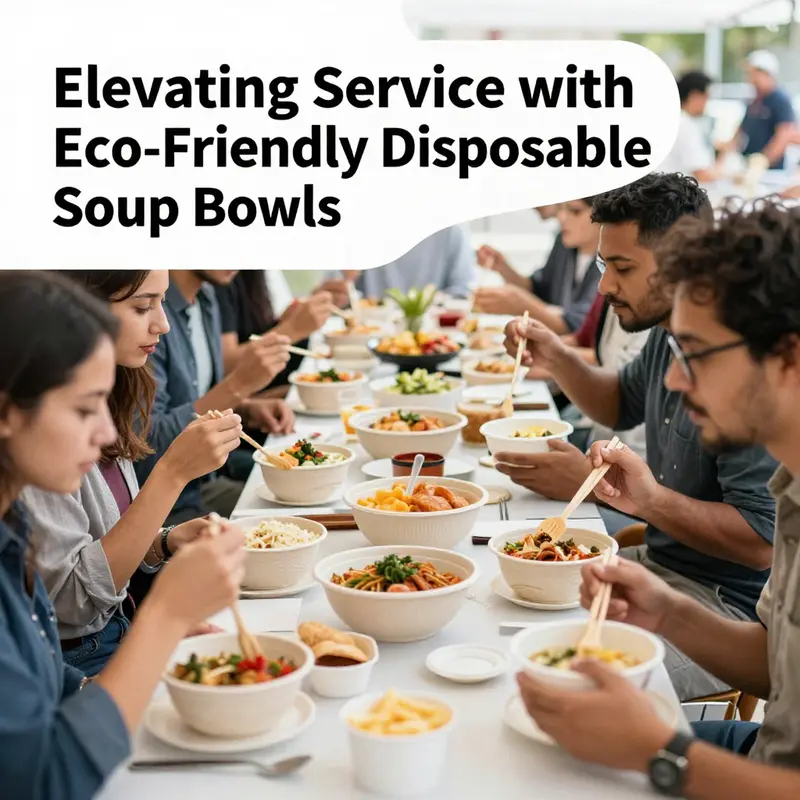
The disposable soup bowl factory sits at a pivotal juncture where consumer values, regulatory pressures, and industrial capability converge. In markets previously comfortable with plastic and waxed paper, a quieter but persistent tide is turning toward materials that can break down after use without leaving lasting residues. This shift is not merely about substituting one polymer for another; it is about redefining the entire production mindset. When consumers demand products that align with environmental stewardship, manufacturers respond with process innovations, material science breakthroughs, and smarter ways to deliver convenience without compromise. The result is a market that looks different from the one that shaped the industry a decade ago, and it is shaping the factory floor as surely as it is shaping a shopper’s cart. The current moment is, in many ways, a validation of the idea that sustainability and efficiency can travel in parallel, not at cross purposes, and that the most successful disposable bowls will be those that perform under heat, withstand transport, and disappear in a compost pile rather than a landfill.
Market observers have tracked a rapid expansion in the organisms that drive this transition. The global appetite for eco-friendly disposable containers has surged, supported by a combination of consumer preference, brand storytelling, and policy incentives. A recent industry overview indicates that the biosourced disposable tableware market has grown to substantial scale, with the global market size reaching hundreds of billions of dollars in recent years and continuing to expand at a robust pace. This growth is not a mere blip: it reflects structural changes in how people think about convenience, how businesses source materials, and how governments regulate waste and packaging. The soup bowl, long a humble vessel, has become a strategic artifact in the broader climate conversation—one that can demonstrate responsible sourcing, consumer trust, and supply-chain resilience all at once.
The numbers behind the trend are telling. The business-to-business and business-to-consumer segments alike show a durable uptick in demand for biodegradable and compostable alternatives. Market analysts have documented a trajectory in which the size of the biodegradable disposable tableware market reached approximately 13.4 billion dollars in a recent year and is projected to climb higher through the early 2030s. Beyond the headline figures, the underlying drivers are clear: consumers are willing to pay a premium for products with verified environmental credentials, and brands are translating that willingness into differentiated packaging strategies. In other words, the value proposition of an eco-friendly soup bowl hinges not only on sustainability but also on reliability, safety, and brand alignment with consumer values.
At the material level, the industry has shifted toward renewable fibers and bioplastics that can perform on hot foods while remaining compostable under common environmental conditions. Plant-fiber molded materials, including bagasse and other cellulose-rich fibers, have risen to the forefront as practical, scalable alternatives to traditional plastics. These materials offer a balance of stiffness, barrier properties, and heat tolerance that enables hot soups to travel from kitchen to customer without compromising integrity. Starch-based polymers and other bio-based formulations also contribute to a broader portfolio of options, allowing manufacturers to tailor products to specific use cases—from street-food takeouts to restaurant-delivery bundles. The adoption of these materials is not merely technical; it is strategic. Biodegradability and compostability certifications become essential signals in a crowded market, helping buyers distinguish genuinely sustainable choices from greenwashed options.
Certification and standardization play a central role in this landscape. The market rewards products that carry credible sustainability labels, and buyers increasingly expect USDA BioBased and compostable certifications as a baseline. For manufacturers, certification is not just a validation of material choice; it is a way to simplify procurement decisions for downstream clients, including restaurants, caterers, delivery platforms, and event organizers who must meet their own sustainability commitments. In practice, this means that the factory floor must be designed to accommodate not only the raw materials themselves but also the testing, documentation, and traceability that certifications demand. The result is a lifecycle approach to product development, one that stretches from sourcing and processing to end-of-life expectations. When a bowl can claim a compostable path and meet food-safety standards, its adoption by forward-thinking brands accelerates.
Performance remains a non-negotiable core. Modern biodegradable bowls now demonstrate heat resistance up to roughly 220°F (105°C), with many designs engineered to withstand microwave reheating without warping or compromising barrier properties. This combination of heat tolerance and microwave safety is more than a convenience feature; it is a competitive differentiator. In a world where consumers expect to reheat meals in the same container, a bowl that resists deformation under heat translates directly into reduced waste, fewer disposable components, and a smoother consumer experience. It also widens the range of service models an operator can pursue—from dine-at-home kits bundled with hot foods to delivery-only concepts where integrity during transit is critical. The practical upshot is a measurable edge over traditional plastic alternatives, especially when coupled with design elements that minimize spills and leakage during transport.
The design language of these bowls emphasizes spill resistance and secure lid fit as a standard feature. In a field where the product must travel through busy kitchens, couriers, and doorways, snug-fitting lids and lockable rims are not luxury features; they are requirements for stability and user satisfaction. A well-engineered lid design reduces spill incidents by significant margins, which in turn lowers costs associated with customer complaints, returns, and contaminated shipments. That stability is particularly valuable for soups, chili, and other piping-hot meals that demand reliable containment in all weather conditions and during the bumps and stops of last-mile delivery. The math of delivery efficiency becomes tangible here: improved containment reduces packaging waste by limiting the need for protective secondary packaging and prevents soggy or damaged meals from limiting brand trust.
From a product-portfolio perspective, the market has become more nuanced in terms of sizing. The available capacity spectrum for disposable soup bowls ranges from compact, 330 milliliters up to 1000 milliliters, or roughly one liter. This range supports a variety of use cases, from personal lunches to family meal bundles and catering portions. For operators serving food trucks, urban delivery, or large gatherings, scalable production with flexible sizing helps manage inventory and meet diverse consumer needs without resorting to mixed, incompatible packaging lines. The ability to tailor sizes is often paired with private labeling and branding options, turning a simple container into a vehicle for brand equity. In practice, this means that a factory can offer customized prints, color palettes, and even logo embossing that aligns with a client’s marketing strategy while maintaining a consistent performance profile across sizes.
Manufacturers also structure their commercial terms to match demand realities. Batch planning and minimum order quantities (MOQs) are calibrated to balance supplier risk with buyer needs. In many cases, MOQs begin at tens of thousands of pieces, reflecting the scale required to amortize high-quality biobased materials, certification processes, and the logistics of compostable waste streams. Price points vary with volume and customization, generally spanning a range that reflects the added value of bio-based content, the complexity of the lid system, and the ability to deliver consistent performance under heat and moisture. A typical pricing window exists where the per-piece cost declines as volume increases, creating a strong incentive for restaurants, caterers, and distributors to commit to larger orders for longer contract terms. The economics of scale thus enable a more sustainable packaging ecosystem without imposing prohibitive costs on end users.
Private labeling and branding are not merely convenience features; they are strategic levers for market expansion. When a soup bowl can carry a restaurant’s identity or a delivery platform’s sustainability message, it helps close the loop between consumption and corporate responsibility. Private labeling integrates with the supplier’s manufacturing capabilities and materials science to deliver a consistent, compliant product that still communicates a client’s ethos. The result is a feedback loop where consumer perception, brand loyalty, and repeat purchase rates reinforce each other. This is particularly important for hospitality groups, event organizers, and food-service platforms that aim to distinguish themselves through environmental stewardship as much as through menu offerings. The supply chain behind this is increasingly sophisticated, with manufacturers offering scalable production, flexible payment terms, and the capability to scale private-label programs across regions and channels.
Sourcing and reliability also factor prominently in strategic planning. In today’s market, a well-structured supply chain must navigate fluctuations in raw-material availability, certification audits, and evolving waste-management infrastructure. For buyers seeking dependable supply, suppliers that can demonstrate traceability, consistent quality, and the capacity to scale are at a distinct advantage. The ecosystem has grown to include verified supplier platforms where buyers can assess certifications, production capabilities, and logistical readiness. In practice, this means more transparent supplier relationships, clearer expectations around lead times, and more predictable pricing models as demand patterns evolve across seasons and regions.
From a consumer behavior standpoint, the appetite for eco-friendly options intersects with several decision-driving factors. Beyond environmental credentials, shoppers consider temperature performance, ease of use, and aesthetic appeal. A bowl that looks sturdy, feels right in the hand, and presents a clean, branded impression at the point of sale carries more weight than a generic container. The packaging experience—how a lid seals, how a sleeve protects the product in transit, and how a disposal label communicates end-of-life options—contributes to perceived value. In markets where fast service and convenience are essential, designers have converged on a holistic approach that marries form and function: a bowl that looks good on social media, performs reliably in transport, and dissolves in a compost stream without a trace of plasticizers or extraneous residue.
The competitive landscape further reinforces these shifts. Traditional plastic bowls, once dominant in fast-food and takeout contexts, now confront a suite of regulatory challenges and evolving consumer expectations. Regulations aimed at reducing single-use plastics pull operators toward alternatives, while forward-looking brands push the envelope with enhanced certifications and richer end-of-life storytelling. In response, a new generation of manufacturers has built capabilities to deliver not only a sustainable material—but a credible waste-management narrative. This narrative is essential for customers who need to justify their own sustainability claims to regulators, investors, and the public. The factories that succeed will be those that can show how material choices translate into measurable environmental outcomes—lower landfill deposition, higher composting rates, and a life cycle that accounts for sourcing, processing, distribution, usage, and disposal.
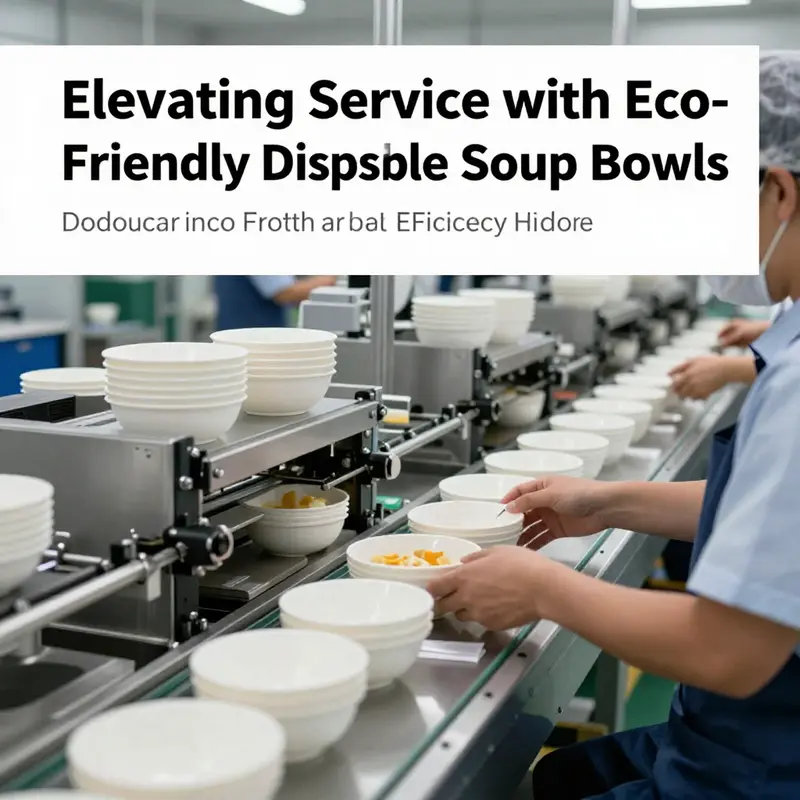
In this evolving landscape, a single chapter of the story is about scale and speed. The market increasingly rewards factories that can translate environmental performance into operational efficiency. This includes spills and waste management during production, energy and water use reductions, and lean manufacturing practices that minimize off-spec product and rework. When a facility is designed with circular principles in mind—from condensed supply lines to modular equipment that can be retooled for different sizes—the same facility becomes capable of supporting broader business objectives without sacrificing sustainability. In short, the factory that can deliver a compliant material, an efficient molding process, reliable performance, and a branded, market-ready package is the factory that wins market share.
To make sense of the current state and the near-term trajectory, one can look to external market analyses that outline the key drivers shaping the industry. The convergence of environmental priority, product performance, and supply-chain resilience is the backbone of strategic planning for the disposable soup bowl sector. While macroeconomic forces can always apply pressure, the core consumer preference remains clear: a growing willingness to pay more for a product that is environmentally responsible, functionally robust, and aligned with a brand’s ethical stance. In practice, this translates into a durable growth path for biodegradable materials, a broadening of the design envelope to accommodate variable dining contexts, and a service model that can scale with the ambitions of restaurant groups, caterers, and food-delivery ecosystems.
For practitioners inside the factory, the implications are practical and actionable. Invest in materials with verifiable compostability and heat tolerance, and ensure that certification documentation is part of the product development cycle. Build a lid system that locks in place under dynamic transport conditions and supports reheating in microwave ovens without compromising the barrier or the appearance. Create a sizing ladder that accommodates small, medium, and large servings while keeping production lines flexible enough to switch between formats with minimal downtime. Leverage private-label capabilities to help clients project their sustainability image while enjoying the operational benefits of a single supplier. And emphasize end-to-end transparency—traceability, consistent quality, and clear communication about end-of-life options—to build trust with buyers who juggle branding, compliance, and customer expectations.
The internal logic of this chapter’s material also points toward a practical example of how a supplier can position itself in a crowded market. A factory might offer a spectrum of sizes—from 330ml to 1000ml—designed to cover everyday takeout and family meals alike, while maintaining a tight focus on safe heat resistance and leakage control. For customers seeking bulk orders, the ability to handle MOQs in the tens of thousands with scalable production is essential. The cost architecture matters as well: a broad volume discount can make a meaningful difference in a restaurant network’s packaging spend, helping to justify the shift away from conventional plastics toward bio-based alternatives. In scenarios where a client requires branding elements, private labeling becomes a strong differentiator—enabling a business to project its identity through the container itself, which in turn strengthens overall brand consistency across channels.
There is also a practical note about sourcing that often accompanies these strategic decisions. Buyers looking for reliable partners may turn to curated supplier ecosystems and verified marketplaces to assess certifications, delivery reliability, and production capacity. This is not merely about price; it is about the confidence to scale operations while maintaining quality and environmental integrity. For teams responsible for procurement, the challenge is balancing the immediacy of bulk needs with the longer-term goal of building a sustainable packaging program that can evolve with regulatory changes and consumer preferences. In this sense, the factory’s value proposition extends beyond the product to the entire packaging ecosystem it supports—materials science, manufacturing discipline, logistical reliability, and credible sustainability storytelling all rolled into one.
The integration of these trends into daily practice requires a plan that respects both the micro details and the macro arc. The micro details include the drying and curing processes for biobased fibers, the barrier coatings that preserve food safety, and the precise tolerances needed for a secure lid interface. The macro arc encompasses the regulatory climate, consumer willingness to invest in sustainable goods, and the ongoing push toward a circular economy. When a factory aligns its operations with this dual horizon, it gains resilience against volatility in raw materials, fluctuations in demand, and evolving waste-management policies. The end result is not merely a greener bowl, but a more efficient, responsive business model that can deliver value consistently across market cycles.
As this market continues to mature, the interplay between consumer demand and production capability will tighten further. Companies that anticipate shifts in material science, invest in certification readiness, and maintain flexibility in sizing, branding, and distribution will lead the way. The disposable soup bowl, once a simple vehicle for hot meals, now stands as a test case for how industry can reconcile convenience with responsibility. The chapter of the factory’s story being written today is about how quickly and credibly it can translate environmental commitments into tangible products, how elegantly it can design for delivery, and how persuasively it can communicate the end-of-life option to customers who want both ease and peace of mind. In this sense, the market trends and consumer preferences are not external forces but internal design constraints that drive better products, stronger partnerships, and a more sustainable food-service future.
For readers who want a concrete glimpse into how this direction translates into hands-on sourcing and product development, an illustrative example can be found in a supplier’s catalog of ready-to-scale, bio-based soup containers. These designs demonstrate the practical balance between performance and sustainability, and they illustrate how a producer can meet the demands of large-volume buyers while maintaining rigorous environmental standards. Disposable Kraft Paper Soup Containers with Lids serves as a representative case of the kind of packaging program that aligns with today’s market expectations while offering the flexibility that modern food-service operators need. This approach blends material fidelity with functional design, and it underscores how a modern disposable bowl can be more than a cost center—it can be a strategic asset in a brand’s overall sustainability story.
External resource for broader context: https://www.grandviewresearch.com/industry-analysis/bio-based-disposable-tableware-market
Final thoughts
The rising demand for eco-friendly disposable bowls represents not just a trend, but a shift in consumer behavior that emphasizes sustainability. For bubble tea shops, restaurants, food trucks, and event planners, sourcing these bowls offers a dual advantage: reducing ecological footprints while meeting the growing expectations of customers who prioritize environmentally responsible choices. Embracing sustainable materials, efficient production practices, and understanding market trends position businesses favorably in an increasingly competitive landscape. Adopting eco-friendly disposable soup bowls is more than a business decision; it’s a commitment to a sustainable future.