
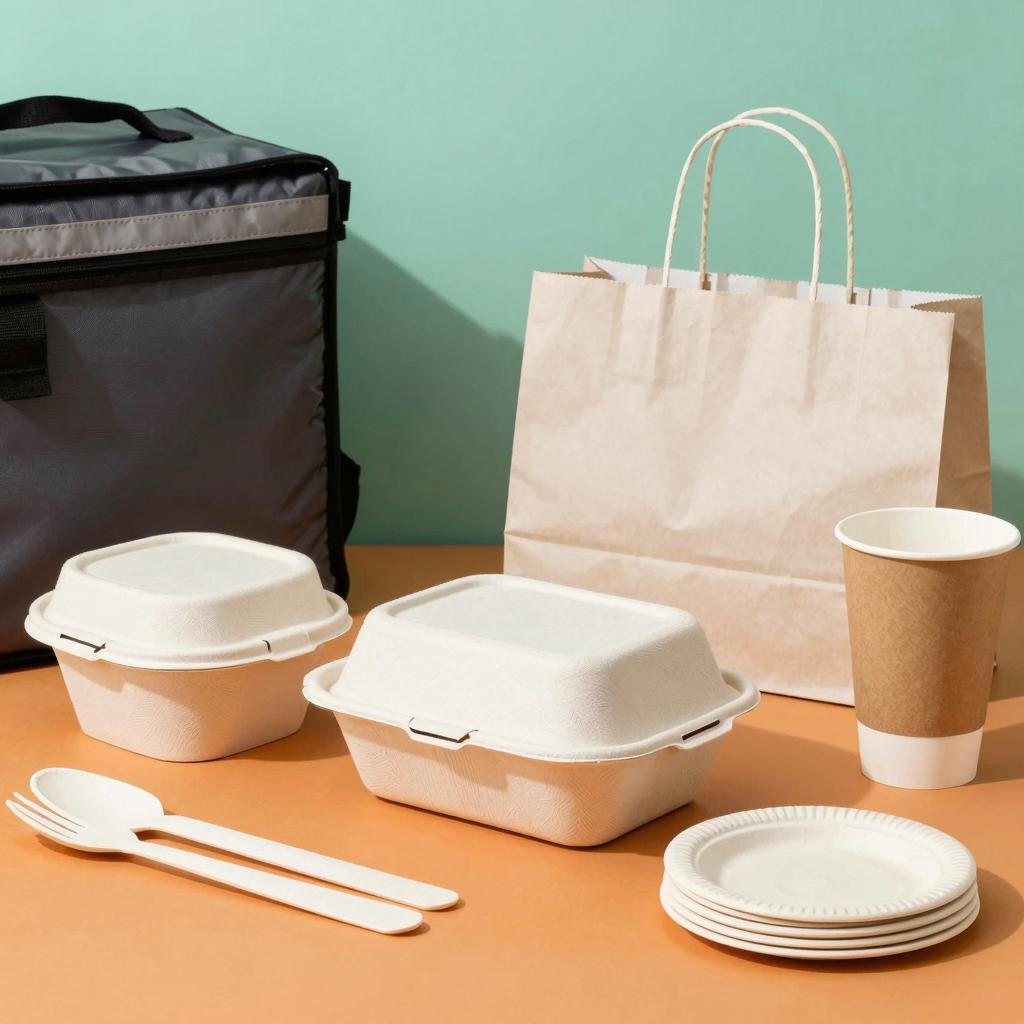
In the fast-evolving world of ecommerce, the importance of ecommerce food delivery packaging cannot be overstated. As businesses such as bubble tea shops, restaurants, food trucks, and catering services strive to meet consumer demands for convenience and quality, effective packaging solutions have become essential. These packaging solutions not only protect the food during transit but also enhance the customer experience by ensuring that meals arrive fresh and intact. Furthermore, the growing trend towards eco-friendly packaging is reshaping the industry, with many businesses turning to sustainable options that align with consumer values. Companies are increasingly opting for disposable tableware made from biodegradable materials, showcasing their commitment to environmental responsibility while still delivering delicious food directly to consumers’ doors. Embracing innovative packaging designs that resonate with brand identity can elevate a business’s presence in a crowded marketplace and foster customer loyalty. Let’s delve deeper into why smart packaging choices are pivotal for success in ecommerce food delivery!
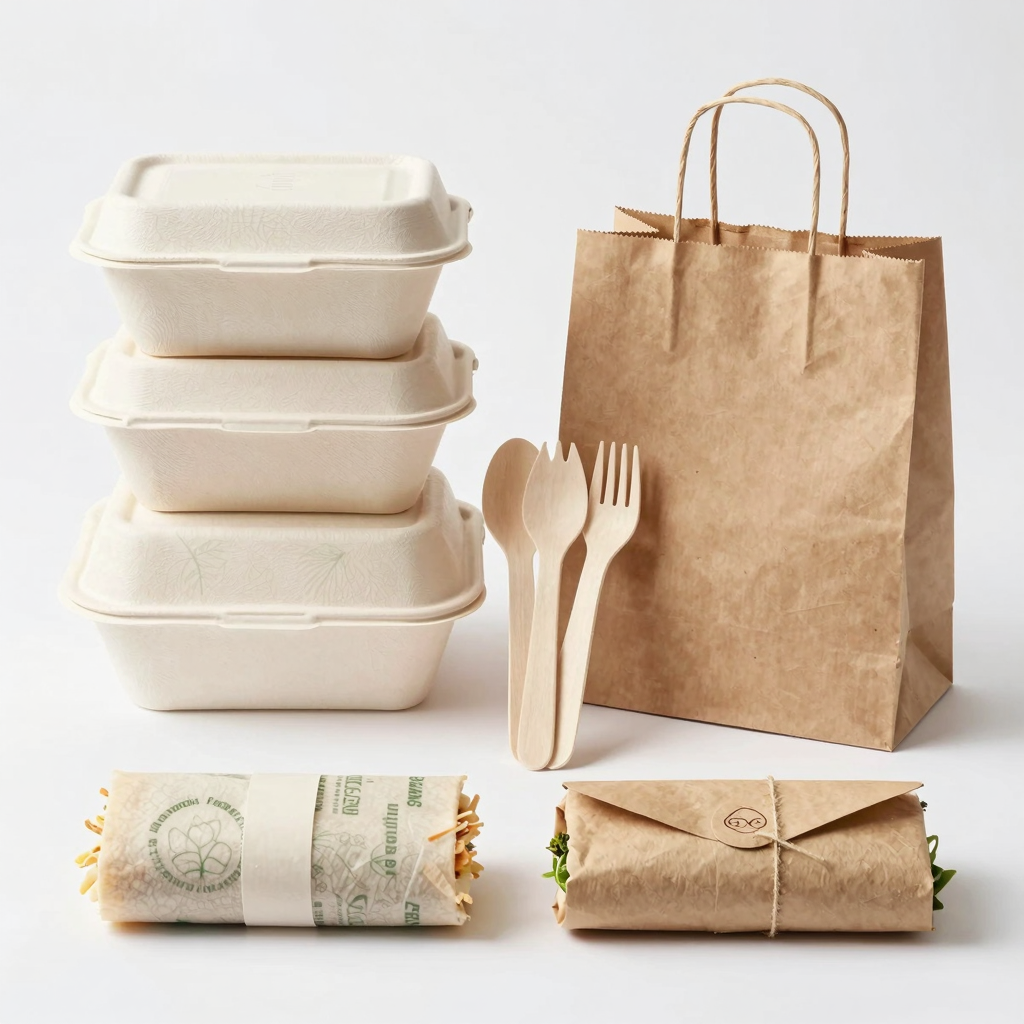
Key Packaging Challenges Faced by Food Businesses
Food businesses, such as bubble tea shops, restaurants, food trucks, and event planners, encounter various challenges with packaging when it comes to food delivery. Here are some of the common issues:
- Temperature Control: Ensuring food maintains the correct temperature during delivery is crucial, particularly for preventing food from entering the ‘danger zone’ where bacteria can proliferate. Effective insulated packaging is necessary but often comes with environmental concerns.
- Spillage Prevention: Protecting against spillage during transit is essential to safeguard food integrity and customer satisfaction. Many deliveries experience leakage due to inadequate sealing.
- Sustainability: The drive for more eco-friendly packaging is strong, but it can be challenging to find materials that are both sustainable and effective in preserving food quality.
- Regulatory Compliance: Adhering to food safety regulations, such as HACCP principles, necessitates packaging that offers not just physical protection but must also monitor and communicate food safety information during transit.
- Cost Management: Balancing high-quality packaging with cost-effectiveness remains a challenge, particularly for small businesses aiming to compete in a crowded market.
These challenges highlight the complex nature of ensuring safe, effective, and sustainable food delivery packaging solutions.
Learn more about food packaging challenges and sustainable packaging options.
Safety Standards in Food Packaging
Ensuring food safety in packaging is crucial in the rapid world of eCommerce food delivery. With an increasing number of consumers opting for online food orders, the significance of packing adhering to stringent safety standards cannot be overstated. Regulatory bodies such as the U.S. Food and Drug Administration (FDA) and the World Health Organization (WHO) outline that food packaging must prevent harmful substances from migrating into food, thereby protecting consumer health and enhancing satisfaction.
Food packaging materials should be non-toxic, chemically stable, and incapable of altering the food’s taste, odor, or color. This compliance guarantees safety throughout the product’s shelf life, particularly for items subjected to high temperatures or acidic conditions. Regulations such as those from the European Commission mandate that food contact materials be thoroughly tested to affirm that they do not transfer harmful substances to the food, ensuring that customers receive quality products without compromising their health.
Besides health concerns, effective packaging safeguards against biological hazards, chemical contaminants, and physical risks, thereby ensuring consumer trust. Incorporating these safety standards can significantly contribute to maintaining food quality and elevate customer satisfaction in your eCommerce food delivery services. To delve deeper into the importance of safe food packaging, learn more about safety standards in food packaging or check our insights on food contact materials.
Comparison of Disposable Tableware and Packaging Options
In today’s restaurant and food delivery industry, choosing the right disposable tableware and packaging options is crucial for both functionality and customer satisfaction. Below is a comparison table that highlights various types of packaging materials based on important factors like cost, durability, and eco-friendliness.
| Material Type | Cost (per unit) | Durability | Eco-friendliness |
|---|---|---|---|
| Plastic (PP, PET) | $0.05 – $0.15 | Medium | Low |
| Aluminum | $0.07 – $0.20 | High | Medium |
| Kraft Paper | $0.10 – $0.25 | Low | High |
| Bagasse | $0.15 – $0.30 | Medium | High |
Note: Costs are approximate and based on bulk purchase prices as of April 2026. Durability refers to resistance to leakage, deformation, and heat under typical food delivery conditions. Eco-friendliness considers biodegradability, recyclability, and environmental impact during production and disposal.
For a deeper understanding of the impacts of materials used in food delivery, you can learn more about plastic containers in the food industry or explore the benefits of kraft paper packaging.
Trends in Food Delivery Packaging
The landscape of eCommerce food delivery packaging is rapidly evolving, driven by various factors that prioritize sustainability, technology, and customer experience. Here are three significant trends shaping the industry today:
1. Sustainable Materials
The shift towards using sustainable materials is a dominant trend in food delivery packaging. Businesses are increasingly adopting biodegradable, compostable, and recyclable materials to reduce their carbon footprint. Reports indicate that over 70% of consumers prefer brands that utilize eco-friendly packaging, creating a strong incentive for companies to innovate in this area. This trend not only caters to environmentally-conscious consumers but also helps improve brand loyalty and customer satisfaction. To explore more on sustainable options, you can learn more about non-plastic disposable food containers.
2. Smart Packaging Solutions
Advancements in smart packaging technology are enabling better food safety and quality control. Technologies such as temperature monitoring sensors and RFID (Radio Frequency Identification) tags enhance transparency during the shipping process. By ensuring that food items are stored and transported under optimal conditions, businesses can significantly reduce spoilage and waste, thereby enhancing operational efficiency. Such innovations also build trust with consumers who value product quality and safety.
3. Customer-Centric Designs
The focus on user experience is leading to the development of customer-centric packaging designs. Food delivery services are utilizing designs that facilitate ease of use, such as resealable containers and easy-to-open packages. This not only enhances customer satisfaction but also improves the overall delivery experience. Companies that invest in ergonomic and efficient packaging solutions often see increased customer retention and higher ratings in delivery services.
Overall, these trends reflect a broader commitment to sustainability and quality in the food delivery sector, resonating well with modern consumers’ preferences and expectations. Enhancing packaging choices can lead to improved customer satisfaction and operational efficacy in a competitive market.
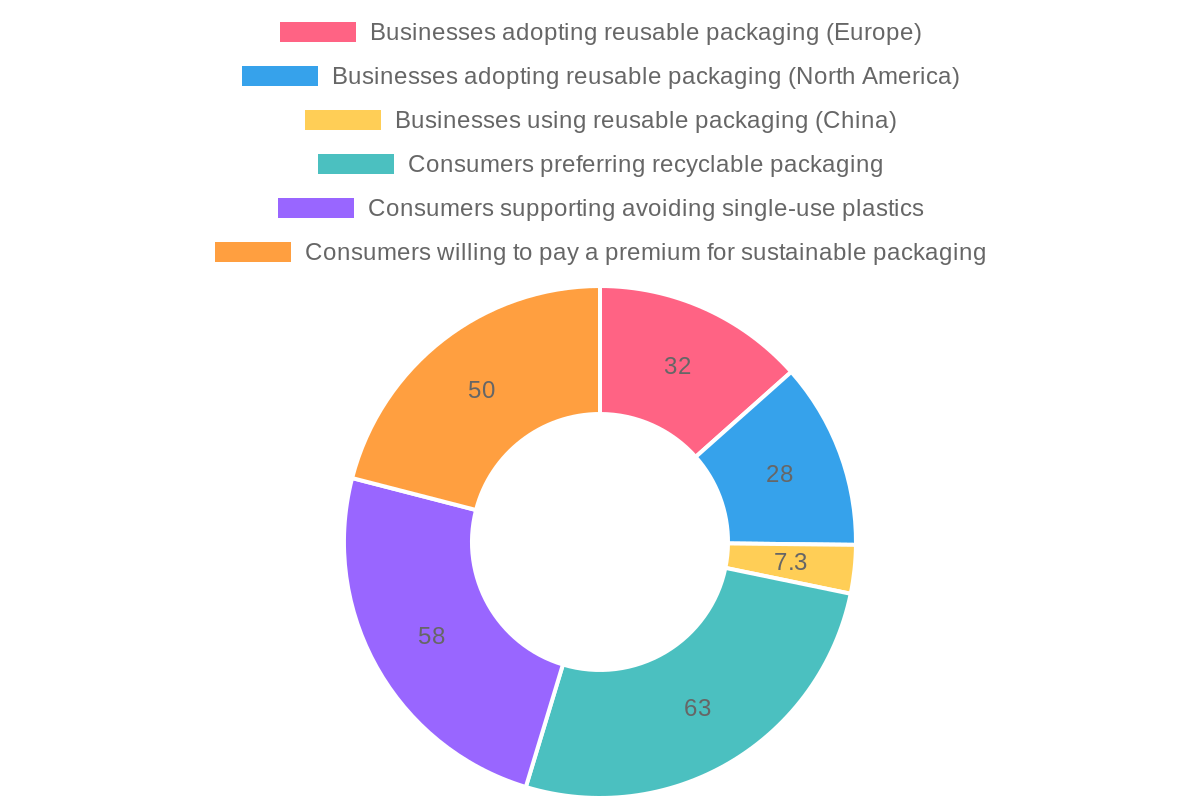
This chart illustrates key statistics related to the sustainability of packaging materials within the food delivery industry. The data reflects important trends in consumer preferences as well as the current adoption of reusable packaging options across various regions.
The statistics include:
- 32% of businesses in Europe adopting reusable packaging
- 28% of businesses in North America adopting reusable packaging
- 7.3% of businesses in China using reusable packaging
- 63% of consumers preferring recyclable packaging
- 58% supporting avoidance of single-use plastics
- 50% willing to pay a premium for sustainable packaging.
Conclusion
In the fast-paced world of e-commerce food delivery, the packaging you choose can significantly impact your customer’s experience. Whether you’re a bubble tea shop, a restaurant, or a food truck, it’s essential to select the right packaging solutions that ensure freshness and satisfaction. The value of partnering with a reliable supplier cannot be overstated. A trusted provider not only offers high-quality packaging options but also understands the unique needs of your business.
At EcoCup Bowl, we are committed to providing tailored packaging solutions that cater specifically to your food delivery requirements. Our extensive range includes everything from plastic containers to eco-friendly options, helping you present your culinary creations in the best possible way.
Are you ready to elevate your food delivery service? Contact us today for personalized quotes and discover how we can help make your food delivery impeccable!
“The attention to detail-from the unique design to the sturdy yet recyclable material-makes every order feel like a gift. Customers regularly send us messages saying how much they love the unboxing experience. This has become a key part of our brand identity.”
- A satisfied client, boutique coffee roaster
When selecting packaging solutions for your business, it’s essential to choose options that not only protect your products but also enhance your brand image and customer experience. Businesses such as bubble tea shops, restaurants, and catering services can truly benefit from high-quality packaging that is designed with the customer in mind.
For more insights on eco-friendly packaging solutions, check out our blog on sustainable packaging options that can reduce environmental impact without compromising on quality.
FAQs on Ecommerce Food Delivery Packaging
1. What is the environmental impact of food delivery packaging?
When considering food delivery packaging, many customers are concerned about its environmental footprint. Traditional materials account for a significant amount of waste in landfills. However, recent innovations have led to more sustainable options such as biodegradable containers and recyclable materials. According to a sustainability review published in 2023, the use of eco-friendly packaging can greatly reduce harmful impacts on the environment. As a food service provider, choosing sustainable materials is not only beneficial for the planet but also attractive to eco-conscious consumers.
2. Are the packaging materials safe for food?
Safety is a top priority when it comes to food packaging. Most e-commerce food delivery packaging is made from food-grade materials that comply with health safety standards. Always check for certifications and reviews from suppliers regarding the safety of their packaging options-like this guide on plastic containers in the food industry. Proper storage and handling also play essential roles in maintaining food safety.
3. How to choose the right packaging for my business?
Selecting the right food delivery packaging involves balancing costs, safety, and sustainability. Start by assessing your product requirements and consider factors like insulation, moisture resistance, and ease of use. Partnering with a knowledgeable supplier can provide invaluable insights and options tailored to your business’s specific needs.