
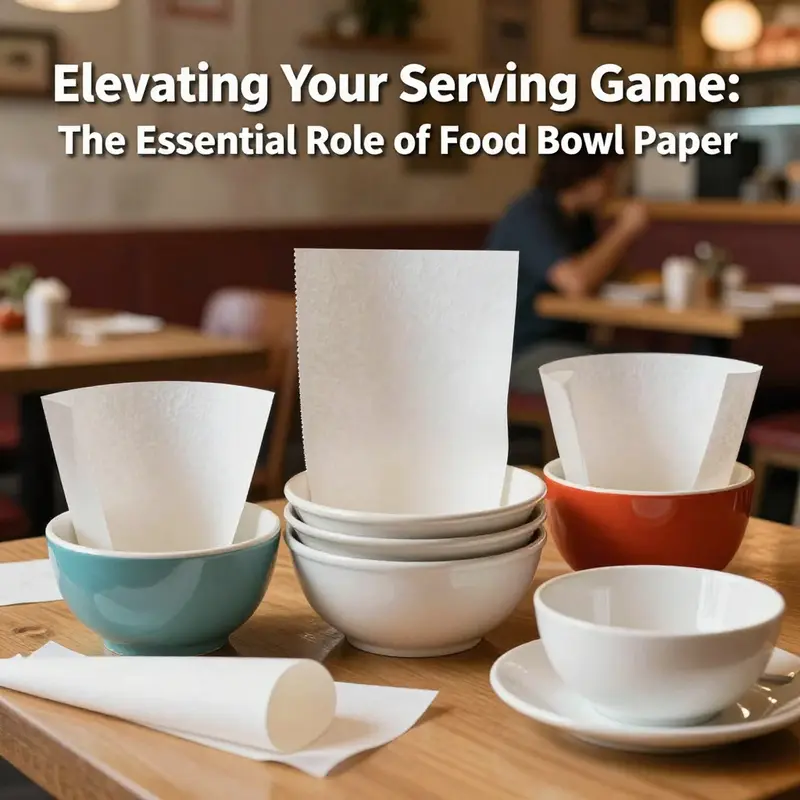
Food bowl paper has become an essential component for businesses in the food and beverage industry, offering a blend of functionality and convenience. With the rise of takeout and delivery services, the demand for reliable, safe, and sustainable disposable tableware has never been higher. This article delves into the intricacies of food bowl paper, covering its two primary types and the safety issues that may arise from improper use. We also explore the environmental implications of production processes and the shifting trends toward sustainability and regulatory compliance in this sector. Together, these elements form a comprehensive overview of how food bowl paper is poised to impact restaurants, food trucks, event planners, and more in today’s eco-conscious marketplace.
null
null
Guarding the Rim: Navigating Food Safety in Paper Bowl Packaging
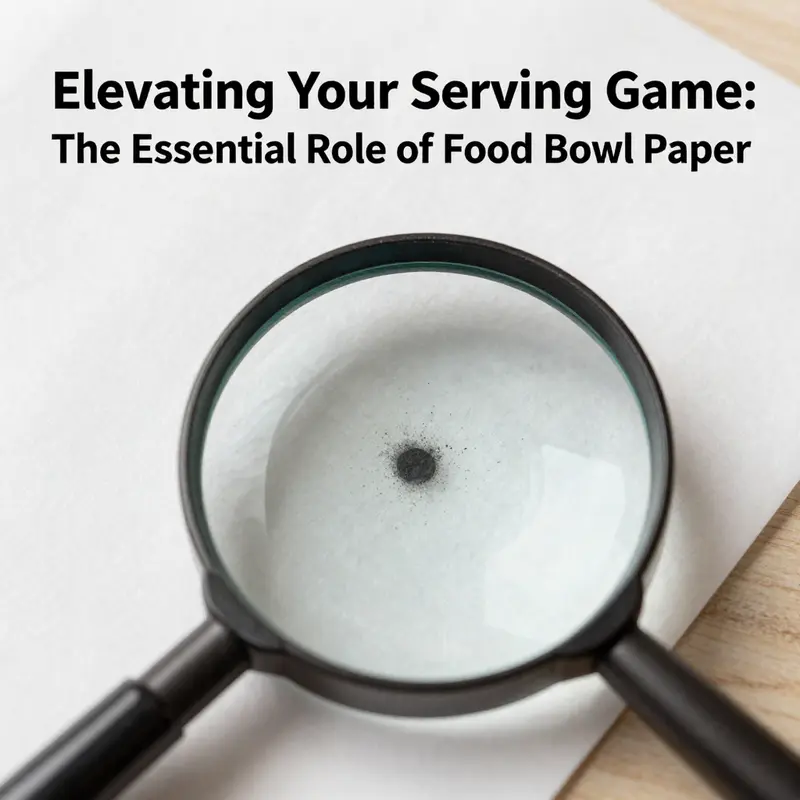
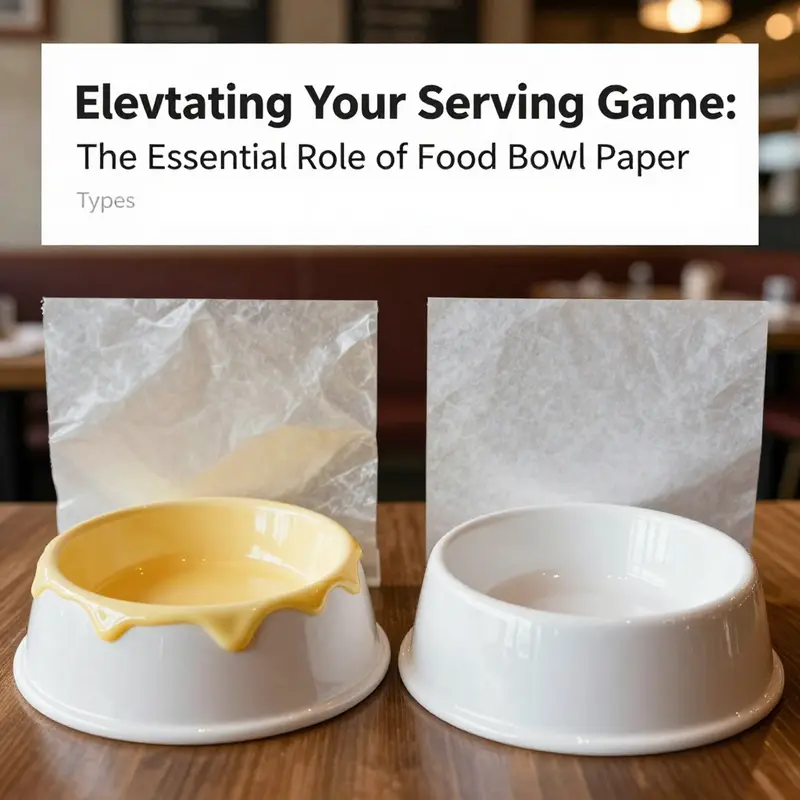
The rise of food bowl paper packaging reflects a balance of speed, cleanliness, and sustainability. Yet safety challenges lurk in materials choices, adhesives, and coatings. The interior barrier determines suitability for hot liquids; wax interiors work for cooler foods, while PE or PLA coatings increase heat tolerance but introduce migration considerations and compatibility with recycled pulp. Recycled pulp can bring mineral oil migration risks; these migrate more with fatty foods and warm conditions. Regulatory bodies have responded with testing, standards, and enforcement actions. For example, the 2025 sampling results identified non-compliant batches across regions, underscoring the need for robust supplier qualification and traceability. Manufacturers are pursuing safer designs by selecting barrier chemistries that minimize migration, using food-grade inks, and reinforcing mechanical integrity to resist leaks. Sustainability goals push toward PLA coatings and optimized fiber handling, though end-of-life outcomes vary by waste stream. Consumers can reduce risk by looking for clear labeling, third-party certifications, and heat-tolerance information, avoiding reuse of single-use bowls for hot foods, and following local disposal guidelines. The industry is moving toward transparency and collaboration across the supply chain to balance safety with environmental responsibility. In practice, safer packaging supports trust, reduces recalls, and enables the delivery of convenient meals without compromising health.
The practical takeaway is that safety is not a single checkbox but a continuous design goal: select compatible materials, validate migration and sensory performance, and communicate clearly with customers about coatings, ink systems, and end-of-life handling.
From Pulp to Plate: Mapping the Footprint of Food Bowl Paper
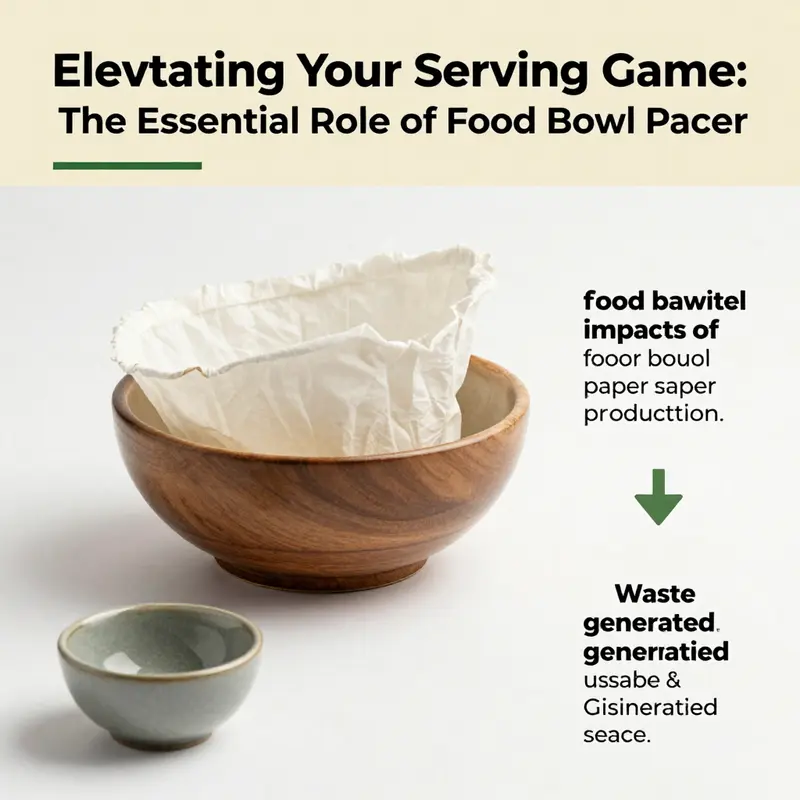
The lifecycle of food bowl paper begins long before it reaches a diner’s hands, and it ends far beyond the moment the last bite is taken. It starts in forests, fields, or mills and flows through pulping, coating, drying, and distribution. Each stage carries environmental costs in energy, water, and emissions, and the choices at each step ripple through ecosystems and waste streams. This chapter traces that lifecycle and asks how material choices, production practices, and end-of-life options combine to determine the true footprint of a single-use container.
A central theme is the shift toward renewable materials and recyclable or compostable designs. Kraft paper, agricultural byproducts, and plant-based coatings are increasingly common, while coatings and laminates are designed to be separable from the substrate or to degrade in appropriate facilities. The reality, however, is that benefits depend on local infrastructure, consumer behavior, and clear labeling. When industrial composting is available and correctly managed, compostable coatings can close the loop; when it is not, they may complicate recycling streams. The result is not a single silver bullet but a system that requires alignment among producers, policymakers, and waste managers.
On the production side, the sourcing of wood fiber, the chemistry of coatings, and the energy and water use of mills shape the environmental profile. Closed-loop water systems and energy-efficient processes help lower impacts, but even with improved technology, a substantial footprint remains. Transparency about energy use, sourcing, and end-of-life pathways helps buyers and diners make informed decisions.
End-of-life realities determine whether the design, when implemented well, truly captures circularity. If facilities exist to separate materials and treat them correctly, the paper bowl can contribute to higher recycling rates and more efficient composting. If not, contamination can undermine benefits and lead to wasted resources. Public guidance and standardized labeling are essential to ensure items reach the intended waste streams.
In practice, creating the most sustainable option requires a system view: choose durable substrates, minimize plastic in coatings, and support waste-management infrastructure that can process the product after use. This chapter also highlights practical considerations for operators, suppliers, and regulators aiming to improve environmental outcomes without sacrificing safety or performance.
External reference: https://www.bpiworld.org
Internal example: see a kraft-paper, grease-resistant packaging option that aligns with sustainable end-of-life goals, and consider how certification and local facilities influence real-world impact.
Shaping Tomorrow for Food Bowl Paper: Sustainability, Regulation, and the Greener Plate
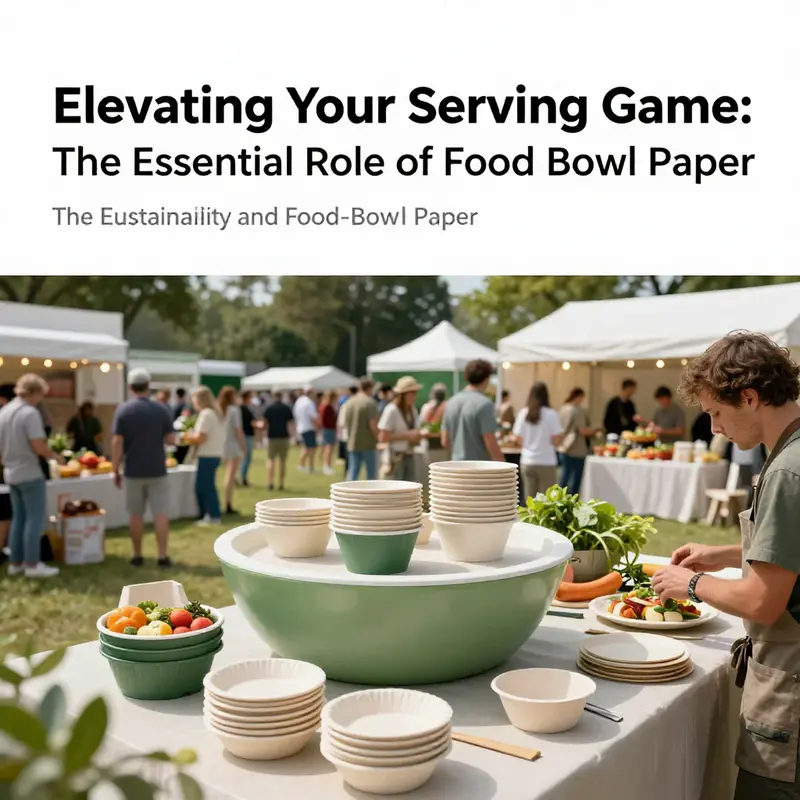
This chapter marks a pivotal shift for food bowl paper, where sustainability imperatives, evolving regulation, and smarter materials design converge. Packaging is no longer just a barrier; it is part of a circular economy. Consumers, policymakers, and manufacturers increasingly expect clear environmental attributes, robust safety, and end-of-life pathways. The text explores how coatings, substrates, and inks influence recyclability and compostability, and how plant-based options like PLA coatings are expanding the toolkit beyond traditional wax or PE barriers. It discusses regulatory contexts in major markets, from food-contact safety standards to labeling and traceability, and emphasizes the need for transparent certifications and credible waste-stream alignment. The chapter also looks at the economics of adoption, the importance of waste-management partnerships, and the ways brands can communicate responsible choices to diners. Finally, it previews future directions: smarter design for performance with lower environmental impact, and broader system-level thinking that integrates production, distribution, and disposal toward genuinely greener plates.
Final thoughts
The future of food bowl paper is closely tied to the principles of safety, sustainability, and innovation. As restaurants, food trucks, and catering services continue to adapt to the growing consumer demand for eco-friendly options, understanding the nuances of food bowl paper becomes imperative. By selecting high-quality products from reputable manufacturers and embracing sustainable practices, businesses can not only ensure food safety but also contribute positively to the environment. As we move forward, staying informed of evolving regulations and emerging trends will empower these businesses to thrive while prioritizing their customers’ health and the planet’s well-being.